
Think poodles are just fancy haircuts and show rings? Get ready to meet the athlete, genius, and devoted partner behind the curls.
These facts will flip old assumptions on their heads and help you see the breed with fresh eyes. By the end, you will know exactly why poodles win hearts and outsmart stereotypes.
Originally bred for water retrieving
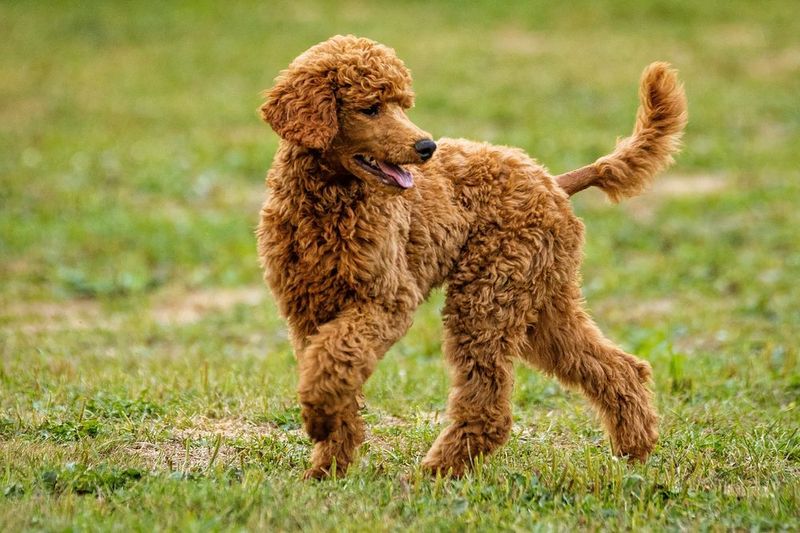
Poodles began as rugged water retrievers, not salon mascots. In marshes and rivers, hunters relied on their keen noses, dense curly coats, and fearless dives to bring back fallen waterfowl.
The classic pom poms you see were functional clips that reduced drag while leaving warmth on joints and chest.
That history explains why your poodle loves fetch, splashing, and structured jobs. You can honor the breed by offering dock diving classes, swimming sessions, or retrieval games that tap into instinct.
If swimming is not available, try flirt poles, scent games, and puzzle toys that mimic pursuit and recovery. Keep a towel handy because enthusiasm can turn puddles into parties.
Training comes easier when activities feel purposeful, and a satisfied retriever naps like a champion.
One of the smartest dog breeds alive

Poodles consistently rank near the top for canine intelligence, right beside border collies and German shepherds. They learn new commands quickly, often needing just a handful of repetitions before responding.
More important, they generalize skills to new situations, which is why they excel in obedience, agility, and service work.
Use that brilliance kindly, not harshly. Short, upbeat sessions with clear rewards keep motivation sky high and prevent frustration.
Rotate cues, environments, and games so your poodle practices thinking rather than simply memorizing a script. You will notice problem solving in daily life too, from door latches to toy puzzles.
When you celebrate curiosity and creativity, you get a partner who anticipates your needs and enjoys collaborating.
Comes in three official sizes
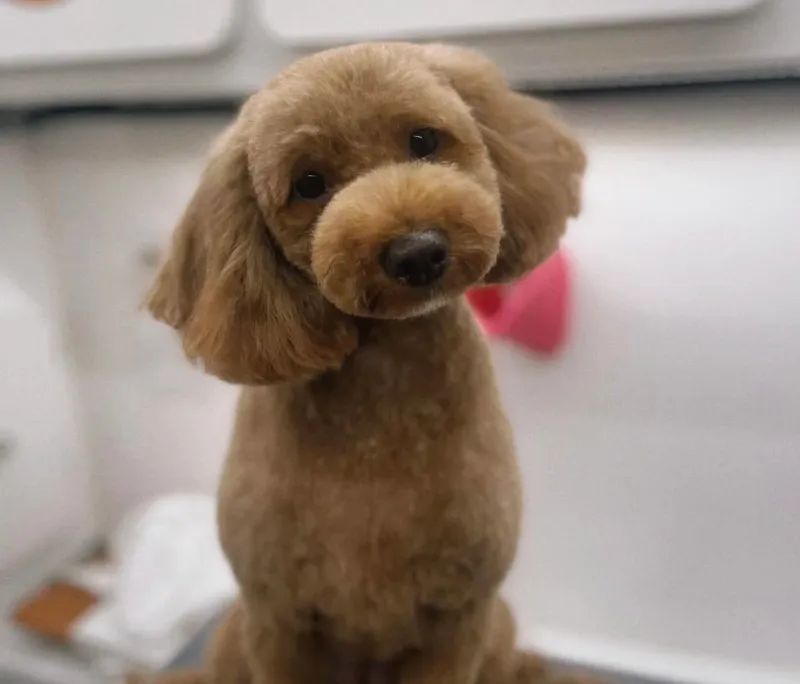
Poodles come in three official sizes recognized by major kennel clubs: Standard, Miniature, and Toy. Standards are the athletes and traditional retrievers, Miniatures shine in sporty families, and Toys bring big brains to small spaces.
Despite size differences, all share the same intelligence, hypoallergenic reputation, and energetic spirit.
Choosing the right size is about lifestyle, not status. Consider exercise time, travel needs, and housing rules before letting your heart make the call.
Standards love long hikes and robust training, Miniatures balance energy with convenience, and Toys thrive when protected from rough play. Plan grooming, vet costs, travel crates, and training intensity for each size’s needs.
Whatever you pick, consistent enrichment keeps that brilliant mind satisfied and manners polished.
Their coat keeps growing continuously
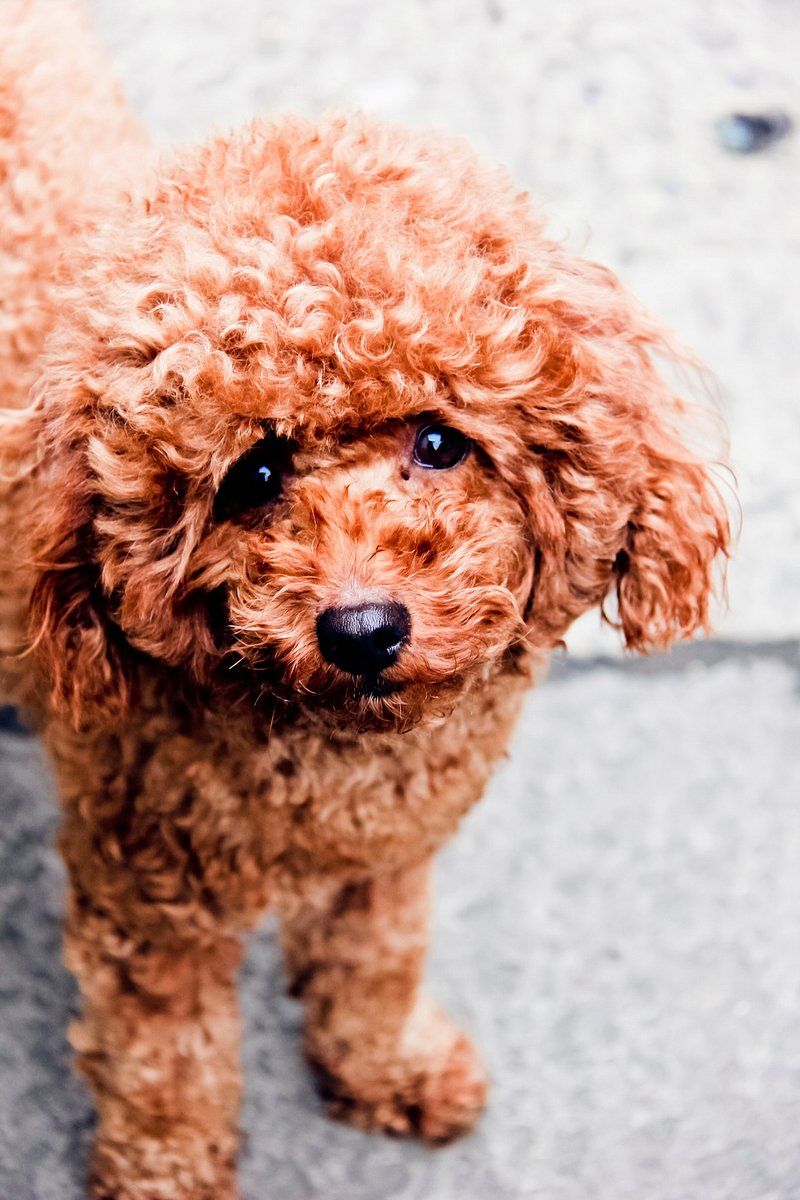
Unlike double coated breeds, poodles have hair that grows continuously, much like yours. That means less seasonal blowing and more predictable maintenance, but it is not carefree.
Without regular brushing and trims, the curls can mat, trap debris, and pull uncomfortably on the skin.
Set a schedule you can keep. Many owners do quick daily brushing, weekly baths or tidy ups, and professional grooming every four to eight weeks depending on style.
Choose cuts that suit activity level, from sporty short clips to fluffy teddy looks. Positive handling practice turns grooming into bonding time, making vet visits smoother and home care easier.
Use detangling spray, high quality combs, and patience to protect skin and preserve curls.
Historically used in circuses because of intelligence
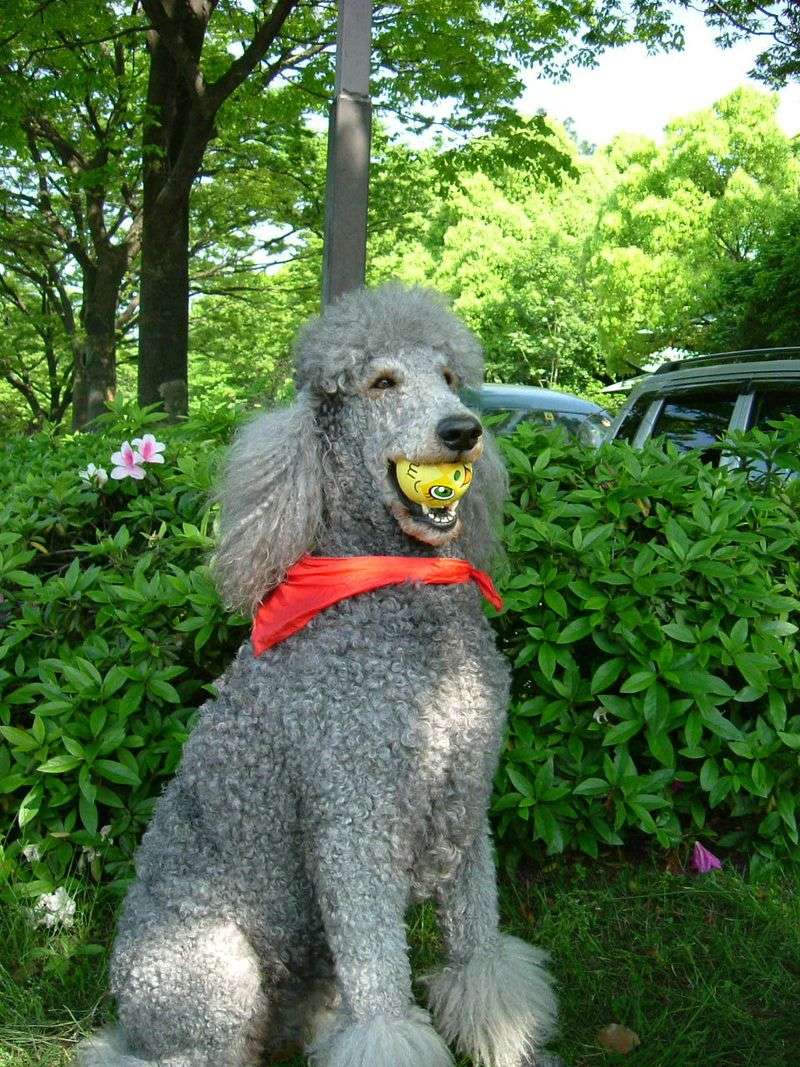
Poodles starred in traveling circuses across Europe and America because trainers could shape complex routines quickly. Their quick minds, athletic bodies, and people focus made balancing, jumping, and comedic skits crowd favorites.
The fancy costumes came later, but the core appeal was always their charm and precision.
Today, you can channel that showmanship with trick training and cooperative play. Teach sequences like spin, sit pretty, bow, and hoop jumps, then stitch them into short performances for family fun.
Keep sessions joyful, reward generously, and retire moves that cause strain. Your poodle does not need a spotlight to feel proud, just your attention and applause.
Practice to upbeat music, use props safely, and invite friends to cheer progress.
Excellent emotional support dogs
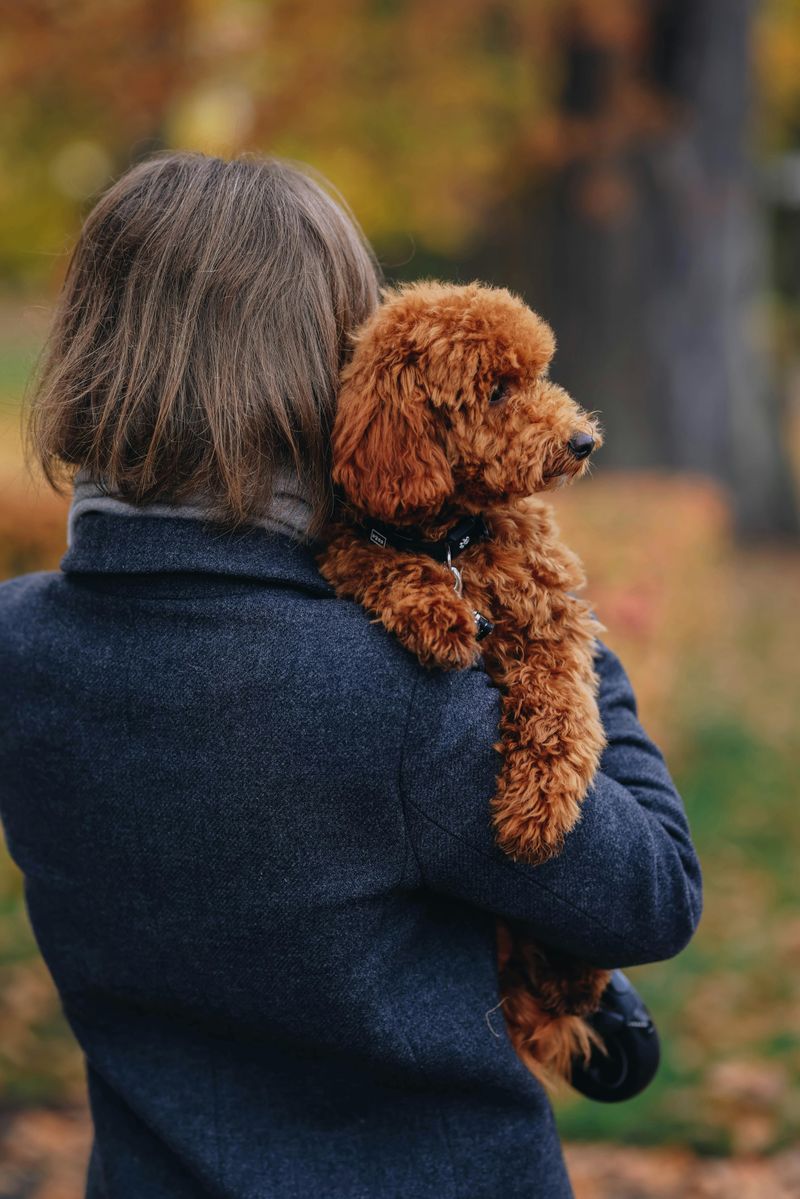
Poodles read human emotions with uncanny accuracy, which is why so many serve as emotional support companions. They tend to notice tone, posture, and routines, nudging gently when stress rises.
That sensitivity pairs with intelligence to create dogs who comfort without being intrusive.
If you want that gift to shine, keep your poodle’s world consistent and calm. Practice relaxation on mats, teach settle cues, and offer quiet spaces during busy gatherings.
Regular exercise prevents anxious energy from building, while predictable training builds trust. When you model steady breathing and patience, your dog mirrors it back and becomes a reassuring anchor.
Pair support work with boundaries so caregiving never feels overwhelming for either of you. Truly.
Highly athletic despite elegant appearance
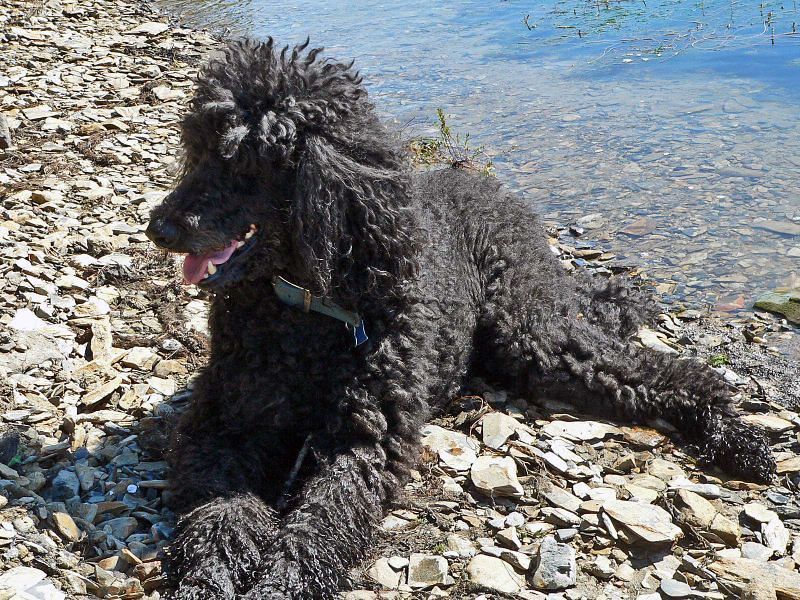
That regal silhouette hides a spring loaded athlete. Poodles pivot, leap, and accelerate with startling precision, which is why they dominate agility and rally courses.
The same structure that once sliced through cold water now powers sprinting, swimming, and long playful romps.
Feed the athlete respectfully. Mix cardio with strength and flexibility, like fetch sprints, hill walks, cavaletti poles, and balanced tug.
Warm up before hard play and cool down afterward to protect joints. With smart conditioning, your poodle carries that elegant outline like armor, moving confidently through adventures and daily life.
Schedule vet checks, rotate surfaces for paw health, and respect rest days to prevent overuse injuries. Mental sports like nose work and trick training tire bodies safely and sharpen focus.
Rarely heavy shedders
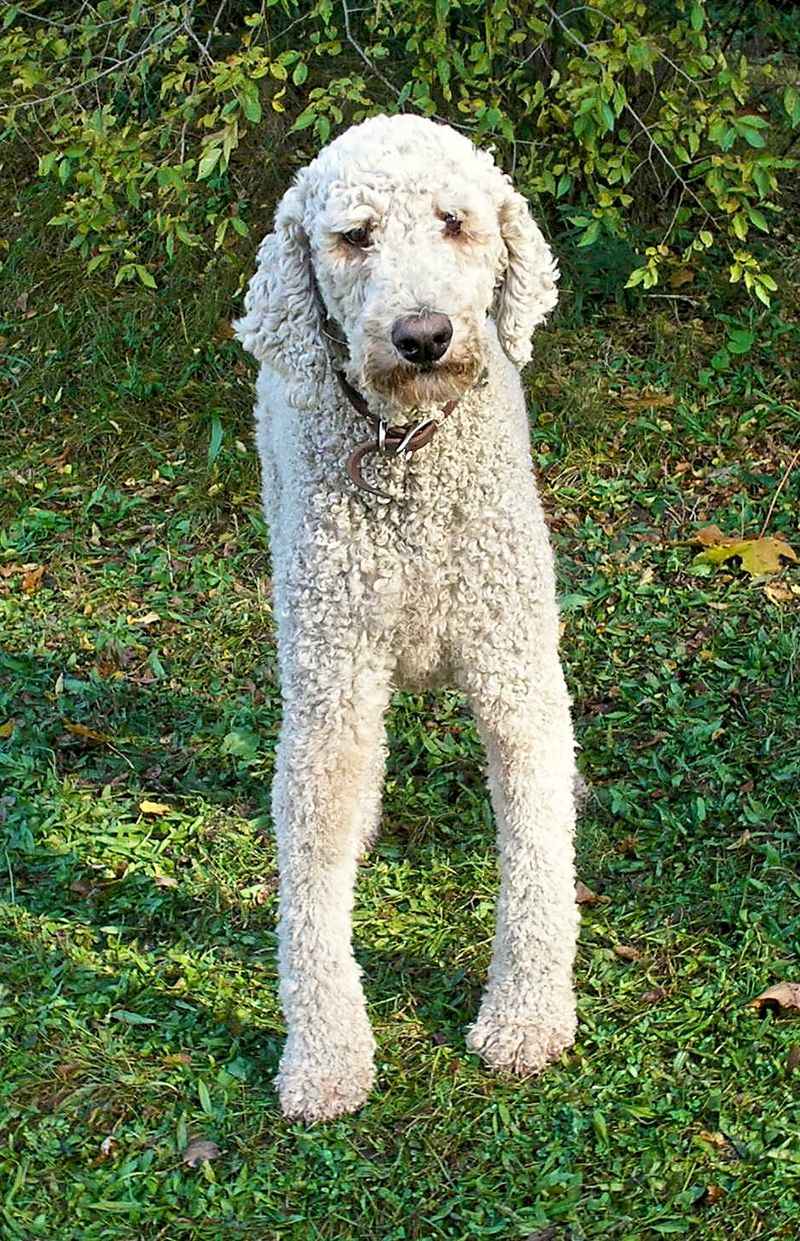
Many people describe poodles as low shedding, which can be a relief for tidy homes and sniffly noses. The tight curls tend to trap loose hairs until brushing removes them.
That means less tumbleweed on floors, but it shifts effort toward grooming tools and routines.
Allergies are personal, so meet a poodle before committing. Spend time in a home, brush the coat, and notice reactions over several hours.
Regular bathing, HEPA filters, and diligent vacuuming further reduce dander. Low shedding does not equal low maintenance, yet the tradeoff suits many families who prefer cleaning gear to floating fur.
Choose natural fiber blankets, washable slipcovers, and dedicated grooming stations to make routines painless. Keep brushes near favorite nap spots.
Thrive on mental stimulation
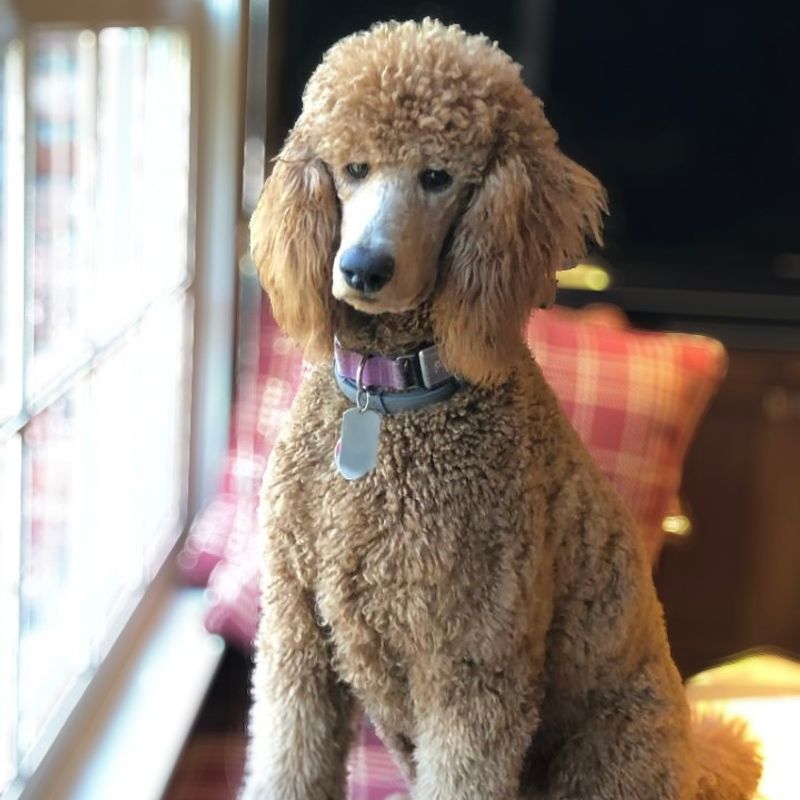
Poodles are thinkers at heart, and boredom is the one thief you must outsmart. When their brains idle, mischief starts, from sock heists to creative landscaping.
Give that mind a mission and you unlock the cheeriest, most cooperative version of your dog.
Build a weekly plan with puzzle feeders, sniffaris, hide and seek, shaping games, and short training bursts. Rotate toys, scatter meals, and add tiny challenges to walks, like perch work or platform hops.
Ten focused minutes can tire a poodle pleasantly. The more you invest in brain work, the more calmly your buddy relaxes afterward.
Track ideas in a simple notebook so variety stays high and progress feels visible. Invite friends for training dates to mix distractions and friendly social novelty.
Strongly attached to their families
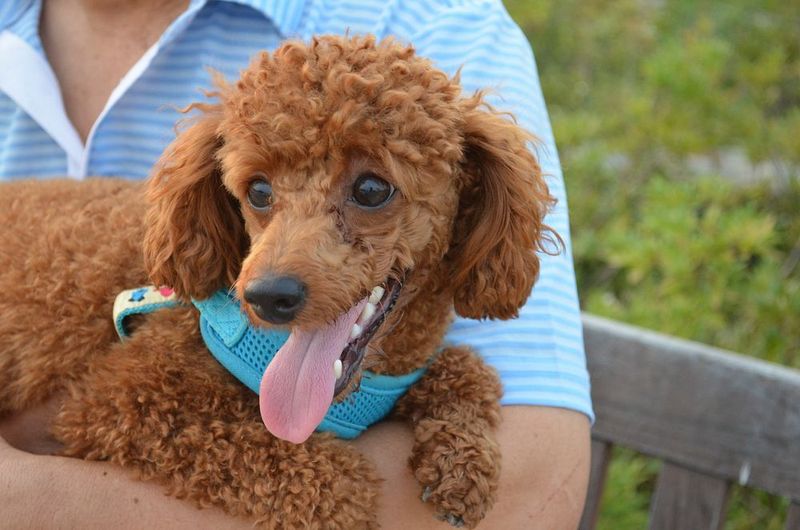
Poodles bond deeply with their people, often shadowing favorite humans from room to room. That closeness feels wonderful, yet it needs thoughtful boundaries to prevent separation stress.
Teach independence early so love stays comforting rather than clingy.
Practice alone time in gentle steps, using stuffed Kongs, snuffle mats, and white noise. Vary departure cues, return calmly, and reward relaxed behavior.
Encourage friendships with trusted sitters to expand your dog’s circle of safety. When attachment is guided with structure, your poodle feels secure whether you are home, at work, or exploring together.
Combine exercise, training, and consistent routines so confidence grows and good habits stick naturally. If anxiety appears, consult a qualified trainer and your vet before patterns harden.