
Some dogs do not need noise to make a statement. Their calm confidence, imposing strength, and steady watchfulness say everything.
If you want real protection without constant barking, these guardians bring quiet assurance to your home and property. Get ready to meet breeds whose presence alone changes how safe you feel.
Bullmastiff
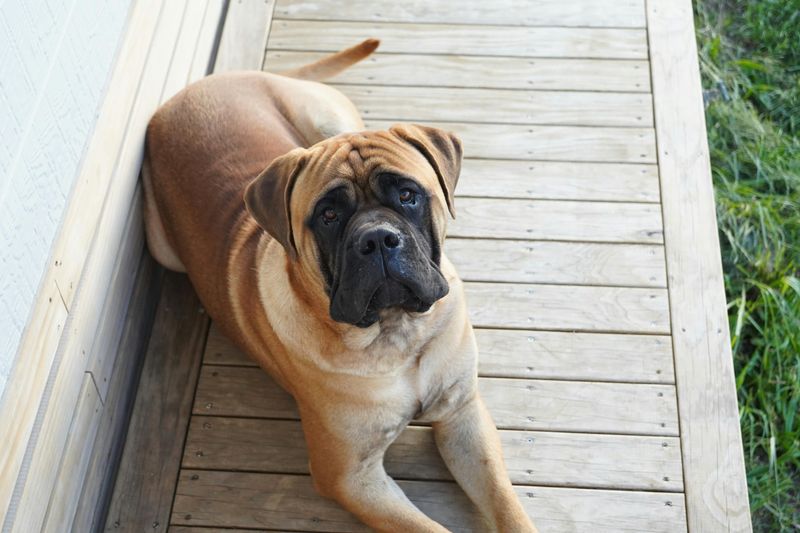
The Bullmastiff guards like a velvet hammer, soft in spirit yet unshakably strong when needed. You notice the calm eyes first, scanning without fuss, figuring out what matters.
Strangers feel the weight of that gaze and rethink bold choices. This breed was built to stop intruders by pinning, not mauling, which suits modern neighborhoods.
Training is straightforward when you stay consistent, fair, and calm. You will get a shadow that respects boundaries and expects the same.
Exercise needs are moderate, but mental work matters more. Short obedience drills, place training, and polite leash work keep this dog balanced.
Affectionate with family, aloof with visitors, the Bullmastiff shines with clear house rules. Drool happens, so keep towels handy.
With structured socialization, confidence grows quietly. Presence alone does the talking.
Cane Corso
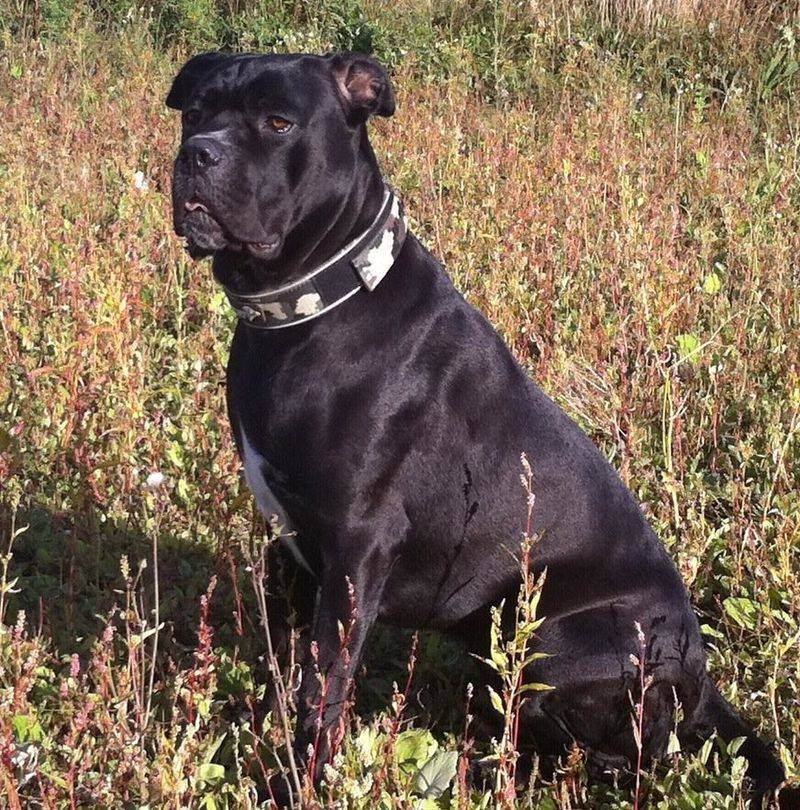
The Cane Corso carries old world dignity that you feel before you hear. Broad chest, heavy head, and tireless eyes give off a steady perimeter check.
You do not get frantic barking, just a measured warning when lines are crossed. This breed thrives on purpose, whether guarding, obedience, or structured walks.
Clear leadership and daily training reps prevent pushiness. With family, the switch flips to gentle, leaning in like a living fortress.
Early socialization is essential, steering confidence without softening courage. Teach neutrality around strangers and rock solid recall.
The Corso needs consistent boundaries, nail trims, and simple grooming. Strong joints appreciate controlled exercise, not wild sprints.
Mental challenges curb boredom and protect furniture. When trained well, the presence alone settles most situations.
Boerboel
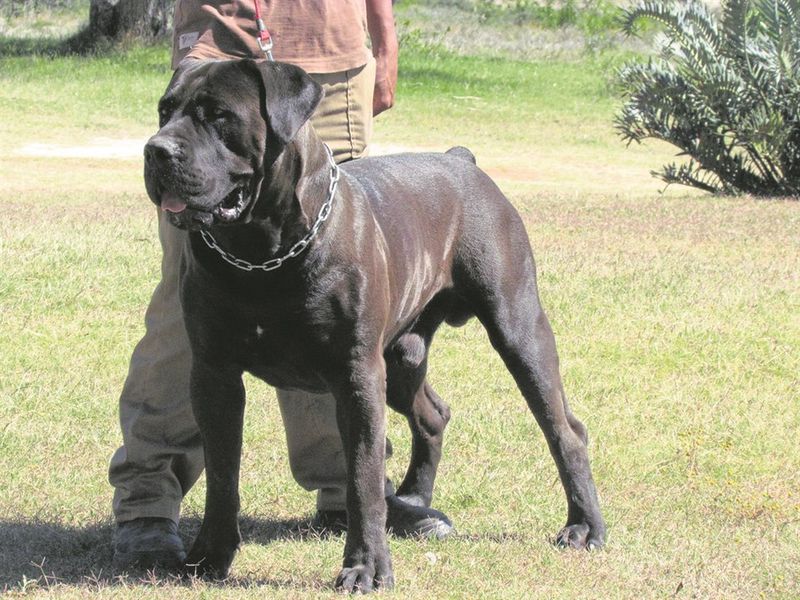
The Boerboel feels like a moving wall, grounded, balanced, and always clocking movement. Bred to protect homesteads, it reads body language with unsettling accuracy.
You get quiet patrols, not wild outbursts, which keeps stress low. Structure is everything for this powerhouse.
Daily obedience and calm exposure around town build mature judgment. Firm kindness beats macho handling every time with this sensitive, strong-willed guardian.
Families appreciate surprising gentleness with kids when rules are consistent. Socialize early, reward neutrality, and maintain a reliable place command.
The coat is easy care, but nails, hips, and elbows need attention. Plan strength building with controlled hills and tug games.
Mental outlets like scent work help settle big feelings. With purpose, the Boerboel’s presence alone secures the yard.
Tibetan Mastiff
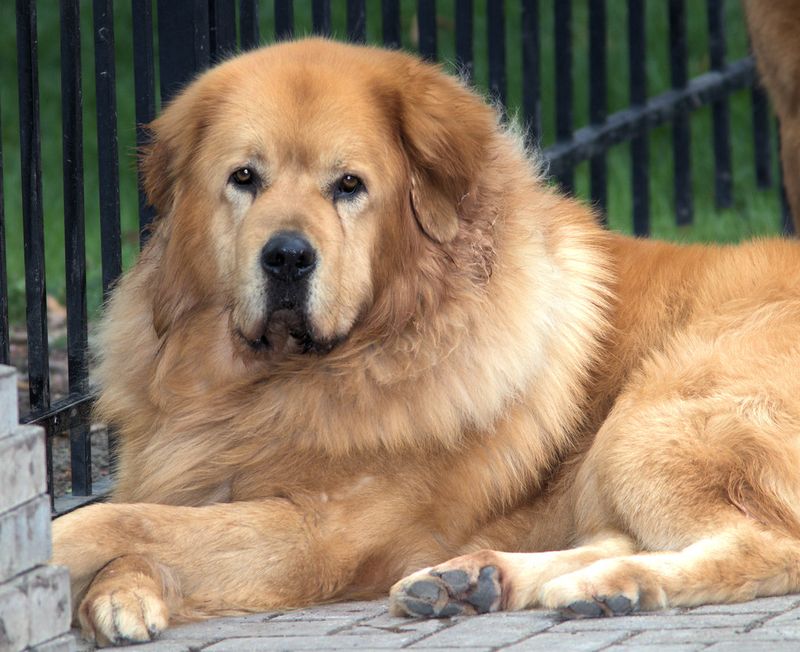
The Tibetan Mastiff is ancient quiet, the kind that makes strangers step slower. Fluffy mane or not, the stance reads immovable.
At night, instincts sharpen, and the perimeter tightens without fanfare. Independence runs deep, so training leans on respect and routine.
Keep sessions short, clear, and calm to earn buy-in. You will not bully this thinker, but you can partner with it and win.
This breed prefers cool weather, open space, and predictable schedules. Fence lines must be solid because patrol urges are strong.
Socialize carefully to build neutrality, not friendliness. Grooming is seasonal, with dramatic sheds once or twice a year.
Mental enrichment curbs stubbornness. When boundaries are clear, the presence alone is mountain-still protection.
Great Pyrenees
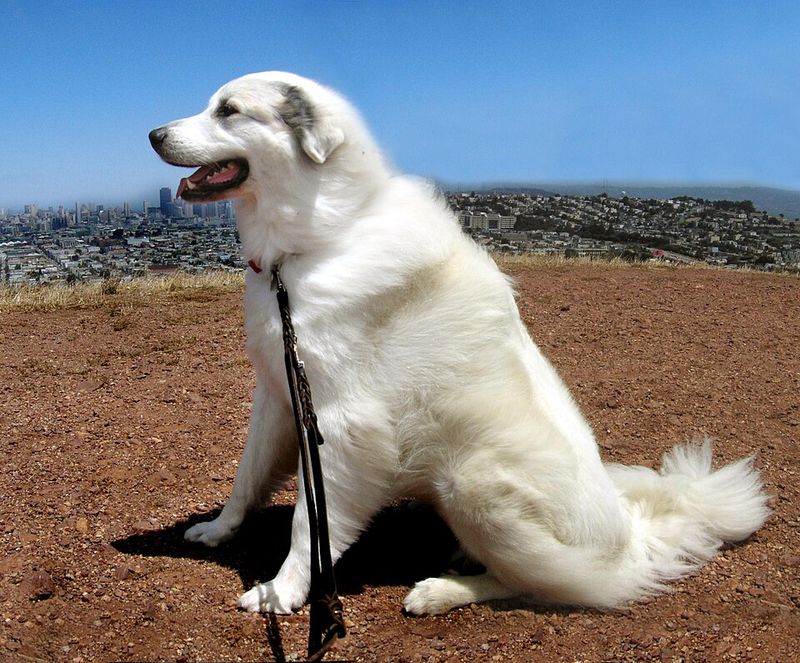
The Great Pyrenees floats like a cloud until it roots like a boulder. Night shifts are its favorite, patrolling calmly while the world sleeps.
Barking comes in thoughtful bursts, not nonstop noise, to flag true concerns. This is a guardian that loves routines and family bonds.
Affection is tender, patience is long, and stubborn streaks are legendary. Training needs calm repetition and generous praise more than corrections.
Grooming demands regular brushing to manage that stunning coat. Heat management matters, so schedule exercise during cooler hours.
Socialize to teach neutrality around guests and livestock. A strong recall and reliable boundary training are musts.
With kids, the vibe is gentle and watchful. The presence alone turns open fields into safe space.
Rottweiler
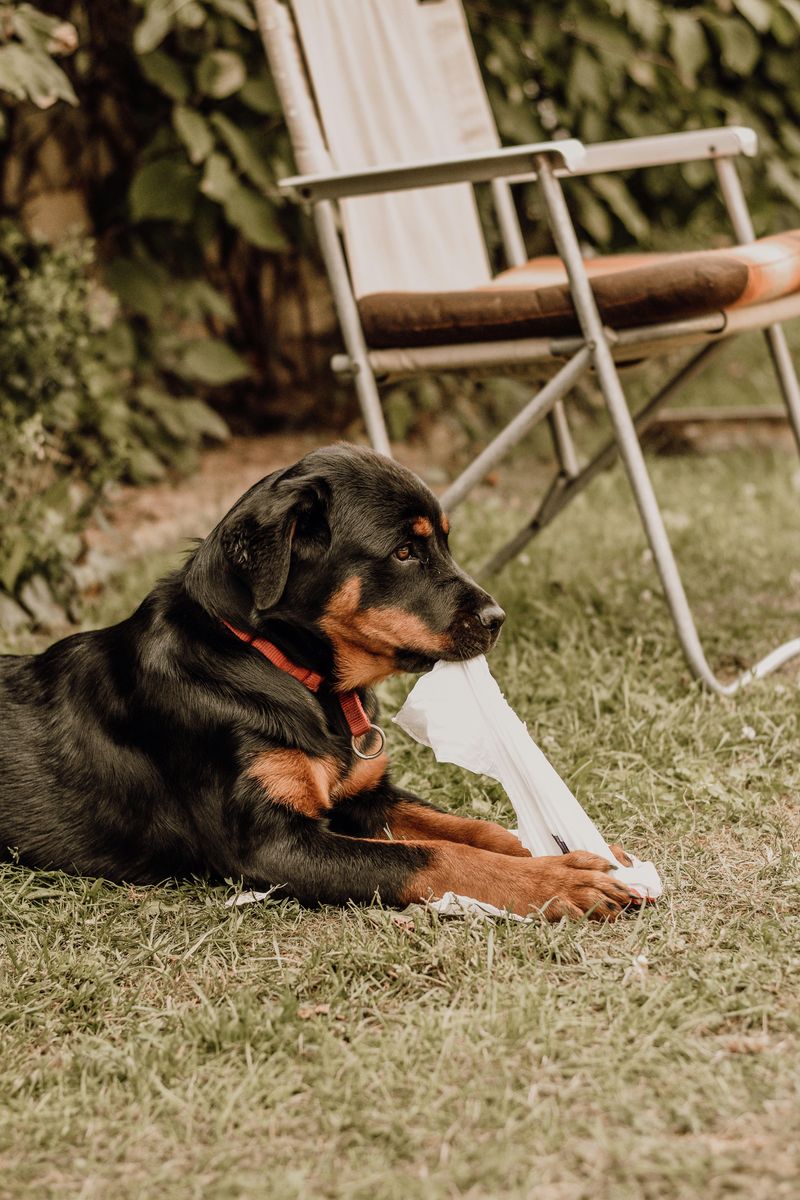
The Rottweiler carries authority like a tailored suit. Square, steady, and deliberate, it watches doorways and reads intent quickly.
It prefers measured warnings over bluster, saving serious energy for real problems. Train with clarity, consistency, and plenty of mental tasks.
Heeling, place work, and controlled play build that famous composure. Rewards should be meaningful, boundaries reliable, and corrections fair and timely.
Good socialization creates neutrality in crowds without diluting backbone. Health care means joint support, lean condition, and regular heart checks.
Grooming is simple, but nails and teeth need attention. Daily work keeps the brain satisfied and furniture safe.
With family, warmth shows through lean-ins and quiet company. Presence alone handles most doorbell moments.
Anatolian Shepherd
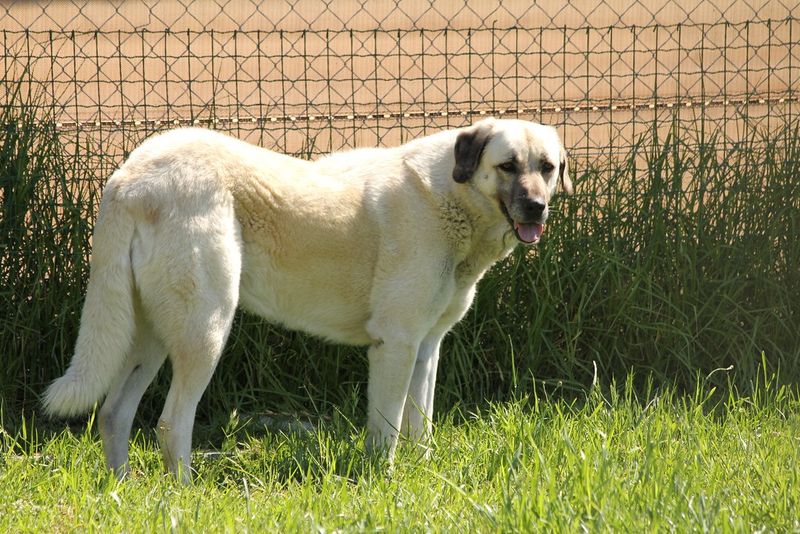
The Anatolian Shepherd acts like a quiet sentry with farmer wisdom. It maps territory quickly and decides what belongs.
Barking is strategic, not constant, meant to warn and discourage without drama. Independent thinkers need purposeful work and fair leadership.
Keep training simple, functional, and steady. Reward calm confidence, not excitable reactions, and you will see expert boundary control.
Rural homes suit this breed best, though big yards can work with commitment. Socialize carefully to build stable neutrality around visitors.
Coat care is easy with seasonal shedding spikes. Regular conditioning, solid fencing, and reliable recall matter more than tricks.
Affection comes in grounded nudges and close proximity. Presence alone makes predators and prowlers reconsider plans.
Kuvasz
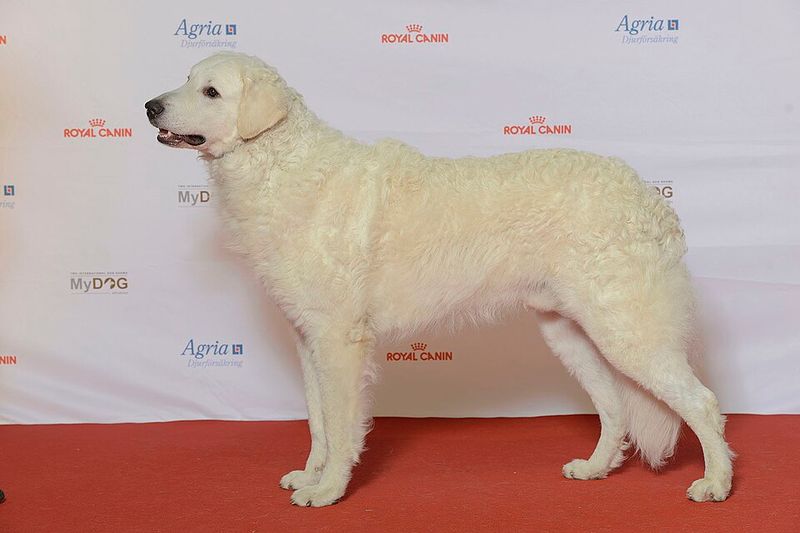
The Kuvasz blends grace with grit, a white sentinel that notices everything. Elegant lines hide serious strength and a patient mind.
This breed bonds deeply yet keeps a professional distance with strangers. Expect thoughtful alerts, not constant noise, especially after dark.
Training should be respectful, brief, and regular to earn trust. Routines, place work, and calm leash handling build harmony at home.
Grooming needs consistent brushing to manage tangles and seasonal shedding. Heat can drain energy, so plan cooler walks.
Socialization goals focus on neutrality around guests and other animals. A steady recall and reliable boundaries keep independence productive.
With family, you get gentle presence and protective instincts. Presence alone turns open property into a quiet safe zone.
Caucasian Shepherd
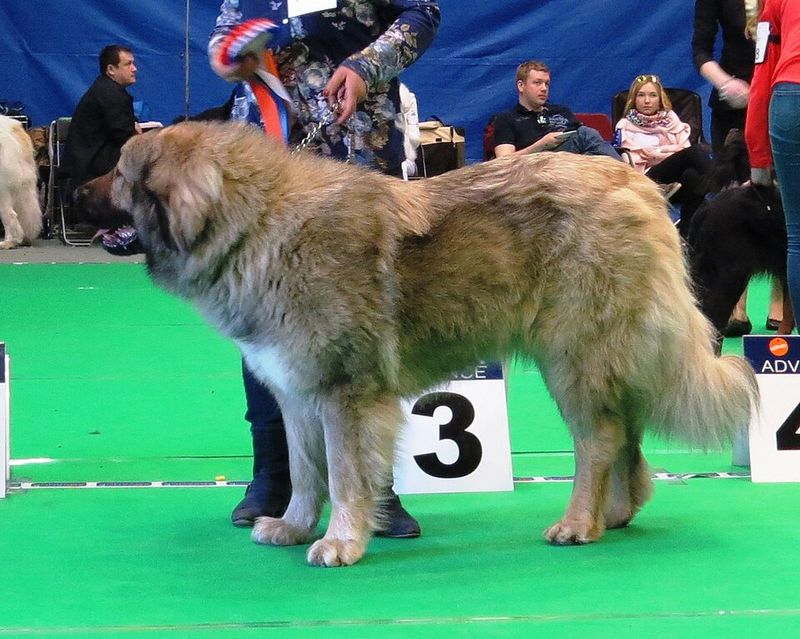
The Caucasian Shepherd is a fortress on four legs. Its sheer size and unwavering stare settle problems before they start.
It is not chatty, preferring to post up and watch lines quietly. This breed needs experienced handling, structured socialization, and bulletproof boundaries.
Training must be calm and authoritative, not harsh. Reward discernment and neutrality as much as obedience positions.
Cold weather suits the heavy coat, and regular brushing keeps it manageable. Strong fencing and thoughtful introductions protect everyone’s comfort.
Exercise should be controlled to spare joints while keeping the mind sharp. Family bonds run deep, with affectionate nudges and steady companionship.
Visitors feel the gravity of the room shift. Presence alone anchors the entire household.
Tosa Inu
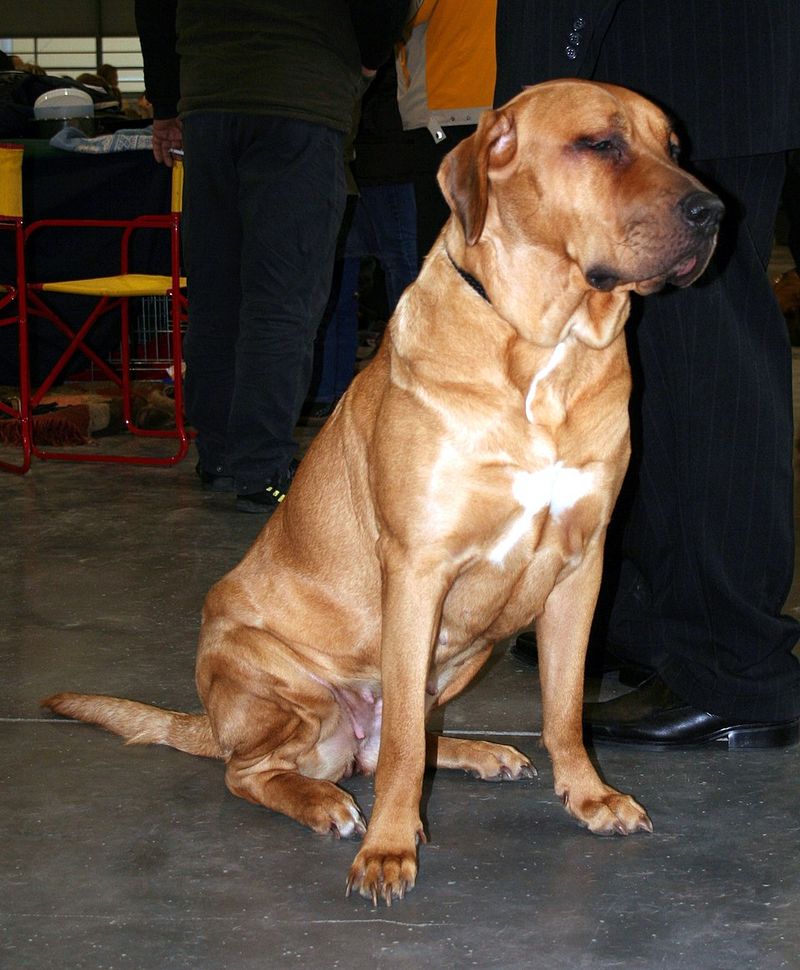
The Tosa Inu moves like quiet thunder, controlled and deeply focused. You will not see wasted motion or silly noise.
This breed values composure, clear rules, and daily mental work over chaos. Training should be firm, fair, and short to keep buy-in high.
Socialize with intention, building calm tolerance without forced friendliness. With family, the warmth is quiet and loyal, often expressed by simply staying close.
Exercise is steady, not frantic, favoring structured walks and thoughtful play. Grooming is low effort, but nails and dental care matter.
Keep joints protected with good surfaces and sensible conditioning. Visitors get a cool read until you give the all-clear.
The energy shifts when lines are crossed. Presence alone keeps boundaries respected.
Neapolitan Mastiff
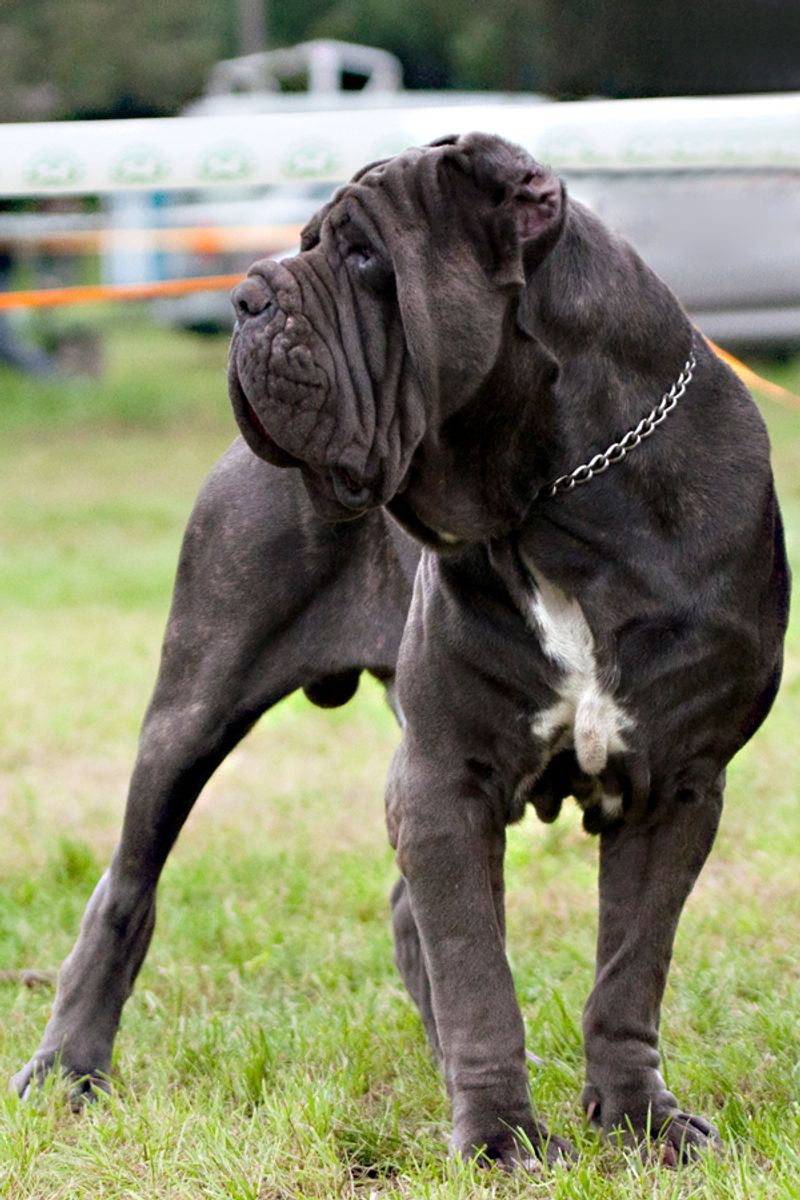
The Neapolitan Mastiff looks like living history, heavy and deliberate with deep-set eyes. People go quiet when this dog stands up.
It is not loud by nature, but the warning is unmistakable when something is off. Training must be patient, consistent, and gentle on joints.
Keep sessions short with clear rewards and no nonsense. Affection is huge, drool is real, and loyalty runs bone-deep.
Socialization should build calm tolerance around visitors and city noise. Grooming includes skin fold care, nail trims, and dental attention.
Exercise is measured to protect growing bodies and mature joints. Mental enrichment, place work, and structured rest balance the day.
With family, the vibe is protective and mellow. Presence alone settles most arguments at the gate.
Dogo Argentino
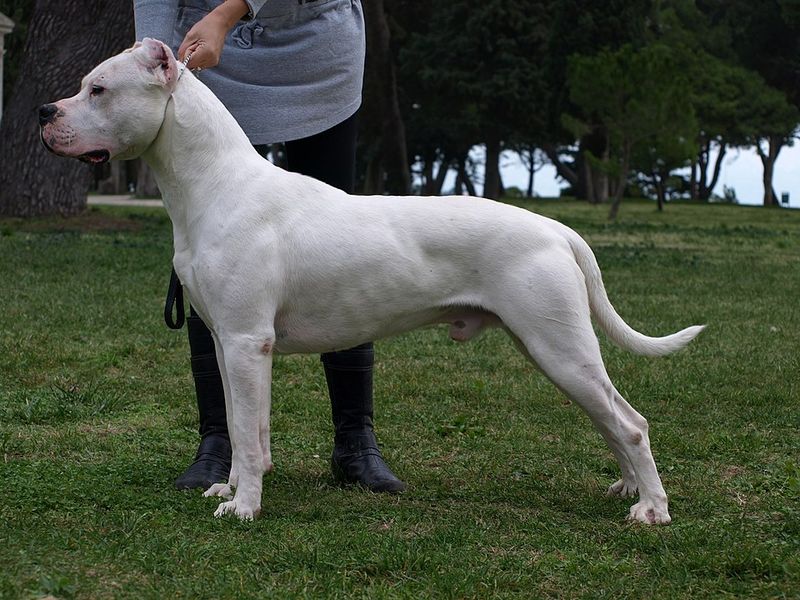
The Dogo Argentino radiates athletic confidence without extra noise. Built for stamina, it moves with purpose and pauses to evaluate.
You get strategic alerting, not constant barking, especially with good routines. Training thrives on clarity, rewards, and daily structure.
Teach neutrality, reliable recall, and impulse control early. With family, this dog cuddles hard and watches harder, a loving sentinel.
Exercise must be thoughtful, mixing conditioning with brain work. Short obedience drills and scent games go far.
Grooming is easy, but sunscreen matters for pale skin. Socialization around people and dogs should be planned and steady.
Health care includes hearing checks and joint support. Presence alone communicates that trespassing is a losing idea.
Black Russian Terrier
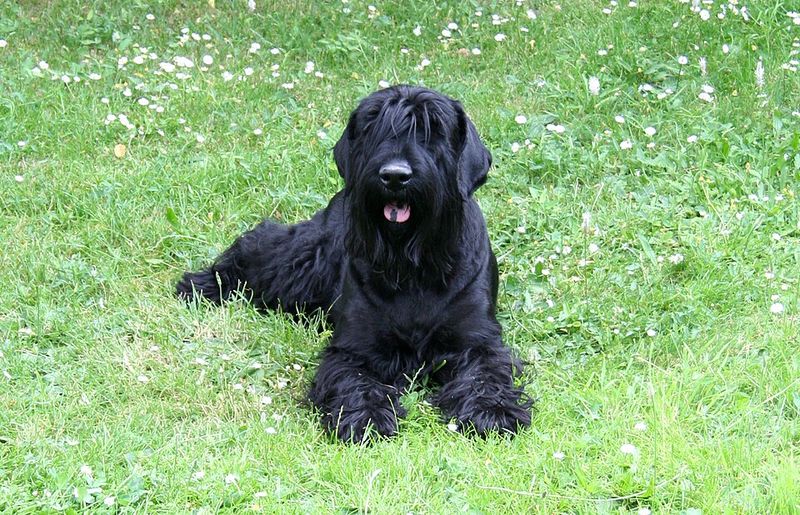
The Black Russian Terrier is the quiet professional in a black suit. It learns the rhythm of your home and steps between you and problems.
Barking is purposeful, then silence returns like a curtain drop. Training should be systematic, blending obedience, place work, and public neutrality.
This breed thrives on jobs and appreciates confident, fair handlers. Affection shows in steady presence and willing attention.
Grooming takes commitment with regular brushing and trims. Conditioning should protect joints while keeping strength high.
Socialize early to balance protectiveness with stable judgment. Urban guardianship suits this dog when routines are solid.
Mental tasks like scent games and advanced cues prevent boredom. Presence alone turns late-night walks into relaxed, secure moments.