
Every day, good owners accidentally chip away at their dog’s trust without even realizing it. The smallest habits can send big signals, shaping how safe, respected, and understood your dog feels.
If you have ever wondered why training stalls or manners suddenly crumble, these hidden trust breakers might be the reason. Let’s fix them so your dog feels secure and eager to follow your lead.
Punishing fear-based behavior
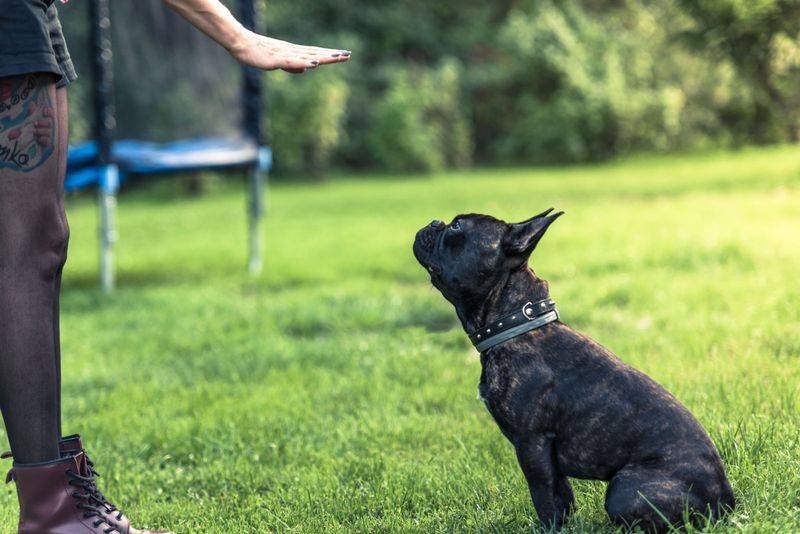
When a dog freezes, growls, or hides, it is usually communicating fear, not defiance. Punishing that response teaches your dog that scary things also predict pain or anger.
Fear then grows into avoidance, shutdown, or defensive aggression.
Instead, help your dog feel safe by creating distance, using calm praise, and rewarding small brave choices. Pair the trigger with food, toys, or sniffing so the association shifts from threat to predictability.
If fear persists, seek a veterinary check and a qualified behavior professional to guide a gradual plan.
Protect trust by spotting early worry and answering with empathy. When you listen, your dog seeks you for safety and direction.
Respect grows because you prevent fear from snowballing.
Ignoring body language signals
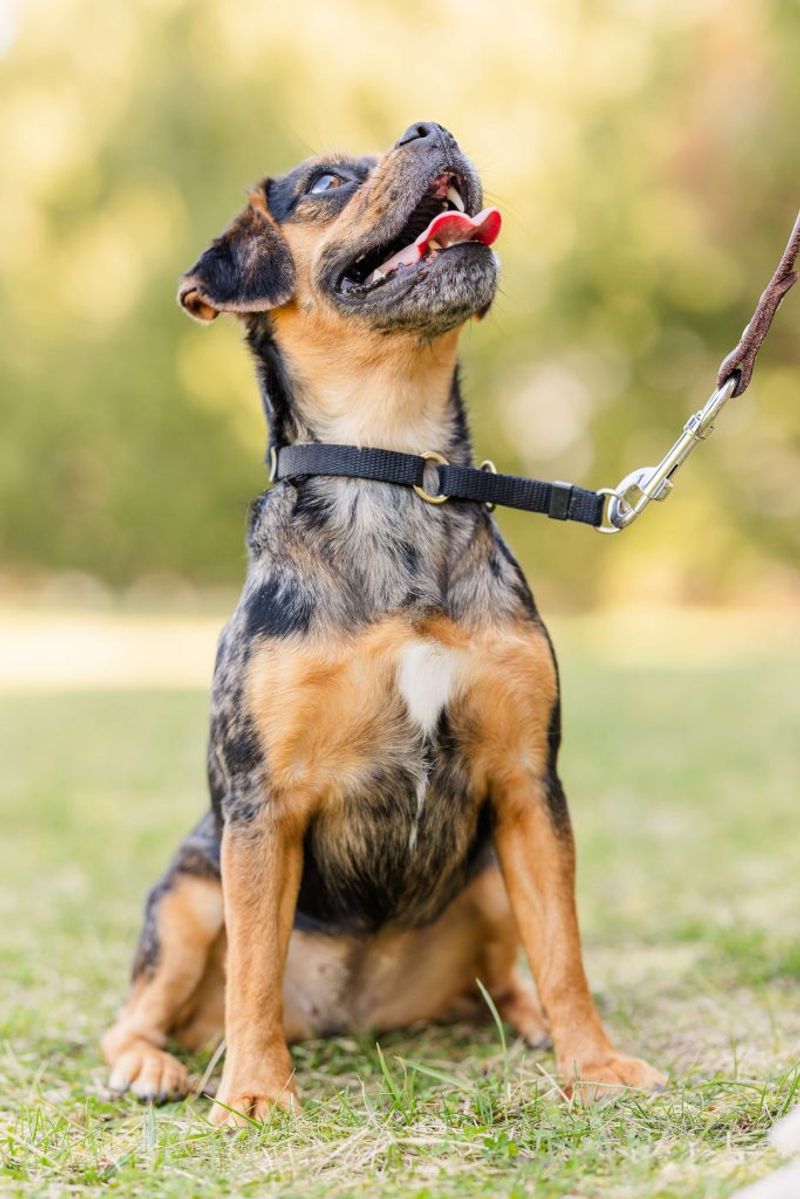
Dogs speak with ears, eyes, tails, and breathing long before they bark or bite. When you miss lip licks, yawns, pinned ears, or a tucked tail, stress keeps building.
Your dog learns that subtle honesty does not work, so bigger signals appear.
Start watching for soft eyes, loose wags, and relaxed posture during calm moments. Then notice the shifts toward stiffness, scanning, or turning away when pressure rises.
Mark those changes and give space, sniff breaks, or a fun alternative task.
Listening earns trust because communication finally matters. You become the partner who hears the whisper before the shout.
That shared language prevents conflict and builds respect daily. Over time, your dog relaxes sooner because you keep advocating.
Being inconsistent with rules
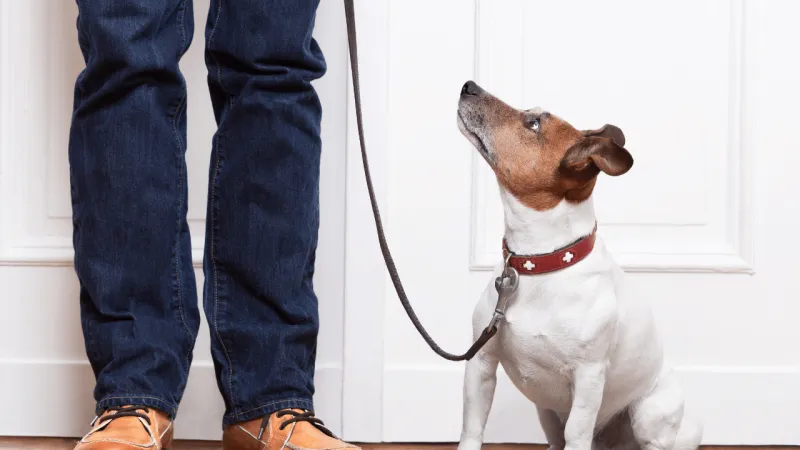
One day the couch is allowed, the next day it is a scolding. Inconsistency confuses dogs and pushes them to test boundaries again and again.
Unclear patterns erode trust because outcomes feel random rather than safe.
Pick simple house rules, write them down, and make sure everyone follows them. Use the same cues, the same rewards, and the same calm consequences every time.
Predictability frees dogs to relax and focus on learning.
You are the steady lighthouse in fog, not a flickering porch light. With clear rules, respect grows because your dog finally knows what works.
Less stress, more trust, better teamwork. Training sessions become smoother and mistakes fade faster.
Everyone breathes easier together. Consistency wins.
Forcing stressful situations
Dragging a fearful dog into crowds or shoving them toward strangers backfires. Flooding overwhelms the nervous system and teaches escape or shutdown.
Trust cracks when you ignore coping thresholds.
Choose gradual exposure at your dog’s pace with distance, choice, and tasty reinforcers. Let them look, sniff, and retreat, then reward curiosity.
Short, successful reps build confidence far better than marathon struggles.
Your job is not to prove toughness, but to protect nervous systems in development. When choice is honored, respect follows because you feel safe to your dog.
Slow is smooth, smooth is fast. Progress compounds when stress never spikes above manageable levels.
You become the trusted guide through scary places. That matters daily.
Always.
Yelling during training
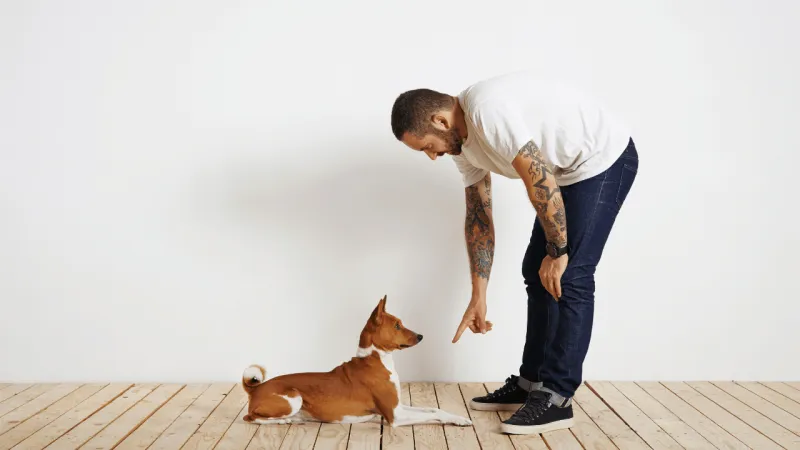
Raised voices startle dogs and muddy the signals you think you are sending. Volume does not teach, clarity does.
Yelling often predicts punishment, so dogs disengage or shut down.
Switch to quiet markers, simple cues, and generous reinforcement for behaviors you want. If frustration rises, pause, breathe, and reset the environment to help success.
Record sessions to spot patterns, timing, and your own tone.
Respect grows when your dog predicts fairness and patience. Calm teaching feels safe, so learning speeds up without fear.
Your voice becomes a cue for confidence, not alarm. That is the energy dogs choose to follow.
Set the emotional tone first, and the behavior will follow. Quiet leaders get results.
Consistently.
Breaking routines constantly
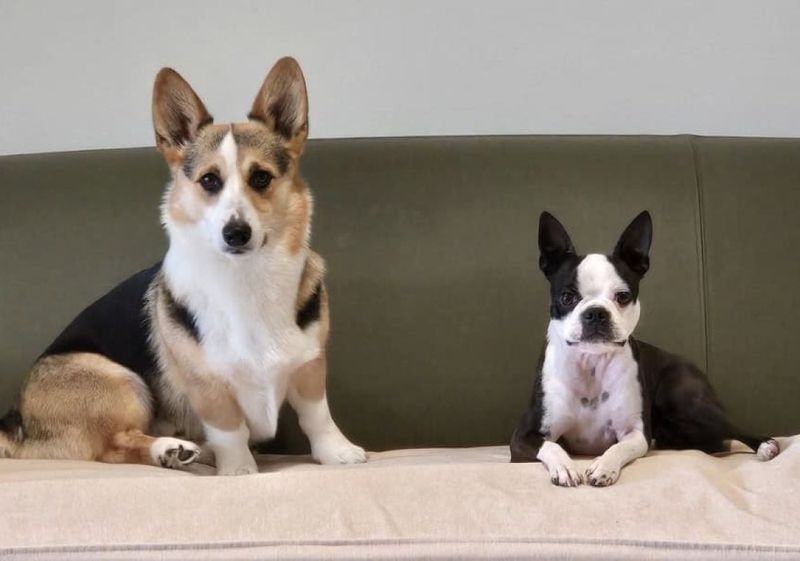
Dogs thrive on predictable rhythms for meals, walks, play, and sleep. Constant changes spike cortisol and leave many dogs restless or needy.
Uncertainty blurs trust because nothing feels stable.
Aim for consistent anchors each day, even if times shift a little. Keep potty breaks, enrichment, and training windows familiar.
Use visual cues and rituals to transition between activities.
When life gets messy, communicate changes with extra exercise and decompression. You prove reliability by meeting core needs on schedule most days.
Trust grows because your dog can predict what happens next. Respect follows the routine that keeps nervous systems balanced.
You become the calm center of the day. That steadiness matters more than perfection.
Truly. Always.
Leaving dogs isolated too often
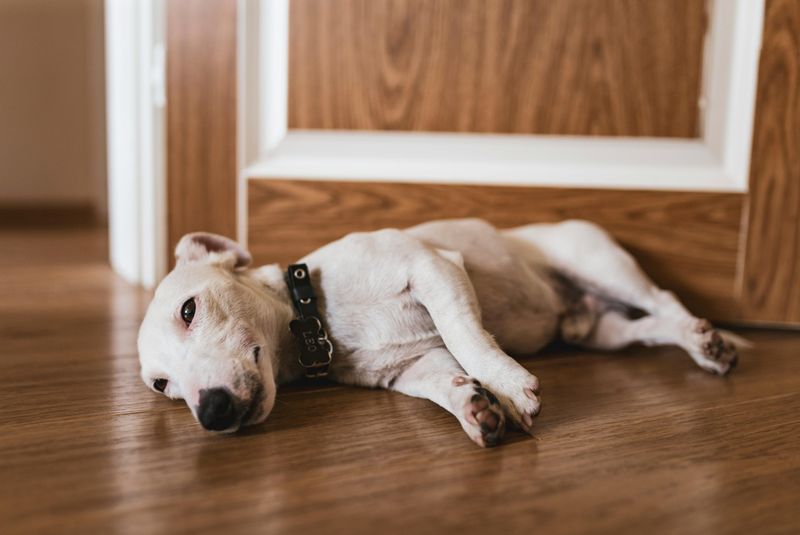
Long hours alone can fray social bonds and fuel separation distress. Bored minds invent mischief or sink into hopeless naps.
Lonely dogs stop trusting that their people return consistently.
Balance solitude with quality connection, mental work, and movement. Use food puzzles, sniff walks, play dates, and vetted sitters or daycare.
Teach alone time gradually with short outings and predictable comebacks.
When needs are met, your dog rests, waits, and trusts the routine. Respect grows because you show up and provide a full, social life.
Companionship is not a luxury for dogs, it is health. Plan your week like you would for a cherished friend.
Their trust depends on that thoughtful calendar. Honor it.
Daily. Please.
Rewarding anxiety accidentally

Comforting frantic behavior at the peak of panic can lock it in. Dogs learn what works, including clingy pawing, whining, or door scratching.
The intention is love, yet the pattern reinforces fear cycles.
Instead, notice early worry and reinforce calm alternatives before panic rises. Cue a mat settle, nose target, or sniff game, then pay generously.
During spikes, model calm, give space, and avoid frantic petting.
After the storm, meet needs with rest, movement, and predictable comfort. You are not ignoring feelings, you are teaching stable coping.
Respect grows when your guidance turns panic into skills. That is compassionate training.
Steady patterns tell your dog the world is workable again. Confidence returns in steps.
Gently.
Using physical corrections
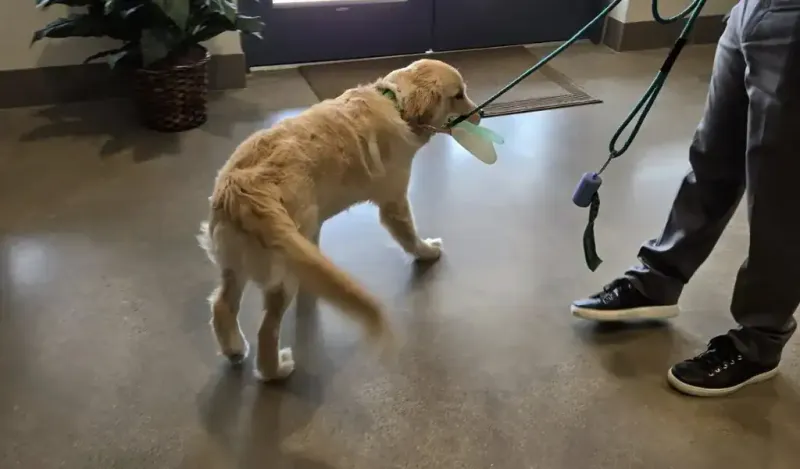
Leash pops, alpha rolls, and collar jerks create pain associations, not understanding. Many dogs shut down, others escalate, and trust erodes either way.
Fear and confusion do not produce stable manners.
Teach with humane equipment, clear markers, and abundant reinforcement of desired choices. Manage environments so mistakes are unlikely, then build skills stepwise.
Coach impulse control through games, not pain.
When your dog feels safe, respect grows and behaviors stick. You become a teammate with answers, not a threat to avoid.
Choose kindness because it works. Modern research supports reward based methods for reliability and welfare.
Your dog learns faster when the lesson feels safe and clear. Trust is the ultimate performance enhancer.
Truly evidence backed.
Expecting instant obedience without guidance
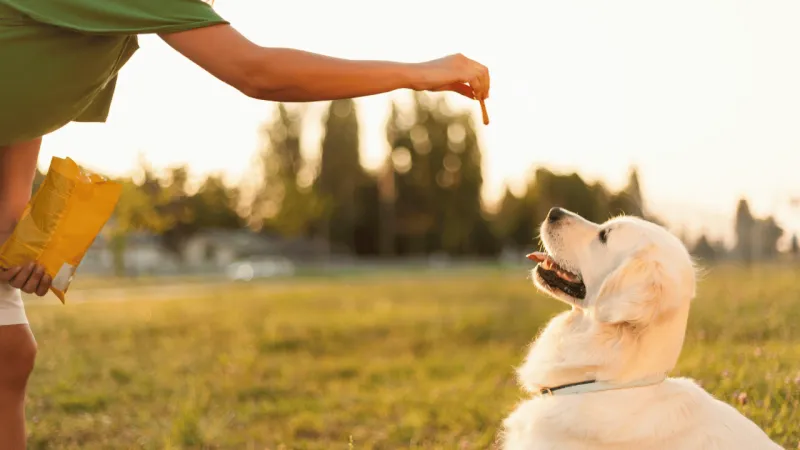
Dogs are not robots, and commands without coaching only breed frustration. If you say sit once and wait, you may be waiting forever.
Clear teaching beats wishful thinking every time.
Break behaviors into tiny steps, mark success, and reward generously. Use lures, targets, and setups that make the right choice easy.
Practice in quiet places first, then add distractions slowly.
Guidance shows respect because you set the stage for wins. Your dog trusts you when success is predictable and errors are low cost.
Coaching creates confidence, which creates reliability. Patience today becomes precision tomorrow.
Lead with clarity, and watch your dog light up to learn. Together you build skills that stand up under pressure.
Everywhere. Always.