
Some dogs are wired for closeness, and when they do not get it, their spirits sink. If you have ever felt a warm nose nudge your hand for attention, you already know the type.
These deeply social breeds crave your company, read your moods, and flourish with everyday connection. Let’s explore the companions who thrive at your side and feel lost without it.
Havanese
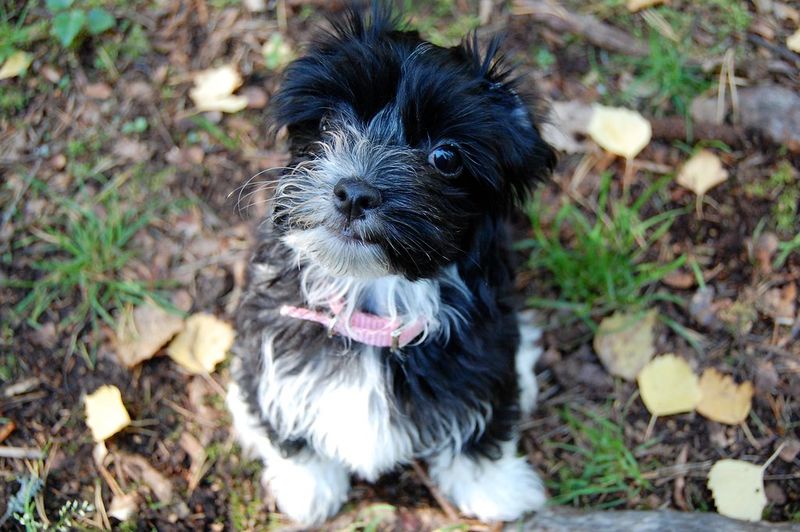
The Havanese is a velcro companion that shadows you from room to room, soaking up every glance and word. Small yet lively, this pup bonds intensely and reads your emotions with uncanny sensitivity.
Leave for long stretches, and you may notice pacing, whining, or listless behavior.
Daily togetherness, training games, and gentle grooming rituals make this breed beam. You will want soft routines, puzzle toys, and short, upbeat walks to keep anxiety low.
Social visits with friends calm them, and crate training helps, but only when paired with quality closeness.
Vizsla
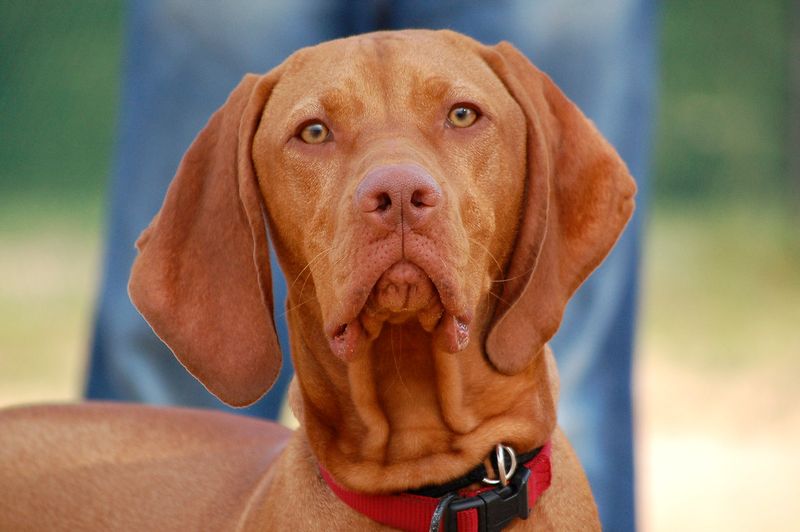
The Vizsla is famously called a velcro dog for a reason. This athletic, sensitive hunter blossoms when tethered to your daily rhythm, whether running trails or napping under your desk.
Long isolation can spark restless chewing, vocalizing, or escape attempts born from loneliness.
Channel that heart and energy into scent games, structured runs, and frequent check-ins. You will see calmer focus and a satisfied cuddle monster afterward.
Gentle guidance beats harsh corrections because this breed takes criticism to heart. Keep them near, keep them busy, and they will give you unwavering devotion.
Cavalier King Charles Spaniel
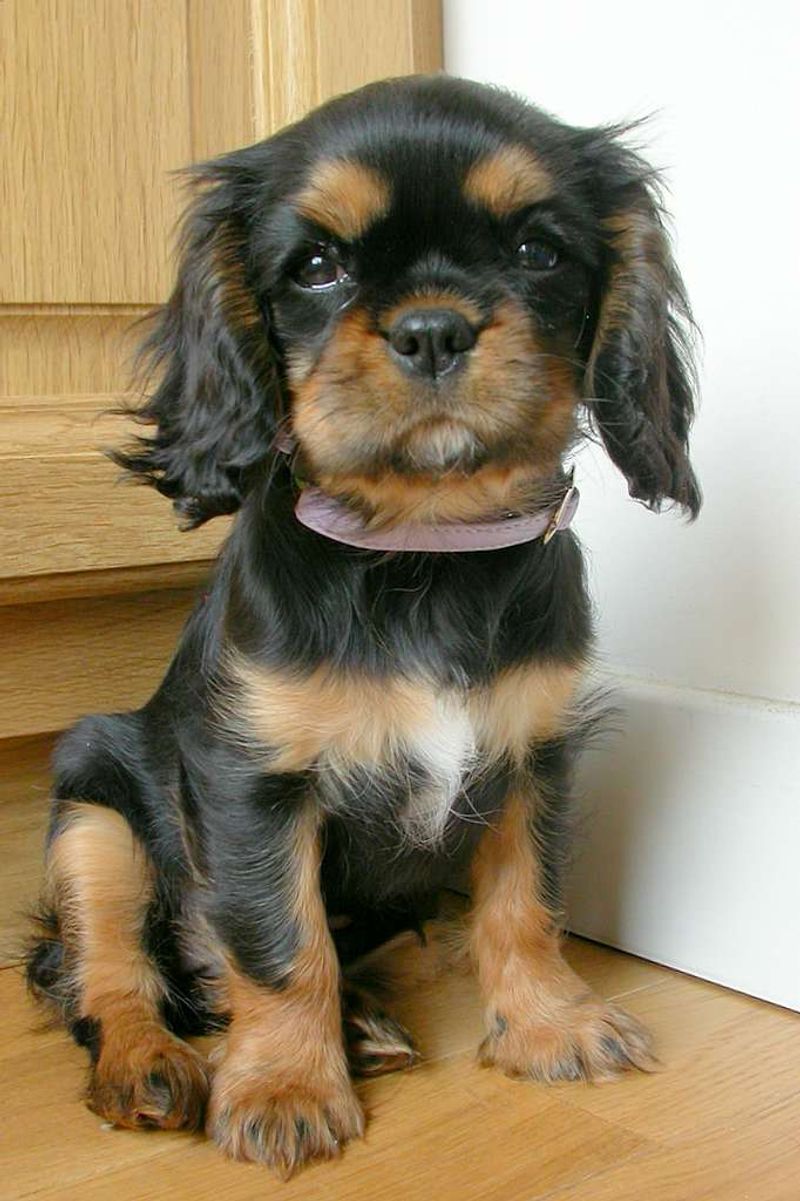
The Cavalier King Charles Spaniel lives for soft laps and steady eye contact. Sweet-natured and calm, this breed glides through family life as a gentle shadow.
Too much alone time can trigger fretful pacing, clinginess, or quiet sadness that you can feel in the room.
Short, meaningful training bursts and calm strolls keep their mind and heart balanced. You can rotate safe chews and snuffle mats while you step out briefly.
But real wellness comes from shared routines like evening cuddles and morning greetings. Expect soulful gratitude when you make closeness a dependable habit.
Labrador Retriever
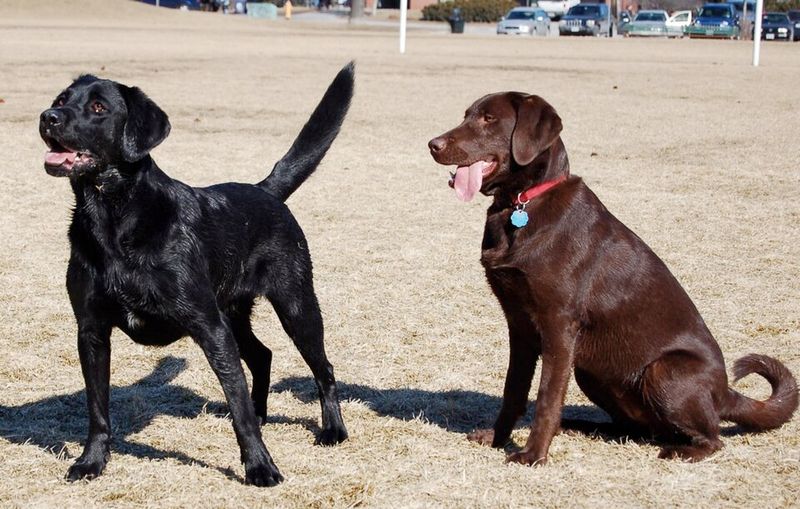
Labrador Retrievers are social optimists who want to be in the middle of everything. They thrive on jobs, games, and cheerful banter, and they deflate when left out.
Without frequent engagement, you might see counter surfing, door scratching, or attention-seeking barks.
Give them purpose with fetch, scent work, or beginner retrieving drills, then finish with mellow couch time. Rotate training with brain games to soothe that busy mind.
You will notice kinder manners when their connection cup is full. A Lab beside you is not needy, just fulfilled, and that closeness becomes your daily joy.
Golden Retriever
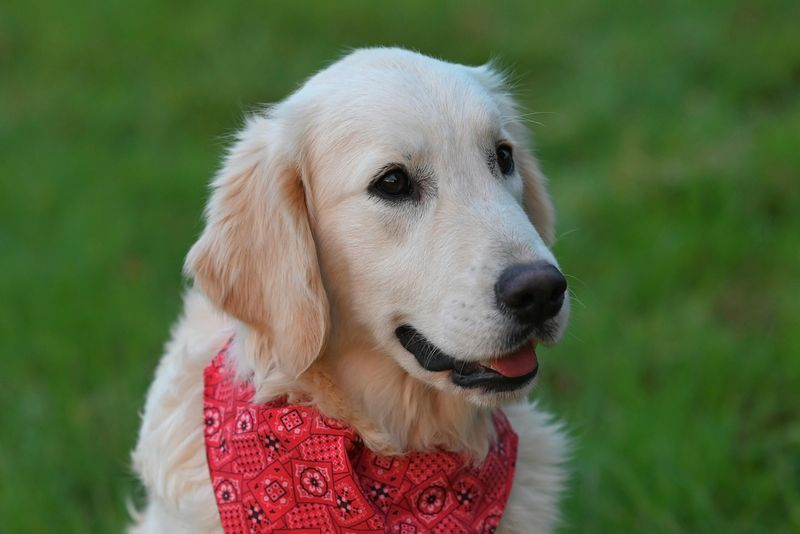
The Golden Retriever is sunshine in dog form, but the light dims without you. This breed craves teamwork, eye contact, and predictable togetherness.
Long absences can stir up stress panting, door watching, or even destructive nibbling to self-soothe.
Plan daily bonding through training games, gentle grooming, and relaxed walks where they can shine. You will see their body loosen and their smile return.
Teach calm alone time in small steps, always followed by connection. Goldens are at their best when partnership is a ritual, not an afterthought.
Maltese
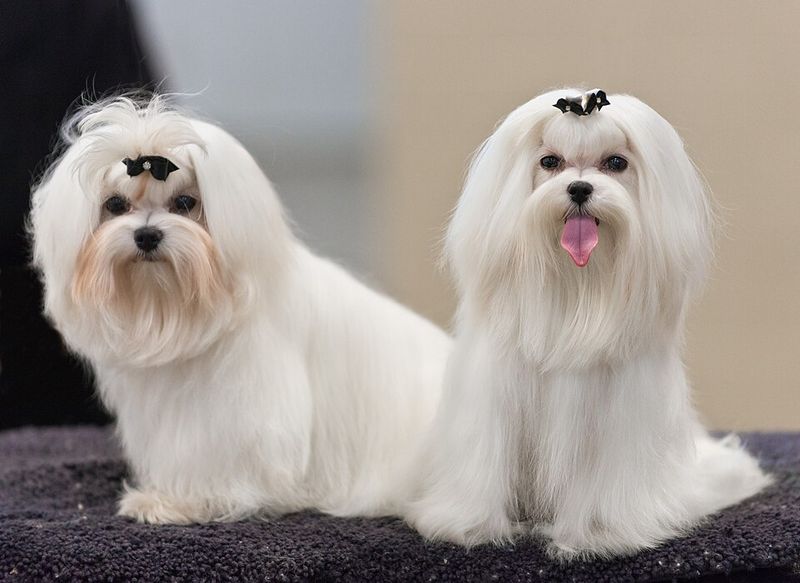
The Maltese is a tender lap dog that reads your micro-expressions like a poem. Tiny in size but huge in heart, this companion feels safest pressed near your warmth.
Extended solitude can invite trembling, vocalizing, or fretful pacing between windows and doors.
Gentle grooming, quiet training games, and scent foraging help them regulate. You will want to practice short departures with tasty rewards on return.
Keep them near when you are home, even if you are busy, and narrate your routines for reassurance. Their happiness is simple closeness and a soft, predictable life.
Bichon Frise
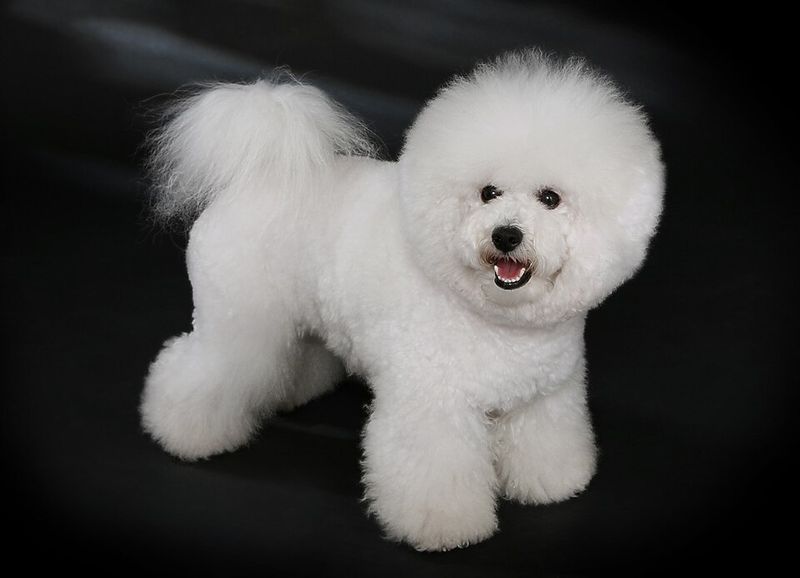
The Bichon Frise is a social butterfly disguised as a cloud. They charm with bright eyes and silly antics, but their confidence leans on steady companionship.
When left alone too long, they may bark for reassurance or busy themselves with mischief.
Keep spirits high with trick training, brief fetch sessions, and frequent praise. You will see a proud prance after every success.
Crate comfort, window-free rest areas, and snuffle mats support calmer alone time. Still, the magic ingredient is you, checking in often and ending the day with cozy togetherness.
Italian Greyhound
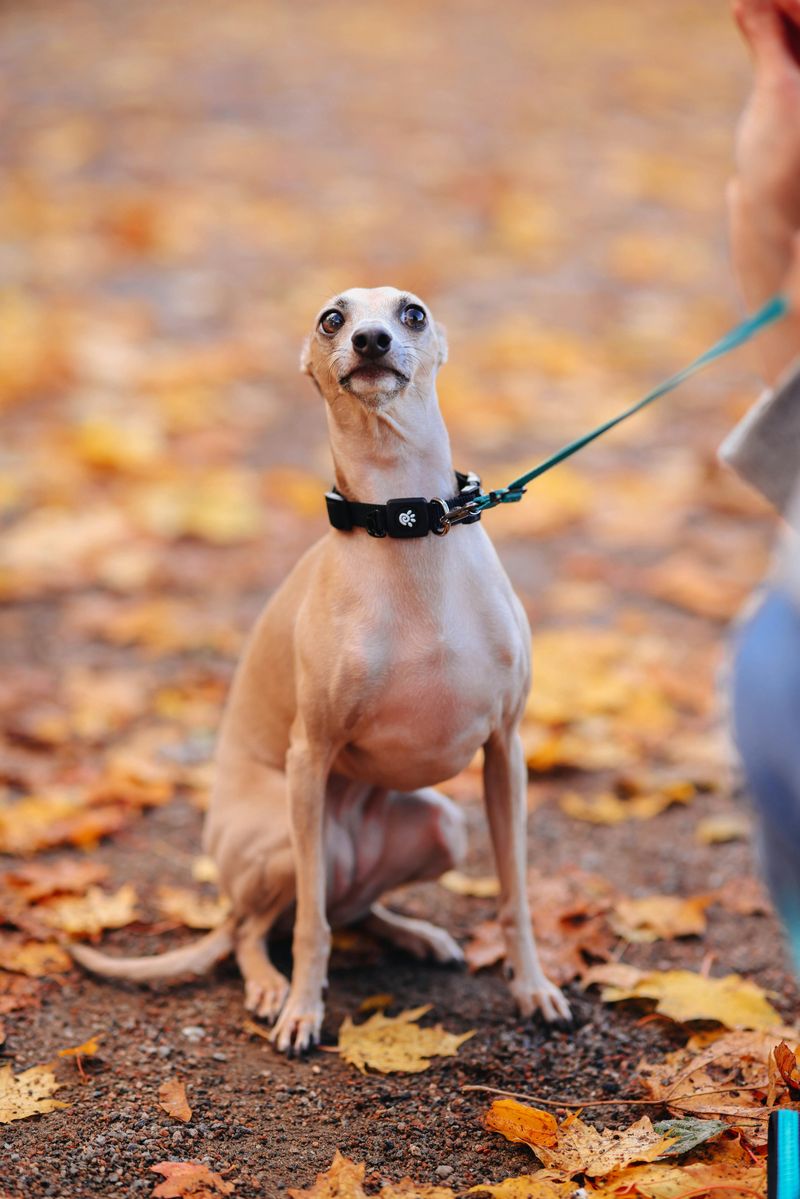
Italian Greyhounds are delicate souls who seek warmth, touch, and predictable comfort. They shiver from cold and from worry, so isolation can feel doubly harsh.
Without steady closeness, you may see trembling, whining, or clingy zooming when you return.
Build confidence with gentle training, cozy sweaters, and heated beds near your workspace. You will help them exhale with steady rituals and soft blankets.
Short, playful sprints followed by cuddles suit their rhythm. They bloom when your home feels like a soft soundtrack of reassurance.
Great Dane
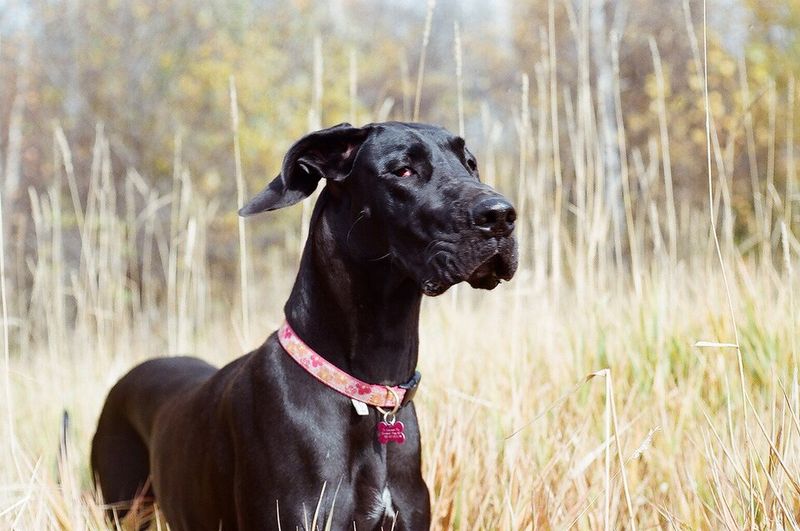
The Great Dane is a gentle giant who believes it is a lap dog in a grand body. Their hearts are massive, and they track your every movement for cues.
Too much solitude can lead to anxious drooling, restlessness, or clumsy redecorating with paws.
Balance calm companionship with short training, puzzle feeders, and steady nap routines. You will find a peaceful rhythm when affection and structure meet.
Keep departures short at first, then slowly extend. This breed thrives when their size is acknowledged but their need for closeness is honored daily.
Boxer
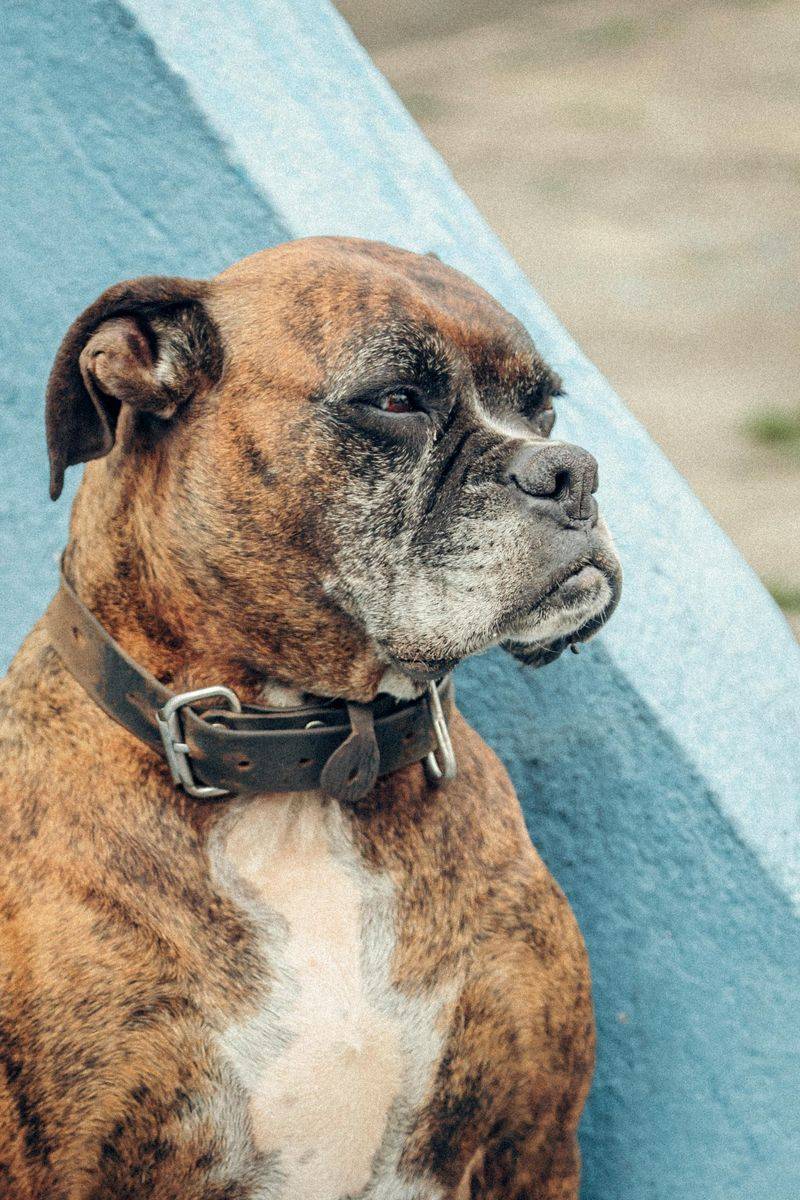
Boxers are clownish athletes with tender hearts that bruise easily. They soak up approval, thrive on games, and sag when excluded.
Left alone without a plan, they may invent boisterous hobbies like unauthorized excavation or door concerts.
Give them outlets with tug, flirt pole, and impulse-control games that end in snuggles. You will notice calmer greetings and softer eyes.
Gradual alone-time training and steady exercise keep worry in check. A Boxer believes connection is the prize at the end of every game.
Toy Poodle
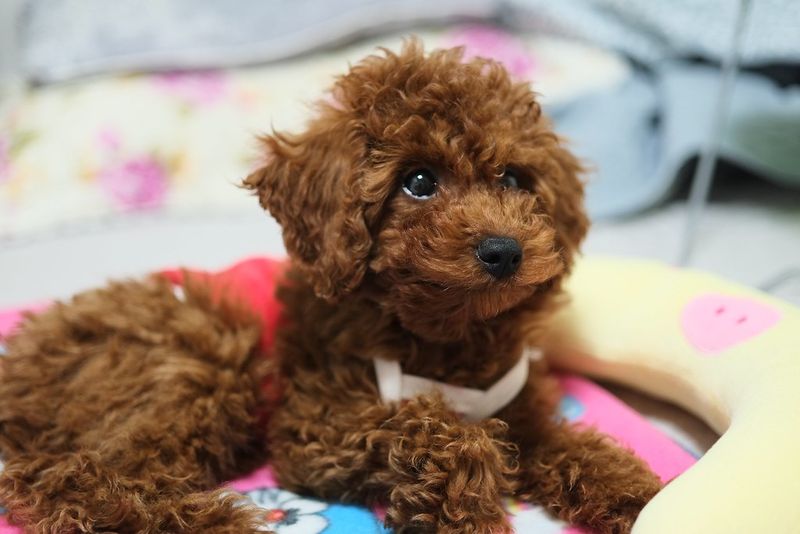
Toy Poodles are brilliant, sensitive companions that notice everything you do. Their minds crave puzzles, and their hearts crave proximity.
Long isolation can spark nervous habits or whimpers, especially without mental challenges to buffer the time.
Rotate trick training, shaping games, and quiet settle cues near your desk. You will see their brilliance shine and their anxiety soften.
Provide soft beds in every room you frequent, and practice brief, rewarded departures. This tiny partner wants to help with life, then curl beside you when the work is done.
English Cocker Spaniel
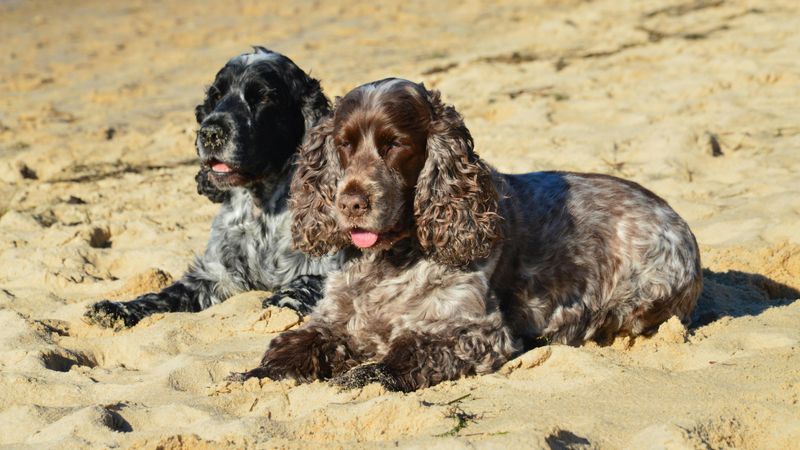
The English Cocker Spaniel blends merry energy with deep attachment. They follow scents and your footsteps with equal devotion.
Too much time alone can unspool into whining, restless pacing, or grabbing objects for comfort.
Shape their day with nose work, gentle obedience, and affirming touch. You will find a sweeter, steadier companion when connection is part of the schedule.
Use calming chews, window management, and gradual absences to build confidence. Their happiest place is between adventure with you and a quiet cuddle afterward.
French Bulldog
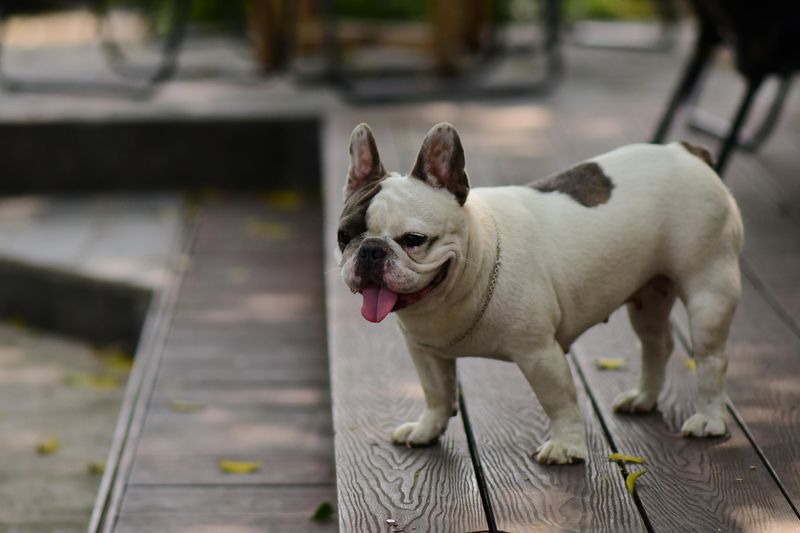
French Bulldogs are affectionate comics that anchor their world to yours. They adore lap time and shared naps, and they wilt when left solo too often.
Without structure, you might see stubbornness, attention barks, or indoor accidents under stress.
Short play bursts, easy training reps, and predictable cuddle windows work wonders. You will see confidence grow when you return reliably and celebrate calm.
Manage heat carefully, offer breathable beds, and keep absences brief while building skills. This little charmer blossoms when every day includes close company.
Coton de Tulear
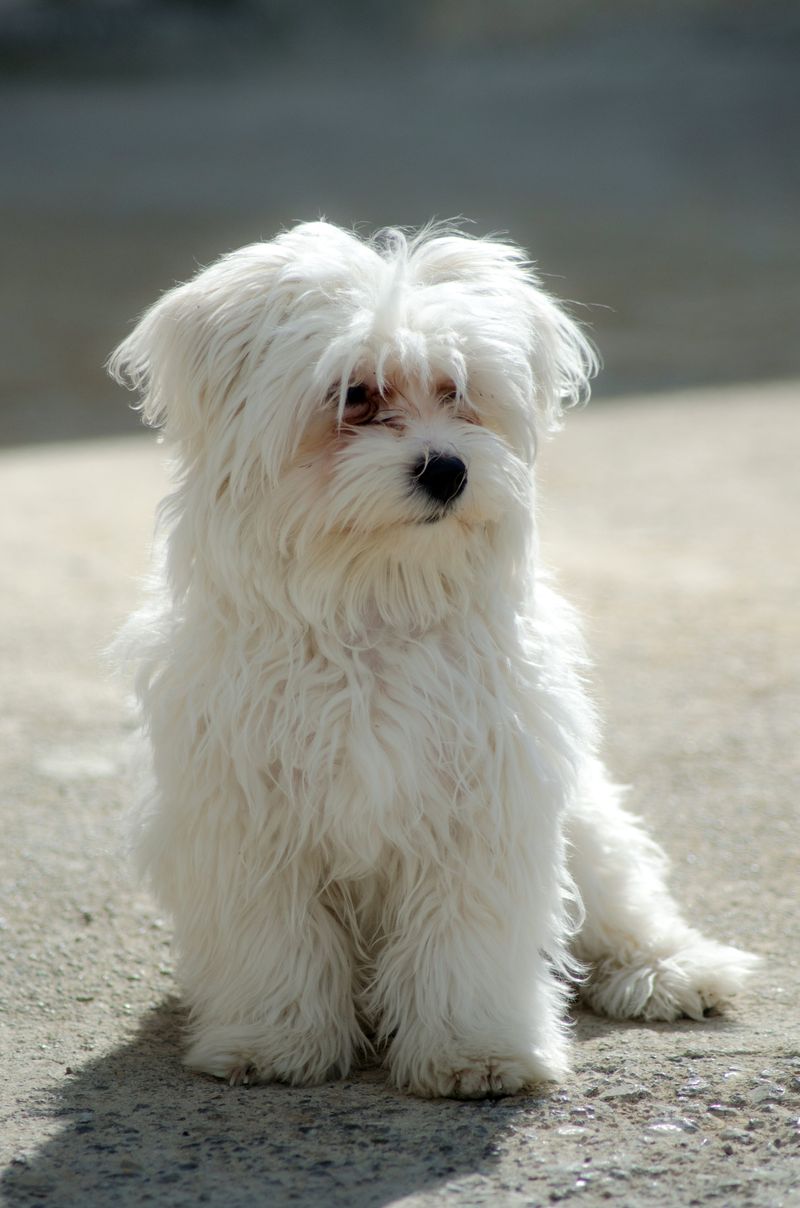
The Coton de Tulear is a buoyant companion who thrives on cheerful togetherness. They mirror your mood and keep close like a soft shadow.
When left alone too long, they can become vocal, fidgety, or clingy after you return.
Keep spirits light with trick circuits, gentle grooming, and cozy desk-side beds. You will see an easy grin and relaxed body language when connection is consistent.
Use gradual departures with food puzzles to build independence. Their joy multiplies when every day promises movement, conversation, and affectionate check-ins.