
Some dogs thrive on sofas and slow Sundays, but others are wired for serious work. Bringing the wrong breed into a normal household can create stress, safety issues, and heartbreaking outcomes.
Here are 11 incredible dogs that often struggle in typical homes, plus what it really takes to meet their needs. Read this before falling for a striking photo or a macho reputation.
Belgian Malinois
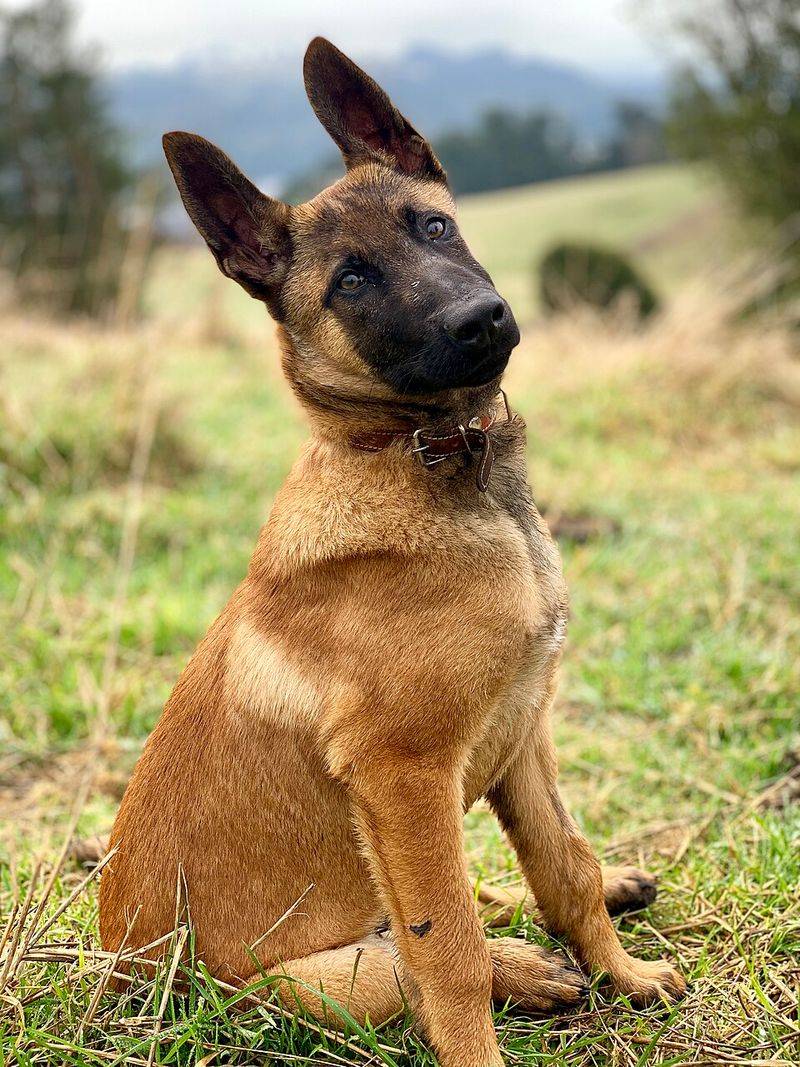
Belgian Malinois are breathtaking working dogs, but life on a couch bores them fast. They were bred for relentless tasks, sprinting, tracking, and guarding all day.
In a typical apartment, that energy explodes into chewing, pacing, and nonstop vocal alerts.
If you cannot schedule rigorous training, boundary games, and structured bite-safe outlets, frustration rises. You also need rock-solid fencing, experienced handling, and a calm, confident routine.
Think police-dog lifestyle adapted to suburbia, not weekend fetch and casual walks.
Without that, the dog may develop reactivity toward visitors and lunging on leash. Most households underestimate the cost of training and the time demanded every single day.
Unless you thrive on structure and intensity, this breed will struggle and so will you.
Presa Canario

The Presa Canario is massive, territorial, and intensely suspicious by default. Built for guarding livestock and property, it reads strangers as potential threats.
In a busy neighborhood, that protective drive can morph into barrier frustration, constant alerting, and dangerous mistakes.
You need advanced obedience, neutral socialization, and absolute leadership every day. Fences must be high, gates locked, and management airtight when deliveries arrive.
This is not a breed for casual meetups at crowded dog parks or off-leash beaches.
Without strict structure, anxiety can show up as pushy behavior, resource guarding, and explosive reactions. Insurance issues and breed restrictions add hidden hurdles many families forget to check.
If you want a calm companion, this powerhouse usually wants a very serious job.
Caucasian Shepherd
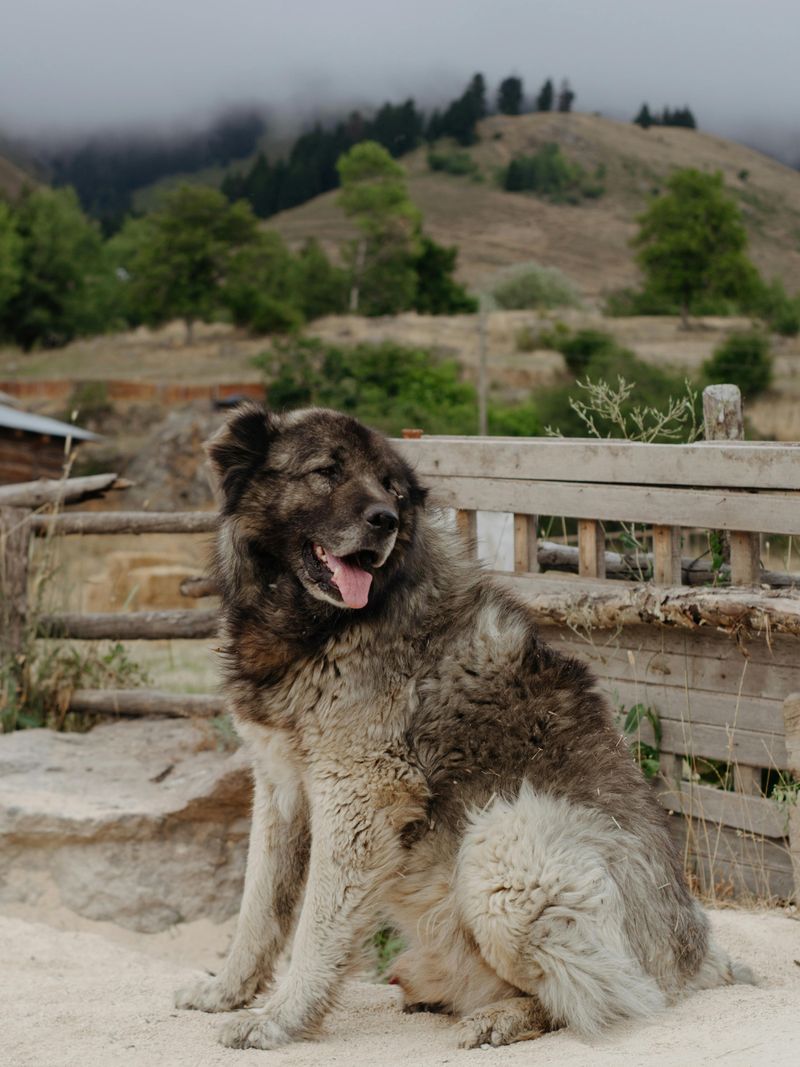
The Caucasian Shepherd was developed to confront predators in unforgiving terrain. That instinct does not switch off inside a suburban yard.
Visitors, repair workers, and even friends can be evaluated through a suspicious, independent lens that resists casual handling often.
Heavy socialization helps, but this breed remains aloof and strong willed. Training must emphasize neutrality, impulse control, and rock-solid recall under stress.
Physical power is enormous, so equipment, fencing, and backup plans are essential for safety from day one.
Apartment life typically fuels barking, reactivity, and anxious patrolling at windows. Expect significant grooming, spatial needs, and ongoing management costs that surprise first-time owners.
Unless you have land, experience, and endless patience, the average household will not meet this guardian’s needs.
Tosa Inu
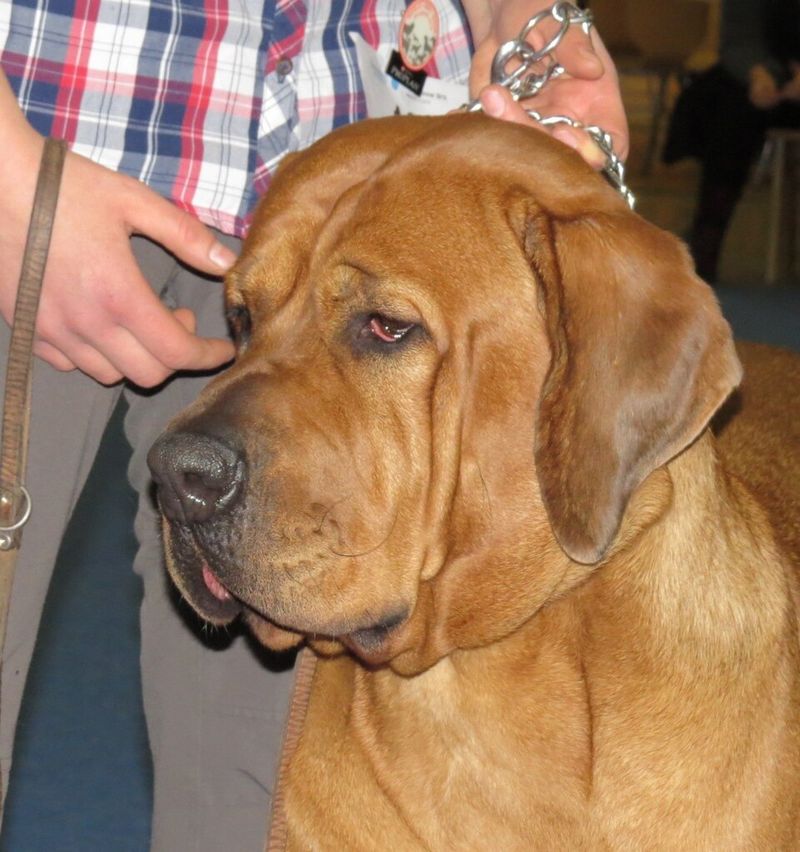
Tosa Inu dogs were bred for silent, disciplined combat, which complicates pet life. They often hide stress until it explodes under pressure.
In dense housing, subtle triggers like eye contact or tight spaces can escalate into serious confrontations at home.
Training must be quiet, fair, and consistent, because harsh corrections backfire quickly. Professional guidance, excellent management, and careful introductions are mandatory around new dogs.
You cannot rely on random park etiquette to keep these heavy athletes under calm control reliably.
Apartments and busy lobbies add stress while limiting escape routes. Neighbors may misread their stoic body language and push unsafe interactions.
If you want a laid-back family companion, the Tosa wants structure, distance, and space more than constant social activity.
Cane Corso
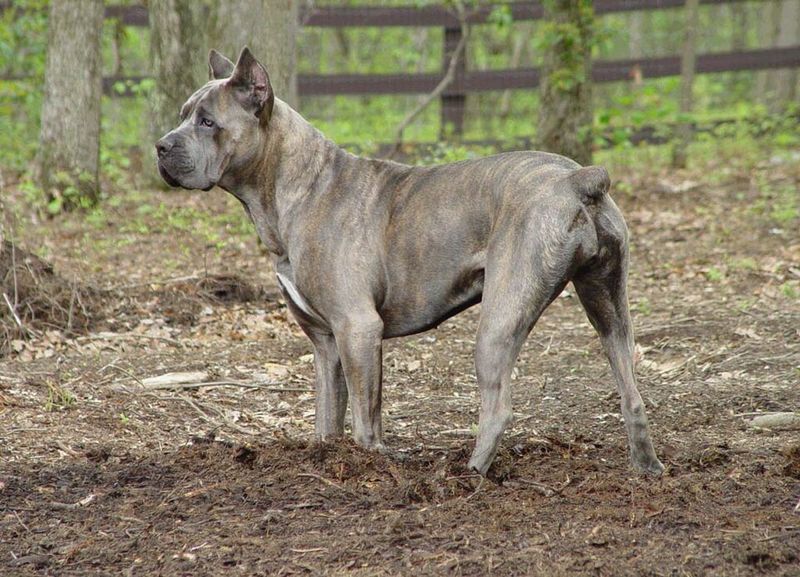
The Cane Corso is imposing, intelligent, and bred for real protection work. That combination sounds impressive until deliveries, visitors, and loud commotions happen daily.
Without purpose and clarity, a Corso fills the job itself, deciding who belongs and who does not.
Expect big expenses for training, food, medical care, and secure fencing. Neutral exposures, impulse control drills, and handler focus must become daily habits.
Skipping mental work often creates boredom, which then turns into territorial barking and pushy door behavior patterns.
Apartments or chaotic homes rarely suit this breed’s sensitivity and size. Children bringing friends over can cause constant, stressful decisions about safety.
If you crave an easygoing pet, the Corso demands structure, boundaries, and meaningful work to stay balanced.
Central Asian Shepherd
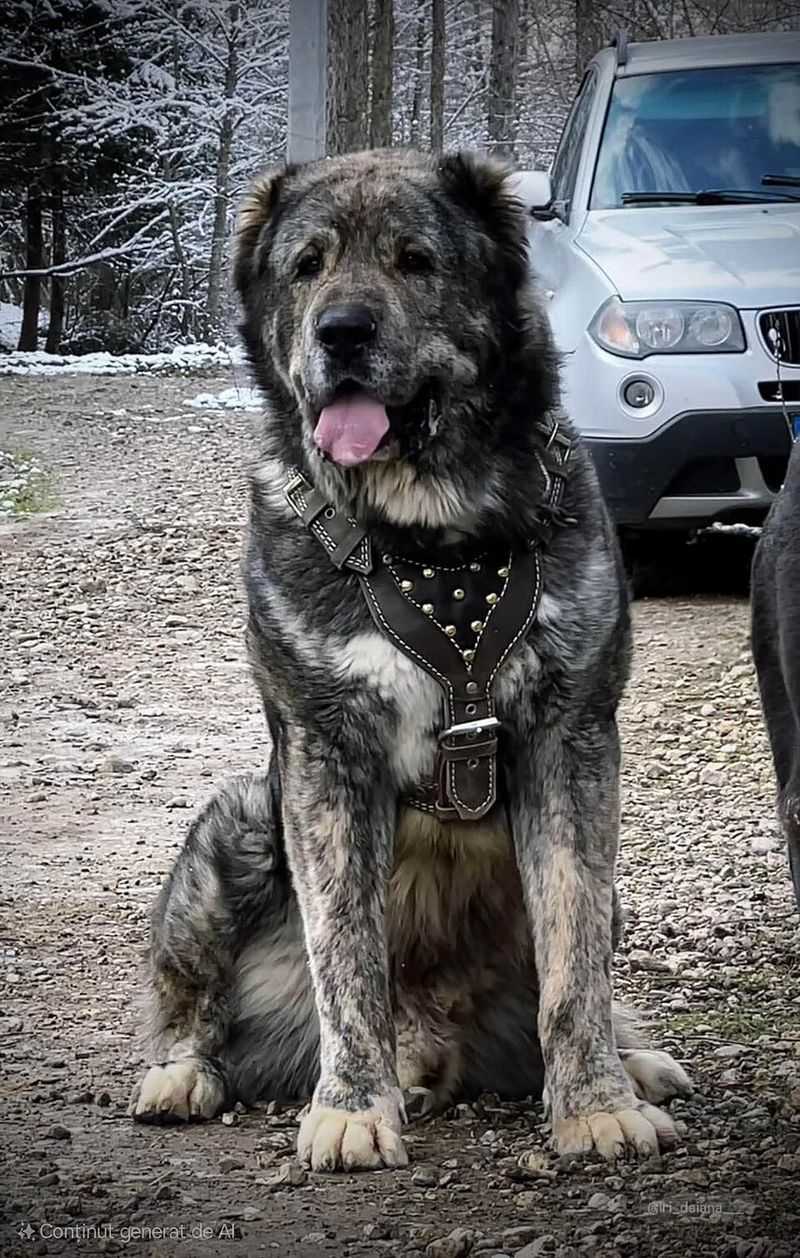
Central Asian Shepherds were shaped to guard flocks across vast, open landscapes. They make decisions independently and prioritize territory over social niceties.
In suburbs, that translates to window patrolling, boundary fixation, and skepticism toward anyone who approaches your property line.
These dogs are powerful, stoic, and not eager to please, so training requires patience. Reward calm choices, proof neutrality, and manage entrances carefully.
Strong gates, clear household rules, and controlled introductions are essential if you want predictable behavior every day.
City noise, small yards, and frequent visitors usually increase stress levels. Grooming needs are significant, and veterinary access may require careful handling practices.
Unless you truly need a livestock guardian lifestyle, this ancient breed will feel confined, frustrated, and misunderstood.
Dogo Argentino
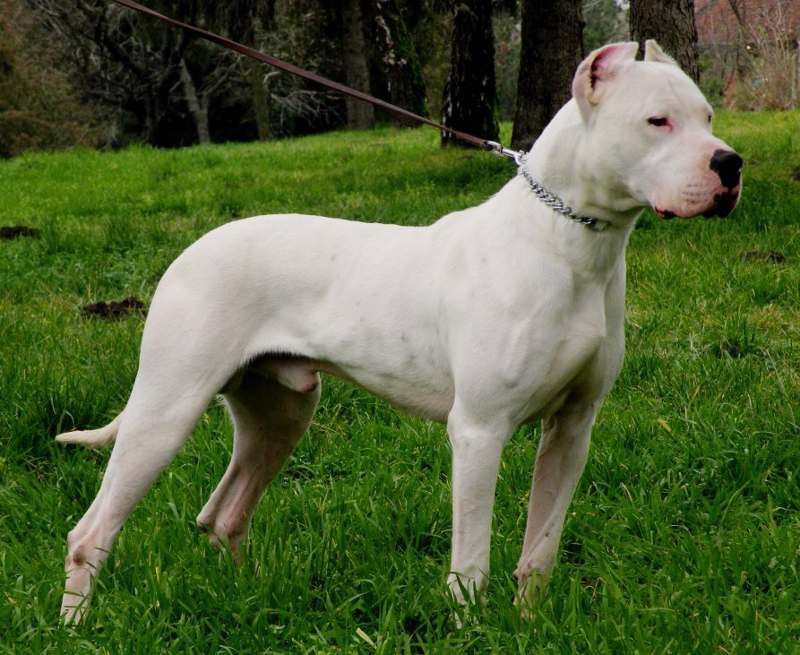
The Dogo Argentino is athletic, driven, and originally designed for big-game hunting. That purpose fuels high prey drive and relentless stamina.
In normal neighborhoods, cats, wildlife, and sprinting kids can trigger chasing, while boredom expresses as digging, escaping, and destruction.
Serious exercise plans are non negotiable, plus structured training that channels intensity into tasks. Expect to practice recalls, impulse control, and neutrality around other dogs.
Even then, dog selectivity appears, so management and clear boundaries must carry the load daily.
Apartment life magnifies problems by limiting outlets and increasing frustrating stimuli. You will face scrutiny from neighbors and potential breed restrictions.
If you want a cooperative athlete, be ready to dedicate time, money, and consistency, or the dog will struggle.
Akita
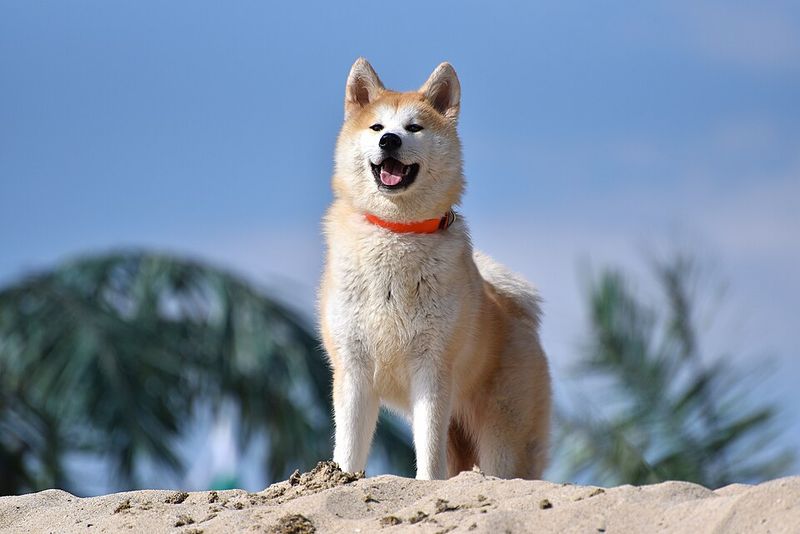
Akitas are dignified, independent, and famously catlike in how they bond. They do not melt for strangers, and many dislike pushy canine greetings.
In average households, that aloofness can look like stubbornness, while same-sex aggression and guarding tendencies create conflict.
Training should focus on trust, fairness, and calm routine rather than endless repetitions. Owners must manage intros with new dogs, protect space, and read subtle signals.
High-value items can spark arguments, so management and clear rules matter more than casual socialization.
Small apartments often raise stress, and frequent guests challenge boundaries. Grooming needs are heavy during seasonal sheds, and vet handling requires patience.
If you need an outgoing greeter, this breed usually prefers one or two people and predictable patterns.
Boerboel

The Boerboel is a serious, farm-born guardian that bonds to family and property. That devotion can become clinging behavior and territorial suspicion in tight suburbs.
Without advanced training and structure, size and confidence combine to bulldoze house rules and visitors.
Daily obedience, impulse control, and neutral exposures are not optional. Strong fencing, controlled greetings, and careful delivery protocols help prevent accidents.
Skipping mental work invites boredom, which then fuels rough mouthing, resource issues, and pushy door behavior that scares people.
City life piles on triggers like sidewalk traffic and strangers. Medical costs, quality food, and training bills can surprise even prepared owners.
If you want a mellow couch companion, this powerhouse needs firm guidance, outlets, and thoughtful leadership to cope.
Wolfdog
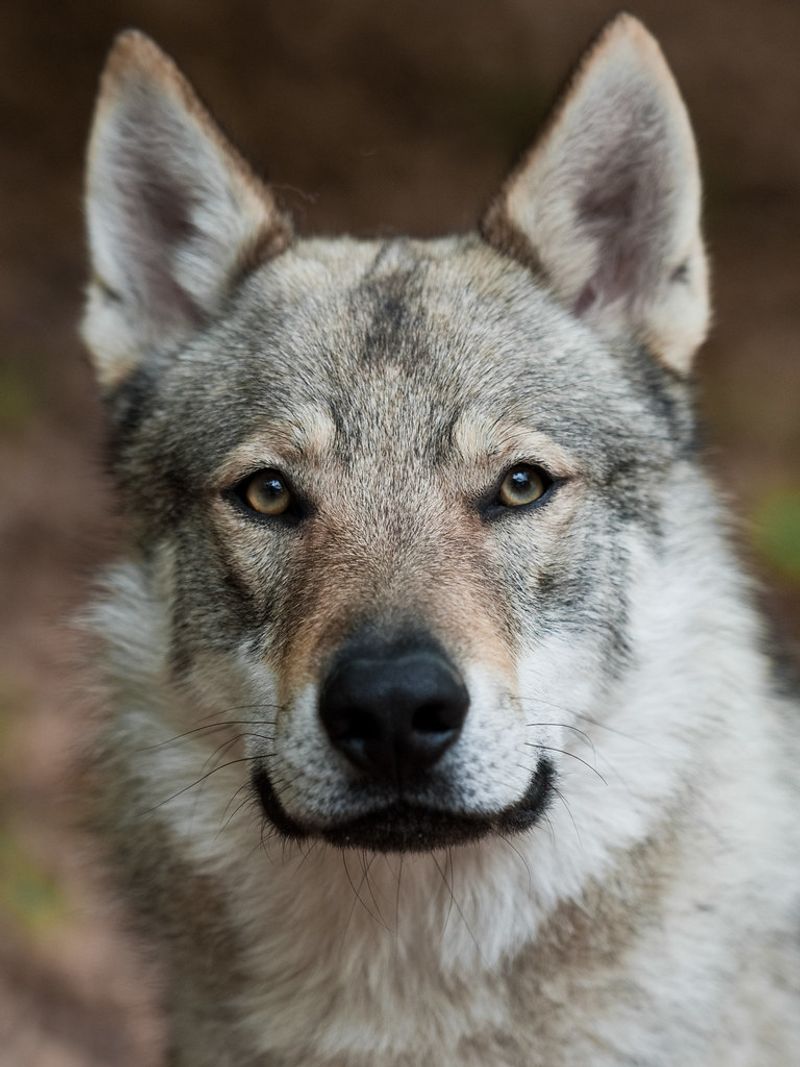
Wolfdogs are captivating, but their behavior sits between domestic dog and wild animal. That means skittish reactions, high flight risk, and little interest in human rules.
Normal households struggle with containment, social expectations, and neighbors who misunderstand the situation.
Secure six foot fencing with lean-ins, dig guards, and double gates is baseline. Even then, escapes happen, so leashes, long lines, and vigilant routines are essential.
Vet visits, boarding, and grooming often require specialized providers comfortable with unique body language.
These hybrids typically do poorly with small pets and unpredictable guests. Noise, confinement, and pressure to cuddle create stress instead of bonding.
If your dream is a mystical companion, understand the reality demands acreage, expertise, and management few homes can provide.
Fila Brasileiro

The Fila Brasileiro embodies extreme loyalty to family and extreme distrust of outsiders. That legendary ojeriza means strangers are not welcome, period.
In modern neighborhoods, deliveries, service visits, and social drop-ins become high-risk events requiring strict, practiced management every time.
This breed is powerful, heat tolerant, and intensely vocal when aroused. Training focuses on neutrality, boundary routines, and rock-solid obedience that minimizes surprises.
Casual petting from guests is unsafe, and off-leash recreation is usually unrealistic in public spaces for many.
Apartments and tight lobbies present constant triggers, while liability and insurance headaches add pressure. Vet handling often requires careful planning and experienced teams.
Unless you have purpose, privacy, and expertise, the Fila will struggle in households, and you will too.