
Some dogs do not just feel with you, they feel for you, and sometimes even ahead of you. If your pup seems wired into your emotional weather, these signs can confirm that their empathy runs extra deep.
Understanding what you are seeing lets you support that sensitivity without turning it into stress. Here is how to recognize it and help it flourish.
Reacting strongly to your mood changes
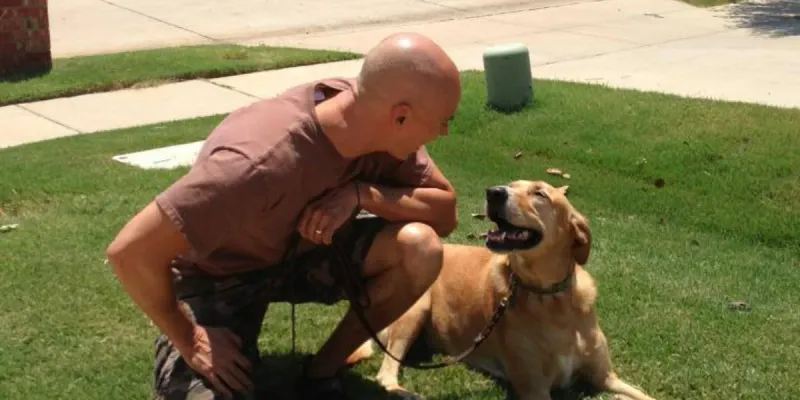
Some dogs mirror your inner weather like a tuned instrument, shifting energy the second your mood bends. If you sigh after a tough call, they either spring into playful distraction or settle beside you with grave calm.
That rapid recalibration shows deep emotional tracking, not generic obedience or guesswork. It is empathy with visible gears turning right there.
Over days, you notice patterns linking your voice, posture, and pace to their tail, ears, and breathing shifts. They learn your micro-cues, predicting storms before words surface, then choosing comfort or space with uncanny timing.
This sensitivity can feel magical, but it needs structure, rest, and gentle reinforcement so empathy never becomes anxiety. You feel seen, and they feel useful too.
Following you during emotional moments

When feelings swell, a deeply sensitive dog becomes your shadow, tracking rooms like a quiet heartbeat. Bathroom, hallway, kitchen, they trail with steady purpose, refusing to miss a cue or a need.
It is not simple clinginess, but intentional presence that anticipates vulnerability. They read pauses in movement like punctuation that asks for company.
You might notice them adjusting stride, stopping when you stop, curling closer when your breathing shortens. Reward calm proximity and give release cues, so following stays supportive rather than anxious or controlling.
This partnership turns hard minutes into navigable ones, reminding you that steadiness can be shared. Both of you practice presence, not pressure.
Short breaks teach resilience without breaking trust.
Showing visible stress when you cry
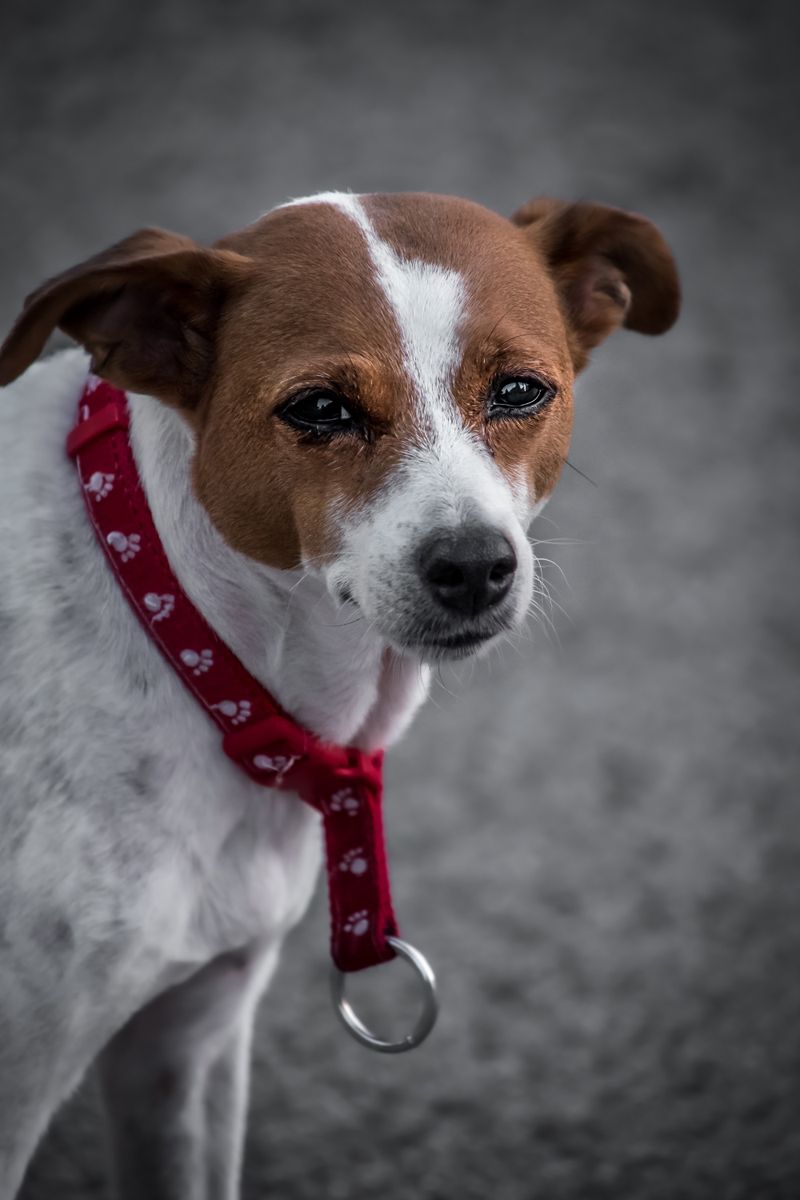
Some dogs display stress signals the moment tears appear, as if sorrow rings a bell only they can hear. Panting, yawning, lip licking, and pacing may surge, paired with tight ears and scanning eyes.
It is empathy meeting alarm, a heart wanting to help but fearing it is failing. Your sobs are data they cannot ignore.
Lower the volume, sit on the floor, and invite slow contact so arousal can settle. Offer a chew or sniffy mat, use soft praise, and breathe longer out than in.
With repetition, your tears become a cue for calm rituals, not panic. That is deep feeling guided toward safety.
You both learn comfort without flooding. Progress looks small, but it sticks.
Seeking physical contact constantly
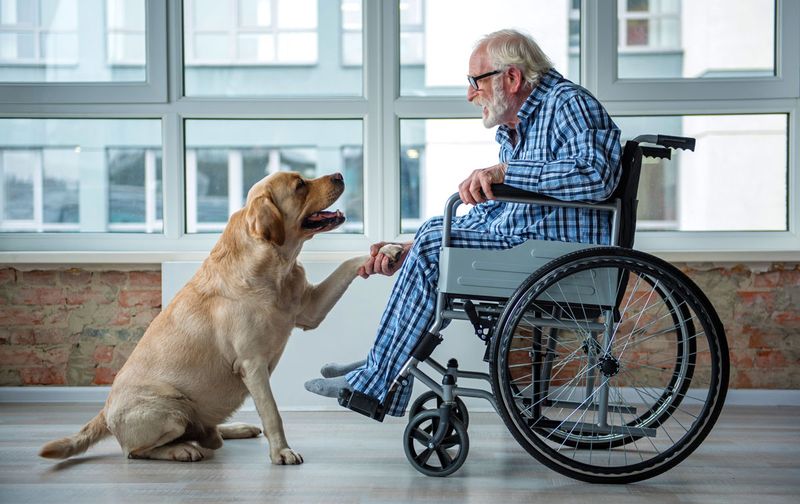
Velcro affection can be a hallmark of deep-feeling dogs who self regulate through touch. They press a paw, lean their shoulder, or wedge a chin into your palm during everyday life.
Contact shifts their nervous system toward safety, like plugging into a familiar outlet. It also soothes you, which rewards the cycle.
Think weighted blanket, but alive and loyal.
Teach a settle on a mat, strengthen stay, and schedule cuddle windows to balance autonomy with closeness. Provide texture options like blankets and calming vests, so touch is available without demanding hands.
When comfort has boundaries, sensitivity thrives rather than frays. You get affection plus resilience.
Small separations teach coping without dimming love. Everyone breathes easier.
Refusing to leave when you feel sick
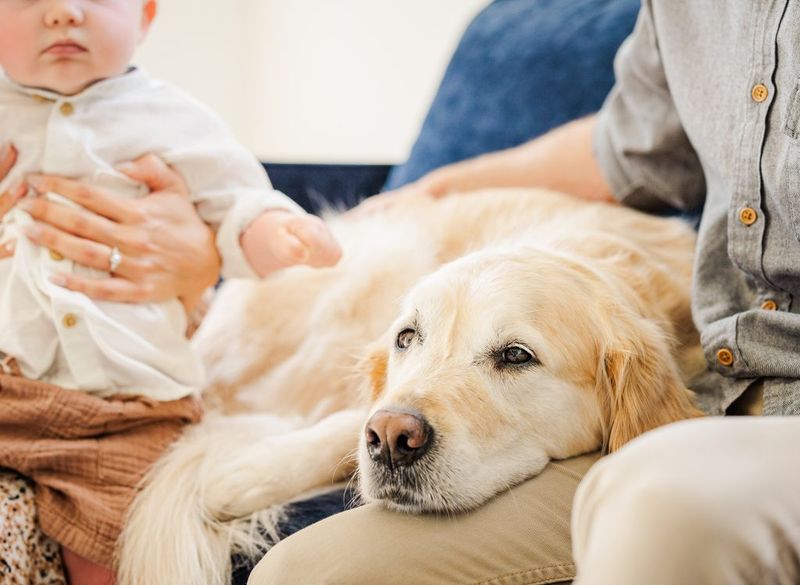
A dog that posts at your bedside during illness is guarding both body and mood. They skip meals, ignore toys, and rest with one eye open, measuring every shift you make.
It is devotion, but also a careful audit of scent, temperature, and tone. Something changed, and they are on duty.
You are their most important assignment.
Offer a potty break cue and a snack station, reassuring them that care continues even during rest. If you need space, teach place with a warm blanket and soft music nearby.
Praise their watchfulness, then release them, so loyalty does not become tension. Healing feels shared, yet sustainable.
Short walks reset nerves without breaking the vigil. Both of you rest better.
Becoming quieter during tension at home

In some households, sensitive dogs dim their brightness when voices sharpen or doors close hard. Play drops, footsteps soften, and they move like fog curling around furniture.
This hush is not withdrawal only, but a peace offering to lower the overall volume. They are trying to keep the room safe.
Quiet is their diplomacy.
Name the calm, reward relaxing on a mat, and model slow exhale sounds that dogs easily mirror. Later, rebuild play with gentle games, so silence does not become a permanent mask.
Your steadiness teaches that tension passes, and joy returns on cue. Home learns to breathe again.
Consistency turns that skill into confidence instead of worry. Soon, softness signals safety, not fear.
Remembering emotional routines
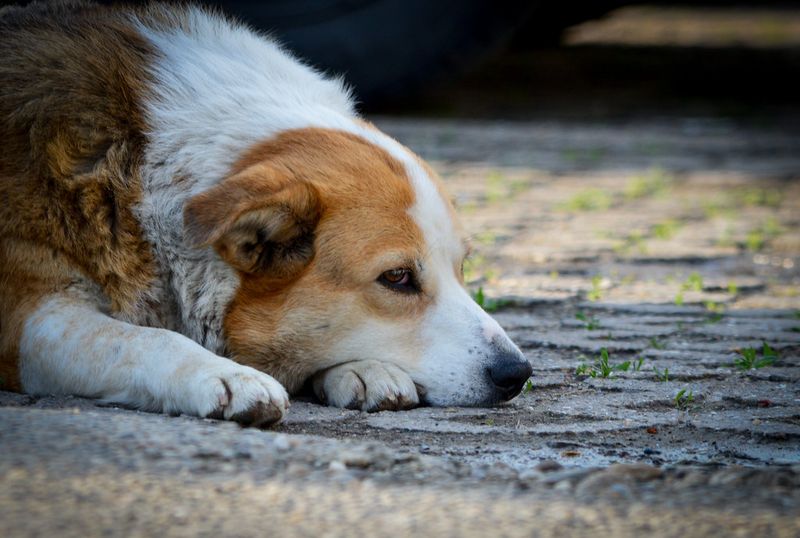
Dogs with deep feelings track rituals that wrap around emotions, not just schedules. They know the tea mug after bad news, the blanket for Sunday blues, the shoes you wear when grieving.
Over time, those anchors cue them to fetch, follow, or settle before a word is spoken. Emotion becomes a predictable map.
It is pattern recognition married to care.
Strengthen helpful patterns with labels like tea time, blanket, or rest, and mark the calm with treats. Retire unhelpful rituals by changing one detail at a time, keeping the spirit while softening triggers.
Soon your dog predicts relief, not trouble, when the familiar scenes appear. That memory is love practicing.
You both relax faster together.
Showing jealousy over emotional attention
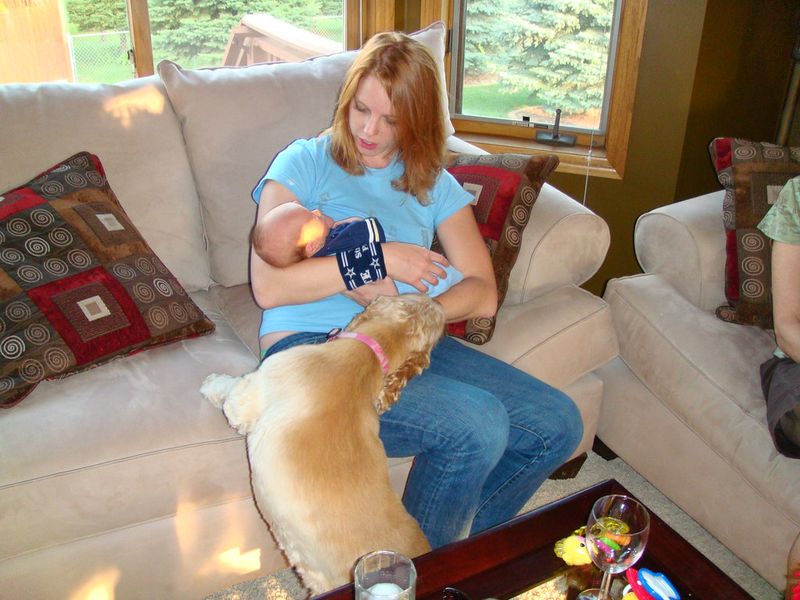
When hugs or consoling words flow to someone else, a sensitive dog may wedge in, vocalize, or guard space. This is not spite, but insecurity about access to the comfort they value most.
Jealousy here looks like neediness fueled by love and uncertainty. Your attention is currency.
They want a guaranteed seat at the comfort table.
Teach a station behavior during hugs, then pay with praise and treats, releasing them to join politely. Rotate affection fairly, invite shared lean-ins, and keep hands low to avoid resource guarding signals.
With clarity, they learn that love expands rather than divides. Security grows, and drama fades.
You become the teacher of fair turns and soft boundaries. Peace follows practice.
Comforting family members naturally
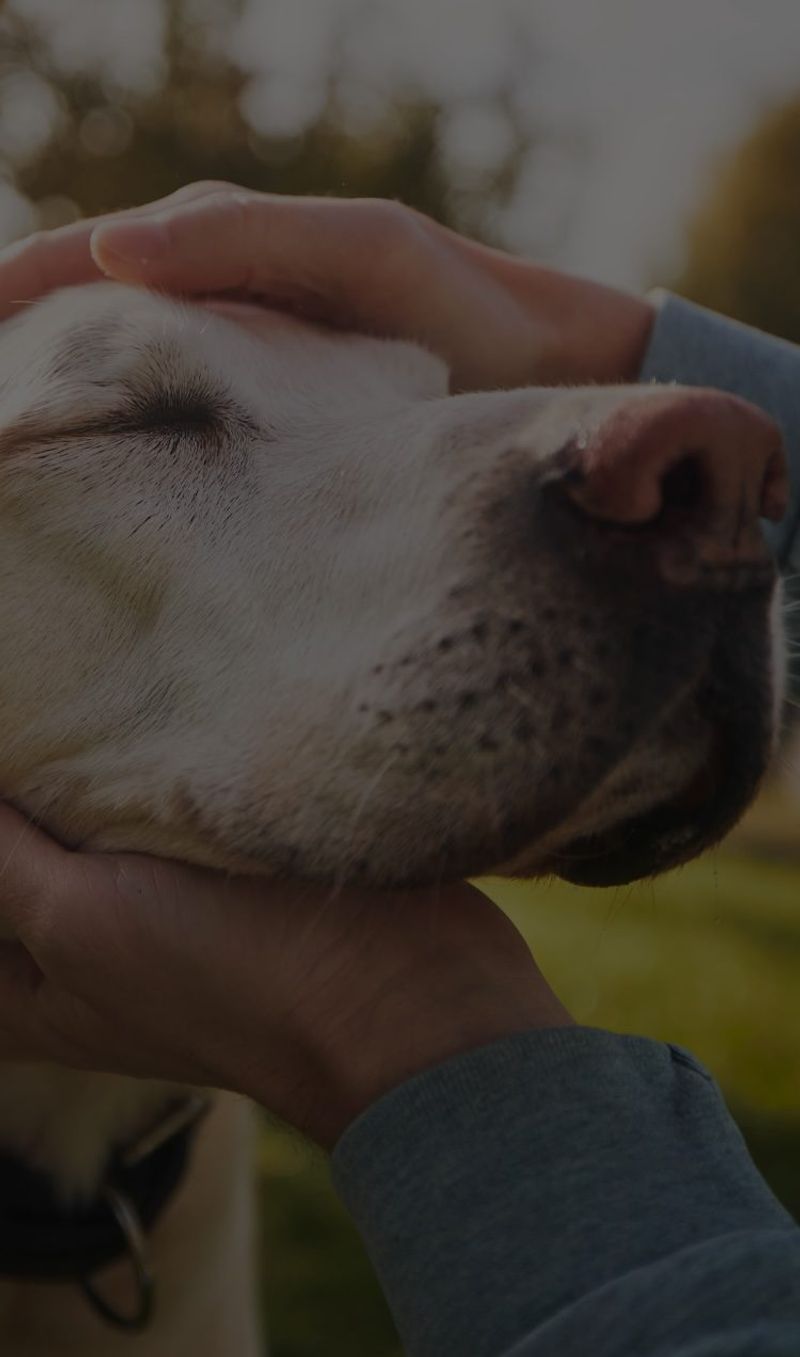
Some dogs roam the household like gentle medics, checking each person and offering warmth where it lands. They curl by the child after a hard day, then visit grandparents with patient eyes and slower steps.
No prompt needed, only presence. That intuition reflects empathy built through a long run of shared moments.
It feels like the house exhales.
Reinforce this gift by praising soft approaches and modeling gentle touch among family members. Create a comfort cue word so your dog knows when support is welcome and when rest is wiser.
Balance caregiving with play so empathy does not turn heavy. Kindness, practiced daily, becomes culture.
Everyone learns to receive support without draining the helper. That balance lasts.
Watching faces and tone intensely

A deeply attuned dog watches your eyebrows, mouth corners, and shoulders like subtitles for your day. They key off tone, cadence, and breath sounds, updating their choices in real time.
It is a conversation of micro-movements that rarely lies. Your face is their compass.
They are reading you because it works.
Use consistent markers for yes and pause, and teach cheerful neutral tones during routine tasks. On hard days, put feelings into simple words, then offer a job like find toy or go mat.
Clear signals prevent guesswork from snowballing into stress. Understanding grows, and trust deepens.
Celebrate the checking in with quiet praise and occasional treats. Soon, the language between species feels fluent enough to steady both of you.