
Some dogs have a lot to say, and they are not shy about saying it. If your home sometimes sounds like a security system, you might be living with one of these chatty charmers.
The good news is that there are smart ways to channel all that noise into helpful alerts. Let’s talk about the breeds most likely to speak up and how you can turn the volume down without losing their personality.
Beagle
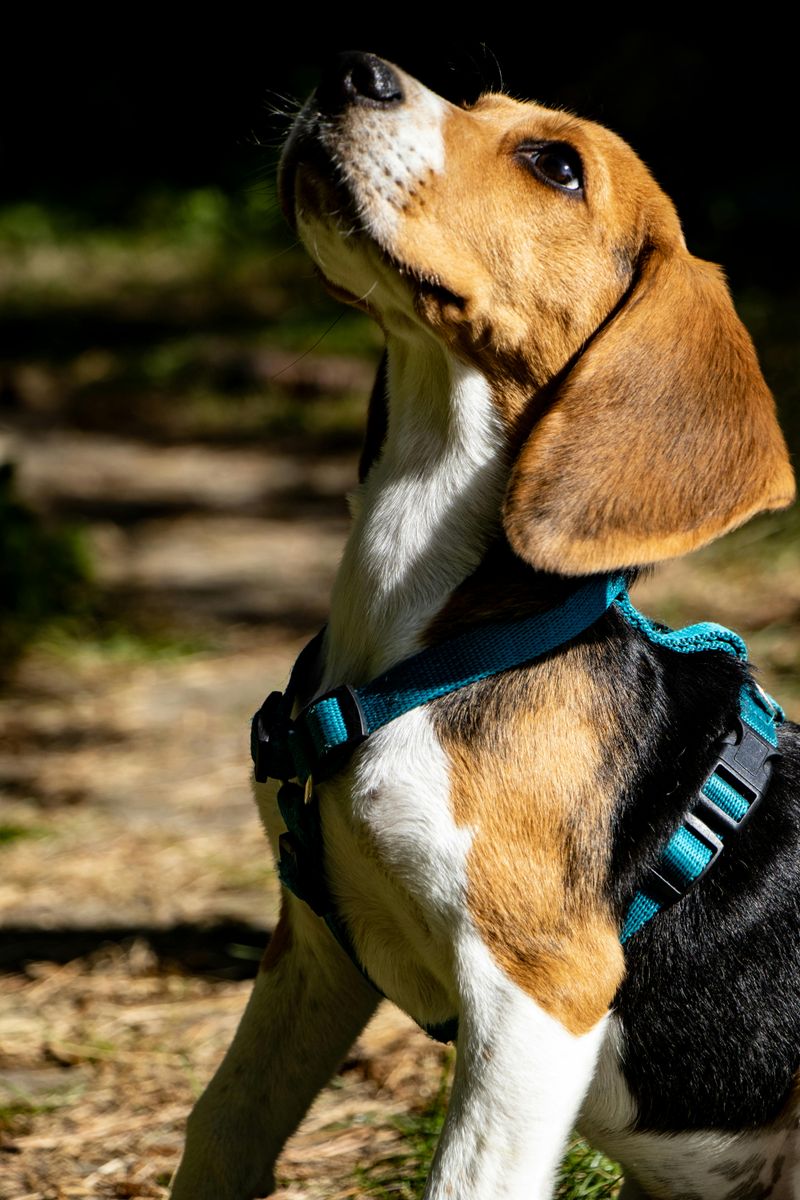
Beagles have voices built for the hunt, and that instinct shows up in daily life. Your Beagle will bay at doorbells, distant sirens, and even suspicious leaves.
It is charming until you are on a work call and the soundtrack erupts. Exercise and scent games help, because a tired nose means a quieter hound.
Teach a speak-then-quiet routine, rewarding the hush like it is gold. White noise, window film, and predictable schedules keep triggers from stacking up.
Beagles thrive with nose work classes, puzzle feeders, and long sniffaris around the block. Give that voice a job, and you will hear more silence between the songs.
Consistent boundaries and cheerful training keep the volume manageable without dampening their spirit at home.
Miniature Schnauzer
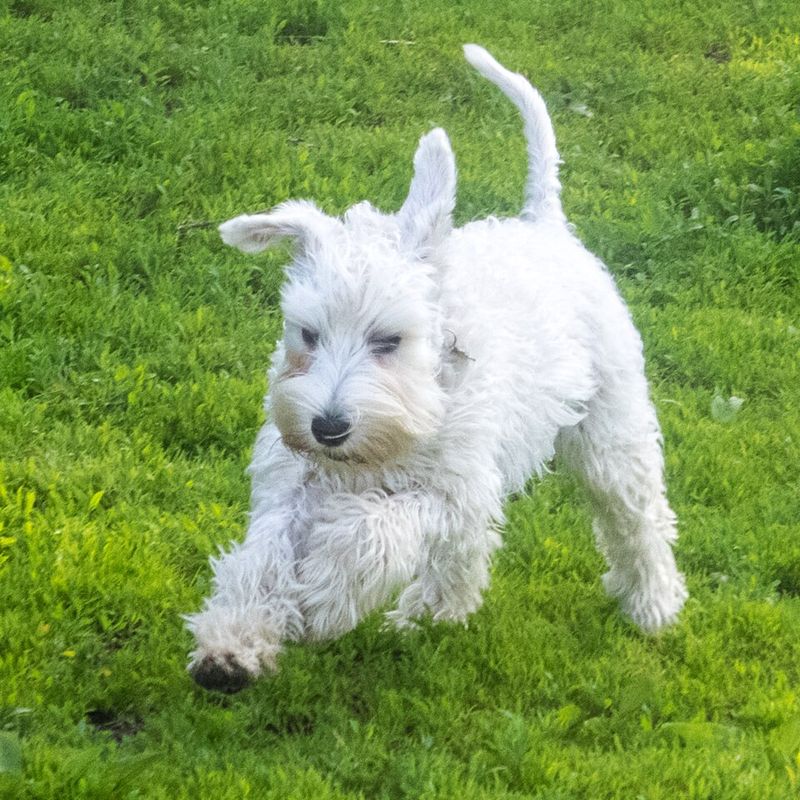
Miniature Schnauzers were bred as alert farm watchdogs, and that heritage powers their commentary today. You will hear quick barks for visitors, vehicles, and any schedule change outside the window.
They are clever, which means they learn to bark for attention if you reward noise. Redirect that energy into jobs like trick training, scent work, and brisk neighborhood walks daily.
Teach a cue to speak, then a cue to quiet, paying generously for calm seconds. Close curtains, add soothing music, and give sturdy chews to occupy busy minds indoors during.
Consistency helps this confident breed understand boundaries without losing its signature spark and humor completely. When you meet their needs, the soundtrack softens, and the house finally breathes again peacefully.
Chihuahua

Chihuahuas are tiny, but their opinions arrive like alerts from a very dedicated security system. They bark to announce strangers, shadows, strange sounds, and the timer beeping in your kitchen.
Confidence building helps because nervousness can amplify noise, especially with small dogs feeling vulnerable outside. Arrange safe perches, teach go-to-mat skills, and reward quiet watching with tiny treats at home.
Short training bursts keep focus high, and warm clothes reduce shivery barks on cold walks. Ask visitors to ignore greetings until four paws settle, then deliver praise like sunshine generously.
With routines, enrichment, and gentle handling, the volume slider moves to a friendlier level quickly. You will still get alerts, but they sound helpful instead of overwhelming your day entirely.
Dachshund
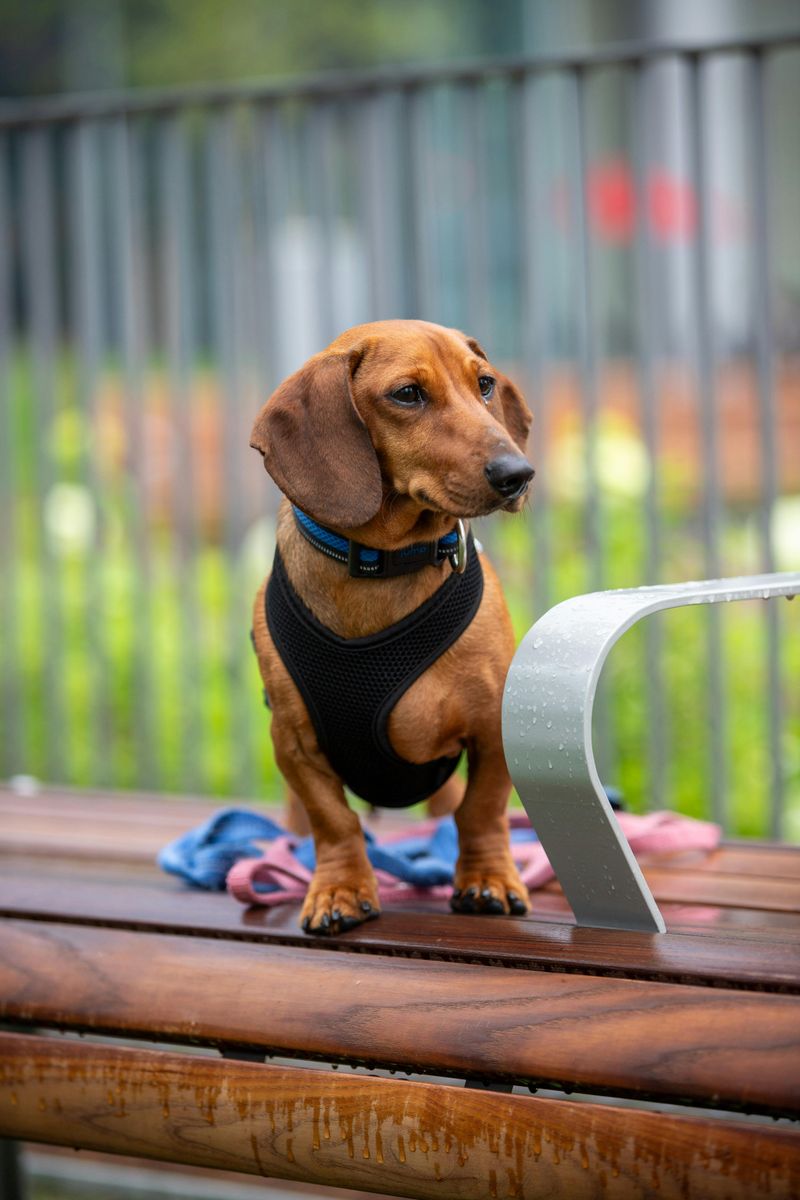
Dachshunds were engineered for bold badger work, so announcing things feels like heroic duty daily. Expect commentary for hallway footsteps, mail carriers, elevator dings, and squeaky toys under couches everywhere.
Because they are brilliant and stubborn, reinforcement timing and management matter more than scolding ever. Practice stationing on a bed, closing curtains, and trading barks for nose games during deliveries.
Teach a quiet cue after a speak cue, capturing silence like photographers capture golden light. Regular digging boxes, snuffle mats, and sturdy chews satisfy natural urges without constant vocalizing indoors.
A harness, not a collar, helps guide training while protecting that long, hardworking spine safely. Meet their needs, and your home feels less like a tunnel full of echoes forever.
Pomeranian
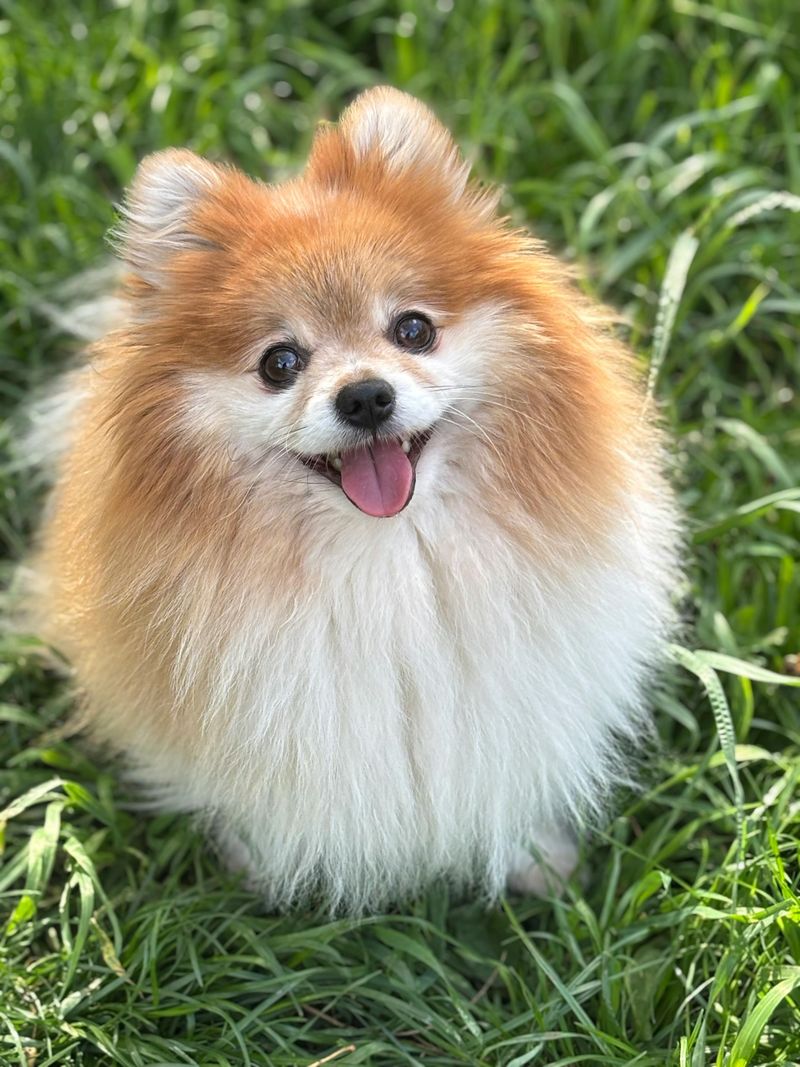
Pomeranians are fluffy megaphones with hearts of glitter, always ready to report neighborhood news loudly. They were companion watchdogs, so windows, hallways, and phones become stages for spirited announcements daily.
Give structure early by reinforcing quiet moments, not just laughing when the sass erupts unexpectedly. Plan playdates, trick sessions, and fast sniffy walks to drain that battery of enthusiasm safely.
Teach place training with a comfy bed, pairing calm breathing with treats and soft praise. Use window clings and background music to lower triggers while you build better habits gradually.
Grooming time doubles as relaxation practice, turning brush strokes into mini mindfulness sessions for Poms. Soon the commentary sounds cheerful, not constant, and your living room finally sighs happily again.
Siberian Husky
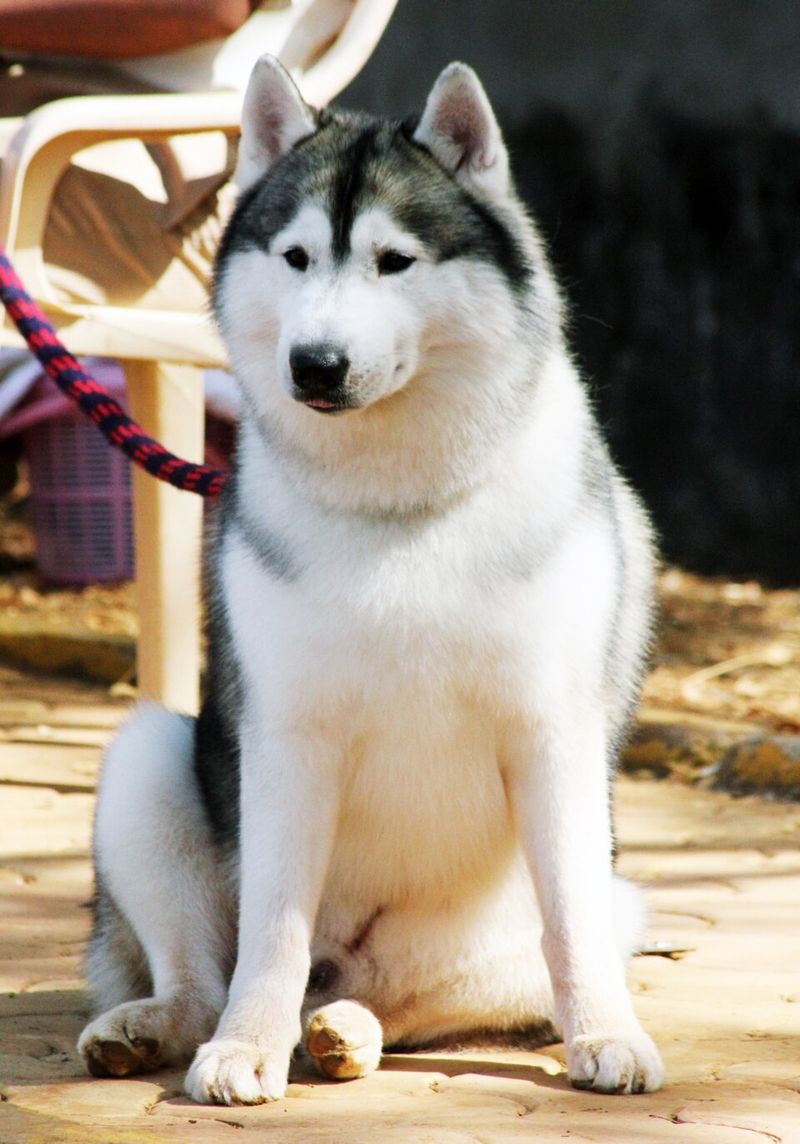
Siberian Huskies are famous for dramatic voices, from woo talks to wild chorus howls nightly. They gossip when bored, protest rules with operatics, and alert the whole block to squirrels.
Because they are athletes, under exercised Huskies become creative sound designers and neighborhood noisemakers quickly. Daily running, structured pulling sports, and brainy problem solving keep the volume humane at home.
Teach cues for talk and hush, reinforcing quiet like it is precious mountain snow falling. Rotate enrichment, crate train kindly, and avoid yelling, which often invites louder debate at home.
A tired Husky naps hard, letting neighbors forget there is a folk singer next door. Meet needs, embrace humor, and your snow wolf becomes a manageable, occasionally chatty companion indoors.
Fox Terrier
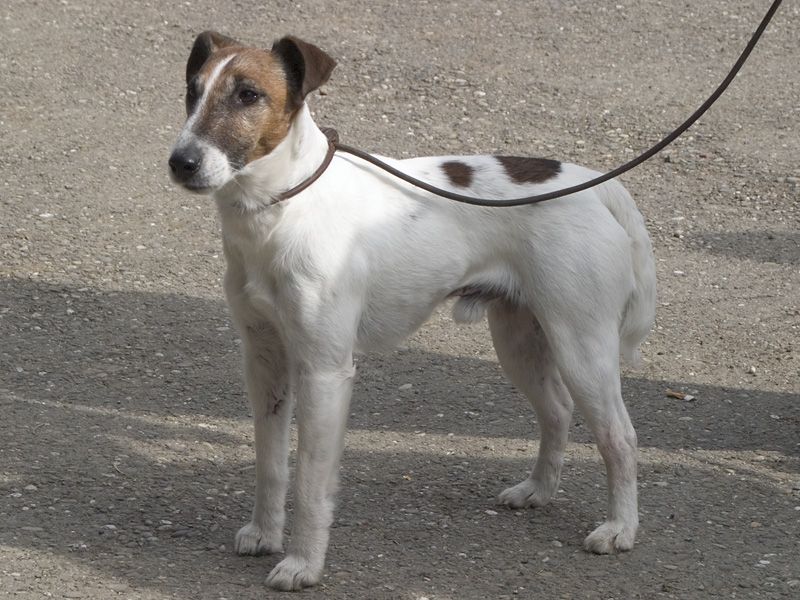
Fox Terriers are quicksilver extroverts, bred to bolt after vermin and loudly announce discoveries immediately. That means you hear commentary for rustling bags, door knocks, and faraway skittering sounds often.
Agility classes, flirt poles, and nose work turn fizzing energy into focus and cooperation beautifully. Use pattern games to teach settle spots, and reinforce calm gazes toward typical triggers outside.
Give chews after walks, layer white noise, and block windows that invite neighborhood surveillance marathons. Teach speak and quiet on cue, so barking becomes a choice instead of habit cycles.
Fair boundaries keep confidence high without allowing chaos to run the household theater every day. With practice, your terrier narrates less, and your ears finally catch a peaceful breath tonight.
Basset Hound
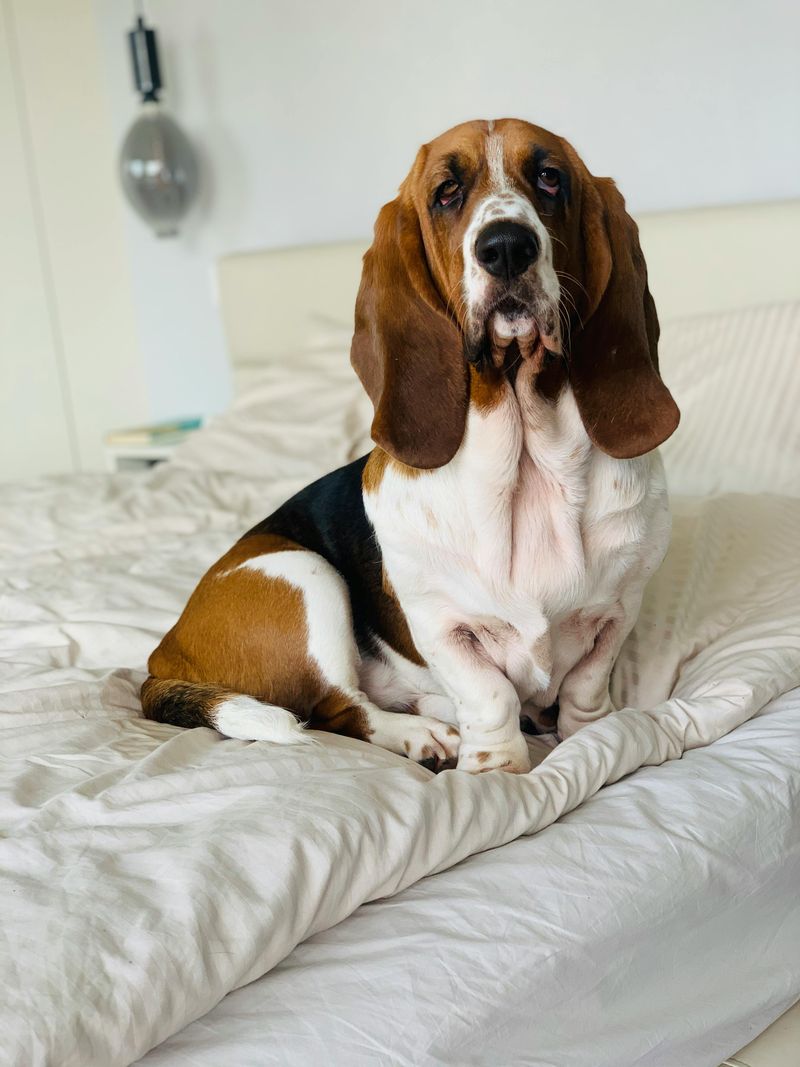
Basset Hounds carry deep, resonant voices designed to travel across fields during pack work historically. At home, those musical announcements often target doorbells, food prep, and slow family routines too.
Because they are scent driven, boredom invites vocalizing, along with strategic negotiations about everything imaginable. Prioritize sniff walks, puzzle feeders, and relaxed training sessions that pay generously for quiet behavior.
Use baby gates and window film to manage triggers while you teach alternative behaviors kindly. A comfortable bed becomes a station, where calm breathing earns treats, scratches, and praise reliably.
Stay patient, because harsh corrections rarely work with thinkers who specialize in selective hearing anyway. Meet their nose needs, and the grand opera reduces to pleasant background humming most days.
Yorkshire Terrier
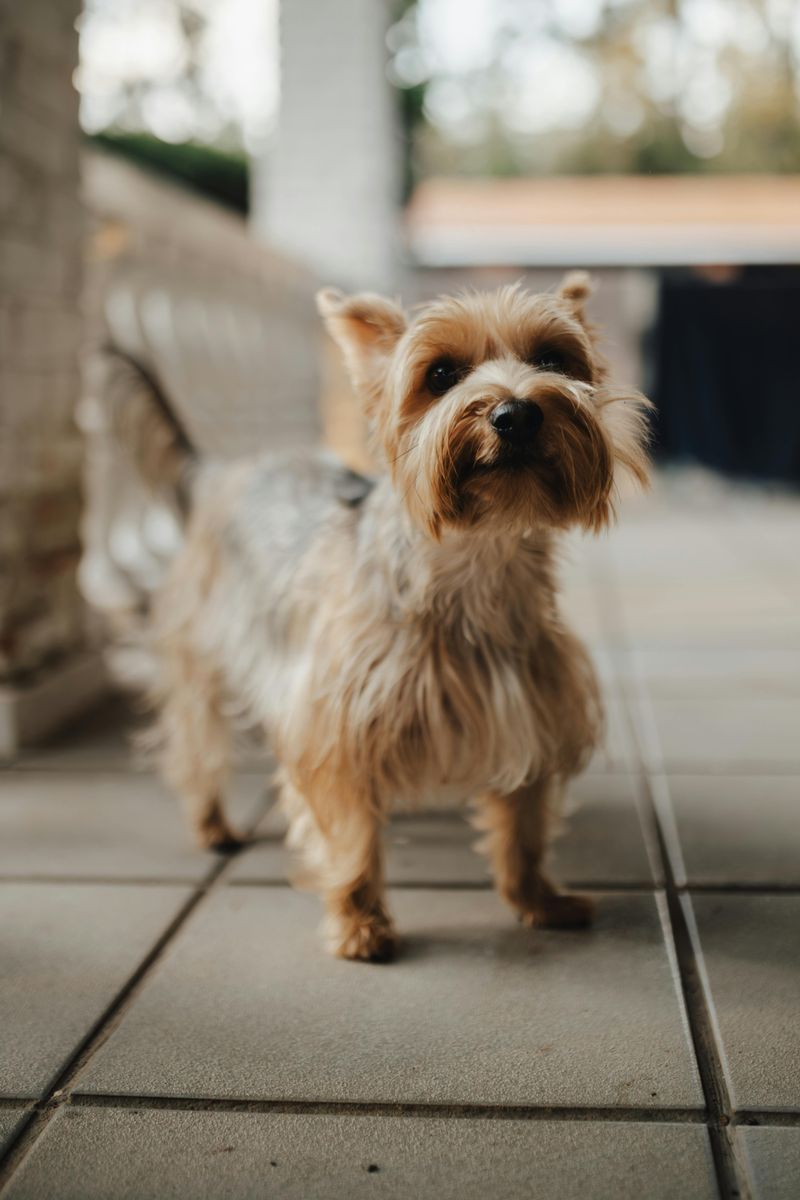
Yorkies might be pocket sized, but they deliver news with astonishing confidence and persistence daily. They were bred to chase rats, so quick movement triggers spirited, sometimes nonstop commentary nearby.
Socialization and boundary games curb reactivity, especially around doorways, elevators, and busy sidewalks in cities. Teach place on a mat, pair silence with snacks, and reduce visual access to sidewalks.
Short training bursts, puzzle toys, and guided sniff breaks satisfy brains without vocal overdrive afterward. Avoid scolding, because attention can reinforce barking, even when delivered with frustration during tough moments.
Visitors should ignore greetings until paws settle, then offer cheer that rewards polite choices immediately. Soon your tiny town crier becomes a charming neighbor, not a constant rooftop announcer anymore.
Samoyed
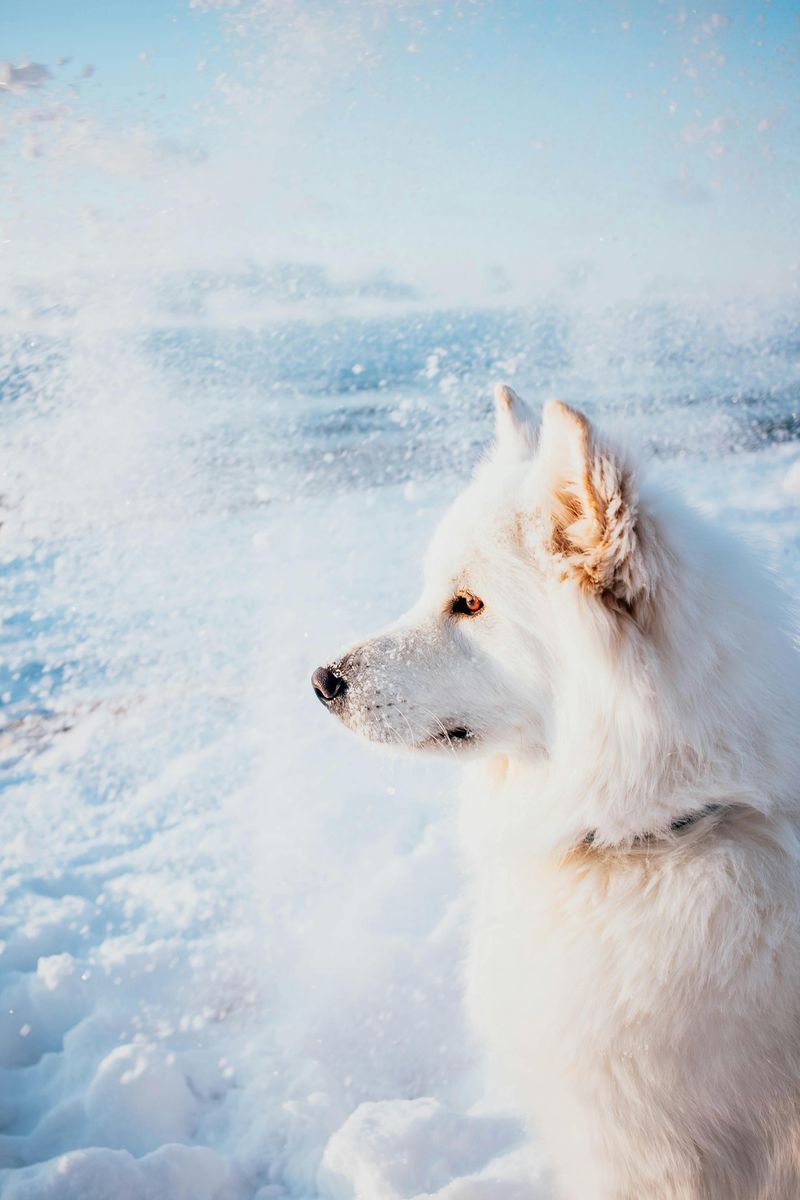
Samoyeds are social, sparkling snow clouds who love narrating life with melodic, bouncing barks everywhere. Originally working with families and herds, they still supervise households with enthusiastic vocal reports daily.
Grooming sessions become calm lessons, and regular exercise prevents zoomies from morphing into shouting contests. Teach speak and quiet, reinforce place on a bed, and add soothing background sounds nightly.
Scent games, herding style tasks, and trick practice satisfy busy minds and sweet optimism beautifully. Window film reduces street drama, while long chews lower arousal after walks and play sessions.
They adore people, so teach polite greetings to avoid excited encore barking during visits inside. With boundaries and laughter, your snow smile turns into a delightful roommate, not megaphone overload.
Shetland Sheepdog
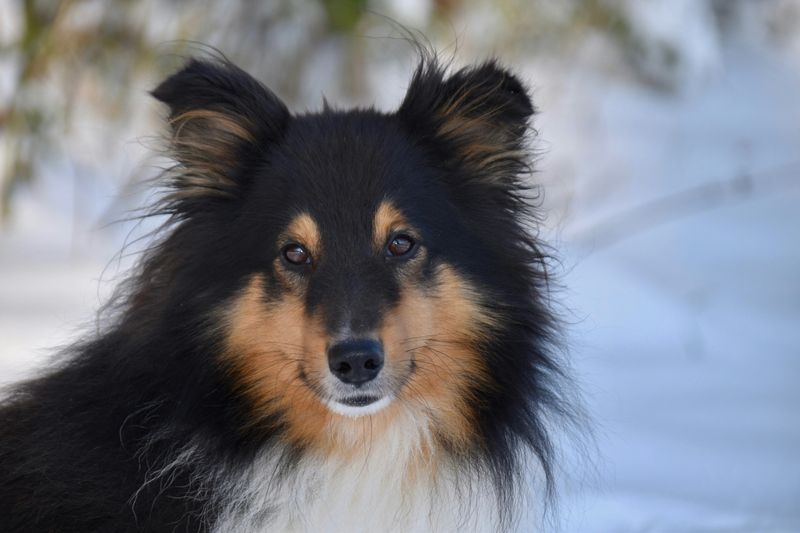
Shetland Sheepdogs are sensitive herders who monitor everything, then announce it like breaking news constantly. Movement flips their switch, so joggers, kids, and delivery bikes trigger excited orchestras immediately nearby.
Because they love working, training becomes play, and play becomes glorious, strategic management every day. Teach middle position, mat settles, and quiet-for-treats games that reward thoughtful choices throughout your routine.
Provide decompression walks, sniffing fields, and puzzle meals, to reduce trigger stacking dramatically each week. Shelties shine with predictable schedules, kind feedback, and patient socialization around city bustle and noise.
Avoid punishment, because it breeds worry and raises volume, exactly the opposite of goals here. Balance brain work and rest, and your vigilant poet becomes a considerate, quiet friend indoors.
Coonhound
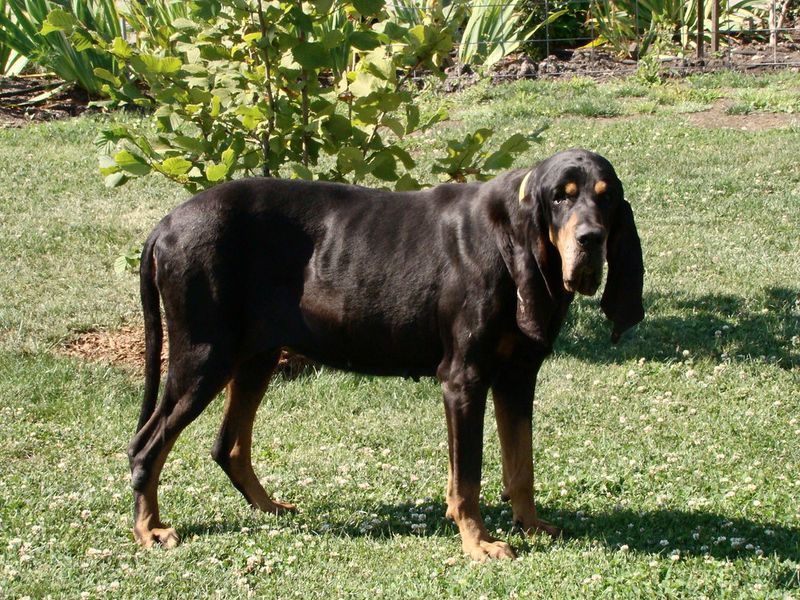
Coonhounds were engineered to project across forests, so indoor echoes become accidental symphonies quickly sometimes. They bay for scents, visitors, wildlife on television, and every mysterious creak after sunset too.
Satisfy noses with tracking games, long hikes, and backyard scent trails that end triumphantly often. Use structured rest after exercise, closing curtains and settling on beds with frozen chews nearby.
Teach on-off barking cues, paying for silence until neighbors forget your dog sings ballads nightly. Hounds appreciate fairness, so avoid yelling, which only adds instruments to the chorus at home.
Give independence with sniffing autonomy, but keep recall sharp and boundaries lovingly consistent during adventures. When needs are met, that legendary voice softens, and peace returns between necessary announcements happily.