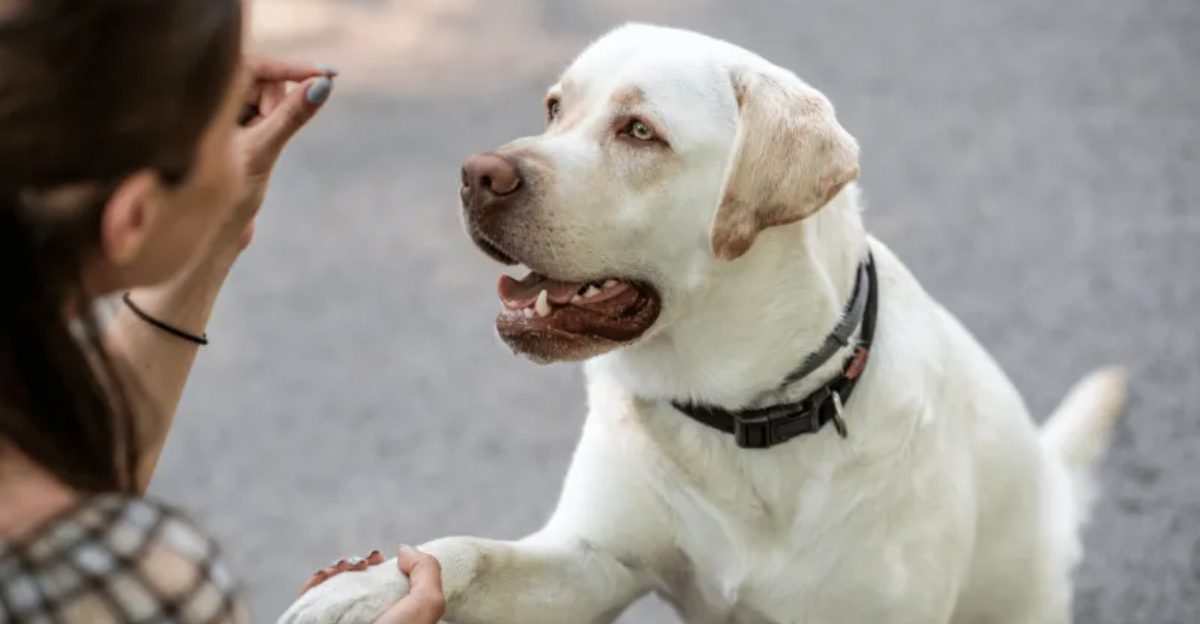
You do not need a big budget or tons of time to make a real impact for shelter dogs. With a few thoughtful choices, you can boost their comfort, confidence, and chances at finding a home.
Each small act here is simple to start, yet powerful when we all pitch in. Pick one today and watch how quickly your kindness ripples out.
Donate quality food
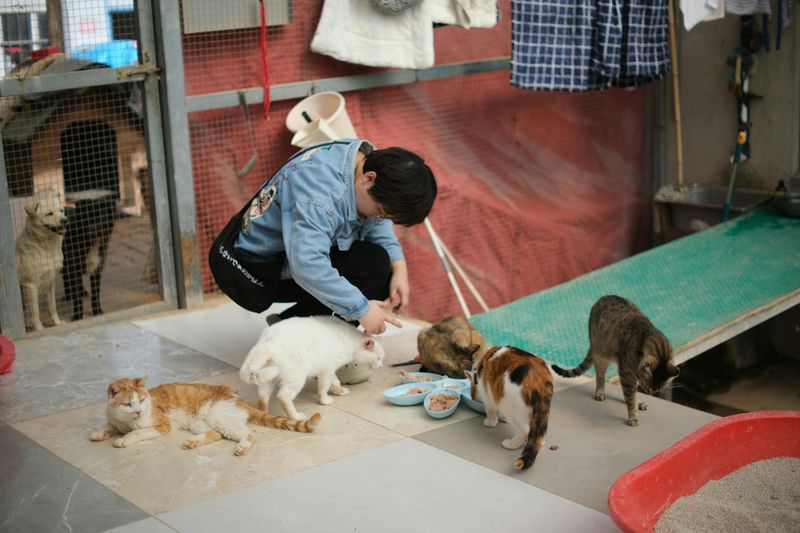
Shelter budgets are tight, and high quality food often gets cut first. When you donate premium kibble or wet food, dogs get better nutrition that supports shiny coats, healthier digestion, and calmer behavior.
Ask the shelter what brands they prefer, check recall lists, and look for options with real meat as the first ingredient.
If you shop sales, you can stretch your impact even more. Consider grain inclusive formulas for sensitive pups, and do not forget puppy and senior varieties.
Delivering sealed bags avoids waste and safety issues, and a quick note of encouragement on the box lifts staff spirits while your gift fills bowls. Ask friends to pitch in so the shelter receives a steady monthly supply.
Foster temporarily
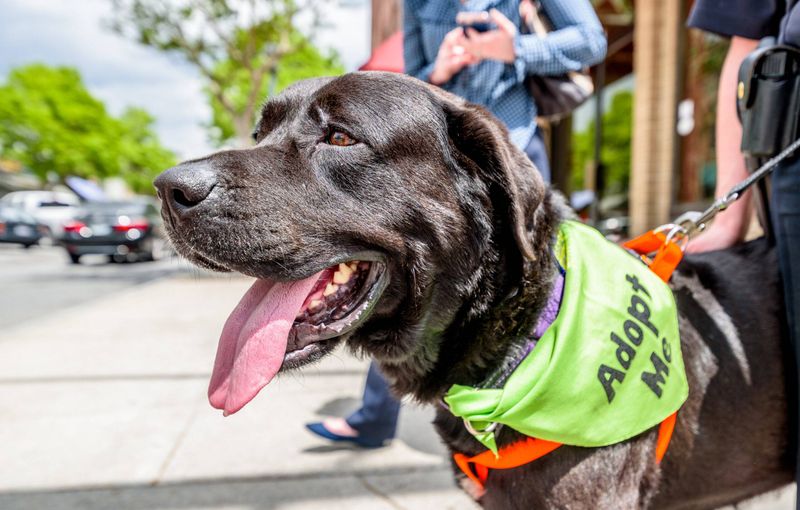
Short term fostering opens a kennel for another dog while giving one pup a peaceful reset. Even a weekend away from the shelter reduces stress, improves sleep, and reveals house manners that adopters love.
You will learn quirks, favorite toys, and leash skills, then share honest notes that help match them with the right family.
Ask the shelter for supplies, vet contacts, and guidance before pickup. Set clear boundaries, puppy proof your space, and schedule calm decompression time.
When returning the dog, bring photos, behavior highlights, and a cheerful write up for their profile, because your insights can shave weeks off their stay and speed that happy adoption day. Ask about sleepovers if full fostering feels too big.
Share adoption posts online
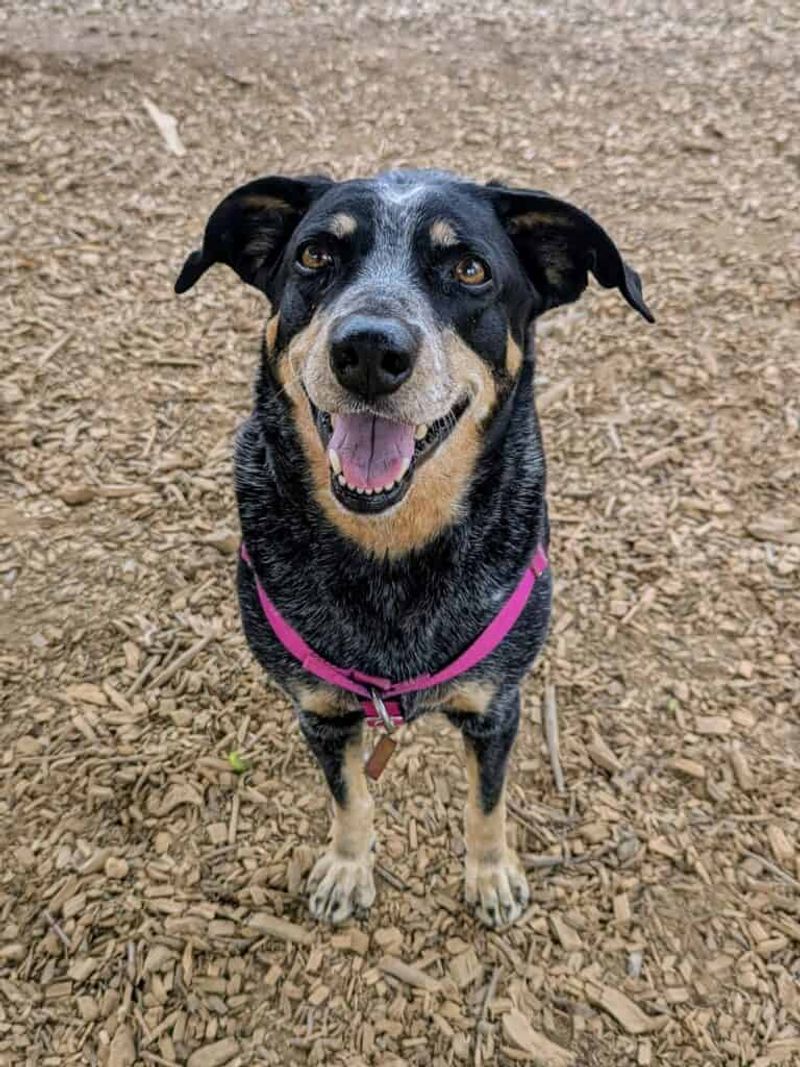
Your social media reach is bigger than you think, and one share can change a life. Post clear photos, a snappy bio, and key details like size, energy level, and compatibility with kids or cats.
Tag the shelter, add your city, and invite friends to reshare so the algorithm keeps that good face in circulation.
Write captions that focus on hope and strengths, not pity. Use weekday evenings for better engagement, and answer questions kindly to reduce adopter nerves.
If a dog gets adopted, update the post and celebrate, because your little digital ripple strengthens a rescue network that keeps moving more noses from kennels to couches. Consider local groups and neighborhood apps where nearby adopters actively browse.
Volunteer for walks
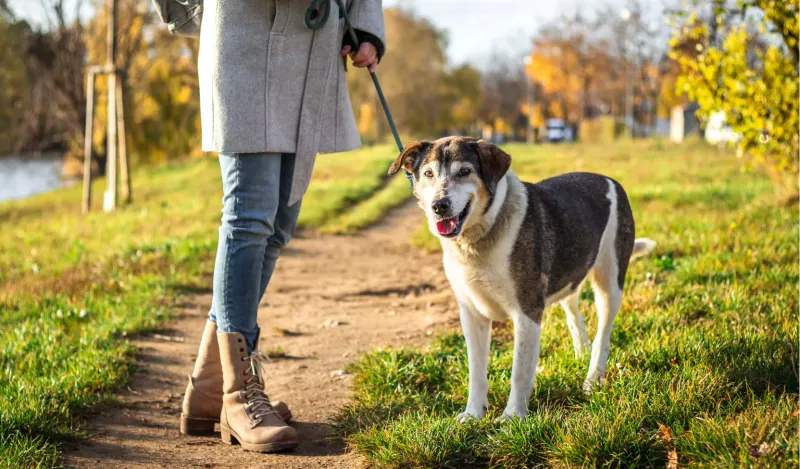
Daily walks are gold for shelter dogs, draining anxious energy and building leash skills. Sign up for a regular shift so pups know when relief is coming.
Staff can match you with appropriate dogs, provide gear checks, and share route tips that avoid triggers while still offering sniffing time and safe social encounters.
Track miles, treat good behavior, and log notes after each outing. Those details help the team choose adopters, adjust training plans, and celebrate progress.
Bring poop bags, a harness that fits, and weather appropriate layers, and remember water, because the simplest routine walk can turn into the moment a nervous dog finally relaxes. Ask about slow introductions for reactive dogs and practice calm, patient handling.
Provide enrichment toys

Shelter kennels can be boring, so enrichment keeps minds busy and stress lower. Donate puzzle feeders, lick mats, durable chew toys, and snuffle options that stretch mealtimes and reward curiosity.
Rotate items to maintain novelty, supervise when needed, and label everything so staff can track what works and which dogs need tougher gear.
Add peanut butter smears, frozen broth cubes, or kibble trails for extra fun. Homemade options like braided fleece tugs and cardboard box searches cost little and deliver big enrichment wins.
Share quick videos that show safe setups, because when people see wagging tails and relaxed faces, they are more willing to donate or volunteer. Always check size guidelines to prevent choking and pick washable materials.
Donate blankets and bedding
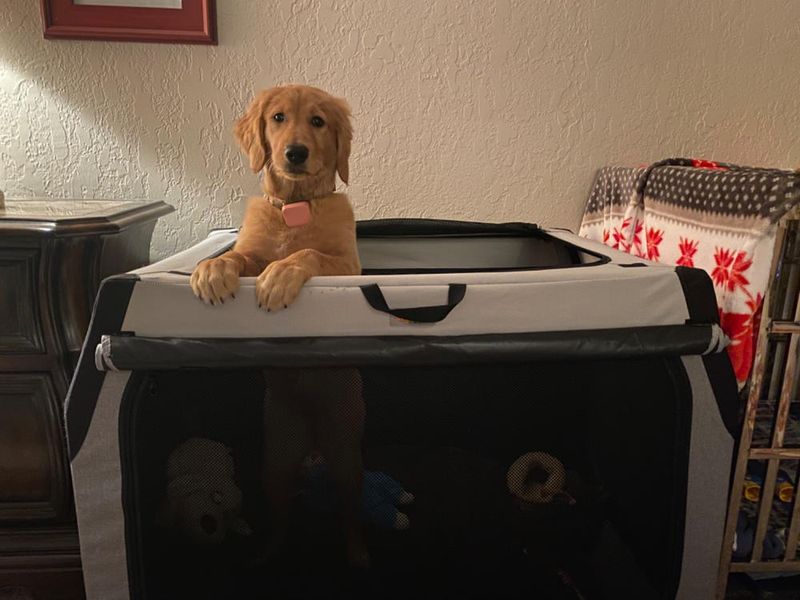
Soft places to rest help dogs decompress, retain warmth, and feel secure. Donate washable blankets, flat mats, and chew resistant beds that fit standard kennels.
Avoid loose stuffing, fringe, or electric heating, and choose darker colors that hide stains. Ask the shelter about laundry capacity so your gift is practical, not another chore.
Roll towels for neck bolsters, label sizes, and bundle sets for easy restocks. If sewing is your hobby, stitch sturdy covers from thrifted duvets with Velcro closures.
Include a sweet note and fabric care instructions, because small comforts stack up into calmer kennels, quicker recoveries from surgery, and better first impressions when adopters arrive. Check with staff about storage space and preferred materials before dropping off.
Sponsor veterinary care
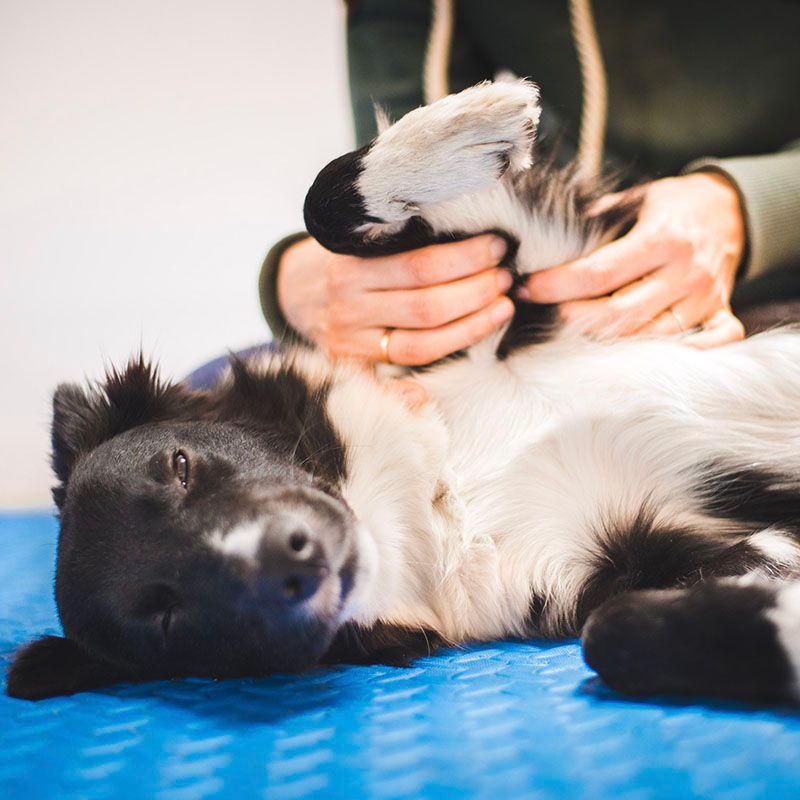
Medical funds disappear fast when shelters face emergencies, chronic conditions, and routine vaccines. Sponsoring a spay or neuter, heartworm treatment, or dental cleaning can be the difference between adoption and a longer wait.
Ask for estimates, set a budget, and request updates so you know exactly what your donation covers.
Some rescues feature a monthly medical spotlight, letting you target a particular dog. Others accept general clinic credits or gift cards that staff allocate as needs arise.
Share the fundraiser link with friends, and celebrate milestones, because transparent care stories build trust, attract adopters, and transform scary diagnoses into hopeful second chances. Ask about matching gifts through employers and consider recurring donations to smooth monthly costs.
Spend time socializing shy dogs
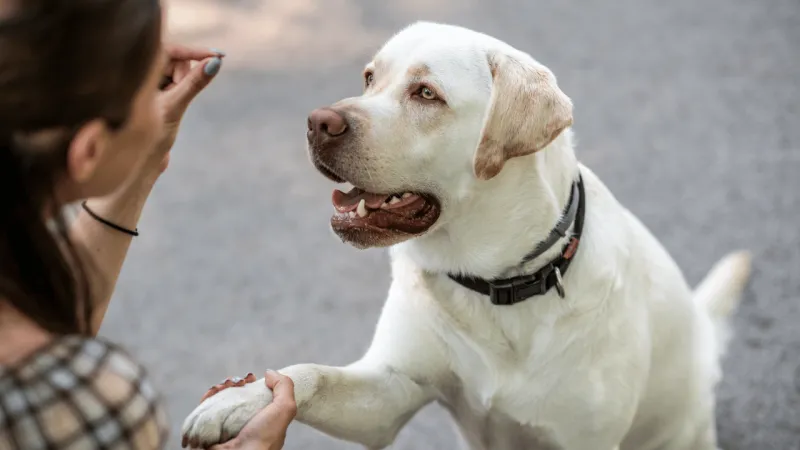
Shy dogs blossom with gentle, predictable attention. Start outside the kennel with sideways body language, soft treats, and quiet praise, letting them choose distance.
Read calming signals like lip licks and head turns, and pause often so pressure never builds. Over time, trust grows into wags, eye contact, and brave steps toward new friends.
Pair short sessions with enrichment and decompression, and track tiny wins in a log. Volunteers can trade notes to keep approaches consistent and kind.
When a shy dog meets an adopter, share your progress videos and handling tips, because seeing that thoughtful foundation helps people feel ready to continue the journey at home. Celebrate sniffing, stretching, and playful bows as meaningful signs of growing confidence.
Help with transport needs
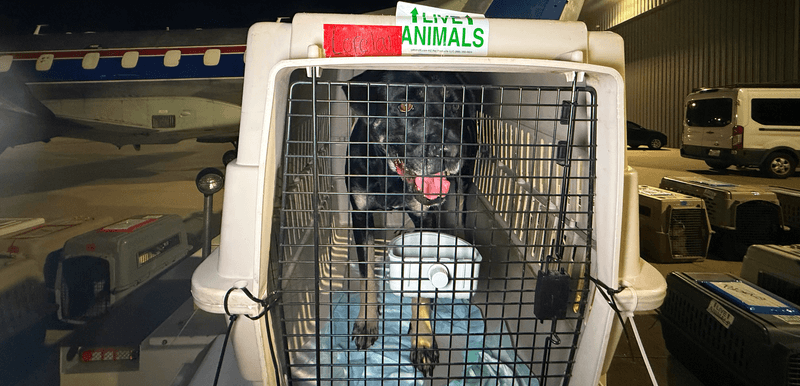
Safe rides connect shelters, fosters, and adopters when distances are a barrier. Offer your car, a crate, and flexible hours to shuttle dogs to clinics or adoption events.
Join rescue transport groups, learn pickup protocols, and confirm paperwork so every handoff is smooth, legal, and kind to the animal in transit.
Pack slip leads, towels, water, and cleaning supplies, and map rest stops before leaving. Communicate ETAs in group chats, share photos, and report concerns promptly.
Keep cabins cool, drive gently, and never open doors without leashes attached, because calm, predictable transport turns frightening journeys into helpful bridges toward forever homes. Ask about reimbursement for fuel, and save receipts so small costs do not become barriers.
Encourage responsible adoption
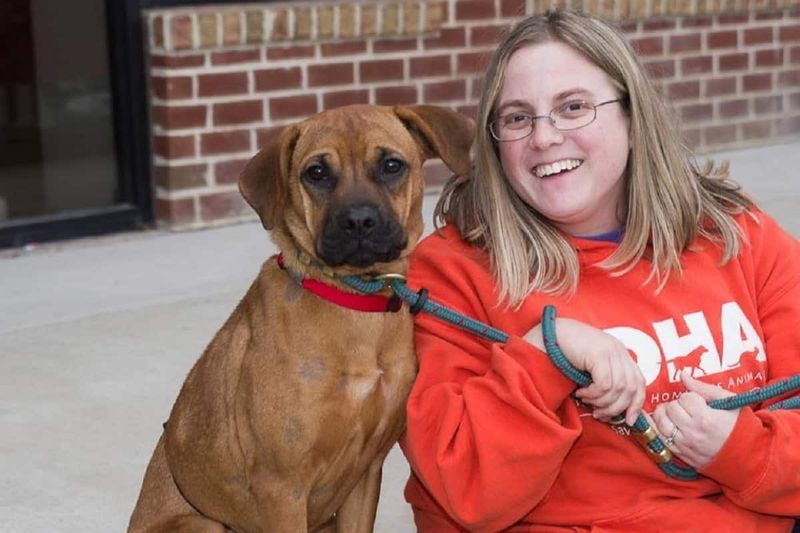
Great matches start with honest conversations about lifestyle, training time, and budgets. Encourage friends to meet multiple dogs, ask behavior questions, and include all family members in decisions.
Share how decompression, positive reinforcement, and patience set everyone up for success, especially during the first three weeks when routines feel new and wobbly.
Promote adoption counselors as allies, not gatekeepers, and normalize returning for the right fit. Suggest training classes, pet insurance, and savings plans, plus realistic expectations about shedding, barking, and vet bills.
Celebrate updates after adoption, because when stories emphasize responsibility and joy, more people choose thoughtfully and more dogs land in homes that last. Remind adopters that support teams exist and asking for help is strength.