
Think your dog just feels happy or hungry? Experts say their inner world is richer, more layered, and closer to ours than many people realize.
When you learn to read the signals, you unlock better training, deeper trust, and a calmer home. Let these 10 emotions change how you see your best friend today.
Joy
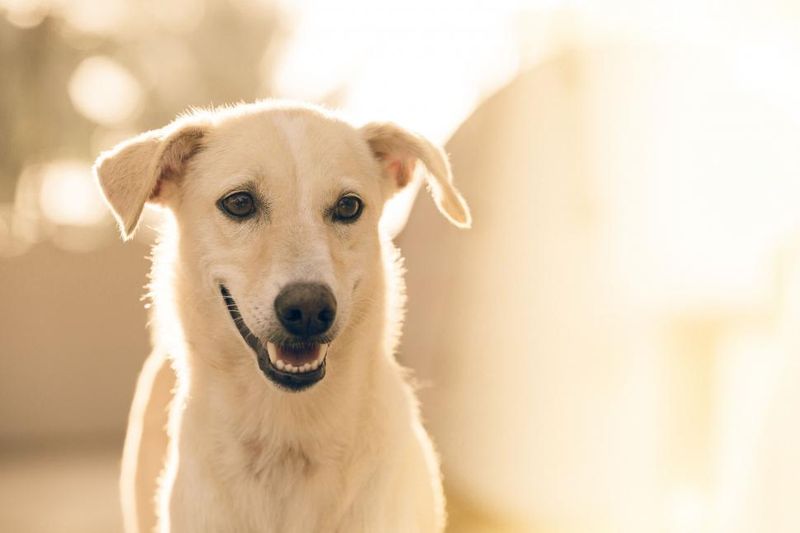
Joy shows up in your dog like sunrise after a long night. The tail wags big, eyes sparkle, and the whole body does that silly wiggle.
You hear playful barks, quick breaths, and feel a warm nuzzle asking you to join the moment. Joy also tells you training is working when they choose you over distractions.
Joy grows from simple things you can repeat every day. Short games, clear praise, and time outside build a reliable happiness routine.
When you notice what lights them up, you become the switch, and their confidence glows brighter than any treat. Keep sessions short, stop while enthusiasm is high, and let rest lock in learning.
Repeat tomorrow and watch joy return faster. Each time.
Fear

Fear in dogs is quiet at first, then loud. You see tucked tail, flattened ears, mouth, and steps.
Eyes scan, body lowers, and breathing turns shallow as they brace for trouble. Sometimes fear looks like barking or lunging, because distance feels safer.
Your dog is not being stubborn; they are asking for space in clearest language they know.
Help starts with distance, then builds trust piece by piece. Identify the trigger, move far enough away, and pair the sight with treats.
Keep sessions short and predictable so control returns to their body. If fear is deep, talk with a qualified behavior professional and your vet.
With practice, your dog learns the world can feel safe, and recovery becomes real.
Anxiety
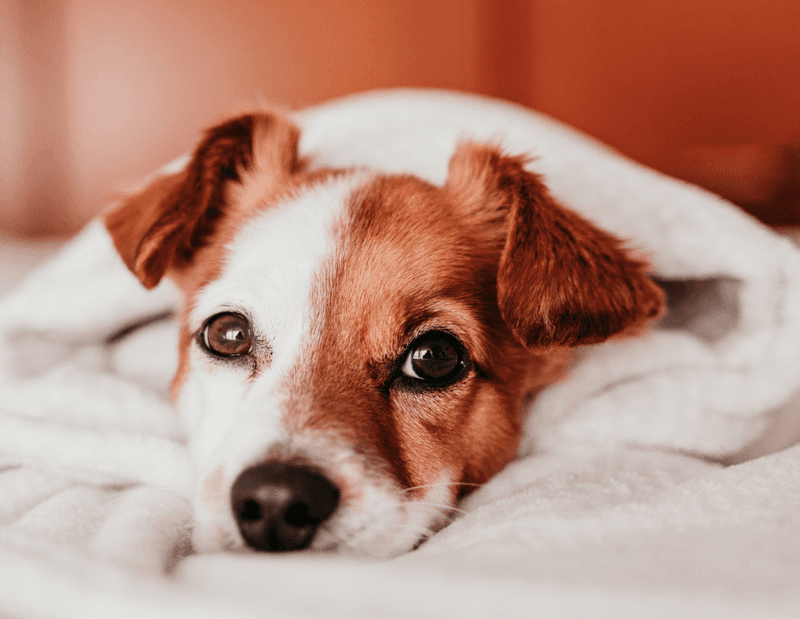
Anxiety lingers like static, buzzing under daily life. Your dog paces, pants indoors, startles easily, and struggles to settle.
They may shadow you room to room, lick paws, or vocalize when nothing obvious has changed. Unlike brief fear, anxiety stretches minutes into hours, and sleep can be light.
You can feel it too, because the house starts to ride that same restless current.
Begin with predictable routines, exercise, and enrichment rewards sniffing and chewing. Teach a calm mat, paying for stillness with treats.
Offer food puzzles at times when worry spikes. Speak with your vet about pain, issues, or supplements support resilience.
A behavior professional can build a plan, track progress, and help you replace anxious habits with confident patterns.
Jealousy
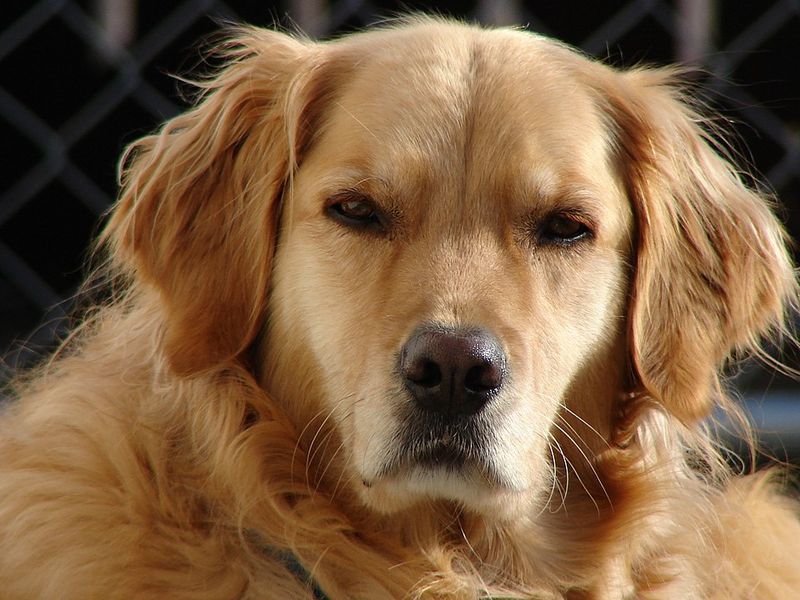
Jealousy can pop up when attention shifts from your dog to someone else. You might notice crowding, pawing, or pushing between you and a partner, child, or pet.
Toys get grabbed, and dog stares as claiming space. It is not spite; it is worry about losing access to resources like you, play, food.
See it as protection, and solutions become kinder.
Teach turn taking with clear structure. Reward waiting while you greet a dog or person.
Use stationing on a mat so your dog earns attention through relaxed behavior. Give chews when new pets get love, pairing fairness with feelings.
If conflicts escalate, bring in a behavior professional to craft management, training, and routines that protect relationships in your home.
Grief
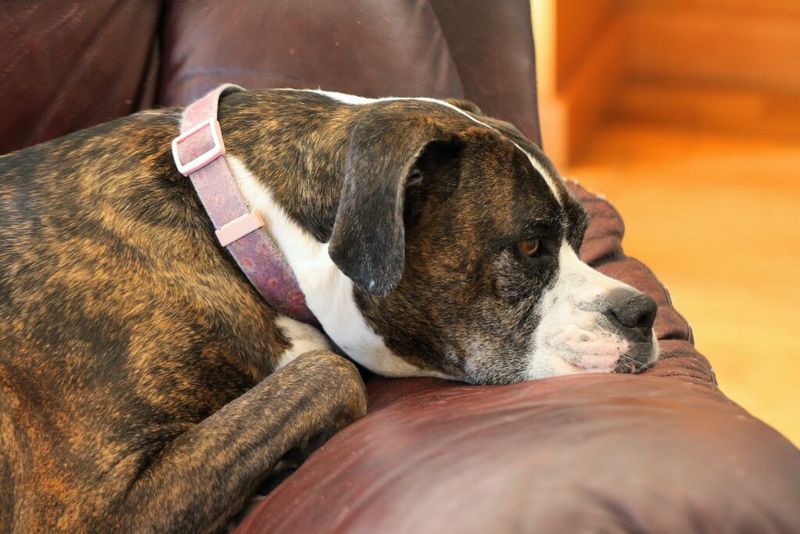
Grief in dogs can look like silence, searching, and appetites. After a companion dies or a friend moves away, routines feel empty.
You might see wandering to spots, lingering at doors, or guarding a bed that stays cold. They sleep more, play less, and react to noises that once meant fun.
Grief is love with nowhere to go, and aches.
Support comes through gentle structure, sniffing walks, and touch if welcomed. Keep meals regular, add tasty toppers, and invite play.
Offer comforts connected to the lost friend, then build new rituals. Speak with your vet when appetite, sleep, or energy sink for weeks.
With time, routines reshape around memory, and your dog discovers heart can hold both missing and meaning.
Excitement
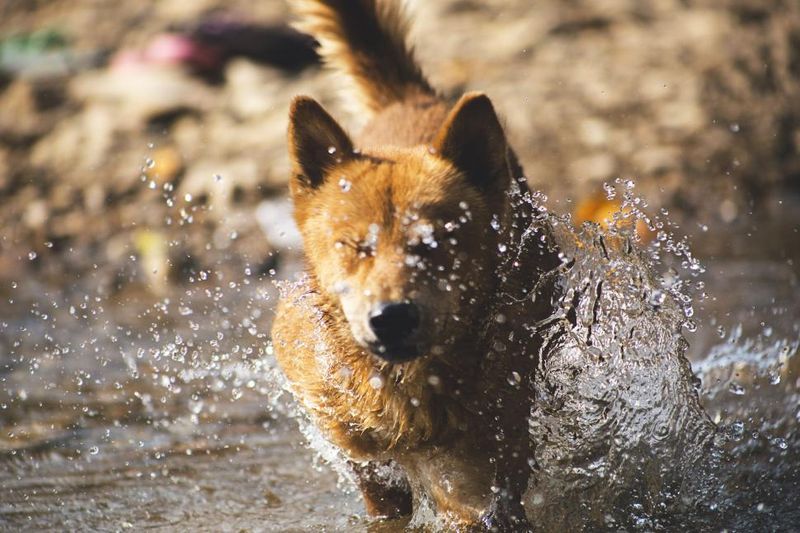
Excitement is energy with a joyful agenda. You see springy steps, helicopter tail, bright eyes, and eager vocal bursts.
Doorbells, leashes, and guests can flip the switch in a second. That rush feels great to your dog but can spill into jumping, mouthing, or sprinting laps.
Harnessing it well keeps fun safe for bodies, furniture, and neighbors.
Channel excitement into cues that pay. Ask for a sit before the door opens, then release to greet when paws stay down.
Use tug with rules, trading for treats on cue. Walk off steam with sniffy routes, then train simple skills at an easy pace.
Over time, your dog learns that calm makes celebrations start sooner, and you both get the best parts.
Frustration
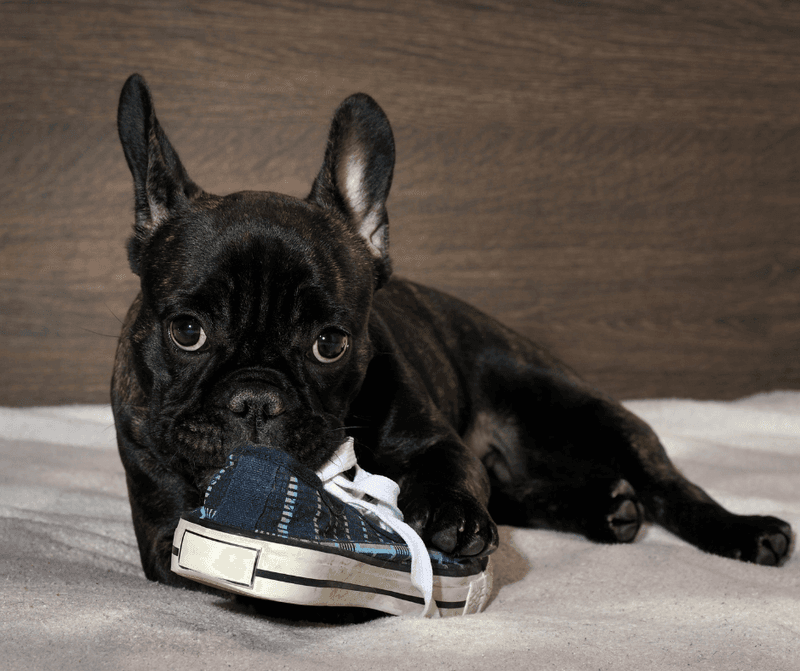
Frustration builds when effort does not work. Your dog pulls toward a fence, cries at a window, or paw smacks a puzzle toy that will not yield.
The body goes tight, movements get choppy, and arousal rises fast. Left there, frustration can tip into barking, grabbing clothes, or redirection on nearby friends.
It is not defiance; it is blocked desire asking for clarity.
Prevent overload by lowering difficulty and raising reinforcement. Use barriers to reduce temptation, then teach alternate behaviors that earn access.
For example, sit and look can open the door to sniff the yard. Pay generously for persistence, and end sessions before focus falls apart.
With consistent patterns, your dog discovers patience unlocks rewards, and world answers clearly.
Affection
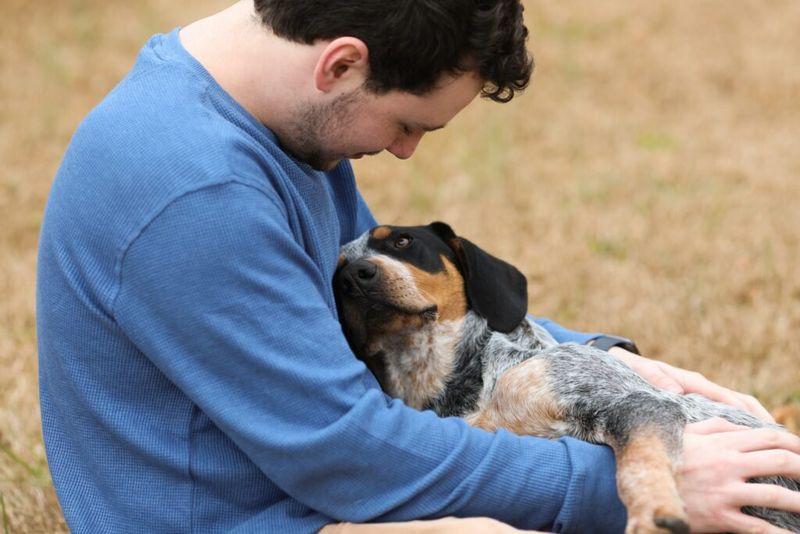
Affection for dogs is safety wrapped in warmth. You see soft eyes, loose muscles, slow blinks, and quiet sighs.
Many lean into legs, curl at your feet, or rest a chin on your knee. Touch, voice, and proximity can all say you belong here.
Affection is not one shape; it is your dog choosing closeness that feels good.
Meet their style, not yours. Some dogs like cuddles, some prefer rest, and others want scratches behind the ear.
Ask with a hand pause, let them approach, and stop when body language tightens. Pair affection with consent and choice, and trust grows deeper.
The sweetest part is this tune, a rhythm of care that teaches both of you how to listen.
Loneliness
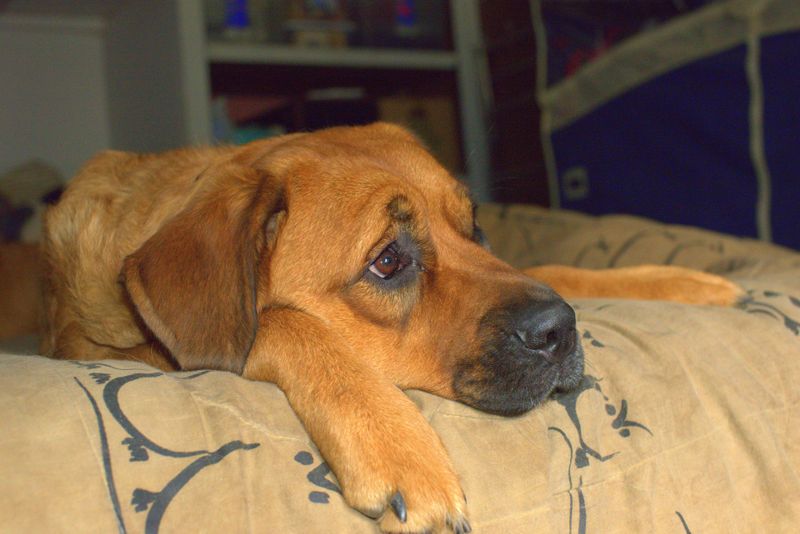
Loneliness can creep in when hours stretch without company. You might notice pacing, howling, or destroyed items near doors and windows.
Some dogs skip meals or drink less until someone returns. Others shut down, sleeping deeply to pass the time.
Loneliness is a social need unfulfilled, and it can stain otherwise happy routines. The silence can feel heavy for everyone inside.
Fill the day with predictable contact points. Short check ins, a dog walker, or trusted neighbors can lighten the load.
Food puzzles, scent games, and safe chew breaks keep brains busy. Teach independence with gradual departures and comfy rest zones.
If distress stays intense, speak with your vet and a behavior professional to tailor medication, training, and lifestyle support.
Anticipation
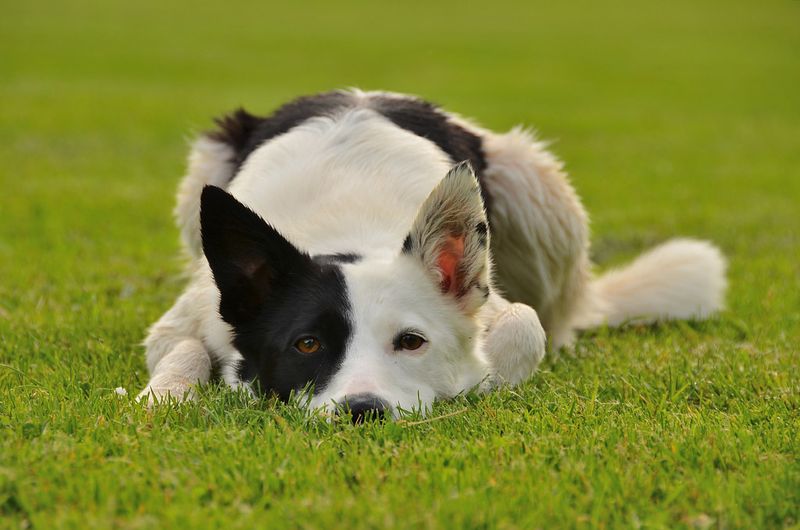
Anticipation is that delicious stretch before joy. Your dog watches the route to the park and reads the clock with uncanny accuracy.
Muscles coil, ears perk, and little chirps slip out as they wait. Predictable cues like shoes, keys, and sunscreen stack into a promise.
Anticipation is excitement organized by pattern, and it powers learning. Waiting stretches possibility into wonder.
Use it. Name routines, build countdown games, and deliver on your signals.
Ask for a sit, then release to the reward so patience pays. Vary easy wins with brief pauses to grow resilience.
When plans change, provide an alternate prize, and the contract holds. Over time, anticipation becomes fuel for focus, and your dog invests attention where it matters most.