
Some dogs are born to please, and then there are the ones on this list. These breeds are brilliant, hilarious, and absolutely committed to doing things their own way.
If you have one, you already know training is less about commands and more about negotiation. Ready to turn stubborn streaks into everyday wins without losing your sanity?
Basenji
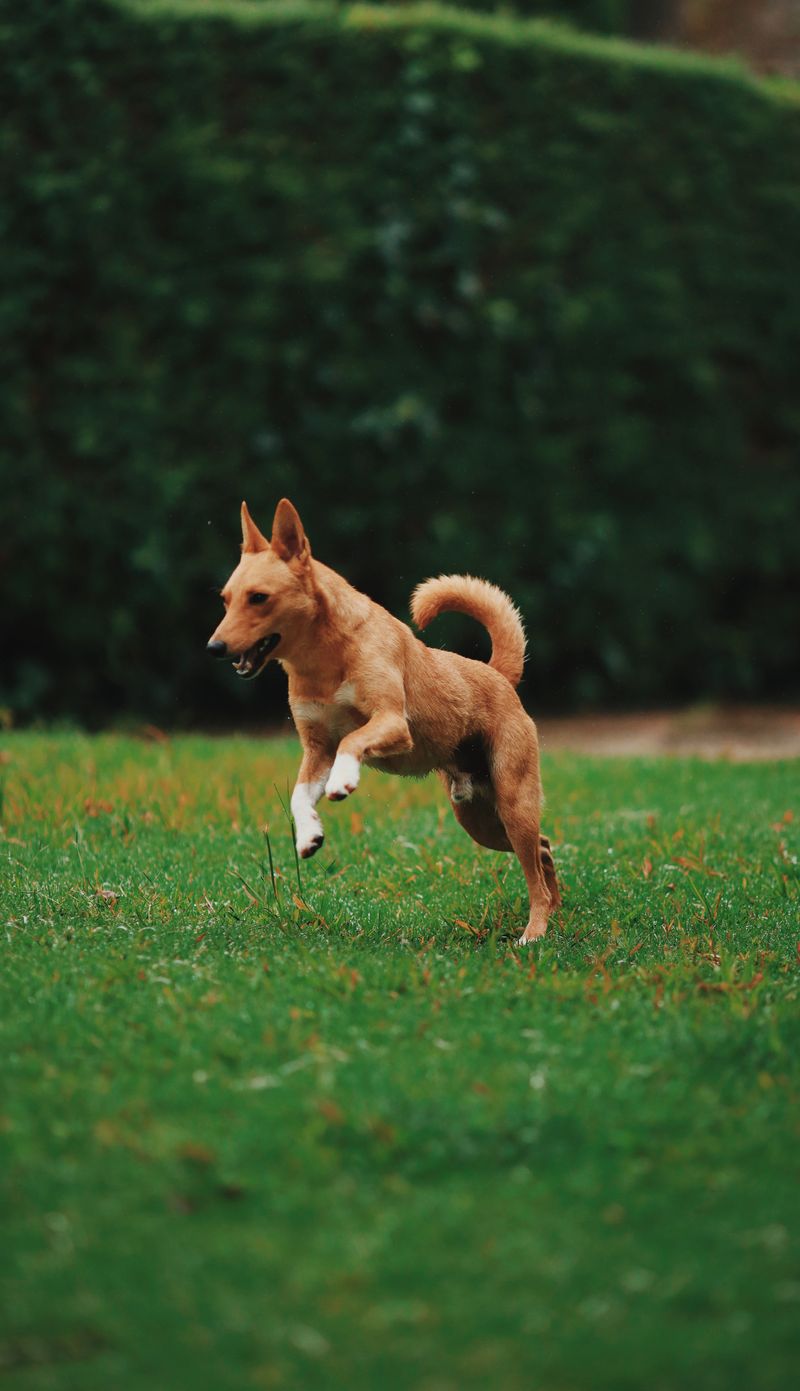
The Basenji is clever, elegant, and famously independent, which can feel like stubbornness on busy days. Bred for hunting, it relies on quick decisions instead of waiting for your cue.
You will admire the silence of this barkless breed, then realize it communicates with side eye and strategic ignoring.
Consistency matters with Basenjis, but variety matters even more. Keep sessions short, playful, and movement based, and you will earn better focus.
Secure yards, puzzle feeders, flirt poles, and scent games channel that restless brain. Remember, this breed bonds deeply yet guards its choices, so patience outperforms pressure every time.
House rules should be simple, reinforced with food and freedom, and never escalate into shouting because Basenjis shut down fast anyway.
Afghan Hound
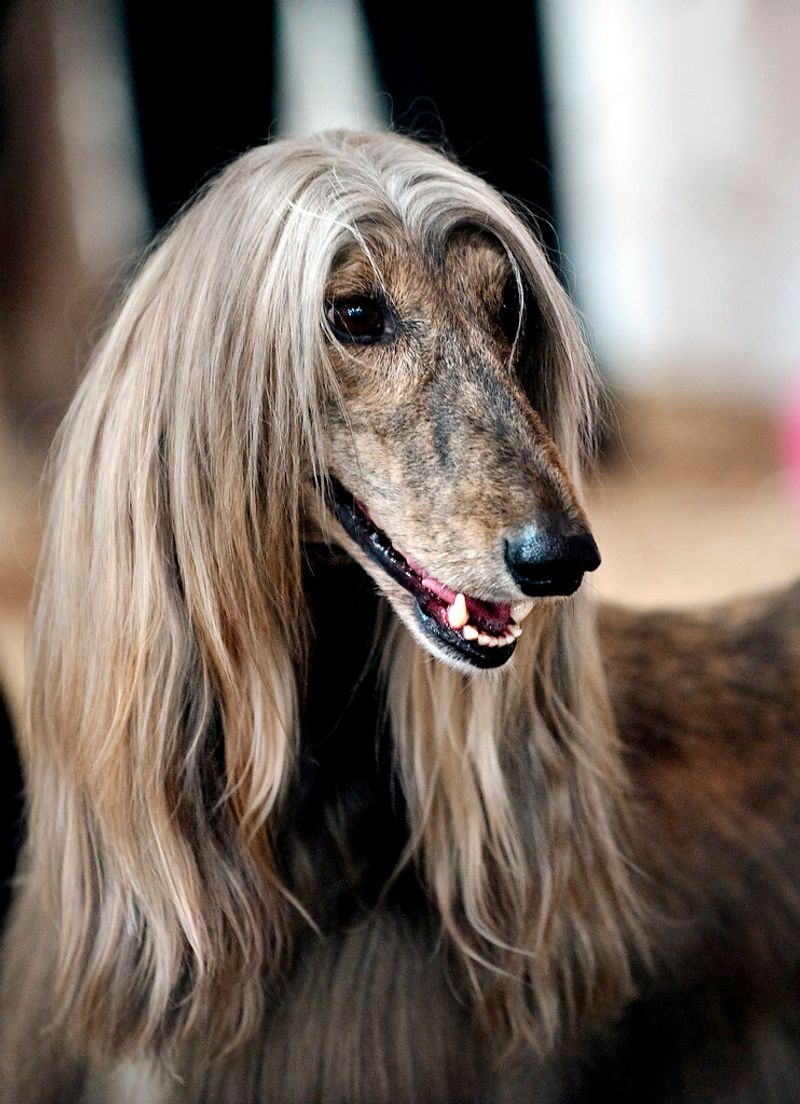
The Afghan Hound floats through rooms like living art, but cooperation is not its first priority. Bred to hunt independently over harsh terrain, it trusts its eyes and instincts more than your plan.
You might cue a sit and get a wistful gaze that says maybe later.
Gentle handling works best, paired with soft treats and quiet repetition. Keep grooming time calm, then slip in micro training between brush strokes to avoid boredom.
Sprints, lure chasing, and wide open walks drain energy so the brain is ready to listen. Respect the aloof streak, build trust slowly, and you will find a witty, cooperative partner on elegant terms.
Pushy methods backfire quickly, so patience and humor save your training sessions.
Shiba Inu
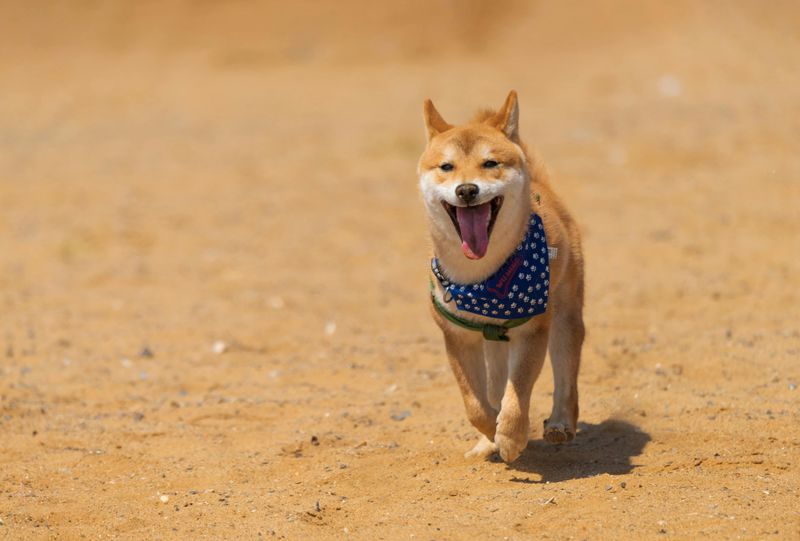
The Shiba Inu looks like a fox and negotiates like a lawyer, always weighing what is in it. Give a cue, and you might get a head tilt, a sigh, or a full walkout.
This breed values autonomy and cleanliness, which shapes every training choice.
Use high value rewards, fast games, and clear boundaries, then end while enthusiasm stays high. Leash skills and recall matter, so practice in safe, fenced areas with long lines.
Respect personal space during grooming, and keep socialization steady rather than overwhelming. Play the long game with consistency and humor, and the Shiba will meet you halfway.
Ignore tantrums, reward calm choices, and use routines so your clever roommate predicts success. Mischief becomes opportunity with structure.
Akita
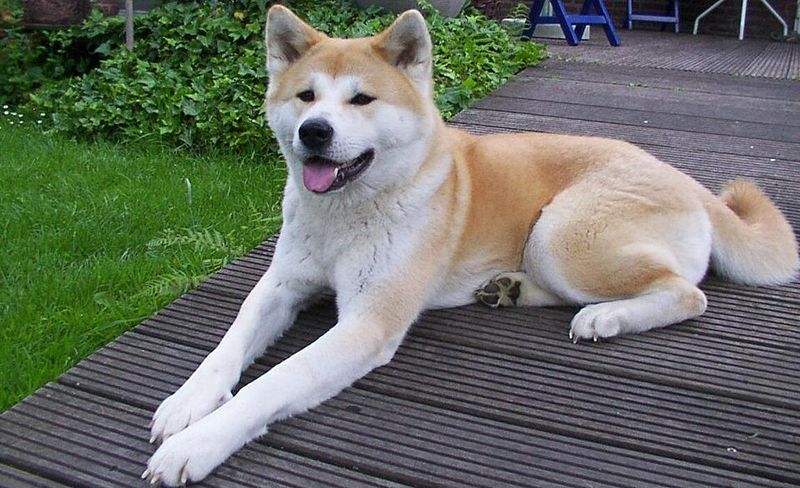
Akitas are imposing, loyal, and deeply discerning about who earns their attention. Independence runs high, so training can feel like negotiating with a calm, powerful diplomat.
They observe quietly, then act decisively, sometimes skipping your suggestion entirely.
Prioritize early socialization, neutrality around strangers, and rock solid leash manners. Use clear rules, low voice, and generous reinforcement for thoughtful behavior, not frantic repetition.
Short sessions with purpose work best, especially after exercise that drains the big engine. Respect same sex sensitivities, supervise greetings, and give an Akita a job that protects home harmony.
Mats, boundaries, and impulse games teach patience while keeping dignity intact. When pressure rises, slow down, breathe, and reward quiet focus so respect grows on both sides today.
Scottish Terrier
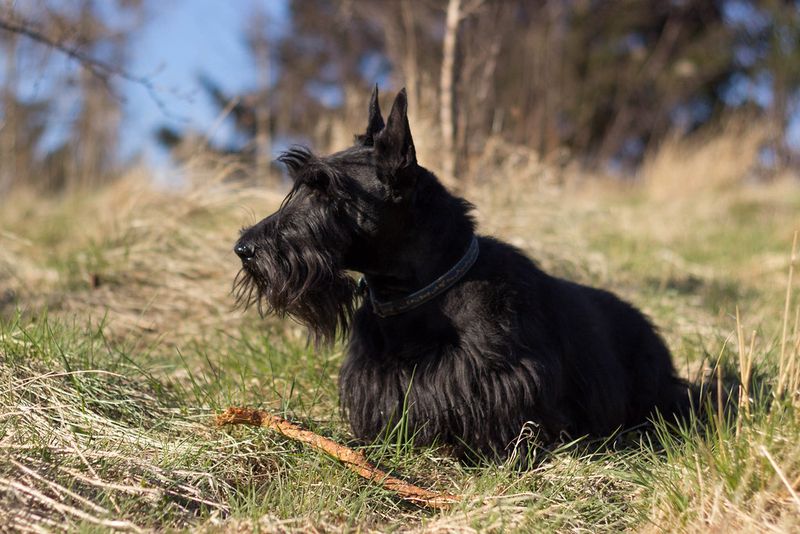
The Scottish Terrier is spirited, opinionated, and ready to challenge every assumption you bring. Bred to work solo, it prefers solving problems without waiting for instructions.
Ask for a sit, and you may receive a dramatic pause followed by an alternative proposal.
Lean into games that use nose, tunnels, and digging outlets to satisfy terrier drives. Keep training brisk, reward quickly, and never nag, because Scotties tune out clutter.
Grooming is bonding time, so keep it calm and predictable. Teach polite door manners, solid recalls on long lines, and cheerful trade games for prized treasures.
Confidence grows when you let them think, then pay generously for the right answer. Sturdy leadership, fairness, and humor keep this bold roommate onside daily.
Dachshund
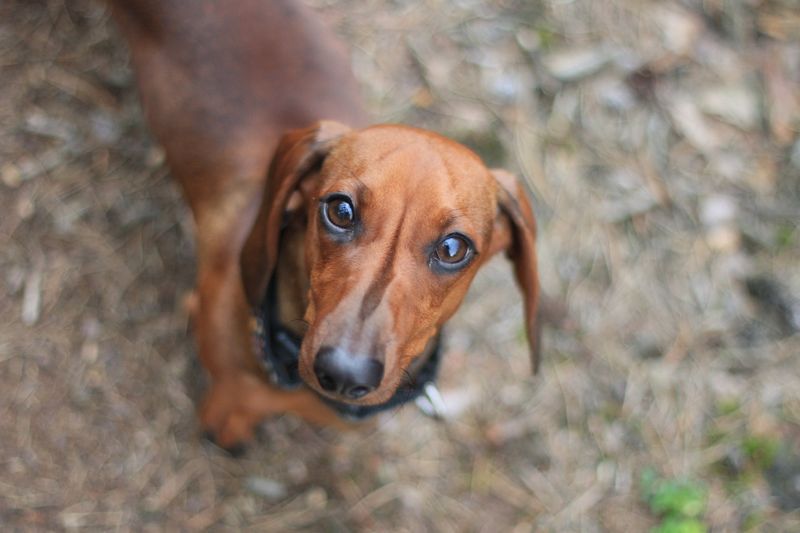
Dachshunds are hilarious, headstrong, and engineered for pursuit underground, not deference in the living room. They hear a request, run a cost benefit analysis, and sometimes invoice you later.
Back friendly handling and thoughtful exercise are non negotiable.
Use ramps, support the spine, and trade jumping for nose work and tracking games. Short, upbeat sessions with meaty rewards improve focus, while scatter feeding curbs scavenging.
Crate training protects furniture and lets your detective decompress between adventures. Teach a reliable drop, boundary games, and safe greetings so bravery does not outrun safety.
Be patient with housetraining and barking, and meet needs before you ask for manners. A busy nose plus clear structure turns stubborn moments into satisfying teamwork every single day.
Siberian Husky
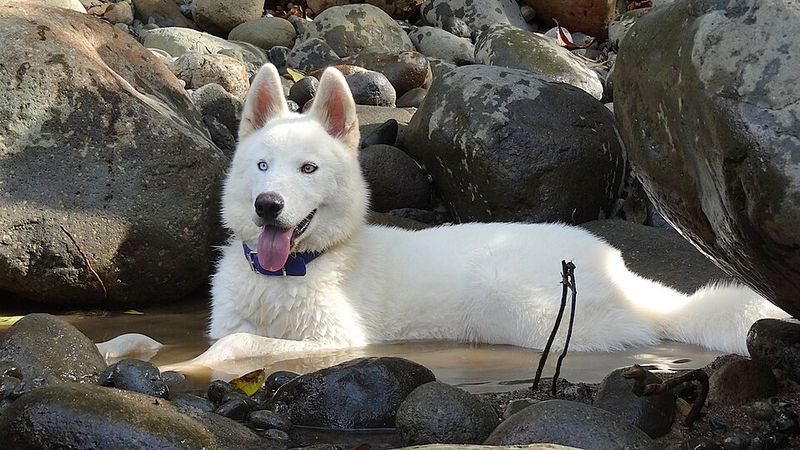
The Siberian Husky is athletic, loud, and gloriously independent, built to work with a team not obey. They love to run, to talk, and to test fences, especially when boredom creeps in.
Cue reliability is a project, not a weekend fix.
Channel power with canicross, bikejor, or long hikes, then train after movement for calmer brains. Use food, toys, and enthusiastic praise, but keep sessions short and varied.
Practice rock solid escapes, double gates, and recall games inside safe spaces. Embrace the chatter, set routines, and you will earn moments of dazzling cooperation.
Fair leadership beats force, because Huskies shut down when training turns into conflict. Give clarity, laugh often, and your whirlwind becomes a loyal adventure partner for life.
Chow Chow
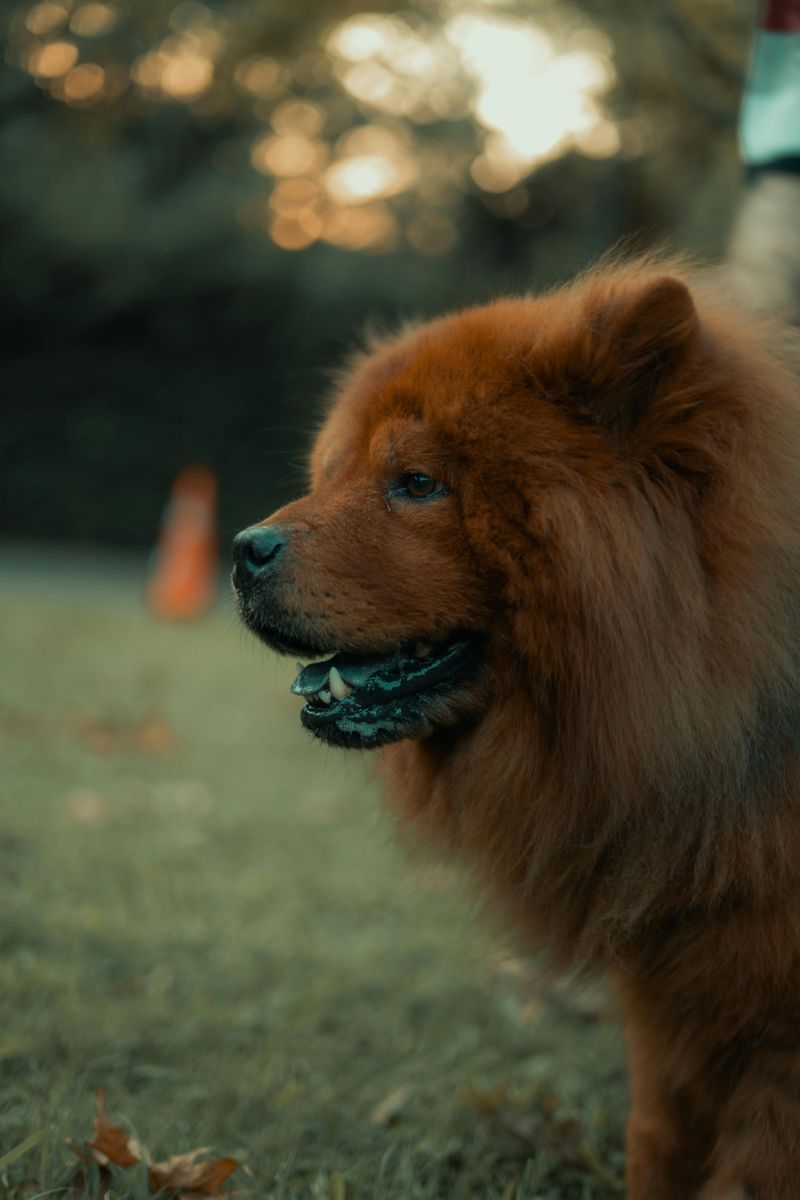
Chow Chows are dignified, catlike, and suspicious of pushy handling, so obedience feels optional. They think before responding, and they remember slights for a very long time.
Ask nicely, or expect a cold shoulder while they reconsider your offer.
Socialization must be thoughtful, calm, and steady, building neutrality more than cheerleading. Use soft equipment, reward eye contact, and prove consistency through predictable routines.
Groom patiently and early, pairing brushes with snacks and frequent breaks. Teach boundary games, polite leashing, and door manners to prevent arguments before they start.
Respect the serious nature, invite cooperation gently, and you will uncover dry humor behind the scowl. Pressure backfires, but fairness and space build a reliable, loyal companion who trusts your guidance daily.
Beagle
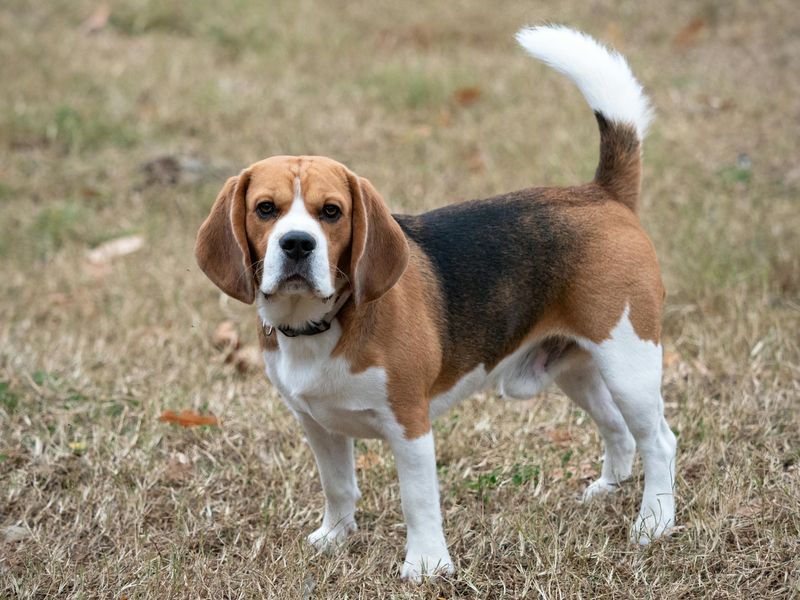
Beagles follow their noses first, your words second, and your schedule somewhere much later. They are merry, vocal, and unstoppable once a scent line lights up the brain.
Distraction is not rudeness here, it is literally wiring.
Work with nature by using sniffaris, tracking games, and food scatters before training. Teach a magnetic recall with long lines, whistles, and jackpots for turning off the nose.
Crate naps and chews manage vocal moments, while routines prevent opportunistic countersurfing. Keep it upbeat and fair, and your cheerful detective will gladly report findings.
Painstaking patience matters, because scent hounds learn beautifully when reinforcement is huge. Laugh often, secure fences, and enjoy the soundtrack while shaping useful manners every day on your terms gently.
Jack Russell Terrier
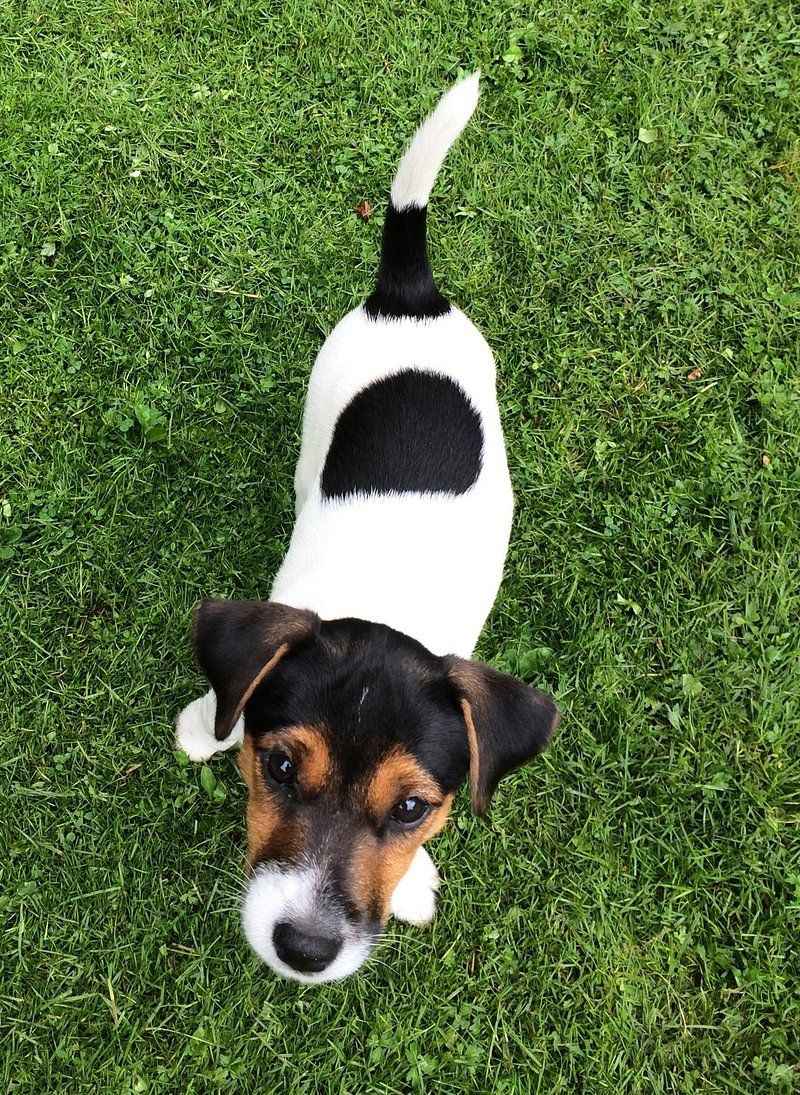
The Jack Russell Terrier is caffeine in dog form, brilliant and defiant with a sparkle in the eye. It solves problems by launching at them, sometimes before you finish speaking.
Direct that fire or your sofa will file a complaint.
Build outlets with fetch, tug, agility foundations, and scent puzzles to tire the mind. Train impulse control through start button games, place work, and calm releases.
Reinforce generously for stillness, then explode into fun again so cooperation feels rewarding. Management matters, including leashes, crates, and fences that actually contain the ambition.
Fairness beats force, and humor keeps tempers cool when plans go sideways. Teach retrieves, trades, and brilliant recalls so your sparkplug channels chaos into teamwork on most busy days.
Alaskan Malamute
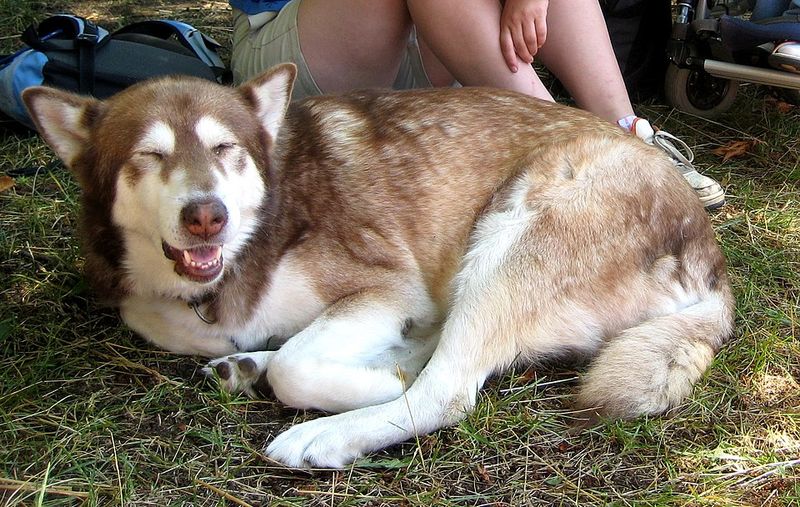
The Alaskan Malamute is power wrapped in fur, affectionate yet willful about every request. Bred to haul and think, they take suggestions as votes, not orders.
If you do not provide direction, they will pioneer a plan involving your trash.
Work them with weight pulls, backpacking, and structured hikes, then teach skills when bodies are satisfied. Use rich food, clear markers, and short sessions, because endurance dogs conserve attention.
Secure fencing, double leashes, and thoughtful introductions prevent disagreements with wildlife or neighbors. Leadership here is composed, predictable, and steady, not harsh.
Teach impulse games, hold stays, and settle on mats to develop household manners. Affection plus structure turns raw strength into family safe reliability that lasts through every wild season.
Shar Pei
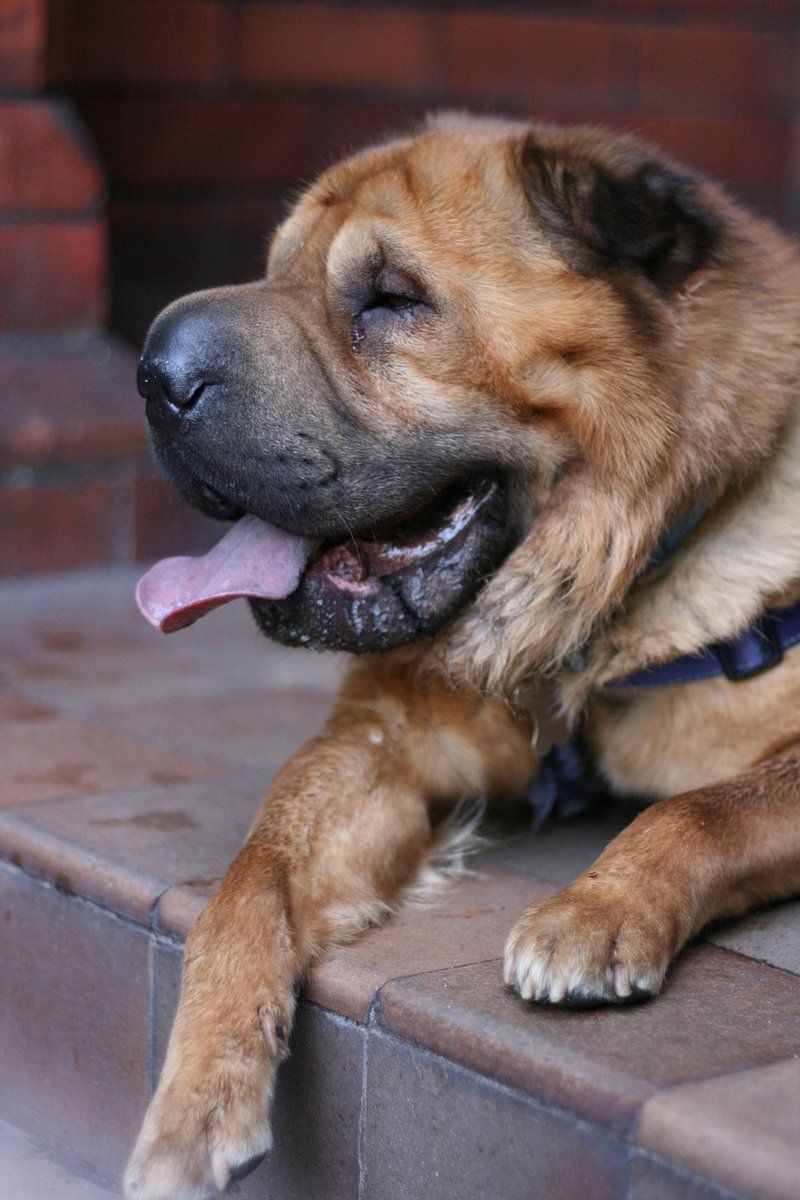
Shar Pei bring stoic charm, keen judgment, and a firm belief that you should justify requests. They read environments first, you second, and rules only after proof.
Push hard, and you will meet resistance wrapped in velvet.
Keep training quiet, fair, and consistent, using food but also respect and space. Socialize early to sights, sounds, and handling, always at a thoughtful pace.
Teach cooperative care with chin rests, consent cues, and happy muzzle training. Guard the skin with good grooming, and manage dog interactions with diplomacy.
Clarity at home builds confidence, while boundaries and routines prevent debates before they happen. Offer choices, celebrate small wins, and your thoughtful companion will choose teamwork more often as trust grows each new week.