
Some dogs were built for snow days, not sunny sidewalks. When the mercury soars, flat faces, heavy coats, and giant frames can turn a simple walk into a serious risk.
If you love a squishy face or a fluffy bear of a dog, you need a smarter summer plan. Here are the breeds that struggle most in heat and how to help them stay safe.
Bulldog
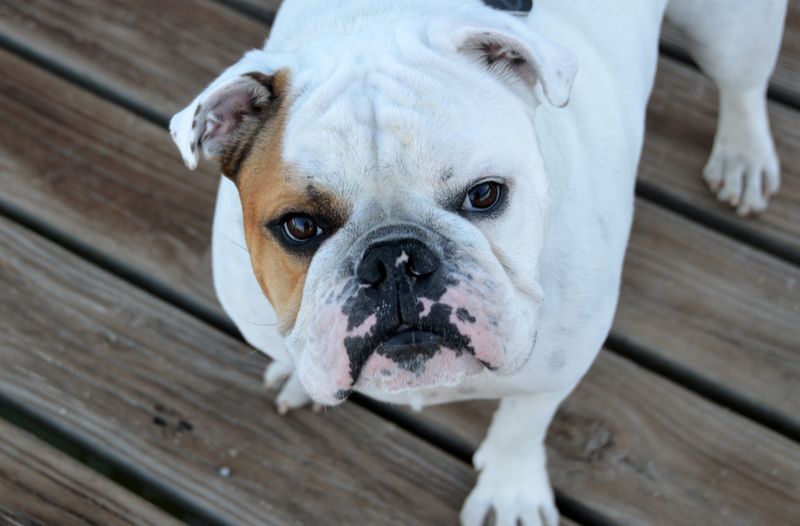
Bulldogs struggle in hot weather because their brachycephalic faces make breathing less efficient. With narrow airways and a compact snout, they cannot cool themselves quickly through panting.
Add a stocky build and you get a dog that heats up fast and cools down slowly.
Shade, air conditioning, and short walks during cooler hours are essential. A cooling vest, plenty of fresh water, and a portable fan can be literal lifesavers when temperatures rise.
Watch for glassy eyes, noisy breathing, wobbliness, or drooling, and move them to a cool area immediately if you notice trouble.
Keep exercise mental with puzzle toys indoors and schedule vet checks to monitor respiratory health year round. Avoid tight collars that restrict airflow or heavy activity after meals.
If in doubt, rest, rehydrate, and reassess before heading back outside.
French Bulldog
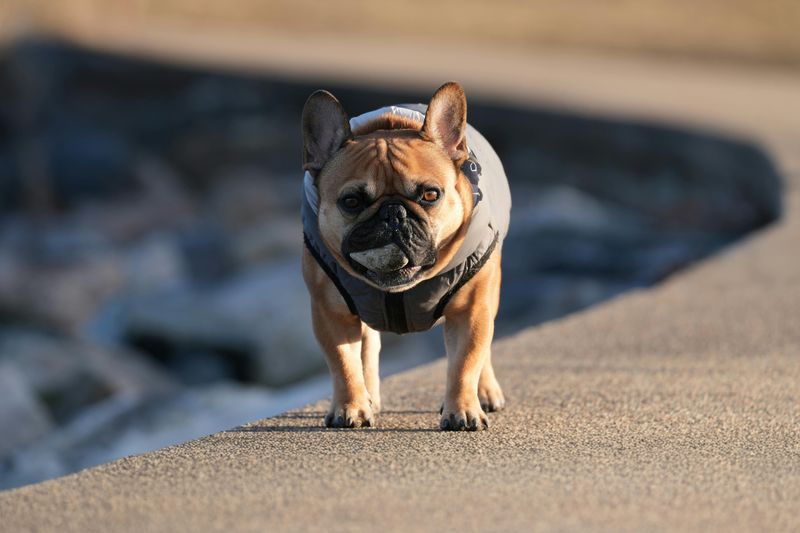
French Bulldogs are charming but heat sensitive due to short snouts and compact airways. Their small bodies trap heat quickly, and their cute snorts can signal restricted airflow.
In hot conditions, recovery after even mild play can take too long for safety.
Plan potty breaks at dawn and dusk, and keep mid day outings brief. Use a breathable harness, a cooling vest, and a shaded stroller for longer errands.
Keep fresh water available everywhere, and teach calm, indoor games to burn mental energy when it is sweltering.
Know the red flags of heat stress, like darkened gums, labored breathing, or confusion. If you notice these, stop activity, wet their belly and paws, and call your vet.
Prevention is kinder and far safer than a rushed emergency visit.
Pug
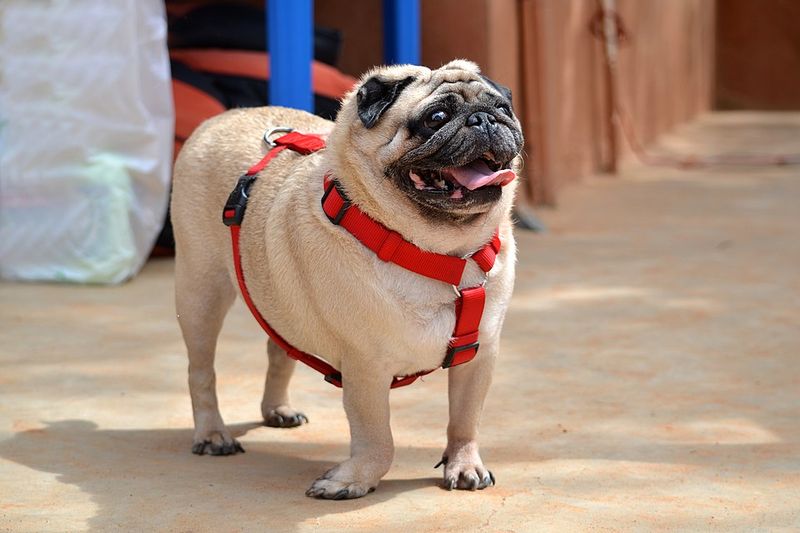
Pugs overheat easily because their flat faces limit airflow and efficient panting. Even happy snorting can hide respiratory strain, especially on humid days.
Their compact frames and playful spirits make pacing themselves tough without your help.
Keep walks short and shady, ideally on grass to protect sensitive paws. Indoors, set up a cooling mat, a circulating fan, and slow sniff games for enrichment.
Offer small sips of cool water often, and never leave a Pug in a car, not even briefly.
Watch for rapid panting, bright red tongue, or staggering. If symptoms appear, move to air conditioning, wet the ear flaps and belly, and contact your vet.
Consistent routines, gentle exercise, and smart timing keep this clownish companion safe.
Chow Chow
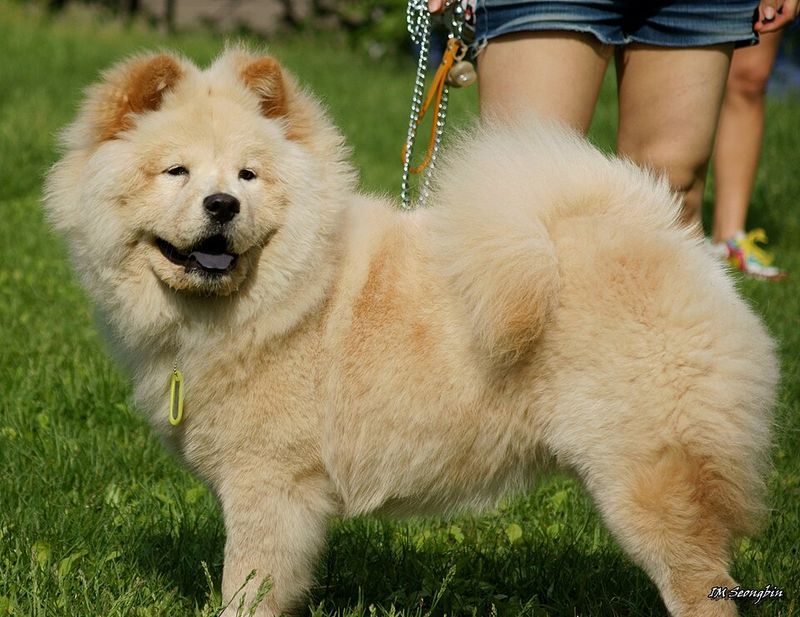
Chow Chows wear a dense double coat that traps heat and humidity. Combine that with a sturdy build, and summer becomes challenging quickly.
Even minimal exertion under direct sun can lead to overheating before you realize the risk.
Grooming matters, but never shave the coat since it protects skin and regulates temperature. Instead, remove undercoat with proper tools, and schedule professional deshedding before peak heat.
Prioritize morning walks, shaded routes, and cool floors for naps, and always provide abundant fresh water.
Look for heavy panting, drooling, or lethargy as early warnings. Use cooling pads, raised beds for airflow, and a misting bottle on belly fur.
Consistent coat care plus strict heat routines keep this lion like guardian comfortable.
Newfoundland
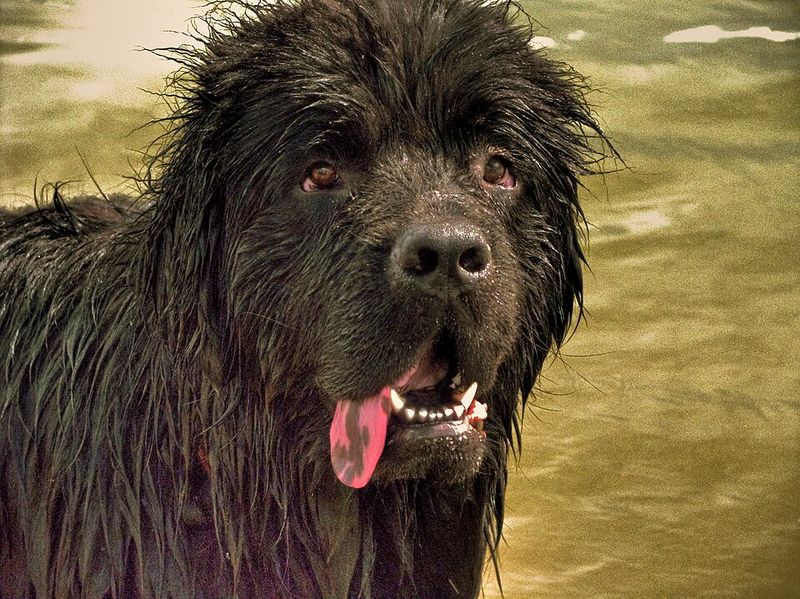
Newfoundlands are cold water specialists, not midday joggers. Their massive size and waterproof double coat create significant insulation that becomes a liability in heat.
Even walking a few blocks can raise their internal temperature quickly.
Plan activities near water where safe, and opt for controlled, short swims with rinse and dry time. Indoors, offer raised cots for airflow and strong fans to move heavy coat layers.
Keep routes short, choose grassy parks, and carry extra water in a large collapsible bowl.
Monitor for sluggishness, glassy eyes, and exaggerated panting. If you notice distress, cool their belly and armpits, offer small sips, and call your vet.
Smart scheduling, regular grooming to reduce undercoat, and gentle pacing help them thrive.
Saint Bernard
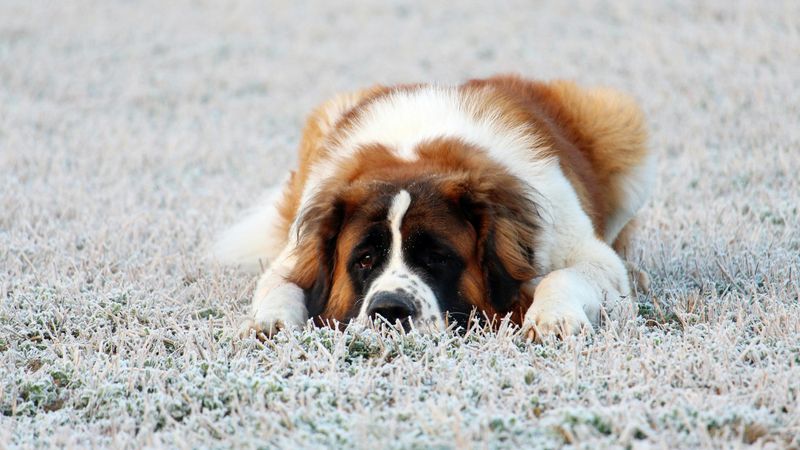
Saint Bernards were bred for snowy mountains, not blazing sidewalks. Their giant frames and heavy coats store heat, and the effort of moving that mass adds more.
Without careful planning, even friendly greetings outdoors can be too much in summer.
Walk at sunrise and sunset, and stick to shady, slow routes. Provide a cooling mat, strong household fans, and constant access to clean water.
Keep coat maintenance regular to manage shedding, but avoid shaving, which can damage natural insulation and skin protection.
Warning signs include thick drool, lagging behind, or lying down abruptly. If you spot these, rest immediately, wet the belly and inner thighs, and call your vet.
Patience, pacing, and cool spaces are the safest plan.
Tibetan Mastiff
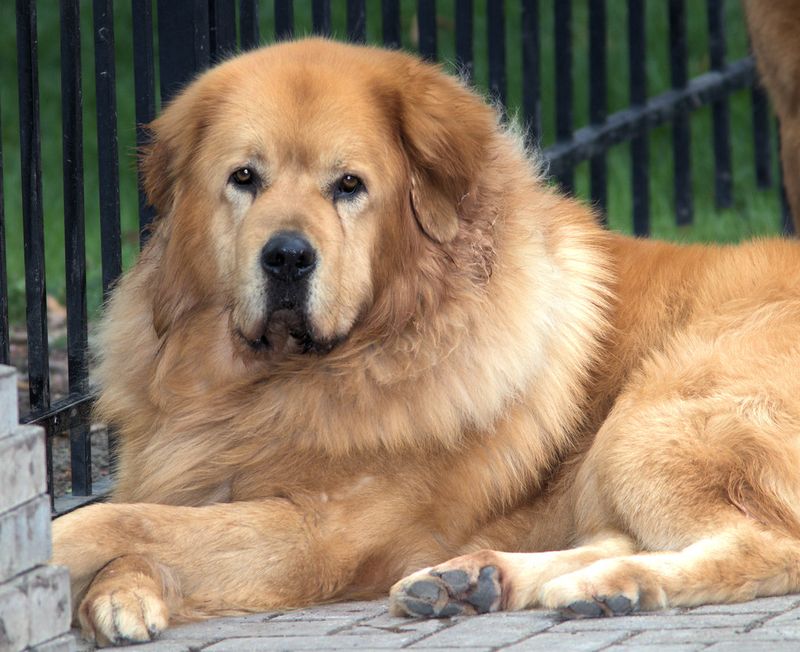
Tibetan Mastiffs carry a luxurious, weather resistant coat built for cold nights. In hot climates, that protection slows heat release and traps humidity.
Their independent nature can hide fatigue, so heat stress may creep up quietly.
Prioritize cool surfaces like tile or stone, and create breezy airflow indoors. Brush out undercoat regularly, schedule gentle walks at dawn, and avoid crowded, hot dog parks.
Provide chilled water, a cooling bed, and brain games that do not demand heavy exertion.
Watch for slow responses, restless pacing, or deep, labored panting. If you notice trouble, relocate to shade, dampen the fur at the belly, and call your vet.
Calm routines, thoughtful grooming, and seasonal diet checks support safer summers.
Bernese Mountain Dog
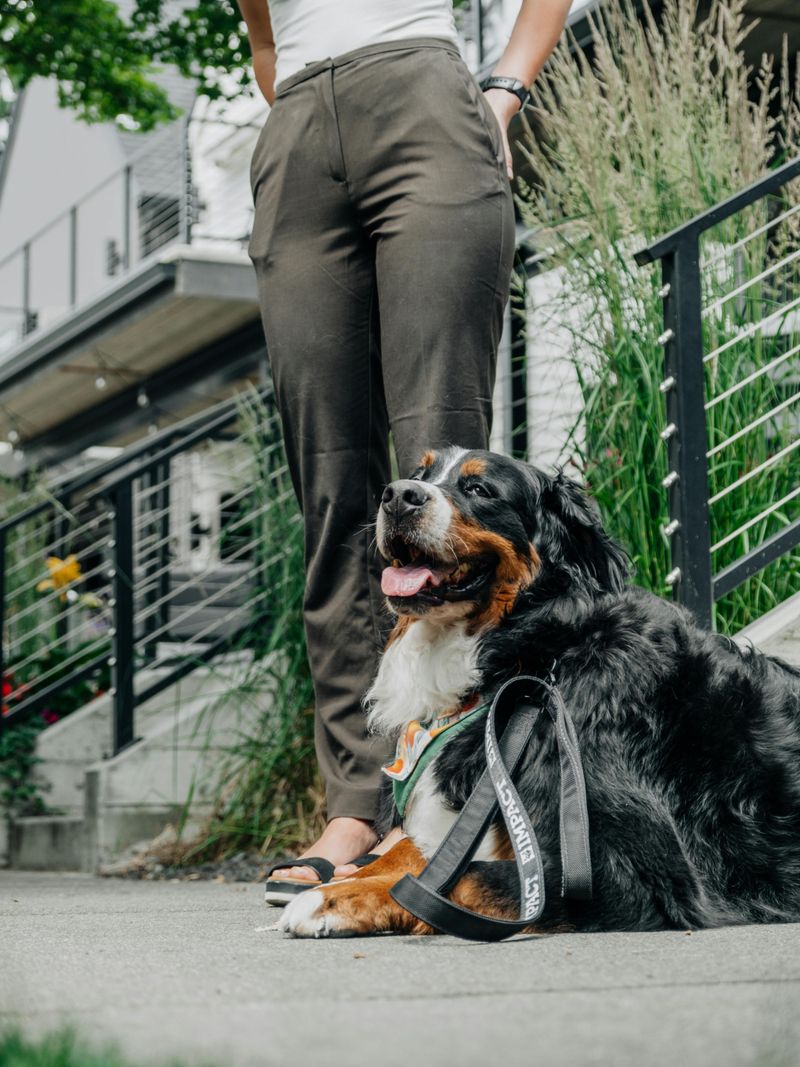
Bernese Mountain Dogs are snow country workers with thick tri color coats. In warm weather, that double coat insulates more than you want, especially with a big body.
Long sun exposure or vigorous play can outpace their cooling quickly.
Schedule exercise in the coolest windows and swap fetch for sniff walks. Keep grooming consistent to remove dead undercoat and improve airflow through their fur.
Offer raised beds, multiple water stations, and a calm indoor routine when temperatures spike.
Heat fatigue looks like slowing, wide tongue, and seeking cool ground constantly. If symptoms rise, rest, add airflow, and wet the belly, groin, and paws.
With measured schedules and thoughtful grooming, your Berner can enjoy summer safely.
Pekingese
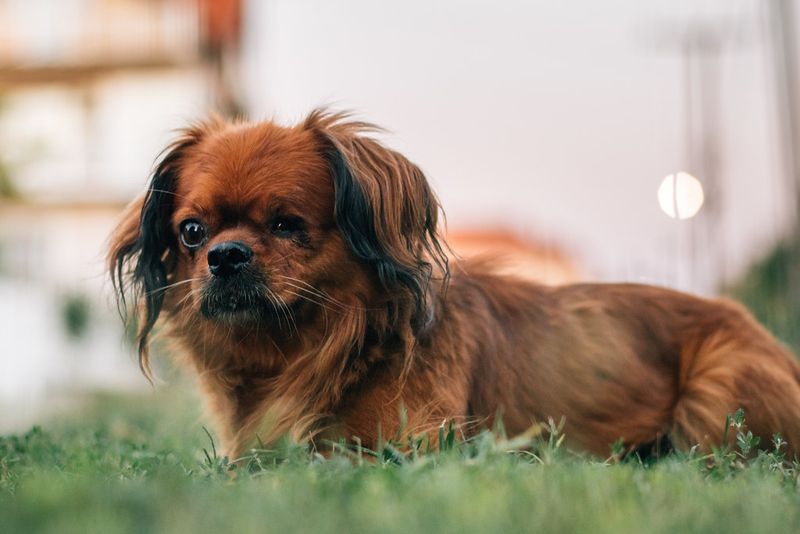
Pekingese have flat faces and lavish coats, a tough combo in hot weather. Their compact build and short legs keep bodies close to radiant ground heat.
Without planning, even a quick walk can leave them panting hard and uncomfortable.
Keep the coat well brushed to prevent mats that trap warmth, but do not shave. Choose short, shaded walks, use a cooling bandana, and create comfy indoor play sessions.
Place water bowls in multiple rooms and add a cooling mat near favorite nap spots.
Watch for raspy breathing, drooling, or sudden lying down. If issues appear, move to air conditioning, dampen the belly, and call your vet.
Gentle routines, smart grooming, and cool floors make a big difference.
Shih Tzu
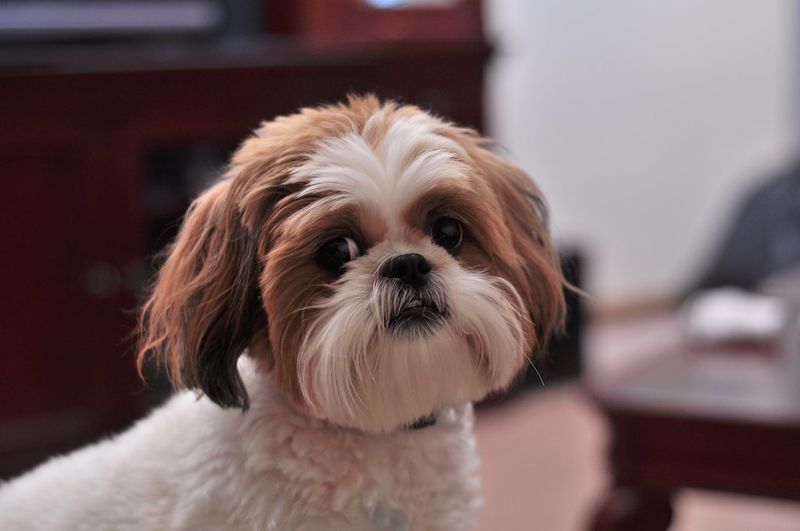
Shih Tzus are small, brachycephalic companions with flowing coats that can trap heat. Their short snouts limit airflow, and even playful zoomies can overtax them in summer.
Humidity worsens the challenge by slowing evaporation from panting.
Schedule grooming to keep hair tidy around the face and paws. Choose short, shaded walks and swap cardio for training games and snuffle mats indoors.
Make water inviting with a shallow, stable bowl and keep fans circulating where they rest.
Signs of trouble include fast panting, a bright red tongue, and slowing down suddenly. If that happens, rest in cool air, wet the belly and ears, and call your vet.
With planning and patience, this cheerful companion stays comfortable.
Cavalier King Charles Spaniel
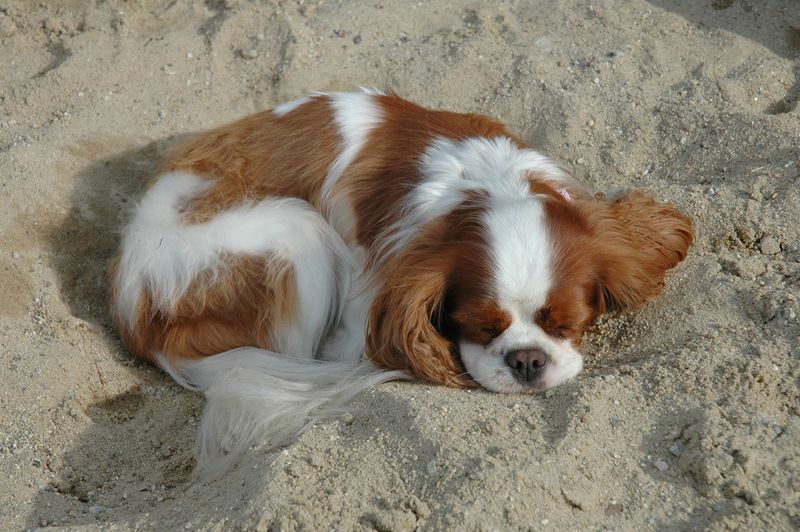
Cavaliers are sweet and sensitive, but warm weather can sap their energy quickly. Their small size, silky coat, and potential heart concerns make heat management essential.
Even moderate romps can escalate panting faster than expected on a sunny day.
Stick to gentle, shady strolls and bring water to every outing. Indoors, use fans, cooling mats, and enrichment toys that reward calm focus.
Keep the ears clean and coat brushed to improve airflow, especially around the chest and belly.
Watch for coughing, excessive panting, or reluctance to move. If you see warning signs, rest, cool the body carefully, and call your vet.
Thoughtful pacing, routine grooming, and close observation help your Cavalier enjoy summer safely.
Dogue de Bordeaux
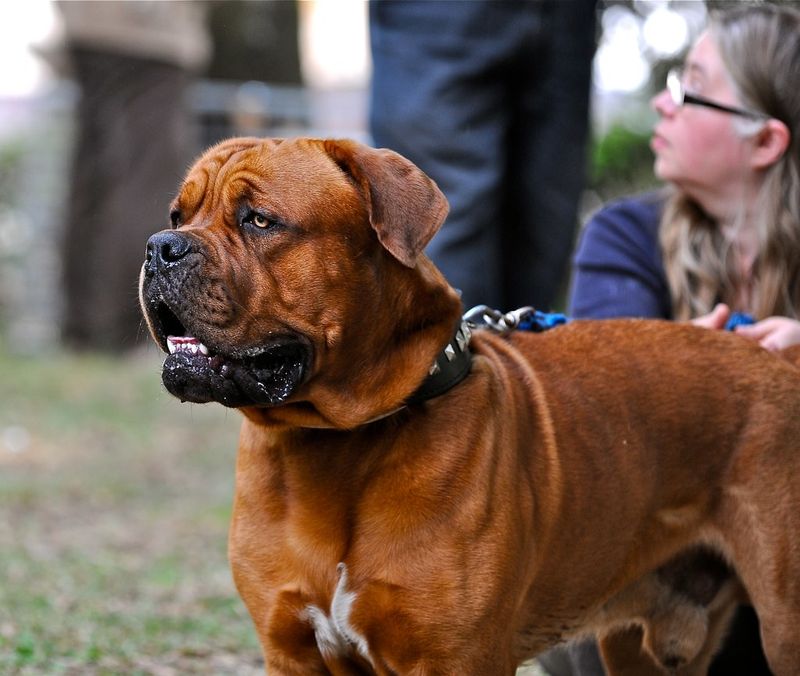
The Dogue de Bordeaux is powerful, muscular, and brachycephalic, a risky trio in heat. Their massive heads and shortened snouts reduce cooling efficiency during panting.
Heavy bodies further increase heat load with every step on sun baked ground.
Plan slow, shaded walks and avoid midday entirely. Keep water cold and abundant, use a cooling vest for brief outings, and rest often.
Indoors, provide airflow with fans and encourage calm training sessions to satisfy their minds.
Red flags include loud breathing, drooling ropes, and wobbling. If you notice problems, move to air conditioning, wet the belly and groin, and call your vet.
Consistent routines and conservative exercise keep this gentle giant safer in summer.