
Some dogs were built to chase, track, and seize, and that history still pulses through their everyday choices. Understanding these instincts helps you prevent mishaps, protect smaller pets, and create training that actually works.
You will see how thoughtful outlets turn raw drive into confidence and calm. Let’s meet the breeds whose inner hunter still whispers the loudest.
Saluki
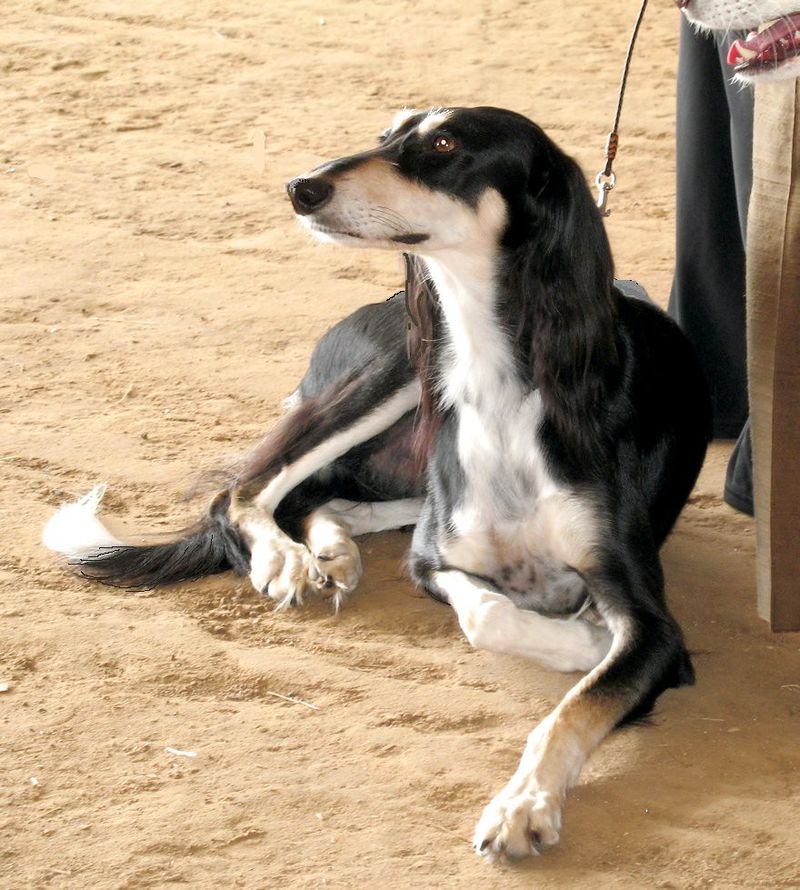
The Saluki looks ethereal, but its instincts are laser focused on movement across open ground. Bred for desert coursing, this sighthound locks onto fleeing shapes and launches before you can finish a breath.
That chase drive can override recall, so fences, long lines, and structured decompression are your best friends.
Channel it with flirt poles, fast fetch, secure sprint sessions, and scent games that cap with calm. Teach an emergency stop, reward eye contact, and practice leave it around wildlife scents and rustling brush.
With respectful outlets and predictable routines, the Saluki stays graceful at home yet brilliantly alive outdoors. Use lightweight layers in winter, and never trust a gate or door unless latched securely.
Borzoi
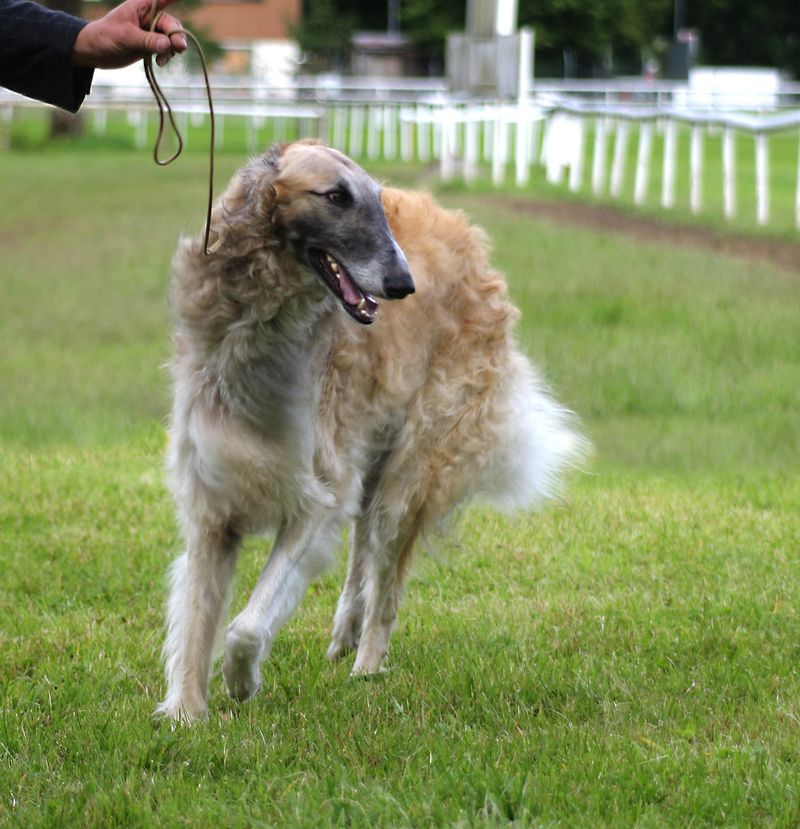
The Borzoi’s elegance hides a powerful predator that keys on motion like a camera’s autofocus. Historically hunting wolves, they still show explosive acceleration and a silent, single-minded chase.
Off leash freedom is risky around deer, rabbits, or neighborhood cats, because a twitch of movement can flip a switch.
Give this dog safe sprinting, controlled coursing games, and calm recovery rituals after arousal spikes. Practice pattern games, reorientation cues, and a rock solid wait at doors and car gates.
A well-fitted sighthound harness and long line protect impulses without dulling joy. With mental enrichment, soft handling, and steady routines, the Borzoi channels its legacy into dignified, thoughtful companionship.
Afghan Hound
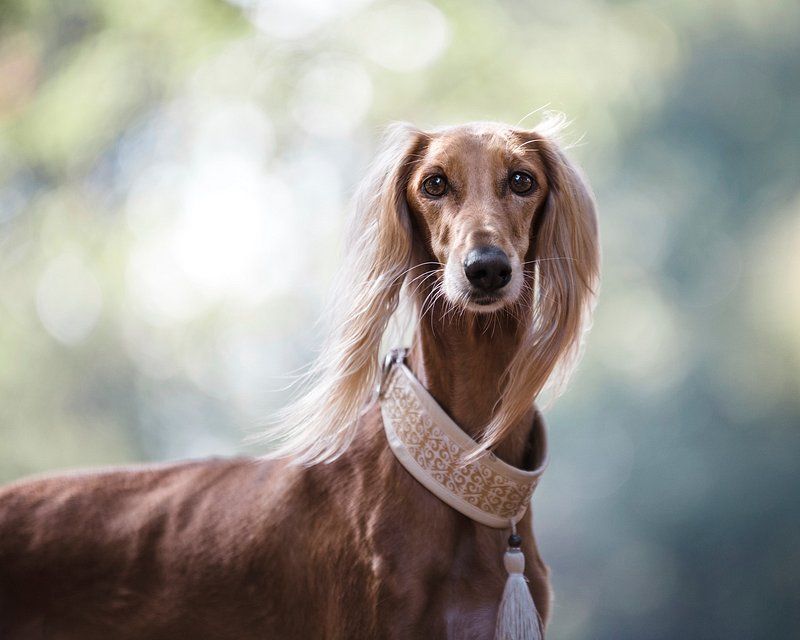
The Afghan Hound marries beauty with blistering speed, scanning horizons and reacting to tiny flashes of motion. Independent by design, they can ignore shouted recalls once the chase begins.
Their silky glamour can fool you, but this is a hunting athlete that needs structure, cardio outlets, and decompression.
Use secure fields, long lines, and whiplash-turn games to teach reorientation under arousal. Reward stillness after excitement, and reinforce checks-ins with high value snacks you only use outdoors.
Coat care doubles as training time, pairing handling with calm breathing and soft praise. Treat them like a performance partner, and their keen instincts become a thrilling, manageable part of your life.
Greyhound
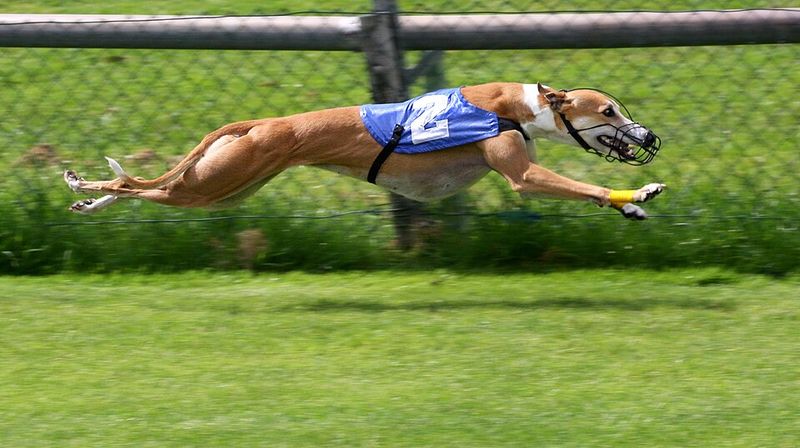
Greyhounds are aerodynamic arrows, tuned to spot movement and chase with breathtaking efficiency. Many are gentle couch lovers, yet a flitting squirrel can reboot their heritage in a heartbeat.
Doors, elevators, and parking lots deserve slow, deliberate routines to prevent bolt-through moments.
Balance sprints with sniffy walks and food puzzles that lower arousal after runs. Teach hand target, emergency down, and patterned heelwork, then rehearse around mild wildlife distractions.
A well-fitted martingale prevents slip-outs when excitement spikes. With predictability and thoughtful outlets, the Greyhound toggles smoothly between zooms and zen, turning innate prey drive into safe, joyful expression.
Whippet
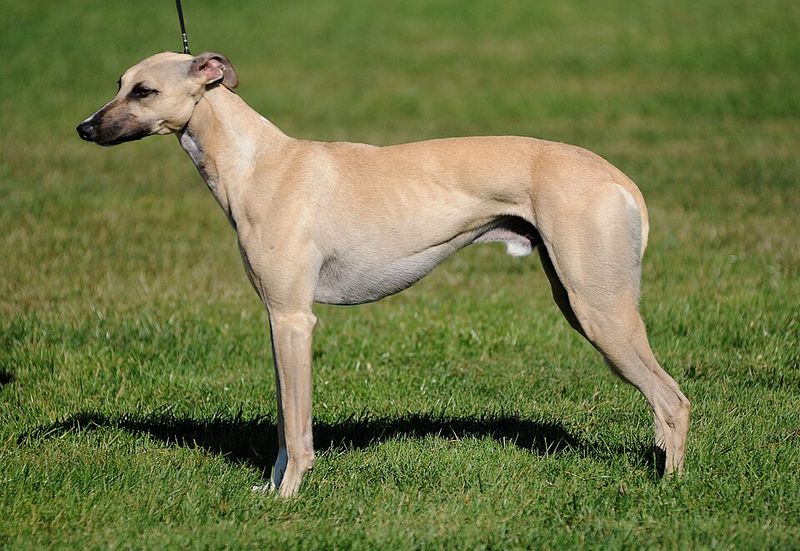
Whippets are playful missiles, light on their feet and wired to chase quick-moving targets. Their off switch is real, but the on switch is faster than your reflexes.
A rabbit bolt or tossed plastic bag can trigger pursuit, so management matters as much as training.
Build recall through games that start easy and end with a high-value jackpot. Use flirt poles, sprint sets, and tug that ends with calm breathing and easy chewing.
A snug sweater and secure yard help them enjoy year-round play. When you honor their chase needs and teach thoughtful recovery, the Whippet becomes a delightful, low-drama companion.
Jack Russell Terrier
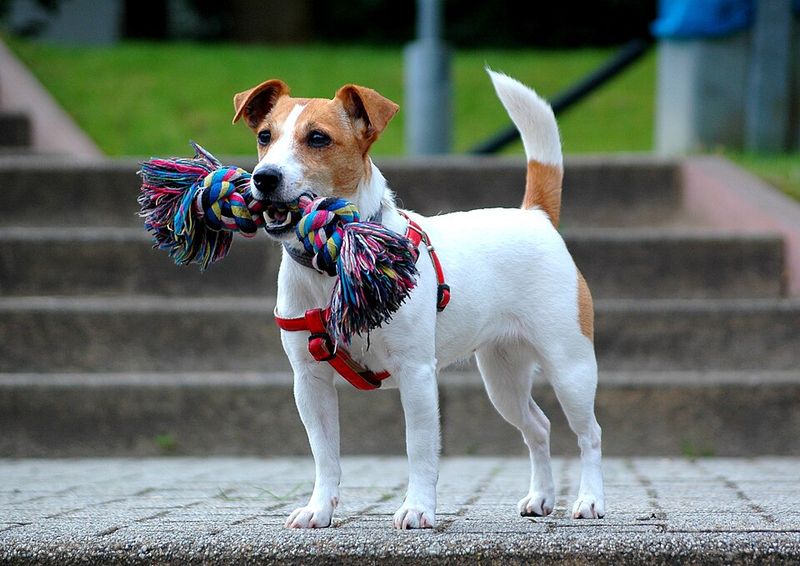
The Jack Russell Terrier is tiny dynamite built to go to ground, flush, and grab. Quick, vocal, and fearless, it treats scurrying squirrels and backyard rodents like personal assignments.
That grit can spill into door dashes and fence testing unless you provide jobs that scratch the hunting itch.
Introduce scentwork, rat-style barn hunt simulations, and controlled tug that ends with structured stillness. Rotate durable chews after excitement spikes to downshift arousal safely.
Reward impulse control at thresholds and set predictable routines for walks and play. With outlets and clarity, this pocket powerhouse directs its instincts into clever, comedic partnership instead of chaos.
Jagdterrier
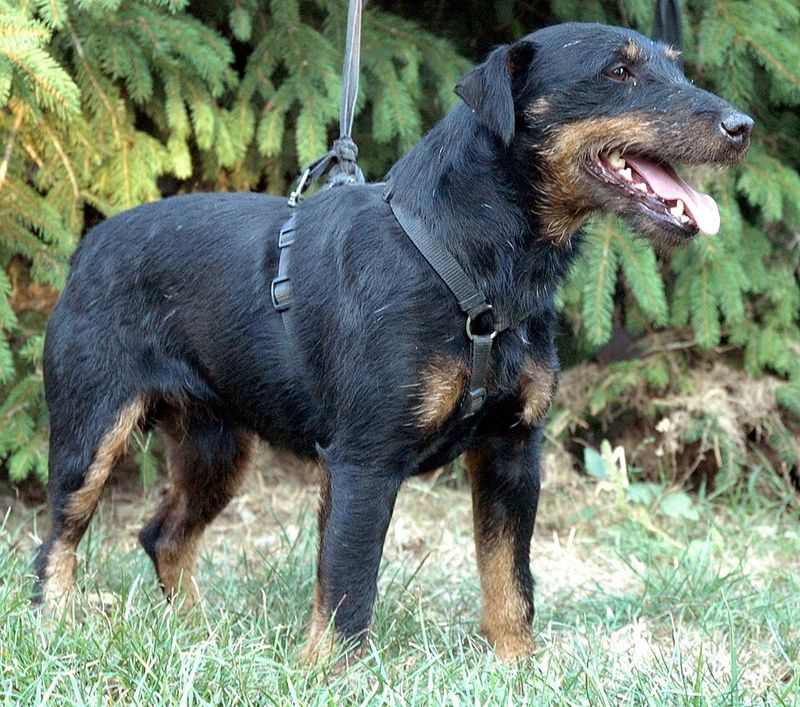
The Jagdterrier was engineered for relentless hunting, favoring grit, stamina, and problem solving over polite manners. Expect tenacity with vermin, boar, or anything that runs, plus a voice that broadcasts commitment.
This breed needs work-like outlets and crisp boundaries to prevent self-employed adventures.
Channel drive with tracking lines, mantrailing games, and bite-safe tugs that include hard outs. Teach settle on mat, ironclad recalls, and muzzle conditioning for safety around intense scenarios.
Rotate high-effort activities with decompression walks and quiet chewing to protect nervous systems. When you respect the engine and guide the map, the Jagdterrier becomes a focused, impressive teammate.
Basenji
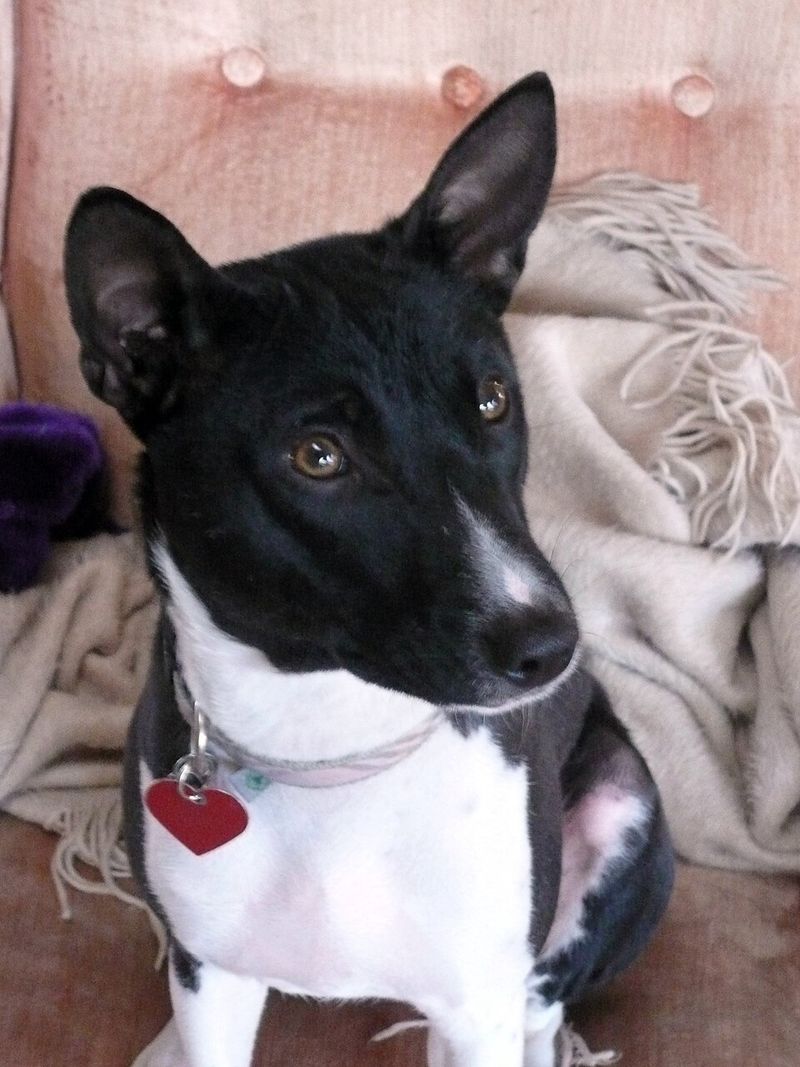
The Basenji carries ancient hunter genetics, mixing curiosity with sudden, silent pursuit. Catlike and clever, it notices rustles, scents, and open cabinets with equal enthusiasm.
Barriers and boredom invite mischief, so plan for brain work as much as body work.
Use puzzle feeders, hide-and-seek recalls, and scent games that reward calm orientation back to you. A long line plus perimeter training keeps adventures safe without crushing independence.
Teach quiet stationing at windows to reduce motion-triggered arousal. When given agency within boundaries, the Basenji’s wily instincts transform into charming, mischievous partnership you can actually enjoy.
Rhodesian Ridgeback
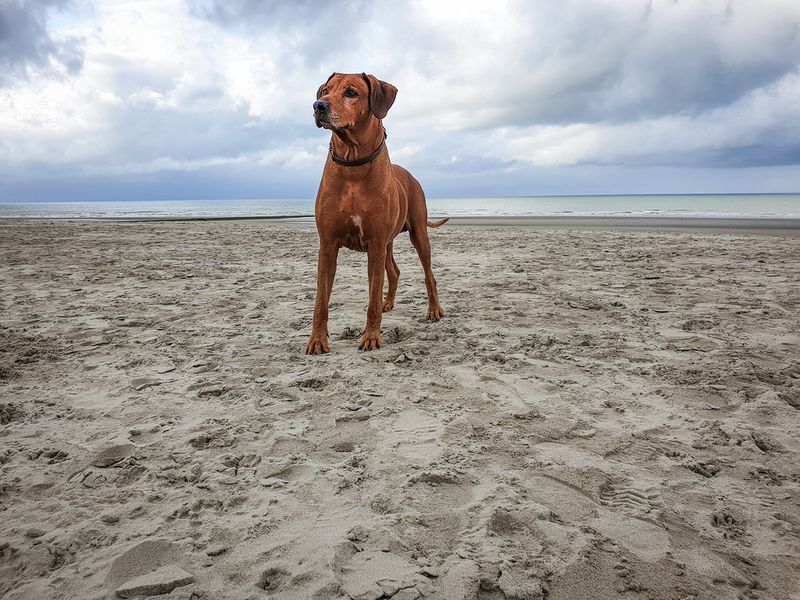
Built to track and confront game, the Rhodesian Ridgeback blends steadiness with sudden pursuit. Many are calm indoors but can turn on instantly when wildlife stirs.
Size and strength magnify mistakes, so proactive training and layered management are essential.
Practice loose leash control, whistle recall, and a bombproof stay that withstands moving temptations. Provide sprint intervals, hill work, and nose games that end in easy, confidence-building wins.
Reinforce check-ins generously and proof around mild distractions before real-world tests. Treated like an athlete and teammate, the Ridgeback’s predatory heritage becomes controlled power and grace.
Plott Hound
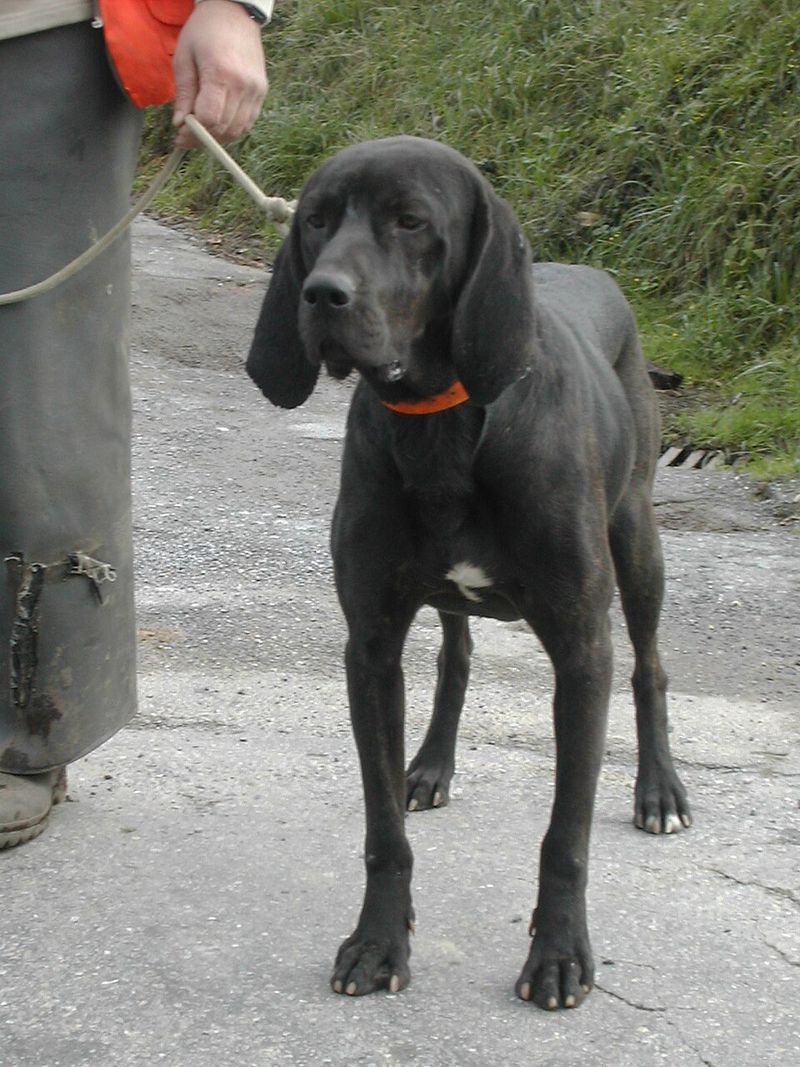
The Plott Hound is a gritty scenthound bred to track big game across mountains. Once on odor, they commit with musical voices and remarkable stamina.
That focus can bulldoze recalls unless you build habits that make turning back feel natural and rewarding.
Lean into tracking games, trailing exercises, and decompression hikes where sniffing is the job. Teach a cue to lift nose from ground, then pay like a slot machine when it happens.
Use long lines, sturdy harnesses, and carabiners at gates to prevent independent tours. With purpose and partnership, the Plott channels ancestral drive into thrilling, manageable adventures.
Black Mouth Cur
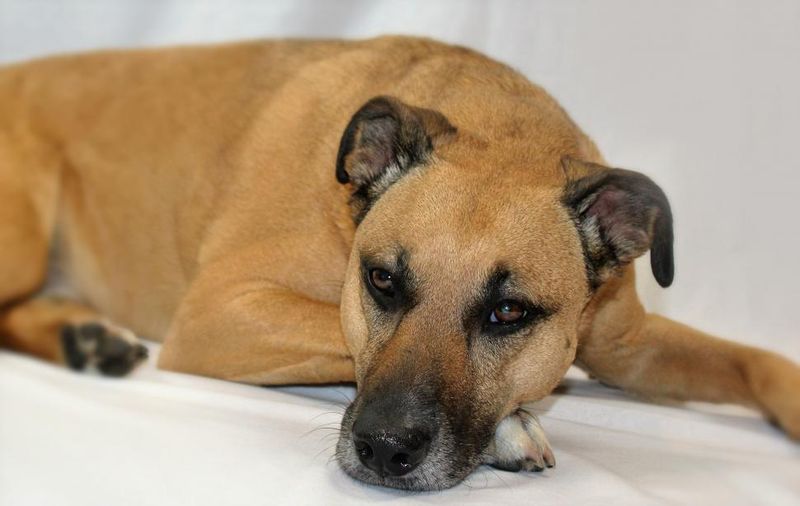
The Black Mouth Cur is a versatile American hunter and farm partner, tuned to trail, bay, and guard. It reads environments quickly and makes bold choices if you leave a vacuum.
Without outlets, that initiative can morph into nuisance chasing or property patrols you did not request.
Design jobs: tracking games, field searches, and tug with crisp start-stop rules. Invest in off-switch training after exercise, pairing calm mats with chewy rewards and slow breathing.
Practice reliable recalls and stays that hold through motion and sound. Give structure and meaningful work, and this breed’s predatory instincts become steady, loyal service.
Weimaraner
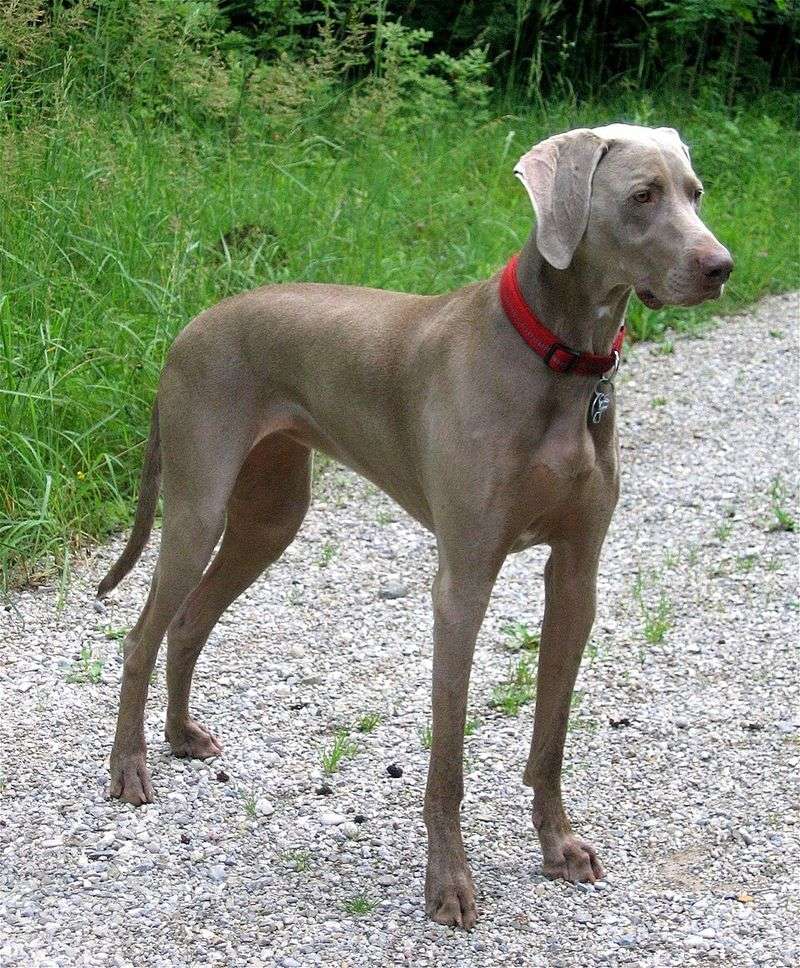
The Weimaraner is a high-octane hunting partner that scans, searches, and sprints with purpose. Smart and sensitive, it can obsess over birds, squirrels, or trails if left to freelance.
That energy needs direction or it spills into counter surfing, pacing, and noisy alerts.
Shape impulse control with stop-to-flush games, steady points, and recalls rewarded with exciting play. Alternate speed work with nose tasks and calm stations to protect focus.
Use consistent routines, long lines, and clear boundaries around wildlife-rich zones. When work feels like a game, the Weimaraner channels prey drive into brilliant, cooperative performance.
Treeing Walker Coonhound
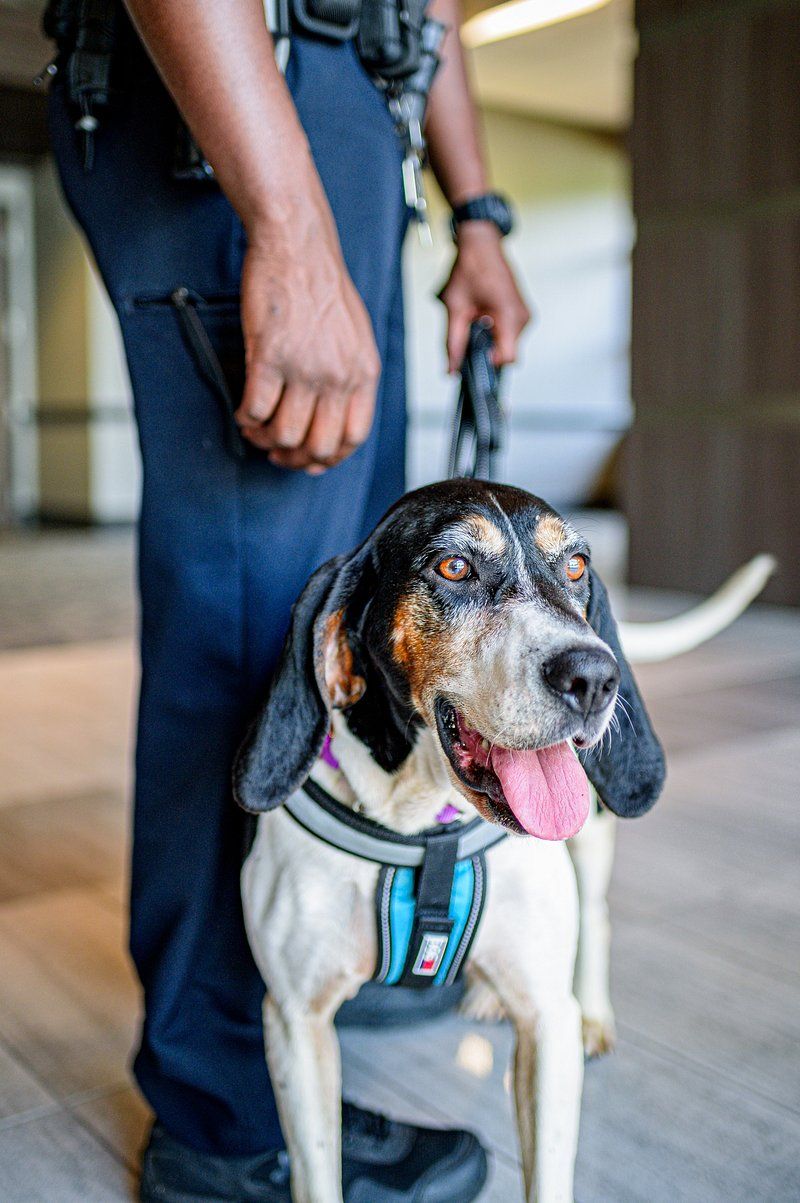
The Treeing Walker Coonhound specializes in tracking, driving, and treeing quarry with unwavering focus. Once scent hits, the vocal narrative begins and the mission is everything.
That persistence is admirable but makes casual off leash time a risky proposition.
Engage the nose with trailing lines, hide-and-seek drags, and jackpot rewards for voluntary check-ins. Teach a quiet cue, practice settle after baying, and reward stillness generously.
Secure fences, thoughtful gateways, and identification backups protect explorers that follow their noses. Given structure and sensory work, this hound turns primal purpose into captivating teamwork.
Pharaoh Hound
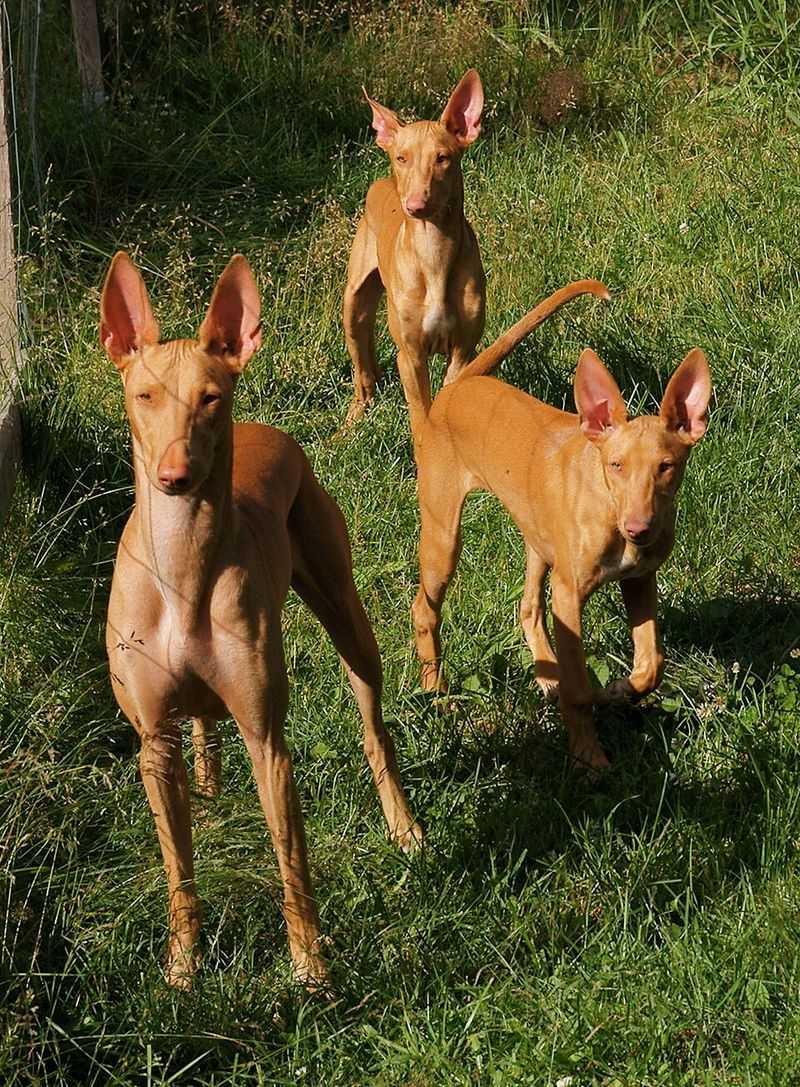
The Pharaoh Hound is a luminous athlete whose eyes lock onto motion like radar. Social and cheerful, it still carries a swift, silent chase response outdoors.
An unsecured door or fluttering bird can short-circuit manners without careful routines.
Build recall with games, then proof against mild movement before graduating to real distractions. Use sprint sessions, flirt poles, and recovery rituals that teach arousal up, arousal down on cue.
Reward orientation back to you as if it were treasure. With empathy, management, and playful structure, the Pharaoh Hound’s ancient instincts become modern, joyful partnership.