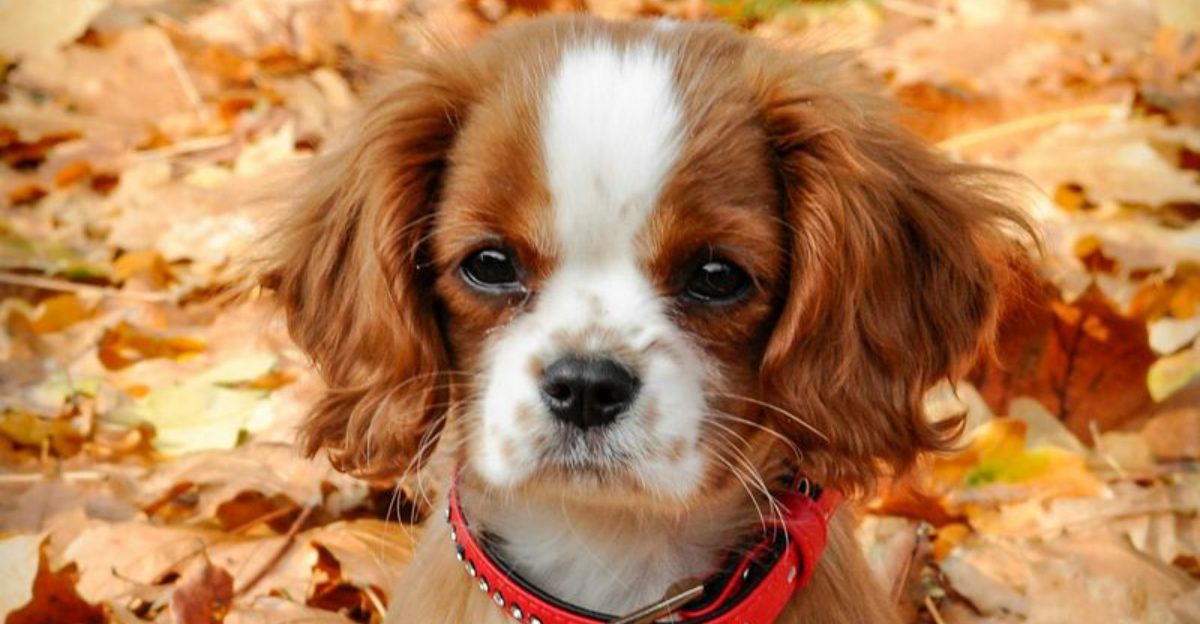
Neutering can change your dog’s metabolism and appetite faster than you expect. Without the right routine, some beloved breeds can pack on pounds and lose their playful spark.
The good news is you can get ahead of it with simple tweaks to food, exercise, and enrichment. Let’s walk through the breeds that need extra attention and how you can keep them trim, happy, and healthy.
Labrador Retriever
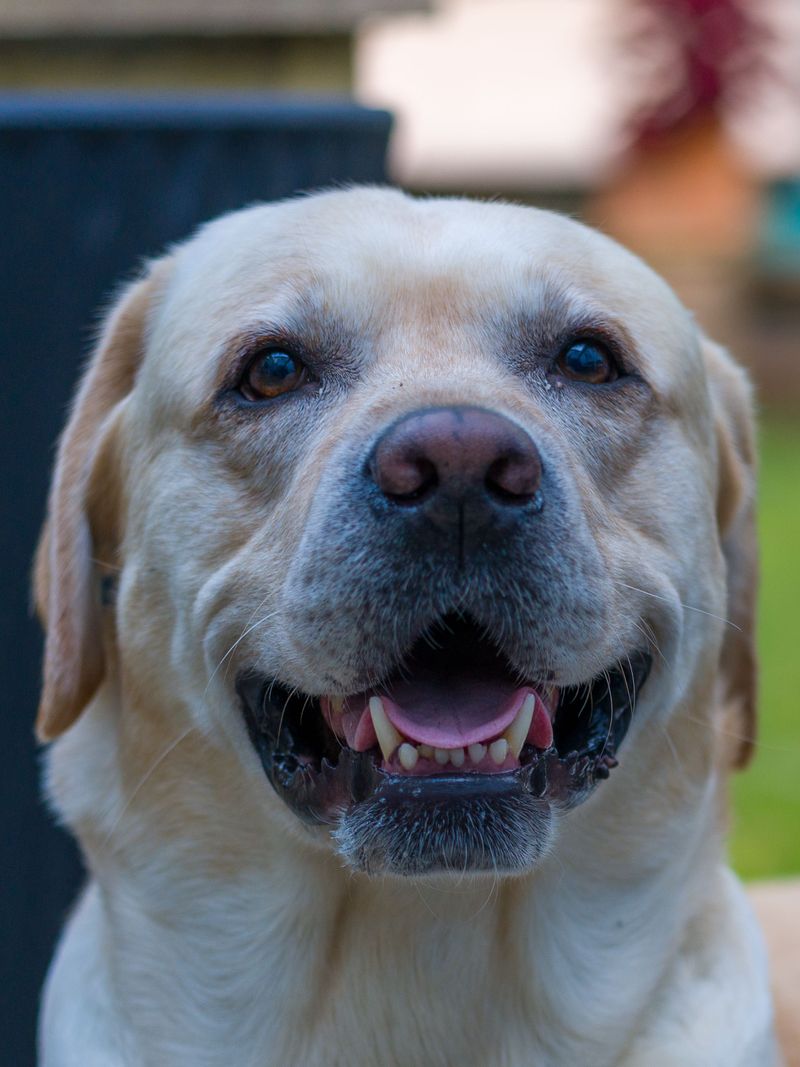
Labradors love food, which is exactly why they can gain weight quickly after neutering. Appetite may increase while metabolism slows, so that familiar pleading look becomes extra persuasive.
Measure meals with a scale, choose a high protein moderate fat formula, and limit treats to training rewards. Add green beans or pumpkin for low calorie volume that still satisfies.
Daily activity matters. Aim for two brisk walks and a ten minute fetch session to keep joints moving and minds busy.
Rotate retrieval toys to prevent boredom snacking. If your Lab still creeps upward on the scale, trim portions by ten percent and recheck in two weeks.
Keep a weekly waistline photo to track progress without guesswork.
Beagle
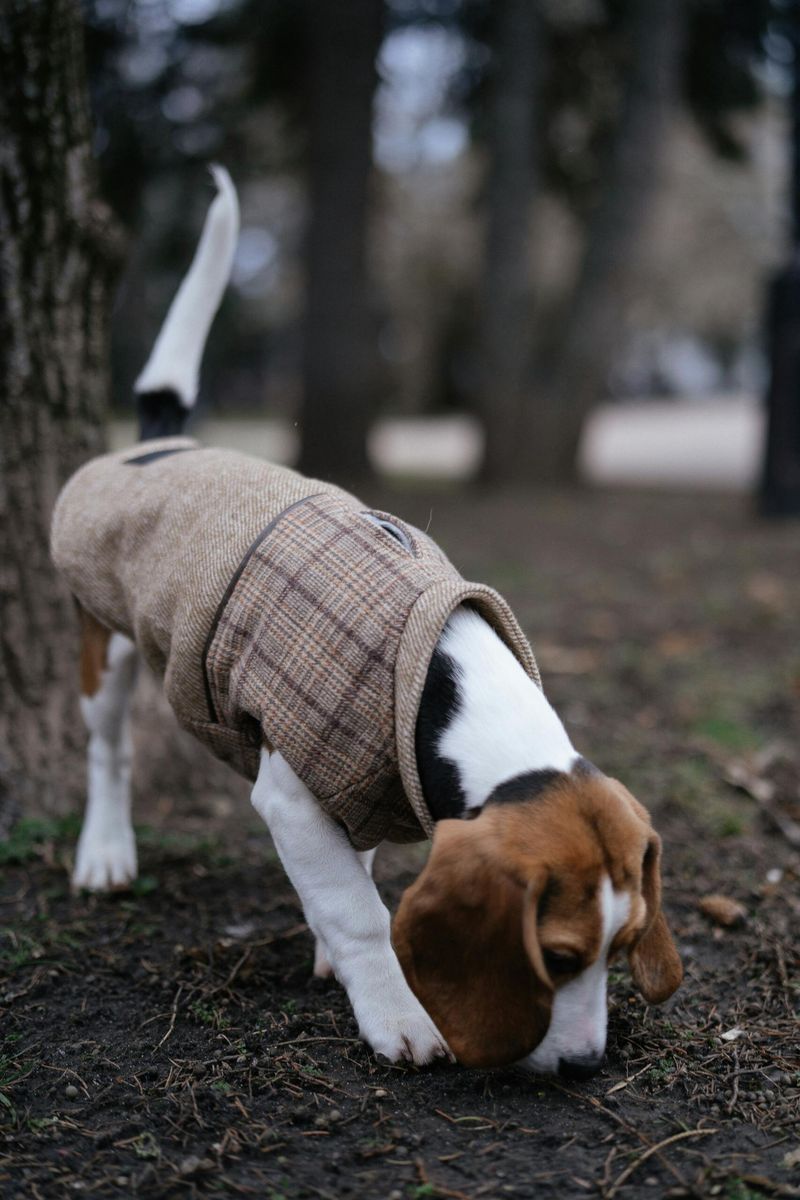
Beagles are scent driven and will hunt for crumbs like tiny detectives. After neutering, that curiosity often shifts toward the kitchen, and weight can sneak up.
Use puzzle feeders and scatter feeding in the yard to turn meals into sniffing work. Choose a lean kibble and cap treats at ten percent of daily calories to stay ahead.
Regular tracking helps you notice changes early. Feel for a clear waist and easy to find ribs under a light fat cover.
Daily nose work walks double as cardio and enrichment, reducing couch grazing. If begging spikes, pre plan low calorie training snacks.
Keep portions consistent, adjust for rainy day inactivity, and schedule monthly weigh ins to maintain balance.
Dachshund

Dachshunds are prone to back issues, so extra weight after neutering is a double risk. Protect their spine by preventing pound creep early.
Feed on a schedule, skip free feeding, and use measuring cups or a scale for accuracy. Keep treats tiny, like pea sized bits, and choose crunchy veggies for volume without calories.
Low impact exercise is your secret weapon. Short, frequent walks keep muscles strong without strain, and gentle hill work builds core stability.
Avoid high jumping and stairs when possible, and use ramps where needed. Monitor body condition weekly with photos from the side and above.
If the tummy sags or a waist disappears, cut portions slightly and add a sniffy walk.
Golden Retriever
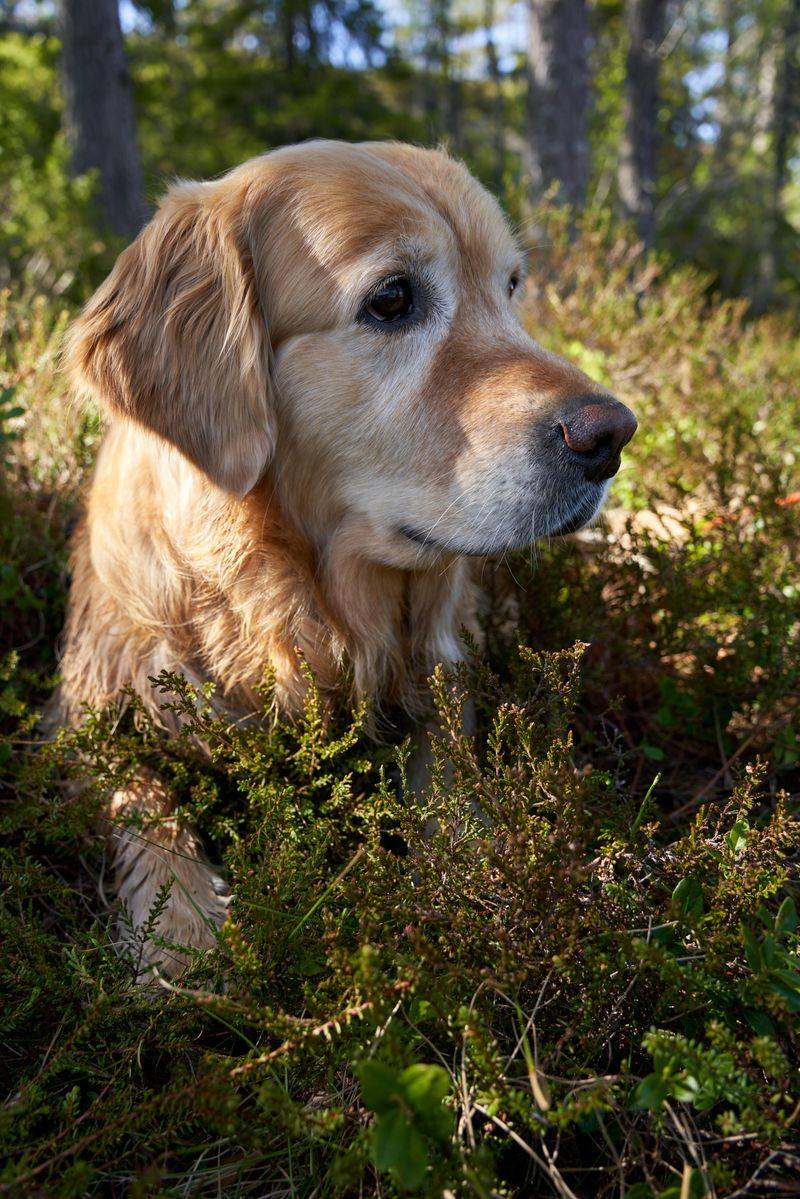
Goldens are joyful eaters and generous beggars, which complicates post neuter changes. Metabolism can dip, coat stays beautiful, and extra fluff may hide creeping fat.
Set clear mealtime boundaries, feed a balanced diet rich in protein and omega 3s, and swap biscuits for training kibble. Add steamed veggies for fullness without overfeeding.
Exercise should mix cardio and brain work. Try retrieves in short intervals, swimming if joints allow, and scent games to tire the mind.
Teach a place cue during cooking to prevent kitchen surfacing. Weigh monthly, but also use a soft tape to track waist circumference.
If numbers trend up, trim calories slightly, add another brisk walk, and reassess in fourteen days.
Cocker Spaniel
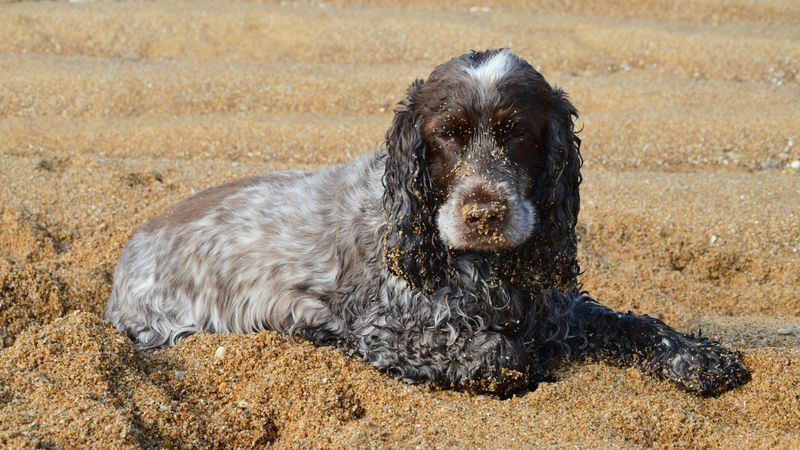
Cockers can be sensitive eaters and devoted snack seekers, especially after neutering shifts hormones. Manage portions carefully and choose a formula that supports skin and coat without excess calories.
Use training sessions to earn part of dinner, turning food into focused engagement. If ears trap crumbs, keep feeding stations tidy to reduce foraging.
Regular grooming pairs well with weight checks. While brushing, feel for a defined waist and easy rib palpation.
Gentle, steady exercise like park loops and short retrieve games keeps energy balanced. Enrichment toys reduce boredom chewing and mindless nibbling.
If the scale edges upward, trim treats first, then slightly reduce meals. Keep routines predictable, and reassess every two weeks using photos and notes.
Pug
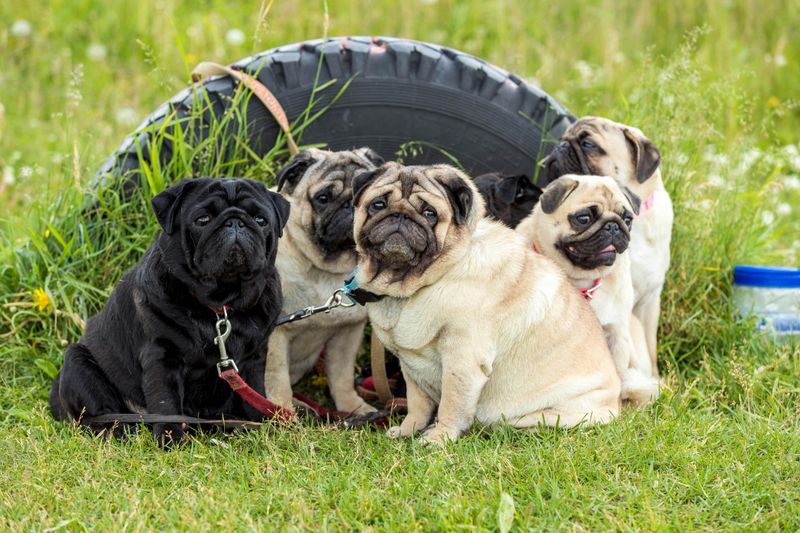
Pugs are adorable food magnets, and neutering can make calorie balance trickier. Airway limits mean you should favor short, frequent walks over long strenuous outings.
Focus on measured meals with a lower fat, higher fiber profile to control hunger. Use veggie toppers and water soak kibble to increase volume without adding energy.
Mind the treat jar. Training rewards should be tiny and counted into the day’s total.
Watch for subtle weight creep around the neck and chest where harnesses sit. Indoor puzzle games keep boredom at bay when weather is hot.
If breathing seems labored, switch to sniffing games. Consistency wins here, so weigh monthly and adjust portions ten percent if trends rise.
Basset Hound
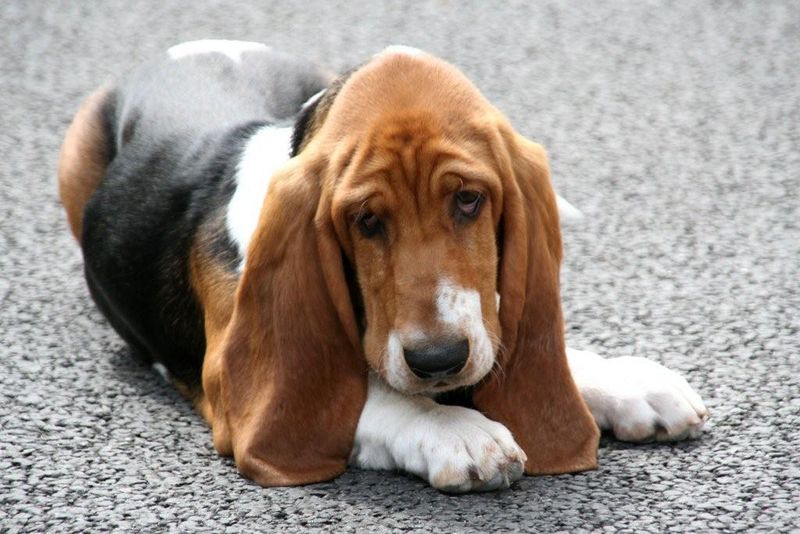
Bassets combine a strong nose with a slow stride, so post neuter weight gain can happen quietly. Protect joints and back by managing calories precisely.
Feed on a schedule, avoid bottomless bowls, and use a kitchen scale for accuracy. Turn sniffing power into enrichment by hiding kibble in snuffle mats and safe backyard searches.
Exercise should be steady and low impact. Gentle walks with varied terrain build muscle without strain, and short hill work strengthens the core.
Check for a visible waist from above and minimal fat padding over ribs. If numbers creep up, reduce meal size slightly and add another ten minute stroll.
Keep treats lean, celebrate progress with praise, and track measurements monthly.
Rottweiler
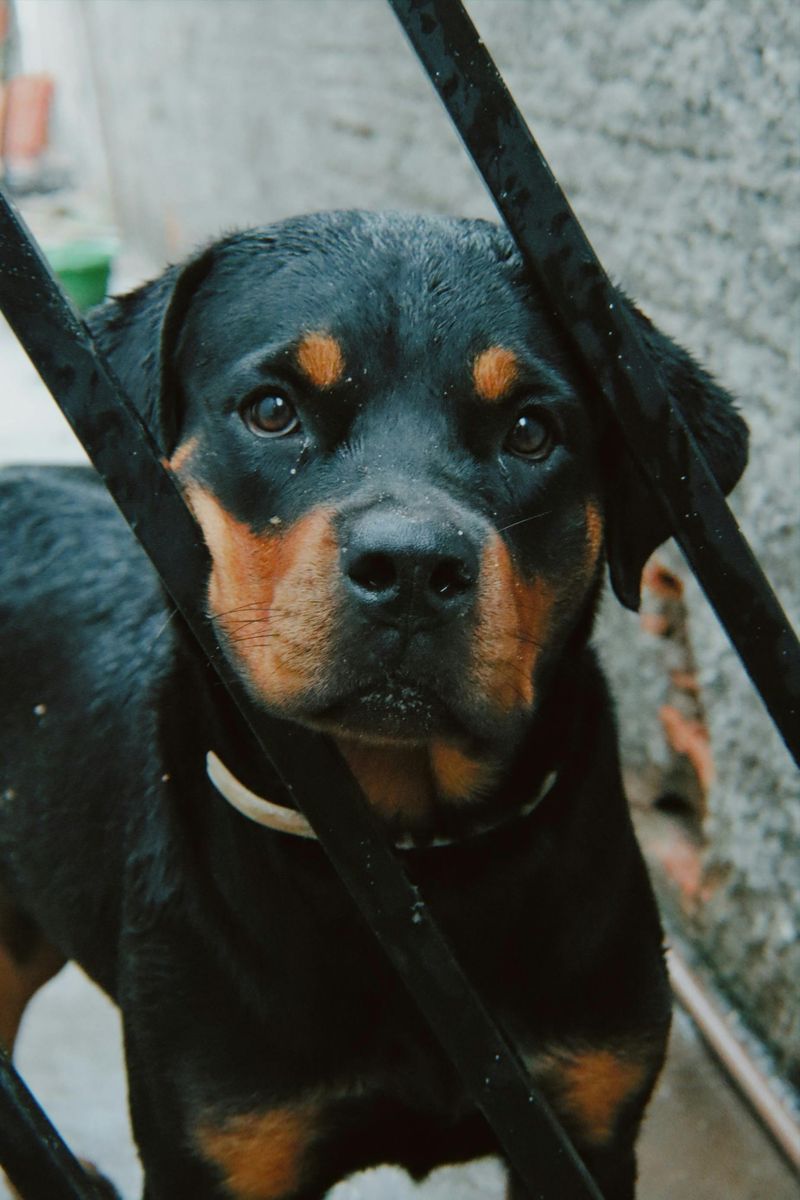
Rottweilers are powerful dogs that can carry extra weight without it showing at first. After neutering, appetite may rise and activity might dip.
Prioritize high quality protein, watch fats, and measure every meal. Build training into feeding with obedience drills, converting calories into structure and focus.
Reserve calorie dense treats for big wins, and keep most rewards tiny.
Strength and cardio both matter. Try controlled heeling, short interval fetch, and hill walks for joint friendly conditioning.
Monitor body condition by feeling for ribs and watching that signature tuck at the waist. If the scale moves upward, adjust portions by ten percent and add an extra conditioning block.
Keep weekly notes, and celebrate consistency over quick changes.
Cavalier King Charles Spaniel
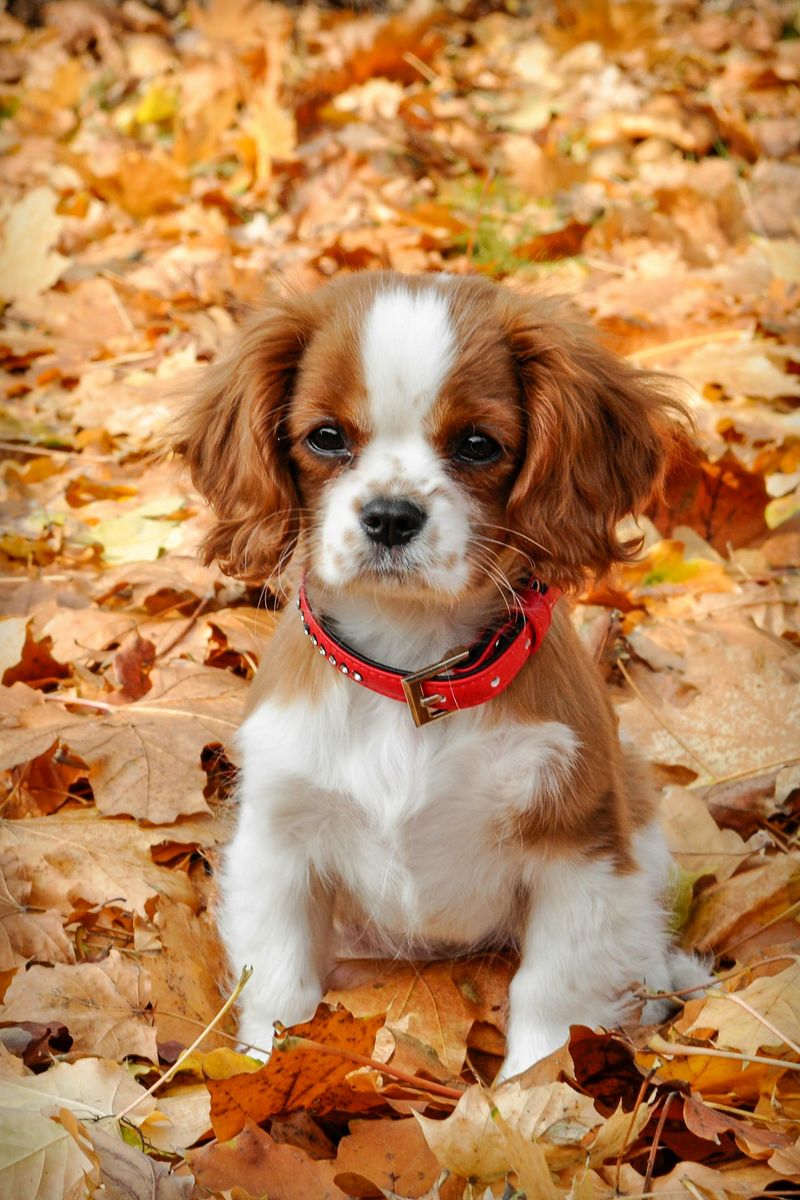
Cavaliers are affectionate and often less active indoors, so post neuter weight gain can appear subtly. Hearts deserve special care, making lean condition a priority.
Feed a measured, balanced diet and split meals to curb begging. Use tiny training treats or kibble pieces, and offer crunchy veggies for satisfying extras without calorie overload.
Gentle activity works wonders. Short walks, playful fetch in hallways, and scent games keep minds busy and bodies moving.
Brush regularly and check waist definition under the silky coat. If you notice harness tightness or rising numbers, trim portions slightly and extend one walk.
Keep a simple progress chart with weekly notes and photos to stay accountable and encouraged.
Boxer
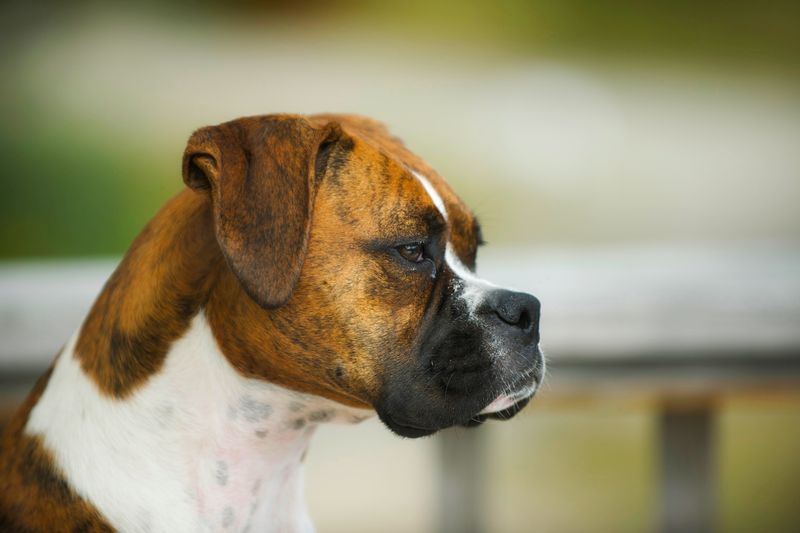
Boxers are athletic, but after neutering their calorie needs often drop even if appetite does not. Keep meals measured and protein forward, and avoid oily extras.
Use part of dinner as training rewards for impulse control games. Interval play like short sprints or tug, followed by calm downs, balances energy and keeps muscles sharp.
Monitor body condition with a weekly rib check and side profile photo. Because Boxers can mask gain under muscle, numbers matter.
If weight edges up, shave calories slightly and add a structured walk. Rotate toys to reduce boredom munching and keep enrichment interesting.
Consistency, not intensity, prevents creeping pounds and preserves that trademark springy stride.