
Some dogs were built to work hard, think fast, and make their own calls. If you do not set the rules early, they will gladly write their own.
The good news is that clarity turns difficult into dependable. Here are the breeds that push you hardest when expectations are missing, plus how to earn their best behavior.
Cane Corso
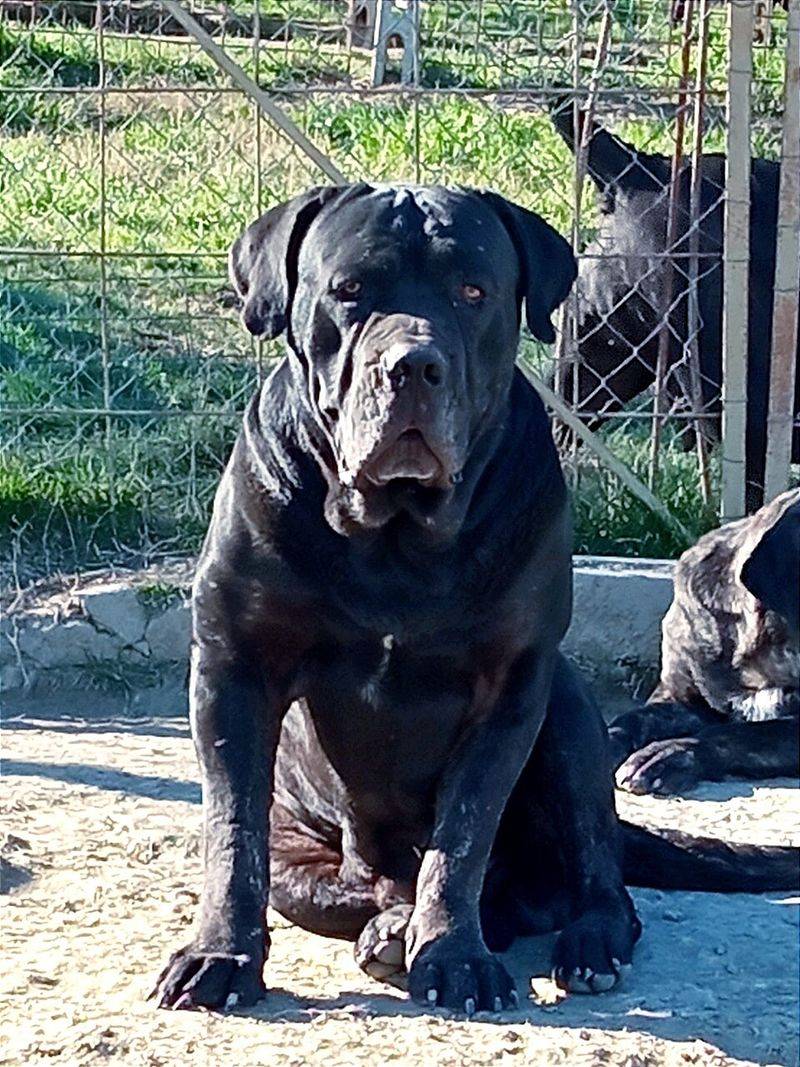
The Cane Corso is powerful, observant, and intensely loyal, but it absolutely needs structure and predictability from day one. Without clear household rules, routines, and purposeful work, this natural guardian starts making decisions for you.
Boundaries, place training, and calm, respectful handling keep that confidence from tipping into pushy, reactive behavior.
You will need firm leash skills, supervised socialization, and consistent crate routines to prevent door rushing and resource guarding. Mental workouts like impulse control games, tracking, and scent puzzles keep this thinker satisfied and cooperative.
If you hesitate, argue, or repeat commands, the Corso fills the vacuum, so set expectations early, enforce them fairly, and follow through. Consistent clarity turns raw power into a respectful, reliable partnership daily together.
Belgian Malinois
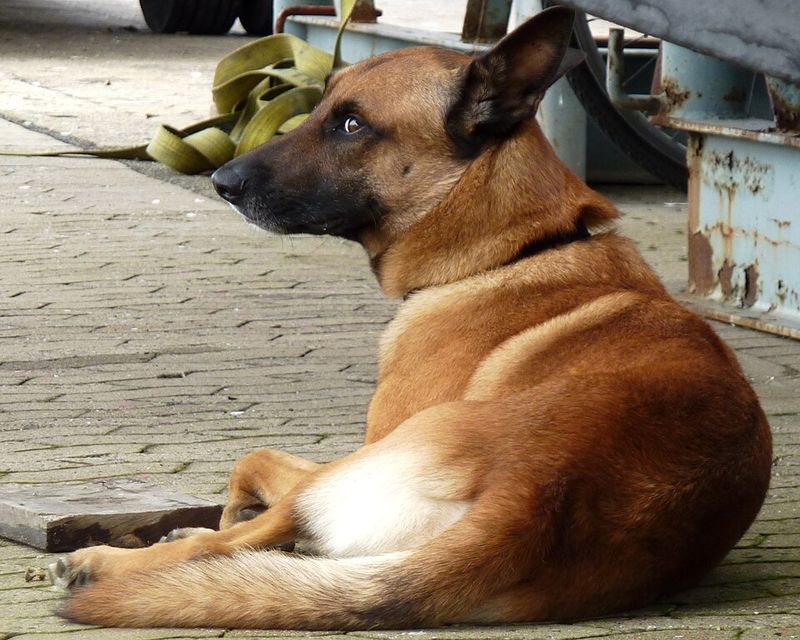
The Belgian Malinois is brilliant and tireless, which feels exciting until expectations get fuzzy. Without clear structure and heavy daily work, this athlete invents missions and ignores halfhearted cues.
Precision heelwork, impulse control, and frequent decompression teach balance and channel drive productively.
You will need short, focused sessions, safe outlets for biting, and firm release words. Scent games, tracking, and tug with rules take the edge off the hyper focus.
If your timing falters, the Malinois rehearses chaos, so be clear, fast, and consistent every day. Calm handling, generous reinforcement, and structured rest create a partner who works with you, not against you, daily.
Loose boundaries invite frustration and nipping, while clarity builds confidence, safety, and sustainable enthusiasm over time.
Australian Cattle Dog

The Australian Cattle Dog is sharp, durable, and independent, thriving when jobs are non negotiable. Without structure and bite sized obedience, that grit turns into heel nipping, chasing, and stubborn standoffs.
Clear boundaries, long line practice, and place training keep the brain engaged and choices tidy.
You will need athletic outlets, puzzle feeders, and frequent decompression walks to prevent reactivity. Short herding style games with rules scratch the itch without fueling frantic habits.
If instructions wobble, this dog freelances, so be crisp, fair, and relentless about follow through. Reward quiet focus, guard thresholds, and keep routines steady to transform intensity into dependable cooperation.
Loose rules invite conflict with strangers and dogs, while clarity builds trust, civility, and real teamwork daily.
Siberian Husky
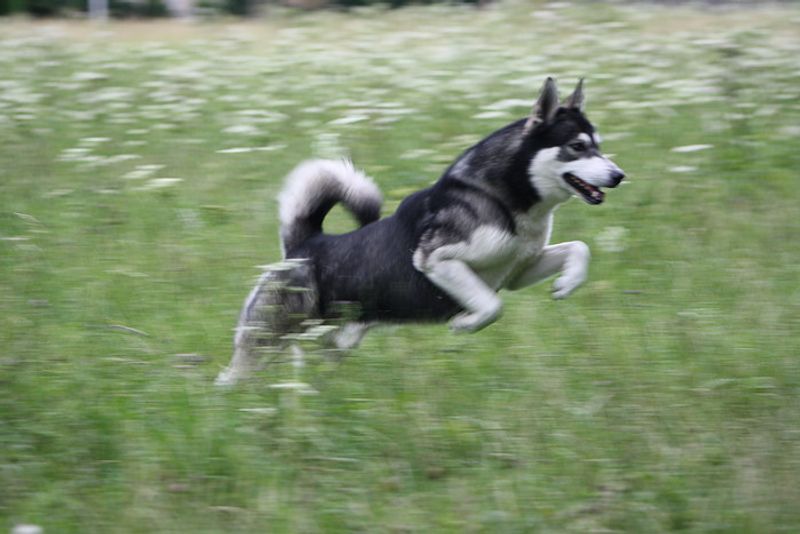
The Siberian Husky is athletic, social, and vocal, yet famously opportunistic when boundaries blur. Without leash manners and recall work, the sled dog brain follows movement, not your voice.
Crate routines, secured yards, and structured playdates prevent door dashes and neighborhood expeditions.
You will need high value rewards, consistent rules, and patient repetition to beat selective hearing. Endurance exercise, canicross, and flirt pole sessions take the sparkle off mischief without crushing spirit.
If cues get optional, the Husky goes freelance, so be cheerful, clear, and consistent every single time. Prevent boredom with nose work, trick training, and supervised digging zones that satisfy natural drives.
Loose boundaries risk escapes and arguments, while clarity builds cooperation, safety, and genuine companionship over time.
Akita
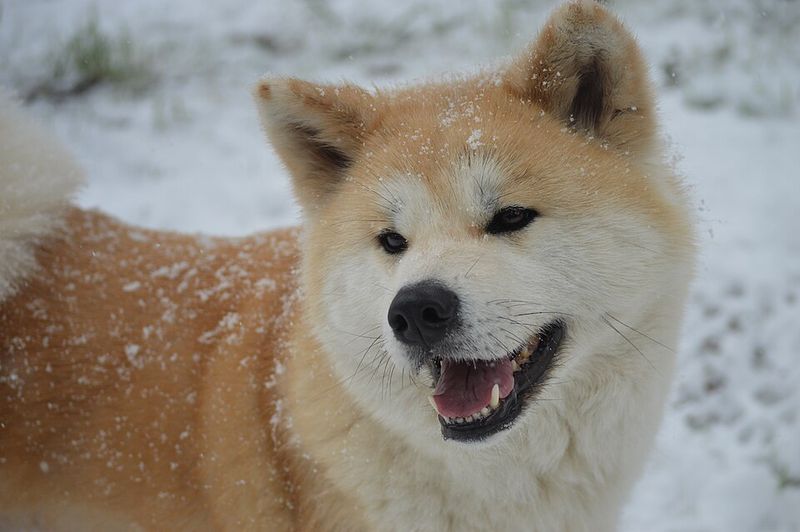
The Akita is dignified, stoic, and discerning, which demands respectful handling and precise routines. Without clear expectations, aloof confidence becomes selective hearing, resource guarding, and tension with unfamiliar dogs.
Calm leadership, neutral socialization, and polished leash skills keep decisions running through you.
You will need strict door manners, structured greetings, and consistent place work to prevent rehearsed standoffs. Food motivation can be subtle, so use varied rewards, including space, choices, and quiet praise.
If you bargain or repeat, the Akita disengages, so be brief, fair, and unwavering with follow through. Routine clarity builds trust while maintaining healthy boundaries that protect both dog and community.
Guard thresholds, practice neutrality around distractions, and reinforce calm choices to shape reliable behavior every day.
Doberman Pinscher
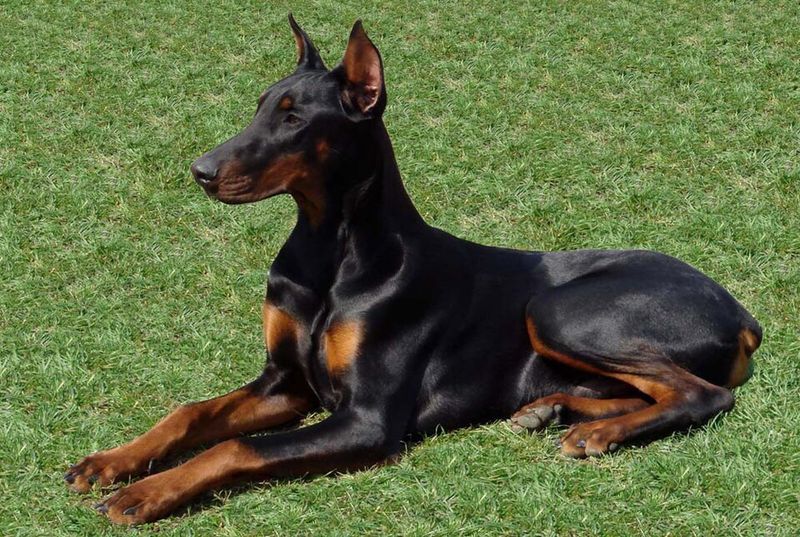
The Doberman Pinscher reads emotions fast and reacts faster, thriving when rules are consistent and simple. Without structure, that sensitivity spirals into anxious pacing, nuisance barking, or pushy protection.
Place training, impulse control, and loose leash skills teach patience and confidence in public.
You will need daily mental work, fair corrections, and generous reinforcement to keep choices clean. Structured fetch, tracking, and obedience drills drain energy and clarify expectations.
If your follow through fades, the Doberman negotiates, so be clear, brief, and consistent every session. Calm body language and predictable routines reduce reactivity and create a steady teammate at home.
Guard doors, rehearse polite greetings, and reward neutrality so confidence replaces edgy excitement around strangers in busy everyday environments too.
Giant Schnauzer
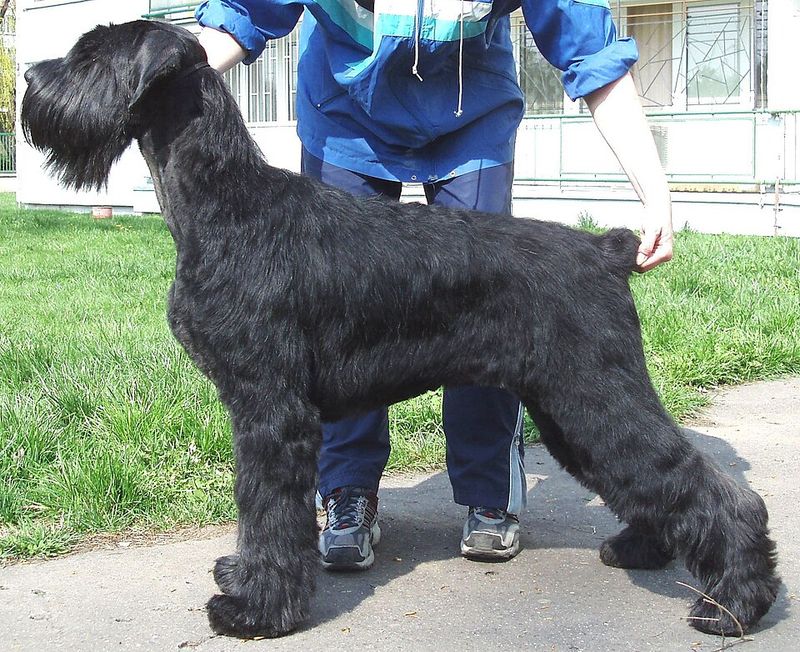
The Giant Schnauzer is bold, bouncy, and mouthy, demanding structure before size and sass take over. Without jobs and manners, this clownish worker becomes a freight train that drags you through decisions.
Place training, doorway control, and settle cues slow the engine and teach patience.
You will need structured play, bite inhibition games, and steady leash work to prevent chaos. Nose work, carting basics, and obedience patterns give purpose and burn steam productively.
If you waffle, the Giant escalates, so keep cues short, reward generously, and end while winning. Consistency turns raw enthusiasm into reliable power, protecting your shoulders and everyone around you.
Hold boundaries at thresholds and furniture, and reinforce calm choices until manners become habits in all contexts.
Weimaraner
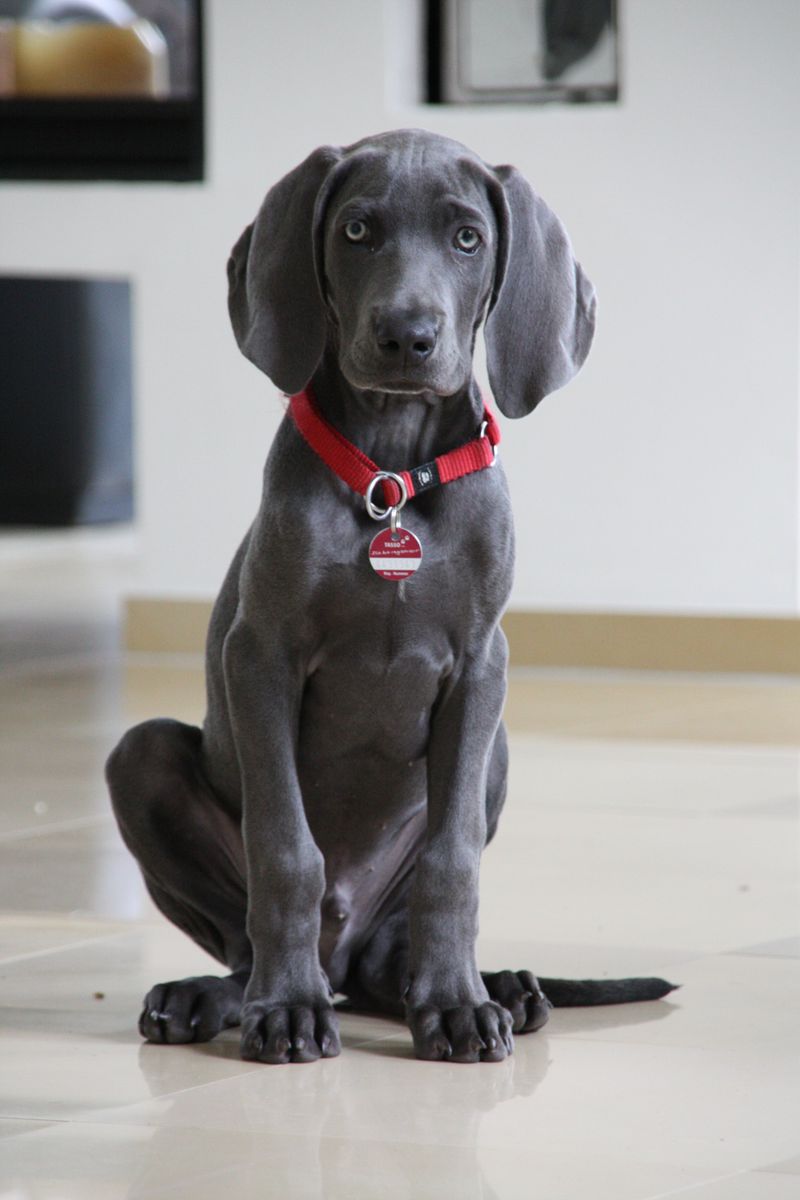
The Weimaraner is sensitive, exuberant, and clever, bonding hard and protesting when rules drift. Without structure, separation issues, counter surfing, and frantic greetings can spiral quickly.
Crate training, place work, and methodical leash skills build independence and settle the nervous system.
You will need predictable routines, scent games, and patient recall practice to reduce panic and bolting. Vary rewards and protect rest windows so arousal does not overwhelm thoughtful choices.
If directions repeat, the Weimaraner’s persistence grows, so be clear, brief, and honest with consequences. Calm leadership, thoughtful enrichment, and steady decompression walks convert sensitivity into durable confidence.
Guard thresholds, ignore dramatic antics, and reward quiet focus until patience becomes the most profitable habit in your home every single day.
Jack Russell Terrier

The Jack Russell Terrier is explosive, brilliant, and independent, thriving on clarity and constant projects. Without direction, you get hole digging, critter chasing, and relentless barking at shadows.
Place training, impulse games, and long line recalls turn energy into choices you can live with.
You will need tug rules, sprint sessions, and food puzzles to reduce chaos between adventures. Teach calm on cue, protect rest, and be ruthless about door manners and thresholds.
If you soften rules, this terrier freelances, so keep expectations crisp, rewards rapid, and corrections fair. Consistency builds a capable teammate who channels intensity into games you start and finish together.
Loose boundaries invite conflict with neighbors and pets, while clarity preserves harmony and fun over time.
Dutch Shepherd
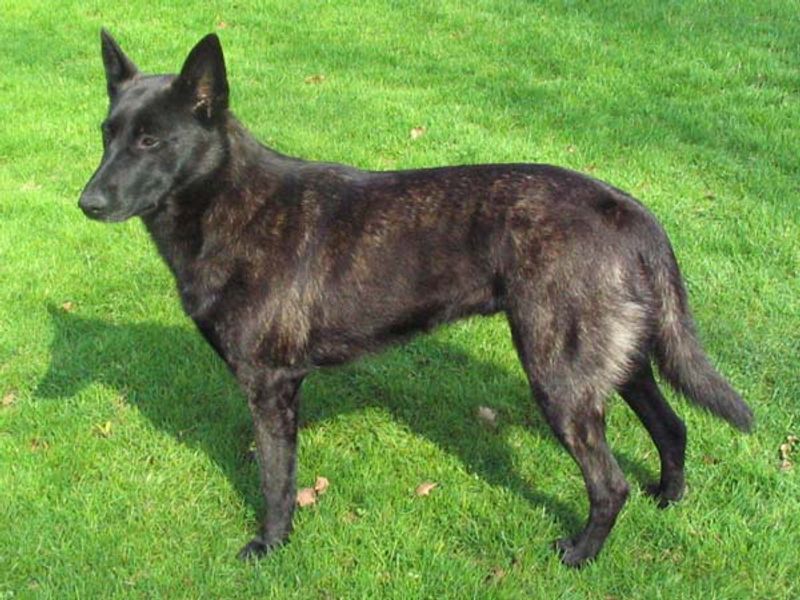
The Dutch Shepherd is agile, intense, and analytical, craving work and testing soft, shifting guidelines. Without structure and decompression, arousal spikes into spinning, nipping, and suspicious reactivity.
Clear markers, clean releases, and methodical heelwork give the brain productive rails.
You will need layered obedience, scent games, and strong boundaries around doors, windows, and fences. Daily tug with rules, retrieve drills, and off switches build resilience and self control.
If you hesitate or ramble, the Dutch takes charge, so be precise, calm, and timely. Neutral social skills matter, so pay for composed behavior and prevent unnecessary confrontations.
Clarity turns intensity into elegant work that shines in sport, detection, and everyday life, with reliable choices under pressure from real world distractions daily.
Shiba Inu
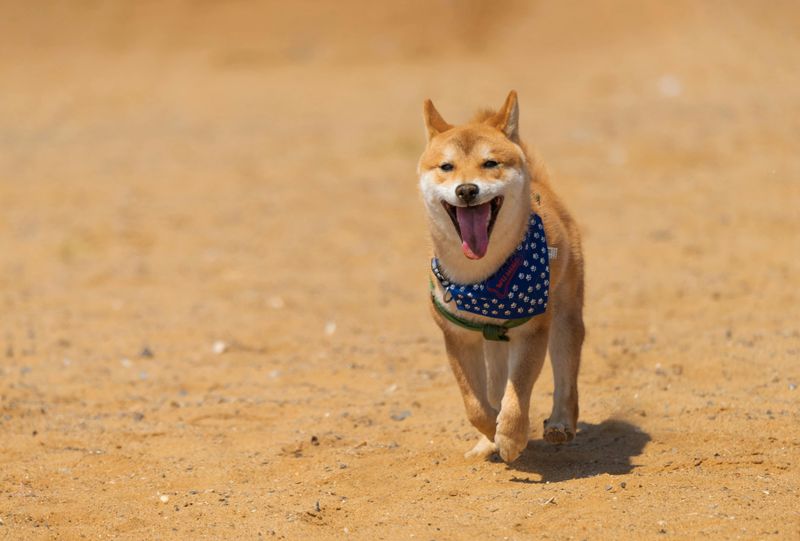
The Shiba Inu is tidy, witty, and self directed, often questioning requests that lack meaning. Without clear routines, leash frustration, door dashing, and selective hearing show up fast.
Calm handling, harness skills, and respectful boundaries encourage cooperation without arguments.
You will need high value food, strategic silence, and predictable structure to earn buy in. Teach cues like look, leave it, and wait, then protect quiet recovery time.
If you nag, the Shiba tunes out, so be concise, patient, and consistent with follow through. Reinforce polite greetings and neutral stances to prevent rehearsed spats with pushy dogs.
Clarity preserves the quirky charm while turning independence into reliable, respectful partnership at home through steady routines and thoughtful rewards over long periods together.
Rhodesian Ridgeback
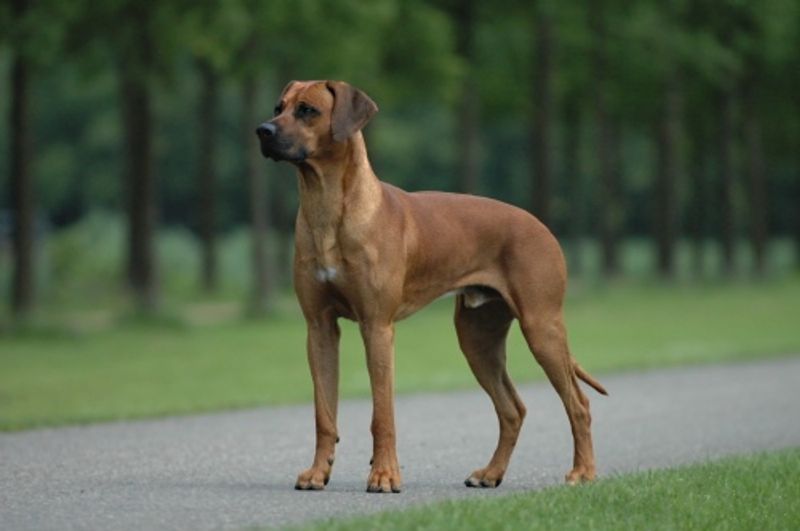
The Rhodesian Ridgeback is athletic, stoic, and willful, built for endurance and independent choices. Without boundaries and jobs, hunting instincts surface as selective hearing, chasing, and door pressure.
Place work, leash skills, and long line recalls maintain connection when distractions explode.
You will need patient repetition, strong rewards, and protected decompression to keep arousal manageable. Teach off switches after sprints, practice neutrality, and guard thresholds to prevent rehearsed arguments.
If you waffle, the Ridgeback votes no, so be steady, brief, and fair every time. Clarity and consistency turn intensity into dependable companionship on trails, at cafes, and at home.
Reward calm observation of wildlife and practice leave it until control becomes automatic in varied places during different seasons and times.
German Shepherd
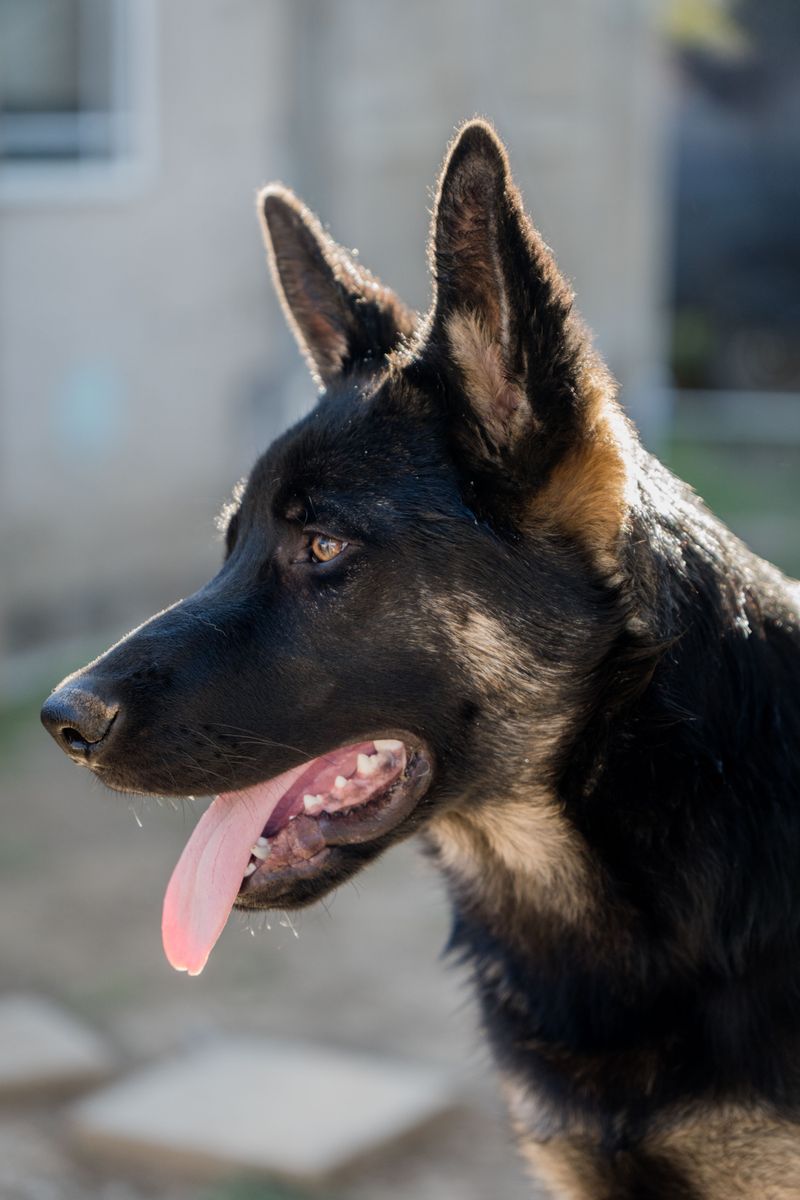
The German Shepherd is versatile, sensitive, and driven, flourishing under clear systems and steady leadership. Without boundaries, that intelligence fuels reactivity, pacing, and pushy protection based on guesswork.
Balanced training, structured socialization, and leash skills create confidence in noisy, crowded environments.
You will need methodical obedience, clear markers, and decompression to prevent spiraling arousal. Scent work, tracking, and precise retrieves build focus and satisfy the working brain.
If your plan slides, the Shepherd improvises, so be consistent, fair, and timely with feedback. Reward neutrality near dogs and people, and practice down stays that resist constant scanning.
Clarity transforms intensity into serviceable power, delivering reliable behavior at home, in sport, and work across unpredictable environments with confidence built through daily practice.