
Some dogs treat every new face like a reunion, and others prefer a tight circle with strong boundaries. If you have ever wondered which breeds fall on each side, you are in the right place.
You will meet the social butterflies that charm a whole block and the guardians that keep their circle small. Ready to see where your favorite pup lands and why it matters for your lifestyle and training approach?
Labrador Retriever
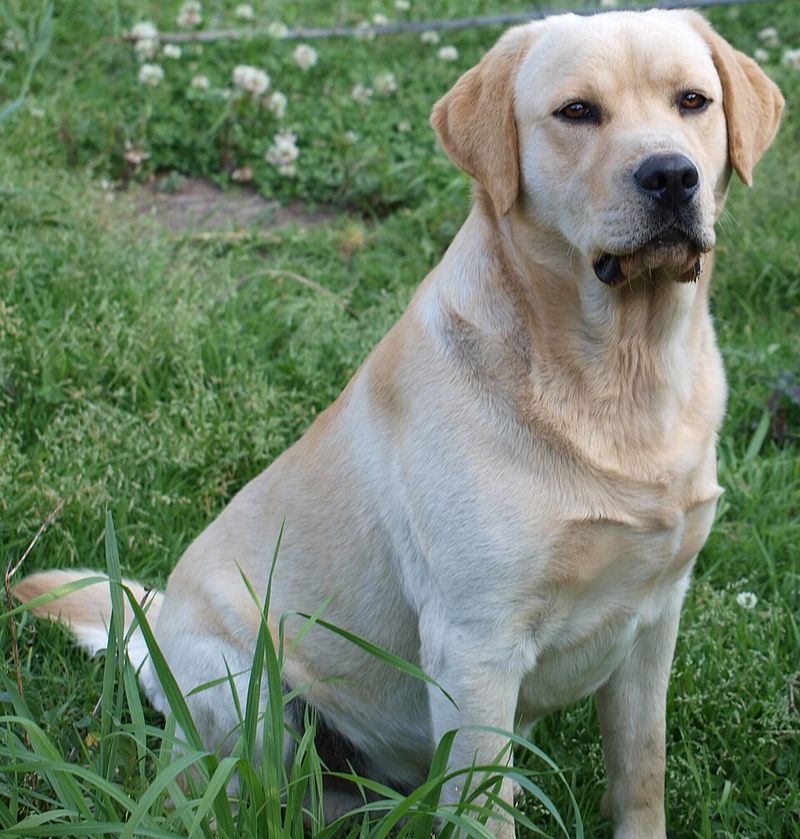
Labrador Retrievers greet strangers like long-lost neighbors, tails helicoptering before you even bend to say hello. They read rooms with cheerful ease, offering toys, leaning into legs, and making awkward introductions feel warm and simple.
If you want a dog that assumes every park bench holds a friend, a Lab practically hands out welcome brochures.
Of course, that sunny vibe needs outlets, so daily fetch, swims, and training keep greetings polite rather than chaotic. Labs also love snacks, so reinforce calm sits and gentle paws before they barrel toward someone carrying a sandwich.
Give them purpose with retrieves and nose-work, and this ambassador stays friendly, balanced, and wonderfully easy to bring everywhere. Their kindness shines brightest with thoughtful boundaries each.
Golden Retriever
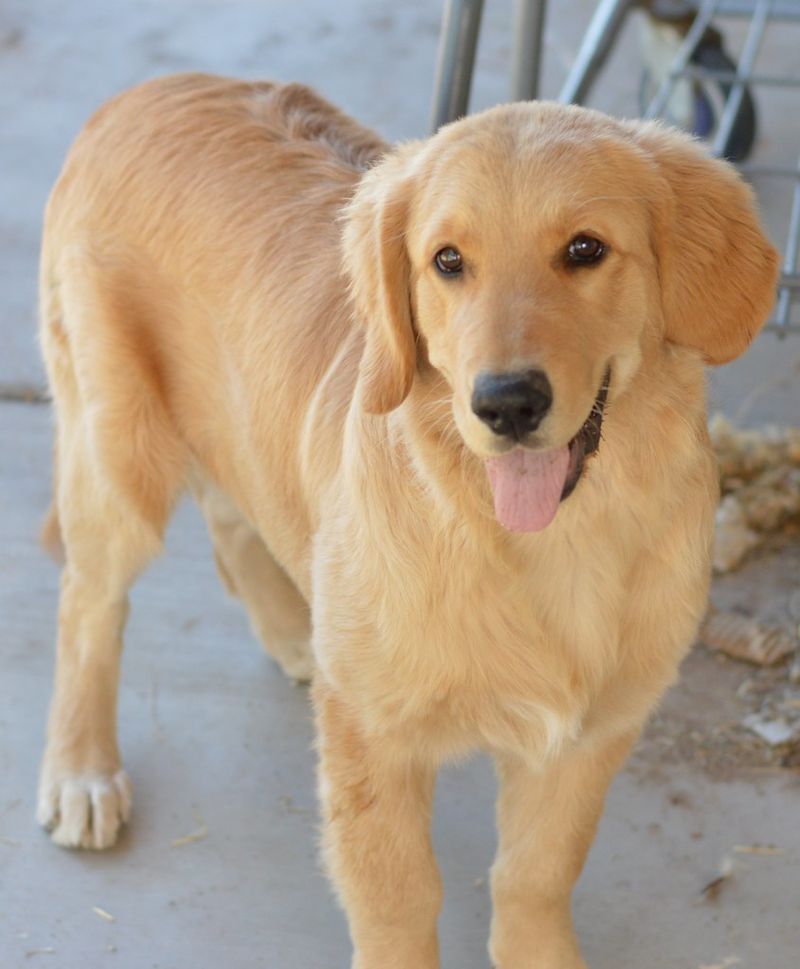
Golden Retrievers seem powered by sunshine, greeting neighbors, delivery drivers, and visiting relatives with heartfelt enthusiasm. They are famously patient with kids, often lying gently at feet, sharing toys, and soaking up hugs like living teddy bears.
Goldens crave connection, so they look to you for cues, then brighten every room with that trademark grin.
Channel their friendliness through structured play, impulse-control games, and regular exercise to prevent jumpy greetings. Teach a polite sit-and-wait before saying hello, rewarding with praise, pets, and an occasional treat.
Social by nature, they still benefit from early exposure to varied people and places. When their minds are engaged and needs met, they become the neighborhood’s favorite host, always gracious, calm, and sincerely welcoming.
Samoyed
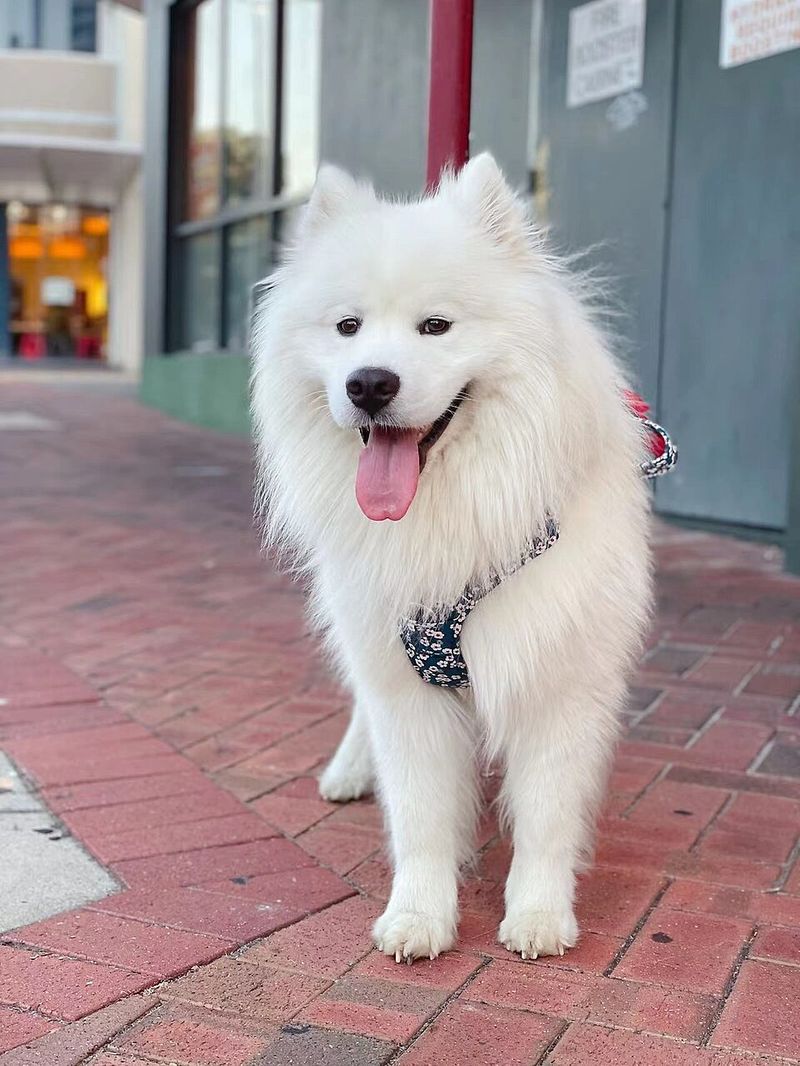
Samoyeds carry that famous Sammy smile, and they mean it. These social butterflies adore attention, often trotting over just to share their cloudlike coat and cheerful presence.
They thrive when included in adventures, greeting friendly strangers as if everyone has been on the sled team together forever.
Because enthusiasm can bubble over, consistent leash manners and calm greetings matter. A quick sit, eye contact, and reward turns bouncing into polite charm.
Regular grooming sessions double as bonding time, reinforcing handling comfort with new people at the groomer or vet. Provide brain games and purposeful exercise to channel energy productively.
When their needs are met, that radiant grin becomes contagious, pulling smiles from neighbors, hikers, and anyone lucky enough to say hello.
Beagle
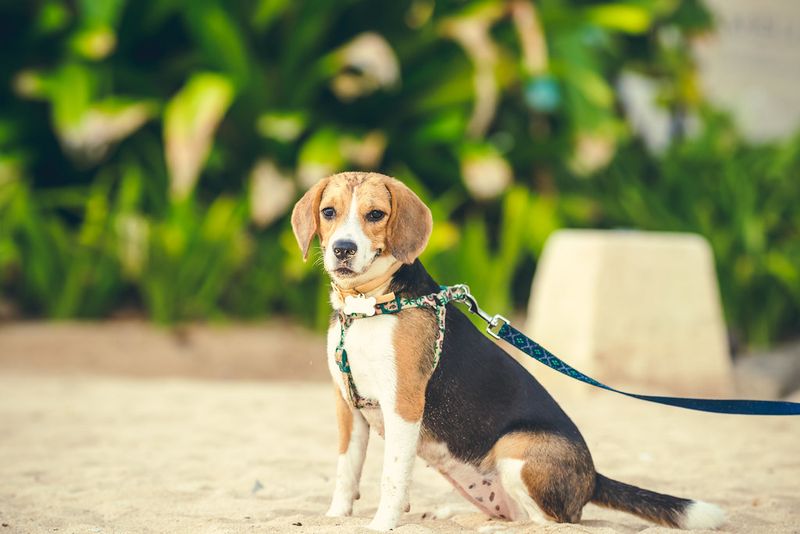
Beagles make friends through their noses first, following interesting scents right into the orbit of new people. Their merry disposition and signature bay can turn a simple walk into a social event.
With kids and visitors, they are typically gentle, eager to share sniff reports and couch space alike.
Structure helps. Teach a check-in cue and short settle sessions between greetings, because distractions are everywhere for a scent hound.
Puzzle feeders, nose-work games, and long sniffy walks satisfy curiosity, lowering impulsive door-dashing to hail the next pal. Reward calm behavior consistently, and their natural friendliness becomes easy to manage.
With fair boundaries, a Beagle will charm your block, your vet’s office, and every treat jar within earshot of that cheerful voice.
Boxer
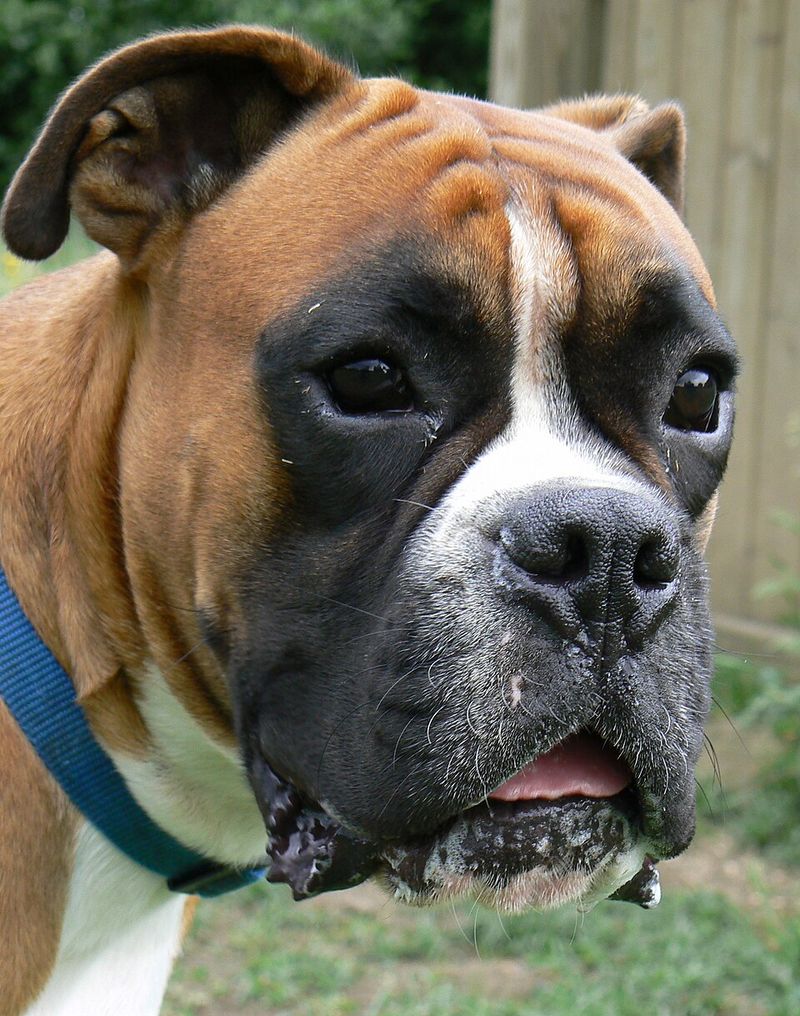
Boxers are joyful clowns, wiggling from nose to nub when new friends appear. Expect play bows, goofy antics, and a contagious zest that melts tension on the sidewalk.
Their expressive faces seem to say come play, making them excellent companions for active households and social owners.
That exuberance needs channeling. Short training bursts, impulse games like wait and go, and daily exercise keep greetings polite.
Reward sits and four-on-the-floor before pets or playtime. Boxers love routines with people, so structured meet-and-greets help them succeed.
Early socialization builds confidence and teaches them how to modulate energy. With outlets for bounce and brain, your Boxer becomes the upbeat neighbor who brightens mornings, rain or shine, while respecting space and cues.
Irish Setter
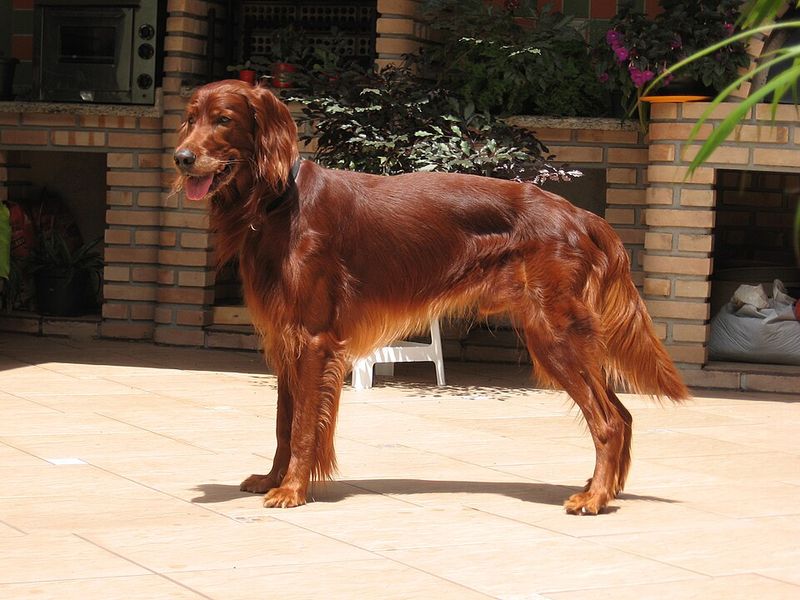
Irish Setters sweep into social scenes like living exclamation points, all feathers and smiles. They adore people, often choosing the nearest lap or laughing friend over nearly anything else.
Spirited and affectionate, they make quick connections, adding sparkle to outings from cafes to trailheads.
Enthusiasm can overtake manners, so practice calm sit-stays before greetings and reinforce polite leash walking. Daily runs and retrieval games help them listen even when excitement spikes.
Early exposure to novel environments encourages focus amid distractions. Reward engagement with you, and the Setter’s people-first heart stays centered and responsive.
With enough exercise, brushing, and mental play, they become charming companions who greet the world with optimism, yet settle gracefully when you ask for space and quiet.
Havanese
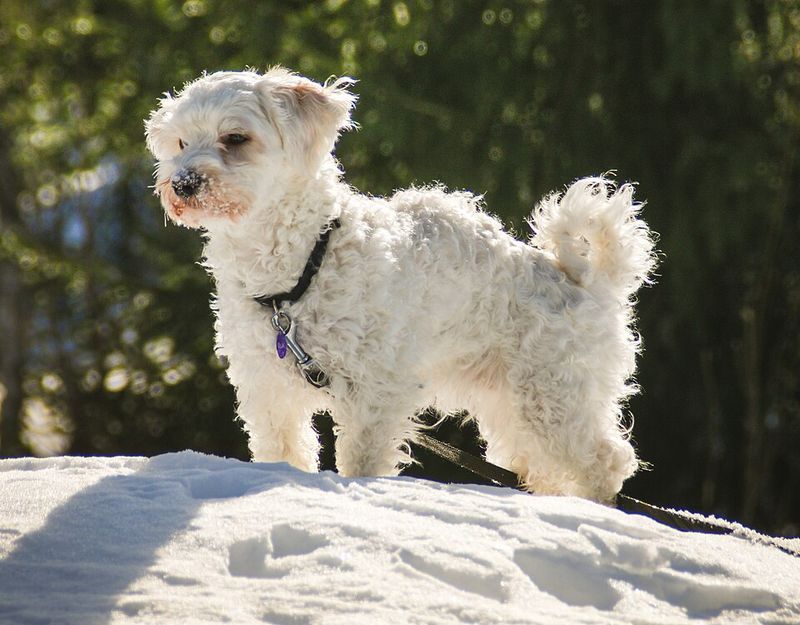
Havanese are social lap comedians, turning everyday errands into miniature meetups. Light on their feet and eager to charm, they offer soft eye contact, gentle greetings, and an uncanny sense of timing with strangers.
Their portable size and adaptable nature make them excellent city companions who love conversation and cuddles.
To keep friendliness polished, teach a comfy mat settle and reward quiet focus around new people. Short play bursts and clicker training build confidence without overstimulation.
Regular grooming also doubles as social practice, teaching cooperative care with groomers and vets. Provide puzzle toys and brief, frequent walks to maintain balance.
When guided with kind structure, the Havanese becomes a cheerful ambassador, equally happy on laps, patios, and friendly sidewalks packed with smiling admirers.
Flat-Coated Retriever
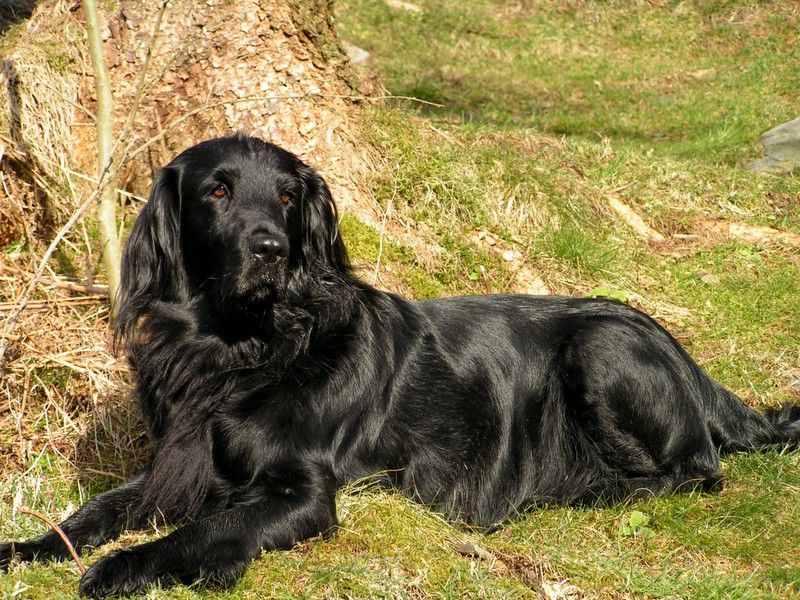
Flat-Coated Retrievers carry an eternal-optimist vibe, greeting people like old camp counselors welcoming you back to the lake. Friendly, playful, and energetic, they bond quickly and thrive on shared adventures.
Their zest makes them magnetic in public spaces, often inspiring strangers to stop and smile.
With that enthusiasm comes responsibility. Build impulse control with games that swap excitement for focus, like sit-release and hand target touches.
Ensure generous exercise and meaningful retrieves to soothe the fidgets. Socialization should be steady, rewarding calm behavior near novel people and places.
Grooming sessions reinforce handling comfort, ideal for vet visits and travel. When needs are met, the Flat-Coat’s big heart shines, delivering buoyant hellos while respecting cues, personal space, and your plans.
Boston Terrier
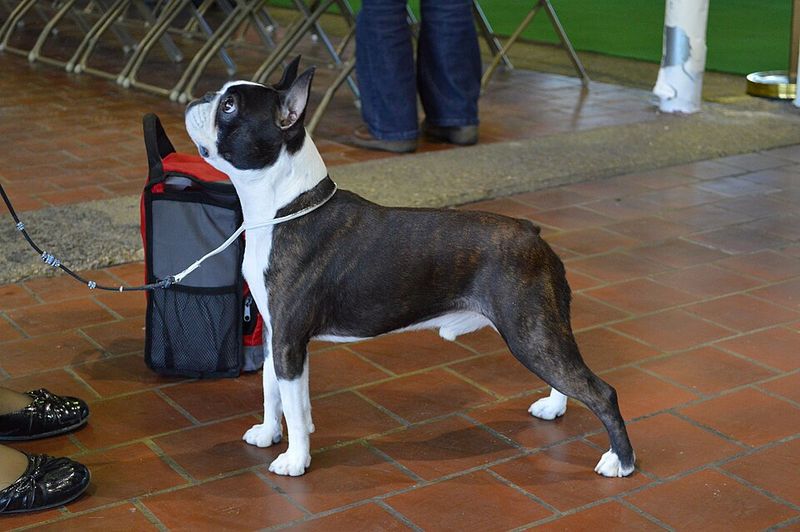
Boston Terriers are compact extroverts with witty expressions and a ready-for-friends posture. They relish attention, often sitting neatly to request a hello or hopping into a play bow when the vibe is right.
That social ease makes them delightful city dogs who collect admirers block by block.
Keep greetings tidy with a clear sit for pets rule, rewarding with gentle praise and treats. Short training bursts suit their attention spans, while nose games and tug redirect energy.
Monitor heat and excitement, since brachycephalic friends need moderated activity. Early socialization smooths encounters with visitors, kids, and friendly dogs.
With consistent boundaries, your Boston’s charm remains effortless, friendly, and respectful, turning crowded sidewalks into cheerful parades without losing manners in the moment.
English Springer Spaniel
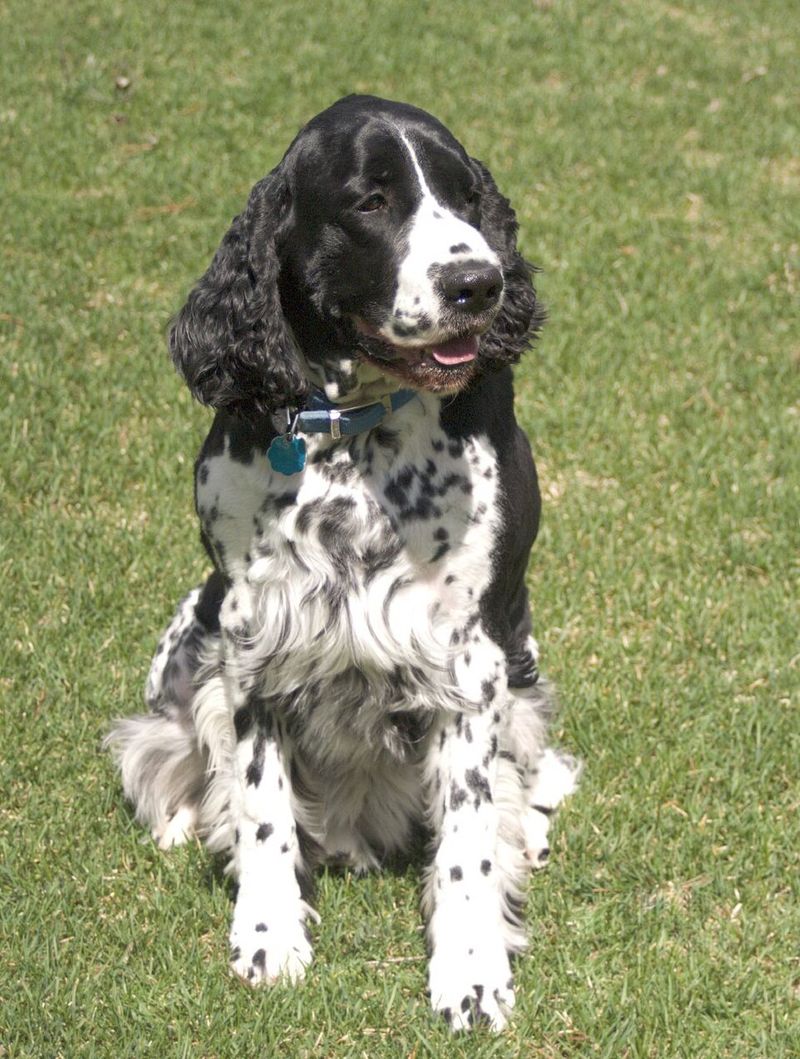
English Springer Spaniels bring warm enthusiasm to every introduction, offering soft eyes and ready-to-work focus. Bred to partner with people, they read cues quickly and aim to please, which translates to gentle, welcoming greetings.
Their upbeat nature suits families who enjoy outdoor time and steady companionship.
To balance friendliness, provide daily exercise, sniffing opportunities, and brief training sessions. A sit, watch, and greet routine can prevent jumping when visitors arrive.
Socialization should include calm exposure to different handling, sounds, and surfaces. Keep their minds busy with retrieval games and basic field-style drills for satisfying purpose.
When energy is well managed, Springers shine as thoughtful hosts, equally ready for muddy adventures and fireside snuggles, greeting newcomers respectfully without losing that sparkling spirit.
Newfoundland
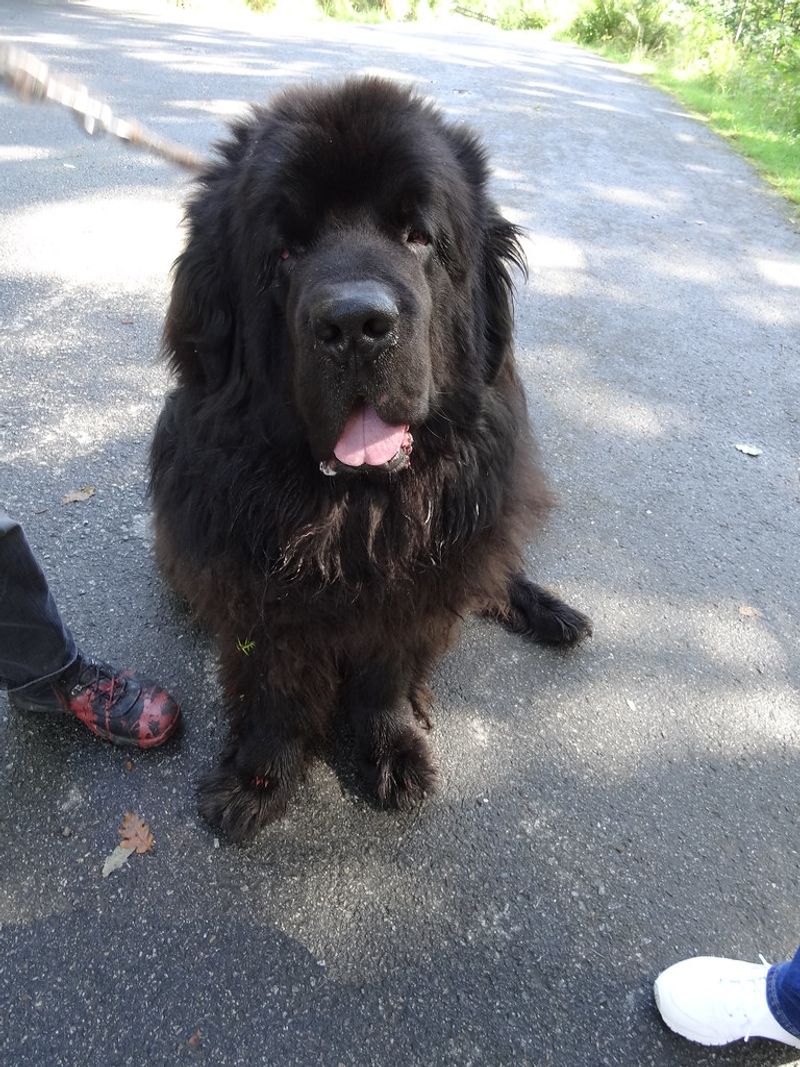
Newfoundlands are gentle giants with a guardian angel vibe, greeting people with soft patience rather than fireworks. Their kindness shows in careful steps around kids and a steady willingness to offer a comforting lean.
These dogs often win hearts by simply existing like a living weighted blanket.
Because of their size, manners matter. Teach polite sits for greetings, relaxed leash work, and a reliable leave-it for sandwich rescues.
Regular swims and structured strength-friendly exercise keep joints happy and minds calm. Socialization should be slow and positive, rewarding soft eyes and steady pacing.
When respected for their thoughtful tempo, Newfs become beloved community members, embodying quiet friendliness and calm assurance that reassures strangers, neighbors, and anyone grateful for a peaceful hello.
Akita
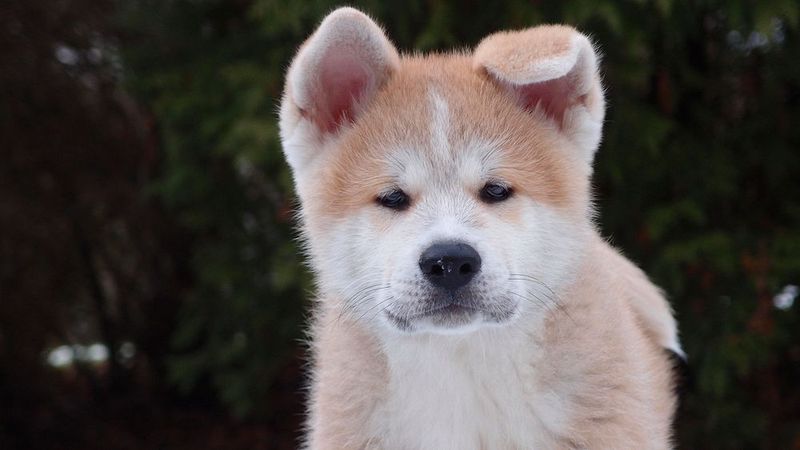
Akitas are deeply loyal and discerning, often reserving true affection for their inner circle. With strangers, they can be polite yet aloof, preferring observation to spontaneous hellos.
That dignified distance is not unkind, but it does require handlers who respect boundaries and advocate for space.
Early socialization is essential, focusing on neutrality rather than forced friendliness. Teach rock-solid obedience, especially place, heel, and leave-it, to maintain calm in public.
Clear routines and mental work prevent boredom-fueled mischief. Because of their size and conviction, professional guidance helps channel confidence responsibly.
When you honor their nature and provide structure, an Akita becomes a steadfast guardian, affectionate at home and composed outside, choosing respect over chit-chat and maintaining safety for everyone.
Chow Chow
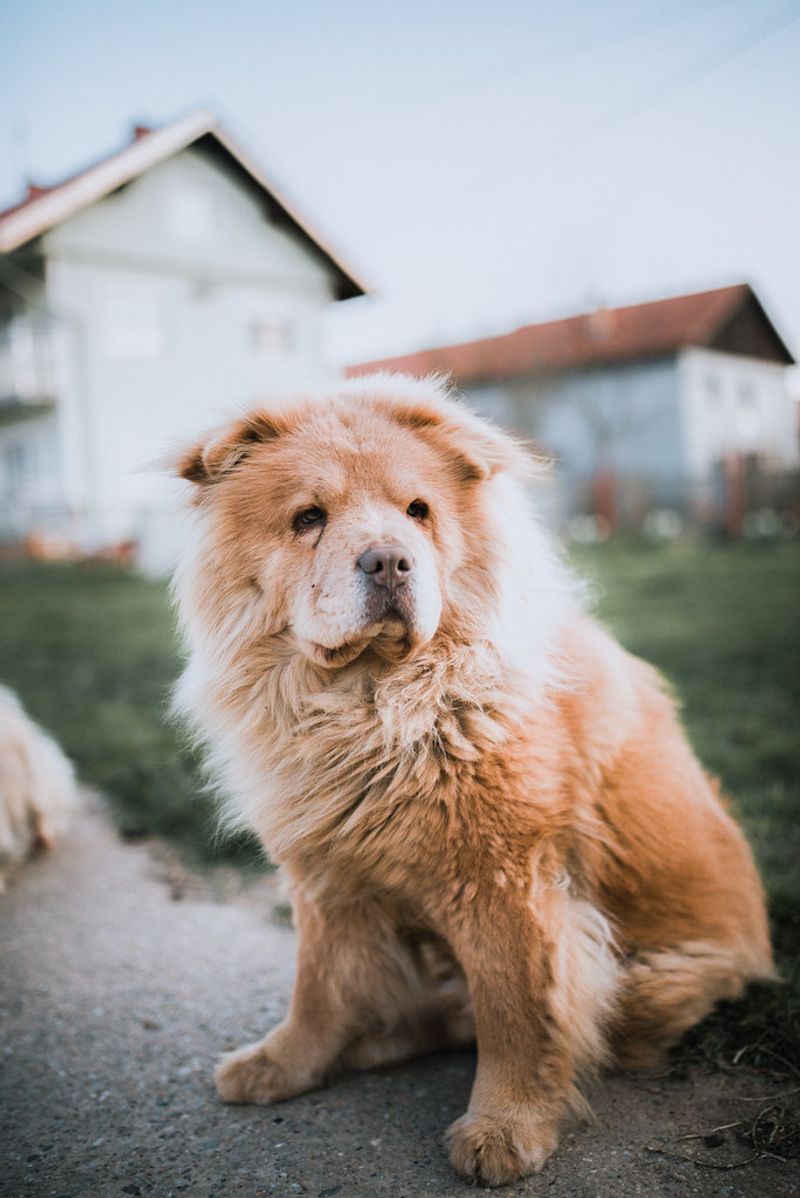
Chow Chows are independent and reserved, often greeting strangers with quiet watchfulness rather than wagging enthusiasm. They bond closely with family yet value personal space, preferring calm routines over busy social calendars.
Their seriousness can surprise people expecting a teddy bear temperament from the fluffy exterior.
Respectful handling is crucial. Early, positive exposures should emphasize neutrality, cooperative care, and predictable patterns.
Teach visitors to let the Chow approach first, and reward relaxed body language. Obedience work, impulse control, and enrichment keep minds engaged without over-arousal.
With thoughtful boundaries and patient training, a Chow becomes a dignified companion who trusts slowly and deeply, prioritizing calm over chatter. They are not unfriendly, just selective, and that discernment deserves understanding.
Tibetan Mastiff
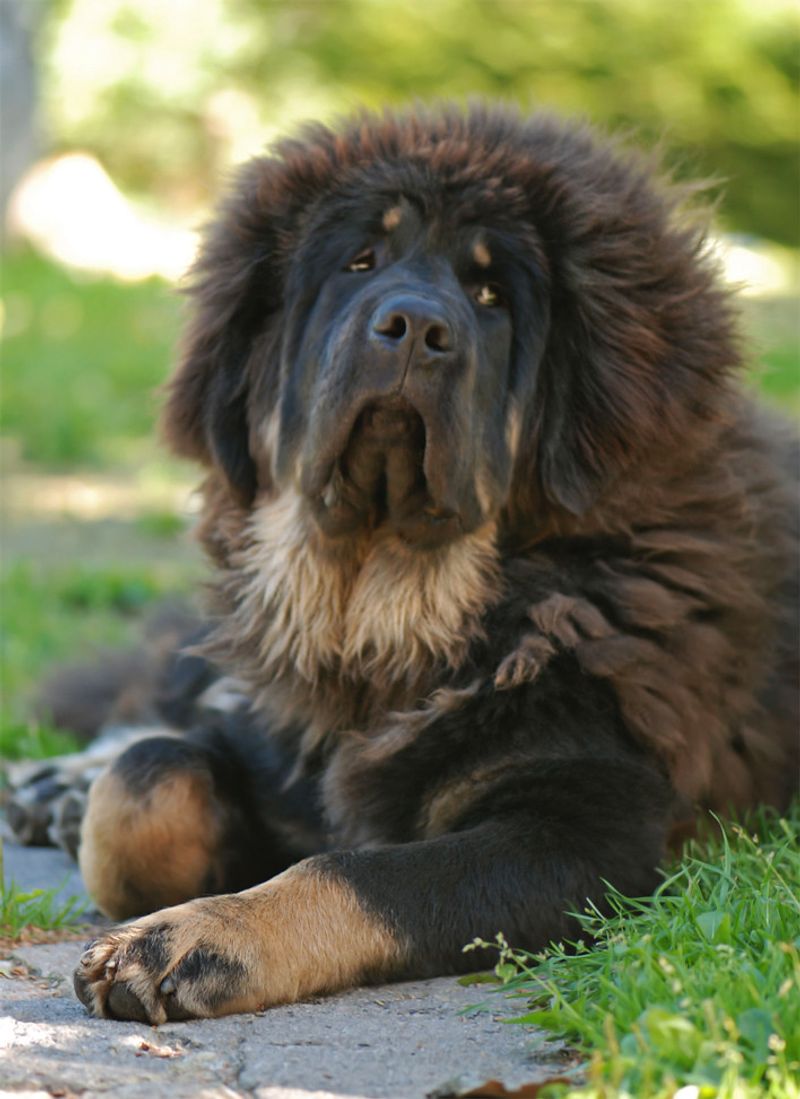
Tibetan Mastiffs are ancient guardians, bred to protect property and family with decisive presence. With strangers, they are wary, preferring distance and quiet assessment over casual greetings.
Their loyalty runs deep, and they take responsibility seriously, especially at home during nighttime hours.
Experienced handling is essential. Focus training on recall, boundary awareness, and rock-solid management at doors and gates.
Early, careful socialization should prioritize neutrality in public and confident, calm behavior under threshold. Provide secure fencing, mental challenges, and predictable routines to prevent frustration.
This is not a dog for busy social agendas, but with respect and structure, they become profoundly devoted companions. Their version of love is protection, not small talk, and that role deserves preparation.
Caucasian Shepherd
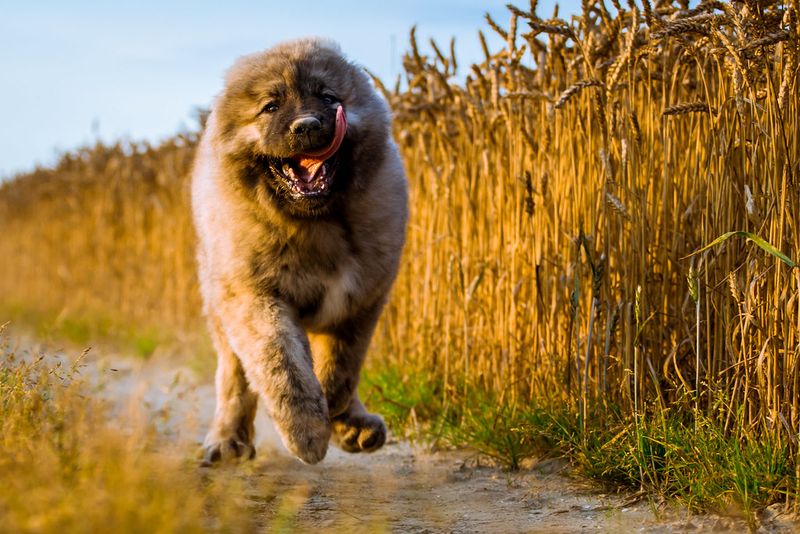
The Caucasian Shepherd is a formidable livestock guardian, bred for independent decision-making and territorial defense. With strangers, expect suspicion, not social play, especially near home.
Their allegiance centers on family and property, and they react decisively if they perceive a threat or breach of boundaries.
Only experienced handlers should consider this breed. Early socialization is about stability and neutrality, not friendliness.
Management must be excellent, including strong fences, leashes, and structured introductions. Prioritize impulse control, reliable obedience, and calm exposures to varied environments.
Provide meaningful work and enrichment to satisfy their serious mind. When respected and responsibly guided, they become steadfast protectors who keep circles small.
Their purpose is safety, and honoring that purpose keeps everyone secure and understood.