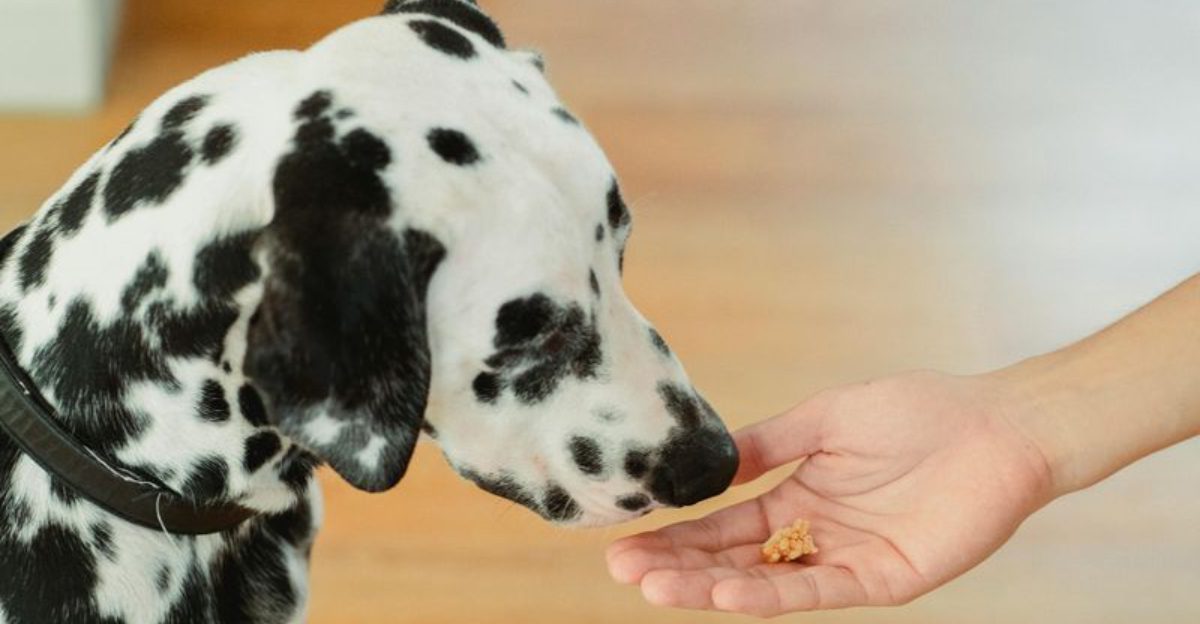
Your dog has a lot to say, but constant barking can rattle your nerves and your neighbors. The good news is you can turn noise into calm with small, practical changes that fit real life.
These proven tips help you reward what you want, manage triggers, and teach rock solid skills. Grab a treat pouch and let’s build quiet, one easy win at a time.
Reward quiet behavior consistently
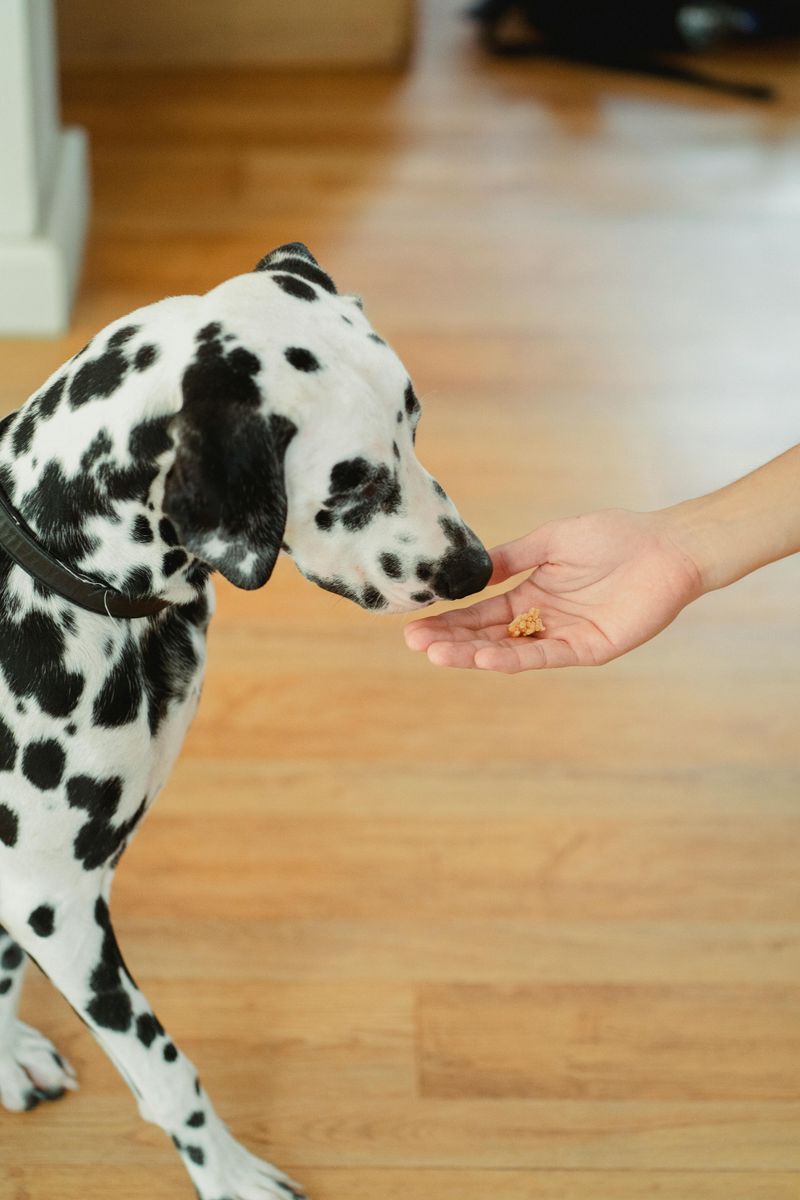
Quiet rarely happens by accident. Catch your dog being calm, even for a second, and immediately mark it with a cheerful yes or a click.
Follow that up with a tiny treat, gentle praise, or access to something they want.
Repeat dozens of times a day so your dog learns quiet equals good things. If barking starts, wait for a brief pause, then reward the silence, not the noise.
Keep treats stashed around the house, and ask family to join, so consistency turns quiet into a reliable habit.
Use a marker word to be precise. Pair it with calm body language and a relaxed breath to avoid amping your dog.
Over time, fade food gradually and let life rewards, like greeting visitors, carry the training.
Increase daily exercise
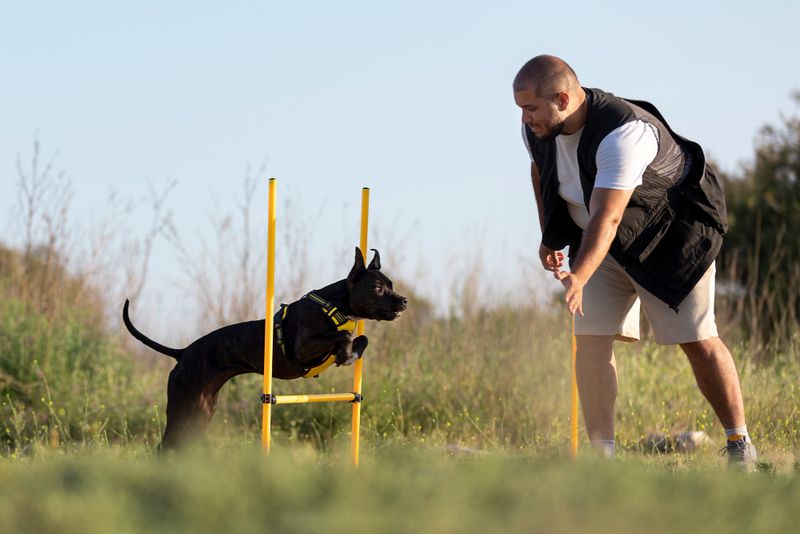
A tired brain barks less. Build a steady routine of brisk walks, sniffaris, and short play bursts that match your dog’s age and breed.
Ten extra minutes of fetch, a hill climb, or a flirt pole session can drain jumpy energy fast.
Mix aerobic work with decompression. Let your dog sniff freely on a long line, then sprinkle in structured heelwork for focus.
When you return home, offer water, a cool rest spot, and a chew to ease the transition from arousal to calm.
Track minutes and intensity for a week to see patterns. If barking dips after morning movement, shift more activity earlier.
On hot days, trade running for swimming or scatter feeding indoors, keeping joints safe while meeting your dog’s need to move.
Add mental stimulation games
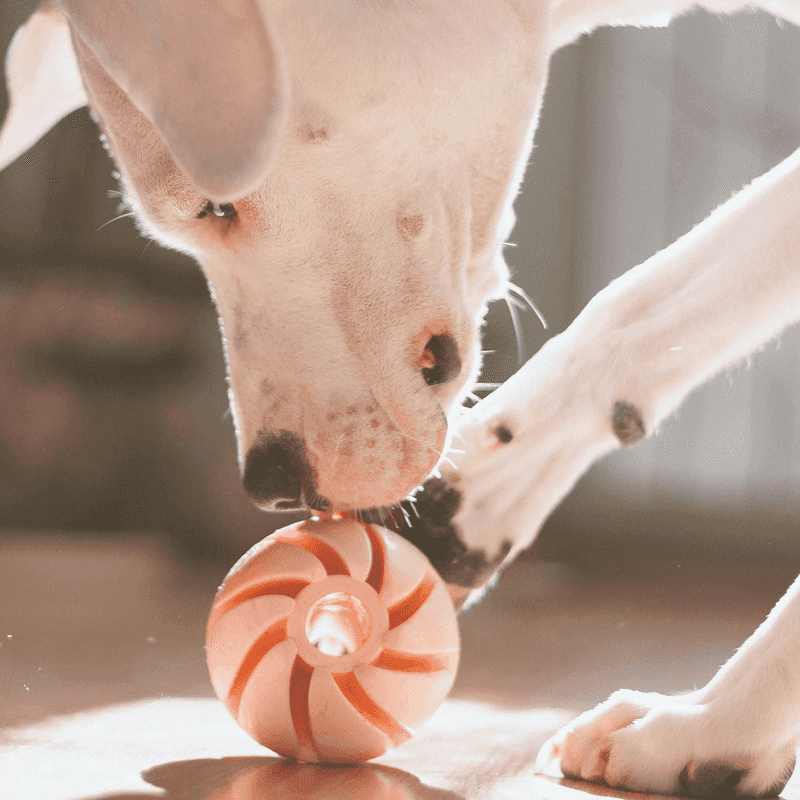
Busy minds get quiet mouths. Rotate puzzle feeders, snuffle mats, and cardboard box shredding to keep curiosity satisfied.
You can even hide kibble in folded towels or recycle bottles for a supervised treat hunt that burns energy without wild zoomies.
Teach simple scent games. Start with three cups, place food under one, and let your dog search, then celebrate the find.
As skill grows, scatter a few pieces of dog treats around a room, or lay a short track outside to build confidence.
If barking pops up, lower the difficulty immediately. Keep sessions short, end on success, then offer a calm chew to settle.
Track favorite games so you can match the right challenge to your dog’s mood.
Avoid shouting back at barking
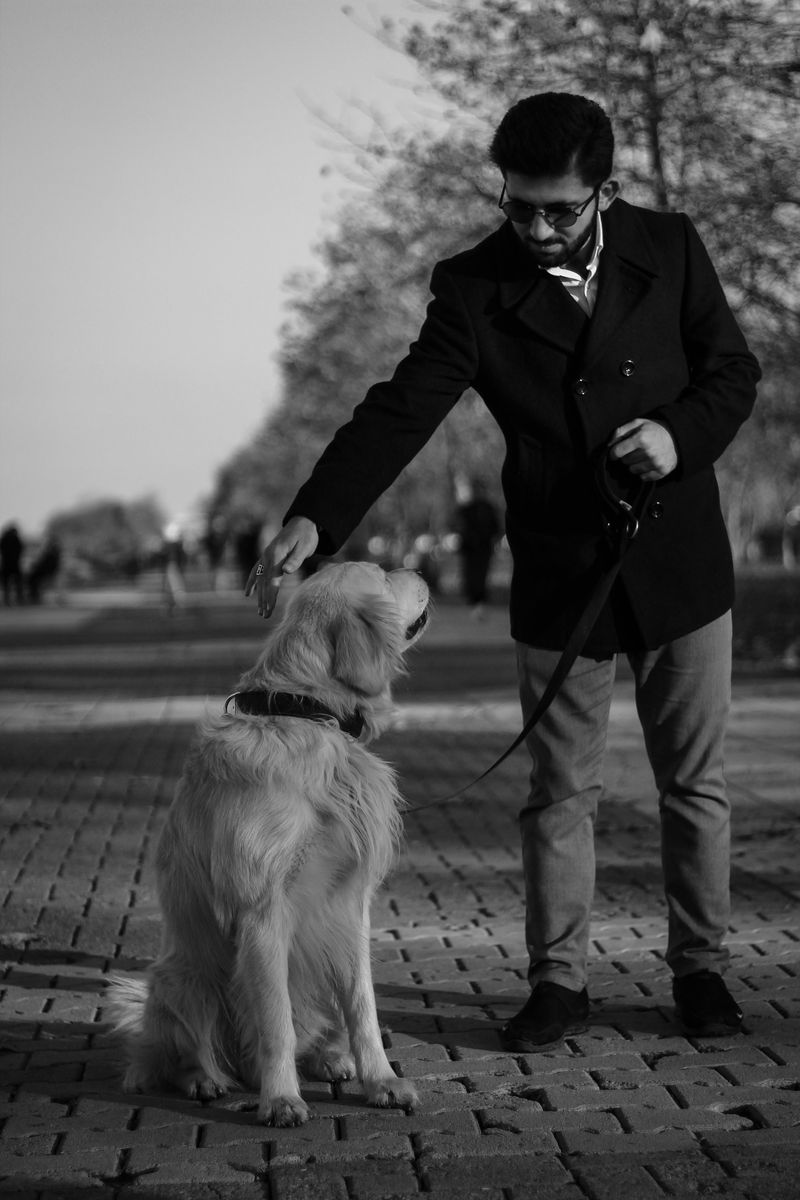
Shouting sounds like barking to dogs. When you yell, you may join the chorus and escalate the noise.
Instead, take a breath, soften your voice, and move your body in a calm, slow way that signals safety.
Use management first. Create space from the trigger, close a door, or guide your dog to a mat and feed a few slow treats.
If needed, turn on white noise or step outside briefly to reset, then return with a training plan.
Practice your quiet cue in low stress moments so you are ready when excitement hits. Keep your tone neutral, your movements small, and your timing thoughtful.
Calm leadership helps your dog borrow your confidence instead of feeding the frenzy.
Identify barking triggers

Patterns reveal the why. Track when, where, and how long barking happens, then note sights, sounds, and routines around each episode.
Often a delivery truck, door knock, school bus, or even your phone alarm is the hidden start button.
Once you spot triggers, create distance and teach alternative behaviors. For window alerts, cue a hand target to pivot away.
For hallway echoes, toss a treat scatter, then practice a quiet settle on a mat while the environment keeps moving.
Change one thing at a time so results are clear. Use a simple log or phone notes to track progress, then adjust.
With the right data, you can predict hot moments, act early, and show your dog there is a calmer path available.
Use white noise when appropriate
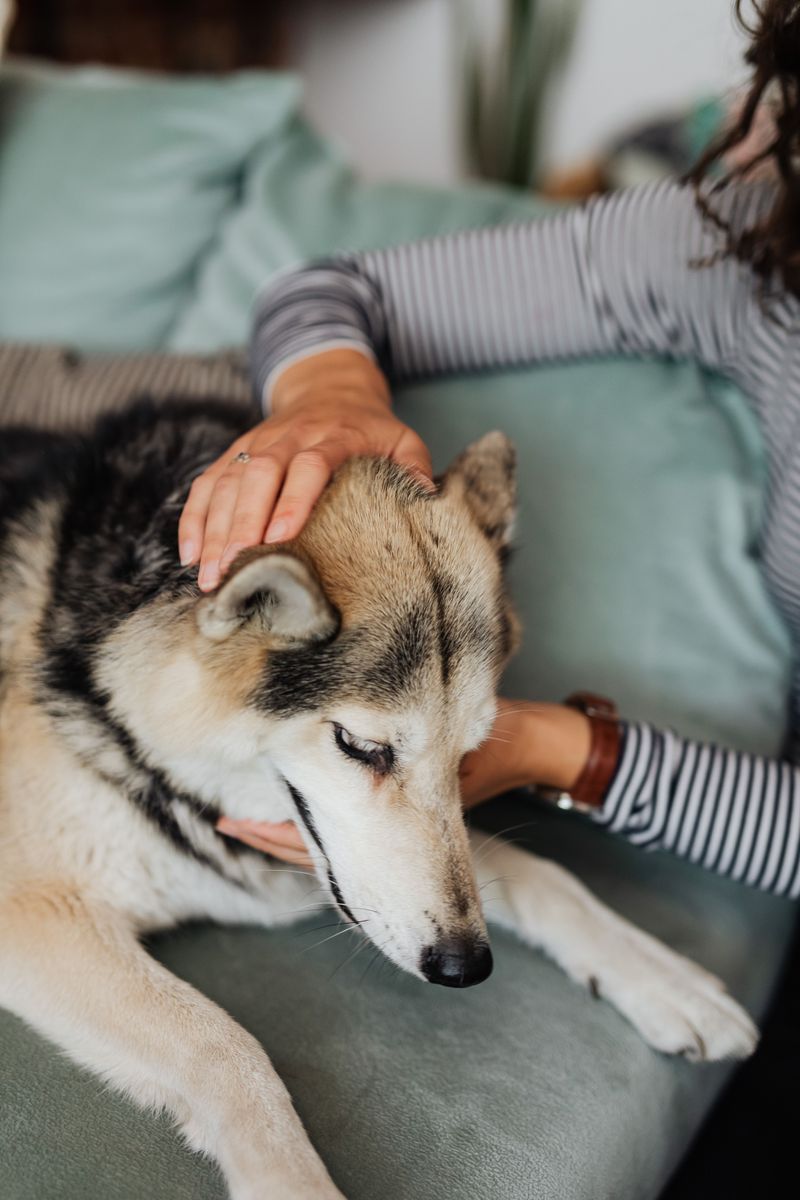
Some sounds are harmless, yet they flip the bark switch. White noise or brown noise can blur those triggers and lower arousal at key times.
Try a fan, sound machine, or a playlist designed to mask door traffic and hallway clatter.
Pair the sound with relaxation. Hand your dog a stuffed Kong, settle on a mat, and breathe slowly so your body cues calm.
Start at low volume, then nudge it up just enough to soften sharp noises without startling sensitive ears.
Use it predictably during mail deliveries, kids’ arrival, or apartment cleaning hours. Turn it off during training so your dog can hear your cues clearly.
Over weeks, your dog may relax faster because the background hum promises nothing important is happening.
Teach a reliable “quiet” cue
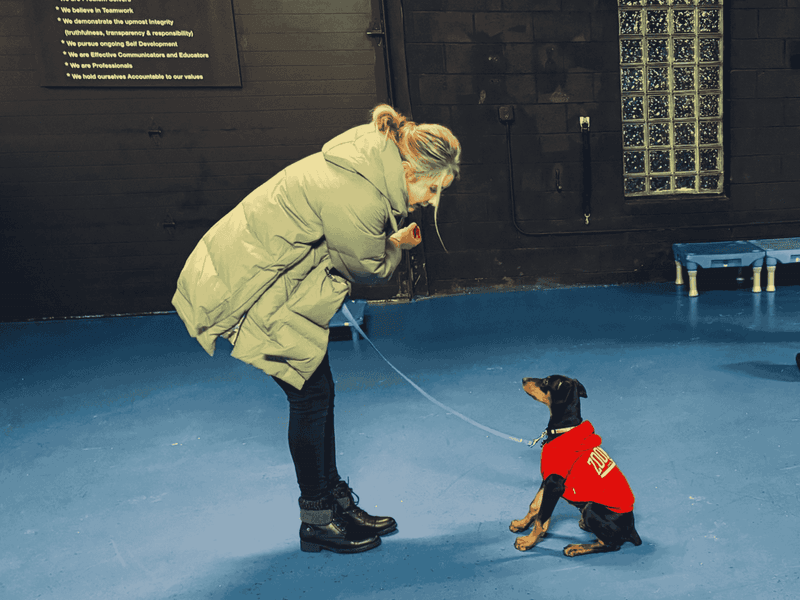
Choose a unique word like quiet, peace, or enough. First, wait for a natural pause, say the cue once, then feed a treat near your dog’s nose to reinforce stillness.
Repeat calmly so the word predicts good things when the mouth closes.
Next, add tiny challenges. Create distance from a trigger, ask for quiet, then reward quickly.
If barking resumes, reset, reduce the challenge, and capture the next silence so your dog learns that responding to the cue is the fastest path to pay.
Avoid repeating the cue. Say it once, stay neutral, and let timing teach the lesson.
Over time, fade food rewards, mix in life rewards, and keep practicing in easy contexts before taking your polished quiet to busier places.
Reduce boredom during alone time
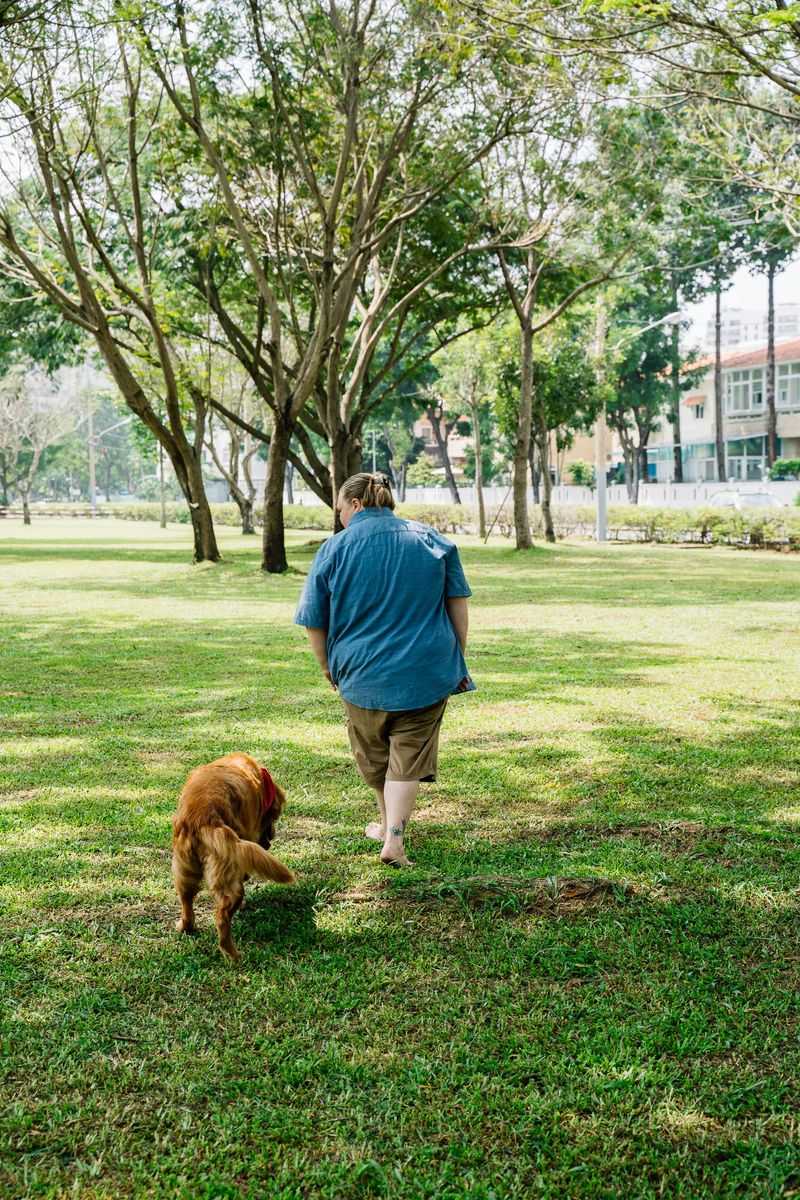
Bored dogs create their own entertainment. Prep the environment before you leave with long lasting chews, safe food puzzles, and a comfy nap spot.
A frozen Kong, lick mat, or braided chew can stretch focus while you run errands or take a call.
Schedule predictable alone practice. Start with two minutes, return, and calmly swap the chew for a cuddle, then extend bit by bit.
If whining begins, shorten the next session, add white noise, and close curtains to lower visual triggers.
Consider dog sitters, daycare, or a trusted friend for occasional breaks. Rotate enrichment items so novelty stays high without increasing calories.
Your dog will nap more, bark less, and greet you with a softer, happier energy when you walk back in.
Block visual distractions from windows
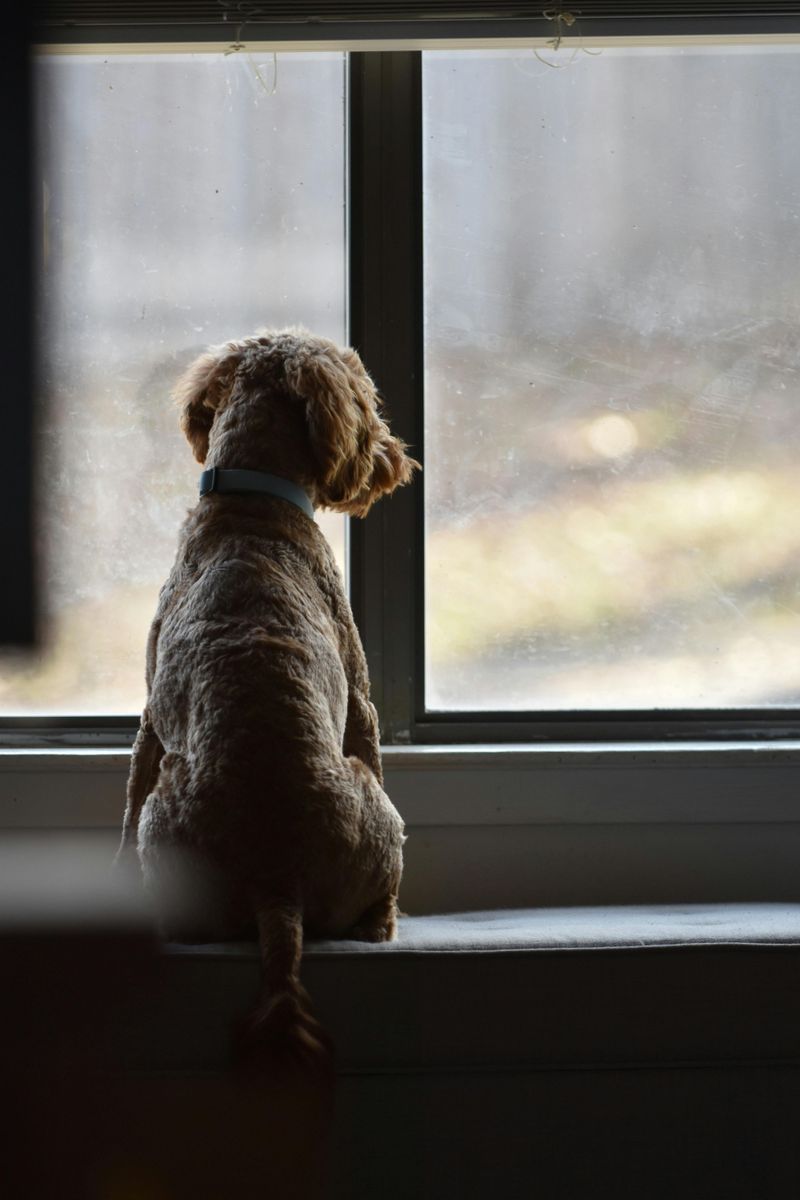
Many barkers are visual guardians. If passersby, squirrels, or delivery vans parade past your windows, block the view to lower temptation.
Try frosted film, tension rods with curtains, or strategically placed plants to soften lines of sight.
Pair management with training. Set up a bed away from windows, cue a relaxed down, and feed calm while the world goes by.
Over time, the window becomes background noise, and your dog prefers the quiet job inside the house.
For door frenzy, hang a visual barrier over glass panes and install a simple gate to create space at entries. Add a doorbell mat routine so your dog targets away from the threshold.
Consistency turns door chaos into a smooth, polite greeting.
Stay consistent with household rules
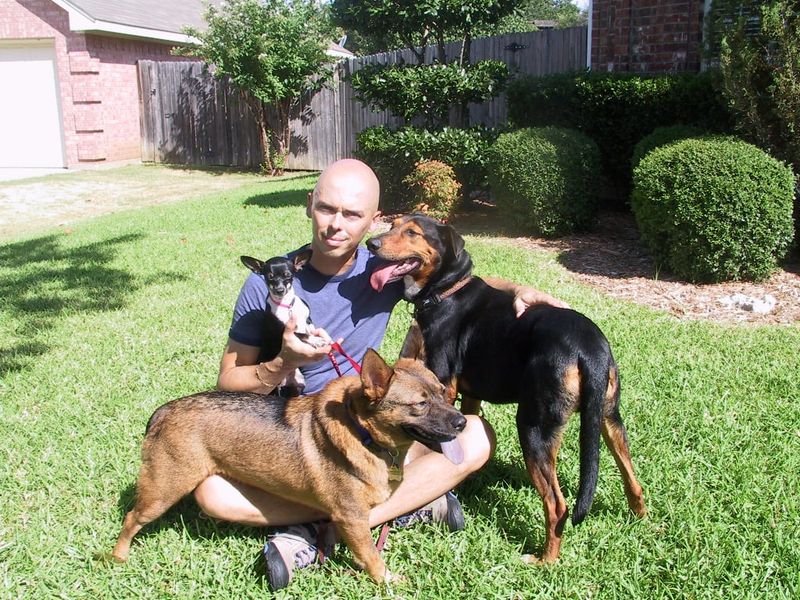
Mixed messages make barking worse. If one person allows window patrols while another corrects them, your dog stays confused and noisy.
Agree on clear rules, simple cues, and rewards so everyone reinforces the same calm, predictable behaviors every day.
Hold a quick family huddle. Decide words for sit, quiet, and place, then post them on the fridge so guests match your plan.
Keep treats in set stations, practice two minutes daily, and celebrate tiny wins to build momentum without drama.
Dogs relax when life is predictable. Stick with your routine through weekends, travel, and stressful days, adjusting intensity but not clarity.
Consistency turns training into a lifestyle, and that reliable structure makes peace at home the norm again.