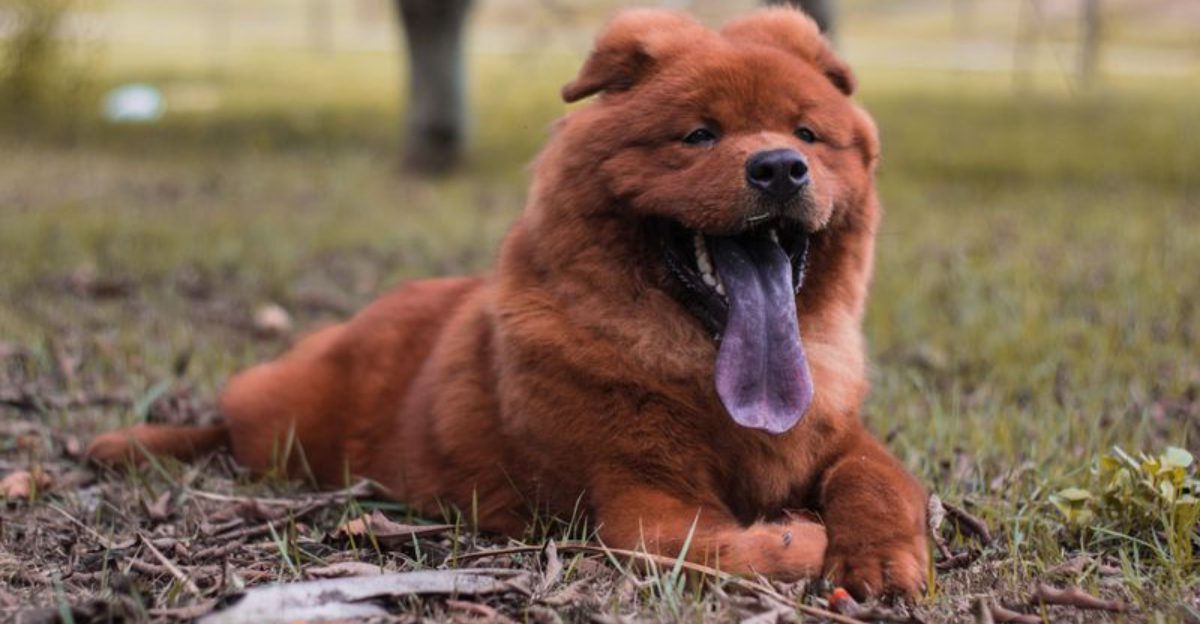
Ever call your dog stubborn, only to realize later they were overwhelmed? Stress can look a lot like sass, especially in breeds wired to observe, guard, or self-manage.
Once you learn the subtle signals, training gets easier and your bond gets deeper. Here are ten breeds that often get mislabeled and what to do instead.
hiba Inu
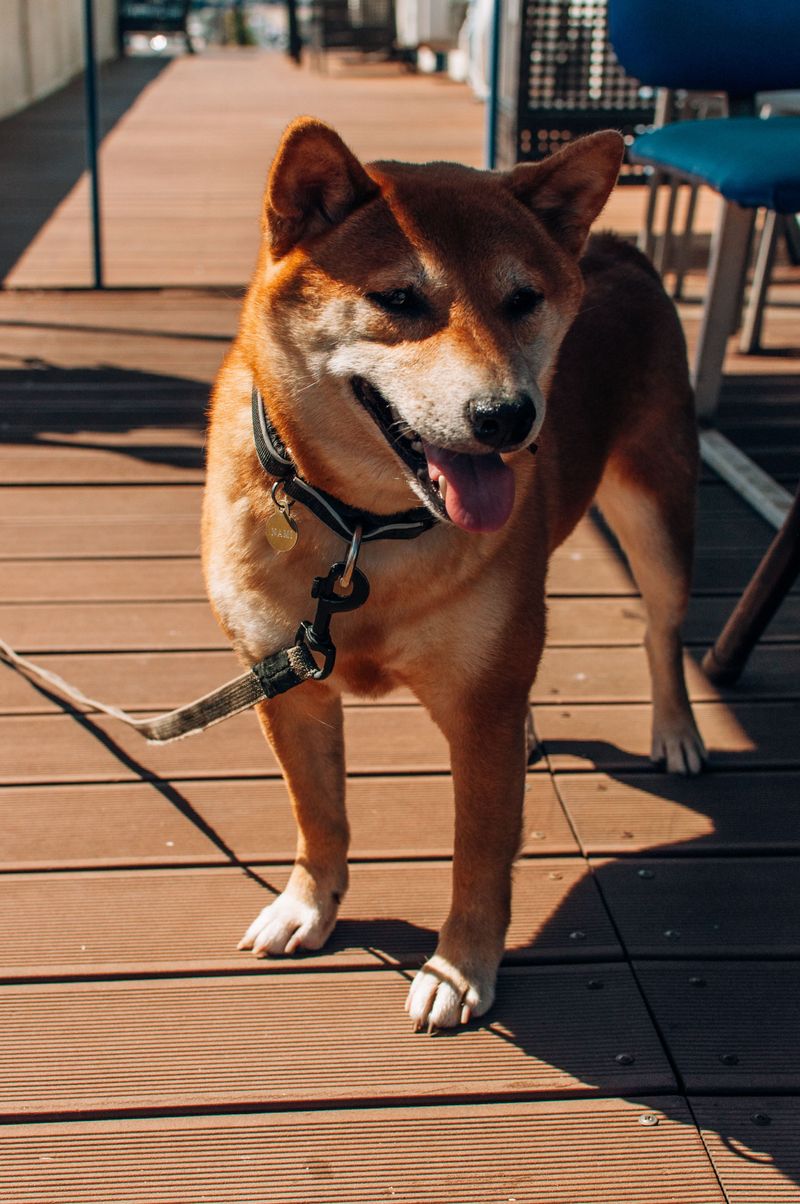
People often label this breed stubborn when it freezes, looks away, or refuses a cue. Those moves can signal stress, not defiance, especially in noisy parks or around pushy dogs.
Look for whale eye, tight lips, a tucked tail, or little shake offs that say I need space.
Give decompression walks, more sniffing time, and choices like choose a route or take a break. Reward checking in, slow blinking, and calm pivots with soft praise and food.
Keep sessions short, use one clear cue, and build trust with cooperative care so handling feels safe, not forced.
Advocate around strangers, and step out before your dog boils over. With patience and structure, what looked stubborn becomes confident, thoughtful engagement over time.
Lhasa Apso
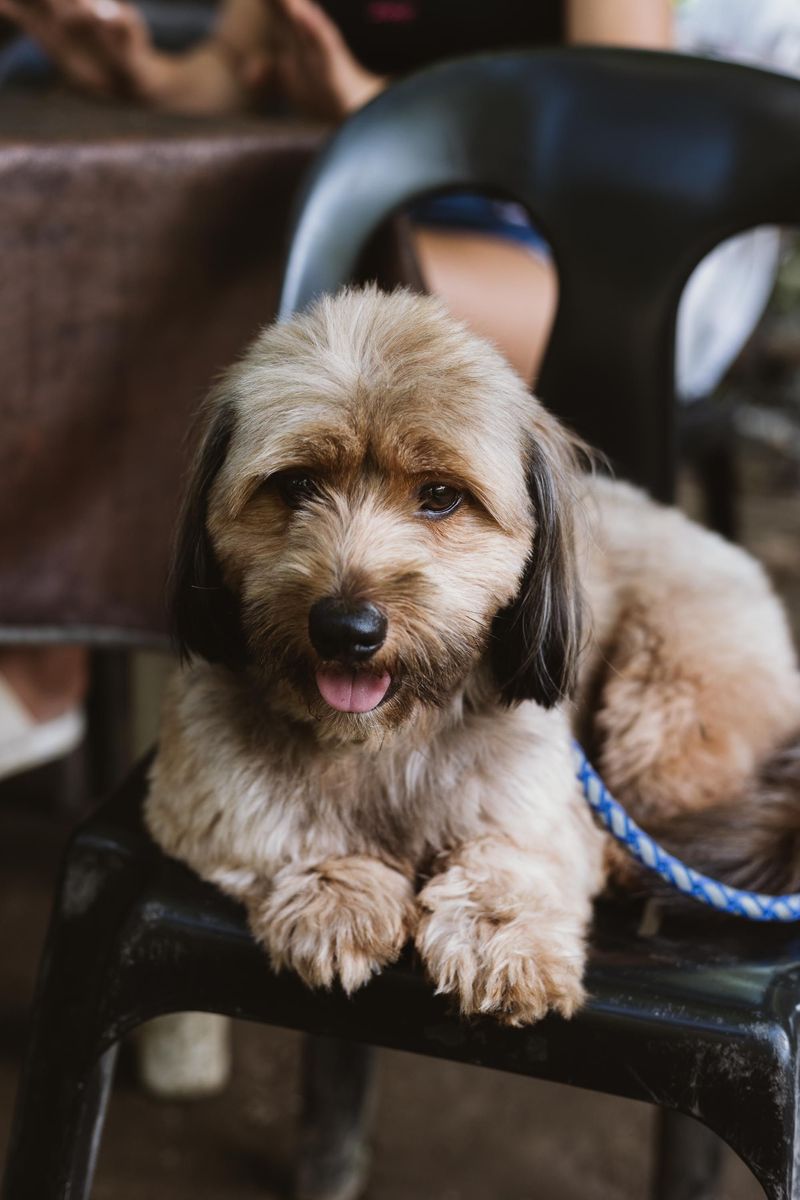
Lhasas get called bossy when they plant their feet or bark at approaching hands. Often they are worried guardians who notice tiny changes before you do.
Stiff posture, squinty eyes, and a low growl can be early tells that pressure feels too high.
Shift to slow introductions, cookie tosses, and cooperative grooming with chin rests. Teach a go to mat that predicts safety, snacks, and zero surprises.
Keep visits short, let them sniff tools, and narrate what happens so consent becomes part of your routine.
When stress drops, focus rises, and cues feel doable instead of scary. Reward tiny tries, then quit while ahead.
Steady fairness turns a suspicious watchdog into a willing partner at home, sidewalks, and with friends.
Shar Pei
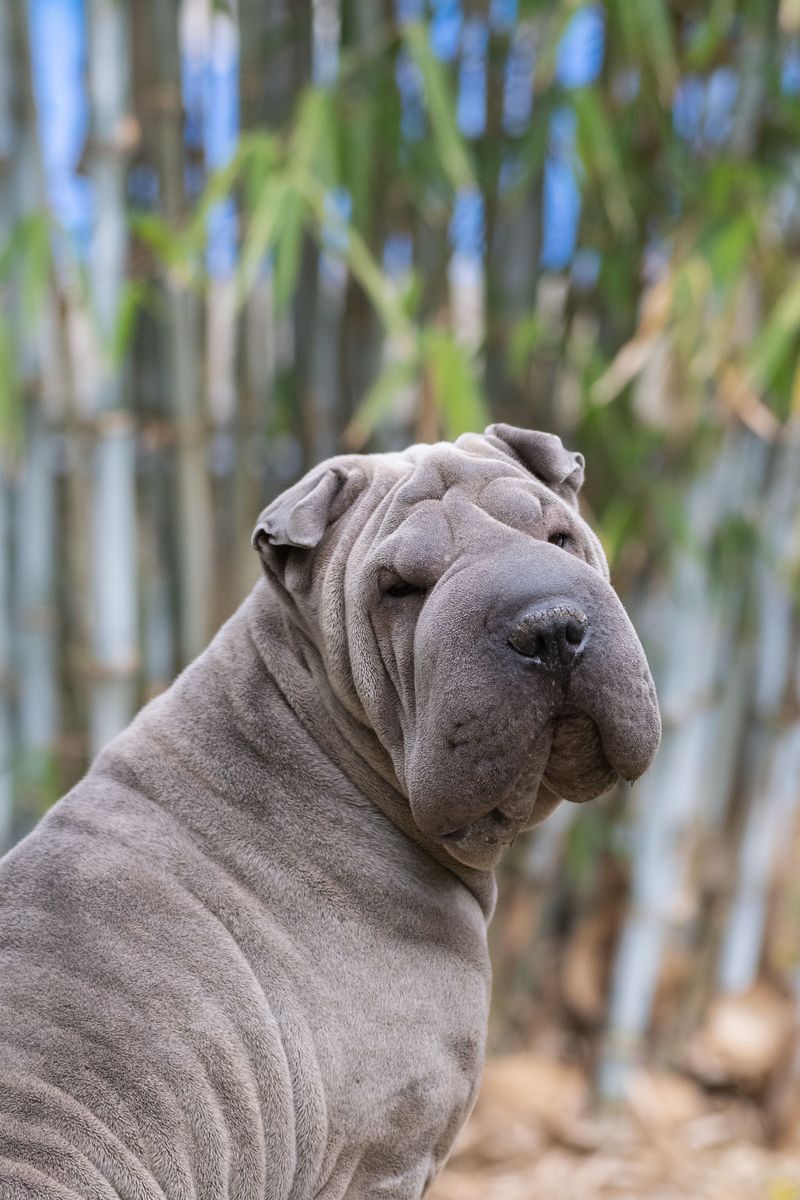
Shar Pei can look stoic and unbothered, then suddenly refuse movement. Many are sensitive to touch, equipment fit, and chaotic spaces.
Watch for lip licking, paw lifts, yawns, and a slow blink that says this is too much right now.
Choose wider harnesses, soft surfaces, and quiet routes, then let them decompress. Break tasks into tiny slices, reward weight shifts, and stop before frustration appears.
Pair vet handling with peanut butter on a lick mat so examinations predict comfort, not conflict.
Set short field trips with clear exits, and watch speed as your barometer. If gait slows, reset the plan.
Over time, your leadership and predictable patterns turn hesitations into yes answers, revealing a thoughtful, loyal companion behind the wrinkles.
Scottish Terrier
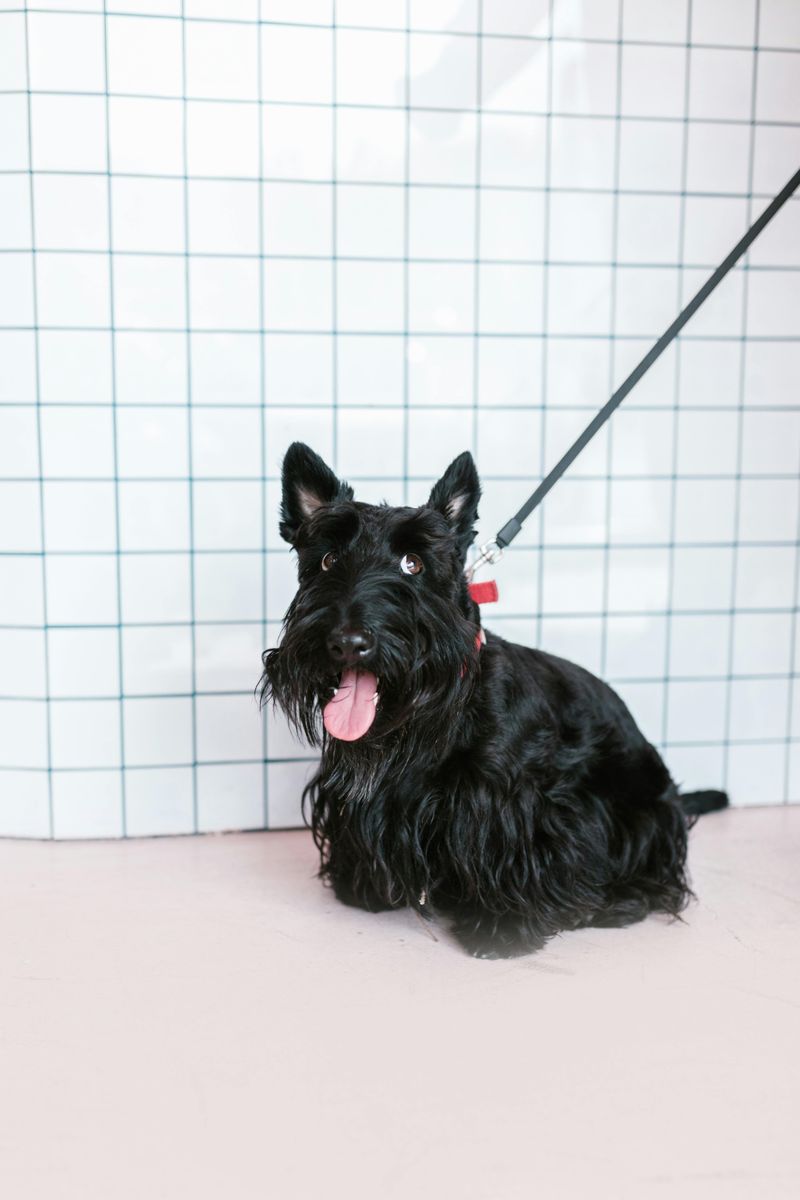
Scotties get branded headstrong when they ignore recalls to sniff hedge bases. That laser focus is a stress relief valve and a breed trait, not a personal slight.
Note the tail flag, tight carriage, and clipped strides that tell you arousal is spiking.
Switch to games that channel nose work and digging into permission based outlets. Scatter food in grass, lay simple tracks, and praise reorientation.
Use long lines, clear boundaries, and calm exits so your Scottie learns choices matter and pressure always has an off switch.
When worry softens, responsiveness grows, and sniff breaks shrink naturally. Celebrate recalls from low distraction spots.
Soon you will see a brave, game worker who partners with you instead of pushing against requests.
Akita
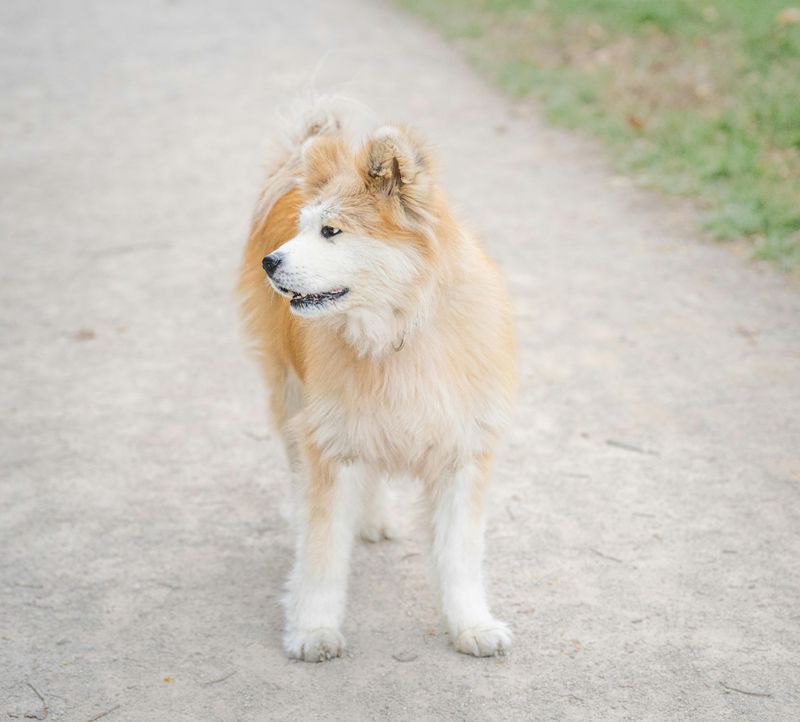
Akitas may stand still, avert eyes, or ignore cues when stressed by crowds or rude greetings. That pause is information, not mutiny.
Watch the set jaw, lowered ears, and slow tail sweep that often precede a choice to disengage.
Give parallel walks, quiet spaces, and predictable schedules that reduce social pressure. Reinforce head turns, soft eyes, and moving away as brilliant decisions.
Practice consent in handling, feed generously for check ins, and keep training crisp with clear starts and clean finishes.
Respect their boundaries with strangers, and let relationships grow through calm repetition. When safety feels solid, responsiveness blooms.
You will discover a steady, dignified teammate who listens, makes smart choices under stress, and saves energy for moments that count.
Chow Chow
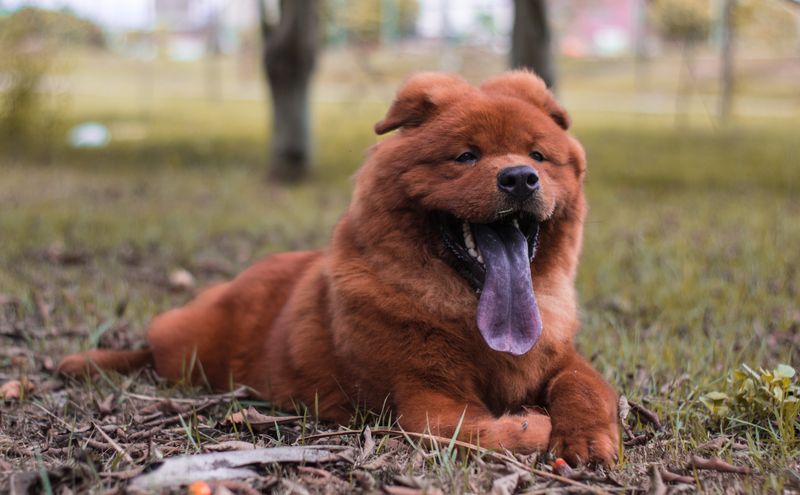
Chows are often mislabeled aloof or stubborn when they hesitate with touch or novel surfaces. Many simply need slower ramps into change.
Subtle signs include head turns, lip tension, and a still tail that says please slow down and explain.
Build routines where grooming, leashing, and doors predict easy wins. Use stationing platforms, steady breathing, and food trails to guide movement without shoving.
Keep visitors low key, reward curiosity, and allow exits so consent becomes the bridge to confidence.
Over days, you will see softer eyes, looser movement, and faster recovery after surprises. Celebrate those shifts.
With patience and clear patterns, this regal companion shows humor, thoughtfulness, and heart, choosing to engage because it feels safe, not because force insists.
Basenji
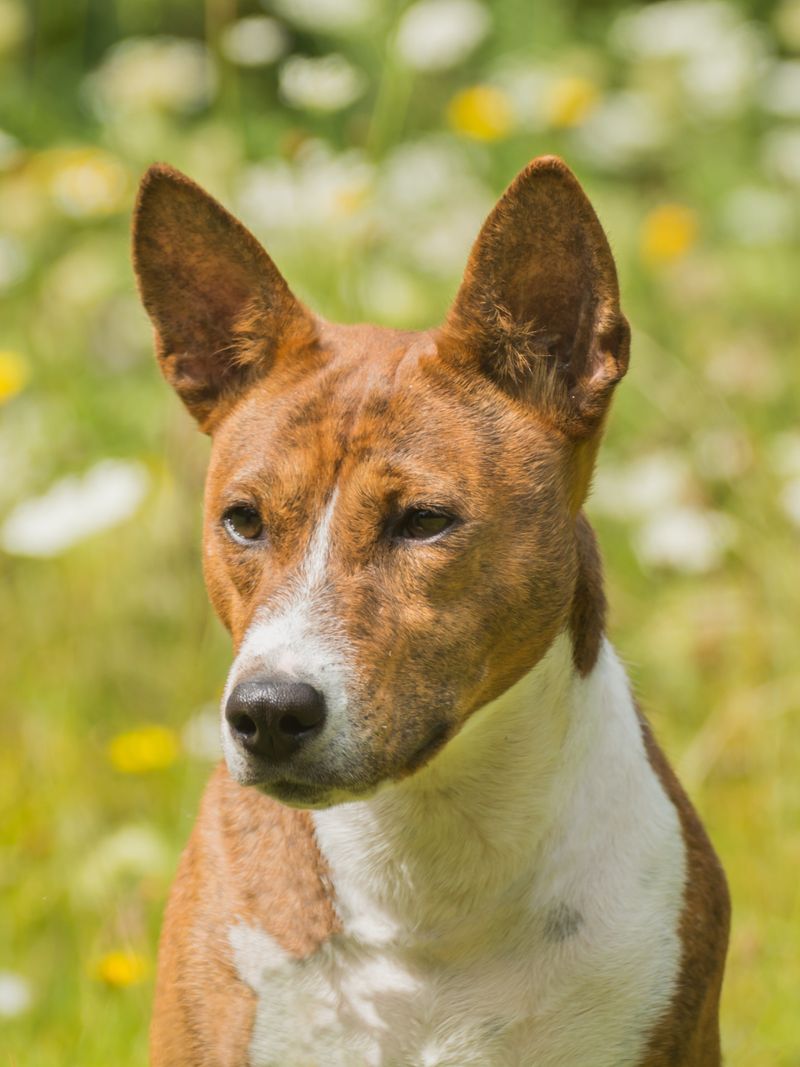
Basenjis get tagged defiant when they zoom off or stare blankly during cues. Often they are overloaded by motion, scent, or too much repetition.
Tell tale signs include scanning, frozen ears, and quick tongue flicks that mean back off a notch.
Swap drilling for play pivots, chase games with rules, and scent puzzles that satisfy curiosity. Reinforce orientation, then release to explore, creating a conversation.
Keep leashes light, environments interesting, and sessions brief so success stacks without boiling their engine.
When stress fades, you will catch more check ins, softer bodies, and eager recalls. Let them win often, and quit while they want more.
That fairness unlocks a clever, sensitive partner who chooses teamwork instead of running past the pressure.
Afghan Hound
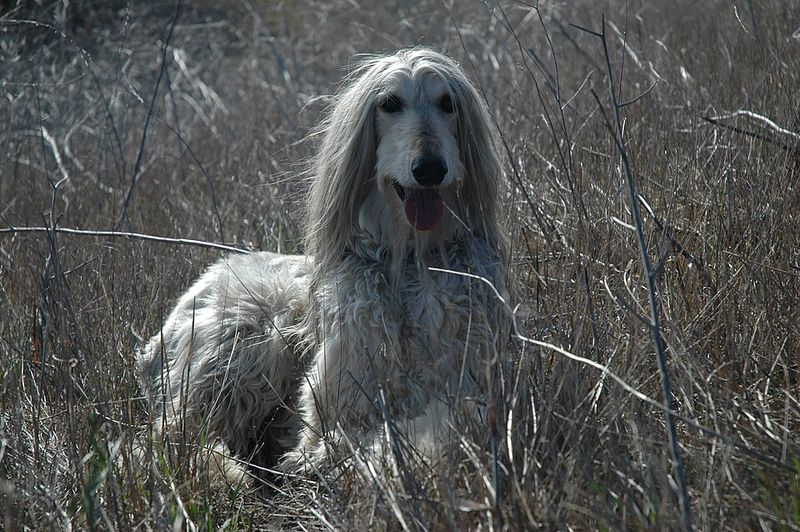
Afghans seem aloof or resistant when they drift away from tasks to scan the horizon. That distance is often a self calming strategy.
Look for silky ears pinned back, shallow breathing, and slow motion responses that tell you the environment is loud.
Create quiet training bubbles, use gentle arcs when approaching, and reward eye contact from a distance. Give freedom on long lines, then invite, do not drag.
Build routines with predictable starts and soft finishes so cooperation feels elegant, not micromanaged.
When the world quiets, this breed shows generosity. You will see floating movement turn toward you, ears soften, and cues land.
Honor their grace, and you gain a lyrical partner who chooses connection over conflict, in uncertain places.
Canaan Dog
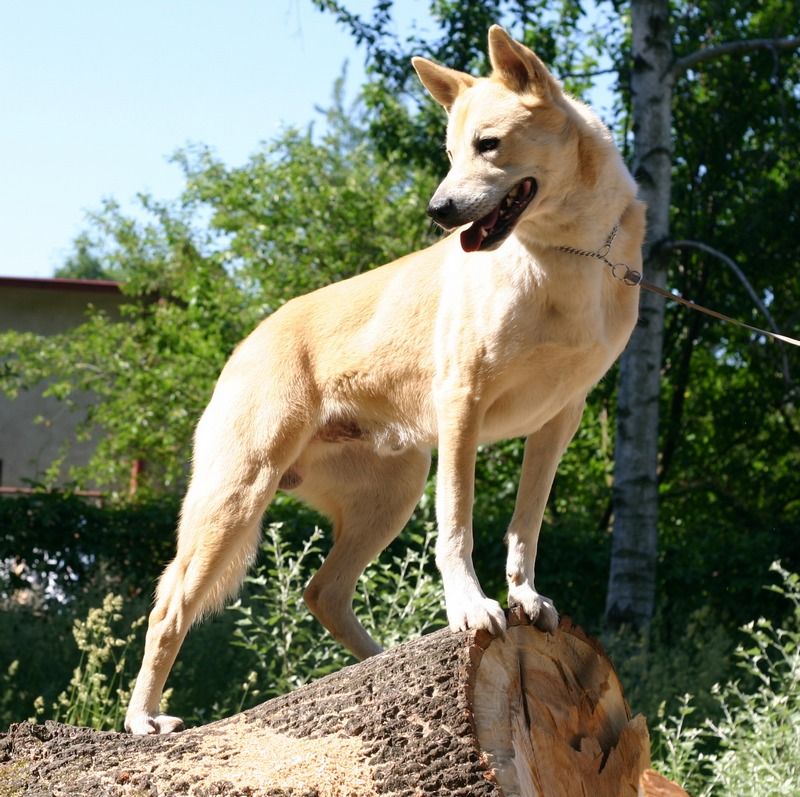
Canaan Dogs can look oppositional when they assess, pause, and sidestep pressure. That is a survival gift, not rudeness.
Signs include scanning triangles, paw lifts, and stepping behind you when noise or strangers feel like too much.
Work outside thresholds with distance, choice, and tasty reinforcers. Teach a check in that pays, then permission to move away.
Use routines such as park, sniff, sit, observe, leave so predictability lowers the load without trapping your dog.
As confidence grows, you can add tiny challenges and celebrate curiosity. Keep greetings optional, and let them watch first.
You will end up with a dog that adapts smoothly, trusts your guidance, and chooses engagement because the world finally makes sense. Progress beats perfection daily.
Tibetan Spaniel
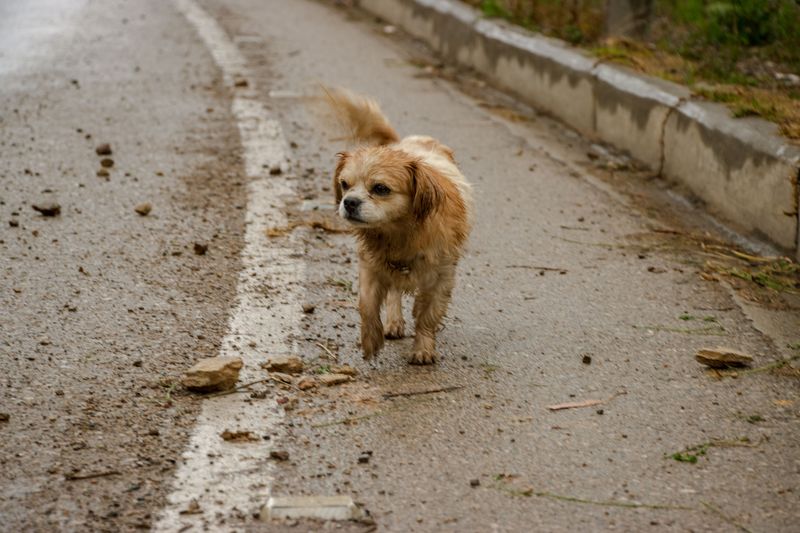
Tibbies often get labeled stubborn when they hesitate on stairs, balk at strangers, or refuse sits on slick floors. Many are sensitive supervisors who need time to evaluate.
Watch for paw lifts, soft woofs, and leaning back to create breathing room.
Offer gradual exposures with food on steps, friendly observers, and comfy traction. Teach hand targets, then trade for position changes so movement feels rewarding.
Give windows to people watch from safe perches, and honor space when guests arrive.
Soon you will notice brighter eyes, quicker choices, and easier transitions between rooms. Reinforce those wins, then rest.
That rhythm builds a courageous, funny little companion who takes on challenges at their pace and happily partners with you through daily adventures.