
Think your dog is just adorable and innocent, not a tiny strategist? Look a little closer and you might spot patterns that tilt house rules in their favor.
When you learn the games, you can play smarter and bring balance back without losing the fun. Here are the telltale clues and how to respond with calm, consistent wins for both of you.
Pretending not to hear familiar commands

Your dog tilts an ear but keeps staring into the distance when you say sit. The vacuum suddenly sounds fascinating, birds become urgent, and that squeaky toy is a masterpiece.
Yet you know your dog hears perfectly well, because the fridge door click summons them instantly.
Selective hearing is a clever test of boundaries and timing. Stay calm, say the cue once, then guide the behavior with a hand signal or leash, rewarding only when they comply.
If you repeat yourself, you teach that commands are optional, so your smart negotiator keeps holding out.
Practice in low distraction spaces first, then raise the challenge gradually. A release word and short training bursts keep clarity high and games fun.
Acting hungry right after eating

Full bowl emptied, big eyes appear like you forgot dinner happened. There is a purposeful shuffle toward the treat jar, plus a well rehearsed sigh next to the fridge.
Dogs learn that persistent asking sometimes pays, especially with guests or on hectic evenings.
To outsmart the performance, stick to measured portions and scheduled meals. Offer a chew or quiet activity after feeding so appetite tricks lose their stage.
Everyone in the home should use the same rules, ignoring dramatics yet praising calm, settled behavior.
If begging spikes, check calories, exercise, and vet guidance on satiety. A puzzle feeder stretches mealtime, challenges the mind, and makes overeating less tempting.
Water access should remain constant to avoid mixed signals.
Using cute behavior to avoid consequences
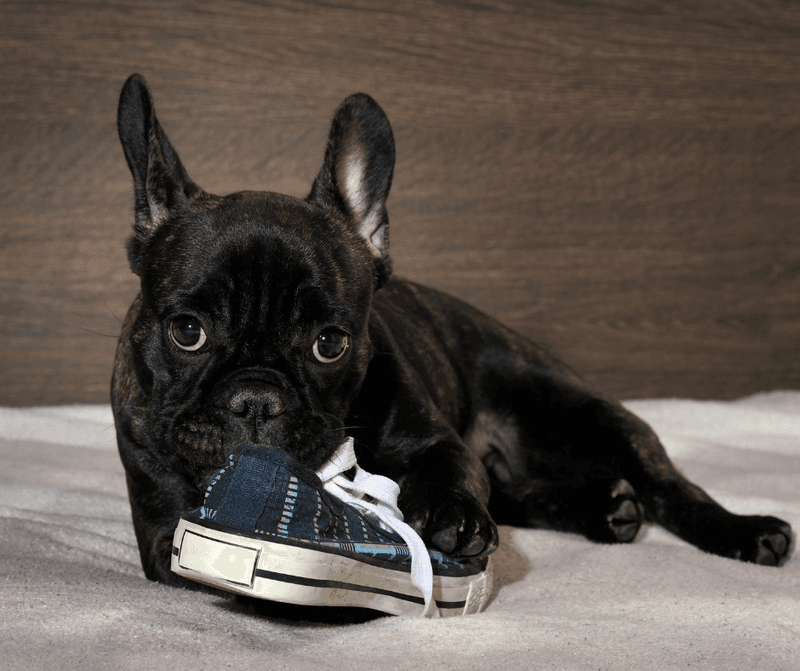
Head tilt, slow blink, and a paw on your knee arrive right when you notice chewed slippers. That sweetness is strategic, honed by repetition and your softened voice.
If forgiveness always follows adorable, your dog learns charm is a shortcut past accountability.
Keep the boundary clear. Acknowledge the cuteness with a smile later, not during the teachable moment, and calmly follow through with the planned consequence.
Redirect to an appropriate behavior, then praise generously so your dog realizes good choices, not theatrics, earn the jackpot.
Consistency across family members prevents mixed outcomes. Keep valuable items managed, offer outlets for chewing, and make replacement behaviors easy to win.
Over time, cute becomes a greeting, not a get out of jail card.
Selectively obeying when treats appear

Your dog sprints into perfect heel the moment a crinkly bag appears. Without food, the same cue earns a yawn and a stretch.
That pattern screams pay to play, which means training turned into a vending machine instead of a relationship.
Fade the lure and prove the behavior pays in varied ways. Use life rewards like opening doors, tossing a ball, or access to sniffing, alongside praise and occasional food.
Randomize reinforcement schedules so effort is worthwhile, even when your hands look empty.
Practice cue clarity, then add distractions and distance slowly. Celebrate focus generously and retire cues you have accidentally diluted.
Short, upbeat sessions prevent burnout and keep your dog guessing in the best way.
Stealing your spot when you stand up

You rise for tea, return, and your warm seat is proudly occupied. That quick takeover is no accident, because your scent marks the coziest territory.
Some dogs learn that claiming it earns attention and sometimes a playful chase that rewards the tactic.
Decide the rule and apply it every time. If the seat is yours, calmly ask for off, guide to a mat, and reward the settle.
Create a cozy spot that reliably beats the couch by paying with treats, chews, and your relaxed praise.
Use a temporary blocker or fold a blanket when you leave briefly. Habits form fast, so consistency now saves daily negotiations later.
Teach a release cue so the invitation is crystal clear.
Testing boundaries repeatedly
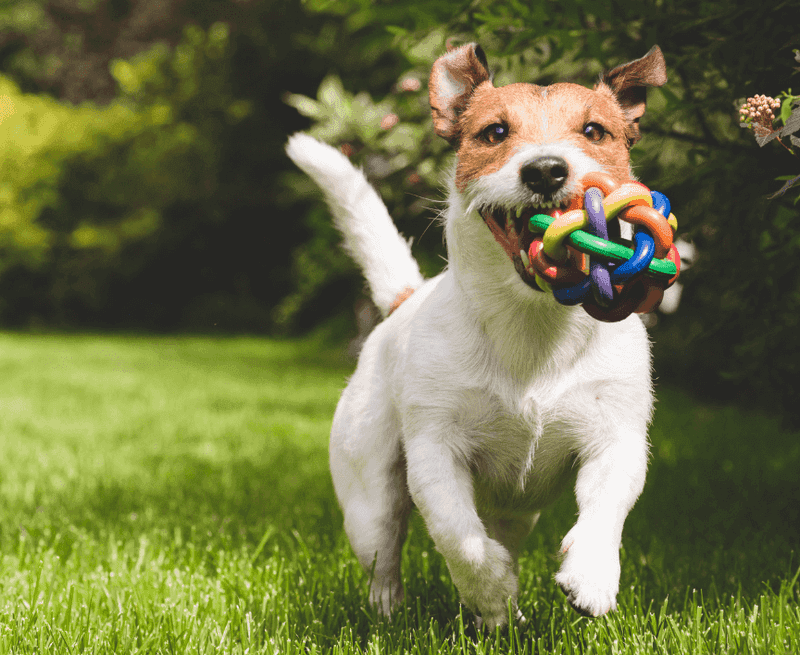
Some dogs push like tiny lawyers, inching a paw over thresholds to study your response. They sniff the counter, pause, and glance back to measure your resolve.
Repetition is data collection, and if rules wobble, the dog files a favorable precedent.
Clarify what is allowed, then enforce it kindly and predictably. Use management like baby gates, leashes, and covered bins so rehearsal of bad choices stops.
Reinforce what you do want at a high rate early, then gradually maintain with intermittent rewards.
Short training loops help the habit stick. If your energy dips, pause, reset the environment, and return when patience is refreshed.
Calm consistency beats volume every time for these crafty experimenters. Keep corrections brief.
Faking a need to go outside
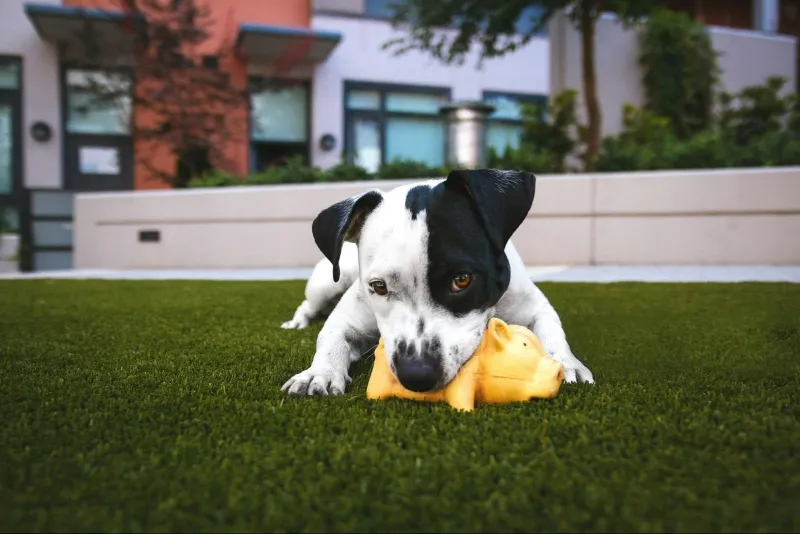
Door scratching starts right as you sit down with dinner or a call. Outside becomes a ticket for exploration, play, and getting you to move.
If nothing happens during repeated trips, the pattern is clear, even if the face looks convincingly urgent.
Build a bathroom routine with cue words and specific areas. When the mission is legitimate, praise warmly and release to sniff.
When it is a ploy, keep the trip boring and brief, then return inside without fanfare so the hustle loses value.
Track water intake, schedule, and health signs with your vet if habits change. Consistency teaches that the bathroom break is business first.
Add indoor potty options only for puppies or medical needs.
Seeking attention through minor mischief
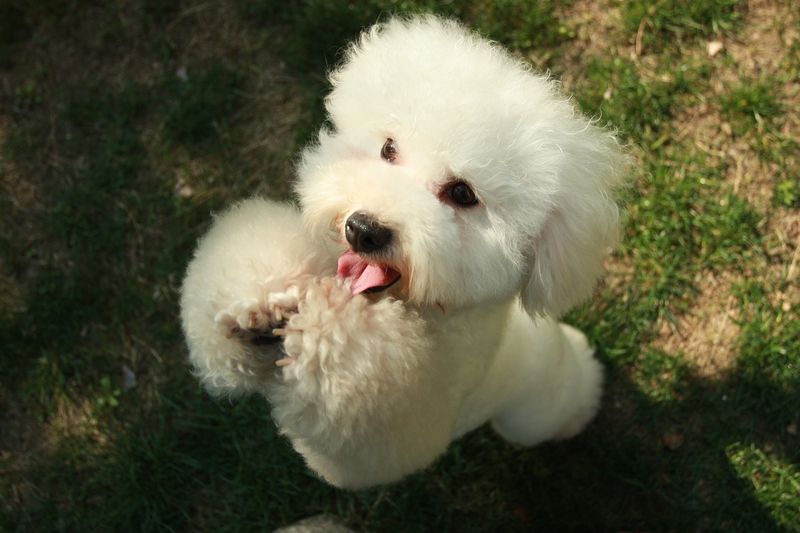
Phone in hand, you ignore, so the dog steals a sock and parades proudly. Chase begins, laughter erupts, and the sock bandit earns the exact engagement craved.
Small crimes often pay, which means they repeat like clockwork.
Preempt the pattern by offering play, sniff games, and training bursts before attention heavy tasks. If theft happens, calmly trade with a treat, avoid the chase, and then initiate a structured game on your terms.
Teach a drop cue and reinforce settling near you.
Pay generously for calm choices. Background enrichment like chew stations and window watching helps keep paws busy when life steals your focus.
Rotate toys weekly so novelty works for you, not against your slippers.
Waiting for different family members to give different answers
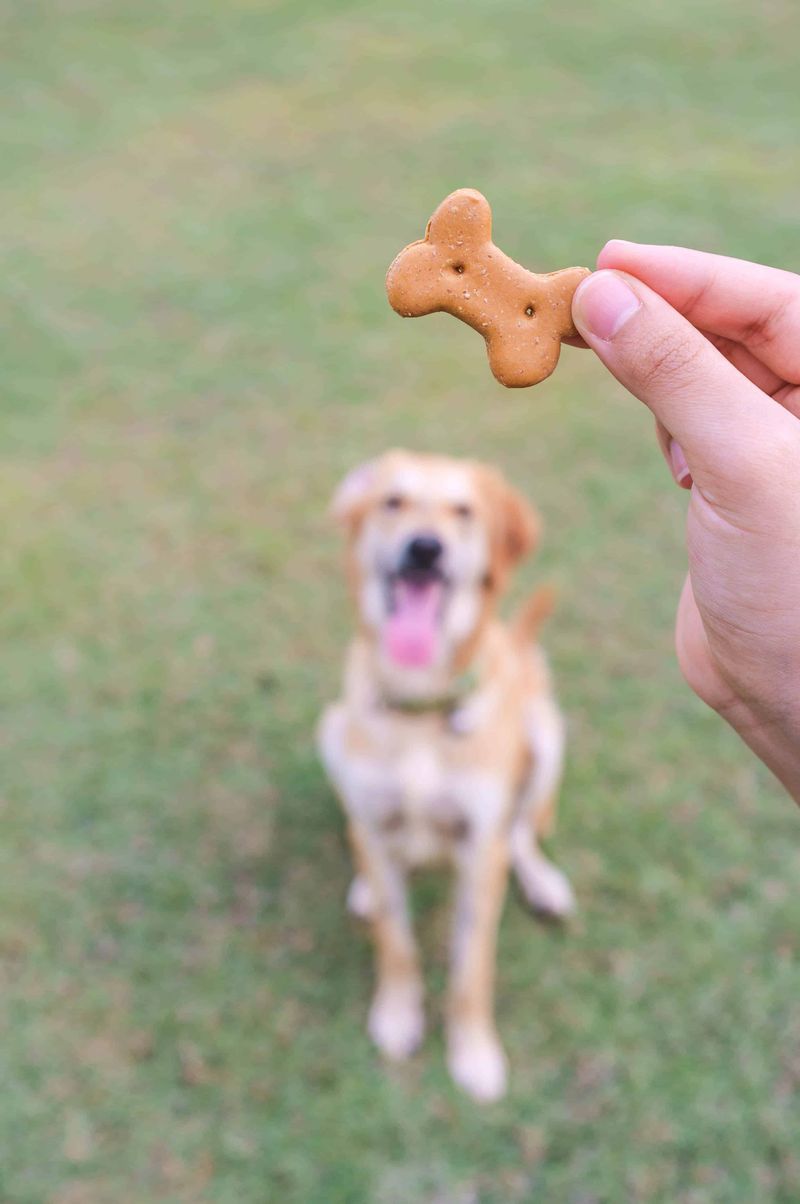
Your dog asks you first, then heads to the teenager, and finally the grandparent for rule shopping. Dogs map human patterns quickly and learn who says yes to the couch.
The more variability they see, the better their odds of winning exceptions.
House rules need a single script. Write them down, post them visibly, and agree on responses for common requests like door greetings, food, and furniture.
Reward the dog when they follow the rule with anyone, so generalization sticks across the whole crew.
Empower kids with simple cues and treat jars. Consistent boundaries reduce lobbying and keep the family playbook pleasantly boring for your clever negotiator.
Weekly check ins help tighten any wobbly spots.
Acting innocent immediately after breaking a rule
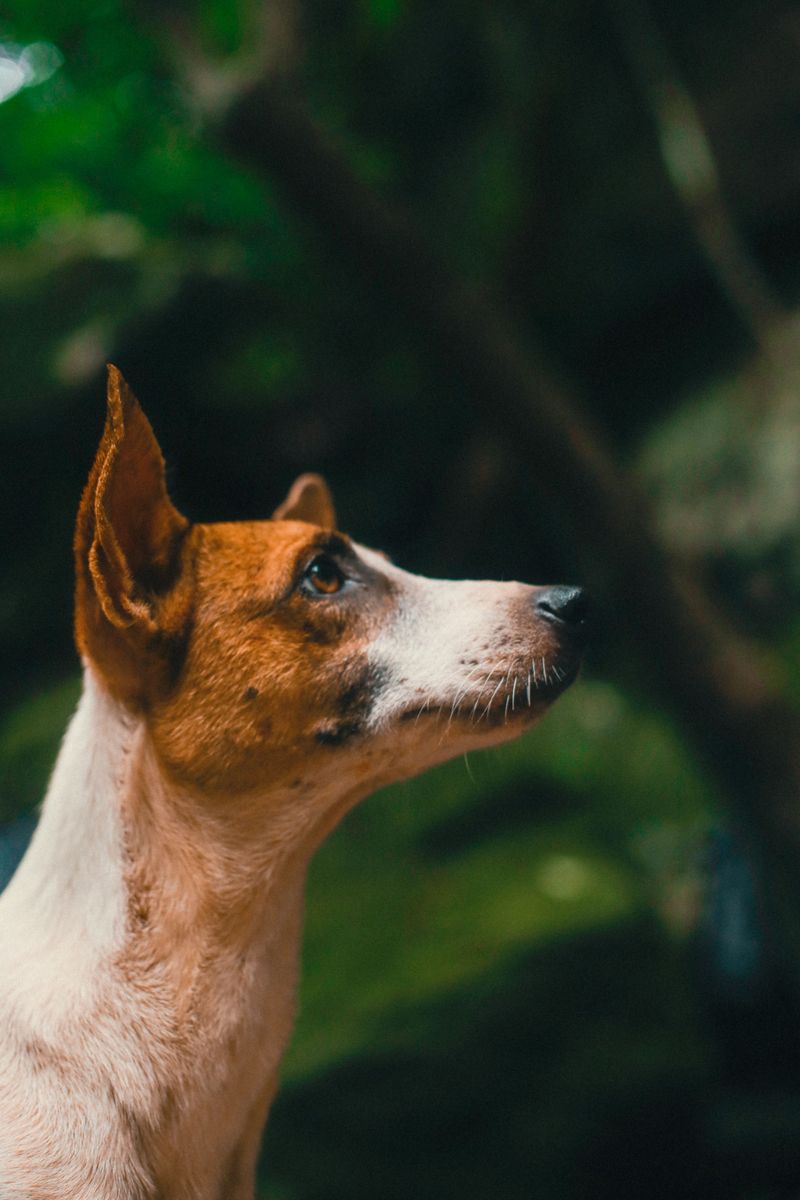
A tipped trash can greets you, and there sits a blinking angel with cookie crumbs. That soft posture is conflict reducing, not necessarily guilt, yet it often works.
You laugh, scold lightly, and the moment blows over without learning.
Separate cleanup from training. Secure the bin, remove access, and set up a quiet moment later to teach leave it and go to mat.
Reward honest success heavily so the dog discovers following rules brings warmth, while mischief quietly leads to nothing.
Delay greetings until calm returns. Record setups with a camera to track progress and confirm whether opportunistic snacking still happens off screen.
Predictable routines shrink temptation and build a trustworthy sense of structure. Patience pays.