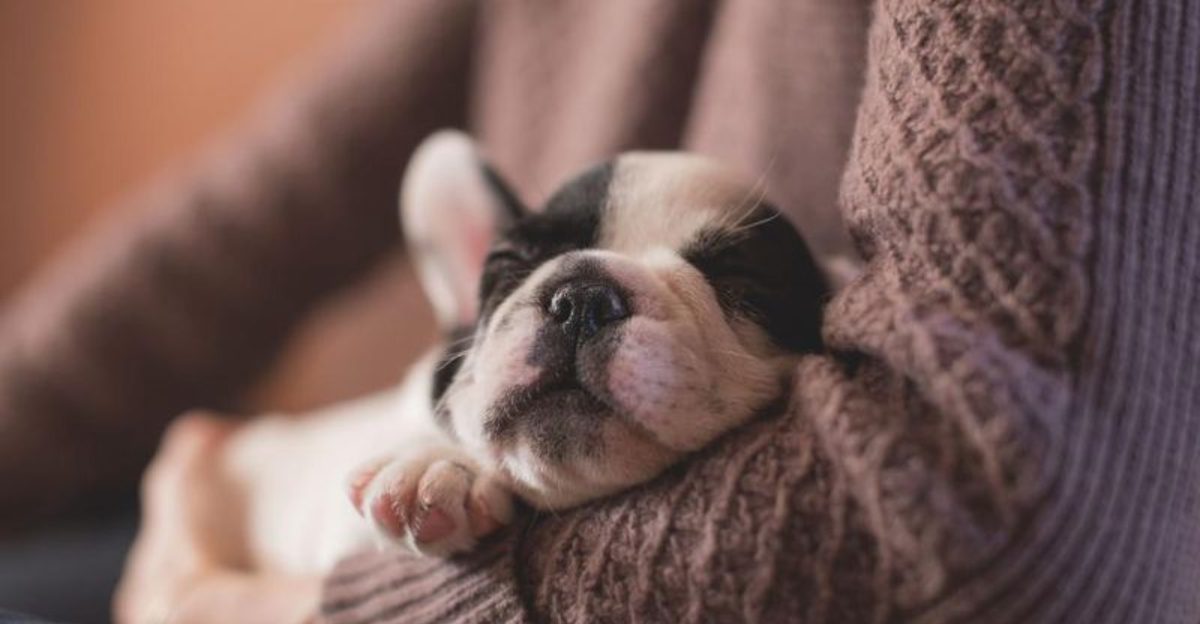
You know your dog cares, but some of the sweetest signals often slip under the radar. Once you spot them, everyday moments start feeling like love letters in motion.
I will show you the subtle cues that reveal devotion hiding in plain sight. Get ready to see your buddy with fresh eyes and a fuller heart.
Following you from room to room

Ever notice a soft set of paws trailing behind you everywhere you go? That shadow is not nosiness, it is devotion in motion.
Your dog is choosing proximity because being near you feels safe, rewarding, and predictably fun.
They map your path to learn patterns, anticipate needs, and snag micro moments of affection. Following lets them guard you from imaginary threats and real doorbells alike.
If the tail is loose, the ears relaxed, and the pace unpressured, you are witnessing love, not clinginess.
Offer calm praise when they tag along, and build confidence with brief independent games or settle mats. You will keep the bond strong while preventing anxious habits.
Together, you turn everyday laps around the house into tiny love notes.
Sleeping near you
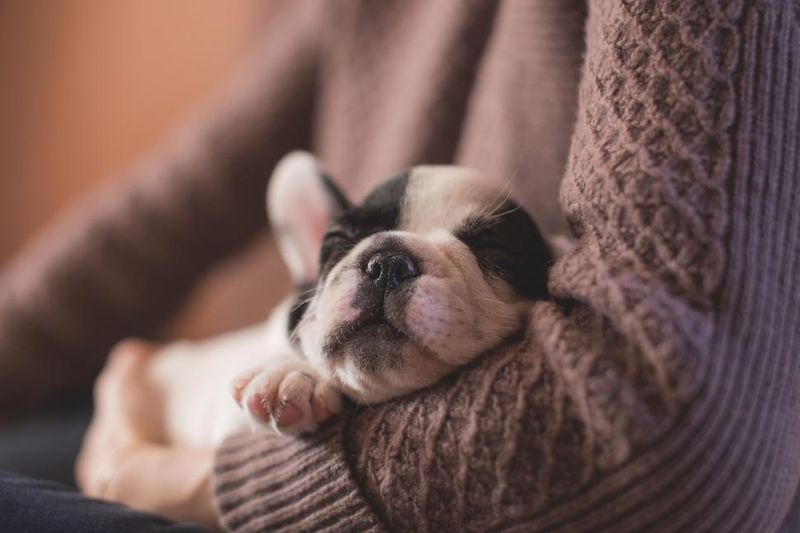
When your dog curls up by your feet or chooses your pillow over their bed, that is trust on display. Sleep is vulnerable time.
Staying close means your heartbeat, scent, and warmth are the safest lullabies they know.
Dogs pick sleeping spots that balance comfort, temperature, and security. You are their home base, so parking beside you helps their nervous system relax and process the day.
It is also strategic pack behavior, syncing rhythms and watch shifts like tiny guardians.
Encourage it with a cue and a comfy blanket, but set boundaries if space is tight. Offer a bed nearby and praise calm settling.
You will nurture closeness while teaching flexibility, so everyone sleeps better and wakes up feeling bonded.
Making eye contact
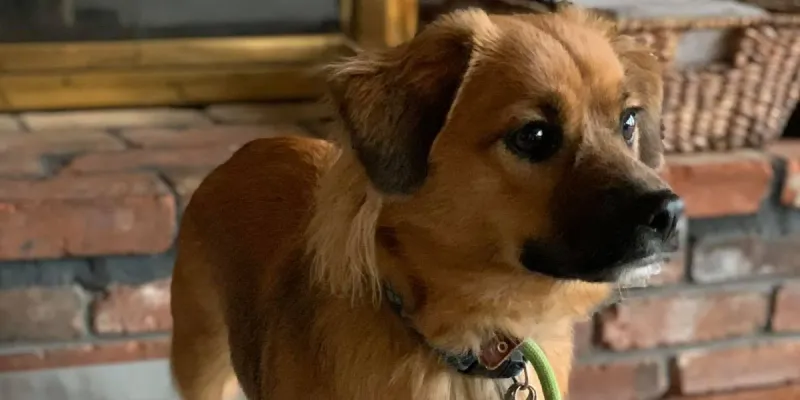
Soft eye contact from your dog is not a stare down, it is an oxytocin bridge. When they blink slowly and hold your gaze, their brain and yours release feel good chemistry.
It is the canine version of a warm smile.
Puppies often learn this during training and rewards, then carry it into daily check ins. Gentle gazes signal safety, attention, and emotional attunement.
Hard, fixed staring with a stiff body is different, so read the whole picture before assuming affection.
Try a cozy gaze game, rewarding soft eyes and blinks, not intensity. Pair it with calm words and a relaxed posture.
Soon you will feel that quiet, shared moment click, like you are speaking without sound across the living room.
Bringing you toys
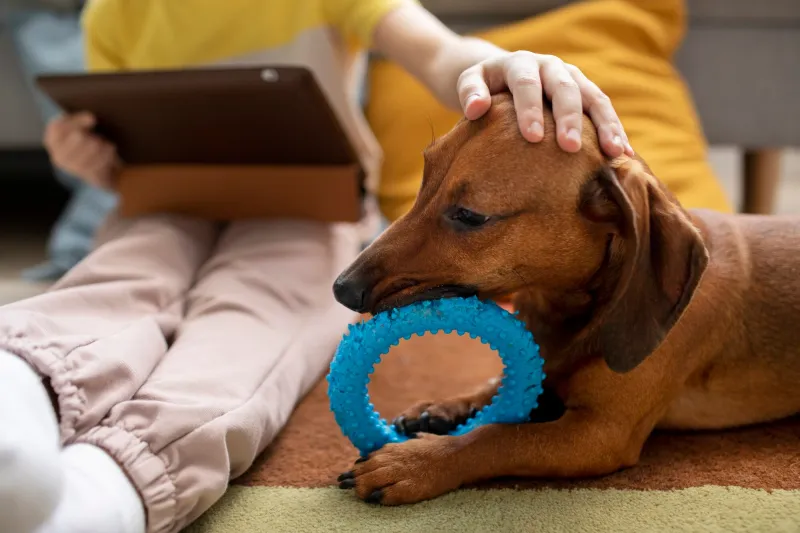
When a slobbery toy lands in your lap, it is not always a demand for fetch. Sometimes it is a heartfelt gift.
Sharing valued objects shows trust, invites play, and says you are worth giving up prized treasure for a joyful connection.
Dogs practice this social ritual with littermates, and it grows into an adult language of bonding. They may nudge the toy toward you, then bounce back to spark a game.
Even quiet presenting, then sighing, can mean thank you for being my person.
Acknowledge the gesture with praise, brief play, or a trade. Build a cue for sharing to keep manners polished.
You will deepen trust while teaching give and take, turning random drops into sweet conversations between friends.
Leaning against you

That gentle lean into your leg is a hug in dog language. It anchors them when the world feels buzzy and celebrates when everything feels right.
Pressure calms the nervous system, and your steady presence becomes their favorite weighted blanket.
Leaning can be polite or pushy, so watch for balance. A relaxed body and soft eyes signal affection, while shoving for space may need boundaries.
Often, it is a request for reassurance, inviting your hand to rest and your voice to soothe.
Respond with calm contact, then reward independent standing too. That way love does not slip into dependence.
You will teach emotional regulation while honoring the message, creating a comforting ritual you both can count on anywhere you go.
Greeting you enthusiastically
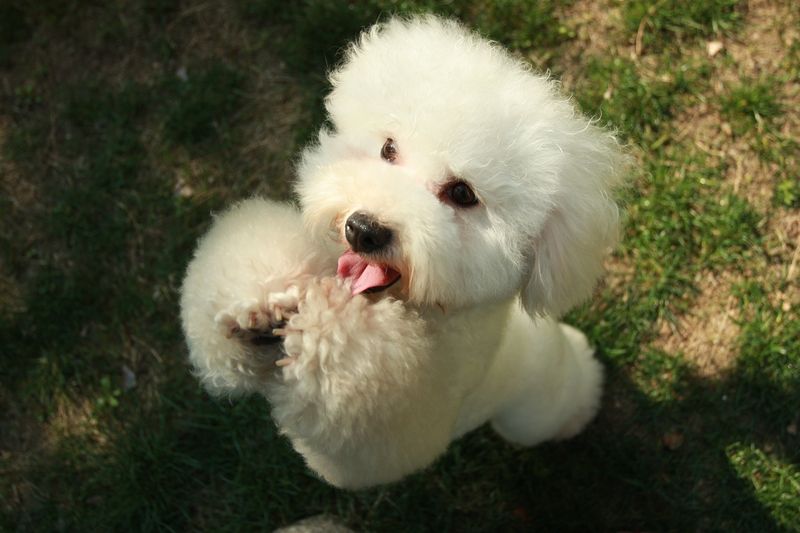
Exploding wiggles at the door are love wearing a fur coat. Your dog is running a reunion routine that burns off excitement and confirms you are back in the circle.
Jumping, zoomies, and squeaks are messy, heartfelt punctuation marks.
They are also emotional thermostats. The bigger the greeting, the bigger the bond and the bigger the need for guidance.
Teach four paws on the floor, reward sits, and keep arrivals low key so affection does not tip into chaos.
Add a release cue and short decompression walk to channel joy productively. You will still get the sparkle without the body slams.
Together, you script a welcome that says I missed you in a way your neighbors will also appreciate today.
Checking on you often

The quick hallway peek, the nose through the bathroom door, the half awake scan at night it is all love. Your dog is running welfare checks.
They want to confirm you are safe, nearby, and emotionally okay before relaxing again.
This behavior is common in thoughtful, sensitive dogs and tight bonds. It is how they balance independence with connection.
If the check ins are brief and gentle, it is affection, not anxiety, keeping the household heartbeat steady.
Acknowledge them with a smile or soft word, then let them return to rest. Build confidence with place training and scent games so they do not feel compelled to hover.
You will keep the sweet habit without feeding worry or anxiety creeping back in.
Relaxing around you completely

A dog that flops on their back, sighs loudly, and shows a goofy grin is saying I am safe with you. Loose muscles and soft snoring signal deep trust.
They are off duty because your presence lowers the guard rails.
This is the opposite of hyper vigilance. When a dog can melt into a nap while you read or work, the bond is secure.
They trust you to notice the world while they dream, like teammates passing the baton.
Protect this feeling with predictable routines and calm energy. Offer a comfy spot nearby and reward quiet choices.
You will see more contented sighs, fewer restless circuits, and a home that hums with the simple music of companionship every single day.
Looking for physical contact
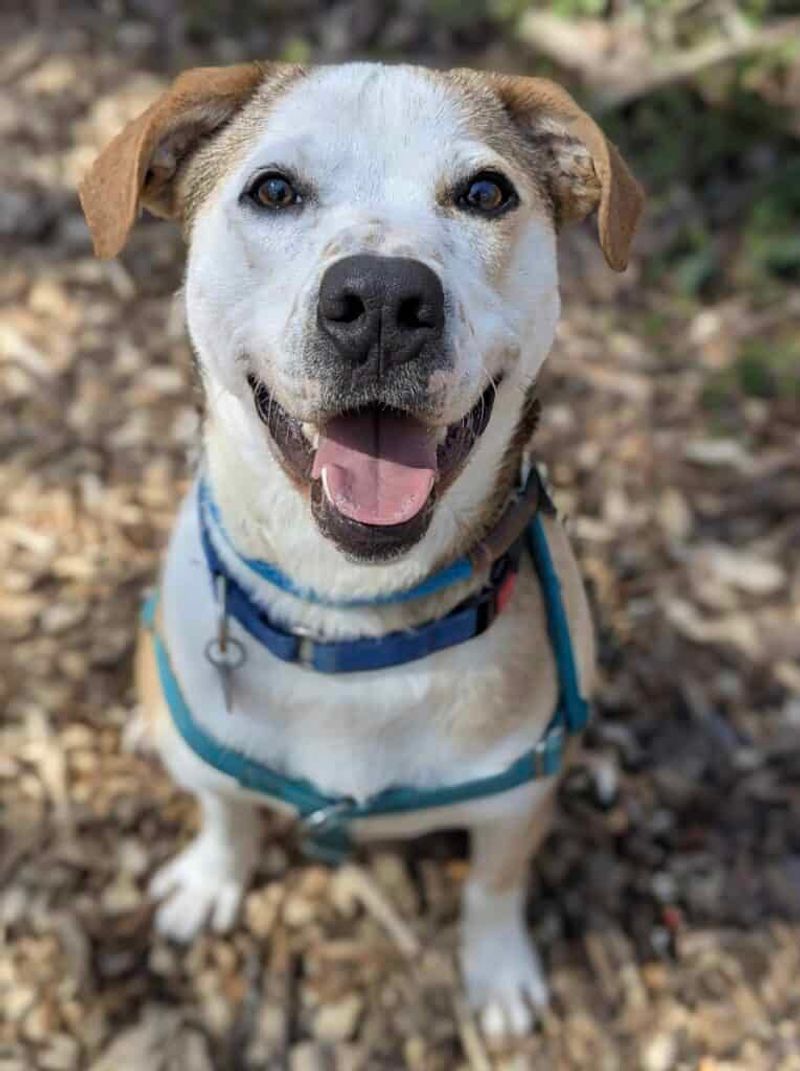
Nudges under your hand, a paw on your knee, or a chin on your shoe are tactile love notes. Touch releases calming chemicals for both of you.
Your dog learns that gentle contact opens a doorway to connection, reassurance, and clarity.
It is also a two way check in. They feel your mood through your skin, then modulate their own.
If the touches are polite and brief, answer with a stroke or cue, keeping communication fluent without rewarding pushy demands.
Teach an ask politely behavior like a nose target. Mark and reward, then sprinkle consent into petting sessions.
You will build a shared language that honors boundaries and amplifies affection, turning small taps into meaningful conversations that feel good consistently.
Following your routines

Notice how your dog stirs before your alarm and waits near the coffee maker. They are synced to your life like a furry calendar.
Anticipating your routines is a love language built on observation, predictability, and shared rhythms.
Following patterns helps them feel secure and useful. It also means fewer surprises, which keeps emotions even.
When they line up for walks or station by the door at your usual time, they are saying I am with you, always.
Honor that loyalty with consistent cues and small choices they can predict. Add novelty thoughtfully, so stability stays intact.
You will get smoother days, easier training, and a partnership that feels choreographed without ever losing its playful spark, even on tough days.
Staying close when you’re upset
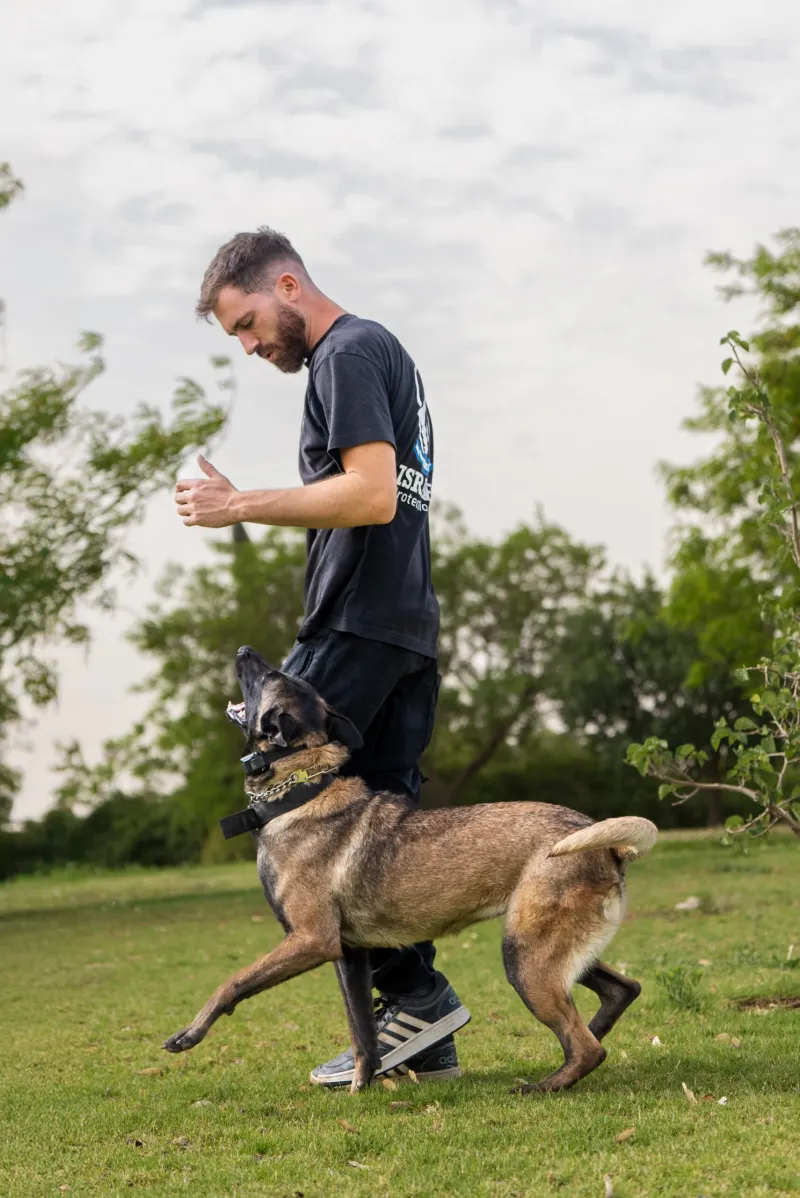
Dogs can smell stress and read tiny cues in your face, voice, and movement. When you are upset, many slide closer and soften their energy.
They offer quiet companionship, matching your pace and acting like a furry weighted blanket.
This is empathy, not pity. Your dog mirrors you because togetherness feels regulating for the team.
Touch, sighs, and stillness are canine ways of saying I am here, and your feelings are safe with me.
Invite them onto a mat, breathe slowly, and practice calm petting so they learn to help without hovering. Later, add decompression walks or sniffy games.
You will feel steadier, and they will gain confidence in their role as a gentle helper during hard moments with you.