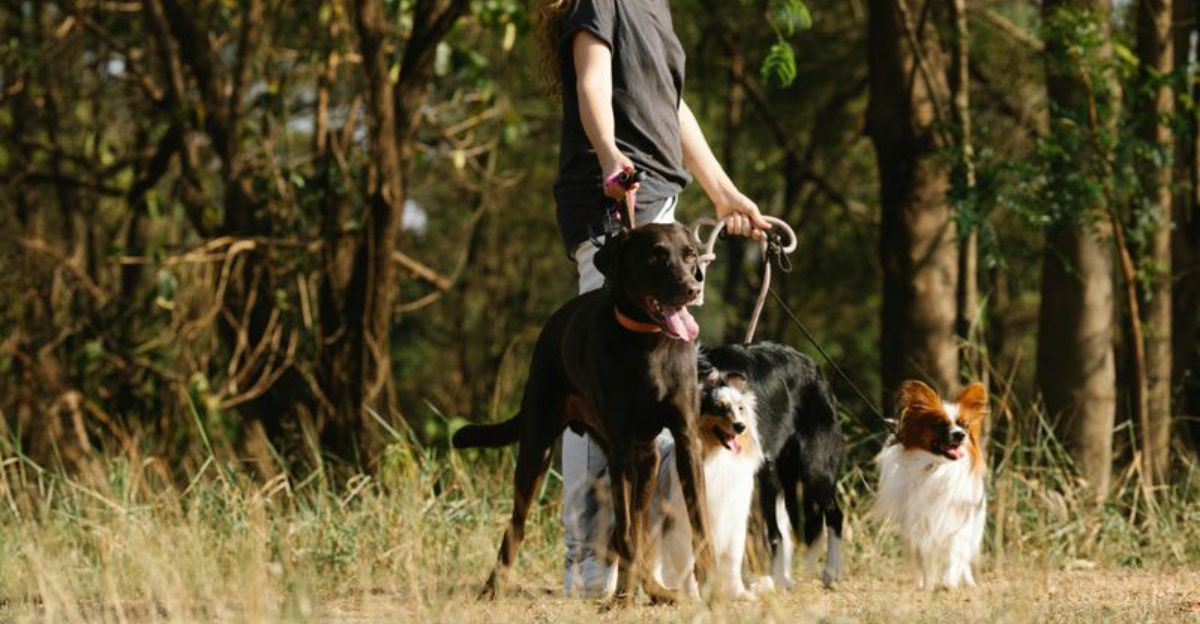
If walks leave you frazzled, you are not alone. Small mistakes snowball into tug of war chaos and tense, head on encounters.
The good news is that a few practical tweaks can transform your routine fast. Let me show you the most common missteps and how to fix them today.
Using the wrong equipment
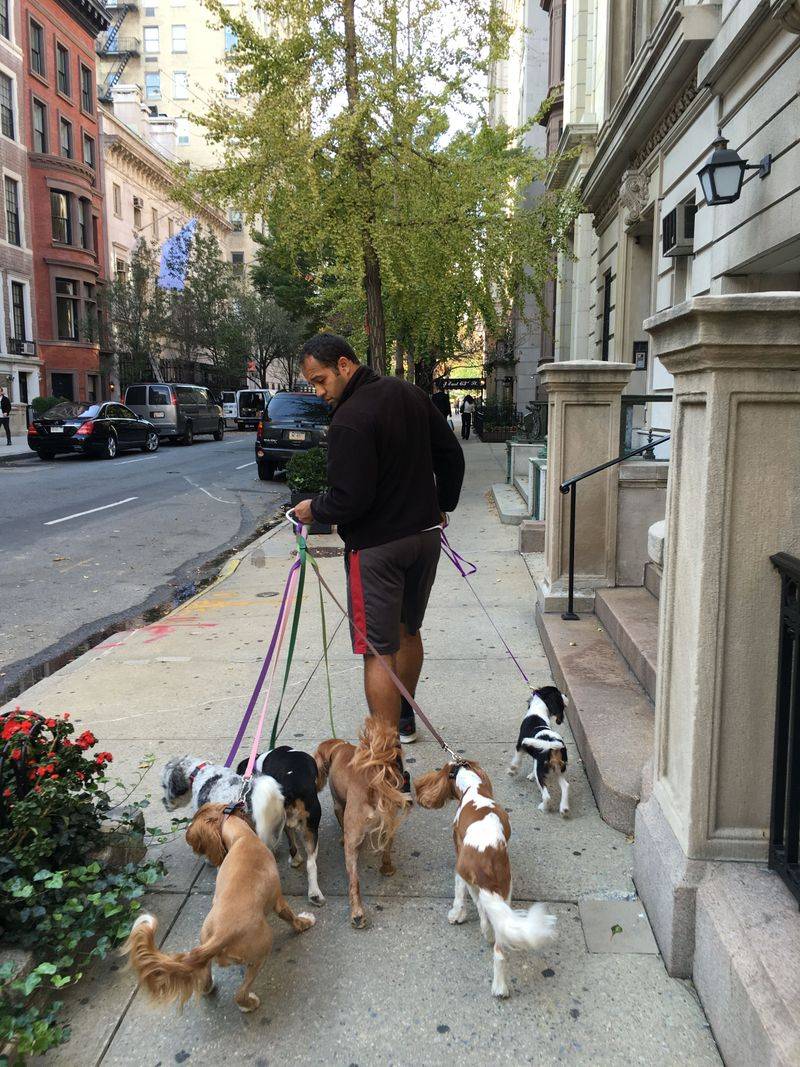
The gear you clip on before a walk can make everything calmer or chaos. Ill fitting harnesses rub, shift, and encourage pulling, while tight collars escalate stress.
If your leash is too short, you both tense up and lose room to practice good habits.
Choose a well fitted Y front harness, a sturdy six foot leash, and a comfy handle. Add a treat pouch so rewards are easy, then test everything at home first.
When equipment supports you, communication improves, pulling decreases, and your dog learns faster.
Skip retractable leashes for now, because inconsistent tension confuses dogs and encourages lunging. Simple, reliable tools help you stay calm, keep timing sharp, and build safer routines.
Your shoulders will thank you later.
Skipping training basics
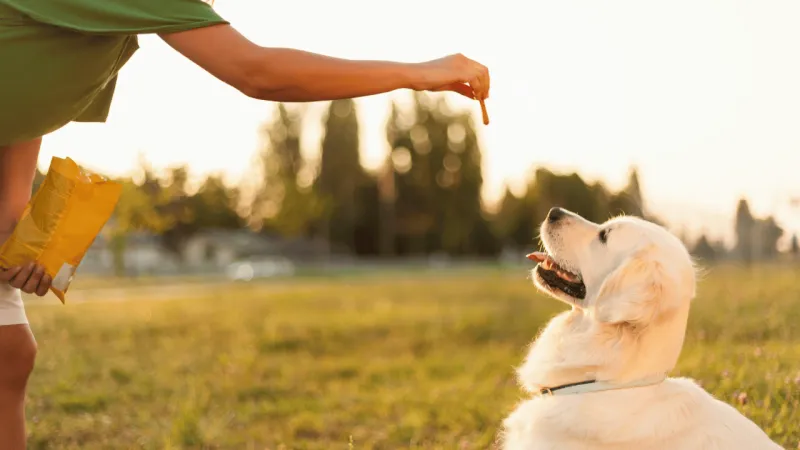
Without foundations, walks feel like spinning plates on a windy day. Your dog needs a clear marker, a reward system, and a couple of default behaviors.
Loose leash, name recognition, and hand target work turn confusion into predictable choices.
Practice one minute sessions indoors, then in the yard, and finally near quiet sidewalks. Reinforce generously at first, fade gradually, and keep criteria crystal clear.
When basics click, you can handle distraction spikes without raising your voice or yanking.
Start each walk with a quick check in, a few treats, and two slow breaths. Strong foundations create confident teams and calmer streets.
You will feel prepared, your dog will feel heard, and progress will finally stick. Small wins compound every day.
Walking without structure
If every walk is a free for all, your dog never learns how to settle. Structure is not rigid rules, it is predictable patterns that lower stress.
Think warmup, working time, decompression, and a calm finish.
Begin with a minute of focus games, then a planned route with loose leash checkpoints. Add sniff breaks at landmarks so your dog expects them and does not bargain constantly.
End with a sit, a cookie, and a pause before reentering the house.
Consistent rhythms reduce pulling, scanning, and sudden darting toward surprise smells. You will communicate sooner, reward smarter, and feel less rushed.
Small rituals anchor the walk, helping your dog predict choices and you manage energy well. Calm becomes the default naturally.
Allowing constant pulling
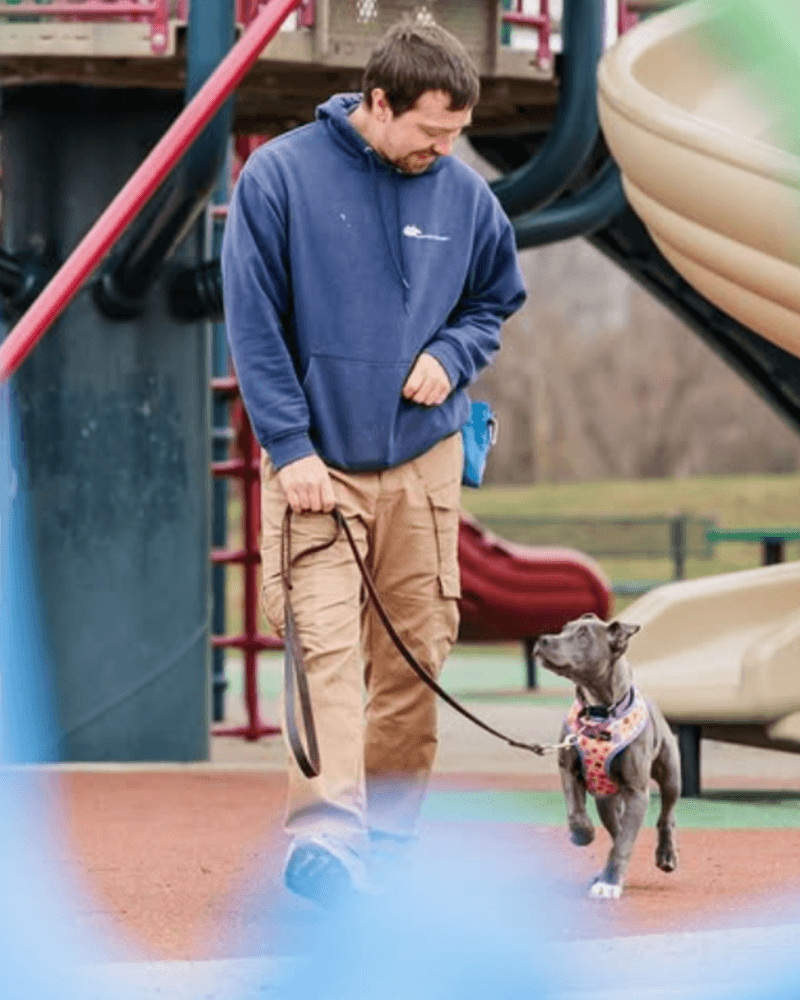
Every step your dog powers forward teaches that pulling works, so the habit snowballs. You lose balance, your timing lags, and frustration sneaks in.
Meanwhile, your dog rehearses adrenaline, not attention.
Switch to a front clip harness, hold the leash at your belly, and move deliberately. When tension appears, stop, step back, and reward for slack returning.
Sprinkle in quick direction changes and figure eights to reengage the brain.
Give sniff breaks only on a loose leash so privileges depend on polite choices. With practice, momentum shifts, and walking becomes a conversation again.
Your shoulders relax, your dog tunes in, and both of you discover steadier, happier strides. Progress feels slow at first, then suddenly obvious on every familiar block.
Ignoring triggers
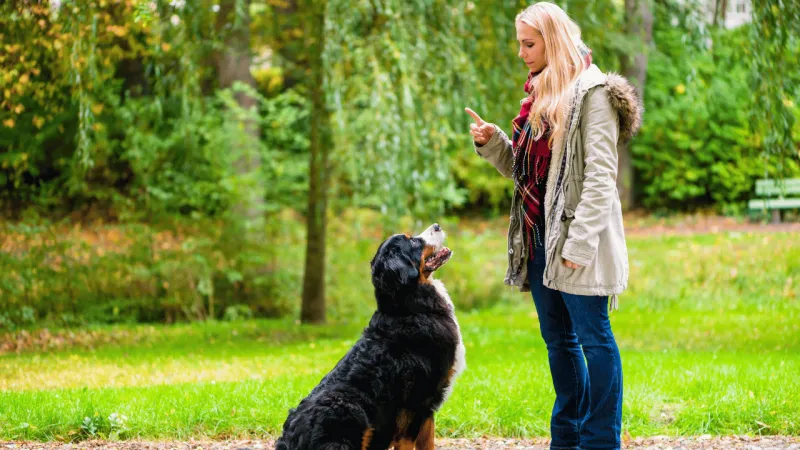
Squirrels, skateboards, and barking dogs are not misbehavior, they are stress triggers. When you march onward, adrenaline spikes and thinking shuts down.
Your dog needs distance, a plan, and reassurance.
Spot triggers early by scanning ahead and watching ear, tail, and breathing changes. Arc away, put food to nose, and guide into a simple hand target.
Reward calm glances at the trigger, then exit smoothly like nothing happened.
Over time, your dog predicts support instead of panic, and resilience grows. You will feel in control again.
Fewer surprises mean quieter walks, better choices, and a stronger bond built on trust. Triggers never vanish completely, but you can shape reactions and protect everyone’s space.
That skill changes everything long term, honestly.
Not providing enough exercise
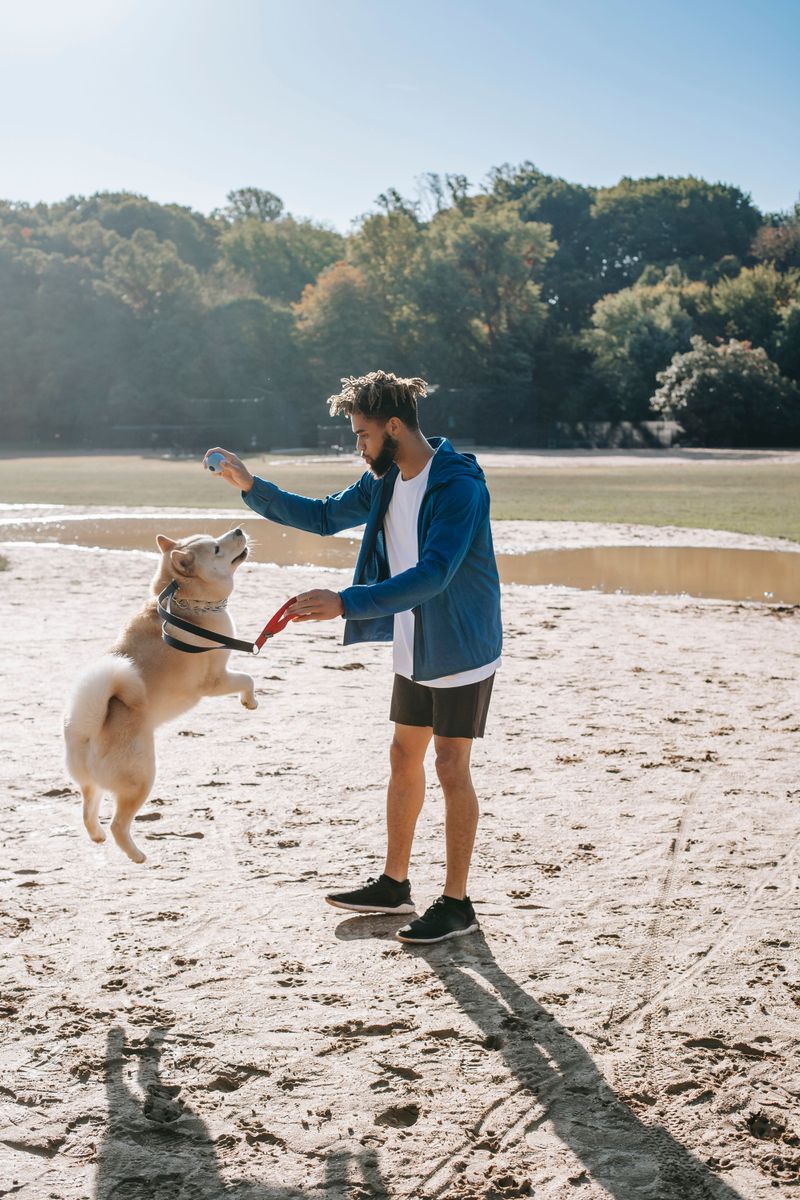
Pent up energy explodes on leash, turning small distractions into big feelings. Without outlets, dogs invent jobs like patrolling, pulling, or scavenging.
Mental work matters as much as miles.
Blend brisk walking with sniffaris, puzzle toys, flirt pole play, and short training bursts. On busy days, scatter feed dinner or teach a new trick for ten minutes.
Track what actually tires your dog, then schedule it before challenging routes.
A well exercised brain and body lower reactivity, improve sleep, and increase patience. You will notice smoother leash handling and fewer dramatic moments.
Consistency beats random marathons, so aim for realistic routines you can keep even during hectic weeks. Balanced dogs make balanced walkers, and everything feels easier day after day.
Using inconsistent commands
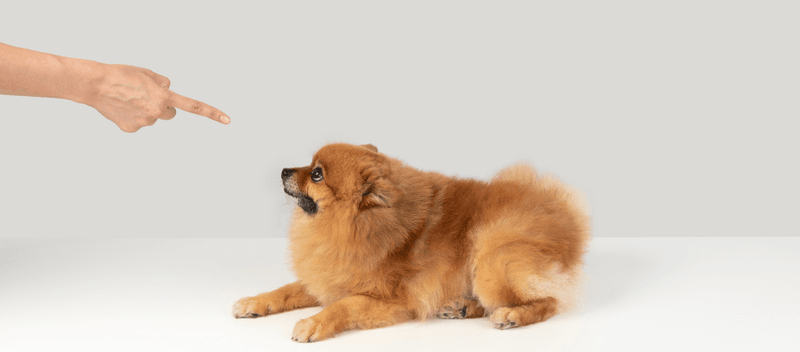
Sit sometimes means sit, sometimes means wait, and sometimes means whatever. Mixed signals create slow responses and simmering frustration for both of you.
Clarity turns chaos into habits.
Pick one cue per behavior, decide what it earns, and teach the family to match. Use the same leash length, the same release word, and the same reward placement.
Consistency shrinks decision time and frees up attention for the environment.
If mistakes happen, reset kindly, then practice three easy wins in a row. Soon your dog anticipates exactly what works and offers it faster.
You will feel like teammates speaking one language instead of rivals arguing mid sidewalk.
That shared rhythm makes distractions smaller and success repeatable. every single walk from now
Walking in overstimulating areas
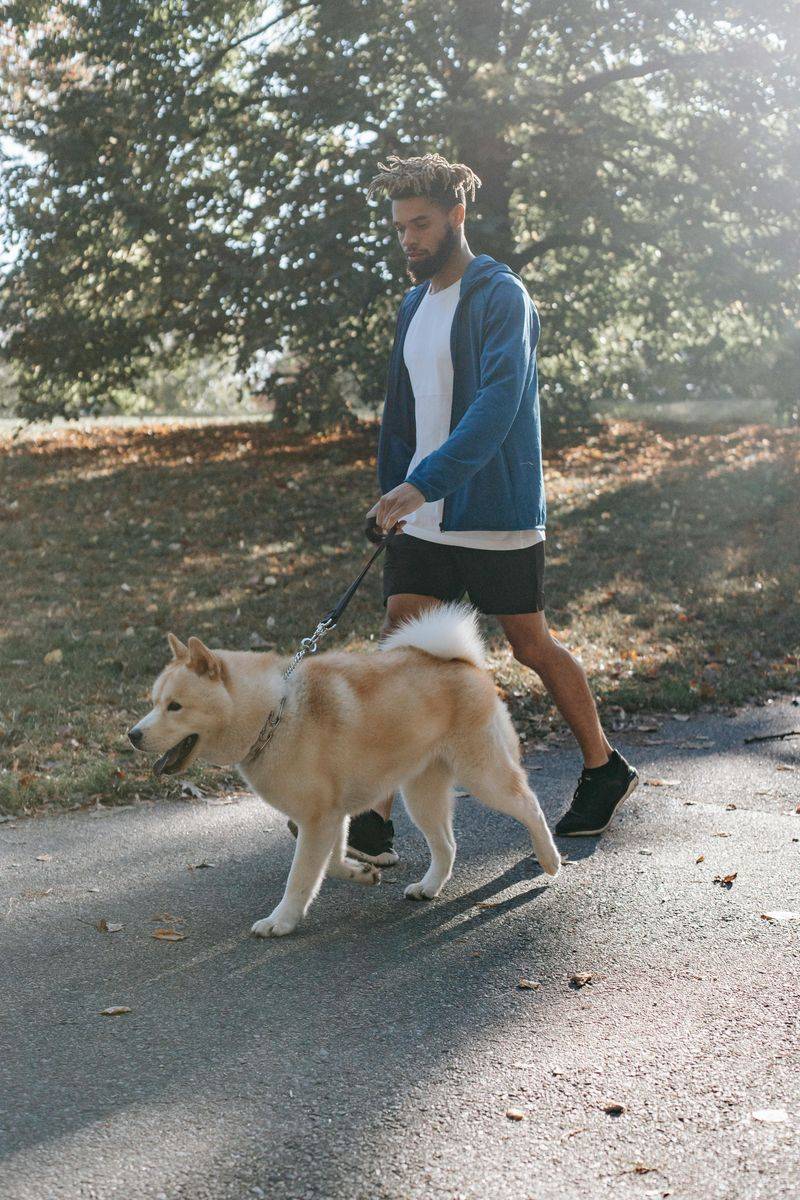
Some routes are carnival loud and neon busy, and sensitive dogs melt down there. When everything shouts at once, thinking shuts off.
You need breathing room to build skills gradually.
Choose wider sidewalks, open parks, and quieter hours so space is available. Use parked cars or hedges as visual blocks when surprises appear.
Layer short exposures with immediate exits, then lengthen as confidence grows.
If your dog struggles, you did not fail, the environment was simply too loud today. Adjust, regroup, and try again tomorrow.
Protecting bandwidth now creates stronger coping later, the difference you will feel on busier streets. Progress counts even when nobody else notices, because calm is the real milestone.
Let small victories guide your next steps.
Rushing social interactions
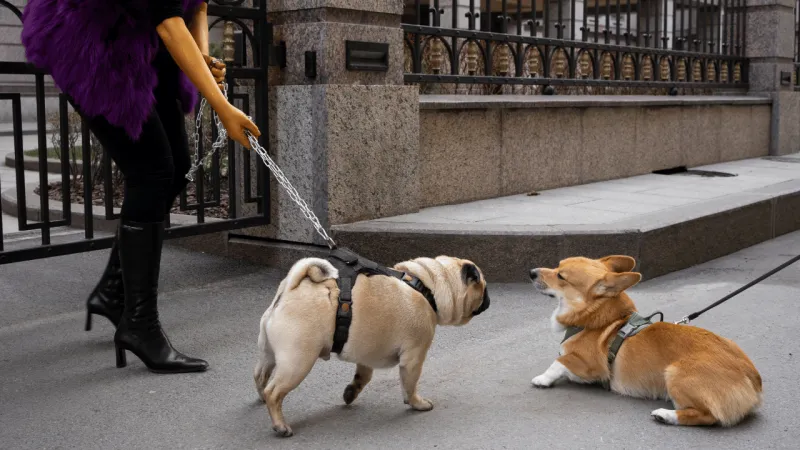
Fast greetings feel polite to humans, but many dogs need slower introductions. Crowding, leaning, or looming can spark snapping, barking, or shutdowns.
Your job is to advocate for space and choice.
Ask first, then approach in a curve, let noses sniff the wind, and keep leashes loose. Count to three, call away, and reward for following.
Short and sweet beats forced and awkward.
If either dog stiffens, yawns, or freezes, increase distance and reset. You will build trust with your dog and with your community.
Social skills grow through gentle reps, not chaotic scrums, and you can set that tone every time. Advocacy is not rude, it is smart prevention that keeps everyone safe.
Calm greetings age well over years.
Rewarding unwanted behavior
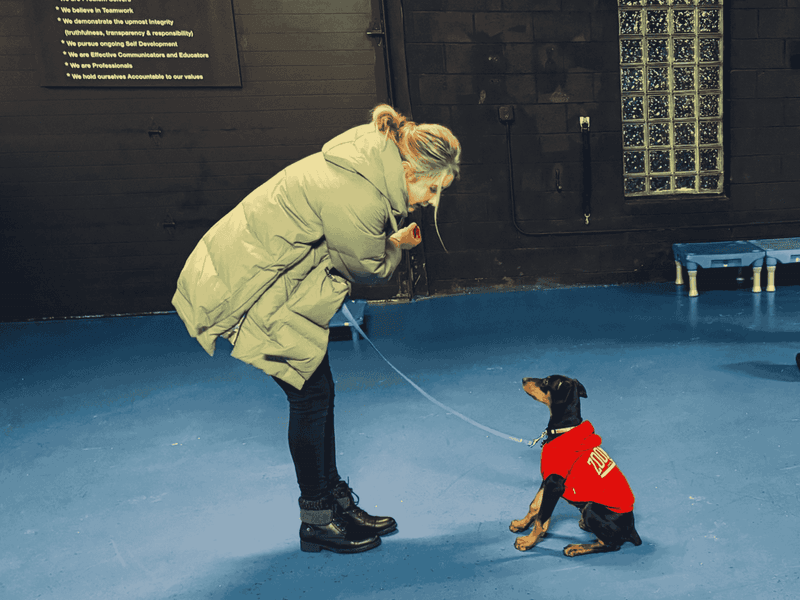
Dogs repeat what works, even if you did not mean to reinforce it. Pulling that reaches a lamppost gets rewarded by sniffing, and barking that earns distance gets reinforced.
Your job is to control outcomes, then pay the behaviors you want.
Pause before thresholds until the leash is slack, then open the door. If barking happens, turn away quietly, create space, and reward silence plus eye contact.
Let sniffing start only after a cue or a calm sit.
With consistent contingencies, patterns flip quickly and your dog chooses wisely. You will feel like a coach, not a referee.
Rewards become information, consequences stay gentle, and the whole walk becomes easier to navigate.
That clarity changes habits for good. very fast
Expecting too much too soon
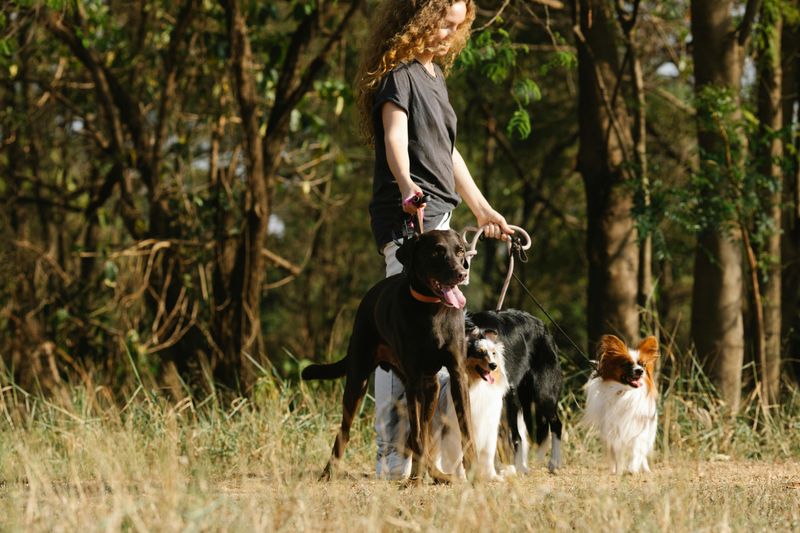
Progress is not linear, and rushing milestones backfires on sensitive teams. When criteria jump, stress skyrockets and skills crumble under pressure.
Your timeline must match your dog’s capacity today.
Slice goals thinner, celebrate tiny reps, and end while attention is still good. Train near home before parades, practice around one dog before a crowd, and shorten routes.
Track wins, rest often, and let recovery do its quiet work.
You will notice steadier behavior and fewer meltdowns as confidence accumulates. Start small, stay kind, and you will arrive sooner than rushing ever allowed.
Patience grows trust, trust grows skills, and skills make walking feel like partnership instead of survival. Slow progress is still progress worth repeating daily.
Keep showing up gently.