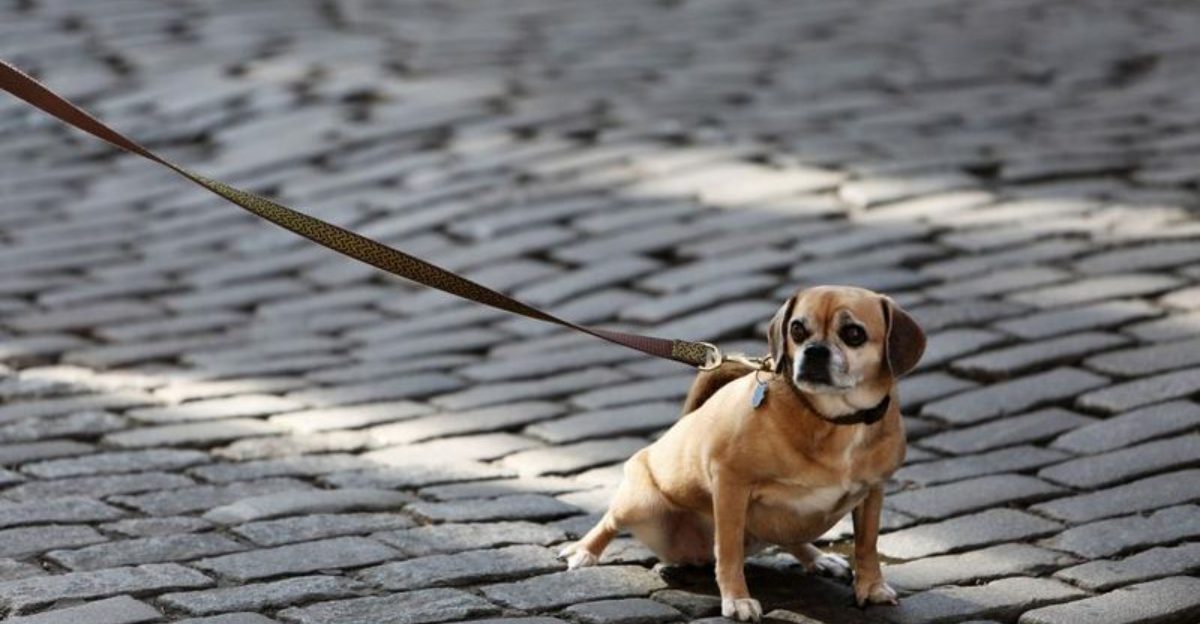
Ever feel like your dog wrote the house rules and forgot to tell you? Those cheeky habits might be cute, but they can quietly train you instead of the other way around.
The good news is that small adjustments can restore calm, clarity, and trust without crushing your dog’s spirit. Let’s decode the signs and clear up the ones people often misunderstand.
Ignores commands selectively
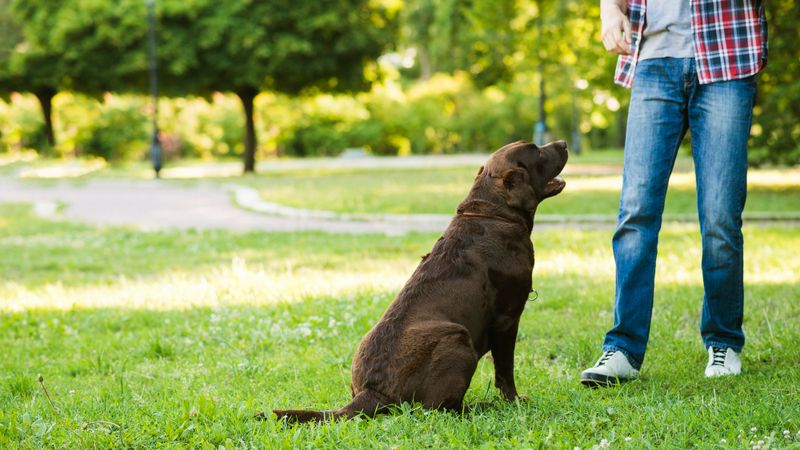
Sometimes a dog hears you, weighs the options, and decides the environment is more interesting. That selective listening can look like stubbornness, but it often reflects unclear cues, low motivation, or too many distractions.
If you repeat a cue and your dog responds only when you move toward the treat jar, you have a negotiation problem.
Make cues predictable and valuable. Say the command once, then help your dog succeed with distance, leash guidance, or a lower distraction setup.
Reward promptly and generously for the first response. If you must repeat, lower criteria next time instead of getting louder.
Practice short sessions, then gradually add distractions. Consistency tells your dog you notice effort and that following directions reliably pays.
Demands attention constantly
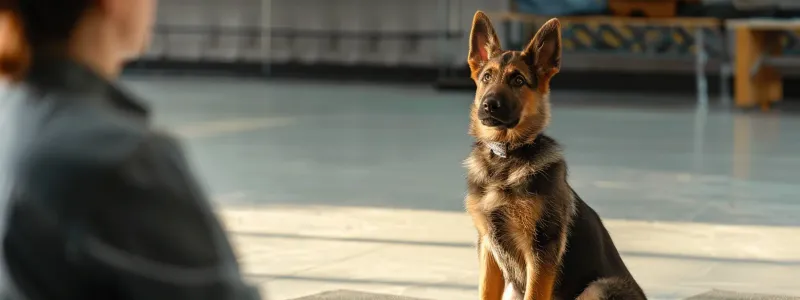
Nudges, paw taps, and persistent whines can train you to deliver petting on demand. When every interruption earns eye contact or a quick pat, your dog learns that pushing works.
It feels sweet, but it can spiral into frustration for both of you when boundaries disappear.
Teach an alternative like relaxing on a mat. Reward calm approaches and brief check-ins, not relentless pokes.
Use planned attention sessions, then cue a release to rest. If your dog insists, calmly stand up, turn away, or briefly leave to show that pestering turns attention off.
Sprinkle in enrichment and exercise so needs are met proactively. Over time, your dog discovers that patience, not pressure, unlocks connection.
Pushes through doors first
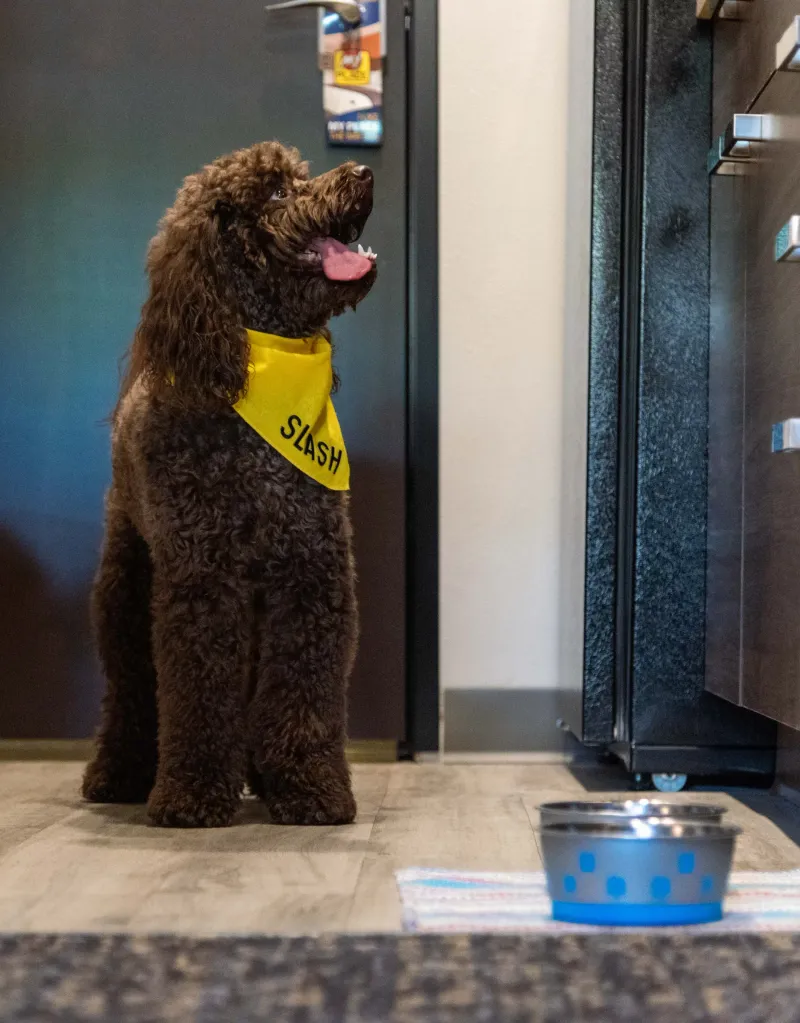
Charging through doorways is risky and says your dog values getting there over checking in. It is not about dominance so much as excitement and habit.
If moving legs always win, polite waiting never gets practiced.
Teach a door routine. Approach, ask for sit, touch the knob, and reward stillness.
Open the door an inch, reward calm again, then close if your dog rushes. Release with a cheerful cue to move together.
Use a leash for safety while building muscle memory. Soon, doors predict a quick pause followed by permission.
That tiny moment of impulse control strengthens everything from car exits to gate manners, and it makes daily life feel steady instead of chaotic.
Guards favorite spots
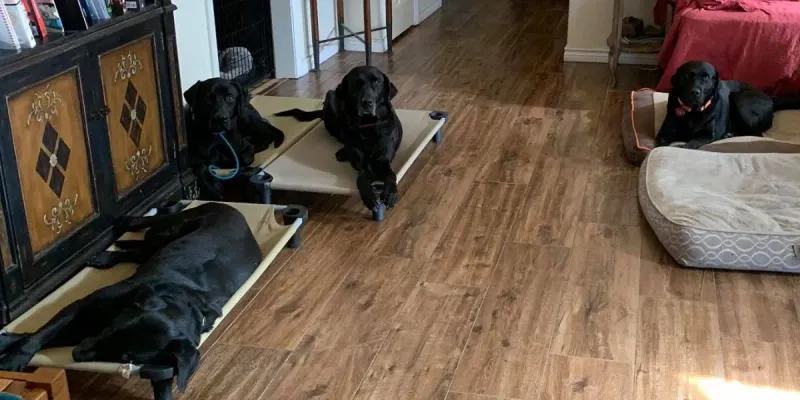
Growling on the couch or blocking a bed can feel personal, but it is usually about guarding comfort. Your dog learned that space is valuable and people stepping closer means potential loss.
Punishing the warning can silence communication and raise risk.
Trade conflict for cooperation. Teach an upbeat off cue paired with treats tossed to a comfy mat.
Reinforce calm when you approach, then offer an even better option like a chew on a bed. Use baby gates and leashes to manage while retraining.
Invite on furniture only by cue, and remove access when unsupervised. Respect the growl as information, then build trust so your dog feels safe relinquishing prized zones willingly.
Refuses to move when asked
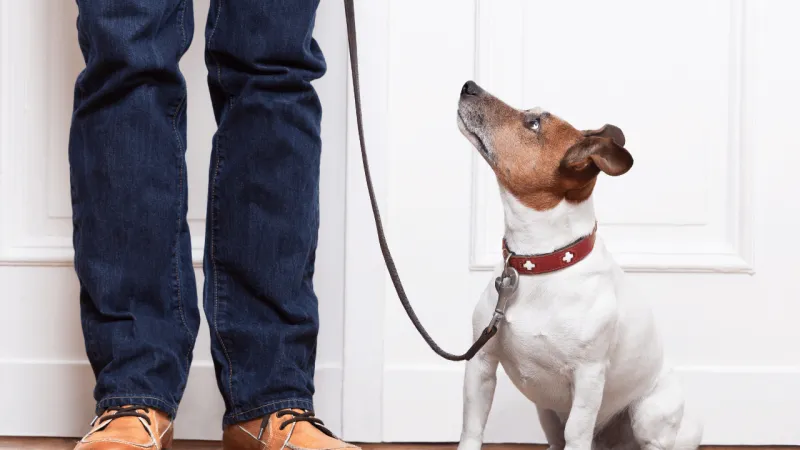
A planted sit or dramatic flop can stall your day and win your dog extra control of the route. Often it signals confusion, stress, or low reinforcement rather than rebellion.
If moving has never paid as well as staying still, the standstill keeps happening.
Break movement into tiny wins. Mark a weight shift, a single step, then two.
Use cheerful cues, tasty rewards, and brief breaks. If the environment worries your dog, create distance until confidence returns.
Keep sessions short and end on success. Mix in pattern games that predict movement leads to praise and snacks.
Over a few walks, momentum becomes easy, and your dog learns that following your request brings comfort, clarity, and fun.
Steals food opportunities
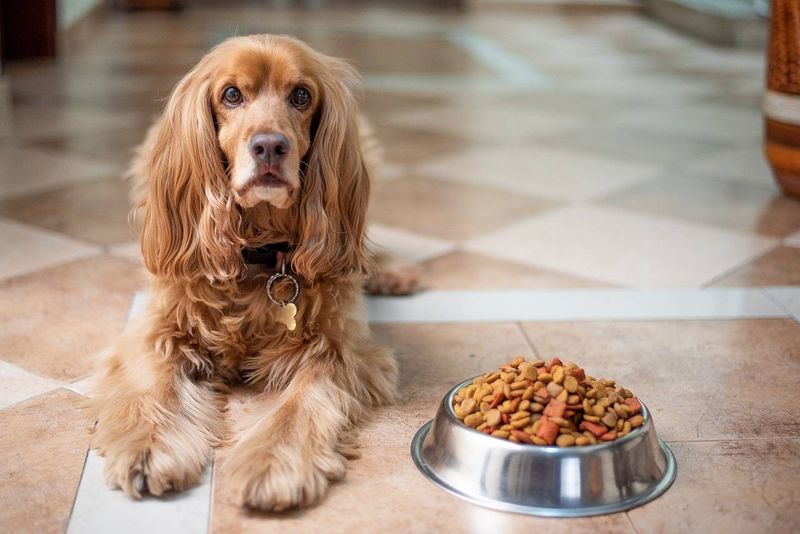
Counter surfing and table raids work because jackpots happen. Even one forgotten plate can train a pro thief.
Scolding after the grab rarely changes anything since the reward already landed.
Manage first. Clear counters, use closed doors, and crate or station during meal prep.
Then train. Reinforce a solid leave it and teach go to your mat while you cook.
Pay generously for staying put and offer approved chews. Add booby-trap practice with decoy food that only pays when ignored.
Consistency turns risky gambles into boring outcomes. With time, your dog will check in with you instead of shopping the countertops, and you can finally eat without playing goalie.
Controls play interactions
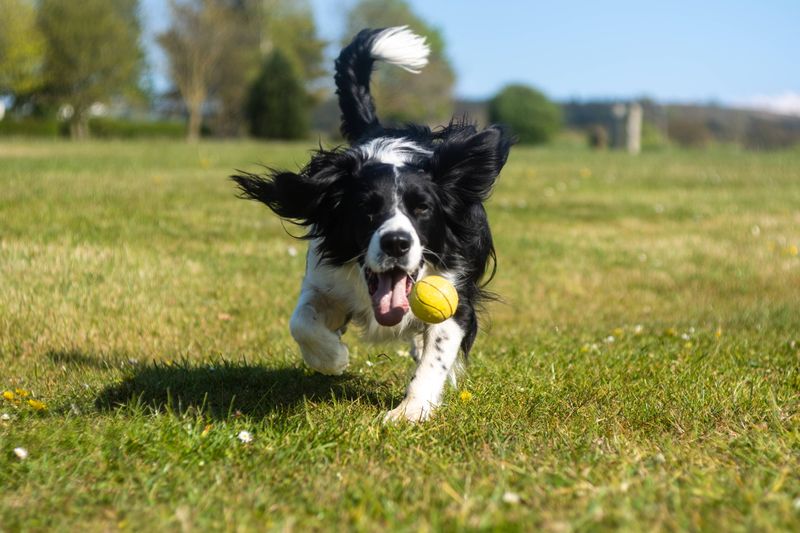
If games start and stop only on your dog’s terms, polite play skills may be missing. Ignoring drop or grabbing toys from hands can escalate arousal and create conflict.
Teaching structure does not kill fun, it protects it.
Build cues like take, drop, and pause. Start easy with trades and quick returns to the game.
If your dog revs high, include calm breaks and sniffing resets. Reinforce gentle mouths and clear releases.
Rotate toys so novelty stays fresh without chaos. Invite play, then end the session while arousal is stable.
Soon your dog learns that cooperating keeps play going, and you both enjoy games that feel exciting, safe, and predictable.
Pulls heavily on walks
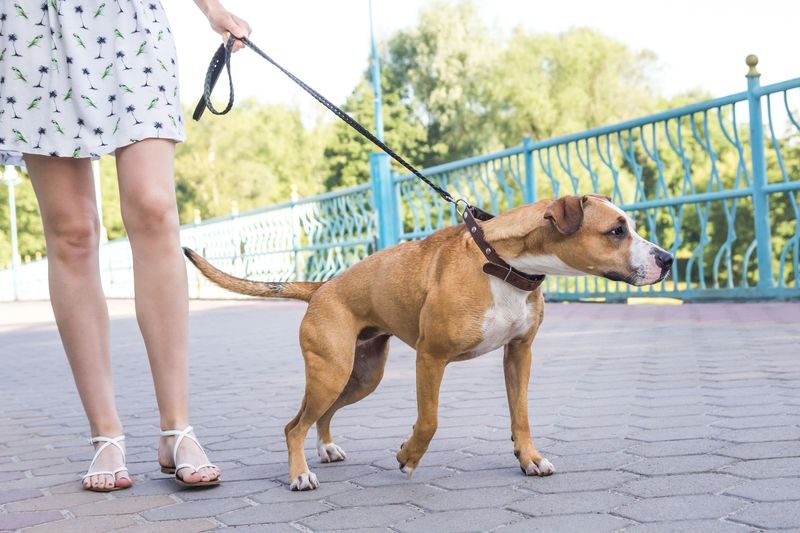
Dragging you down the street is usually about reinforcement history. If every step forward rewards pulling, your dog keeps choosing tension.
It is not dominance, it is physics plus excitement.
Switch the economy. When the leash tightens, stop or change direction.
When it loosens, move and reward near your side. Use tasty food, sniff breaks, and varied routes.
A well-fitted harness protects the neck while you teach skills. Practice short training walks separate from potty missions so goals stay clear.
As your dog discovers that slack equals progress and pay, pace evens out. Walks become partnerships instead of tugs of war, and both of you breathe easier.
Interrupts people repeatedly
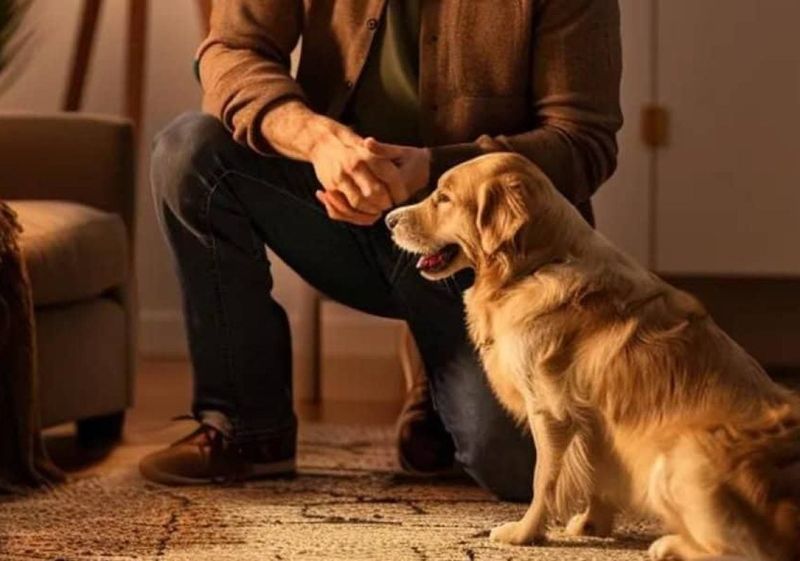
Barking during conversations or wedging between hugs can look like attention hogging. Sometimes it is excitement, sometimes discomfort about close contact or raised voices.
Either way, interruptions keep working if they end the moment or earn petting.
Normalize calm around interactions. Teach a station behavior when guests arrive and pay generously for staying settled.
Pair people hugging or talking with quiet treats on a mat. If your dog jumps in, reset kindly, then rehearse smaller steps.
Keep greetings short and predictable. Offer enrichment before company visits so needs are met.
With practice, your dog learns that human connection is safe, boring, and not a competition for affection.
Decides when interactions end
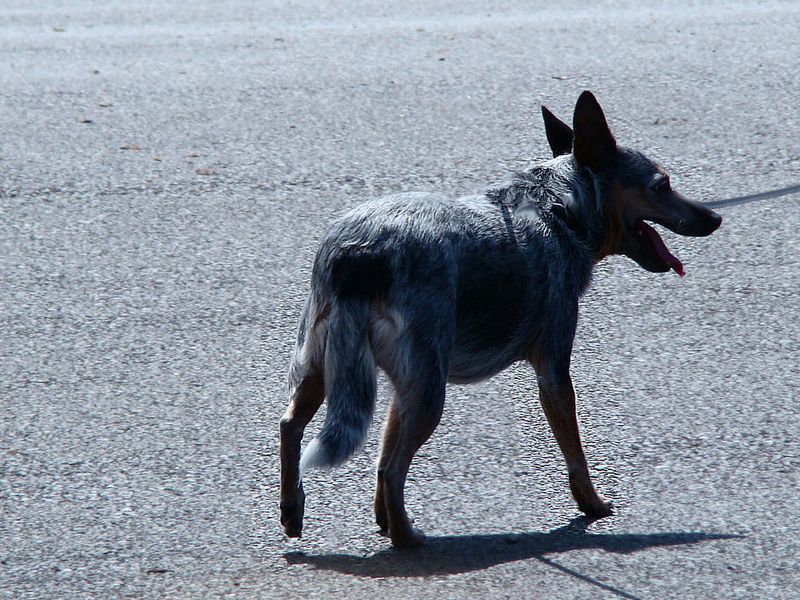
Some dogs stroll off with a toy or leave mid-petting, effectively ending sessions on their terms. That can signal overarousal, discomfort, or simply that the payoff ended.
Forcing more contact can erode trust.
Teach start and stop signals. Invite consent with a brief pet, then pause and see if your dog re-engages.
Reward returns to you and honorable checkouts to a bed. Keep sessions short and sweet, mixing play with easy wins.
If your dog routinely bails, adjust intensity, location, or duration. By honoring feedback while setting gentle structure, you transform fickle moments into confident, mutual choices that feel good for both sides.
Sleeping on furniture
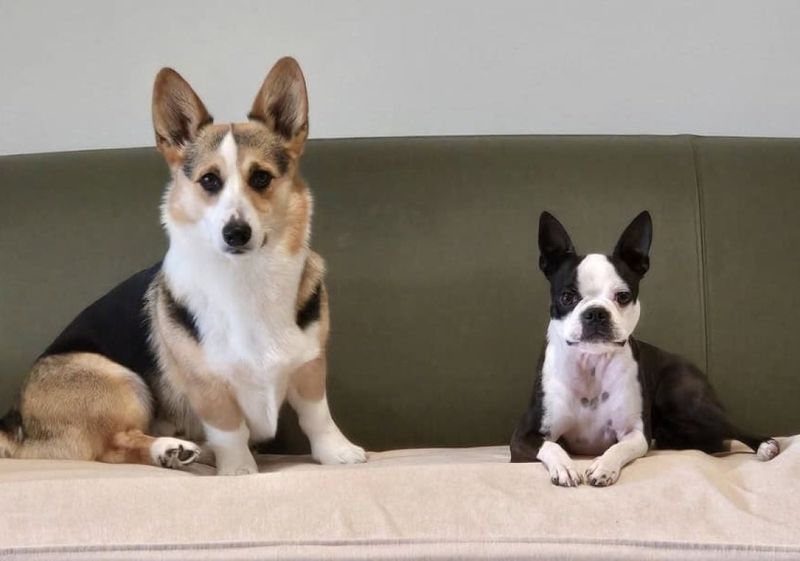
Furniture access is not a moral issue, but it can blur boundaries if your dog guards spots or ignores requests to move. The problem is not the sofa itself, it is the lack of a reliable off switch.
Comfort becomes control when you cannot reclaim space.
Decide your rules and teach them. Invite up by cue, and pair off with something great on a mat.
Reward moving willingly, not dragging. Provide plush alternatives so comfort is not limited to the couch.
If guarding appears, manage access while training a cheerful trade. Consistency turns furniture from a battleground into a privilege that never risks safety or harmony at home.
Walking ahead on leash
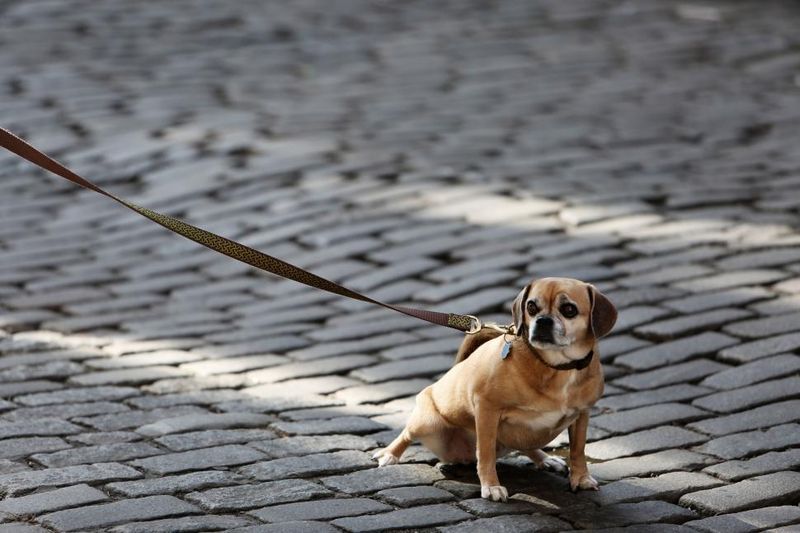
Being in front is not automatically dominance. Many confident, happy walkers trot slightly ahead while checking in.
The real question is leash tension and responsiveness.
Teach a few walking positions. Sometimes you ask heel, sometimes casual together.
Mark and reward when your dog glances back, matches pace, or responds to a gentle verbal cue. Use turns and environmental rewards like sniffing as payment.
If the leash stays slack and your dog adjusts to you, forward position is just a style choice. When tension sneaks in, reset with brief pattern games and reinforce closer steps.
Soon your walks feel connected without micromanaging every stride.
Asking for affection
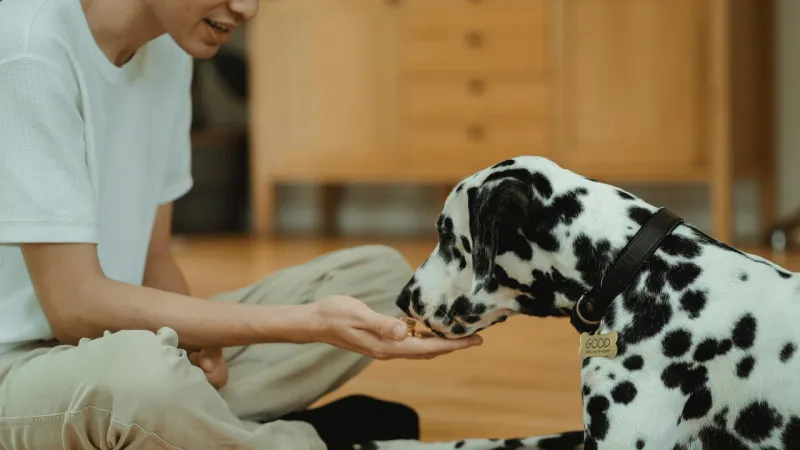
Head nudges and leaning are often sweet bids for connection, not power plays. Your dog is communicating a need for touch, reassurance, or regulation.
Problems arise only when requests become relentless or pushy behaviors get reinforced.
Teach consent and balance. Offer brief petting, pause, and watch for a clear yes or a shake off.
Reward polite approaches and soft eye contact, then cue all done so endings are predictable. Meet needs with exercise and enrichment so affection is not doing every job.
By reading your dog’s body language and setting kind boundaries, affection stays two way, respectful, and deeply satisfying for both of you.