
If your dog keeps scratching even after a clean flea check, you are not imagining it. Some breeds are simply more prone to skin, ear, and allergy troubles that itch from the inside out.
The right tweaks to grooming, diet, and vet care can make a huge difference. Let’s zero in on the breeds that often need extra help, and how you can bring them relief fast.
French Bulldog
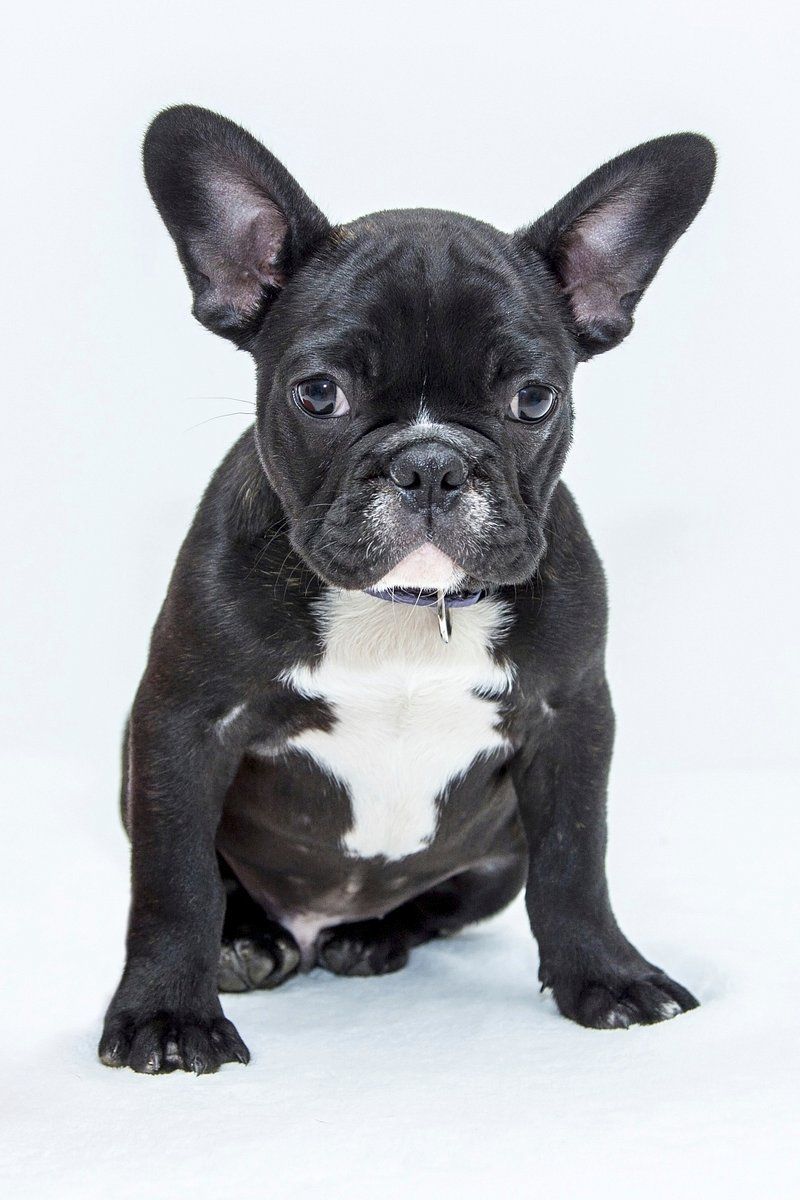
French Bulldogs are adorable, but their skin can be a minefield of triggers. Short muzzles and tight skin folds trap moisture, inviting yeast and bacteria.
You might notice itching around the face, armpits, and paws, especially after warm walks. Food sensitivities are common, with chicken, beef, or dairy often stirring up red bellies and ear gunk.
Seasonal allergies can pile on, making spring and fall miserable. Early intervention helps.
Start with a gentle, fragrance free shampoo and thorough drying between folds. Wipe paws after grass romps and rotate breathable bedding.
Ask your vet about a limited ingredient diet and an omega 3 supplement. If hotspots flare, you may need prescription ear drops or anti itch meds.
Track patterns so you can act faster next time.
Bulldog
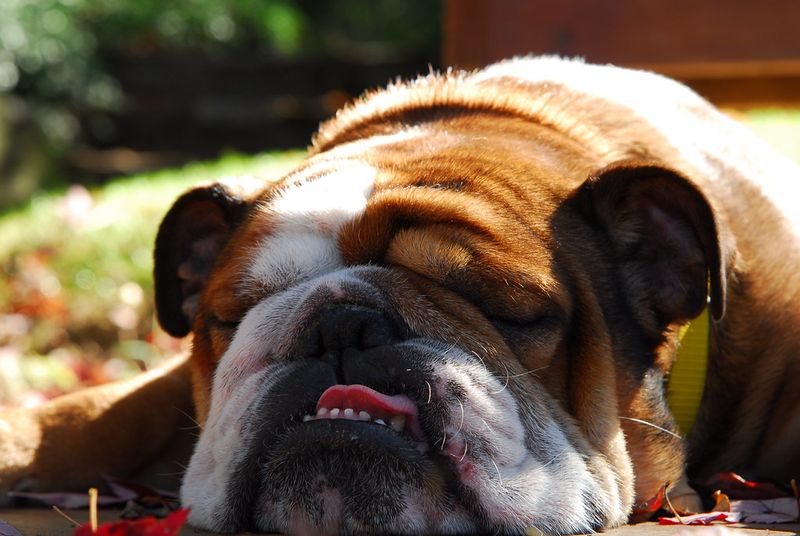
Bulldogs bring big personalities, but their wrinkles need serious maintenance. Moisture collects in facial folds and the tail pocket, fueling bacteria and yeast that itch like crazy.
You may see pink, smelly skin and head shaking from ear inflammation. Heat and humidity make everything worse, so summer requires extra care.
Food triggers can add fuel, with beef or dairy often suspected. Consistency beats quick fixes.
Clean folds daily using vet approved wipes and dry thoroughly. Schedule weekly baths with a soothing, fragrance free shampoo and cool water.
Keep weight controlled to limit sweating and friction. Consider a limited ingredient diet and add omega 3s to calm skin.
At the first sign of hotspots, get meds early to stop the spiral and protect comfort.
Shar Pei
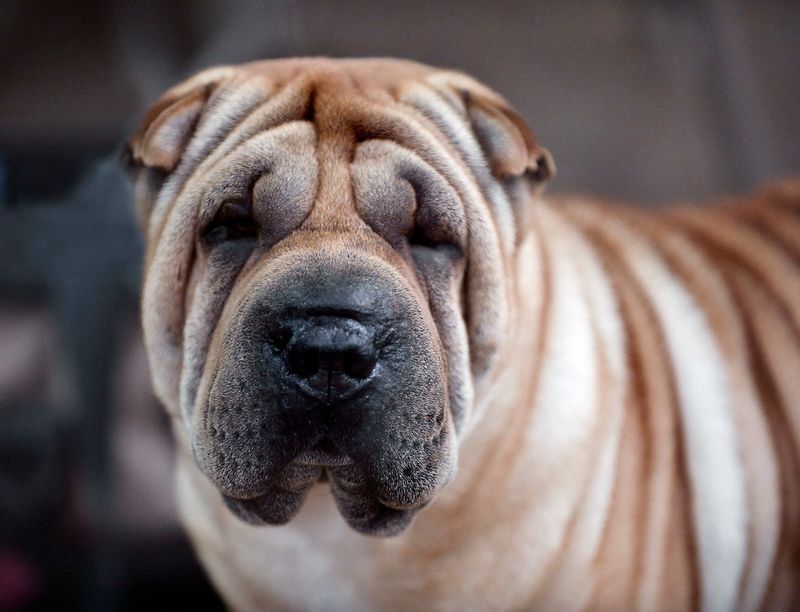
Shar Pei skin is unique and high maintenance. Deep wrinkles create tight, moist spaces where yeast thrives and itch erupts.
You might notice head shaking, paw chewing, and a musty odor that returns fast. Some Shar Pei also face inherited conditions that complicate allergies.
Diet sensitivities can be major, and abrupt food changes often backfire. Keep routines steady and proactive.
Bathe with a mild, antiseborrheic shampoo and rinse thoroughly. Dry carefully between folds and keep bedding clean and breathable.
Ask your vet about a prescription allergy plan or cytology guided treatments. Limited ingredient or hydrolyzed diets can settle flare ups, while omega 3s support healthy barriers.
Track triggers like grass, heat, and stress, and adjust walks or cleaning accordingly for steadier comfort.
Golden Retriever

Golden Retrievers often battle environmental allergies that inflame skin and ears. You may see constant paw licking, rump scratching, and recurring ear infections.
Their lush coats can hide redness until it is advanced. Pollens, dust mites, and even indoor molds can spark itching that waxes and wanes by season.
Food sensitivities happen too, so keeping a diary helps. The goal is steady control, not perfection.
Rinse after high pollen walks and dry thoroughly. Use a gentle, fragrance free shampoo and brush out undercoat to reduce trapped allergens.
Ask your vet about ear cleaners, omega 3s, and allergy meds or immunotherapy. Consider a trial with a novel protein or hydrolyzed diet.
Small daily habits add up, protecting that glorious coat and your peace of mind.
Labrador Retriever
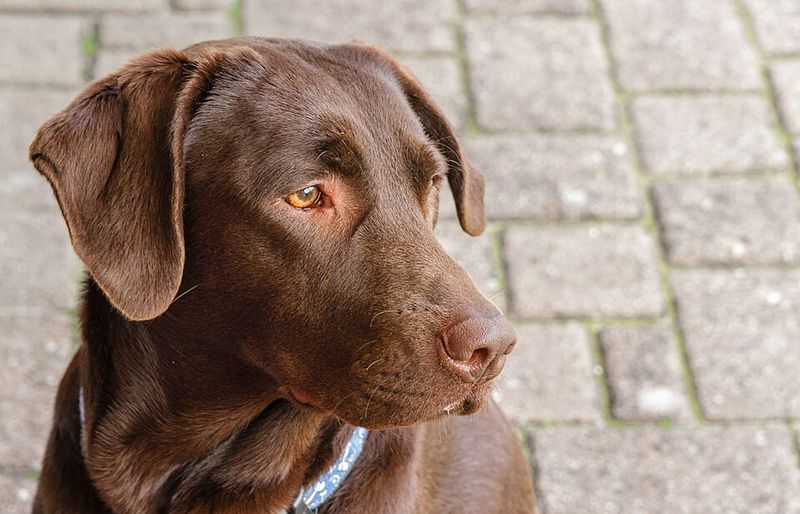
Labradors are sturdy, but their skin can protest quietly for months. Constant swimmers may get recurrent yeast or bacterial flare ups, especially between toes and around ears.
Itching often spikes after ponds or heavy pollen days. Extra weight and humid climates make things worse.
Food sensitivities are less common than environmental allergies, but they do occur. Consistent grooming and drying are your best allies.
Rinse after swims, then dry ears and paws gently. Brush out undercoat to remove trapped allergens and moisture.
Use a mild shampoo as needed and rotate clean, breathable bedding. Ask your vet about an omega 3 supplement and ear cleanser routine.
If flare ups persist, explore allergy testing or immunotherapy so your Lab can keep adventuring comfortably year round.
Boxer

Boxers can be sensitive souls with reactive skin. You might notice dandruff, red patches, paw licking, and occasional hives after grass play.
Short coats do not protect much, so irritants hit fast. Some Boxers struggle with recurrent ear issues and secondary infections from scratching.
Food intolerances, especially chicken or grains, may contribute. Early routines prevent chronic cycles.
Bathe with a gentle, moisturizing shampoo and rinse thoroughly. Dry completely, then apply a vet approved balm to trouble spots.
Consider a limited ingredient or novel protein diet and add omega 3s for barrier support. Keep fleas and mites ruled out with prevention.
If eruptions appear, ask about cytology, antihistamines, or short term anti itch meds. Consistent care keeps that bouncy spirit thriving.
West Highland White Terrier
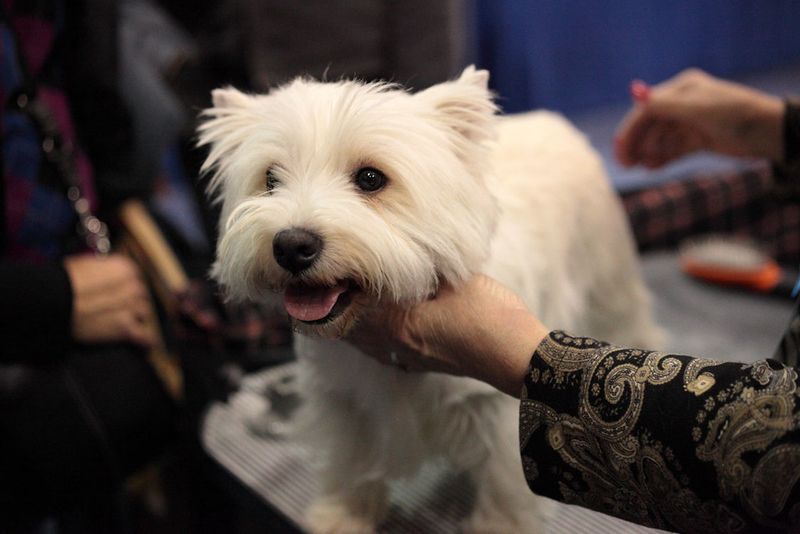
Westies are famous for sensitive, itchy skin that shows quickly on their white coats. You might see pink bellies, paw staining, and ear gunk that returns after treatment.
Environmental allergens are common drivers, and yeast loves damp toes. Food triggers can overlap, confusing the picture.
Staying systematic keeps you sane and your Westie comfortable.
Adopt a routine: weekly baths with a gentle, medicated shampoo if your vet recommends it, daily paw wipes after grass, and thorough drying. Try a limited ingredient diet or hydrolyzed protein under guidance.
Add omega 3s and use ear cleaners regularly. Track seasons, locations, and foods in a simple journal.
When flare ups start, act early with vet advice to break the itch cycle before it snowballs.
Pug
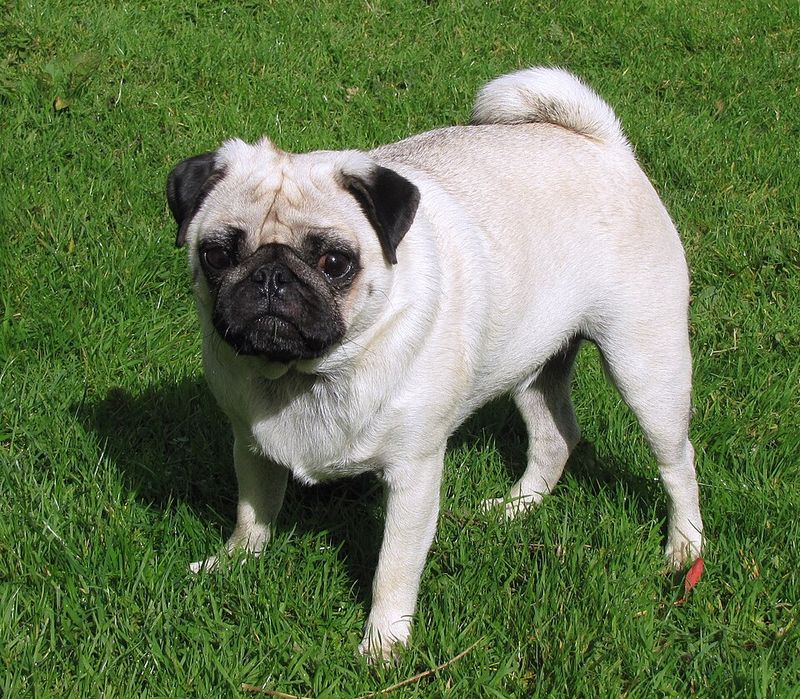
Pugs pack a lot of charm into small, wrinkly faces that trap moisture and debris. You will often notice itch around the nose roll, chin, and ears.
Warm weather can bring a sour odor and red skin that flares fast. Obesity raises friction and sweating, making issues worse.
Food sensitivities may add ear problems and paw licking. Simple daily habits help most.
Clean and dry facial folds, especially the nose roll, using vet approved wipes. Bathe with a gentle, fragrance free shampoo and keep sessions cool.
Control weight and swap to breathable bedding. Discuss a limited ingredient diet and omega 3s with your vet.
If infections recur, request cytology and targeted meds. Small, consistent steps keep your Pug happy and itch under control.
Shih Tzu

Shih Tzus have luxurious coats that can hide simmering skin trouble. Tangled hair traps moisture and allergens against delicate skin, sparking itch and redness.
Ear canals get humid under long hair, encouraging yeast. You might notice paw licking, tear staining, and scratching at collars.
Food and environmental triggers can overlap, so patterns matter. Gentle, frequent grooming is your superpower.
Brush daily to prevent mats and let skin breathe. Keep ears trimmed, cleaned, and fully dried after baths.
Use a mild, moisturizing shampoo and rinse thoroughly. Consider a limited ingredient diet or hydrolyzed protein trial, plus omega 3s.
Ask your vet about allergy meds or ear solutions if flare ups persist. With routine care, that flowing coat can stay comfortable and beautiful.
Cocker Spaniel

Cocker Spaniels are sweet but notorious for ear and skin challenges. Heavy ears trap heat and moisture, fueling yeast and bacteria that itch nonstop.
You might smell a sweet odor or see head shaking and dark discharge. Skin can also flare on the belly, armpits, and paws.
Allergies and seborrhea often dance together, making management a marathon, not a sprint.
Clean ears with a vet recommended solution and dry thoroughly after baths. Schedule regular grooming to keep airflow around ears and belly.
Choose a gentle, antiseborrheic shampoo if advised, and rinse completely. Discuss diet trials, omega 3s, and allergy support with your vet.
Treat infections early to avoid scarring. With structure and patience, you can keep those silky ears comfortable and fresh.
German Shepherd
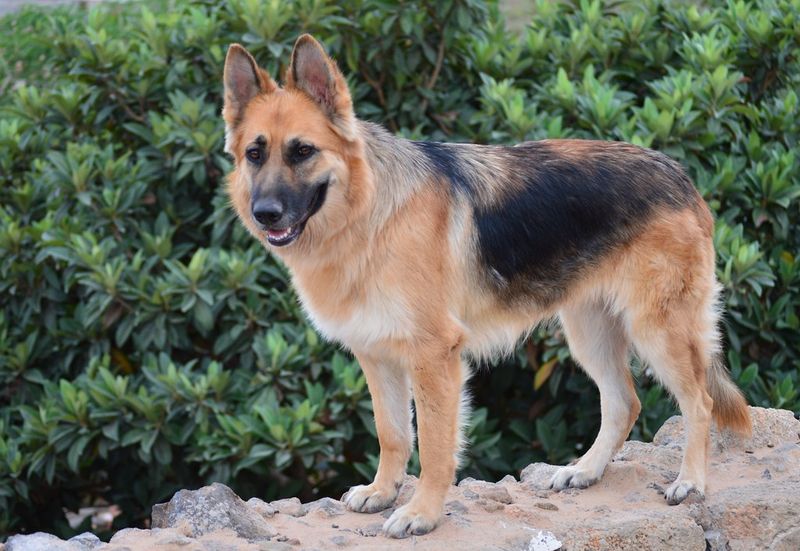
German Shepherds often face environmental allergies and sensitive stomachs that reflect on skin. You might notice tail base itching, dandruff, and recurring ear irritation.
Their double coat can trap allergens close to the skin, worsening flare ups. Stress and high energy lifestyles sometimes amplify scratching.
Food sensitivities also occur, so thoughtful feeding helps. Early routines beat reactive scrambling.
Brush the undercoat regularly to lift allergens and loose hair. Rinse after heavy pollen exposure and dry well.
Ask your vet about omega 3s, targeted ear cleaners, and allergy medications or immunotherapy. Consider a novel protein or hydrolyzed diet trial to simplify triggers.
Keep exercise steady to reduce stress scratching. With consistent care, your Shepherd can stay active, comfortable, and focused on the fun.
American Pit Bull Terrier
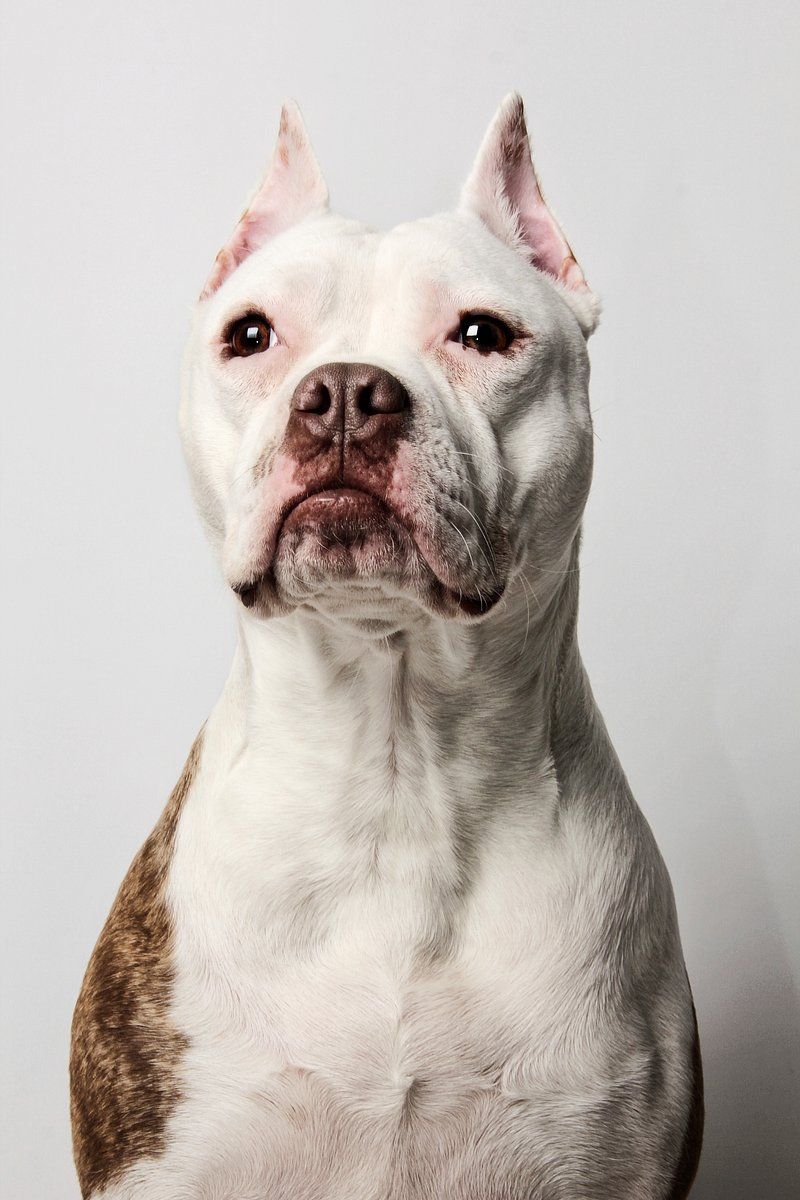
American Pit Bull Terriers have short coats that reveal every red patch and hive. Contact allergies to grass or cleaners can explode into itch quickly.
You might see belly rashes, paw licking, and ear irritation after yard time. Secondary infections set in fast if scratching continues.
Food triggers are possible, but environmental factors lead the pack. Staying proactive keeps comfort high.
Rinse after grassy play, then dry thoroughly. Switch to gentle, fragrance free detergents and clean bedding often.
Use a soothing, vet approved shampoo and add omega 3s for skin support. Discuss allergy meds or immunotherapy if flares repeat.
Try a limited ingredient diet if patterns suggest food involvement. Quick action, clean routines, and close vet guidance can turn constant scratching into calm, happy days.