Small habits can make or break life with your dog. One simple rule, repeated in the right moments, can prevent jumping, pulling, reactivity, and chaos from ever taking hold.
You do not need complicated routines, just dependable cues and smart timing that teach calm choices. Here are 11 popular breeds and the single rule that keeps everything smoother later.
Border Collie
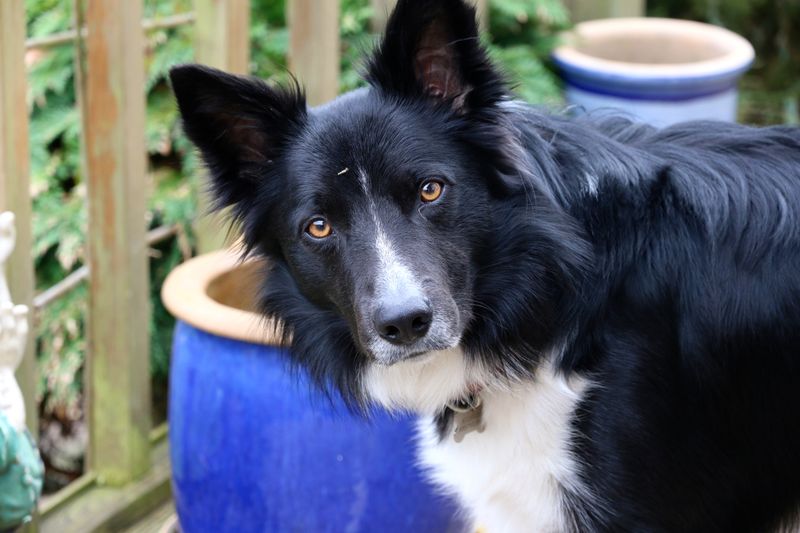
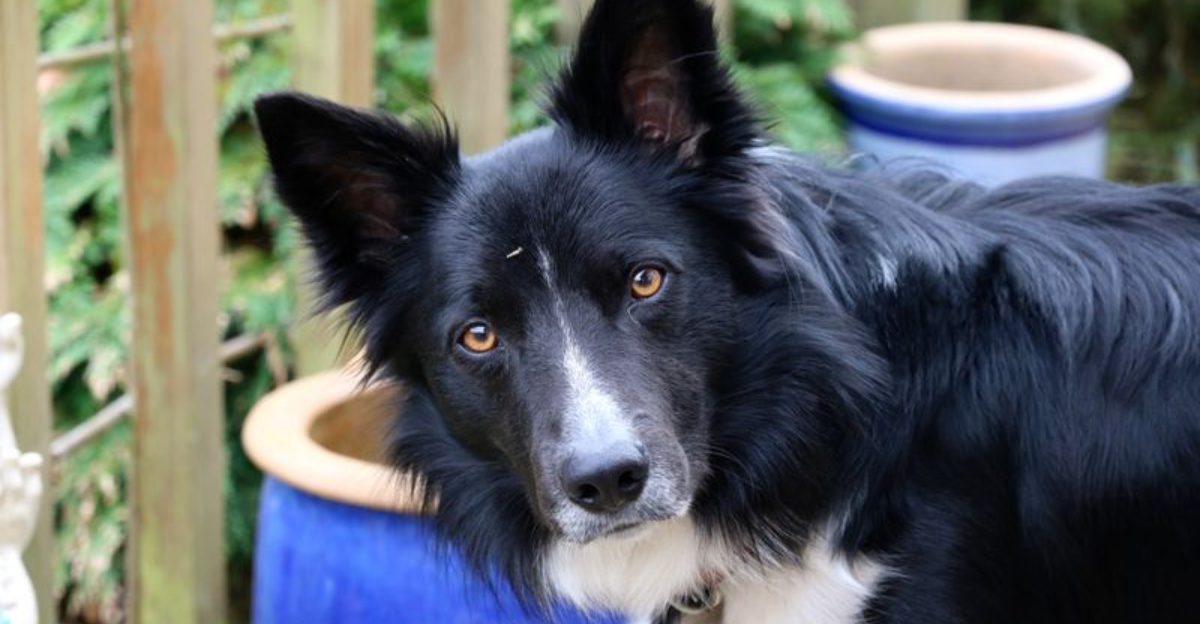
Border Collies thrive on structure, and one simple rule saves your sanity: work first, play second. Start every day with a focused task like obedience, scent games, or a quick herding simulation with toys.
When the brain is satisfied, the zoomies fade, furniture survives, and you see calmer choices.
Keep sessions short and purposeful, then release with a clear cue. If you let play erupt before work, you reward frantic energy and teach pushiness.
Flip it, and your Collie begins checking in, holding eye contact, and waiting for direction, which heads off nipping, fence running, and obsessive pacing. Add variety with scatter feeds, trick chains, and platform work to keep brilliance channeled without burnout.
Consistency is kindness.
Labrador Retriever
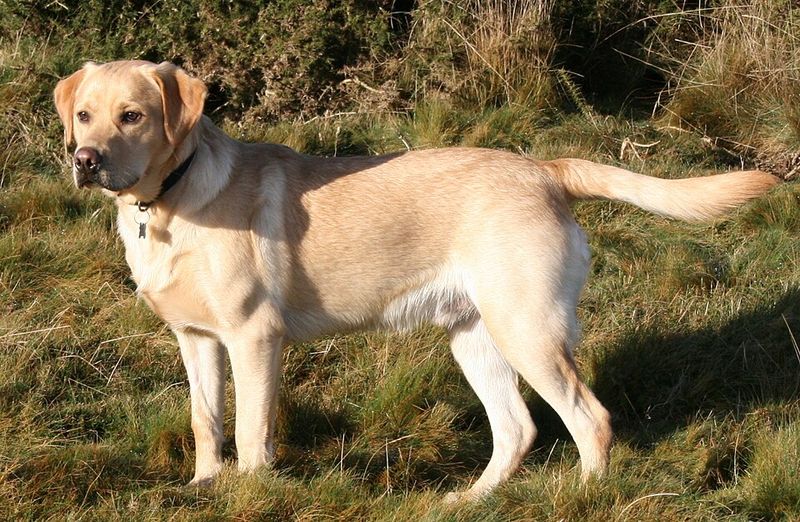
For Labradors, the simple rule is earn it to get it. Before meals, doorways, fetch, or greetings, ask for a sit or down, then release.
This tiny pause channels their friendly enthusiasm into manners, trims reactivity at the door, and prevents pulling fueled by anticipation.
Practice everywhere: driveway, parks, kitchen, and muddy trails. If jumping happens, reset calmly and try again, because attention opens the reward.
Over a few weeks, your Lab defaults to eye contact, loose leashes feel normal, and that legendary appetite works for you, not against you, in every busy moment. Pair it with slow bowl feeding and controlled retrieves to bleed off steam thoughtfully.
Your hands, voice, and leash become green lights only after calm.
Golden Retriever
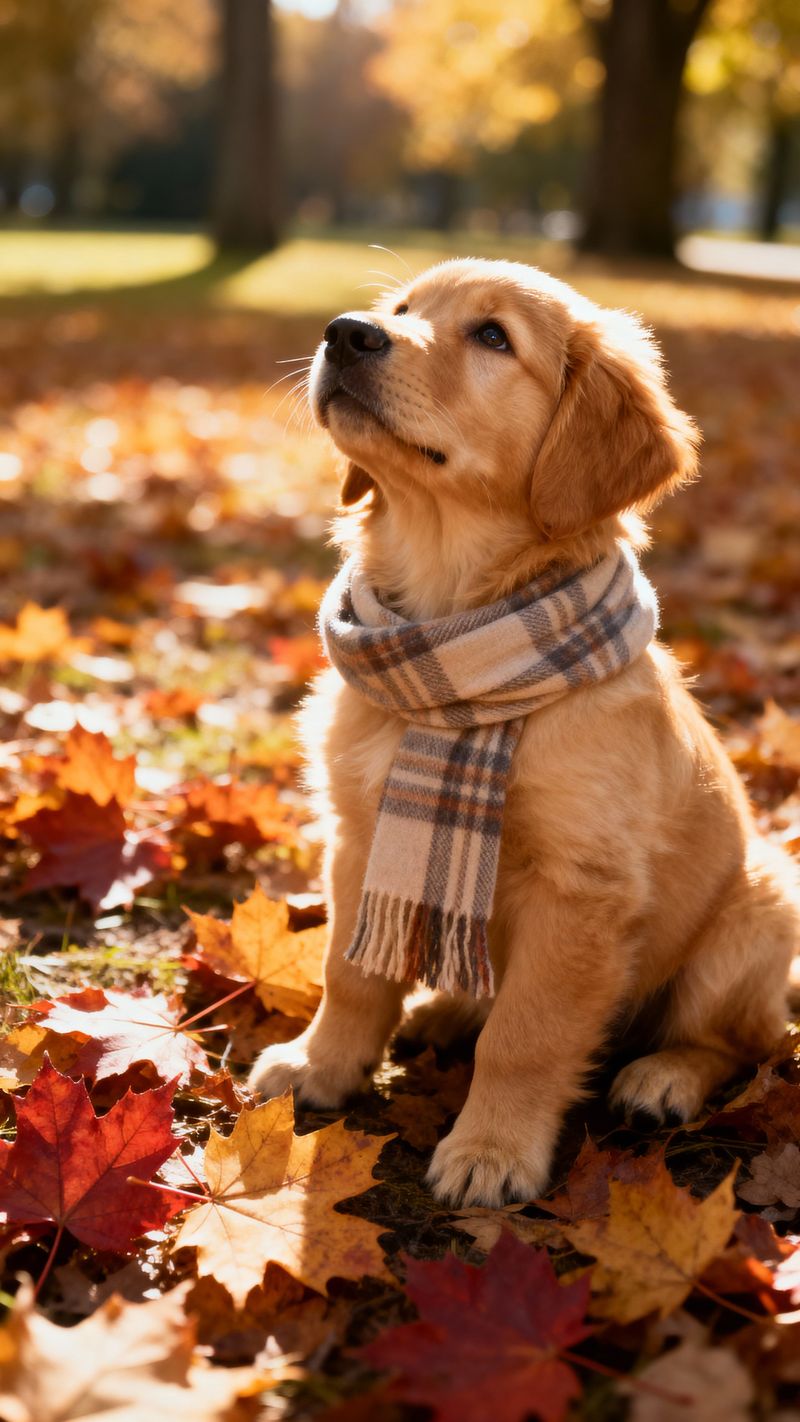
With Goldens, the golden rule is calm touch gets attention, excited touch makes you wait. They adore people, so your timing teaches impulse control fast.
Cue sit, wait two seconds of soft eyes and quiet body, then deliver pets, throws, or access to visitors.
If wiggles spike, simply pause, breathe, and restart without scolding. You teach that composure opens every door, which later prevents leash chaos, counter surfing, and door dashing.
Within weeks, you feel a softer dog who checks in, mirrors your breath, and melts into family routines without constant reminders. Layer in settle-on-mat practice during TV time to bake relaxation right into daily life.
It ages beautifully for seniors and excitable puppies alike.
Australian Shepherd
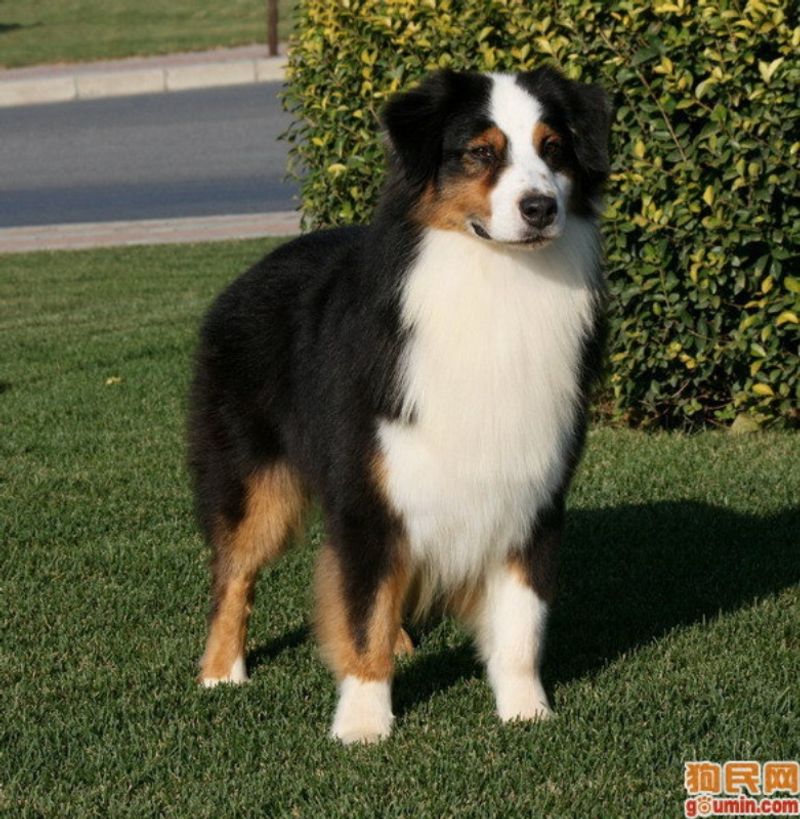
Aussies thrive when motion has manners, so the rule is click before chase. Mark eye contact or a pause, then release to the frisbee or sheepy tug as the jackpot.
That sequence turns arousal into obedience, shaving off heel-nipping, heel-bolting, and chaotic lunges at bikers.
Practice with scooters and joggers at a distance, closing the gap only when choices stay thoughtful. If sprinting erupts early, quietly reset, lower criteria, and try again.
Over time, your Aussie predicts that steadiness unlocks speed, which protects joints, prevents frustration barking, and keeps brains happy on long trails. End sessions with sniffing decompression so excitement does not stack for tomorrow.
Balance work with shade, water, and thoughtful off switches at home.
Belgian Malinois
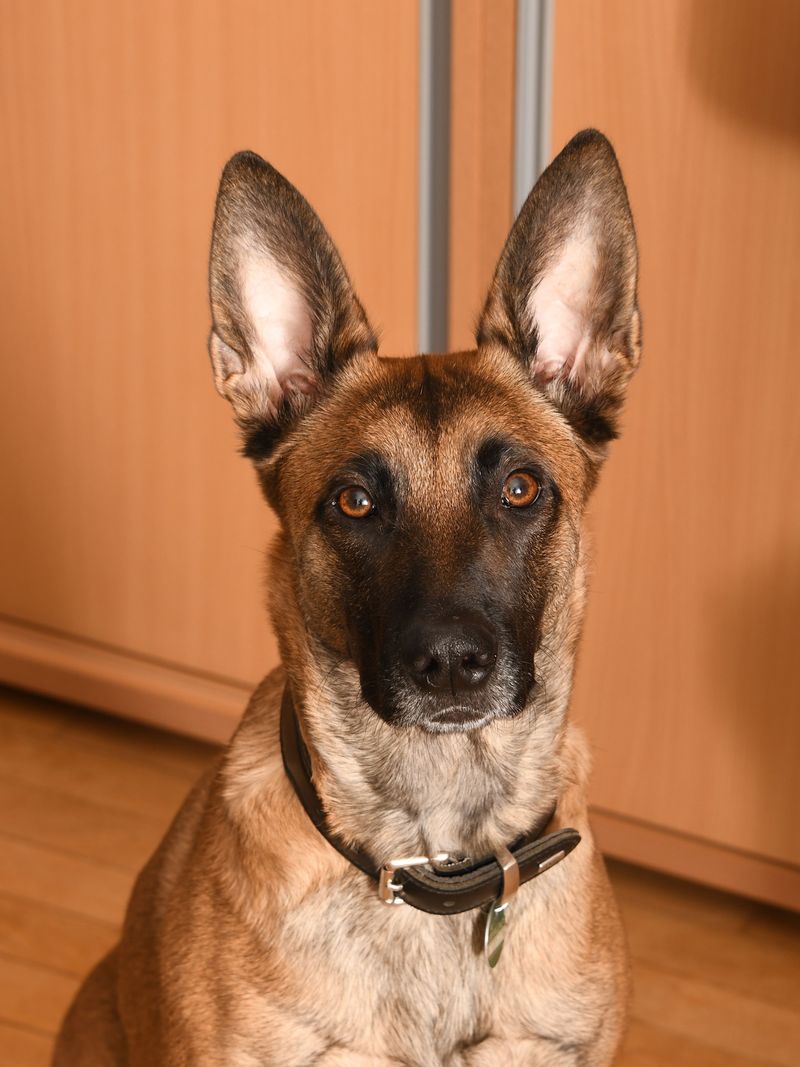
For Malinois, the rule is clarity before intensity. Teach positions on a platform, proof releases, then add speed and resistance.
If you skip clarity, that rocket power slams into mouthing, frantic spinning, and frustration bites that are hard to unwind later.
Layer rewards: marker, toy, then food, in that order, to keep thinking on. When intensity rises, split tasks smaller rather than yelling.
Over months, you grow a partner that targets sleeves responsibly, settles in crates, and thrives in sport without becoming the house tyrant everyone secretly dreads. Daily decompression walks on long lines plus chew sessions protect nerves and keep arousal recoverable.
You are building brakes that match the engine. Consistency wins championships later.
German Shepherd
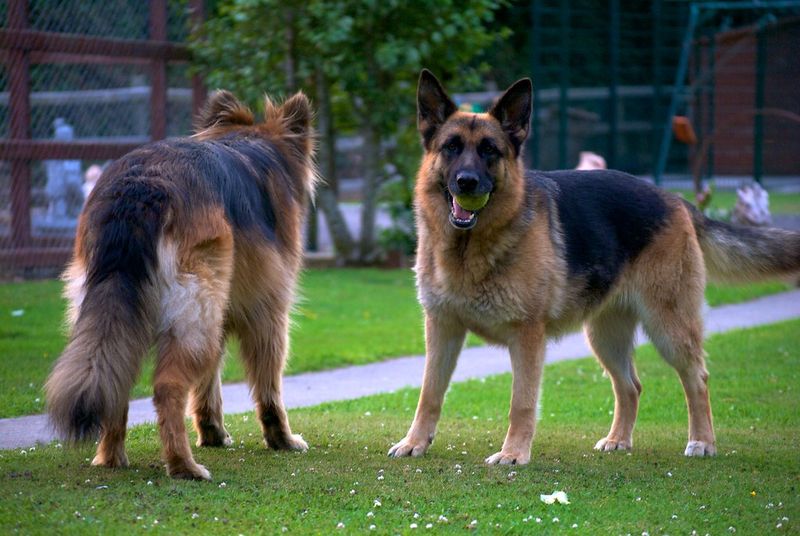
German Shepherds blossom when the rule is follow through, not volume. Say a cue once, calmly guide, then pay generously when they commit.
Repeating cues builds static, and static becomes anxiety, reactivity, and selective hearing around strangers or doorbells.
Make positions crystal clear with targets and lines, then practice neutrality near traffic. If confusion appears, simplify the picture and reward heavily for quiet focus.
Over time, suspicious stares soften, hips stay safer with controlled movement, and you gain a thinking guardian who listens the first time. Pair short obedience with nosework to drain stress without pounding joints.
Door routines with sits and releases prevent explosive greetings later. Your calm is the metronome they trust.
Keep promises.
Boxer
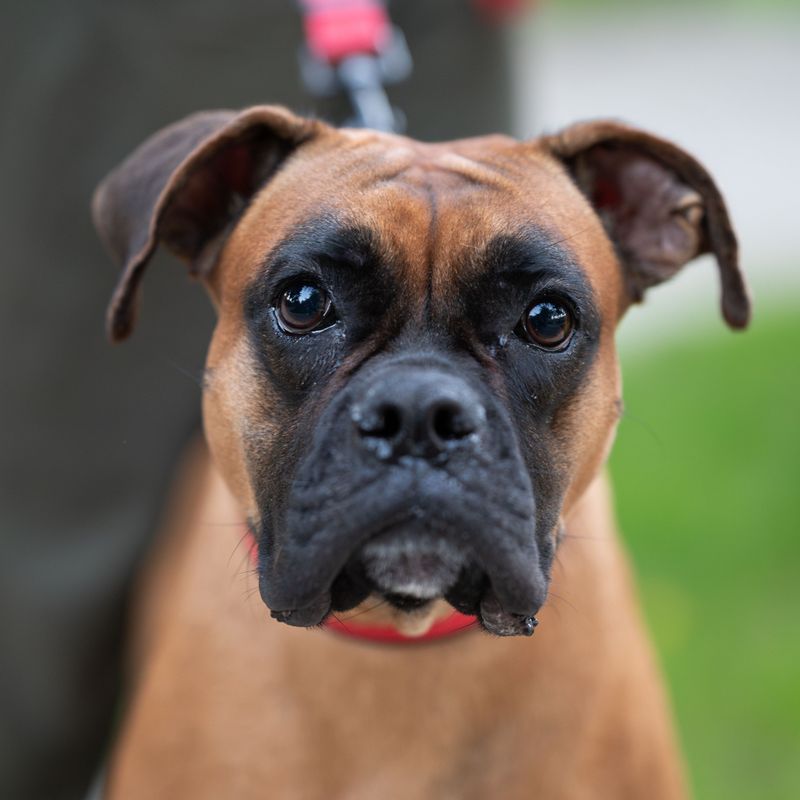
For Boxers, the rule is mouth closed equals fun starts. Wait for the lips to relax before tug, fetch, or social hellos, and reward that moment.
This turns rowdy exuberance into self control and helps avoid overly grabby play with kids or guests.
Pair it with short sit to stand reps that wake up muscles without sending energy skyward. If panting spikes from excitement, pause, water, and reset the criteria.
Soon you will notice softer landings, kinder paws, and a buddy who can greet politely even after a nap erupts into zoomies. Chews after training reinforce settling so big feelings have a place to go productively.
Teach a mat as home base for visitors. It pays every day.
Beagle
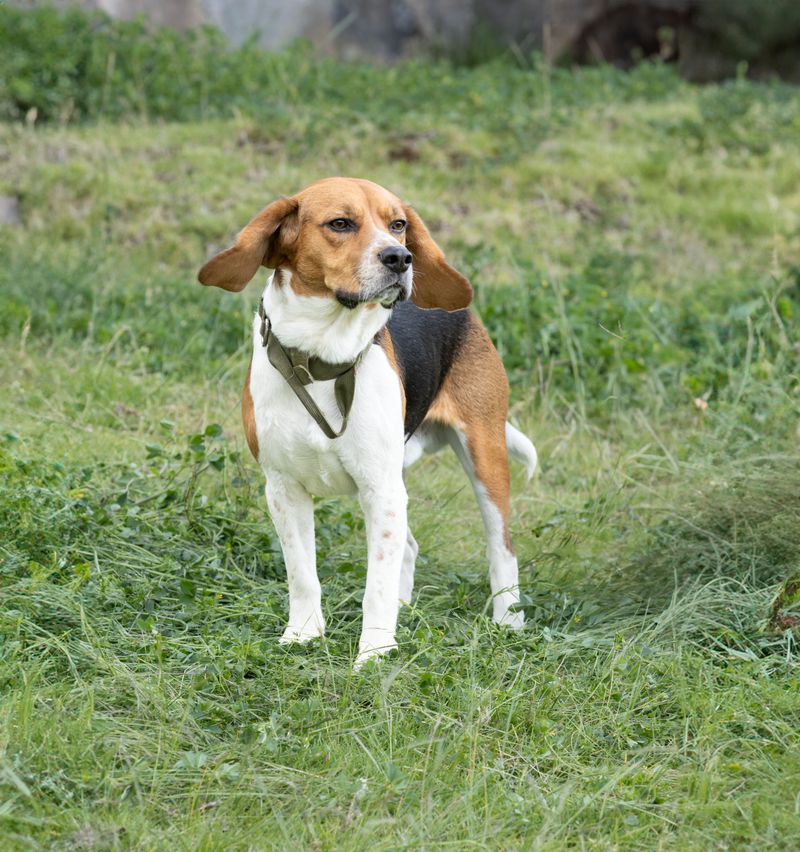
Beagles follow noses, so the rule is sniffing is earned by checking in. Ask for a sit or a name response, then release to sniff along hedges or trails.
That trade feeds their superpower while protecting recall and leash skills from disappearing into the breeze.
Sprinkle food in grass as payment, but only after attention lands on you. If baying ignites, pivot, wait for quiet, and try a smaller ask.
Over time, your Beagle treats you like the map legend, points out scents politely, and still gets the glorious nose time that keeps hearts happy. Long lines plus harnesses keep freedom safe while habits settle in.
Be patient, and praise curiosity that circles back. That loop saves recall.
Dachshund

Dachshunds need a spine smart rule: feet on floor get attention. Mark four paws down before lifting, petting, or couch access, and you safeguard backs.
It also reduces jumping, which compounds impact on long bodies and invites barking when demands work.
Teach ramps and low platforms as red carpets, then reward slow, confident climbs. If leaping starts, block the pattern kindly and wait for stillness.
Within weeks, your Doxie moves deliberately, accepts handling peacefully, and keeps disks happier, which prevents scary vet visits and painful crate rest later. Short sniff walks beat stairs workouts every day for longevity.
Use harnesses to avoid neck strain on tiny frames. Your patience pays dividends.
Keep play low and clever.
Poodle
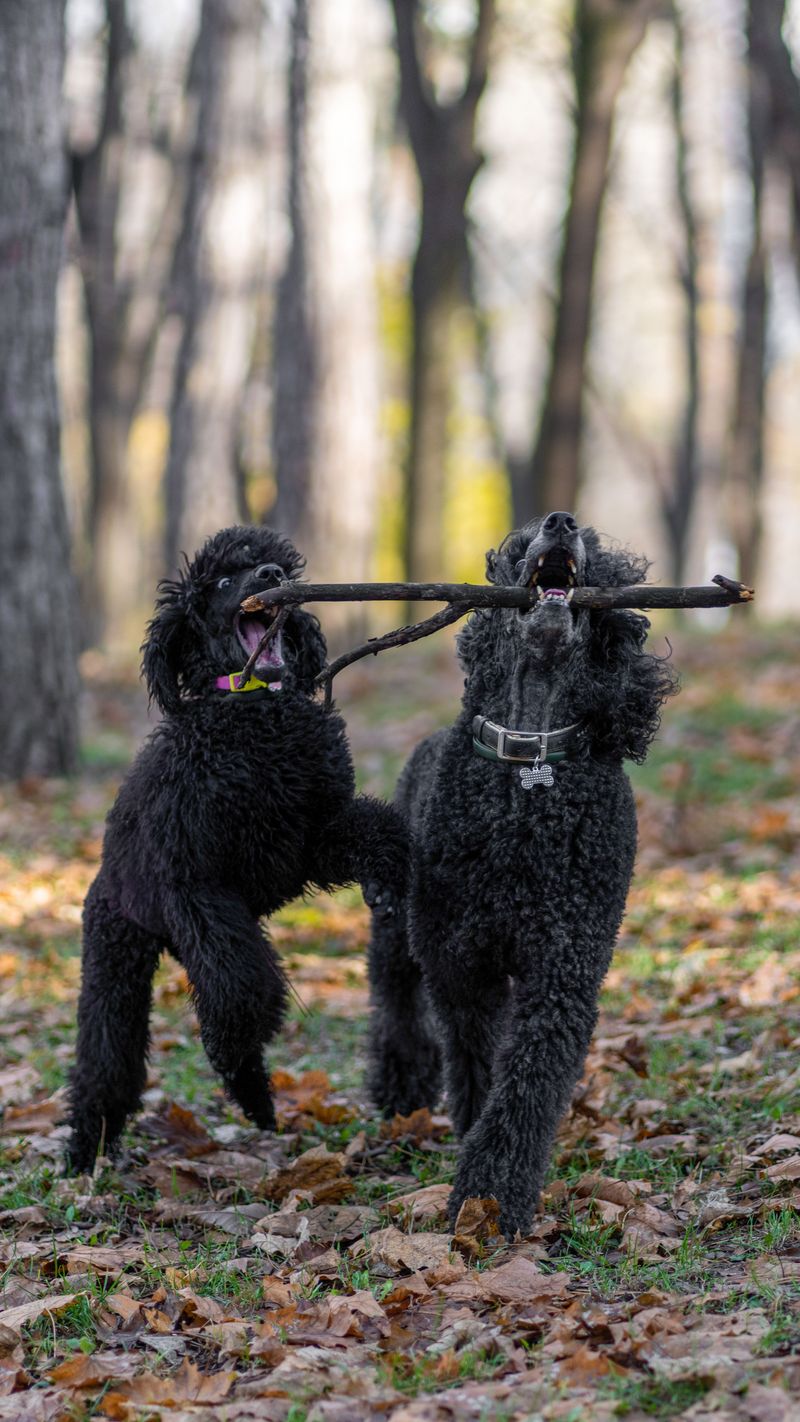
Poodles sparkle when the rule is think, then move. Ask for a nose target or chin rest before action, and watch brilliance settle into your hands.
That micro pause curbs excitability that can morph into counter surfing, nuisance barking, or rehearsed spinning.
Make puzzles part of dinner, rotate toys weekly, and teach a rock solid off switch on a mat. If frustration pops, split steps smaller and celebrate quietly.
Soon you will notice thoughtful eyes, elegant movement on leash, and a partner who channels cleverness into chores, tricks, and social grace. Grooming time doubles as training if you pair stillness with steady breathing and cookies.
That habit prevents scissor drama and vet day wrestling. Polite brains look gorgeous.
Cocker Spaniel
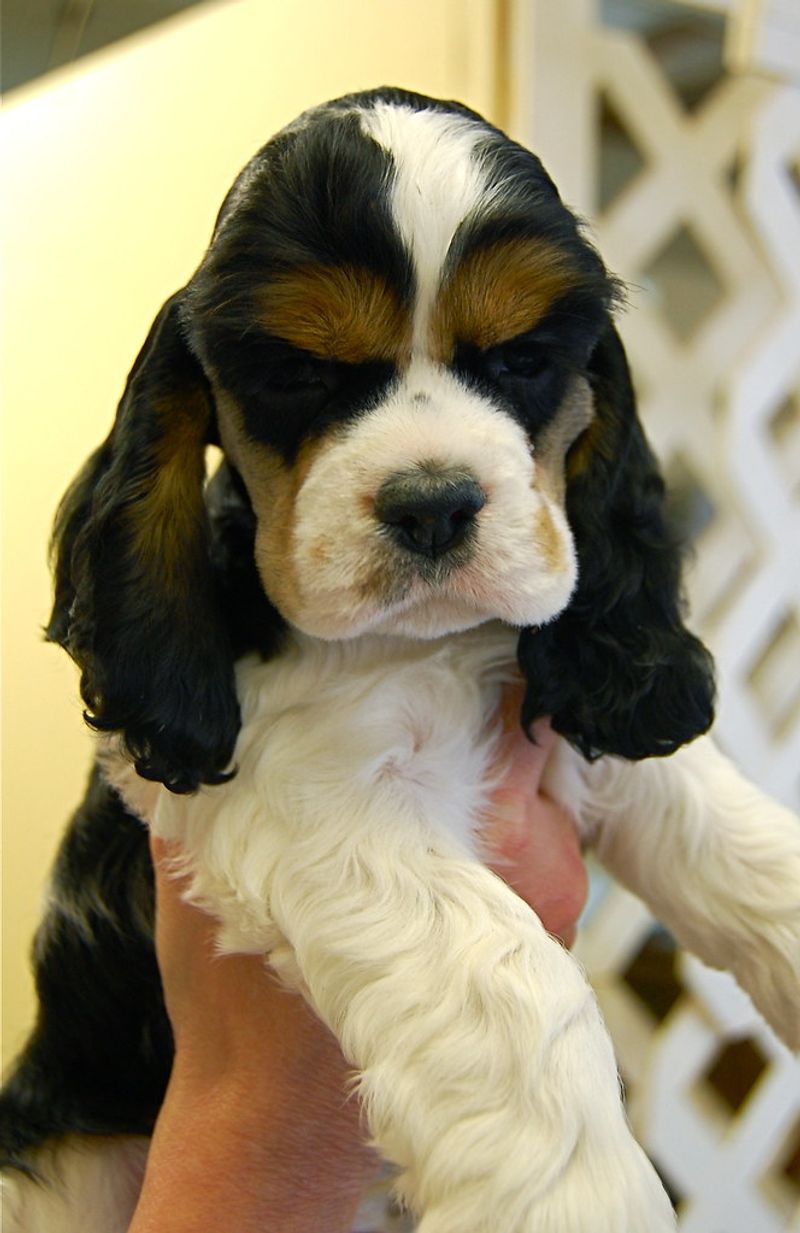
For Cockers, the rule is ears calm, then love flows. Wait for soft eyes and relaxed ears before greeting or grooming, especially around brushing and ear checks.
That small boundary reduces head flips, mouthiness, and the grooming battles that strain trust.
Pair a chin rest with cookies, keep sessions tiny, and finish with a sniffy stroll. If excitement spikes, pause, stroke slowly, and breathe so your hands teach patience.
Over time, you will see sweeter welcomes, cleaner ears, and a companion who leans in happily instead of bracing for contact. Teach settle on a mat during hair drying to keep arousal in check.
Use warm wipes between baths so big groom days stay short. Gentle now prevents drama later.