
Some dogs can nap through a rainy day, but others spiral into chaos the minute the leash stays on the hook. If your high-octane buddy seems wired indoors, it is not bad behavior, it is unmet needs.
The secret is working their brain as much as their legs. Let me show you which breeds struggle most and how to keep them happily tired, even inside.
Border Collie
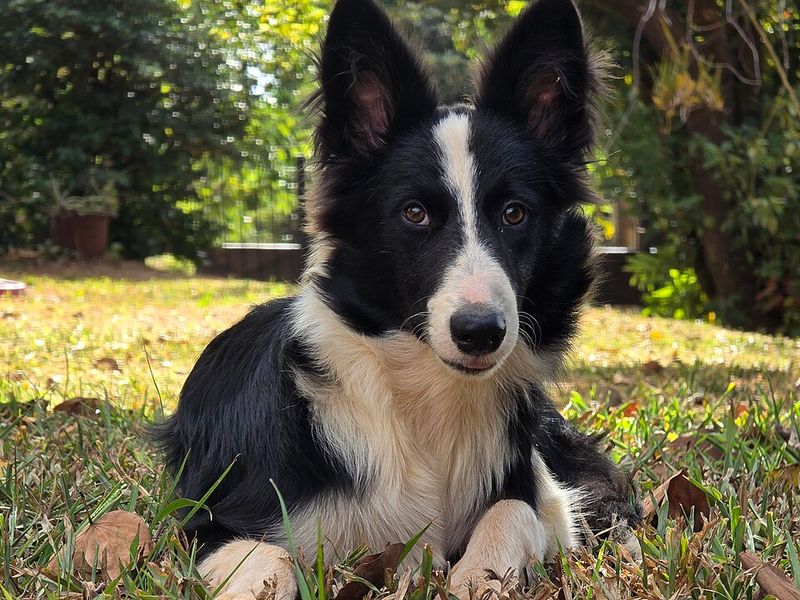
Border Collies are brilliant, intense, and always scanning for a job. Indoors without structure, that sharp mind turns to mischief, like herding kids or reorganizing socks.
You see the zoomies, the staring, the constant pawing for tasks.
Channel it with daily brain workouts: ten minute obedience drills, scent games, and puzzle feeders. Add interval fetch in a hallway, perch work on a mat, and trick chains that end in a calm settle.
Rotate toys and cue names so choosing becomes training. Two purposeful walks matter more than marathon wandering.
If stuck inside, teach tidy-up games where toys get binned, then finish with a long chew. A tired Collie needs mental closure, not just panting today.
Belgian Malinois
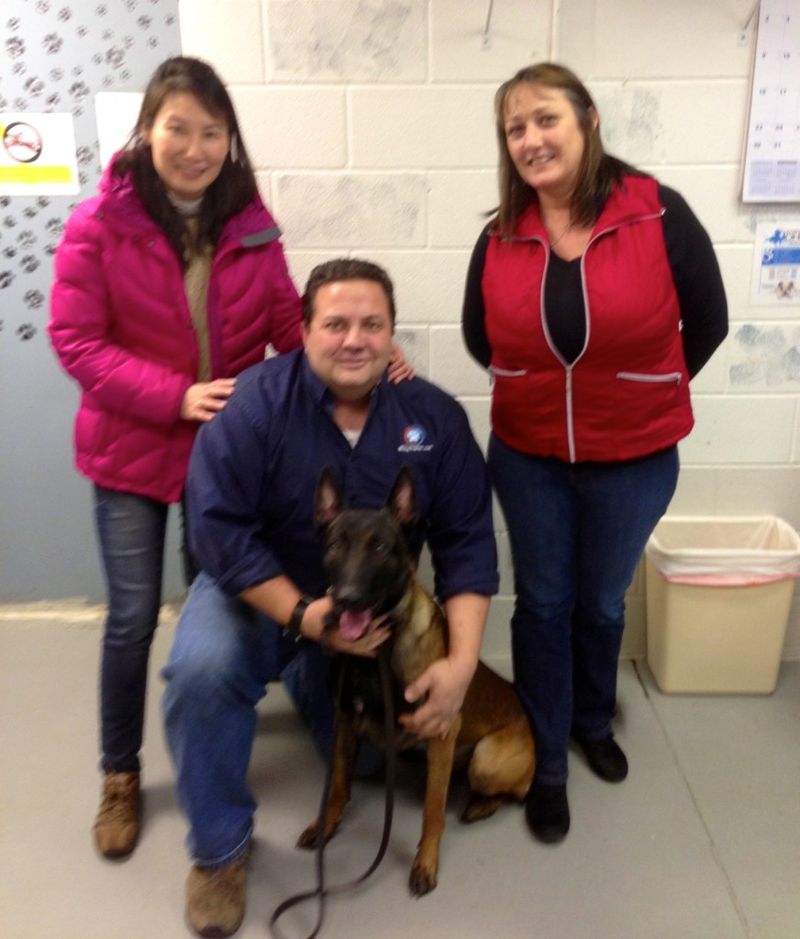
Malinois are tactical athletes with a laser pointer mind. Indoors without direction, they invent security patrols, shadow movement, and vocalize at every noise.
That intensity is not optional, it is the breed’s operating system needing a mission.
Run focused micro-sessions: heel patterns around furniture, precision sits, place work with down-stays, and impulse control at doors. Pair with scent-hunt grids using tea bags or hidden kibble.
End sessions with controlled tug that starts and stops on cue to satisfy drive. Use a treadmill or stair intervals for short, sharp output.
Rotate jobs like laundry helper or light-switch targeting. When you provide structure plus decompression, the Malinois relaxes because the mission is complete, and your home finally breathes.
Australian Shepherd
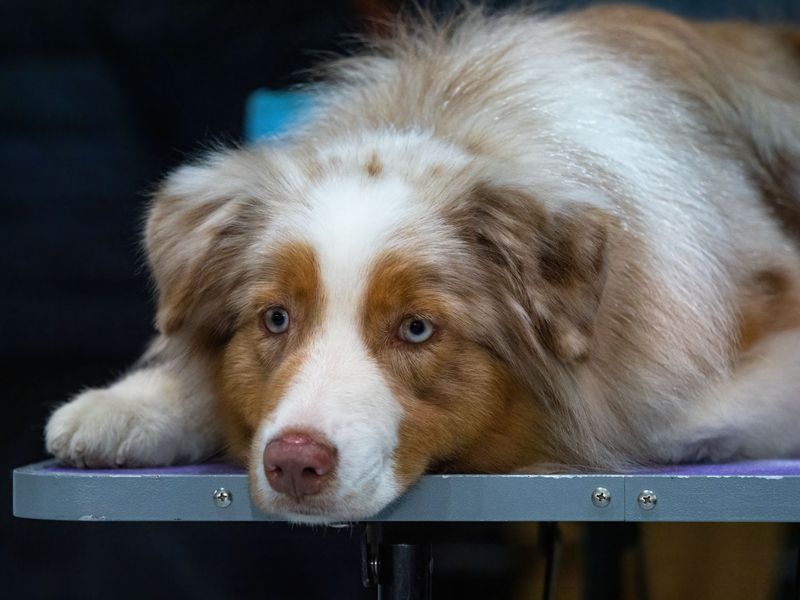
Aussies are problem solvers that crave collaboration. Without a plan indoors, they herd feet, bark at window TV, and micromanage your every step.
Their boredom shows as nipping play or restless circling that feels cute until it is constant.
Build teamwork with trick ladders: spin, sit pretty, back up, weave legs, then settle on a mat. Mix shaping games and nose targets on cabinets.
Add balance disc stands to engage core and mind. Use a Snuffle mat breakfast and a stuffed Kong lunch.
Teach light recall games down the hallway, then decompress with calm petting and a chew. Predictable routines help Aussies switch off.
When they know the next job is coming, they can finally choose rest.
Siberian Husky
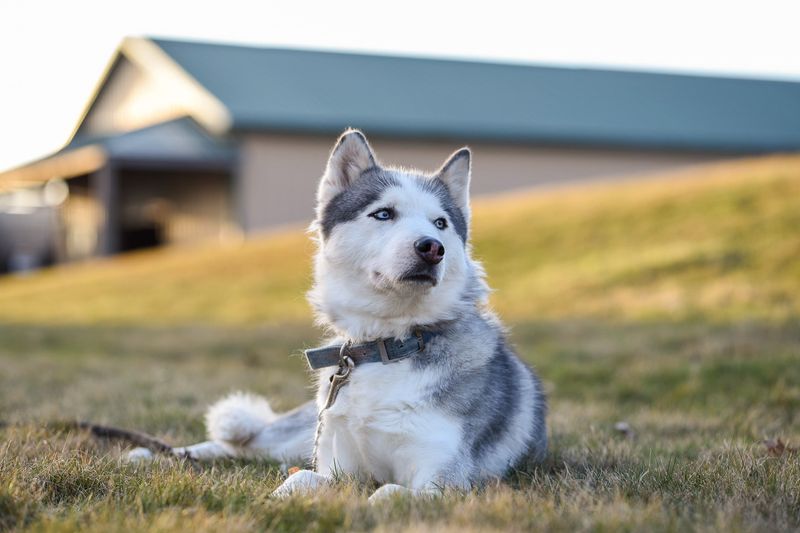
Huskies are endurance comedians built to run and sing. Indoors, that energy funnels into dramatic storytelling, door testing, and strategic sock theft.
They are independent thinkers, so nagging fails while clever structure wins.
Use flirt pole bursts followed by calm downs. Rotate frozen stuffed toys to satisfy chewing and keep howls brief.
Play “find it” with multiple scent stations that end at a cozy crate. Practice quiet cue plus settle on a bed, rewarding silence.
Window film or curtains reduce trigger scanning. Short stair climbs mimic sled surges, then swap to sniffy decompression.
Keep sessions brisk, playful, and novel. When you respect their need to move and sing a little, Huskies choose peace faster than you expect.
Vizsla
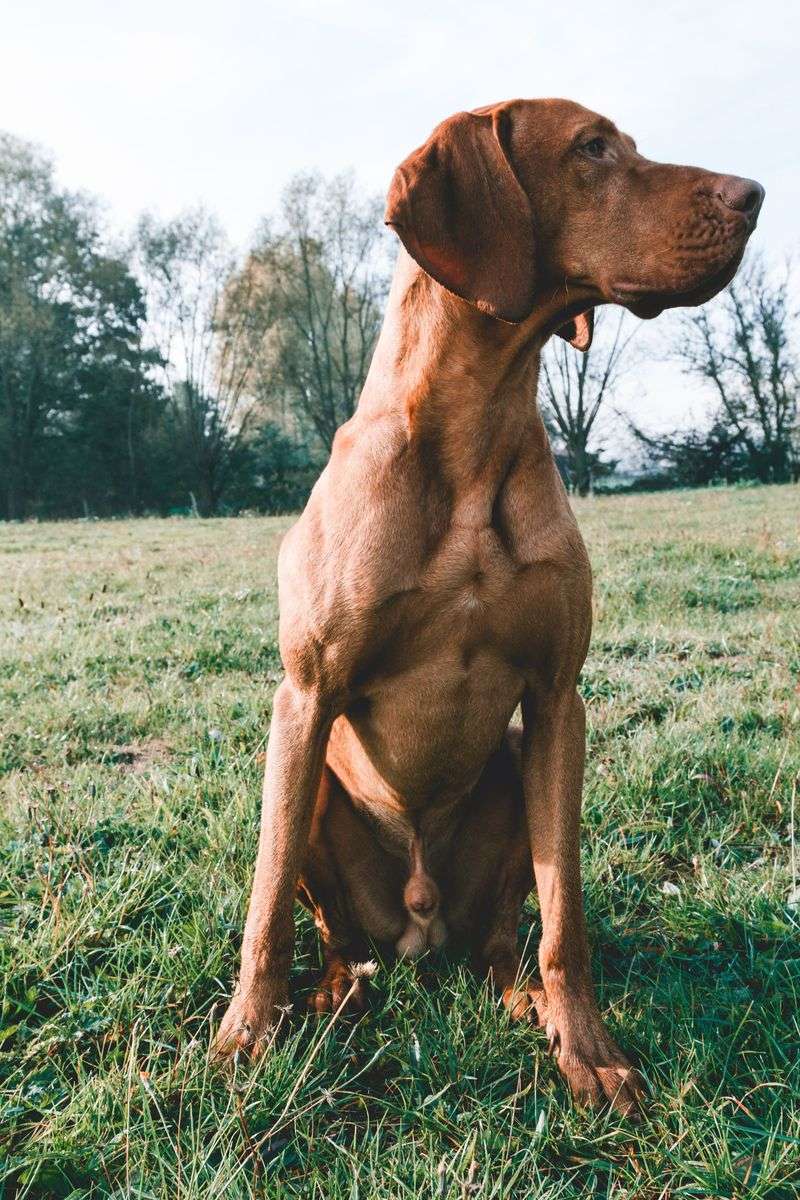
Vizslas are velcro athletes that read your mood like poetry. Bored inside, they pace, whine softly, and drape themselves across your laptop hoping for a mission.
Sensitive souls, they thrive on connection plus movement.
Plan short, affectionate training sets: hand targets, recall games, directional cues to beds, and gentle retrieves. Follow with nosework trails that end in snuggles.
Keep novelty high but pressure low, celebrating little wins. Use indoor fetch down carpeted halls and shape calm greetings at doors.
Offer soft chews and a covered crate for security. Rotate cuddle breaks between tasks so bonding fuels focus.
When their need for closeness and activity align, the Vizsla melts happily into rest, and your home exhales.
German Shorthaired Pointer
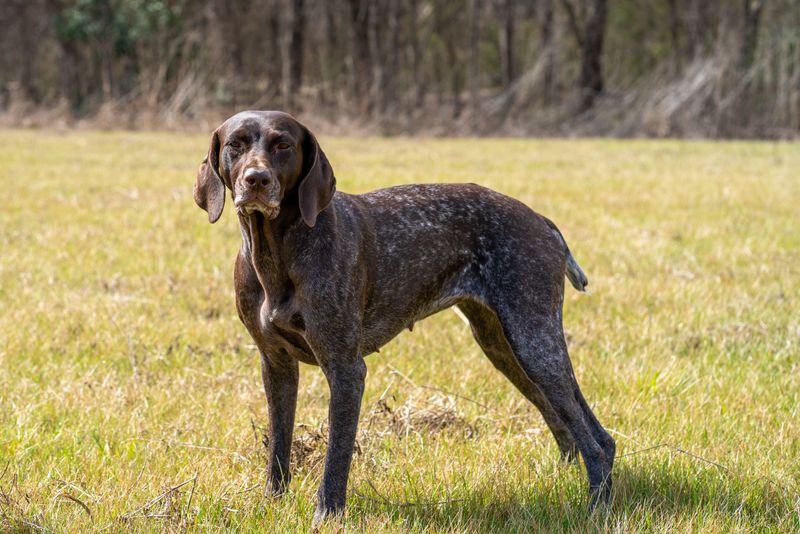
GSPs are birdy dynamos with jet-fuel curiosity. Indoors, that drive hunts crumbs, corners, and unattended sandwiches.
Boredom turns into counter surfing, pacing, and ceiling-fan surveillance. They need a target for their nose and legs.
Lean into scent games: hide cotton swabs scented with vanilla, map searches, and mark finds calmly. Add retrieve drills with holds and fronts to occupy their mouth and mind.
Practice steadiness at windows using place mats and released rewards. Incorporate stair sprints, then cool down with mat work and pattern feeding.
Rotate durable chews and teach a tidy-up cue after play. Structure prevents chaos.
When you give their nose a mission and their body a plan, the GSP collapses into satisfied stillness.
Weimaraner
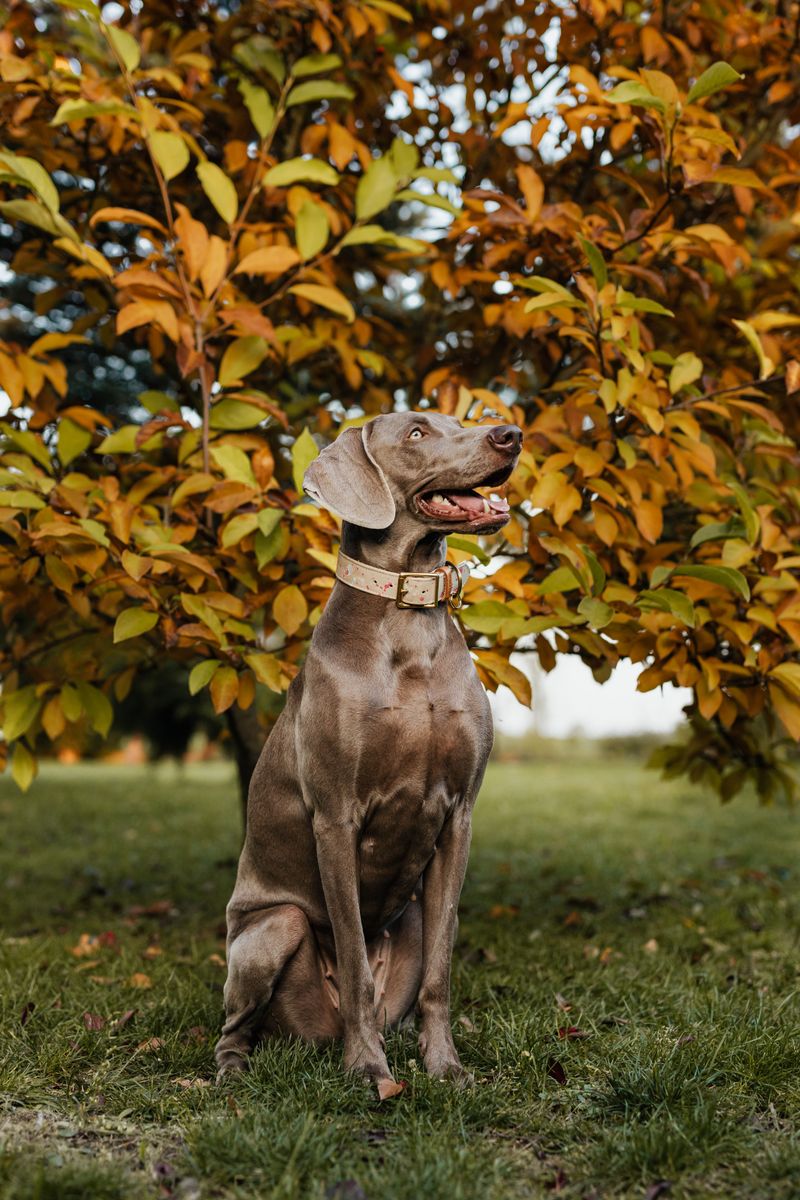
Weimaraners are glamorous goofballs with serious stamina. Indoors, they shadow you door to door and invent projects if ignored.
Separation frustration and creative counter raids appear fast when their brains idle.
Create calm through structure: place training with long relax downs, then bursts of tug or fetch. Use layered routines like nosework, obedience, then cuddle time.
Cover windows to reduce scanning, and rotate puzzle feeders to occupy the mouth. Teach chin rests for cooperative care and emotional regulation.
Sprinkle in stair intervals or treadmill trots. End every session with predictable decompression on a mat.
When the world feels orderly and connected, the Weim chooses stillness, and your breakable decor survives another day.
Dalmatian
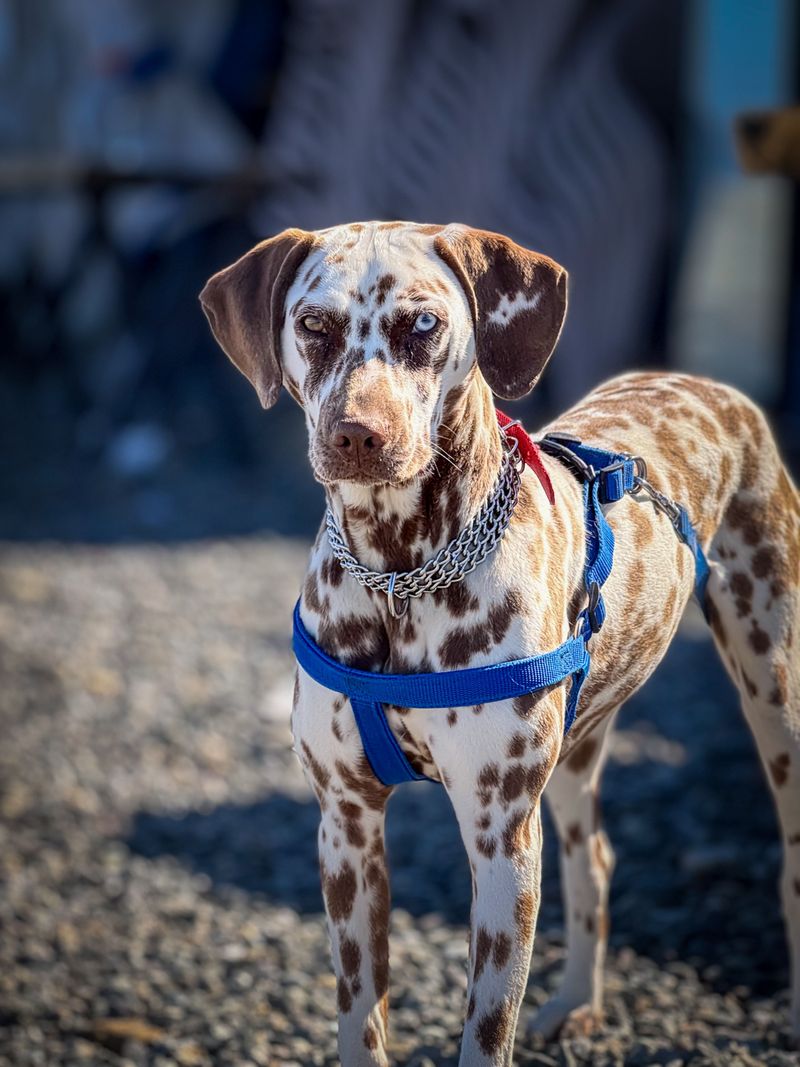
Dalmatians are carriage-bred athletes with clown hearts. Indoors without tasks, they invent circuits between rooms, sample countertop aromas, and announce deliveries dramatically.
Their boredom shows as silly chaos that escalates quickly.
Map out mental circuits: trick combos like bow, crawl, spin, and place. Add balance board stands for core focus, then sniff box searches to cool excitement.
Use treat scatter on rugs for foraging. Teach doorbell routines with a bed cue and slow treats.
Short hallway fetch paired with a release to water breaks keeps minds balanced. Rotate chews, freeze meals, and end with a predictable settle.
Give them clear lanes for effort and comedy, and the spots finally stop sprinting.
Jack Russell Terrier
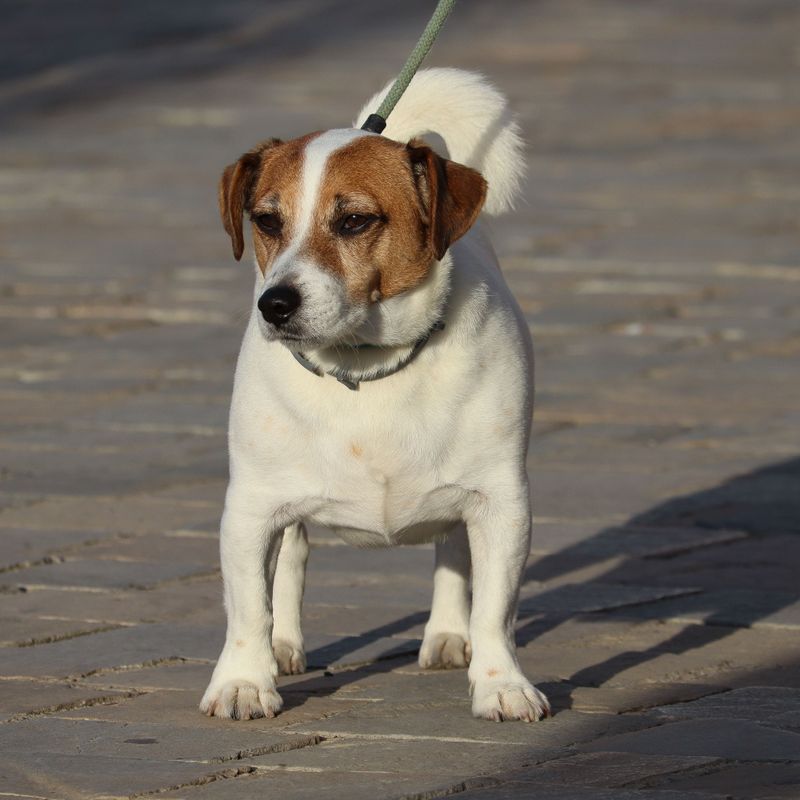
Jack Russells are caffeinated detectives built for quarry work. Indoors, that drive becomes barky opinions, relentless toy surgeries, and acrobatic couch launches.
They are tiny, yes, but their energy budget is vast.
Keep sessions quick and purposeful: tug with rules, flirt pole sprints, then settle on a mat. Offer supervised cardboard shredding as a legal job.
Run muffin tin nosework, scatter feed, and rapid-fire trick reps like sit, spin, park it. Practice impulse control at doors and food bowls.
Give frequent micro-naps in a covered crate to reset arousal. Rotate chews to satisfy jaws.
When their hunt brain gets puzzles and their legs get bursts, the feisty terrier becomes a charming roommate, not a four-legged firecracker.
Boxer
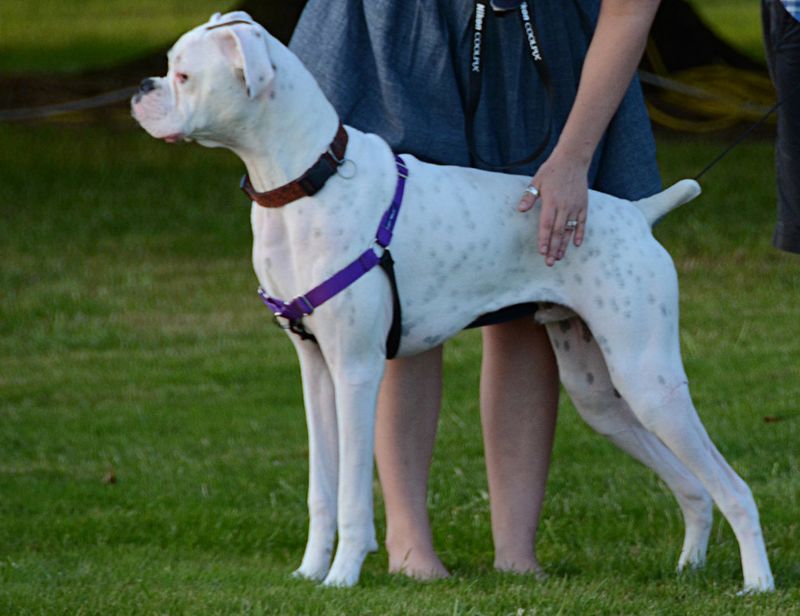
Boxers are bouncy comedians with tender hearts. Indoors, boredom looks like mouthy play, sofa parkour, and soulful stares that beg for direction.
They need upbeat structure with clear on-off switches.
Use tug and fetch on cue, with frequent sits to reset. Teach targeting to a bed for post-play chill.
Add short obedience games, nosework in boxes, and gentle shaping for paw targets. Stair sprints help, followed by massage or slow breathing together.
Rotate durable chews to satisfy that boxer chomp. Keep sessions fun, short, and frequent so arousal never boils over.
When you pair silly with rules, the wiggle-butt turns into a relaxed snuggle brick beside you.
Labrador Retriever
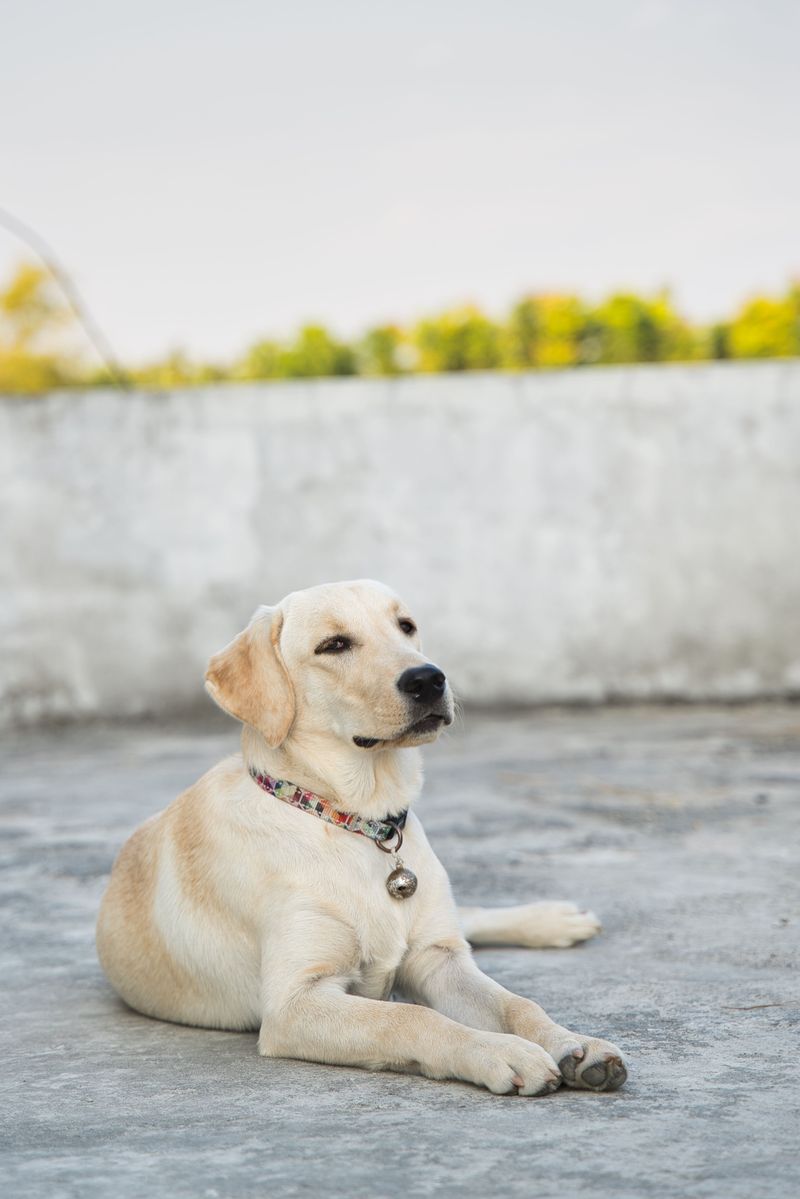
Labs are cheerful workers with bottomless appetites for tasks and snacks. Indoors, boredom becomes counter cruising, shoe collection, and attention nuzzling.
They thrive when retrieving and problem solving have outlets.
Run hallway retrieves with holds and delivery to hand. Mix in scent trails to a snuffle mat breakfast.
Use slow feeders and stuffed Kongs to extend meals. Teach go-to-place for door greetings and calm kids time.
Rotate training: basic obedience, scent boxes, then a nap on cue. Short strength sets like sit-to-stand reps on a mat help muscles.
Consistency turns food motivation into focus. When their mouth fetches jobs and their nose hunts politely, your Lab happily flops, tail thumping like a gentle drum.