
Seasonal whiplash can make your dog itchy seemingly overnight. One day it is damp and chilly, the next it is dry heat, and sensitive skin reacts fast.
If you have ever noticed extra scratching, paw chewing, or redness after a sudden weather shift, you are not imagining it. Here are breeds that often need a little extra care when the forecast swings hard.
French Bulldog
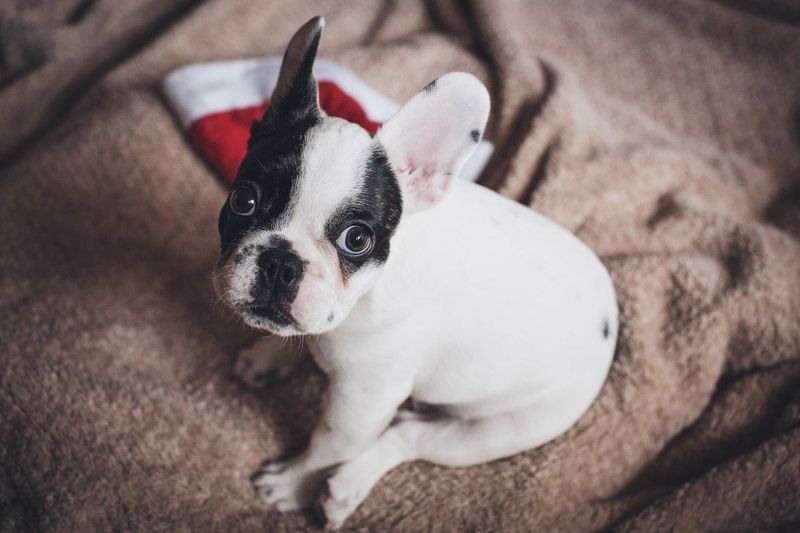
French Bulldogs have adorable folds that trap moisture when weather swings quickly. Sudden humidity, pollen bursts, or dry indoor heat can leave sensitive skin itchy, red, and flaky.
You might notice head shaking, paw licking, or a yeasty smell building in those creases.
Keep baths gentle with hypoallergenic shampoo and pat every fold bone dry. Add a vet approved omega 3 supplement, wipe daily with fragrance free cloths, and run a humidifier during furnace season.
If hot spots or hives appear, schedule a quick checkup so treatment calms things before scratching spirals.
Consider breathable cotton sweaters outdoors during chilly snaps. Rotate sleeping spots away from radiators or drafty doors to balance temperature.
Consistent routines help their skin adjust without dramatic flare ups.
Bulldog
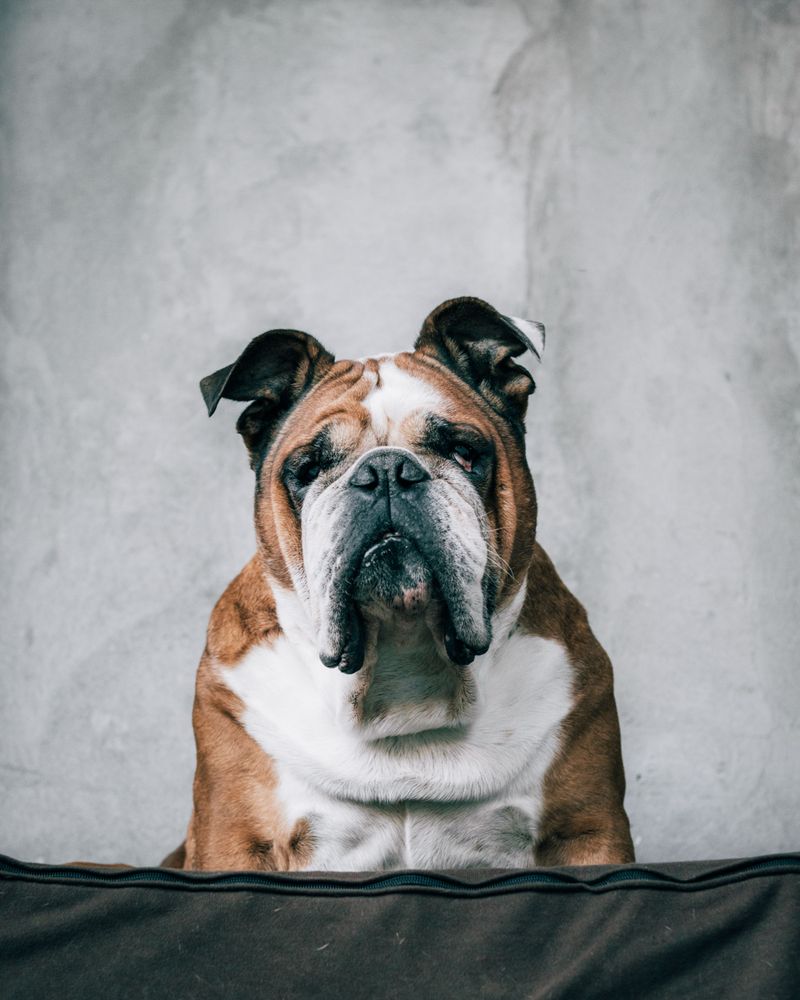
Classic Bulldogs are charming, but their deep wrinkles can get cranky with sudden climate changes. When outdoor air turns damp or indoor heat dries fast, irritation often blossoms in hidden folds.
You might spot redness, brownish discharge, or extra scratching around the face and tail pocket.
Clean and dry folds daily during transitional weeks. Use a mild, fragrance free cleanser, then moisturize with a vet recommended barrier cream to lock in comfort.
A balanced diet with fish oils supports the skin from the inside, helping resilience when temperatures flip.
Keep bedding breathable and wash it frequently to remove allergens. Limit long, sweaty play during humid spikes.
Quick preventive care now saves you and your Bulldog from bigger flare ups later.
Golden Retriever
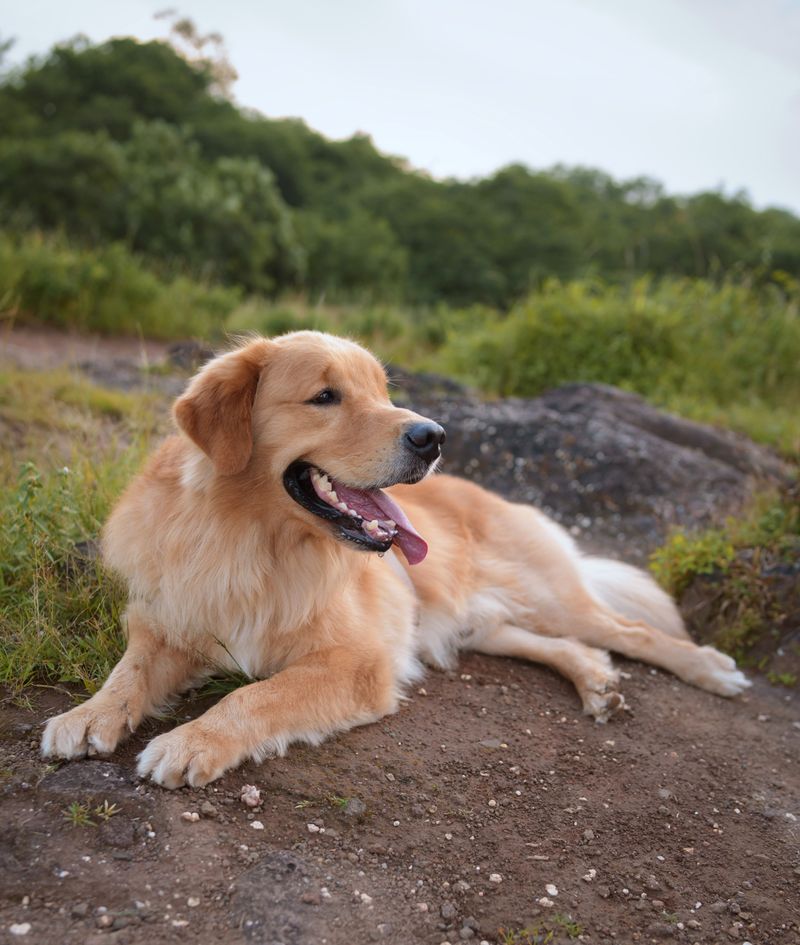
Golden Retrievers often shine in every season, yet their skin can complain when weather turns on a dime. Pollen surges, mold shifts, and dry furnace air may cause flaking, itchiness, and occasional hot spots.
You might notice tail chasing, ear scratching, or a sudden doggy odor.
Brush regularly to lift dander and boost skin circulation. Choose a soothing oatmeal shampoo and avoid over bathing, which strips natural oils.
Talk with your vet about omega 3s, probiotic support, and antihistamines during heavy allergy windows for steadier comfort.
Rinse paws after muddy walks to remove irritants. Keep a humidifier set to moderate levels in winter.
With steady grooming routines, you can glide past seasonal swings with fewer flare ups.
Labrador Retriever
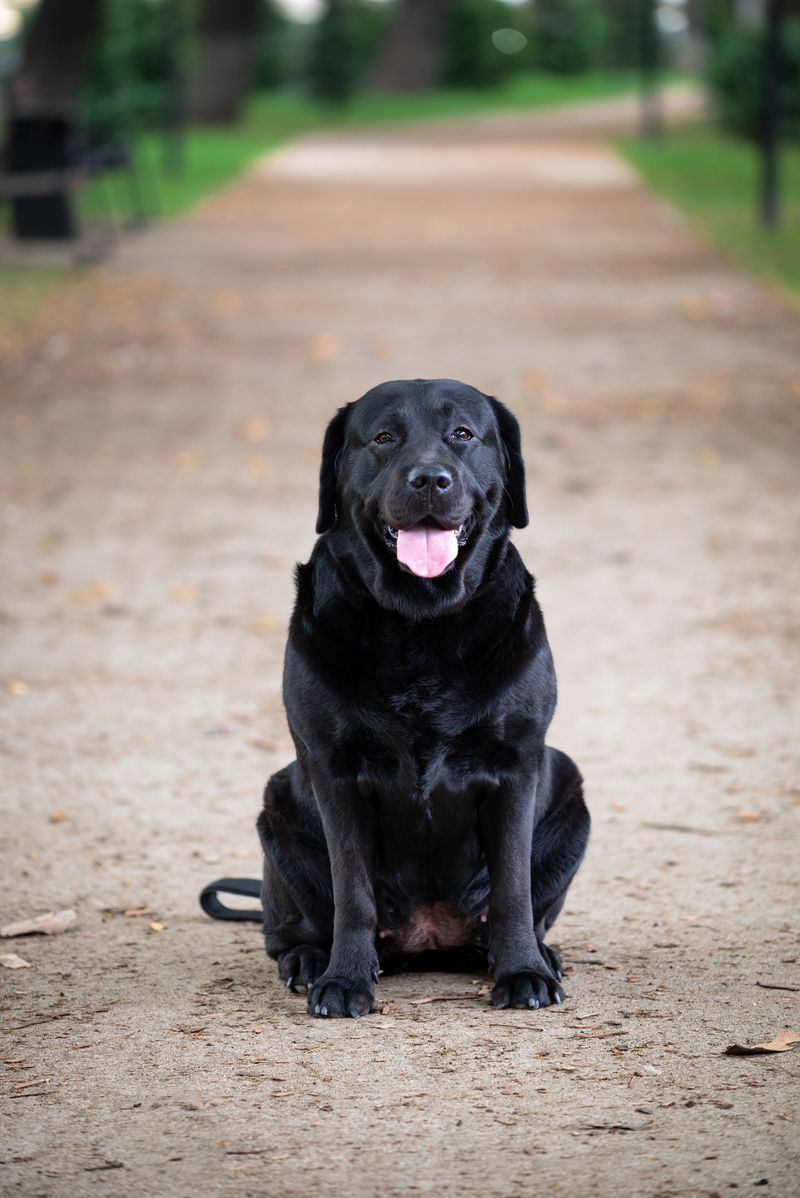
Labradors are hardy, but sudden temperature and humidity changes can still nudge their skin off balance. Dry heat may trigger dandruff and itch, while damp spells invite yeast or bacterial mischief.
Watch for paw chewing, ear discomfort, and rolling on carpets to scratch those unreachable spots.
Keep baths gentle and spaced out, then condition the coat to seal moisture. Support the skin barrier with salmon oil, a complete diet, and plenty of fresh water.
Ask your vet about targeted allergy relief if seasonal triggers reliably cause flare ups each year.
After wet outings, towel thoroughly, especially between toes. Vacuum often to reduce dust and pollen indoors.
Consistent grooming and smart hydration keep Labs comfortable through quick weather pivots.
Boxer
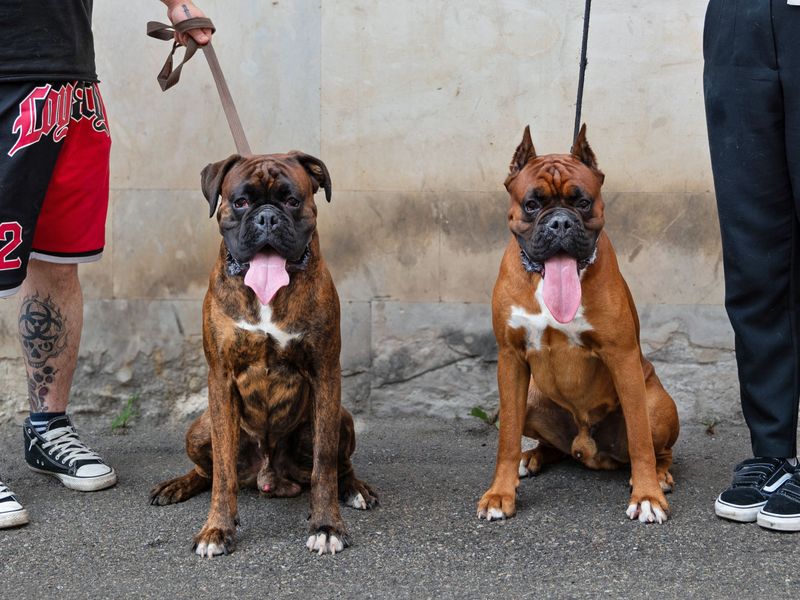
Boxers have sleek coats that show irritations quickly when seasons flip. Rapid shifts toward dry air or sudden spring blooms may prompt itch, rashes, and occasional hives.
You could see chest or belly redness after lounging on recently warmed floors or damp grass.
Use a gentle, fragrance free cleanser on sensitive zones and moisturize with a light, vet approved balm. Keep bedding clean and choose breathable fabrics.
A diet rich in omega 3s helps the skin stay calm despite environmental curveballs.
Short, frequent brushing sessions remove allergens and boost circulation. During pollen spikes, wipe coat and paws after walks.
If welts or hot spots appear, loop in your vet early to prevent bigger flare ups.
Shar Pei
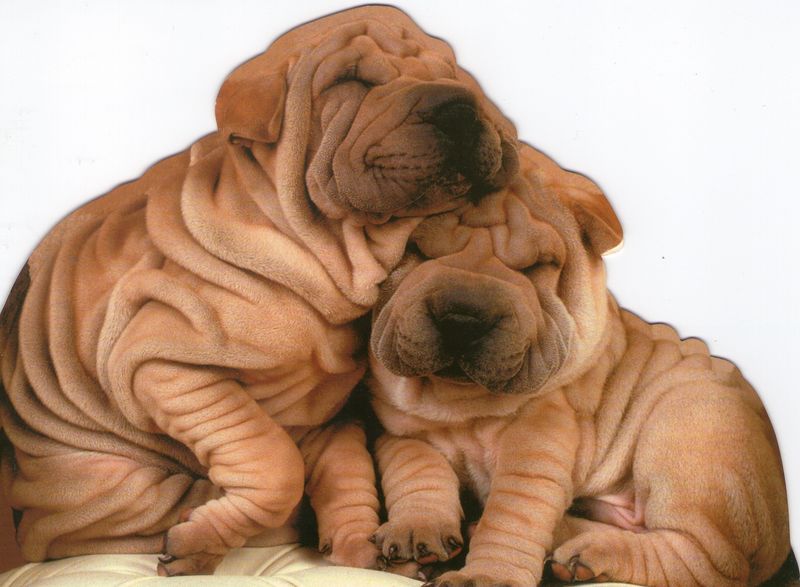
Shar Pei skin demands extra attention, especially when humidity and temperature swing wildly. Their deep folds can trap moisture and allergens, sparking irritation, yeast overgrowth, and painful hot spots.
You might notice musty odors, restlessness, or head shaking after fast weather changes.
Clean folds gently, then dry thoroughly with soft cloths. Use a vet recommended antiseptic wipe when needed, and keep baths limited with a soothing, hypoallergenic shampoo.
Balanced nutrition with omega 3 fatty acids supports a stronger skin barrier through seasonal transitions.
Run a dehumidifier or humidifier as conditions change to keep indoor levels steady. Choose breathable harnesses and rotate nap areas away from heat vents.
Early intervention preserves comfort and prevents stubborn flare ups.
Cocker Spaniel
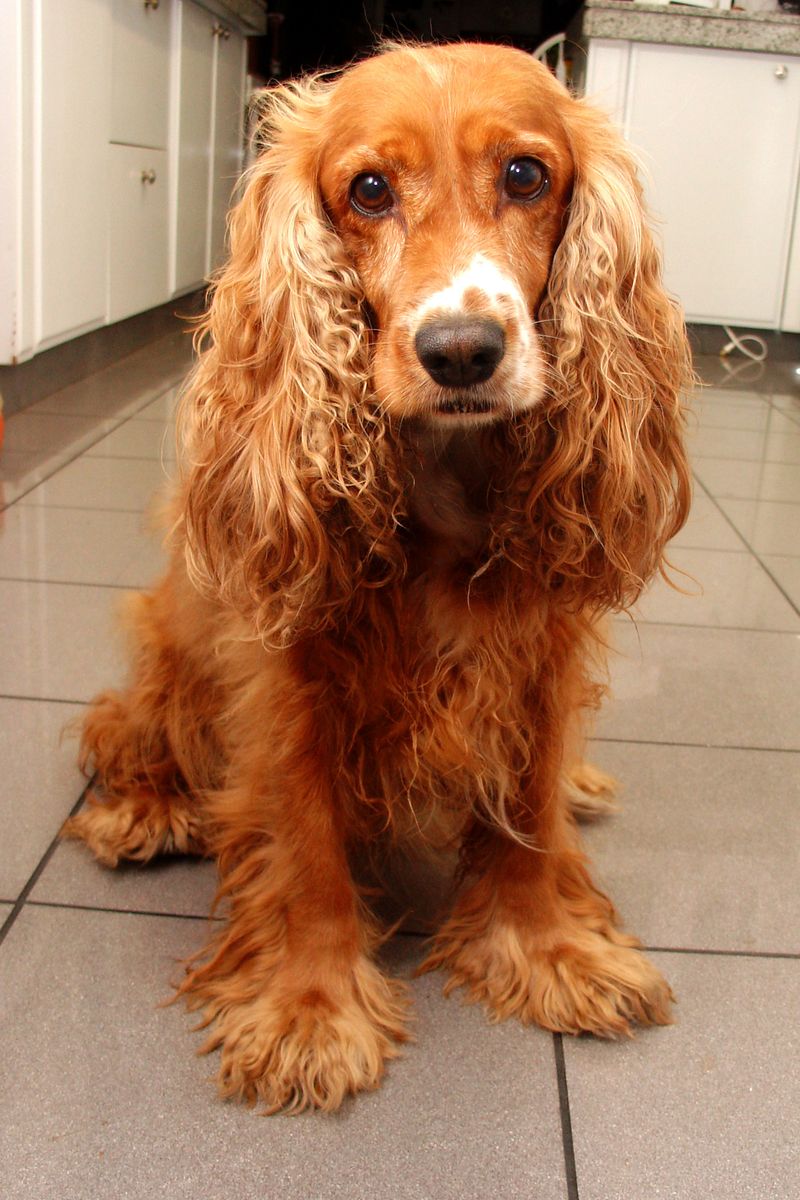
Cocker Spaniels bring sweetness, but their skin can react quickly to seasonal swings. Moist spring days and dusty indoor heat alike may lead to itch, ear troubles, and flaky patches.
You might see paw nibbling, unhappy ears, or scooting when allergies flare.
Brush often to prevent matting that holds moisture against the skin. Bathe with a mild, oatmeal based shampoo and dry the coat completely.
Discuss ear cleaning routines, omega 3s, and possible allergy meds with your vet when weather pivots sharply.
Rinse paws after walks to wash away pollen. Keep bedding fresh, and run an air purifier during peak allergy weeks.
Routine care helps your Cocker ride through abrupt changes with fewer flare ups.
Pug

Pugs have lovable wrinkles that can protest when seasons change fast. Dry heat may leave skin flaky, while humid spells invite yeast in shallow folds.
You might notice face rubbing on furniture, paw licking, or a sour odor from irritated areas.
Clean wrinkles daily using gentle, fragrance free wipes, then pat completely dry. Bathe sparingly with soothing shampoo and add omega 3 supplements for extra barrier support.
Keep indoor humidity moderate so skin does not swing between desert dry and sticky damp.
Choose breathable harnesses and soft cotton bedding. After walks, wipe away pollen and dust.
A simple, steady routine keeps your Pug comfortable, reduces scratching, and prevents those frustrating seasonal flare ups.
Shih Tzu
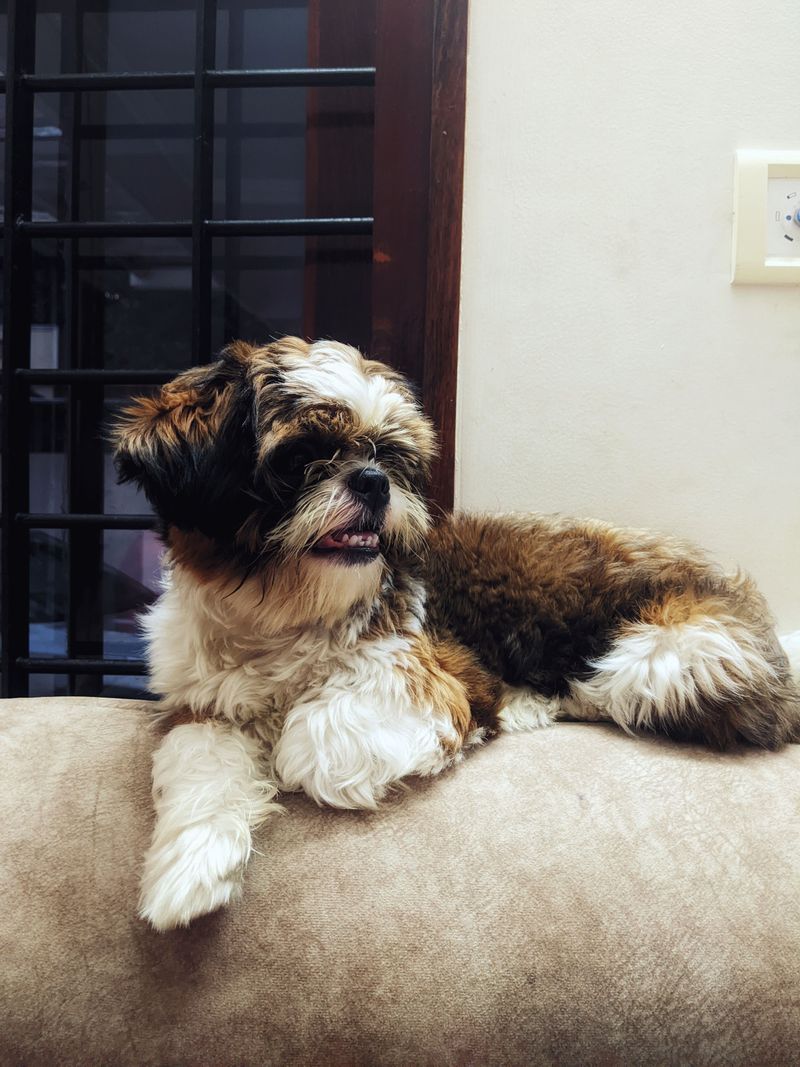
Shih Tzus wear longer coats that can hide brewing skin irritation after sudden weather shifts. Damp days, indoor heating, and spring allergens often spark itch, matting, and redness.
You may notice face rubbing, scooting, or restless sleep as discomfort creeps in.
Commit to regular brushing to prevent mats that trap moisture and debris. Bathe with a gentle, hypoallergenic formula, then dry the coat fully to avoid humid pockets next to skin.
Talk to your vet about omega 3s and antihistamines during peak allergy windows.
Keep the face trimmed to reduce tear related moisture. Wash bedding often and use an air purifier to cut airborne triggers.
Small adjustments help your Shih Tzu dodge seasonal flare ups gracefully.
West Highland White Terrier
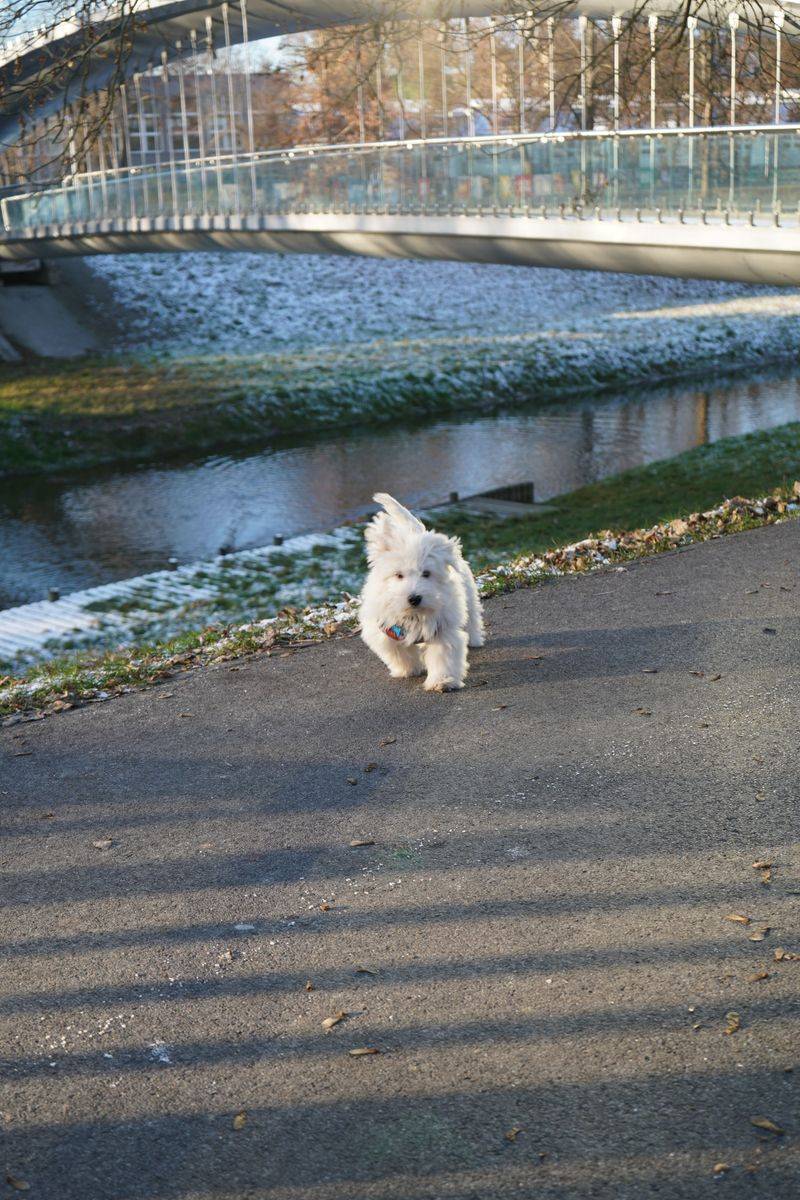
Westies are famous for sensitive skin, and quick seasonal changes can really stir the pot. Dry indoor air or sudden pollen waves may cause pink bellies, itch, and chewing at the paws.
You might see dandruff on that lovely white coat after a warm, windy day.
Use gentle shampoos and a moisturizing conditioner, then rinse thoroughly. Feed a balanced diet with fatty acids to strengthen the skin barrier.
Ask your vet about allergy testing or targeted medications if flare ups recur each spring and fall.
Wipe paws after walks and launder bedding frequently. A humidifier can smooth winter dryness, while air purifiers help during high pollen counts.
Thoughtful routines keep your Westie comfortable through seasonal surprises.
German Shepherd
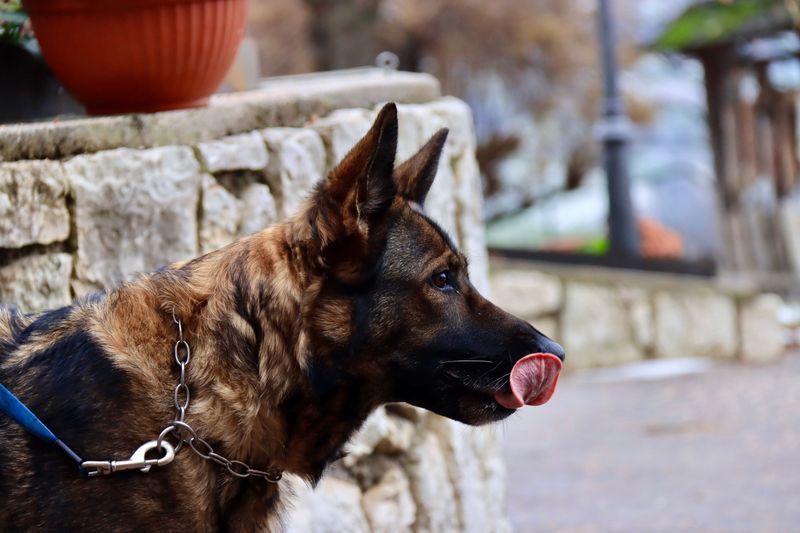
German Shepherds shed heavily, and abrupt weather flips can push their skin off balance. Dry heat encourages dandruff, while damp spells may trigger hot spots under dense undercoat.
You might notice flank scratching, tail chewing, or a sudden doggy odor after rain.
Brush deeply to move oils and remove trapped allergens. Limit bathing, choose mild shampoo, and dry thoroughly to protect the skin barrier.
Consider omega 3s and discuss anti itch strategies with your vet during difficult seasonal transitions.
Rinse after muddy hikes and keep sleeping areas breathable. Monitor for hot spots along the back and hips.
With routine grooming and quick responses, your Shepherd can breeze through seasonal shake ups.
Dachshund
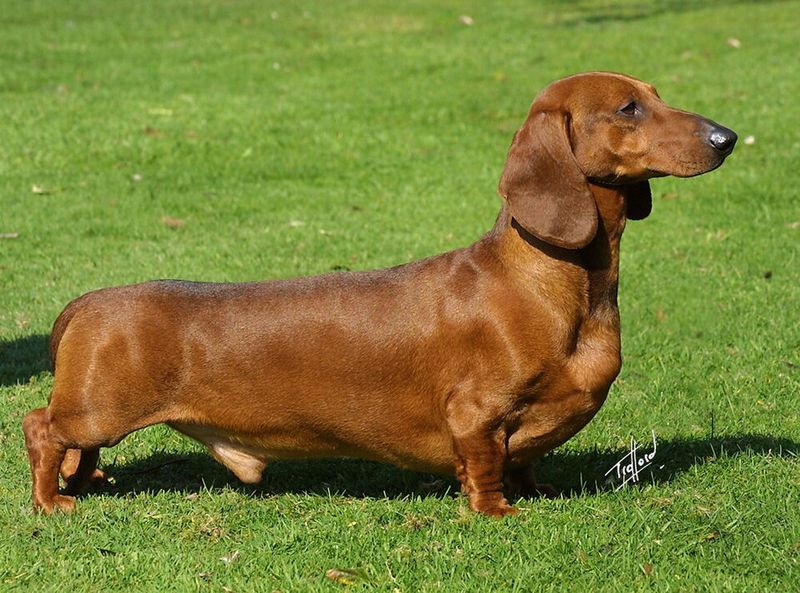
Dachshunds have delicate skin that can flare when temperatures and humidity swing suddenly. Dry interiors often bring flakes, while damp grass can invite mild rashes on low bellies.
You might spot scooting, paw licking, or rolling on rugs for relief.
Keep baths short with a soothing, fragrance free shampoo, and follow with a light conditioner. Add omega 3s to support the skin barrier, and wipe bellies after dewy walks.
Talk with your vet if redness or hives appear during transitional weeks.
Use soft, breathable bedding and rotate nap spots away from heat vents. Maintain steady indoor humidity and vacuum frequently to reduce dust.
Small, consistent steps help your Dachshund sidestep seasonal flare ups.
American Pit Bull Terrier
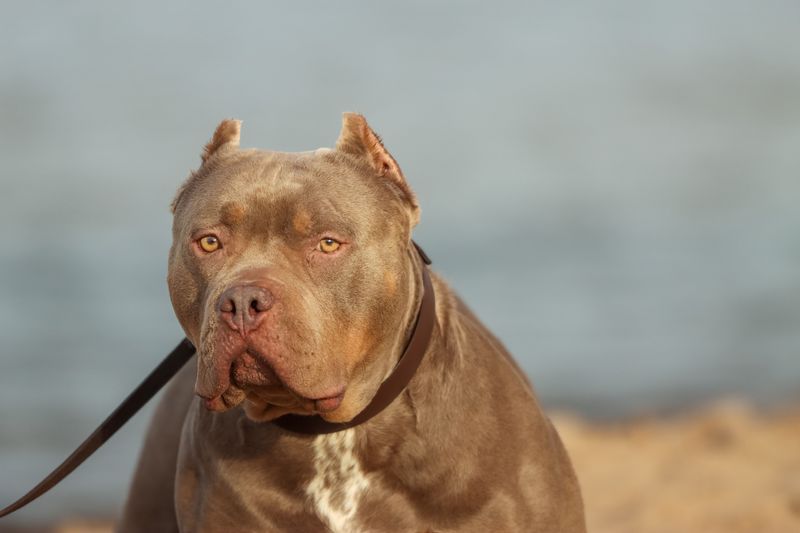
American Pit Bull Terriers have short coats that show irritation quickly when seasons change. Dry spells may cause flaky patches, while pollen spikes can spark hives or redness.
You might notice chest or armpit itch where skin rubs and warms easily.
Choose hypoallergenic shampoos and avoid heavy fragrances. Moisturize with a light, vet recommended balm on problem areas, and support skin health with omega 3s.
Ask your vet about antihistamines or cytopoint style options during brutal allergy stretches.
Rinse after dusty park trips and wash bedding weekly. Keep indoor humidity steady and avoid harsh detergents on blankets.
With proactive routines, your pittie can glide through seasonal shake ups with fewer flare ups.