Ever wonder if your dog’s clingy moments are pure loyalty or a hidden cry for help? The difference shows up in small details you can learn to spot fast.
With the right cues, you will know when to celebrate confidence and when to support a stressed pup. Let these practical clues guide your next steps so both of you feel better.
Staying calm when you’re away suggests loyalty
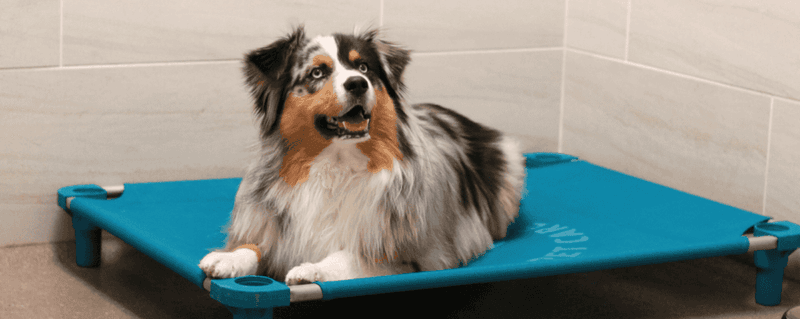
A calm dog when you step out tells you trust is present. They have learned your routine and believe you will return.
This steady confidence feels like quiet loyalty in action.
You might see loose posture, soft eyes, and slow breathing while you grab keys. They may settle on a mat, chew a toy, or nap without fuss.
Reinforce this by giving a calm goodbye and rewarding relaxed behavior on your return.
If occasional alerting happens, note how quickly your dog resets. A brief glance at the door followed by relaxation still points to loyalty, not worry.
Consistency across days, even when schedules change a little, is your strongest clue. It shows a stable bond formed through practice, patience, and clear cues.
Panicking when you leave suggests stress
Panic at the door is a red flag that your dog feels unsafe. Whining, frantic scratching, or explosive barking often start the moment you reach for keys.
That surge of distress points to separation stress, not devotion.
Watch for dilated pupils, tucked tail, and sweaty paw prints on the floor. Some dogs drool, tremble, or attempt to escape, risking injury and heartbreak.
This is not stubbornness, so compassion and structure matter.
Start with tiny departures, predictable cues, and calm returns to lower arousal. Pair exits with food puzzles, snuffle mats, or a long lasting chew.
If panic persists, talk to your vet and a certified trainer for a plan. Medication and behavior changes together can rebuild safety over time gently.
Relaxed waiting is loyalty
Relaxed waiting looks like a dog choosing a comfy spot while you head out. Ears rest neutral, muscles stay loose, and breath remains even.
That balance shows trust has taken root.
You might notice a casual stretch, then a gentle flop onto a favorite bed. Some dogs even escort you to the door, then saunter back without fuss.
Offer a calm cue like be right back to reinforce the ritual.
When you return, their greeting is happy yet measured, not frantic or desperate. Praise the chill vibe and provide enrichment during the day to keep confidence strong.
Over time, that steady pattern becomes reliable proof of loyal security. It shows your bond works even when space and silence appear beautifully.
Constant pacing points to stress
Relentless pacing reads like a body stuck in high alert. Instead of settling, your dog loops hallways, windows, and doors repeatedly.
That motor keeps running because anxiety cannot switch off.
Look for panting without heat, tight lips, pinned ears, and rigid posture. Some dogs track shadows, check each room, or hover behind you nonstop.
These habits drain energy and teach the brain to expect threat.
Interrupt the cycle with scatter feeding, sniff walks, and patterned relaxation exercises. Layer in predictable routines and independence games to rebuild coping.
If pacing persists, consult your vet and a credentialed behavior professional for support. Progress arrives in small steps, so track wins and adjust triggers thoughtfully.
Your patience teaches safety one quiet lap at time.
Confidence indicates loyalty
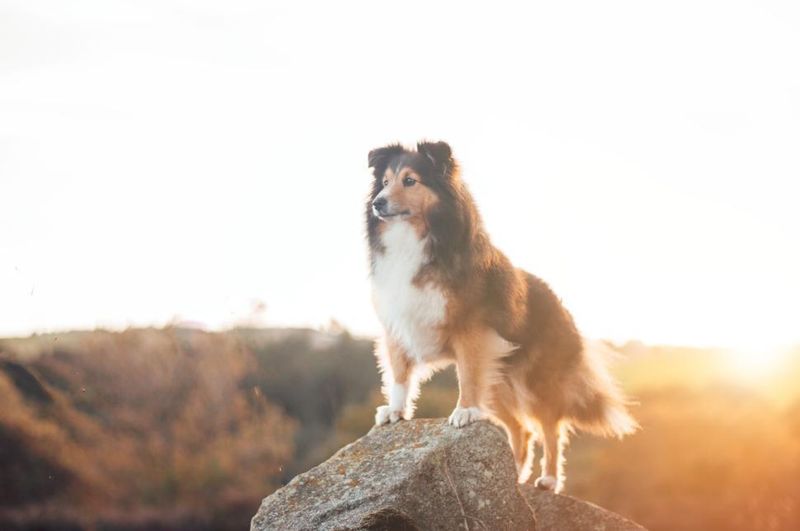
Confident dogs carry themselves with easy posture and curious interest. They investigate sounds, greet kindly, and accept your exits as normal.
That mindset grows from consistent care, clear boundaries, and wins.
You will notice loose tails, soft mouths, and a springy trot during daily life. When challenges pop up, they check in, then choose workable solutions.
It is not bravado, just grounded security shaped by trust.
Protect this by practicing short separations, varied environments, and enriching play. Reward brave choices and calm recoveries to reinforce the loyal partnership.
Over months, confidence and loyalty become the same dependable feeling. Your steady presence, clear cues, and fair rules make safety predictable.
Celebrate small tries, because repetition turns courage into everyday loyalty beautifully.
Destructive behavior often signals stress

Chewed doors, shredded pillows, or damaged crates rarely equal loyalty. They scream distress, especially when destruction happens only during absences.
Your dog is trying to escape panic or self soothe hard feelings.
Look for patterns in timing, intensity, and triggers like noises or weather. Video can reveal pacing, howling, and door focus you never knew about.
Punishment will not help and usually increases fear.
Prevent rehearsals with management, sturdy barriers, and safe, dog proofed rooms. Provide chew outlets, food puzzles, and thoughtful exercise matched to energy.
Team up with your vet and a behavior pro to create relief. Consider calming music, scent enrichment, and gradual absences to rebuild tolerance carefully.
Document progress weekly so small improvements guide your next steps.
Normal eating habits suggest loyalty

A dog that keeps eating normally while alone shows real comfort. Food remains a pleasure, not a bargaining chip or panic barometer.
This steadiness tells you departures are predictable and safe.
Pay attention to appetite across days, not just one meal. A loyal, relaxed dog eats breakfast, enjoys snacks, and finishes dinner routinely.
If anything, they may savor a stuffed Kong as you leave.
Support this by timing meals predictably and avoiding pressure at the bowl. Use calm exits and greetings so eating stays separate from big emotions.
Health changes can affect appetite, so call your vet if patterns shift. Steady nutrition fuels resilience, keeping mood balanced and confidence strong every single day.
It supports calm choices when challenges pop up.
Refusing food can indicate stress
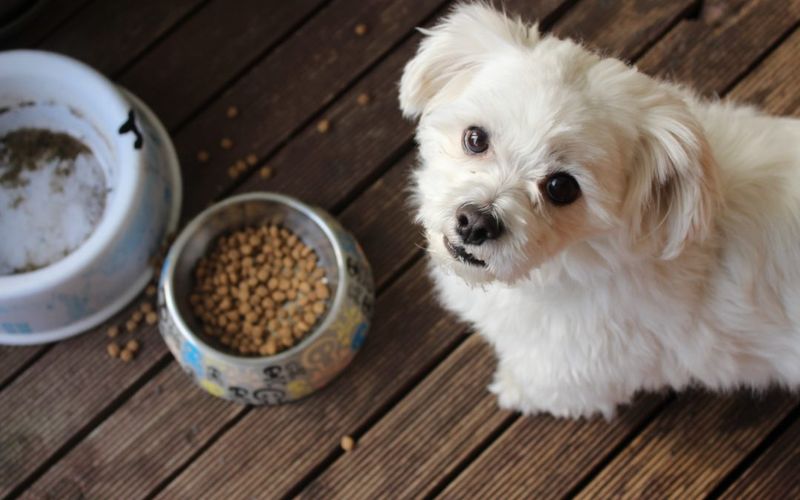
Skipping meals or treats during separations is a classic stress marker. The nervous system overrides hunger, pushing survival alarms ahead of taste.
That is not loyalty, it is fear taking the wheel.
You might notice lip licking, yawns, pinned ears, and hard swallowing. Some dogs refuse high value snacks they usually adore when anxiety spikes.
Appetite often returns minutes after you come back.
Track context, then build positive associations with gradual departures and easy puzzles. Offer scatter feeding, lick mats, and calm music to soften edges.
Speak with your vet to rule out pain, nausea, or medical factors. When stress eases, appetite usually rebounds, confirming the root cause.
Patience and structure restore comfort, meal by meal, day by day gently.
Healthy independence suggests loyalty
Dogs that choose solo naps or explore rooms calmly show secure attachment. They enjoy closeness, yet function well when space appears.
That balance reflects loyalty anchored in confidence, not anxiety.
You will see them settle on a different rug, then change spots later. They may watch out a window, then snooze without tracking your every move.
This flexibility means your routines are predictable and safe.
Encourage independence with place training, relaxed door rituals, and confident foraging games. Reward check ins, then release gently so exploration remains fun.
Over time, independence and loyalty merge into steady companionship. Your calm consistency, fair boundaries, and engaging enrichment keep that balance thriving.
Celebrate small choices, because autonomy grows with repetition and gentle guidance daily.
Excessive clinginess may indicate stress
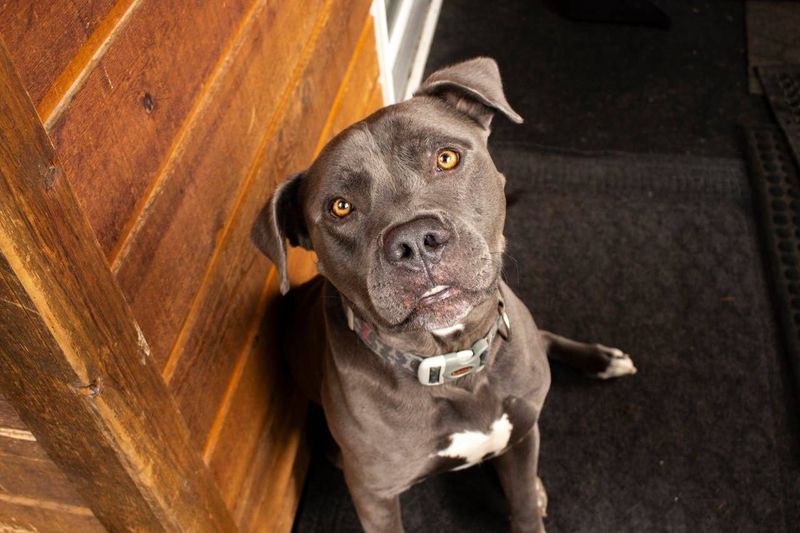
Shadowing your steps everywhere often signals a dog feeling uncertain. Instead of resting, they glue themselves to knees and doorways.
It seems loving, but the motivation is usually fear of separation.
Watch for blocking at exits, pawing, whining, or climbing into your lap anxiously. These dogs rarely self soothe and struggle to settle alone.
Kind boundaries are needed so security is not tied to constant contact.
Practice brief separations, baby gates, and stationing with rewards for calm. Add sniffy walks, puzzle feeders, and naps after exercise to lower arousal.
If progress stalls, involve your vet and a certified behavior consultant. Your steady exits and measured affection teach resilience, turning worry into confidence over weeks, with repetition and patience every single.