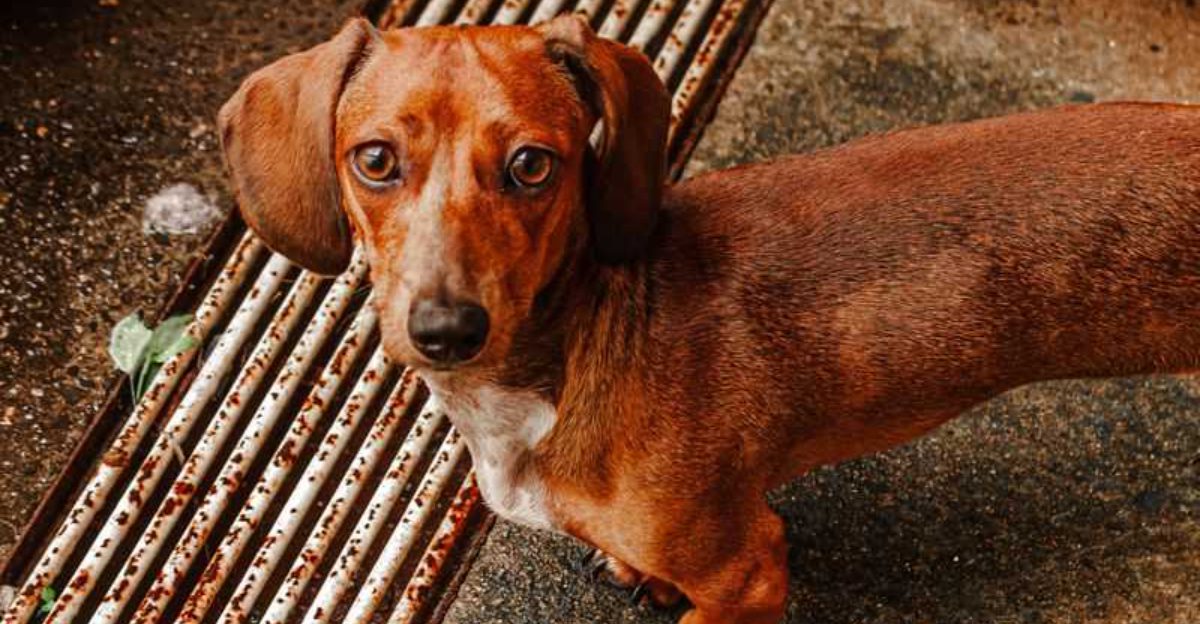
Some dogs seem like different creatures on leash compared to off it, and there are real reasons behind that switch. Leashes change choices, space, and pressure, which can magnify instincts or mute natural manners.
When you know what each breed is trying to manage, you can prevent outbursts and build calm habits. Here is how 11 popular dogs act in each context and what to do about it.
German Shepherd
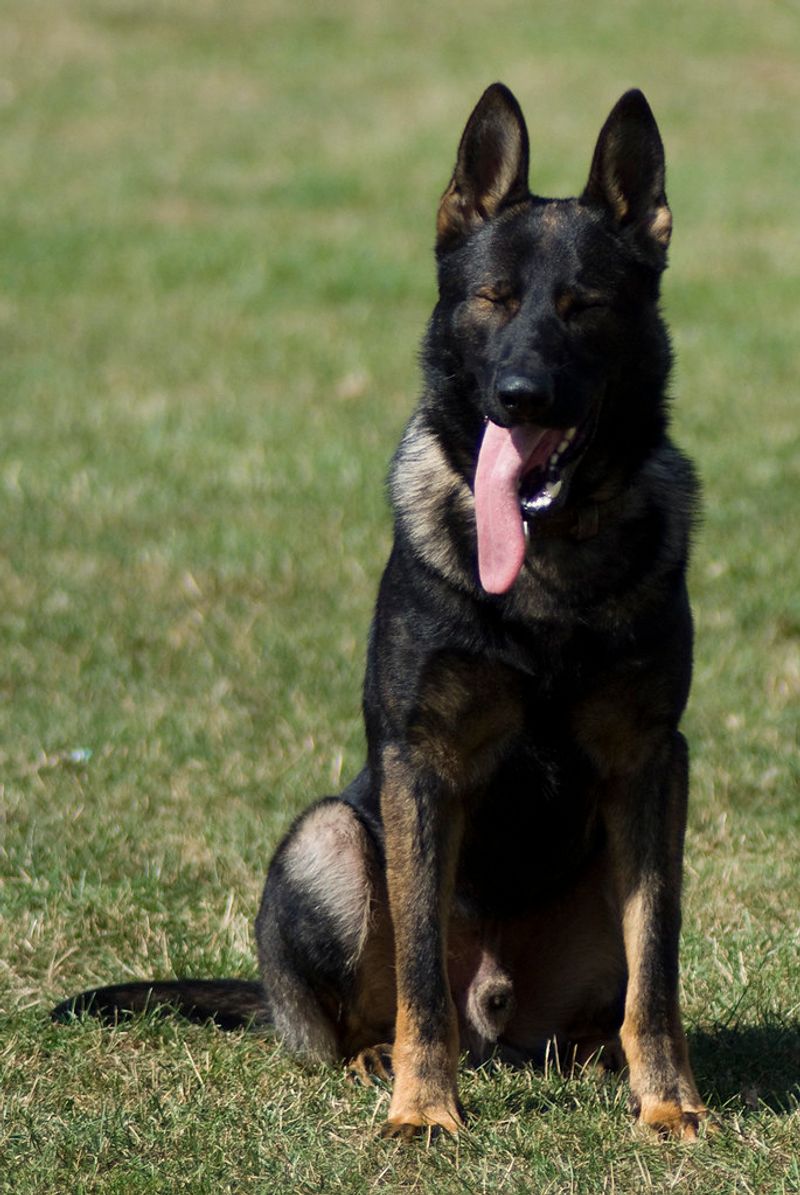
German Shepherds are brilliant workers, which is why on leash they can seem all business. Tight spaces, approaching strangers, and handler pressure dial up their protective instincts.
You might notice scanning, stiff posture, and quick decisions that feel intense compared to their backyard chill.
Off leash, with distance and choices, they decompress and show thoughtful curiosity. They arc politely to greet, read dog language better, and burn energy through purposeful movement.
To help, use pattern games, sniff breaks, and clear heel cues, then reward with freedom when safe. A front clip harness and calm breathing keep communication smooth.
Consistency teaches them that the leash predicts guidance, not restriction, so their confidence stays high in any setting.
Belgian Malinois
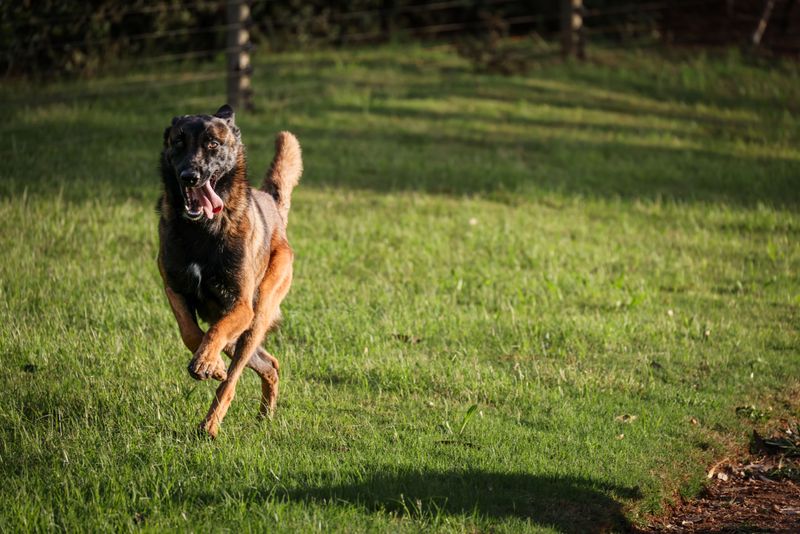
Belgian Malinois are rockets on paws, so leashes can feel like launch controllers. That tension funnels energy forward and can tip them into barking or spinning when stimulation peaks.
You will often see laser focus, fast alerts, and impatience that vanishes once they can move freely.
Off leash, they channel drive into tasks, fetch, and structured exploration. Giving a job calms their brain.
Try engagement drills, quick sits at thresholds, and reinforcement for checking in every few steps. Use long lines to blend freedom with safety while you build impulse control.
Rotate tug, scent games, and heel work to satisfy needs. With predictable outlets, the leash becomes a cue for teamwork, not a battle over speed.
Border Collie
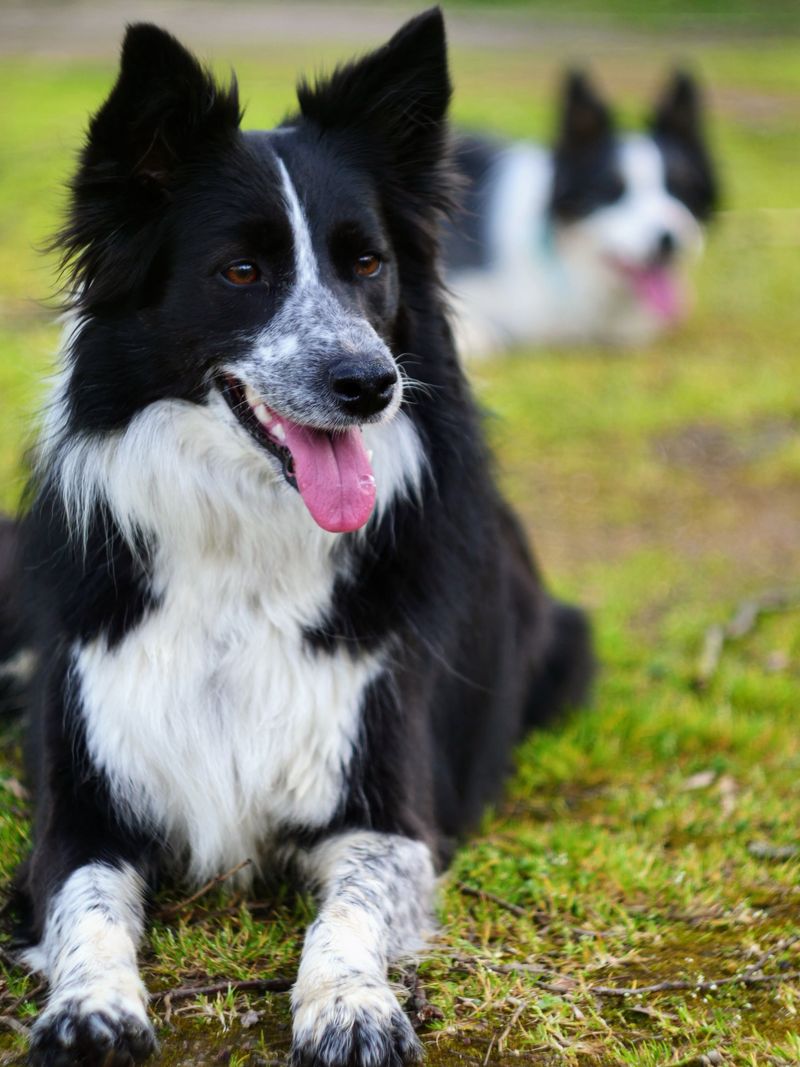
Border Collies collect information constantly, so a leash can bottleneck their herding brain. When movement is restricted, they may fixate on bikes, heels, or birds, rehearsing eye-stalk patterns.
You will see crouching, creeping, and sudden bursts that look dramatic but stem from instinct, not disobedience.
Off leash, they widen arcs and modulate pressure like a pro. Let them observe, then work brief tasks that earn decompression.
Reinforce head turns away from triggers, add scatter feeds, and practice calm stops. Use a lightweight line and predictable routes so novelty does not stack stress.
Mental work counts as much as miles. Teach that following you produces access to movement, and they learn to partner even in busy spaces.
Australian Shepherd
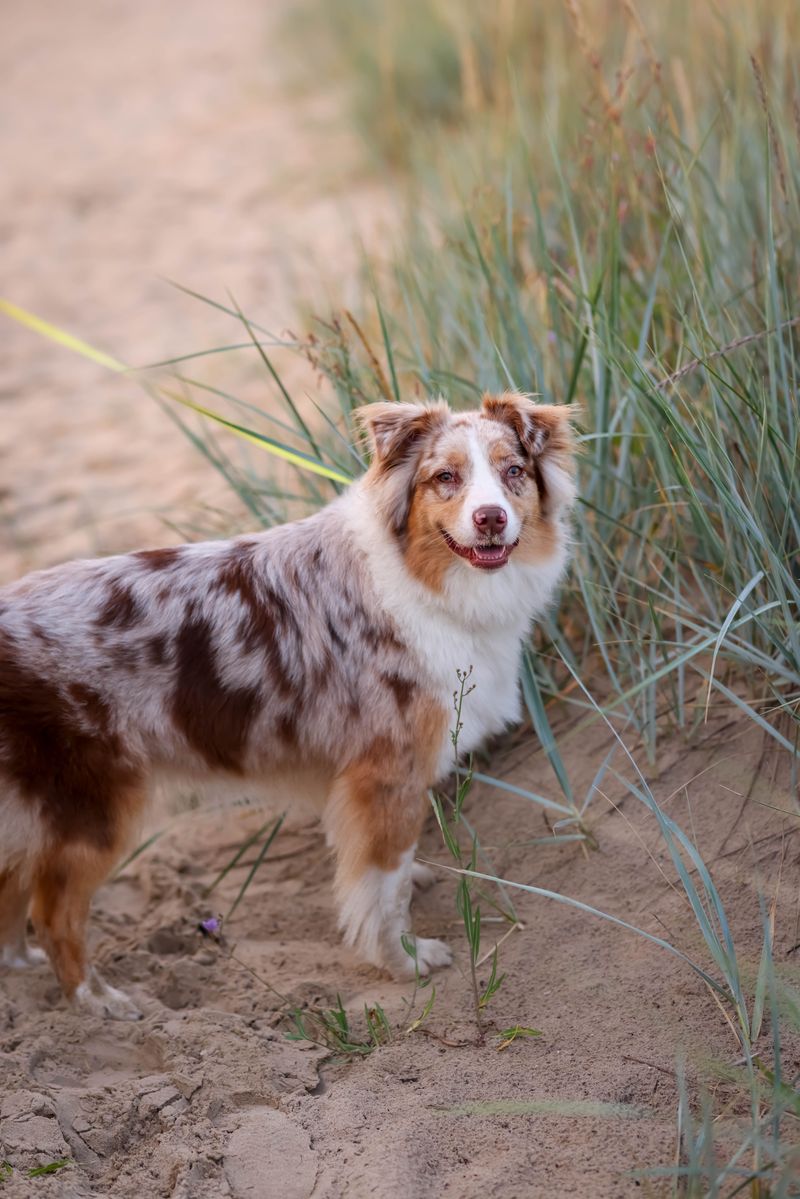
Australian Shepherds are thinkers with springs for legs, and leashes interrupt that bouncing workflow. In tight quarters they can vocalize, weave, or guard space when surprised.
You might catch quick side-eyes and pushy greeting habits that fade when they have room to choose better options.
Off leash, they practice social curves and self-handicapping with other dogs. Give them sniff time early, then ask for short heeling sprints before releasing again.
This rhythm teaches regulation. Use two-way communication: name check-ins, reward position changes, and cue a settle on a mat in parks.
A Y-front harness protects shoulders during bursts. Over time, leash walking becomes a puzzle you both solve, not a frustration that steals their sparkle.
Labrador Retriever
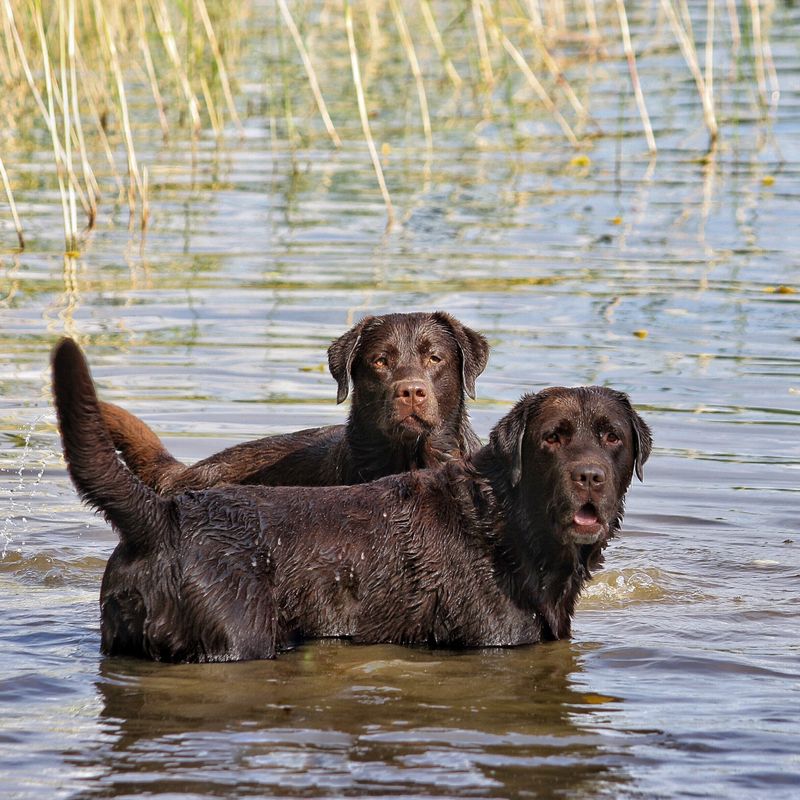
Labrador Retrievers love people and motion, so a leash can amplify enthusiasm into pulling. Street smells and friendly faces stack excitement until manners evaporate.
You will feel the engine turn on, tail thumping, brain hopping from scent to hello instead of listening.
Off leash, many labs pace themselves and check back naturally. Lean into that instinct by paying generously for voluntary returns and loose lines.
Start with decompression walks before practicing heel, then sprinkle in food-chasing games for focus. A flat collar is often fine, but a well-fitted harness protects shoulders during training.
Keep sessions short, upbeat, and predictable. Soon the leash becomes a polite conversation about direction, not a tug-of-war fueling endless enthusiasm today.
Boxer
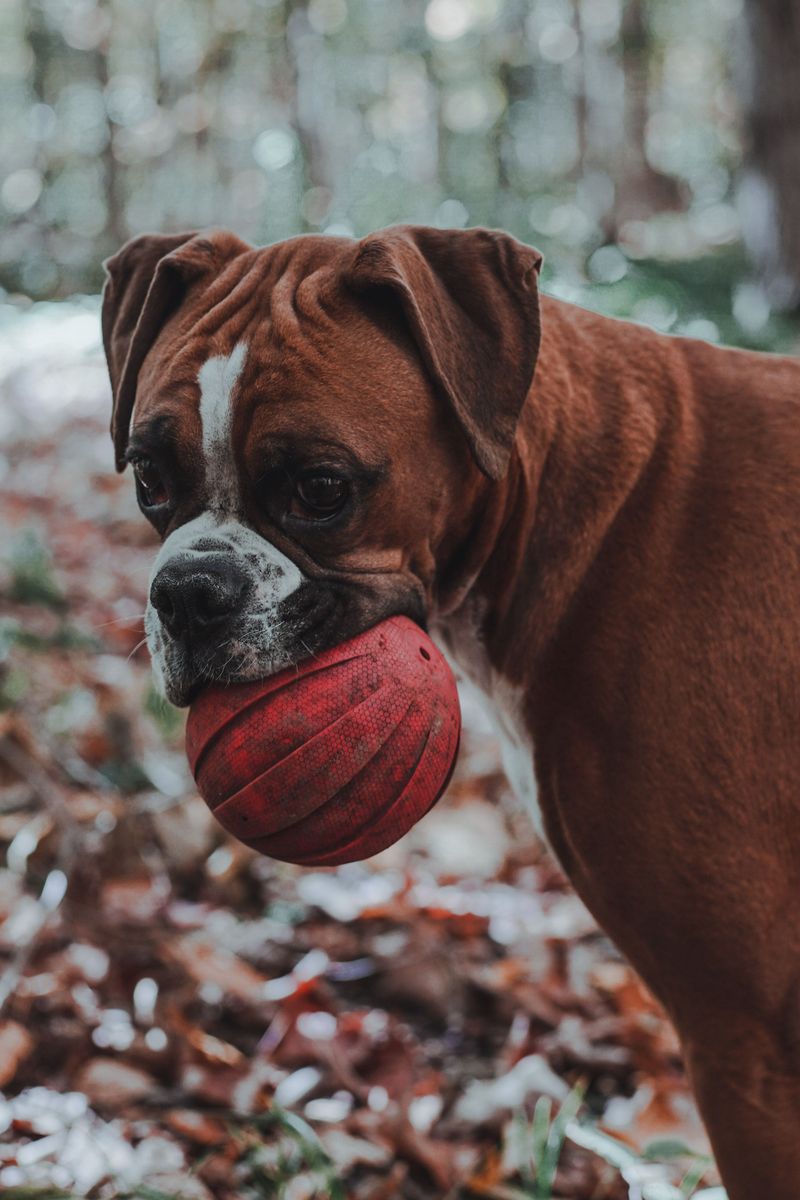
Boxers are joyful clowns with big feelings, and leashes compress those feelings into pogo sticks. That springy body plus curiosity can produce lunges to greet or barky protests when restrained.
You will notice wiggly hips, forward weight, and quick frustration that melts once they can approach politely.
Off leash, social skills shine through play bows and bouncy arcs. Teach turn-taking with tug, then ask for a sit before release.
Use figure-eight walking patterns, upbeat markers, and sniff permission as frequent reinforcement. Short, fun reps prevent pressure from building.
A padded harness and head halter can help during the learning phase. Over time, they learn leash equals information and opportunity, so their exuberance channels into connection rather than chaos.
Dachshund
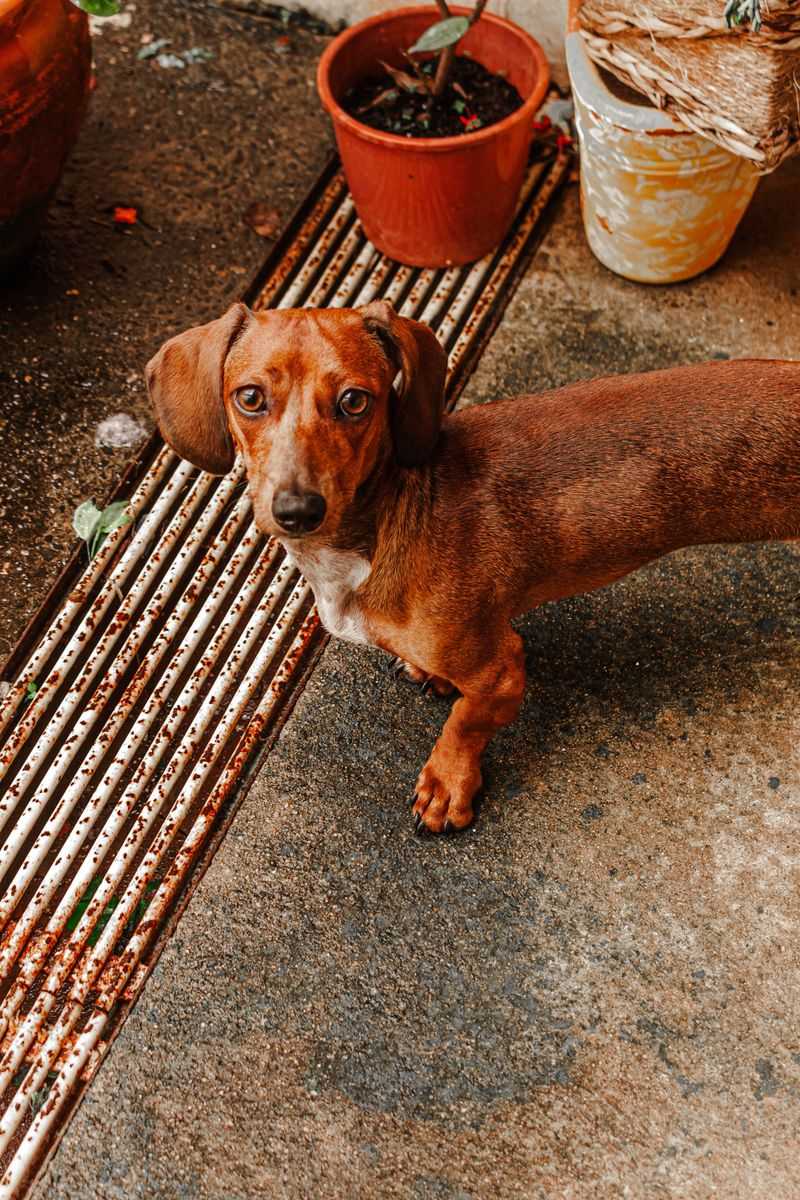
Dachshunds are courageous scent hounds in small packages, and a leash can trap their noses mid-mission. When the smell story continues across the road, they brace, bark, and dig for answers.
You might read stubbornness, but it is really purpose meeting restraint.
Off leash, many follow winding scent paths, then check back once the plot resolves. Let them investigate within reason.
Use a long line, nose work hides, and cue a ready-set-go before moving together. Reinforce u-turns and pauses with food on the ground to keep noses low.
A harness that protects the neck is smart for their build. With patient pacing, the leash becomes a helpful narrator, not a cliffhanger cutting off their detective work.
French Bulldog
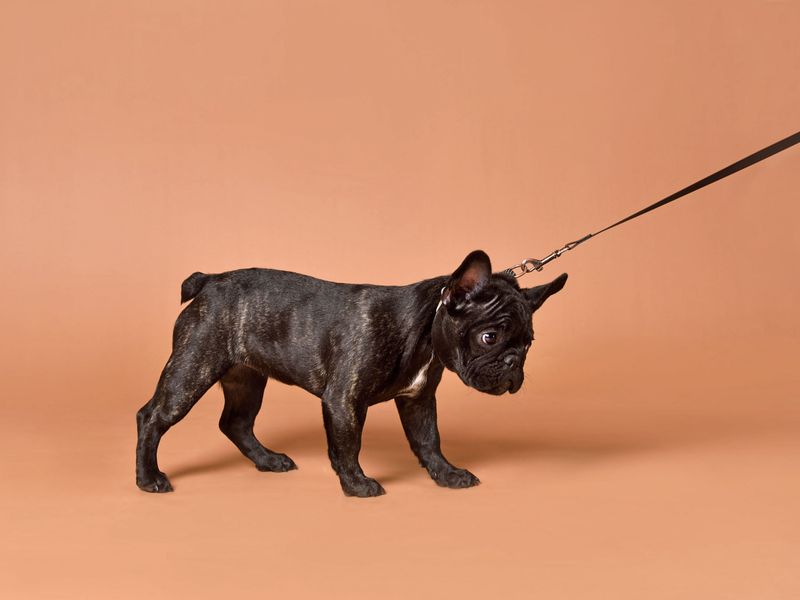
French Bulldogs often appear stubborn on leash, but many are simply managing breathing and heat. Restriction can increase effort, making them choose the shortest path from A to B.
You may see planting, side-stepping, or sudden stops that look defiant but are really comfort checks.
Off leash, they waddle at their pace, socialize in short spurts, and rest frequently. Respect that rhythm.
Plan shady routes, water breaks, and soft gear that avoids throat pressure. Reinforce a few quality steps at a time with treats near your knee.
Teach a follow cue and celebrate tiny wins. When comfort is prioritized, the leash becomes a light guide rope, and your bulldog happily chooses movement over debate today.
Chihuahua
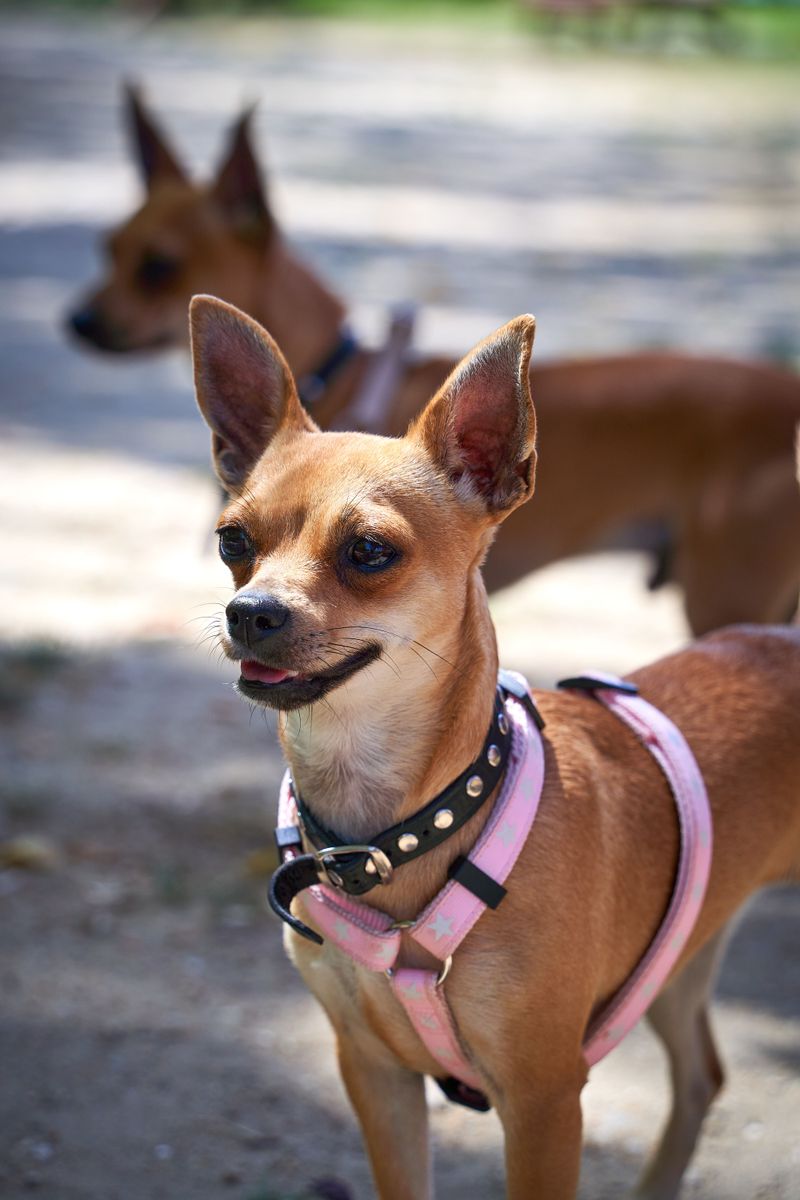
Chihuahuas are mighty minds in tiny frames, so leashes can feel like vulnerability alarms. Big feet approach, scooters zip by, and they lose choice about distance.
You might see barking, spinning, or air-snapping on leash that disappears when they control space.
Off leash in safe, fenced areas, they strut, sniff, and use speedy curves to greet. Build confidence with pattern games and predictable routines.
Carry a treat magnet near ground level, reward behind you, and teach hop-on arms as a safe station. A snug harness with a back clip reduces tangles.
Advocate kindly around strangers and dogs. With safety respected, your Chihuahua learns the leash predicts protection and partnership, not helplessness in a giant world.
Jack Russell Terrier
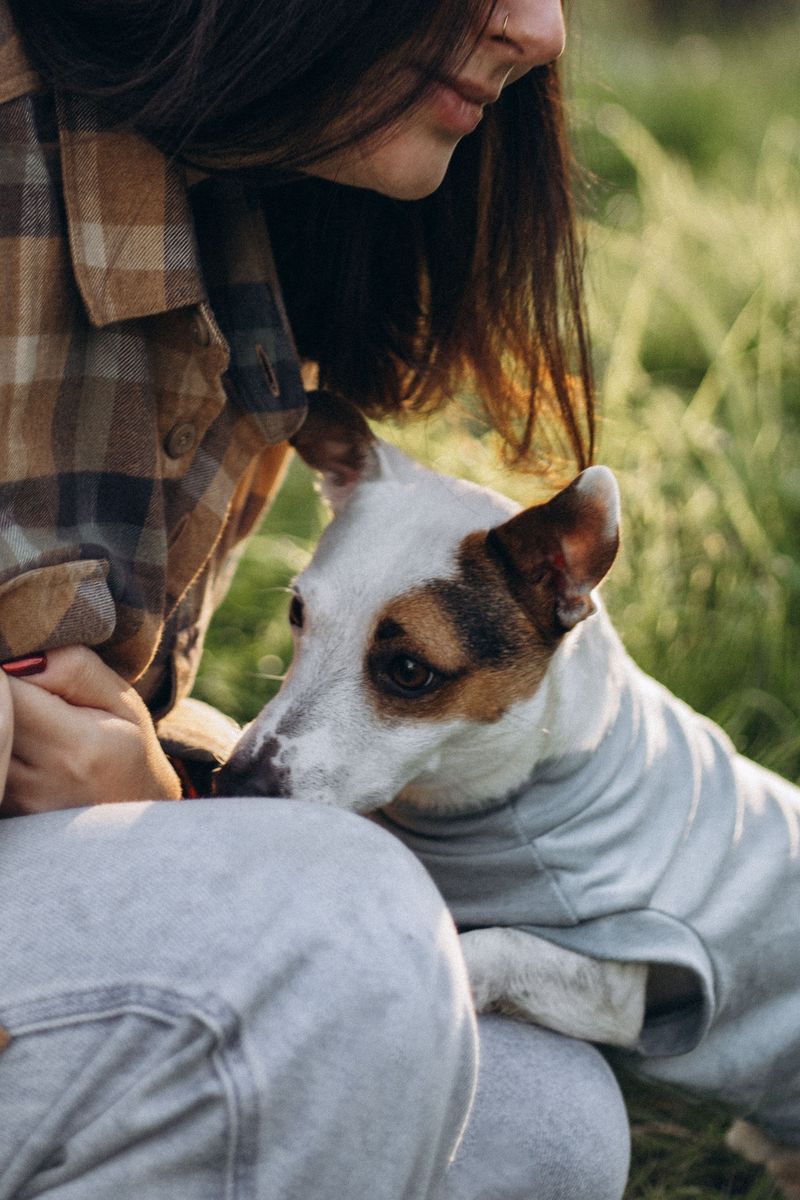
Jack Russell Terriers are sprinting problem solvers, and leashes cap that explosive curiosity. On sidewalk patrol, every rustle becomes a mission, and restraint can flip curiosity into reactivity.
You might get zigzags, pogo hops, and commentary aimed at birds, squirrels, and passing dogs.
Off leash in safe fields, they hunt scent, follow ground movement, and return after the job wraps. Channel that with structured fetch, release cues, and recall games.
Sprinkle hand-targets, fast sits, and directional changes to keep the brain busy. A long line protects instincts while building responsiveness.
Rotate food, toys, and sniffing as paychecks. With clarity and outlets, the leash starts meaning cooperation, not a lid slammed on their favorite investigations today.
Cocker Spaniel
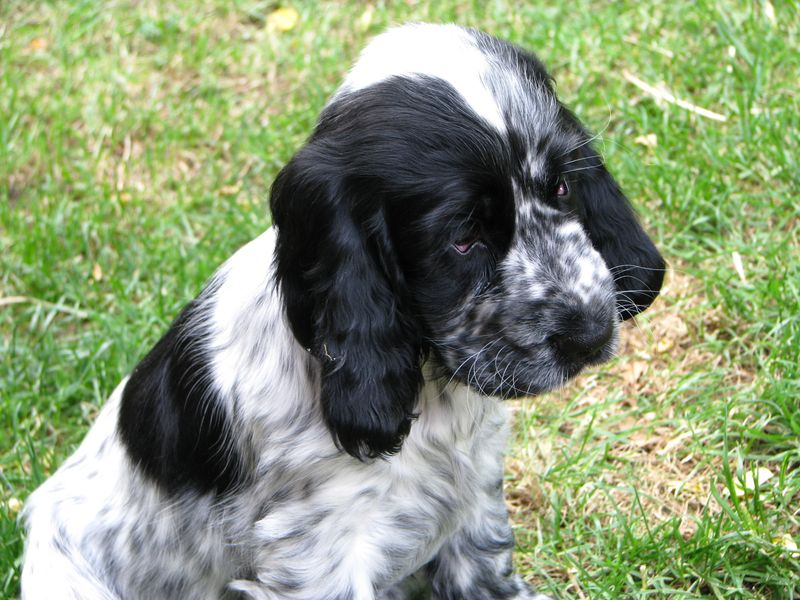
Cocker Spaniels are sensitive sporting dogs, so pressure from a leash can muddy their lovely softness. Sudden noises or crowded sidewalks may spark pulling toward or away, depending on mood.
You might see scanning, whining, or hesitant lagging that eases when they can choose their pace.
Off leash, they flow, sniff diligently, and follow gentle arcs toward people and dogs. Build security with predictable routes, cheerful markers, and generous sniffing rights.
Practice window shopping: slow passes near triggers with treats for relaxed eyes and ears. Choose cushy gear, groom ears short for airflow, and keep sessions breezy.
Over time, the leash becomes reassurance, not static. Their natural sweetness returns, and walks feel like calm conversations again.