
If you have ever heard your dog growl and felt a flash of worry, you are not alone. But what if that sound is a helpful heads up, not a problem to shut down.
Growling is communication that can keep everyone safe when you know how to listen. These 11 beloved breeds show exactly why respecting the warning makes training kinder, clearer, and far more effective.
Golden Retriever
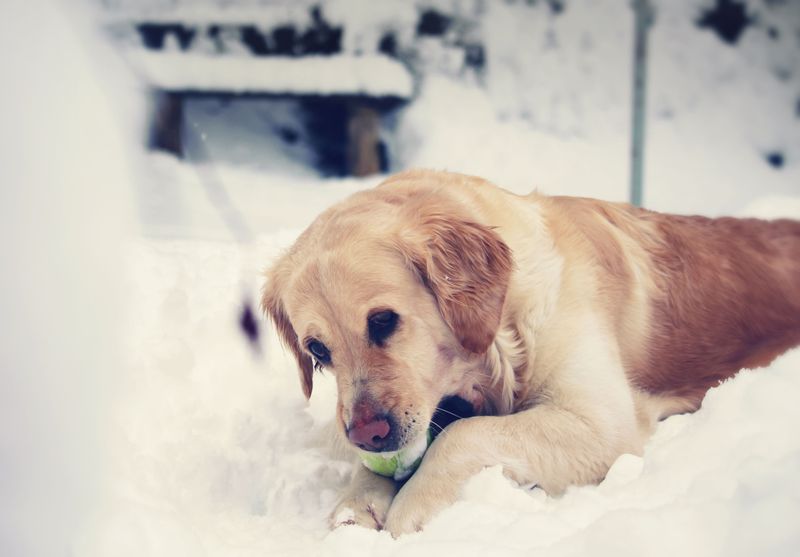
Gentle Goldens are famous for sweetness, but their growl is still valuable information, not misbehavior. A Golden might rumble when guarding a sore spot, feeling overwhelmed by rough play, or needing space during mealtime.
When you punish that sound, you teach the dog to skip the warning, which increases bite risk and confusion.
Instead, thank the message and assess the context. Ask what triggered the discomfort, then give distance, slow the environment, or swap in a calmer activity.
Pair body handling with treats, teach a relaxed station cue, and advocate when strangers rush in. You are not rewarding rudeness, you are honoring communication.
Over time, trust grows, and the growl gradually fades because needs are consistently met and boundaries respected.
Labrador Retriever
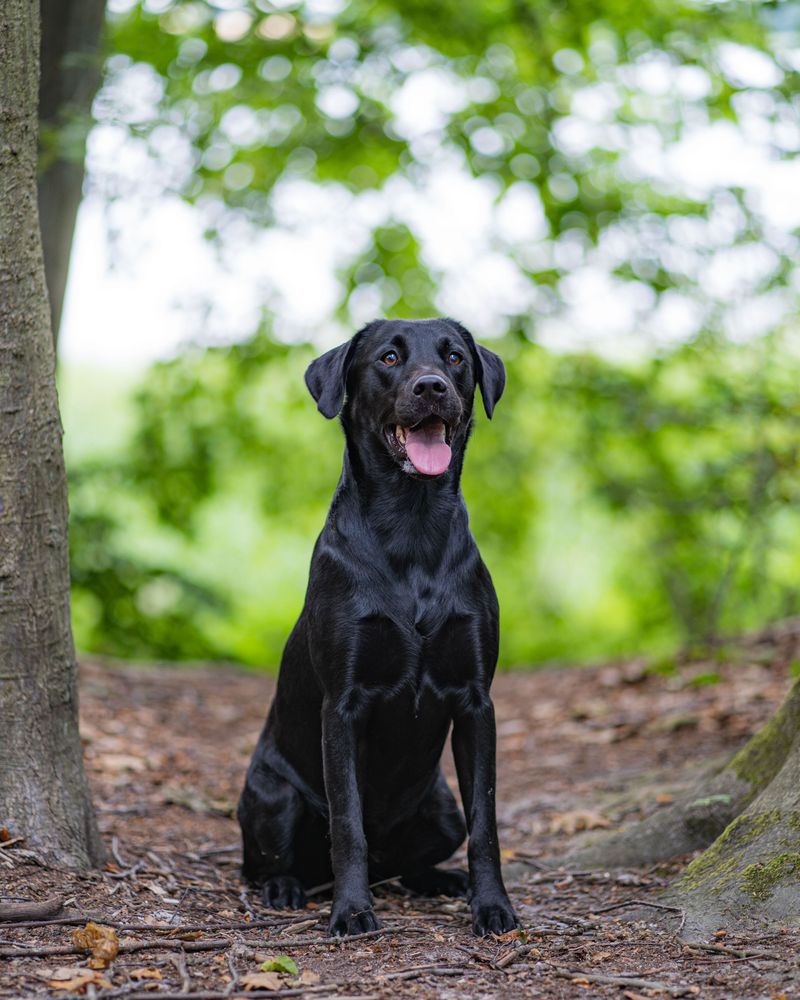
Labs are social optimists, yet a low growl often says I need room, not I am mean. You might hear it around prized chews, chaotic doorway greetings, or when a boisterous child hugs too tightly.
Correcting that voice silences the early alert and invites a sudden snap when stress spikes.
Respect the boundary and adjust the picture. Trade up for guarded items, scatter feed to diffuse intensity, and teach a settle on mat for visitors.
Coach kids to toss treats and pet under the chin, never over the head. Reinforce calm choices and give predictable routines.
Soon the growl becomes rare because the Lab trusts you to notice small signals, meet needs proactively, and keep interactions fair for everyone involved.
Border Collie
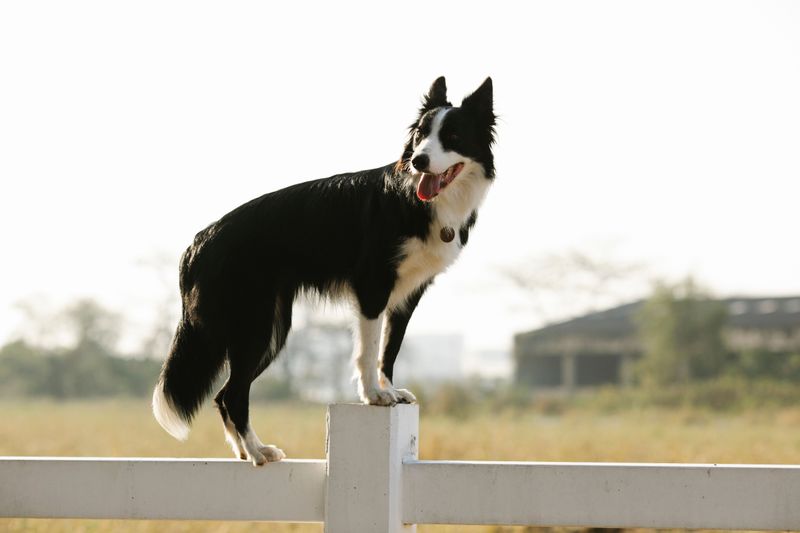
Border Collies read the world intensely, so a growl often reflects overloaded senses, not defiance. Fast motion, fence running, or pushy herding play can flood their brain and body.
If you punish the signal, arousal explodes underground, and the next choice may be a nip that surprises everyone.
Slow everything down and create clarity. Offer decompression walks, sniff games, and predictable start-stop cues during play.
Teach a strong off switch with a mat routine and reinforce eye contact breaks from movement. Use long lines instead of constant corrections, and protect rest in quiet spaces.
When you honor the early murmur, your Collie learns you will manage pressure, give alternatives, and reward calm thinking. Confidence follows, and harmony returns for both.
German Shepherd
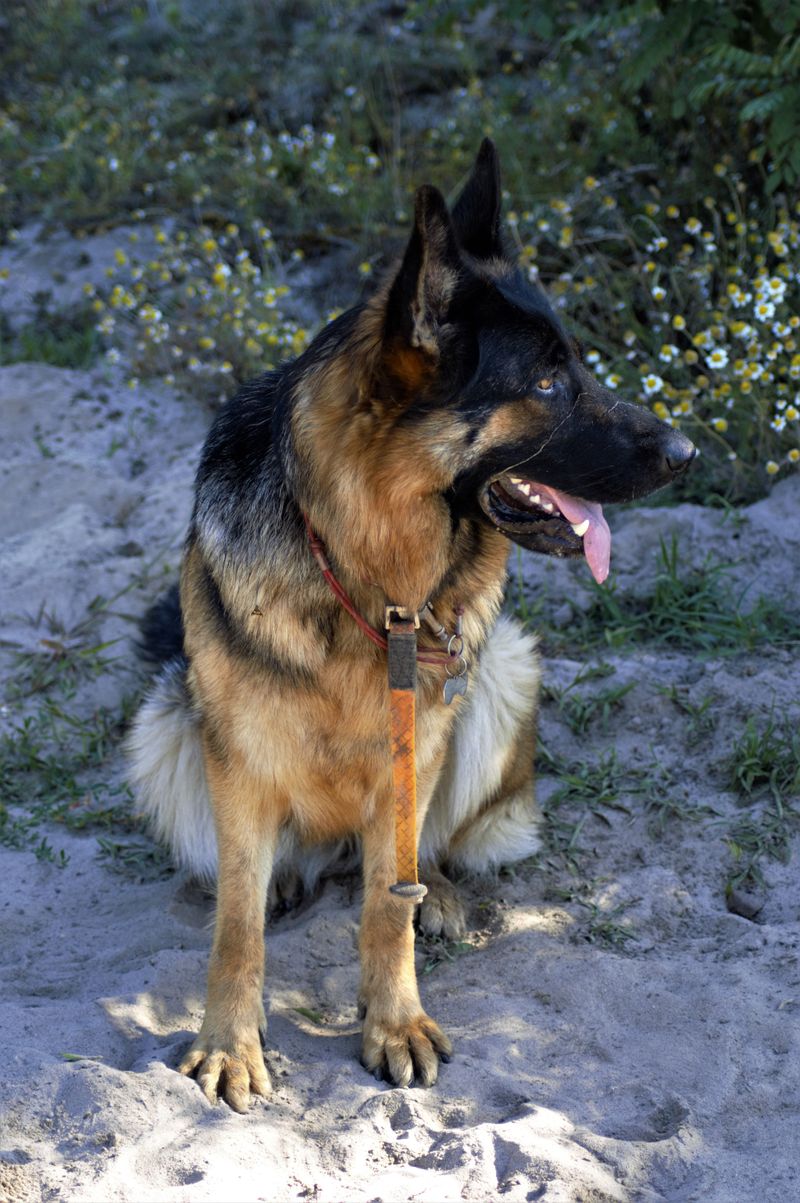
German Shepherds are vigilant communicators, and a growl often says I am assessing, please slow down. It may surface during stranger approaches, tight hugs, or when guarding a doorway that feels important.
Punishing that cue suppresses useful data and can brew sudden defensive lunges without the helpful warning.
Listen first, then guide. Create distance, curve your approach, and reward scanning that shifts back to you.
Teach a middle position for security and a chin rest for cooperative handling. Use structured decompression, thoughtful introductions, and clear routines that reduce ambiguity.
When the dog learns you will advocate and translate social pressure, confidence expands. The growl softens because the Shepherd trusts the plan, the handler, and the boundaries that keep everyone safe.
Australian Shepherd
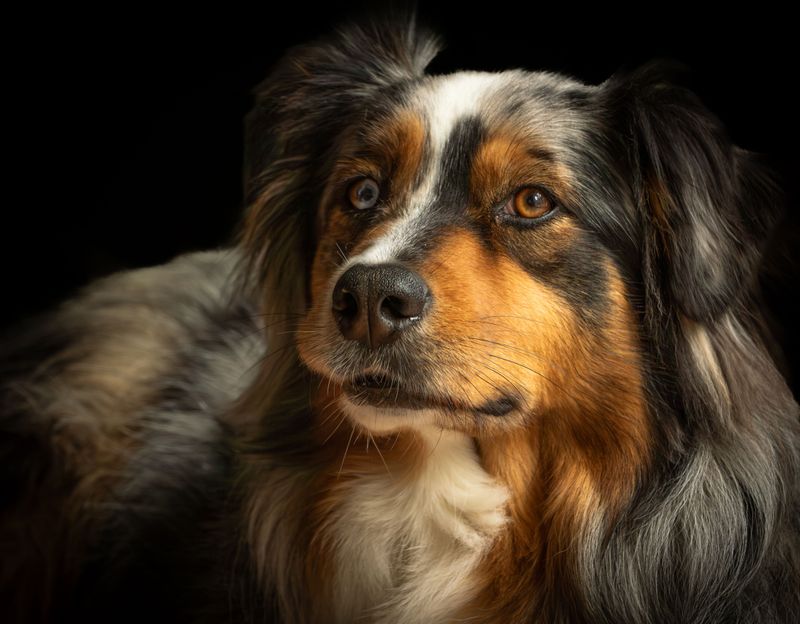
Australian Shepherds are energetic problem solvers, and a growl often flags rising arousal or crowding. Door surges, heel nipping in play, and resource competition can stack stress fast for this quick thinker.
Punishing the warning hides the pressure cooker while rehearsing frantic patterns that later spill into biting.
Interrupt early and give structure. Use leash pressure-release games, place training, and clear start-finish signals for fetch or tug.
Build impulse control with patterned walking, then pay generously for calm eye contact. Manage resources with trade games and planned breaks, especially around children.
When you treat growling as information, you can reframe the moment, teach better choices, and protect relationships. Respect brings regulation, and regulation brings the friendly Aussie sparkle back bright.
Boxer
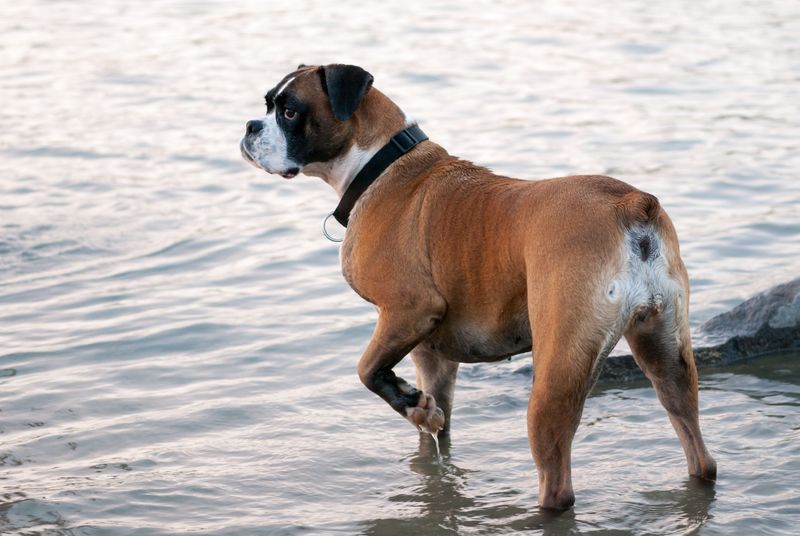
Boxers wear their hearts on their sleeves, and a growl can be playful noise or a clear boundary request. Rough wrestling, body slams, and overexcited greetings often tip them into mixed signals.
Punishment blurs the line between fun and frustration, removing the pause that helps everyone reset.
Read the whole picture. Look at loose wiggly hips, soft eyes, and bouncy bows versus hard stare, still body, and stiff tail.
If arousal climbs, call for a break, cue a scatter, then reward reengagement at lower intensity. Teach a chill-out mat and swap to sniffy walks when energy spikes.
When you respect the voice, your Boxer learns communication works, and calmer choices pay. Trust deepens, and conflicts shrink dramatically over time together.
Dachshund
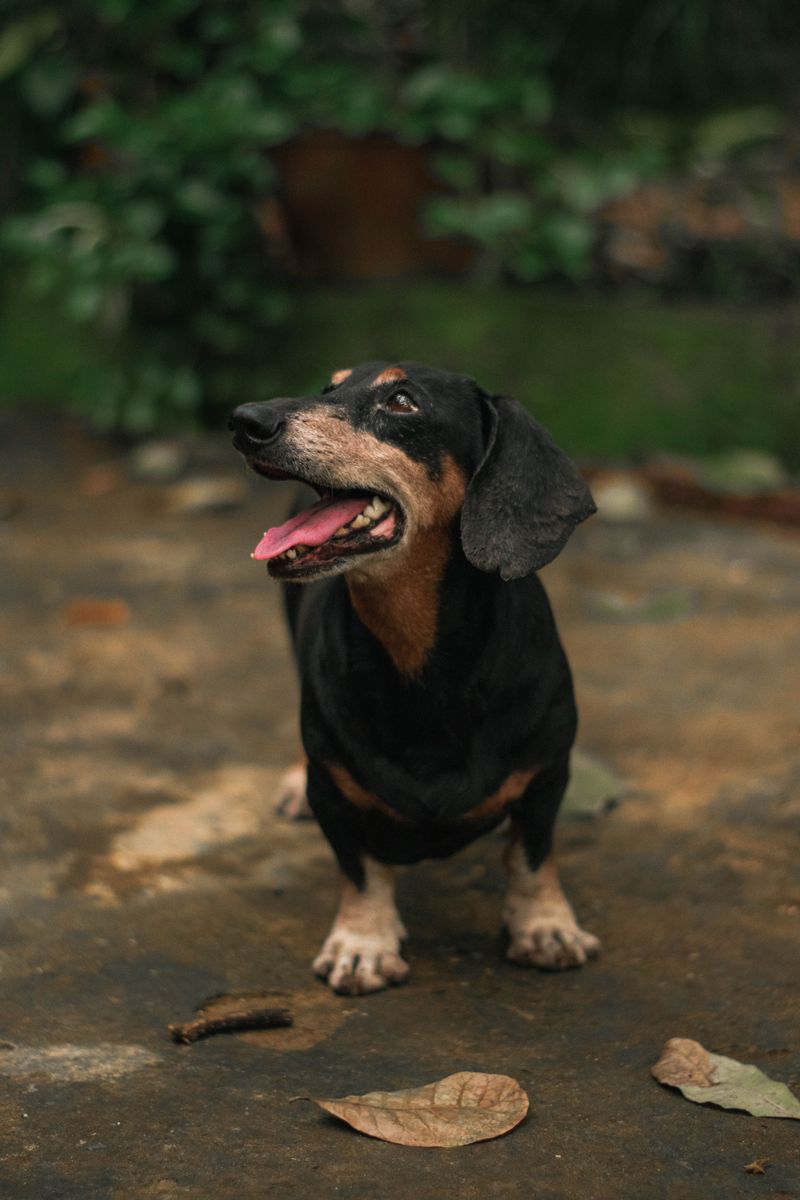
Dachshunds are brave little hunters, and their growl often says I am guarding my tunnel of safety. Tight spaces, sudden lifting, and looming giants can feel threatening to a low-to-the-ground dog.
If you punish the message, fear simmers and the next reply may be teeth without warning.
Make the world feel kinder. Teach a pick-up cue with treats, build a cozy retreat, and prevent cornering.
Use ramps or steps for furniture, and reward voluntary approaches instead of forced cuddles. Trade for valued chews and manage doorways where legs tower overhead.
When you honor small signals, the Doxie learns you listen, pressure eases, and confidence grows. The growl becomes guidance you can use, not something to erase in stressful human moments.
Cocker Spaniel
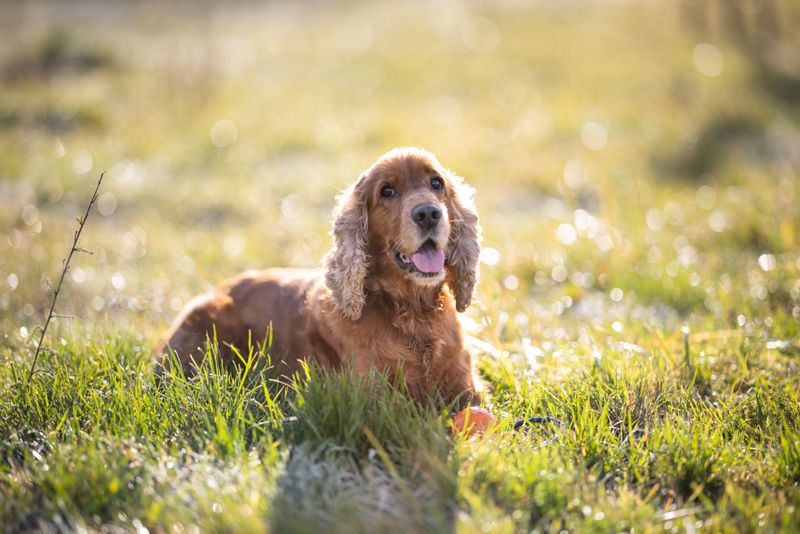
Cockers are sensitive, silky companions, and a growl often flags discomfort with handling or surprise. Ear care, grooming mats, and crowded hugs can feel intense for a dog bred to notice fine detail.
Correcting the signal risks turning touch into conflict, eroding trust where cooperation should grow.
Switch to consent-based care. Teach a chin rest, start-stop marker, and treat-and-trim routines that let the dog say yes.
Use soft brushes, gentle pace, and short sessions that end on success. Pair scary sounds with food and keep hands predictable around ears.
When communication works, grooming becomes teamwork instead of a battle. The growl fades because your Spaniel learns that needs are heard, choices matter, and comfort returns at home and beyond too.
Shetland Sheepdog
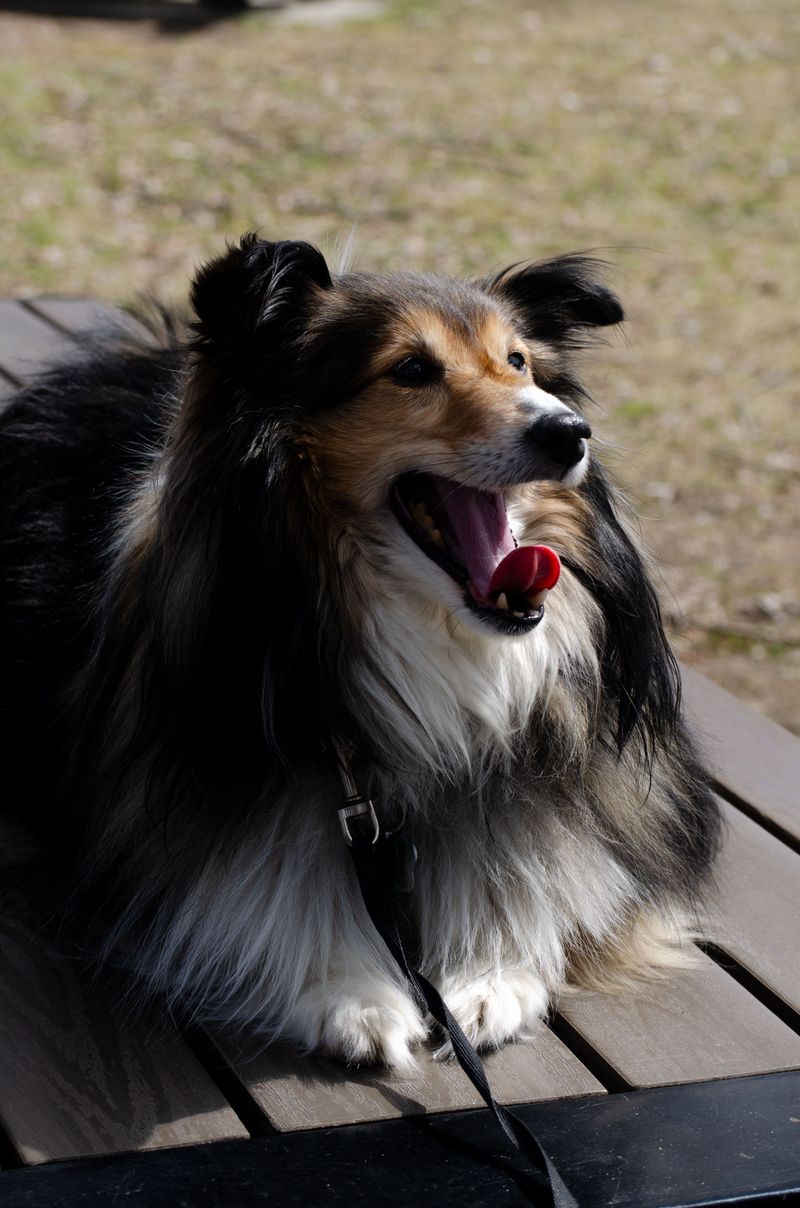
Shetland Sheepdogs are sensitive observers, and a growl often signals social worry rather than challenge. Fast hands, loud rooms, and rushing dogs can overwhelm their thoughtful nature.
If you punish the cue, the Sheltie goes quiet outside but louder inside, and fear chooses the next move.
Protect the thinker. Add distance, soften eye contact, and let curious approaches happen from the side.
Reinforce check-ins, teach a tuck-in behind your legs, and practice calm greetings with cooperative friends. Build resilience with pattern games and short field trips that end successfully.
When you value early whispers, your Sheltie learns safety sits with you. The growl turns into a useful breadcrumb that guides training and keeps harmony through daily life and visits out.
Vizsla
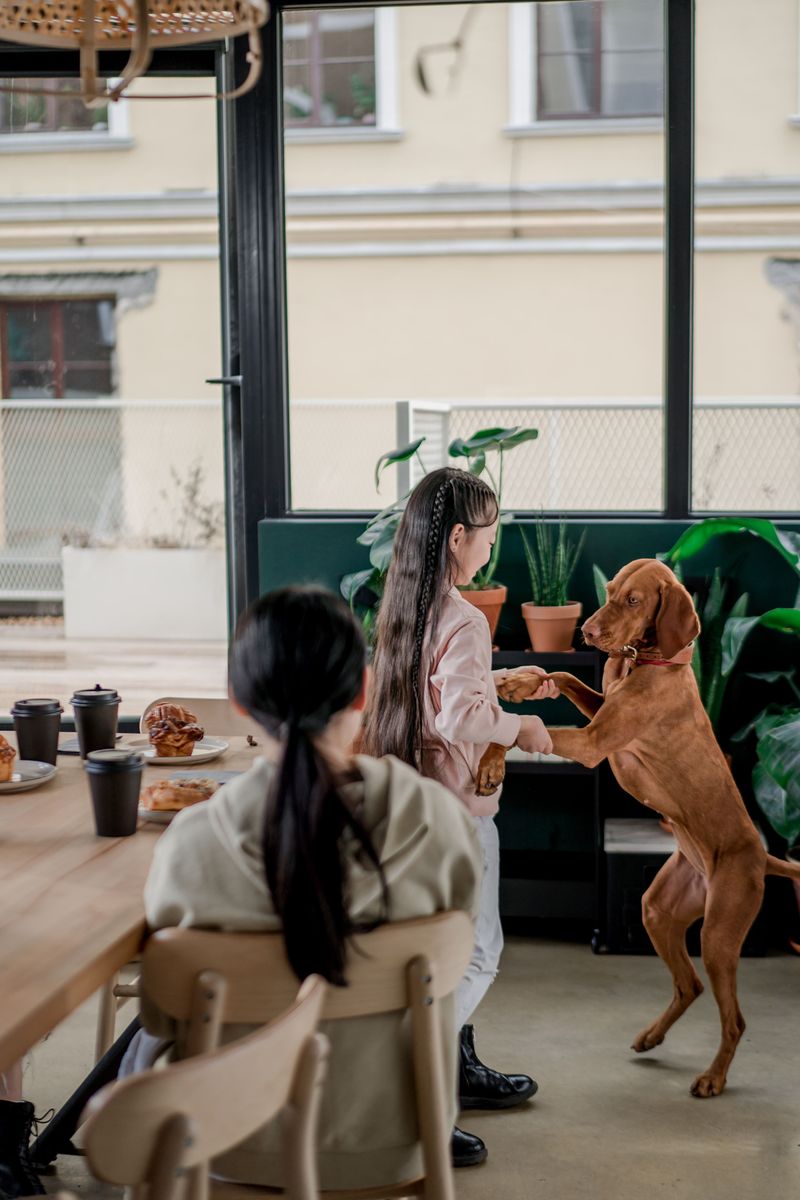
Vizslas adore closeness, yet a growl can mean please slow the pressure so I can cope. Sudden restraint, overcrowded dog parks, or being hugged during zoomies might feel conflicting to a sensitive athlete.
Punishment mutes the early brake and lets speed plus stress collide into mistakes.
Balance connection with choice. Teach a come-snuggle cue, but also a free-to-leave release.
Use long hikes, nosework, and flirt pole sessions to burn off steam before social scenes. Reinforce calm approaches, body handling with snacks, and quiet settle on a blanket at cafes.
Guard space when needed, reward check-ins, and build predictable routines. Respecting communication lets your Vizsla stay affectionate, responsive, and brave without suppressing valuable signals.
That is the real partnership you want.
Cavalier King Charles Spaniel
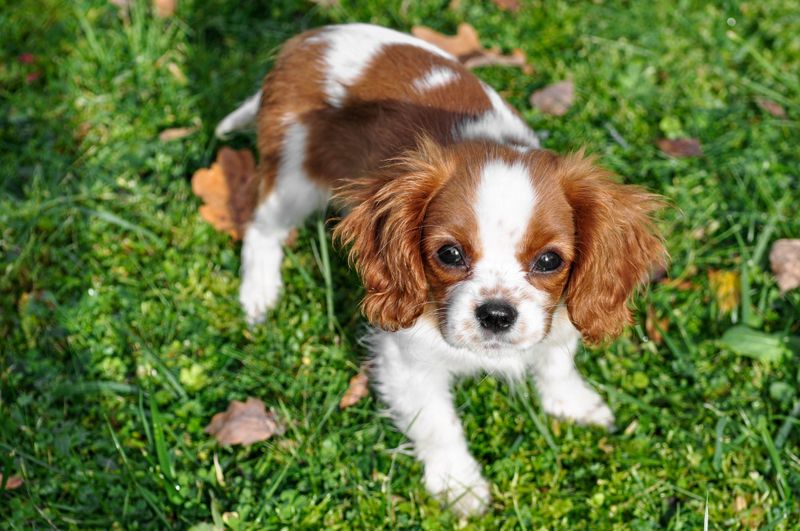
Cavaliers are tender companions, but a soft growl may quietly request gentler touch or rest. Crowded laps, sudden reaches, and tangles during grooming can worry a sensitive heart.
If you correct the cue, the dog learns quiet does not work, and anxiety searches for sharper tools.
Listen with kindness. Build cooperative care with a chin rest, treat breaks, and a release word.
Keep sessions short, use slicker brushes gently, and avoid hugging when the dog withdraws. Reward voluntary cuddles, teach a go-to-bed cue, and give space around food and sleep.
When communication earns respect, connection deepens without pressure. The growl becomes a soft boundary that protects trust and helps your Cavalier feel safe day after day, with ease and warmth.