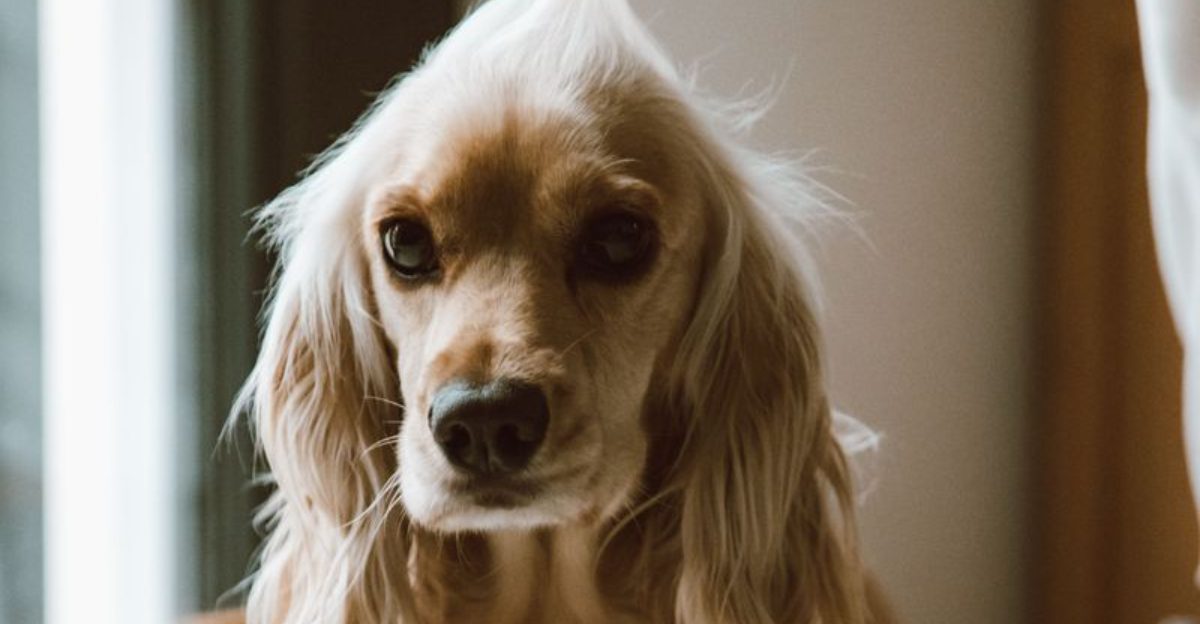
If your dog has ever scratched at their ears or shaken their head out of nowhere, you know how fast small issues can spiral. The easiest fix is also the most overlooked habit: a quick weekly ear check and gentle wipe.
Just a few minutes can prevent infections, keep your dog comfortable, and save you from emergency vet visits. Here are the breeds that benefit most from making ear care a simple routine you never skip.
Cocker Spaniel
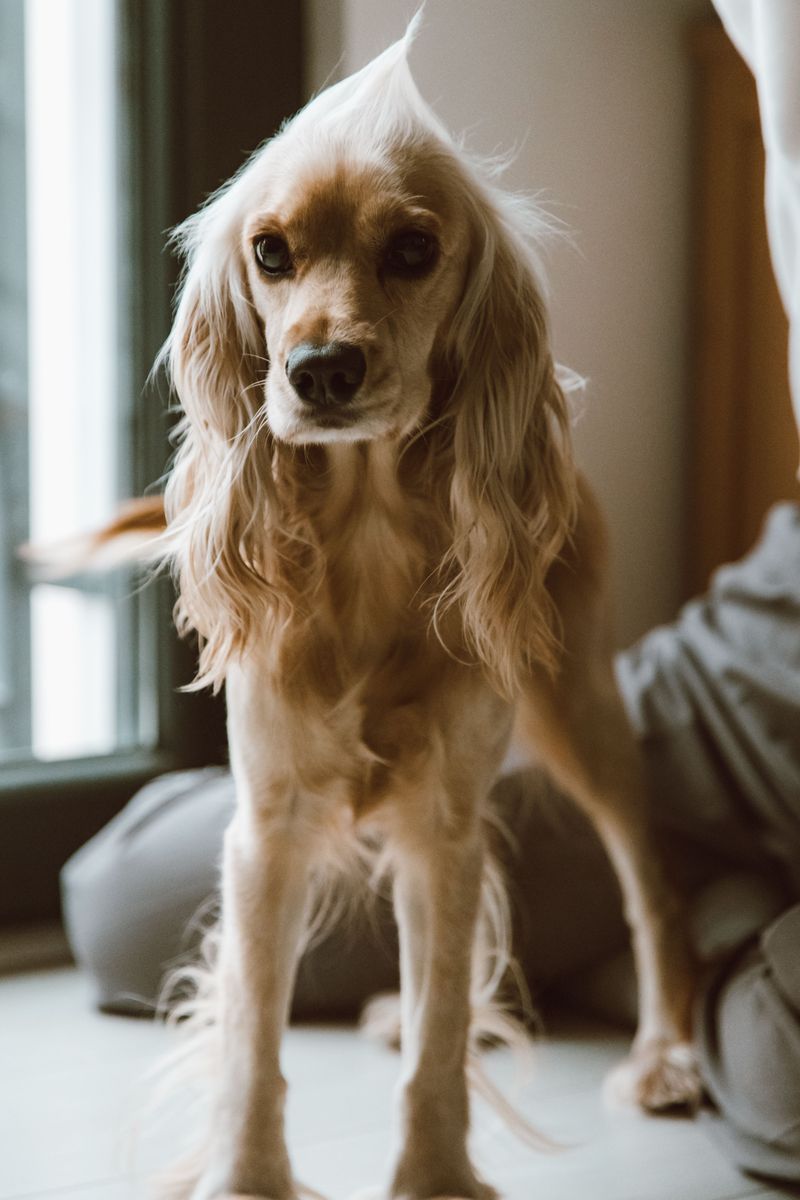
Cocker Spaniels are ear infection magnets thanks to warm, floppy ear flaps and lush hair inside the canal. The one simple habit that pays off is a weekly ear check and wipe, especially after baths or swims.
Lift the flap, use a vet approved cleaner on a cotton pad, and gently remove moisture and wax.
Do not insert cotton swabs or dig deep. Dry the base with a towel, then let your spaniel shake to move fluid out.
Look for redness, odor, head shaking, or dark debris, and call your vet if you see changes. A little grooming, like trimming excess ear hair, improves airflow.
Pair the routine with treats so your dog relaxes and actually looks forward to ear time.
Labrador Retriever
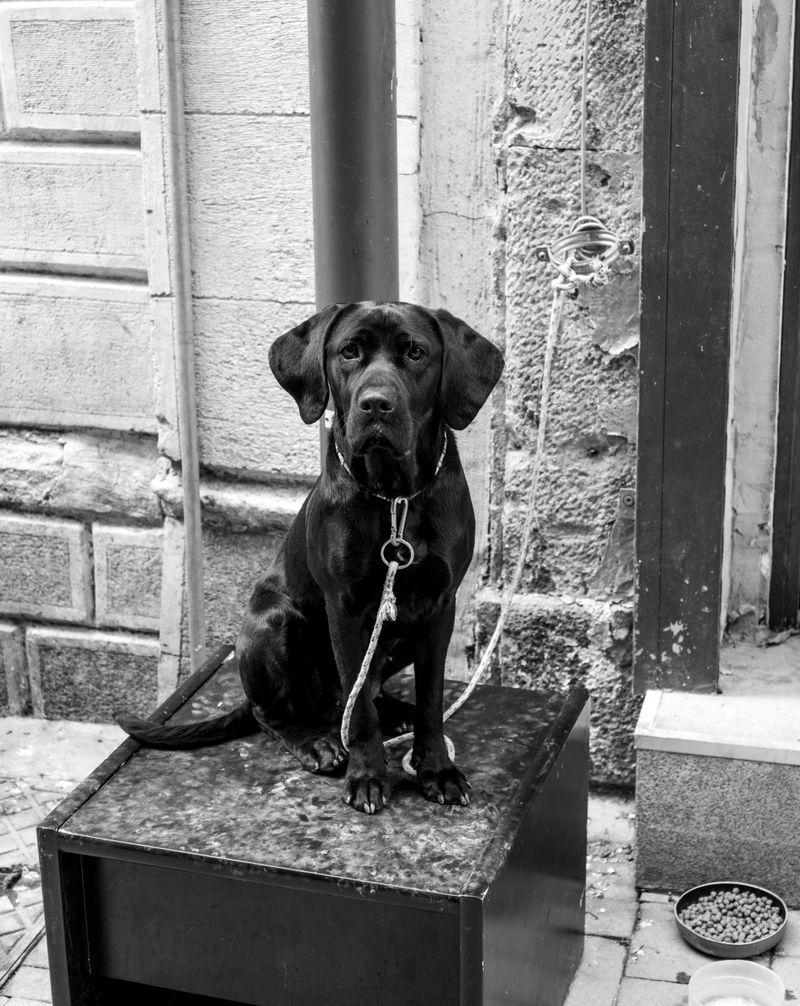
Labradors love water, which means moisture often lingers in their ear canals. The one habit that changes everything is a post water ear dry and weekly wipe.
After swims or baths, lift each ear, blot gently with a towel, then use a vet approved cleaner to help break up leftover moisture and debris.
Avoid cotton swabs and harsh scrubbing. Let your Lab shake, then praise and treat to make it fun.
Watch for sour odors, head tilts, or sudden sensitivity when you touch the ear base. If you see redness or thick discharge, schedule a vet visit early.
Keeping ear hair tidy and drying immediately after adventures helps Labs stay comfortable, so they can splash, fetch, and nap without that nagging ear itch.
Golden Retriever
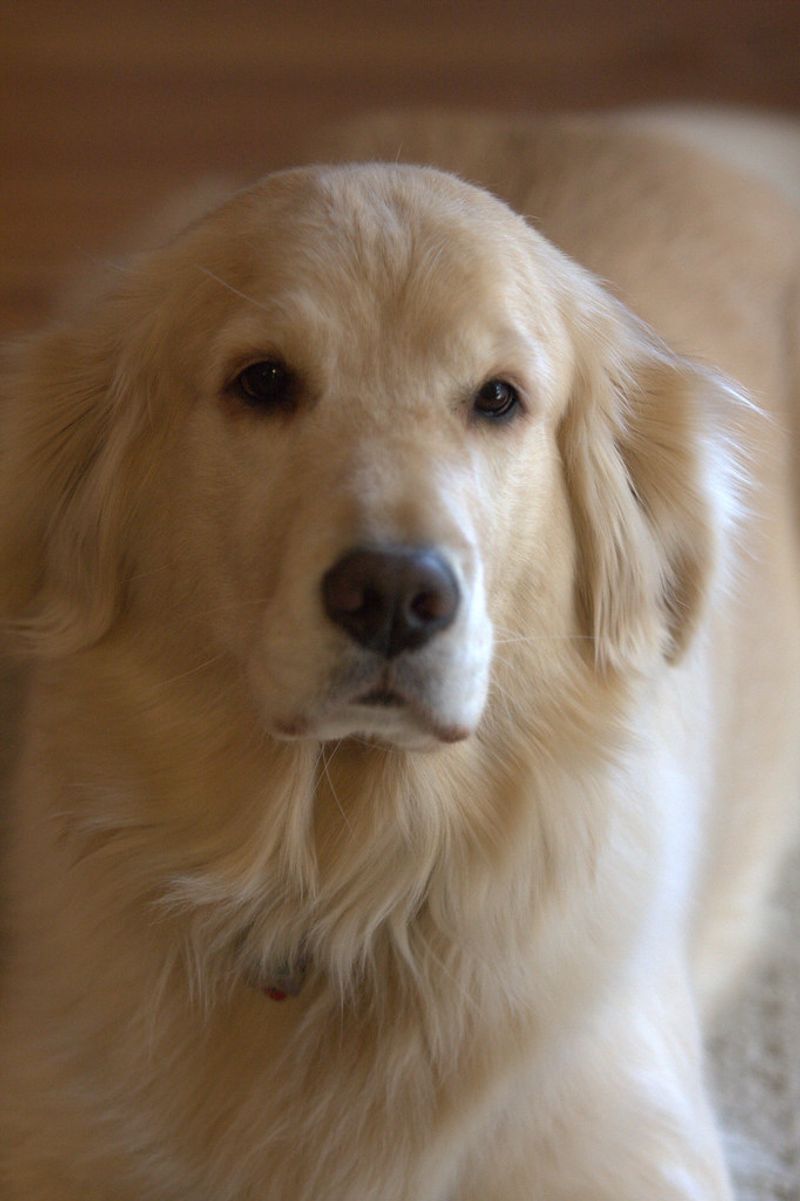
Golden Retrievers have plush coats and soft ear flaps that trap humidity. A weekly ear check and wipe keeps yeast and bacteria from throwing a party.
After baths, blot the outer ear with a towel, apply a dog safe cleaner, massage the base for several seconds, and let your Golden shake everything loose.
Use cotton pads, not swabs, and never force anything deep. Sniff for unusual odors, note redness, and track head shaking or ear scratching.
If you spot sticky discharge, painful reactions, or swelling, get your vet involved promptly. Trimming heavy hair around the ear opening can improve airflow and comfort.
Make the routine calm and predictable with treats and a soothing voice, and your Golden will happily cooperate every single week.
Basset Hound
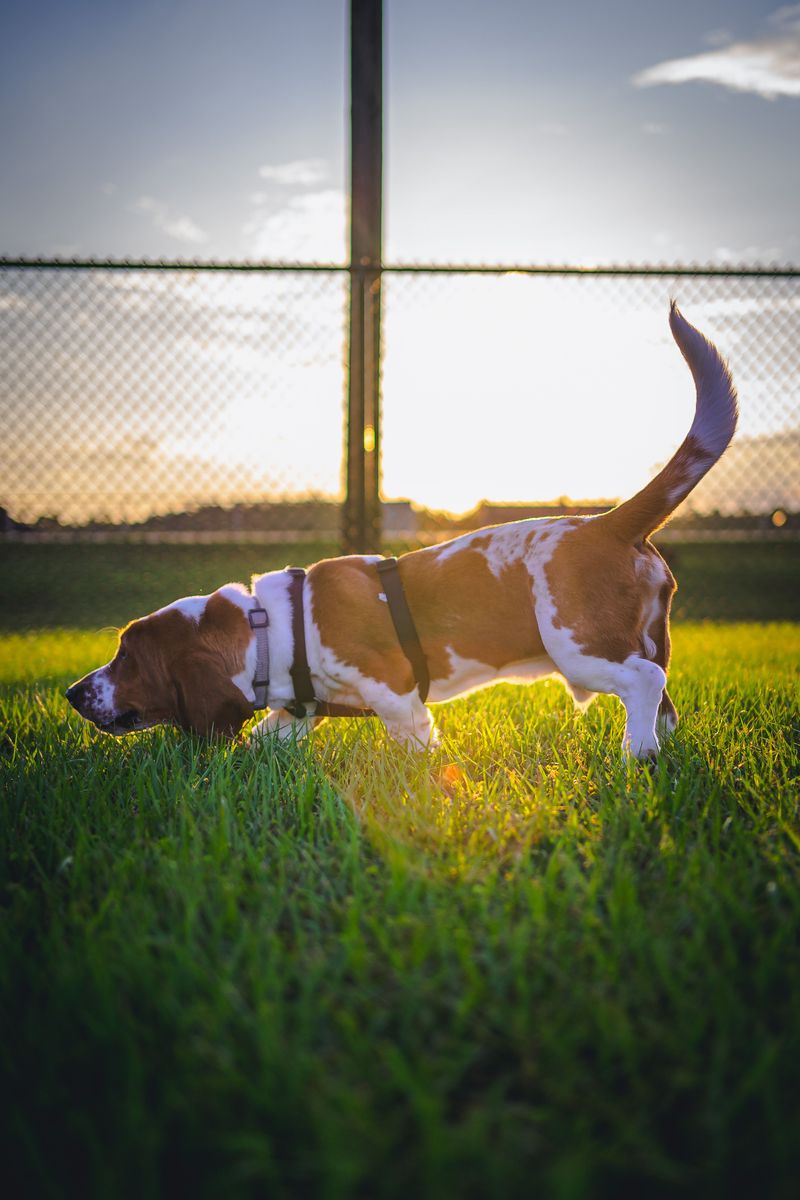
Basset Hounds carry long, pendulous ears that sweep the ground and trap heat, dirt, and moisture. Your smartest move is a weekly ear lift, wipe, and dry.
Start by checking for debris gathered along the edges, then use a vet approved cleaner on a cotton pad to remove wax and lingering moisture.
Do not poke inside the canal with swabs. Carefully dry the ear leather after rainy walks or drooly play sessions.
Watch for classic warning signs like sour odor, redness, head shaking, or pawing at the ear. Because airflow is limited, even mild buildup can escalate.
Keeping the outer ear clean and dry helps Bassets avoid painful infections and lets them keep that laid back attitude without constant ear discomfort following every sniff filled stroll.
Beagle
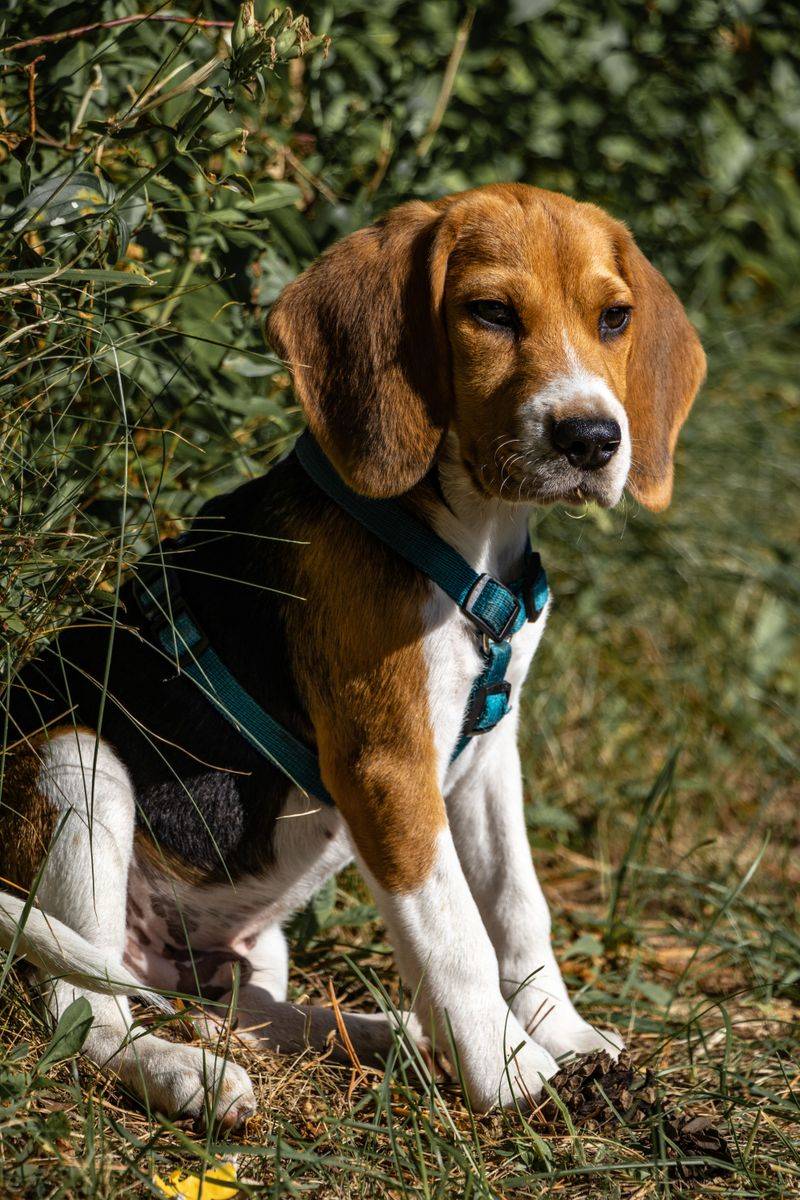
Beagles have active noses and floppy ears that capture dust, pollen, and trail moisture. A weekly ear check and wipe is the habit that pays dividends.
After hikes or baths, lift the flap, spritz a vet approved cleaner, massage the base for ten seconds, then let your Beagle shake and relax.
Use cotton pads rather than swabs, and avoid digging into the canal. Sniff for sour smells and monitor for head shaking or scratching.
If you notice redness, pain, or dark discharge, loop in your vet quickly. Trimming stray ear hair helps airflow, especially in humid climates.
Pair every clean with praise and a small treat to build trust. Consistency keeps your Beagle comfortable and ready for more curious, nose to the ground adventures.
English Springer Spaniel
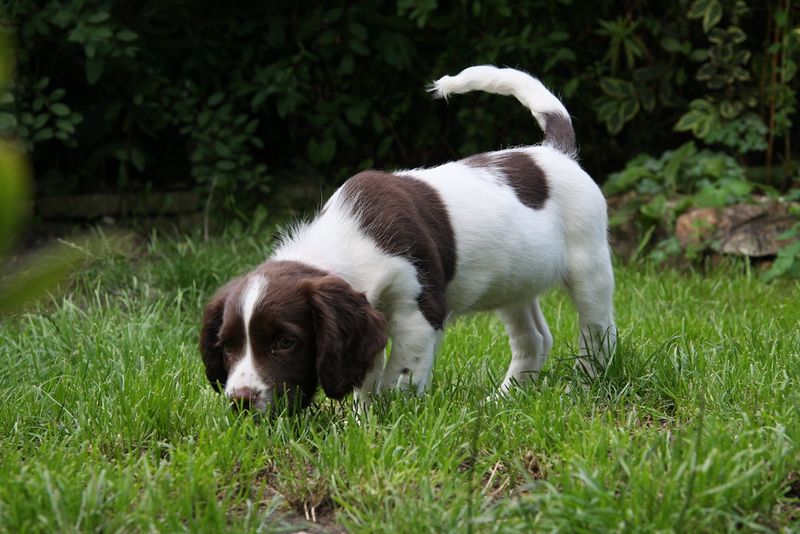
English Springer Spaniels often work in wet fields, so moisture builds up fast under their generous ear flaps. The best habit is a weekly ear inspection and post water dry.
Blot with a towel first, apply a dog safe cleaner, massage the base, and let your Springer shake out loosened debris.
Never insert cotton swabs. Focus on gently wiping the visible areas and creases.
Check for earthy or yeasty odors, waxy buildup, or sudden head tilts that suggest discomfort. If redness or pain appears, schedule a vet visit early.
Keeping hair around the ear entrance tidy improves airflow during active days. Turn cleaning into a calm ritual with steady hands and tasty rewards, and your Springer will stay ready for the next adventure.
Poodle
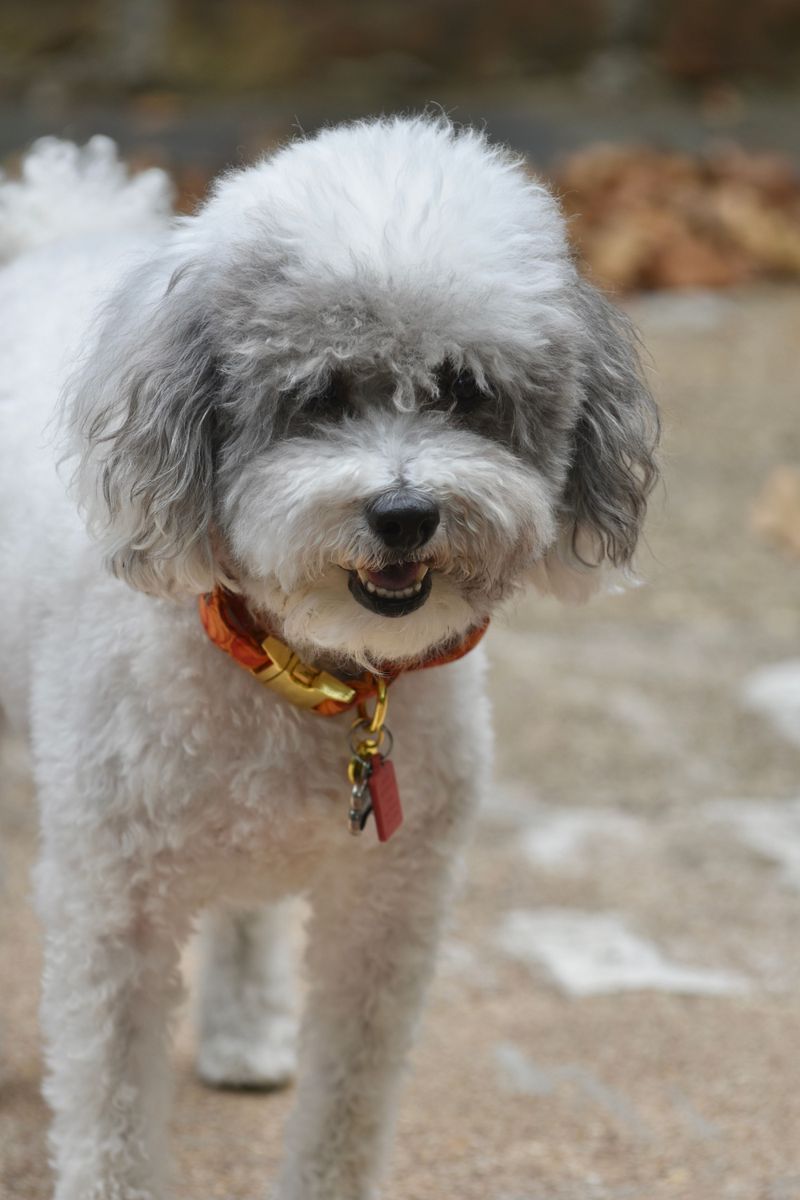
Poodles can grow hair inside the ear canal, trapping wax and moisture. A weekly check and gentle wipe, plus smart grooming, prevents trouble.
After baths, blot the outer ear dry, use a vet approved cleaner on a cotton pad, and massage the base so loosened debris can shake out comfortably.
Avoid deep swabs or aggressive plucking without guidance. Many dogs benefit from conservative trimming to improve airflow, but ask your vet or groomer before removing canal hair.
Watch for redness, sour smells, or head shaking that lingers. If you notice pain or thick discharge, see your vet promptly.
Keep sessions brief, calm, and treat filled so your Poodle views ear care like a normal, easy part of the grooming routine.
Newfoundland
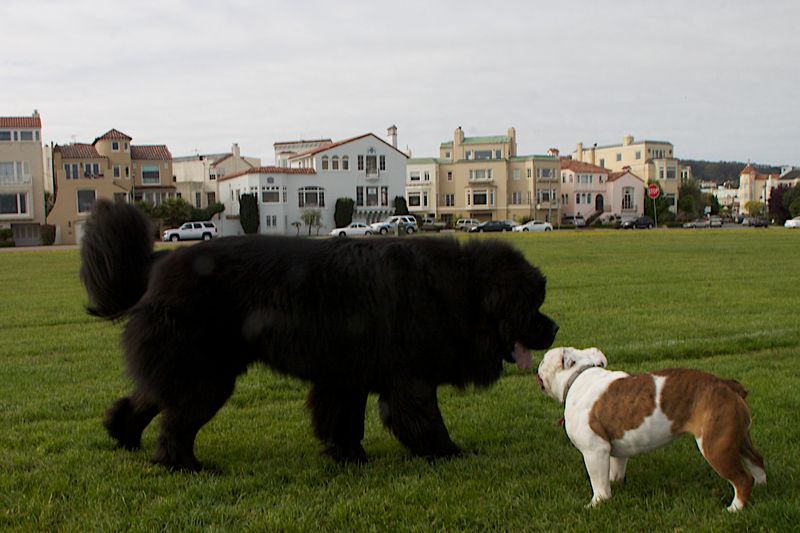
Newfoundlands are water lovers with heavy coats and substantial ear flaps, so moisture lingers. The simple habit that protects them is a weekly ear check and a dedicated post swim dry.
Blot the outer ear thoroughly, apply a vet approved cleaner, massage the base, and let your Newfie shake out loosened fluid.
Skip cotton swabs and harsh scrubbing. Keep an eye on odor, redness, or sudden pawing at the head.
If you spot thick discharge or pain when you touch the ear base, contact your vet. Light trimming of surrounding hair can help airflow under that dense fur.
Make the routine positive and calm with praise and rewards. With consistent care, big water adventures will not lead to big ear problems later.
Dachshund
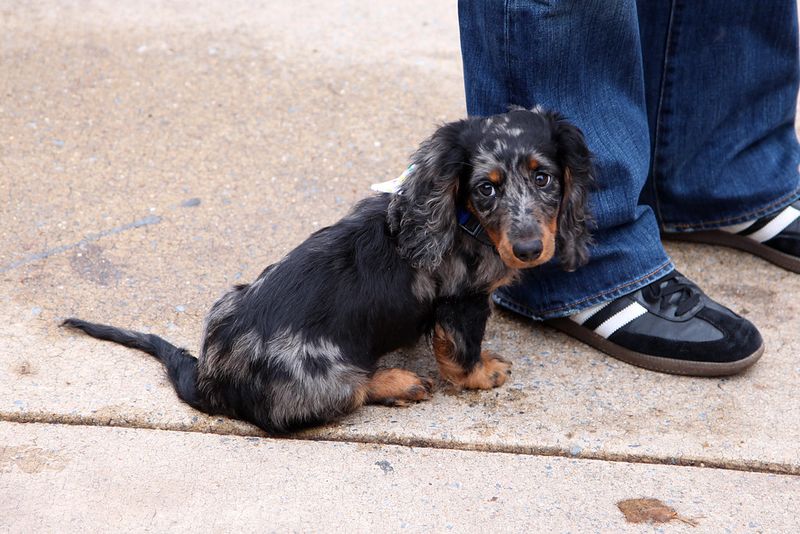
Dachshunds have low bodies and floppy ears that encounter dust and yard debris. A weekly ear check and wipe is the habit that keeps issues small.
After outdoor play or baths, lift the flap, apply a dog safe cleaner to a cotton pad, and gently remove moisture and visible wax from the creases.
Avoid cotton swabs and never push into the canal. Let your Doxie shake, then dry the outer ear with a towel.
Watch for musty smells, redness, or head tilts that appear suddenly. If discomfort or discharge shows up, call your vet quickly.
Keeping stray hair tidy boosts airflow. Keep sessions short and sweet with treats so ear care becomes routine, not a battle, for your spirited, curious companion.
Weimaraner
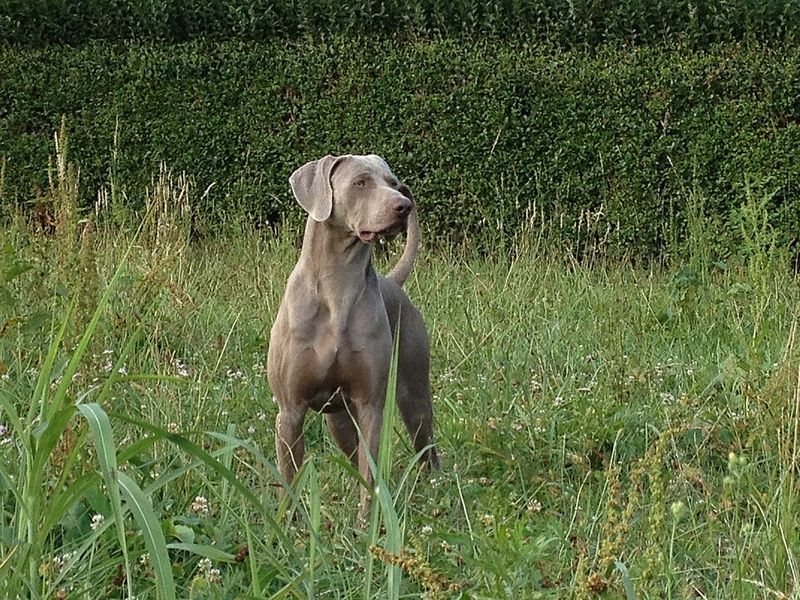
Weimaraners have athletic lives and soft ear flaps that can trap sweat and humidity after training. A weekly ear check and wipe keeps things balanced.
Post workout, lift the flap, towel away moisture, use a vet approved cleaner on a cotton pad, and massage the base so loosened debris can shake free.
Do not insert swabs or dig into the canal. Watch for sour odors, redness, or persistent head shaking.
If you notice pain or discharge, schedule a veterinary exam before it worsens. Light trimming around the opening can improve airflow for active dogs.
Keep the routine calm and efficient, pairing it with praise so your Weim waits patiently. Consistency helps Weimaraners stay focused on running, pointing, and snuggling without nagging ear irritation.
Cavalier King Charles Spaniel
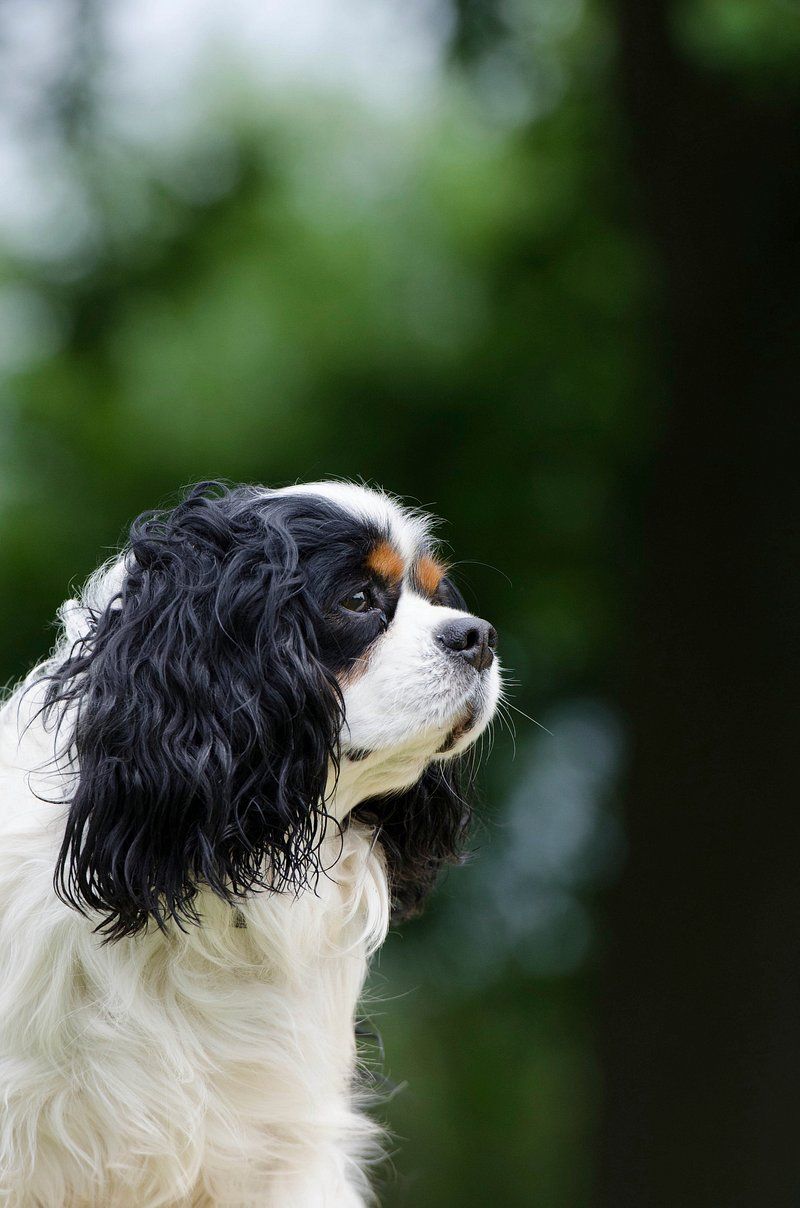
Cavaliers have luxurious, silky ears that hold warmth and humidity, which can invite yeast overgrowth. The simple habit to adopt is a gentle weekly ear check and wipe.
After baths, blot carefully, apply a dog safe cleaner to a cotton pad, and massage the base so loosened residue can shake out.
Avoid cotton swabs and never push into the canal. Check for redness, a sweet sour odor, or frequent head shaking.
If tenderness or discharge appears, contact your vet early. Trimming heavy fringe near the ear opening can improve airflow without changing that signature look.
Keep sessions comforting with soft words and treats. With consistent care, those beautiful ears stay fresh, comfortable, and ready for cuddles on the couch.
Shih Tzu
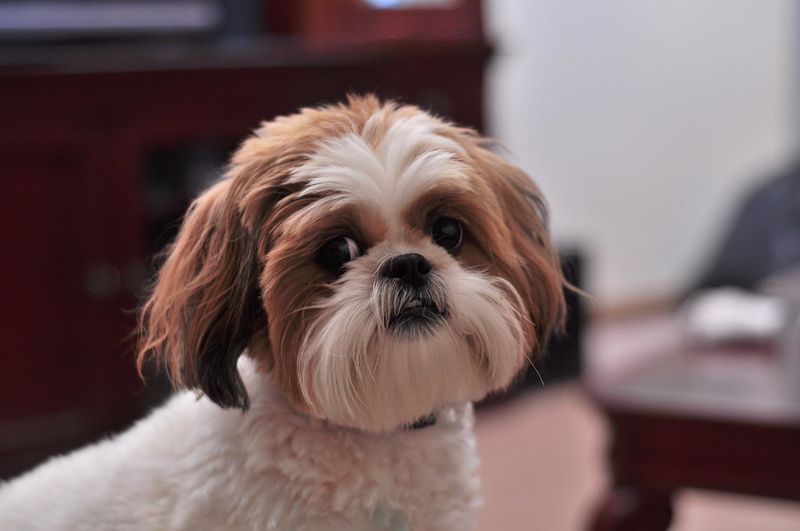
Shih Tzus have dense coats and can grow hair near the ear opening, which traps moisture. A weekly ear check and wipe prevents buildup before it causes discomfort.
After baths, blot the outer ear, apply a vet approved cleaner, massage gently, and let your pup shake to loosen remaining debris.
Skip cotton swabs and harsh digging. Watch for musty odors, redness, or sudden head shaking.
If discharge or pain appears, see your vet promptly. Strategic trimming around the ear entrance improves airflow and reduces dampness under that adorable coat.
Keep the routine short, calm, and paired with treats so your Shih Tzu accepts it easily. With consistency, you will protect comfort, reduce infections, and extend the time between stressful vet visits.