
When a usually hungry dog suddenly leaves the bowl untouched, it can be more than a quirky mood. Appetite loss is often one of the first signs that something is wrong, from hidden pain to dangerous emergencies.
Knowing what to look for in your dog’s specific breed can help you act fast and avoid bigger problems. Here is exactly when to worry and what to do next so you can keep your best friend safe.
German Shepherd
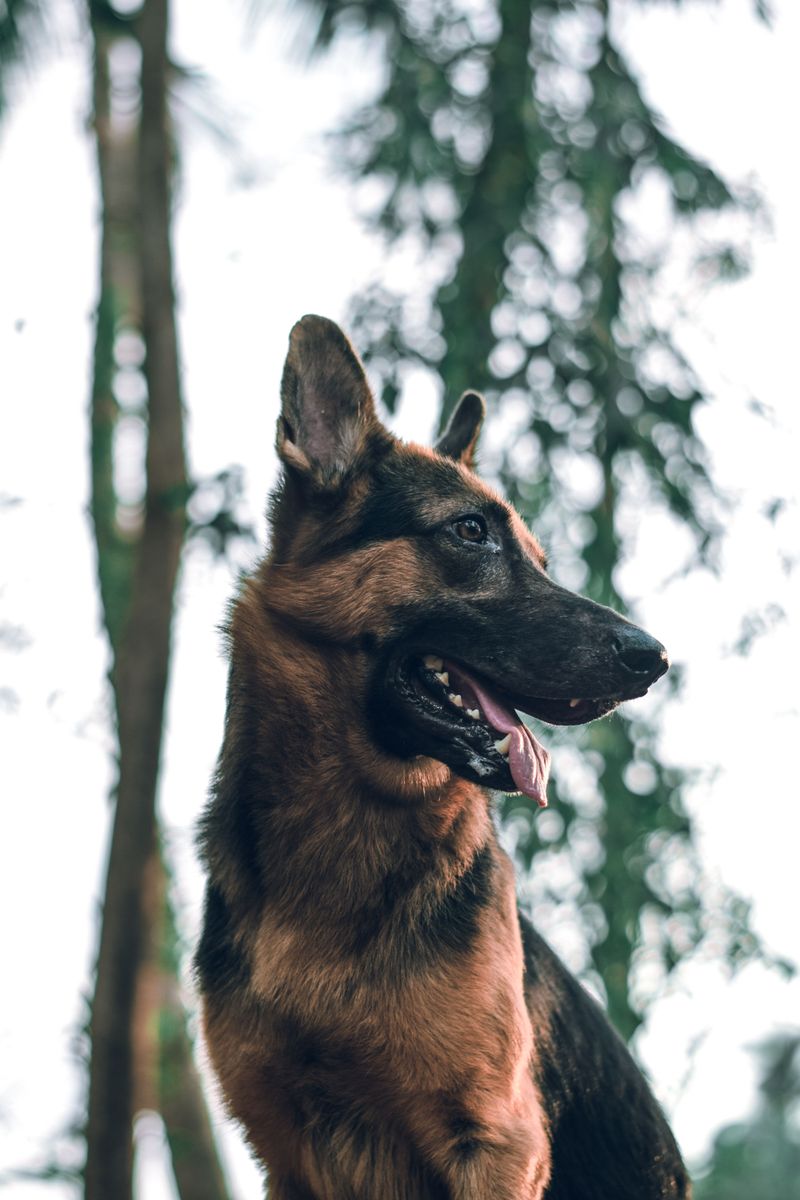
A German Shepherd refusing dinner is rarely simple fussiness and often hints at pain, nausea, or brewing gastrointestinal trouble. Because this breed stoically hides discomfort, sudden anorexia may precede serious emergencies like bloat, pancreatitis, obstruction, or splenic torsion.
Dental fractures, worn molars, or a foreign object lodged in the mouth can make every bite feel sharp and discouraging.
If appetite vanishes along with pacing, restlessness, drooling, retching without vomit, or a tight swollen abdomen, head to emergency care immediately. Otherwise, schedule a same week vet visit to check temperature, hydration, abdominal pain, stool changes, and run baseline bloodwork.
Offer small bland meals, fresh water, calm spaces, and prevent scavenging until answers arrive, because you know your Shepherd best.
Labrador Retriever
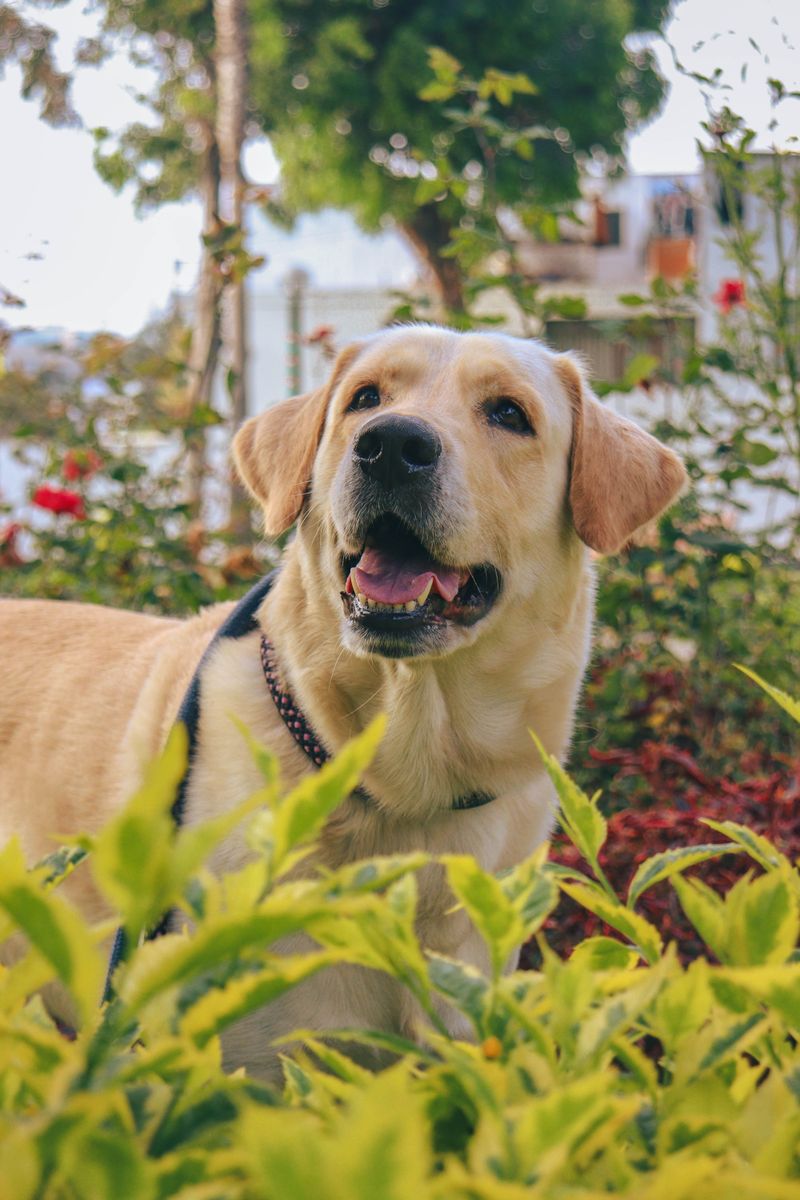
When a Labrador Retriever walks away from the bowl, think beyond pickiness and consider nausea, pain, or a swallowed toy. Labs love scavenging, so obstructions, pancreatitis after fatty treats, or water intoxication can abruptly flip their reliable appetite switch.
Lethargy, vomiting, belly discomfort, or a tucked tail paired with food refusal deserves same day veterinary attention and abdominal imaging.
Because Labradors mask soreness, dental disease, ligament sprains, or hotspot pain might make chewing or lowering the head miserable. Hold snacks, offer bland portions, fresh water, and note poop quality, urination, and behavior changes for your veterinarian.
If the appetite drop lasts over twenty four hours, or sooner with vomiting or bloat signs, do not wait.
Golden Retriever
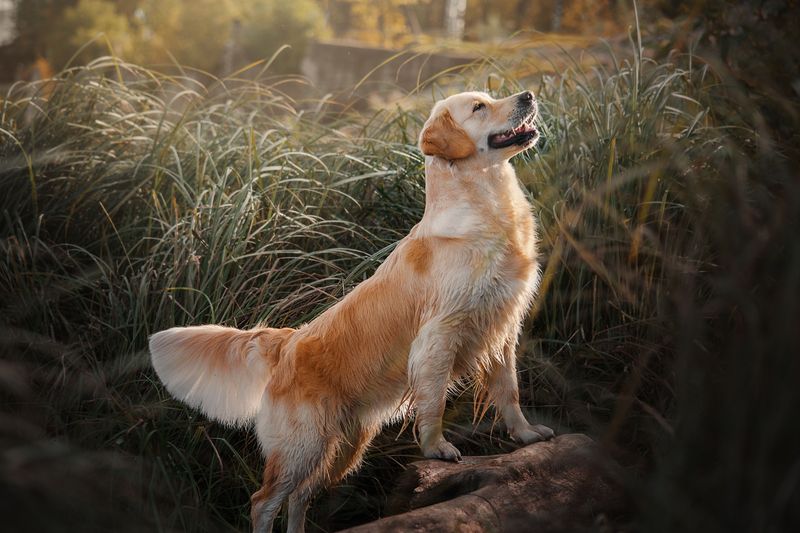
A Golden suddenly skipping meals can indicate gastritis, pain, anxiety, hypothyroidism changes, or the start of something more serious. Goldens develop dental wear and gum disease that makes kibble feel sharp, and their friendly nature often masks significant discomfort.
Be alert for vomiting, dark stools, swollen belly, faint gums, or collapse, which could point toward bleeding splenic masses requiring emergency care.
Less urgent but important, chronic ear infections, arthritis, or skin flares can suppress appetite until pain relief and treatment begin. Offer quiet spaces, tepid water, a small bland meal, and track bathroom trips, energy, and interest in play.
If your Golden refuses food beyond a day, or shows weakness or distention, you should book urgent diagnostics without delay.
Boxer
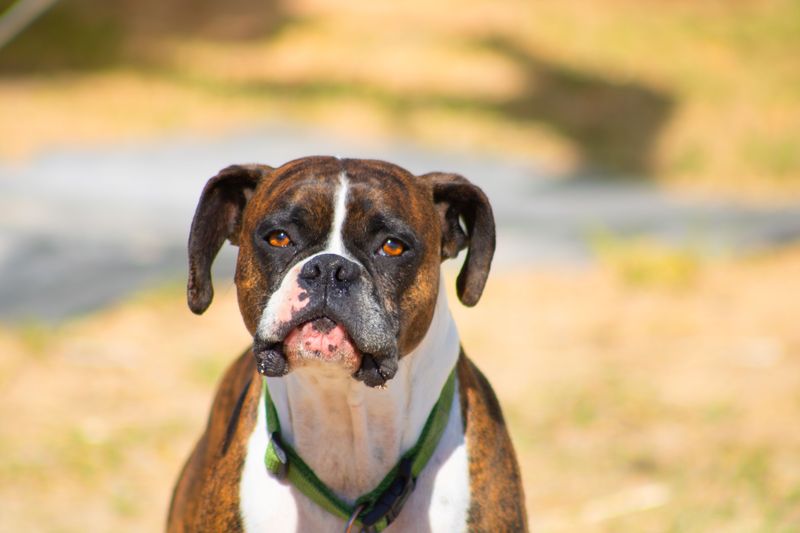
Boxers are enthusiastic eaters, so a sudden refusal often flags nausea, abdominal pain, food intolerance, or cardiac strain reducing appetite. This breed faces higher risks of bloat and certain cancers, where lethargy, retching, or a tense belly demand immediate emergency evaluation.
Sensitive stomachs, colitis, and pancreatitis can also turn meals into discomfort, especially after fatty scraps or rapid diet changes.
Watch for drooling, pale gums, weakness, coughing, or collapse, and do not wait if two or more appear together. Keep things calm, remove treats, offer bland portions, and call your vet to plan imaging, lab work, and stool testing.
You know your Boxer best, and acting early often turns a scary appetite change into a straightforward fix with relief.
Great Dane
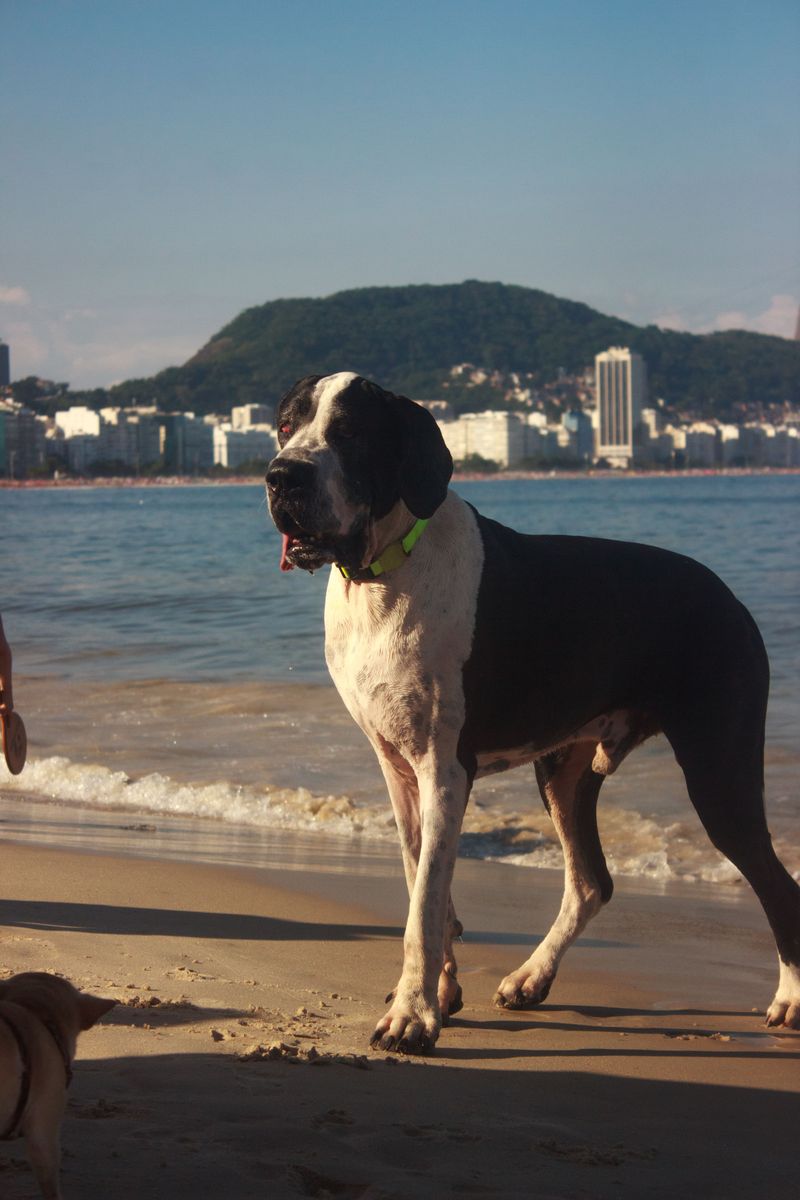
When a Great Dane refuses food, treat it as a red flag because bloat can escalate within minutes and become fatal. Look for restlessness, pacing, unproductive retching, drooling, or a tight drumlike abdomen, and head straight to emergency care.
Beyond bloat, rapid growth, orthopedic pain, or stomach sensitivity can reduce appetite, especially after exercise or rich table leftovers.
Danes also hide dental discomfort, so fractured teeth or inflamed gums might make crunchy food feel sharp and discouraging. Offer small bland meals, elevated bowls only if advised, quiet spaces, and call your veterinarian for guidance and imaging.
If appetite does not return within hours or serious signs appear, urgent evaluation can protect that gentle giant you love.
Dachshund
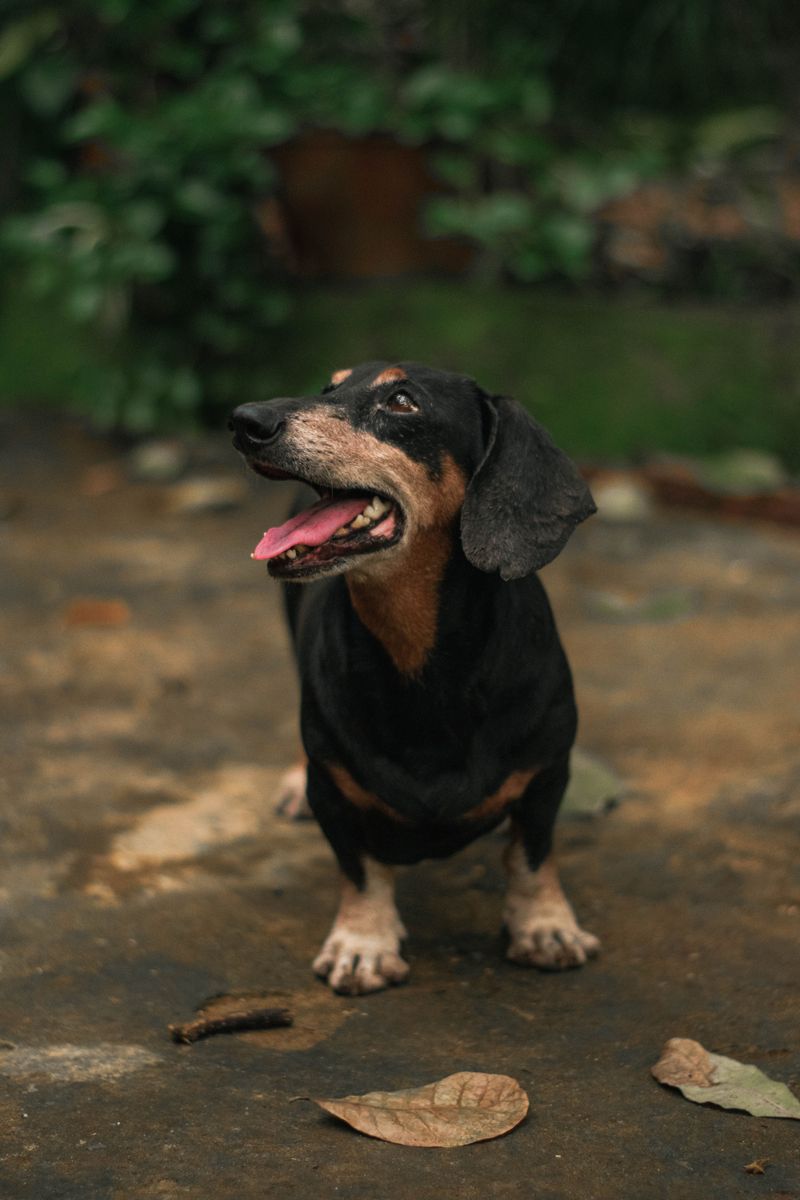
A Dachshund skipping meals can be your earliest clue that back pain, nausea, or dental trouble is brewing beneath the surface. This long backed athlete may refuse to eat because jumping or lowering the head hurts, especially during an intervertebral disc flare.
Vomiting, trembling, yelping, knuckling paws, or a hunched posture deserve immediate veterinary care to prevent worsening neurologic damage.
Less urgent causes include gastritis, pancreatitis after fatty bites, intestinal parasites, or stress from travel and loud environments. Crate rest, gentle handling, bland meals, and quick communication with your vet help your Doxie feel safer while diagnostics proceed.
You know that brave spirit well, so trust your gut if appetite fades, and act early for the best outcome.
French Bulldog
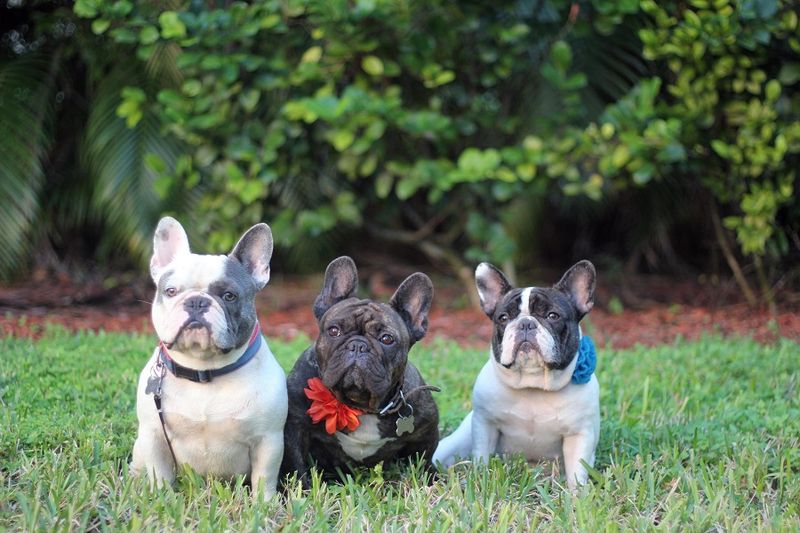
A French Bulldog ignoring food can reflect nausea, overheating, dental pain, or airway strain that makes breathing while eating difficult. Because brachycephalic faces work harder for airflow, stress, heat, or excitement may suppress appetite and trigger coughing or gagging.
Watch for retching, pale gums, blue tinges, bloating, or collapse, and seek urgent care if multiple signs happen together.
Food sensitivities, reflux, and inflamed tonsils or palate can make swallowing miserable, reducing interest in even favorite snacks. Keep the room cool, offer small bland portions, no heavy treats, and call your veterinarian for airway and stomach guidance.
You know that clownish companion, so early action and gentle pacing often restore comfort, breathing, and appetite quickly again.
Poodle
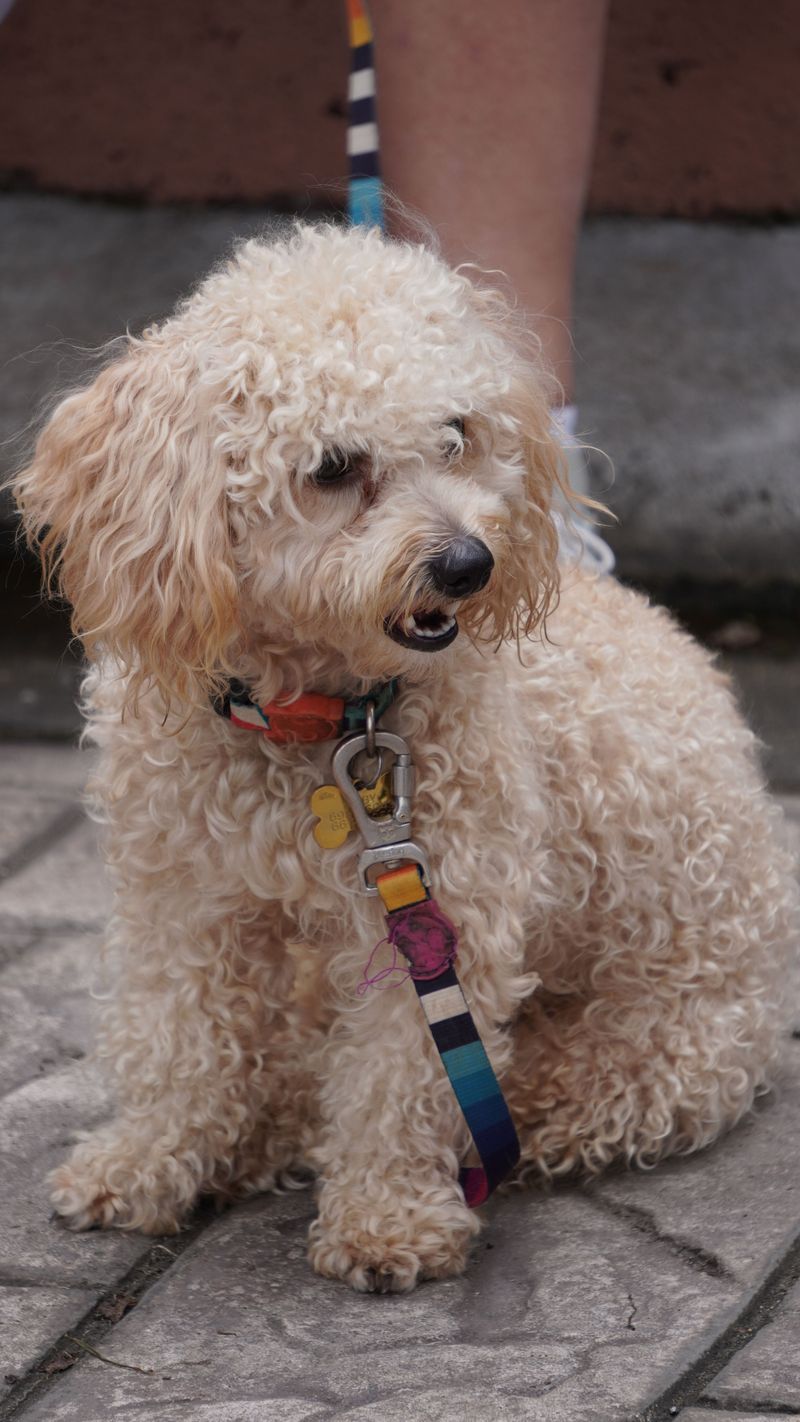
If a Poodle refuses meals, think stomach upset, dental pain, stress, or endocrine issues like Addison’s disease blunting appetite and energy. Weakness, shaking, vomiting, diarrhea, low heart rate, or collapse with poor appetite can indicate an Addisonian crisis needing emergency treatment.
Toy and Miniature varieties often battle dental crowding, where sore gums make crunchy kibble feel sharp, leading to skipped meals.
Allergies, pancreatitis, and abrupt diet switches can also trigger inappetence, especially after rich table tidbits or excitement. Offer calm, fresh water, tiny bland servings, and call your vet to check glucose, electrolytes, and perform abdominal imaging.
With early help, that bright mind and elegant appetite usually return quickly, and your Poodle will bounce back beautifully.
Cocker Spaniel
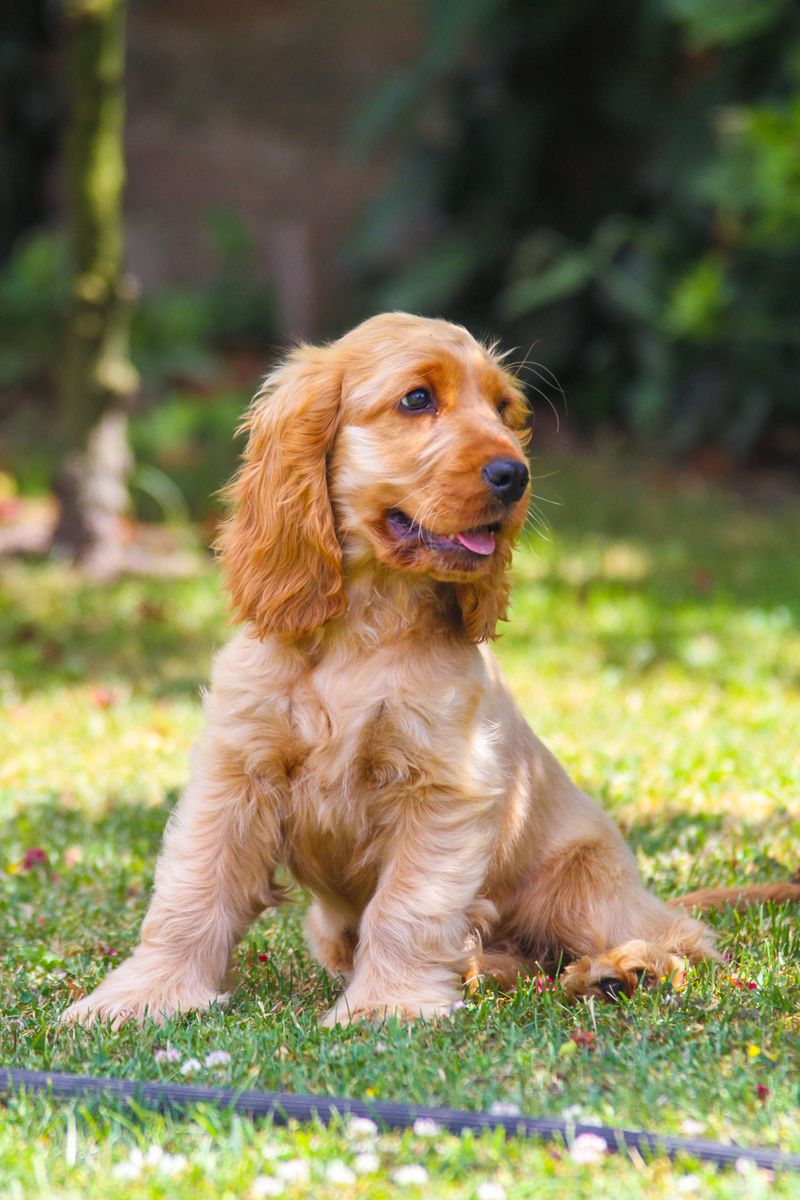
A Cocker Spaniel turning away from food can signal ear pain, dental disease, nausea, or stress from grooming and noise changes. Chronic ear infections make chewing uncomfortable, and the head tilt or itchiness may distract from eating until treatment starts.
Cockers also face pancreatitis, colitis, and immune conditions, where vomiting, diarrhea, or lethargy alongside appetite loss need quick care.
If gums look pale, the belly swells, or collapse occurs, seek immediate emergency help and do not wait. Provide quiet rest, fresh water, gentle bland meals, and keep a note of stool, urination, and comfort for your vet.
Trust your instincts, because you know that sensitive, merry companion best when something suddenly feels off at mealtime.
Cavalier King Charles Spaniel

When a Cavalier King Charles Spaniel refuses food, consider nausea, dental pain, or heart disease medications unsettling the stomach and appetite. This breed commonly develops mitral valve disease, so coughing, rapid breathing, faint gums, or collapse alongside poor appetite need urgent care.
Pancreatitis, syringomyelia pain, and ear infections can also dampen interest in meals, especially after rich treats or noisy stressors.
If you notice belly swelling, repeated retching, blue tinges, or weakness, go straight to emergency services without hesitation. Keep things calm, offer tiny bland servings, fresh water, and call your vet to review medications and run bloodwork.
With compassionate care and early action, most Cavaliers bounce back and greet dinner with their classic, wagging enthusiasm.
Shih Tzu
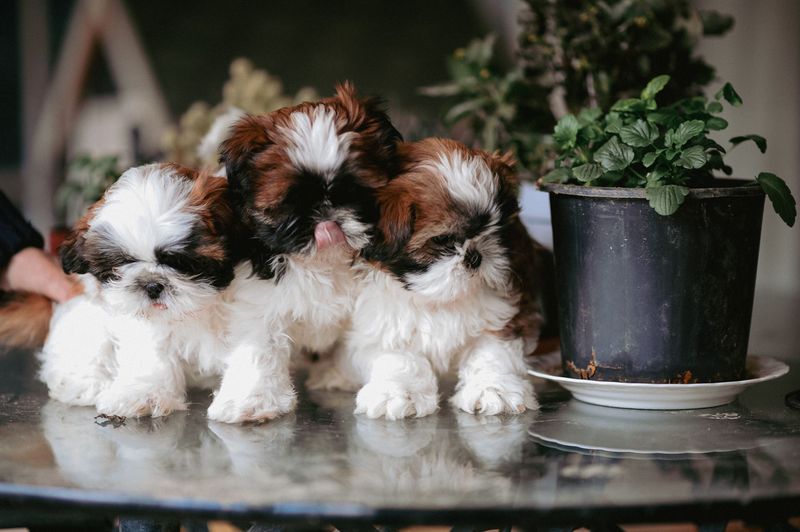
A Shih Tzu skipping food might be dealing with dental crowding, nausea, sore eyes, or heat stress that dampens appetite. Short muzzles can complicate breathing while eating, so excitement or congestion may trigger gagging, coughing, or simple refusal.
Tear duct issues, corneal ulcers, and ear infections create persistent pain, and the distraction often overtakes hunger until treated.
If vomiting, diarrhea, weakness, blue tongue, or a swollen belly appear, head to emergency care and do not wait. Offer cool air, fresh water, soft bland meals, and call your vet to check teeth, eyes, and run baseline labs.
You know that sweet personality well, and gentle patience plus early help usually brings appetite back fast again soon.
Yorkshire Terrier
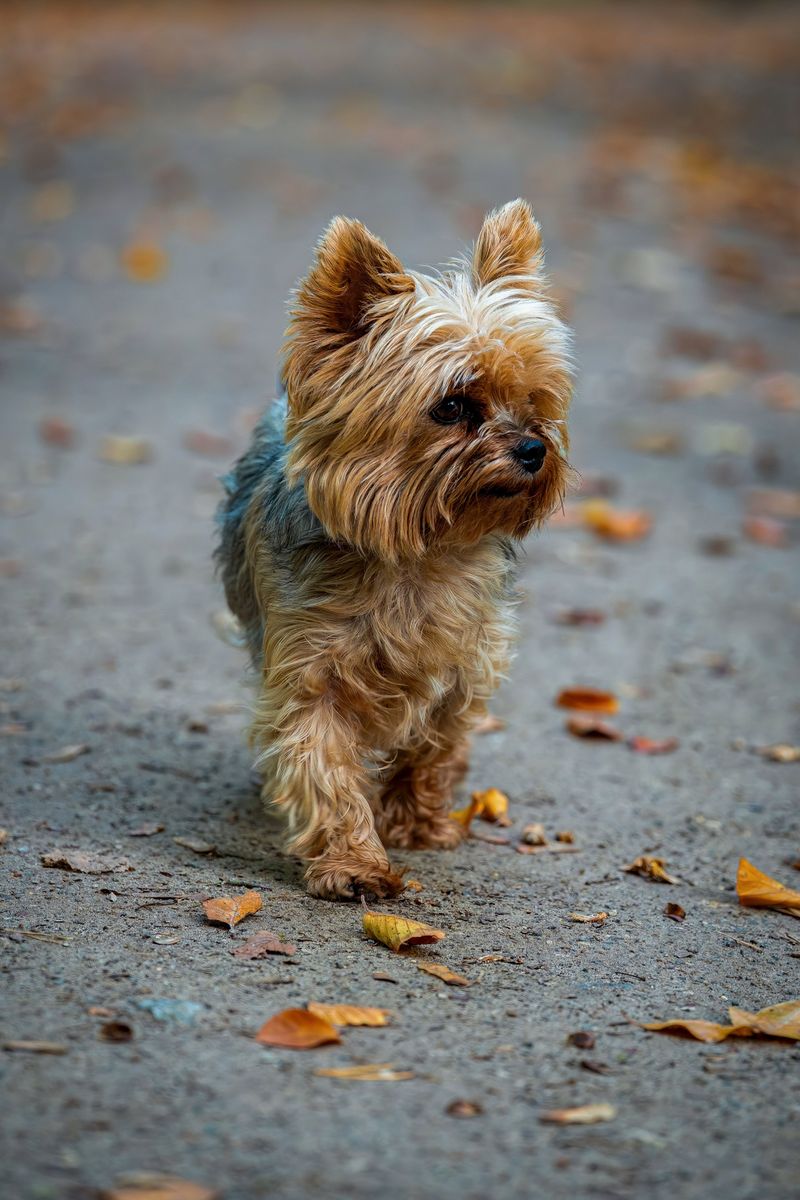
When a Yorkshire Terrier refuses food, hypoglycemia, dental pain, or tummy upset are common culprits that deserve fast attention. Toy breeds can drop blood sugar quickly, so wobbliness, tremors, or unusual sleepiness alongside poor appetite need urgent evaluation.
Crowded teeth, retained baby teeth, and sore gums make kibble painful, turning mealtime into a stressful chore they would rather skip.
Persistent vomiting, black stool, pale gums, or a swollen belly require emergency care, especially if weakness or collapse occurs. Provide warmth, small frequent bland meals, fresh water, and call your vet to check glucose and examine the mouth.
Trust your instincts, because quick action keeps your spirited Yorkie safe and feeling like that bold self again.
Chihuahua
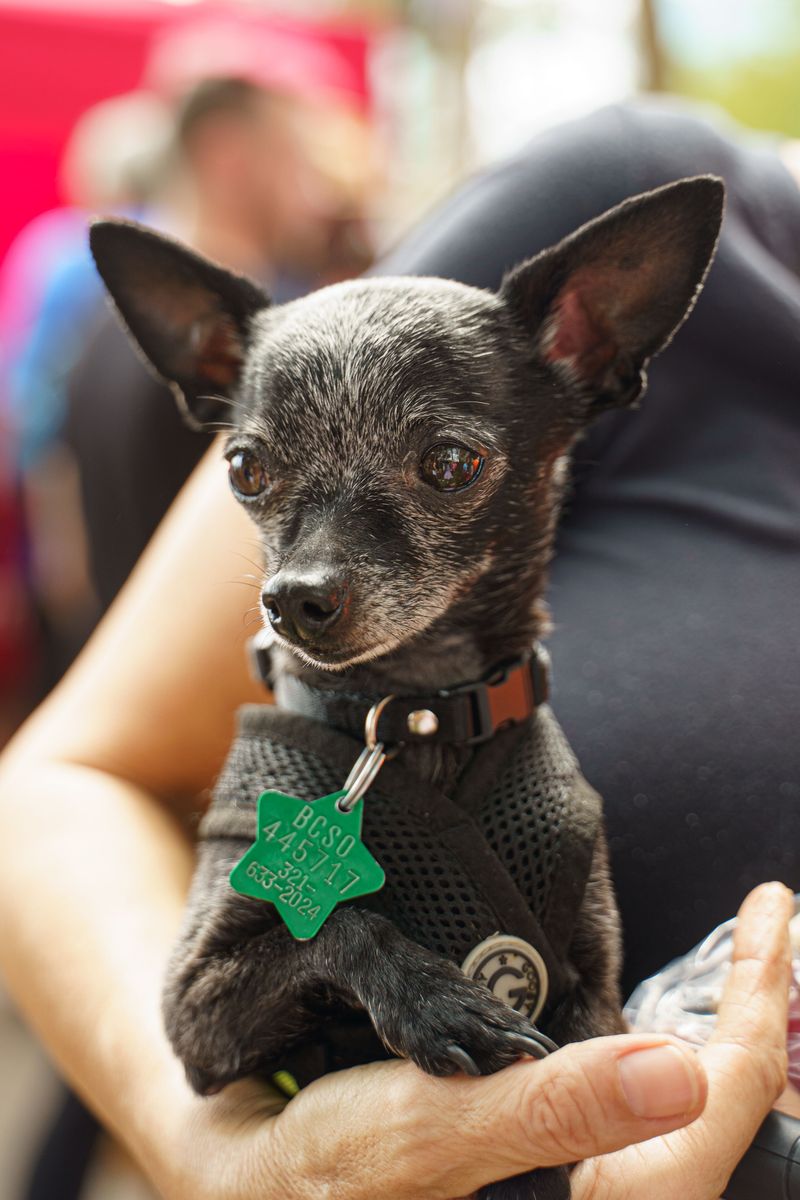
A Chihuahua turning down food may be battling stress, hypoglycemia, dental pain, or nausea from a sudden diet or routine change. Tiny bodies burn energy fast, so trembling, weakness, glassy eyes, or wobbling with poor appetite can become an emergency.
Collapsing trachea, reflux, and crowded teeth often make eating noisy, exhausting, and painful, especially with hard kibble or excitement.
If gums look pale or blue, the belly swells, or your pup collapses, rush to emergency care immediately. Offer warmth, quiet, tiny bland servings, a glucose source if instructed, and call your vet for testing and guidance.
With swift help, your brave pocket companion usually rebounds, and that cheerful appetite returns before you know it again.