Some dogs seem to understand you perfectly the moment you speak, as long as you say it once and mean it. If you have ever felt like repeating a cue just makes things worse, this list is for you.
These breeds often shine when your delivery is confident, clear, and consistent. Learn how to give one solid command and watch your dog respond like a pro.
German Shepherd
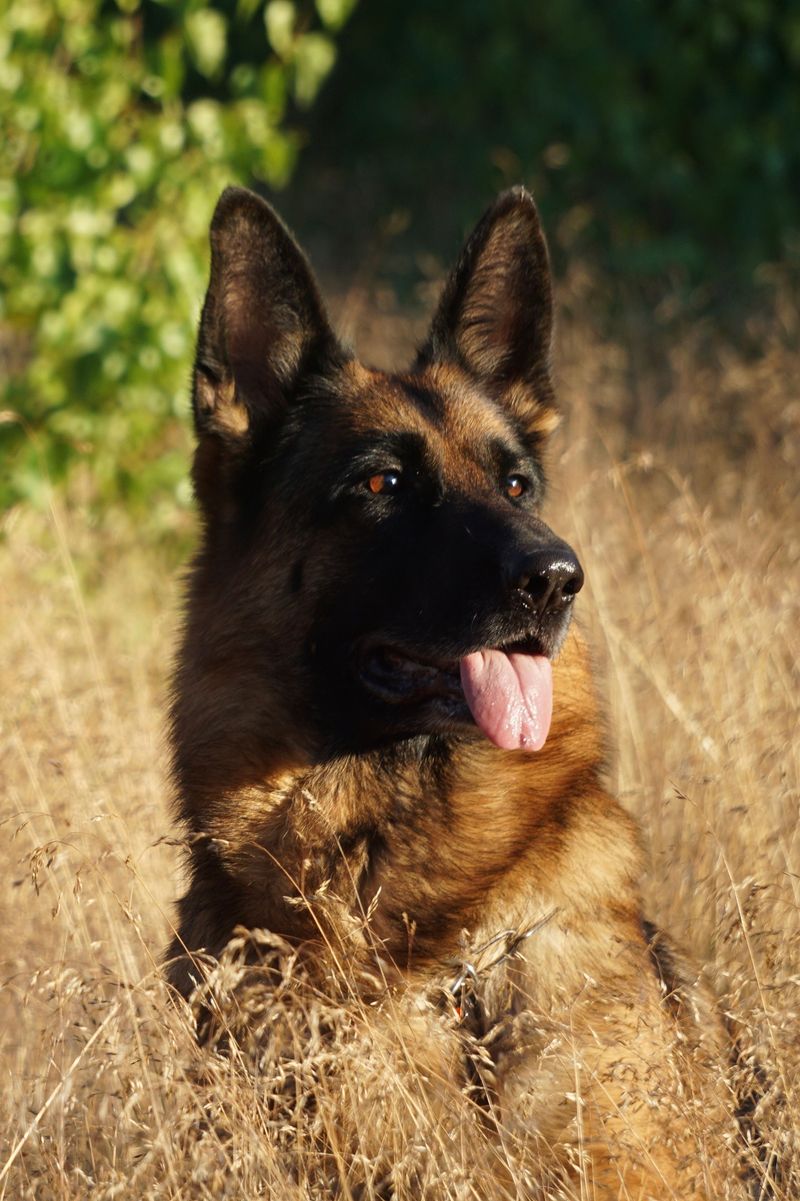
German Shepherds thrive when you speak clearly, then follow through without repeating yourself. Their strong work ethic locks in quickly once expectations are consistent and fair.
If your voice is steady and confident, they will read it as a green light to focus.
Use short cues like sit, down, and heel, paired with swift rewards. Avoid nagging commands or uneven rules, which blur the message and create hesitation.
Give one cue, guide with calm body language, and let their natural drive deliver clean, reliable responses. Practice brief, focused sessions daily, mixing obedience with scent games and controlled fetch to keep engagement high while preventing boredom that can lead to overthinking, vocalizing, or testing boundaries when instructions feel uncertain or inconsistent.
Border Collie
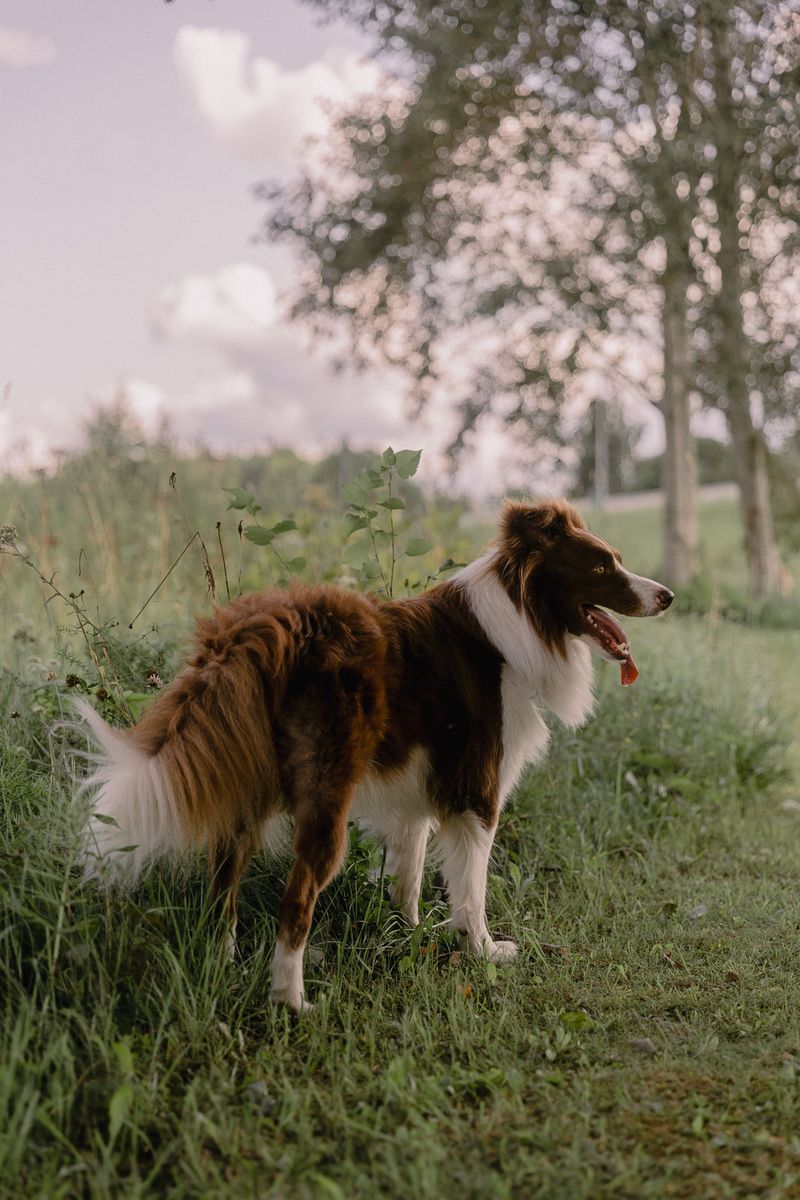
Border Collies excel when your cue lands once, crisp and purposeful. Their minds race ahead, so repeating yourself invites them to freelance.
Keep signals minimal, posture aligned, and timing sharp to harness that lightning attention without creating noise.
Rotate tasks often to prevent pattern obsession, but always keep structure clear. One cue, one consequence, and a quick reset if errors happen, gives them confidence to commit.
Blend herding games, impulse control, and trick chains to satisfy brains and bodies. Avoid chatter, hover hands, or inconsistent criteria, because this breed notices every tiny change and will test alternatives if your message wobbles, whereas a single, steady direction channels their intensity into precise, enthusiastic performances that feel effortless, sustainable, and incredibly responsive.
Labrador Retriever
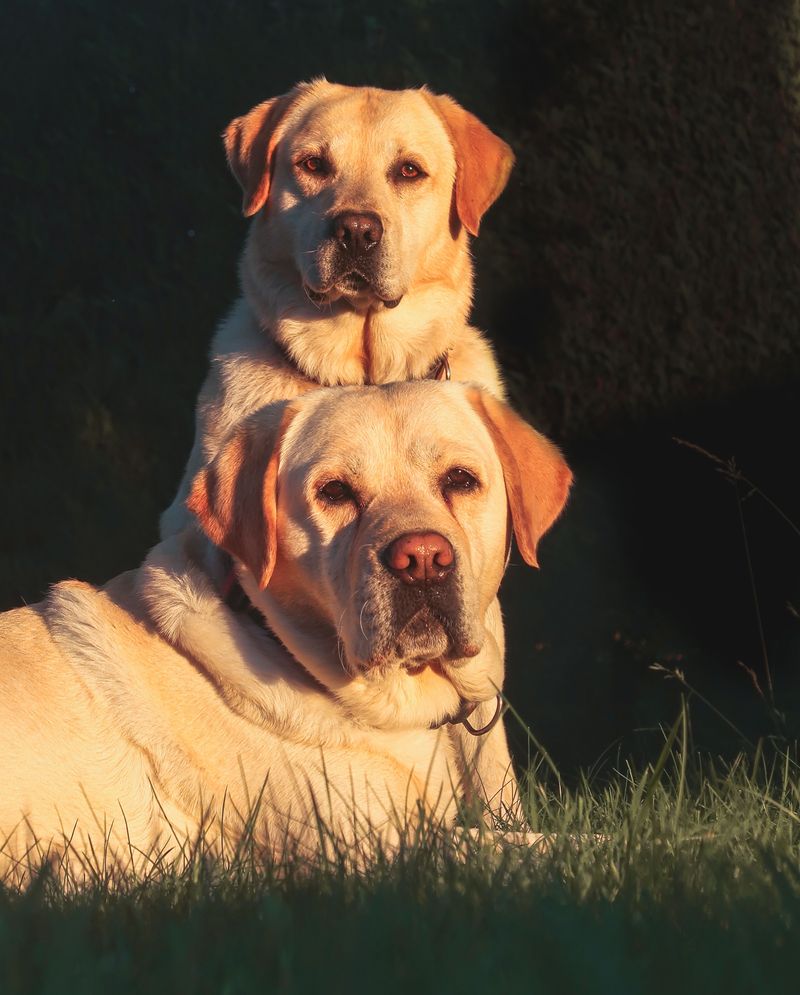
Labradors respond beautifully to confident, upbeat cues delivered once. Their eagerness to please pairs best with clear boundaries and quick reinforcement.
When you sound sure and keep sessions short, their reliability grows without slipping into sloppy, pushy habits.
Use food, toys, and praise, but do not repeat commands if excitement spikes. Ask once, wait a beat, then guide cleanly and reward the correct choice.
Balance retrieves and steadiness drills to build impulse control so enthusiasm never drowns out listening. Keep criteria simple, raise difficulty gradually, and alternate active games with calm place training, because predictable structure helps Labradors channel energy, resist mouthing or jumping, and deliver consistent, cheerful obedience on the first cue in parks, living rooms, and chaotic doorways.
Golden Retriever
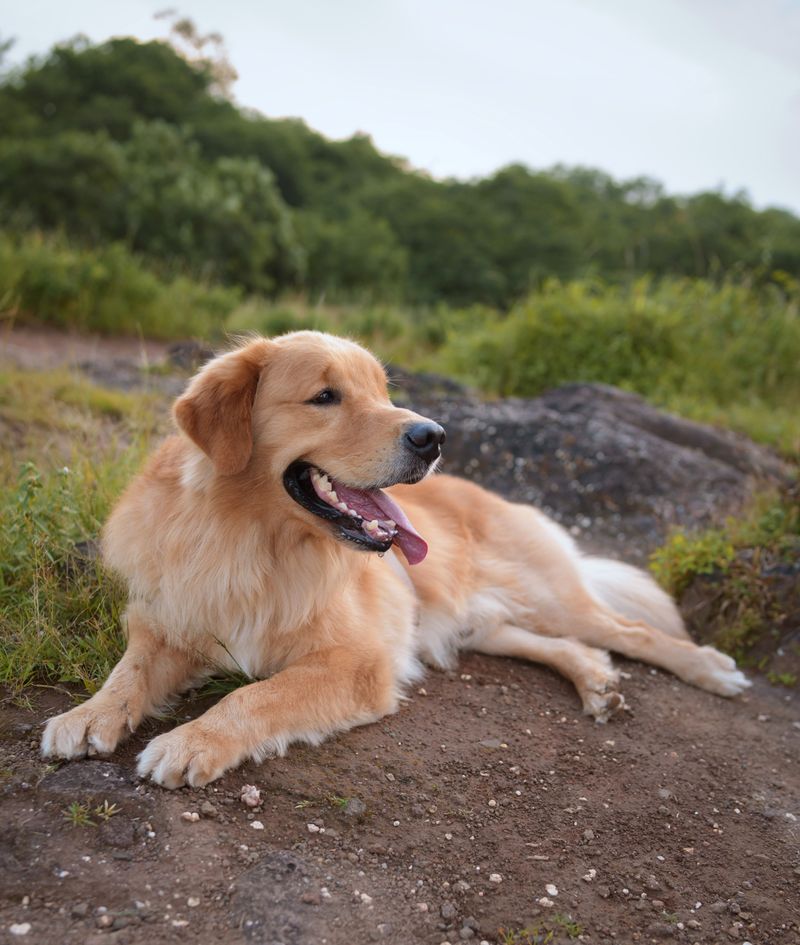
Golden Retrievers listen best when your tone is warm yet decisive. A single, confident cue cuts through their friendly enthusiasm and keeps them from guessing.
Consistency in posture and timing makes following directions feel natural rather than pressured.
Combine gentle guidance with clear boundaries, especially around greetings and doorways. Reward promptly for calm sits, clean downs, and steady heels after one command.
Mix retrieves, swimming, and place practice to balance arousal so big feelings do not muddy listening. Avoid repeated cues, excessive chatter, or inconsistent rules, because Goldens are sensitive and will mirror your energy, making a single clear instruction paired with predictable follow through the fastest way to shape polite manners at home, in classes, and outdoors everywhere, reliably.
Doberman Pinscher
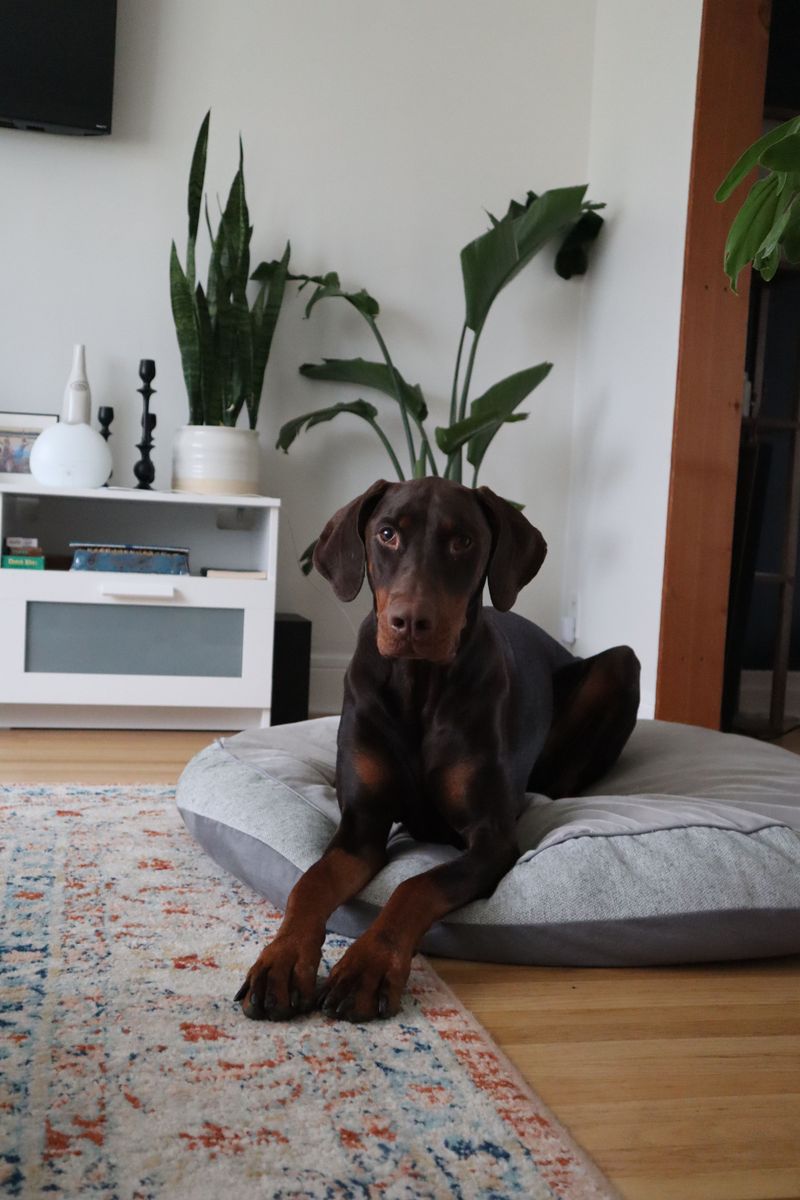
Dobermans respect confident, singular cues delivered with calm authority. Too much repetition invites pushback or anxious guessing.
Keep commands short, body aligned, and follow through immediate so they understand expectations without drama.
Train in short bursts, rewarding decisiveness and neutrality. One cue, then guide, then praise, builds trust and speed.
Balance protection sports or brisk games with place work and neutrality around strangers to prevent over arousal that can cloud listening. Avoid pleading tones, inconsistent consequences, or chaotic environments during early learning, because Dobermans are intensely perceptive and will either take charge or worry if leadership wavers, while a single confident direction provides clarity, emotional safety, and reliable, predictable responses on sidewalks, trails, and busy lobbies and crowded vet receptions.
Belgian Malinois
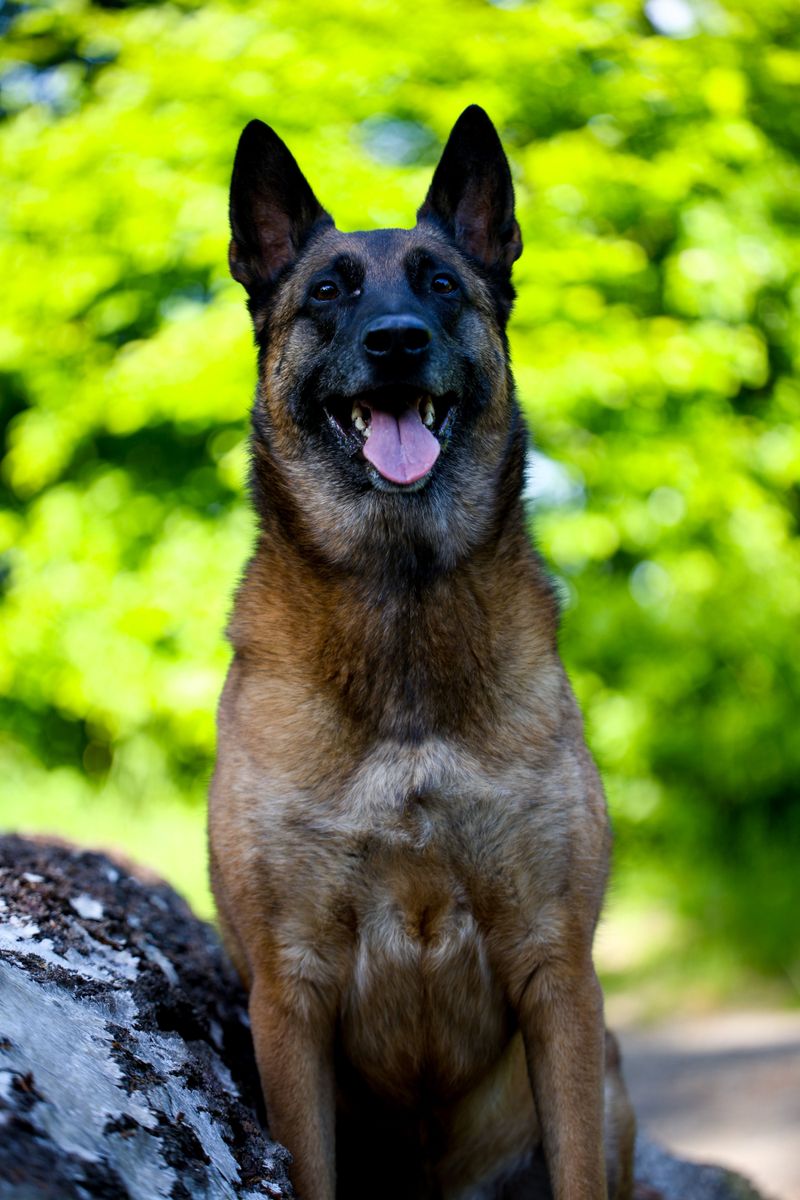
Belgian Malinois switch on instantly when they hear one clean cue. Repeats simply turn the volume up on an already intense engine.
Deliver directions once, stand tall, and reward crisp execution to channel drive into accuracy.
Use structured bite pillows, tug, or sprint recalls only after obedience lands on the first ask. Keep sessions brief, rotate tasks, and protect neutrality.
Clear standards prevent frantic behavior, mouthing, or vocalizing that appear when cues blur or handlers hesitate. One confident command, paired with purposeful movement and immediate reinforcement, lets Malinois pour energy in the correct direction, sustaining focus through environmental distractions like bikes, barking dogs, fluttering bags, and echoing halls without slipping into chaos, conflict, or rehearsed errors that sabotage precision training.
Australian Shepherd
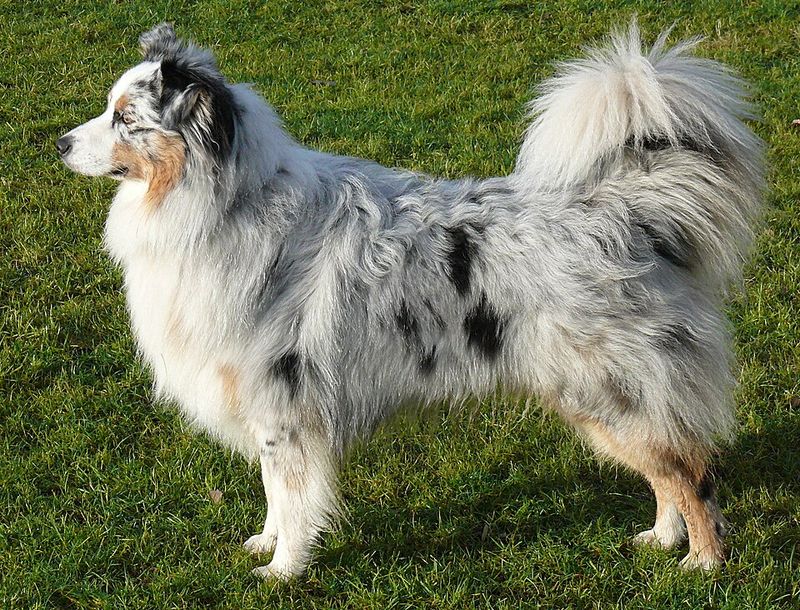
Australian Shepherds notice everything, so one firm cue keeps choices simple. Repeat yourself and they may start herding your intentions instead of obeying.
Confident, consistent delivery paired with clear body language unlocks their best listening.
Blend agility-style games, frisbee, and obedience chains with calm decompression. Ask once, then guide, then pay generously to reinforce commitment.
Maintain boundaries around doors, guests, and livestock to prevent self-employed decisions that creep in when signals feel fuzzy or late. Keep chatter low, reward speed immediately, and vary routines, because Aussies love patterns and will anticipate if you stall, while a single confident instruction turns curiosity into task focus, producing reliable sits, downs, and recalls across parks, barns, sidewalks, and crowded training halls and rings.
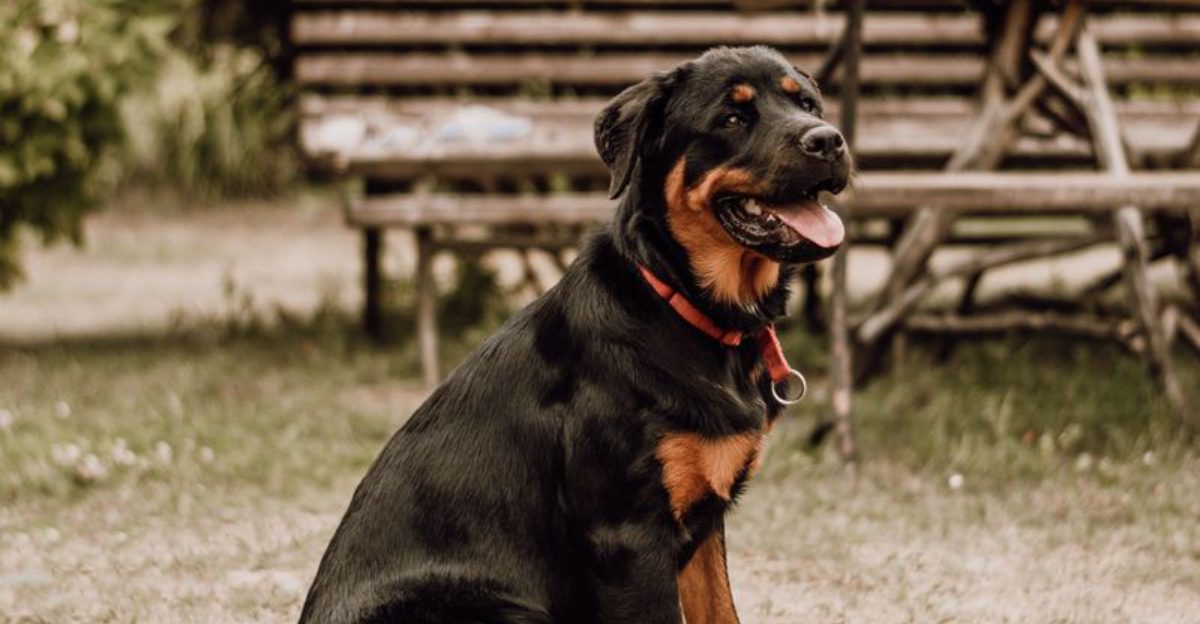
Rottweiler
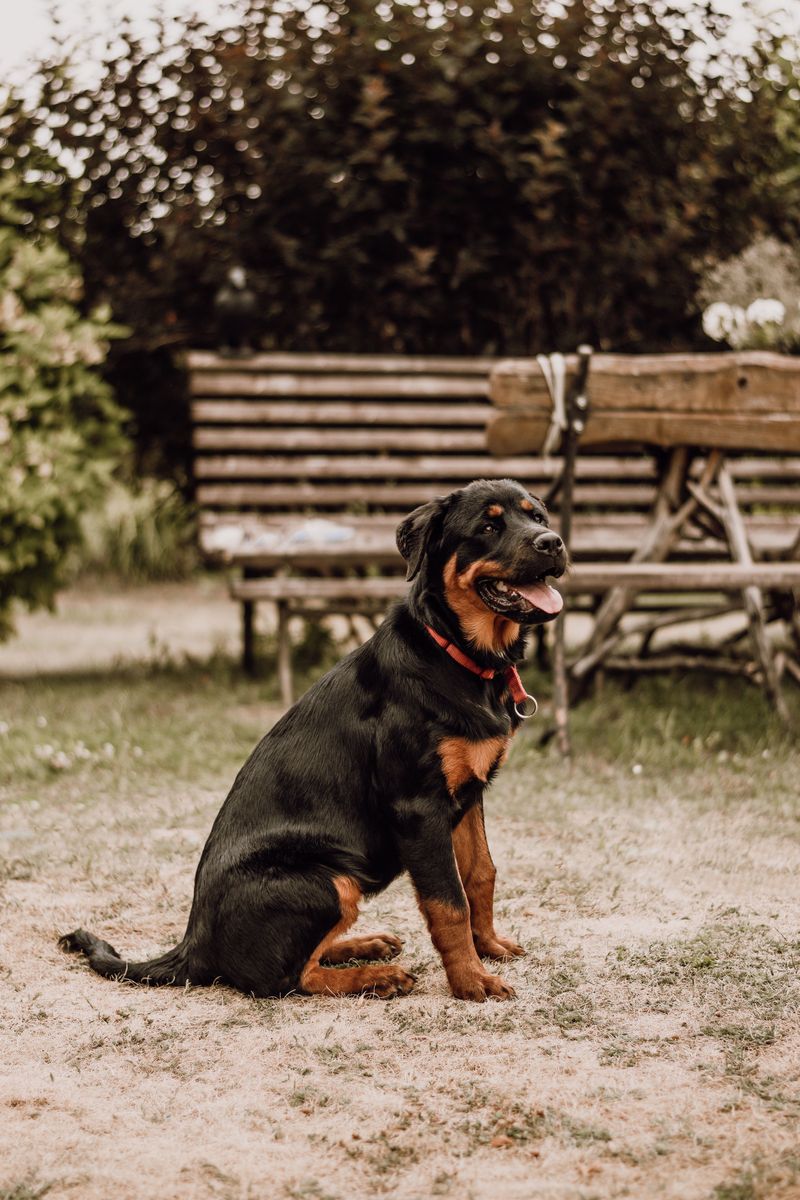
Rottweilers appreciate steady, one-time commands that feel fair and unhurried. Repeating or escalating can spark conflict instead of clarity.
Use short cues, neutral posture, and immediate follow through to communicate leadership without pressure.
Reward compliance with food or play, and practice calm holds on place. One cue, then action, then praise, resets expectations cleanly.
Balance cart-style strength work with leash manners to keep arousal controlled so big power never overrides listening. Avoid nagging, uneven boundaries, or emotional tone shifts, because Rottweilers are thoughtful decision makers who value consistency, and a single confident direction provides certainty, preventing sticky stares, planted feet, or slow motion compliance in busy driveways, vet lines, hardware stores, and neighborhood sidewalks during evening walks and deliveries rushes.
Papillon
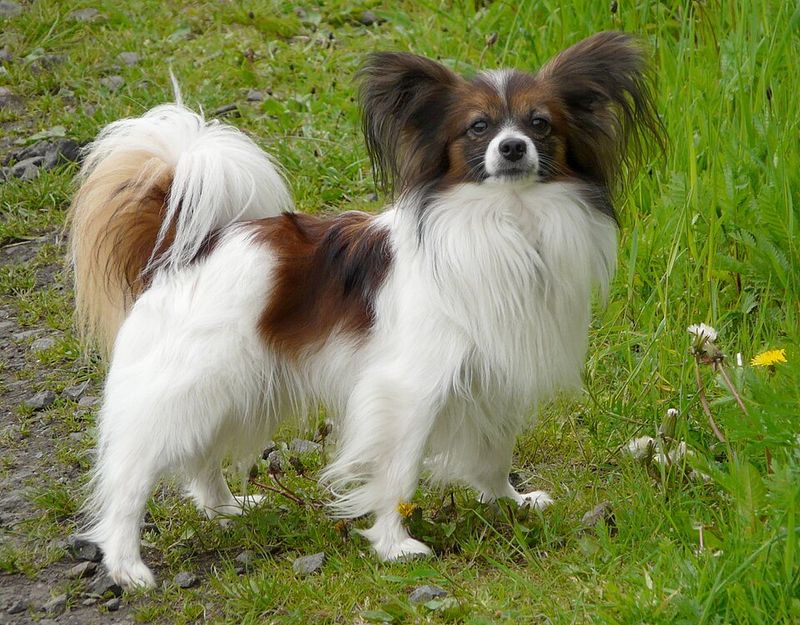
Papillons are tiny, brilliant problem solvers who thrive on crisp, single cues. Repeating can teach them to wait you out.
Keep energy upbeat yet certain, and they will snap into position with sparkle.
Use light luring, targeted touches, and quick rewards to reinforce perfect timing. One cue, clear marker, then fun, keeps motivation sky high.
Add balance tasks, trick sequences, and settle training to prevent buzziness that appears when messages feel muddy. Avoid noisy environments at first, minimize extra chatter, and resist repeating sits or downs, because Papillons are keen observers and will sample options if your plan wavers, whereas a single confident direction turns eagerness into tidy precision at home, in classes, hotels, and patios during travel and brunch.
Shetland Sheepdog
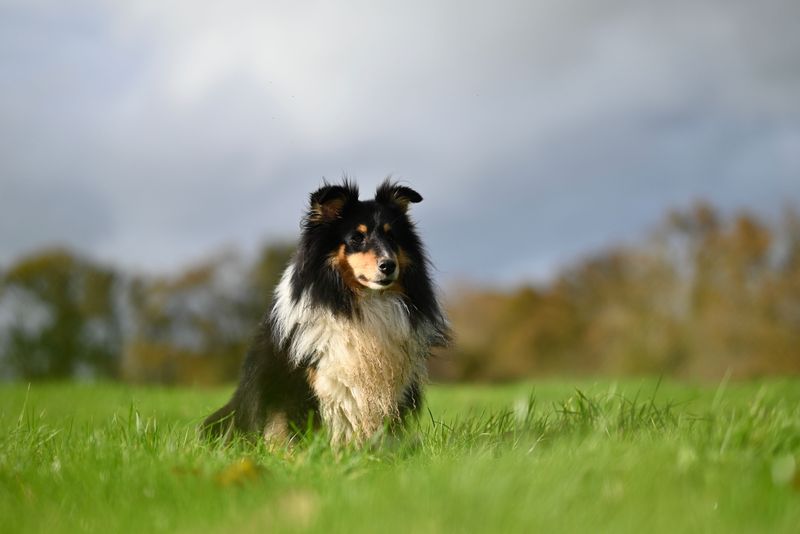
Shetland Sheepdogs tune in best to calm, decisive commands offered once. Multiple cues can heighten sensitivity and anxiety.
Keep sessions predictable, markers clear, and movements smooth to build trust and speed.
Reinforce with food, toy play, or gentle praise, and avoid looming body pressure. One cue, then help if needed, teaches commitment without flooding.
Pair agility foundation, mat work, and sound desensitization so environmental changes do not derail crisp responses. Limit chatter, set achievable criteria, and celebrate tiny wins, because Shelties read micro expressions and will either worry or spin if direction wobbles, whereas a single, confident instruction creates a safe pathway for speedy sits, downs, and recalls in parks, school fields, vet offices, and living rooms during windy days.
Standard Poodle
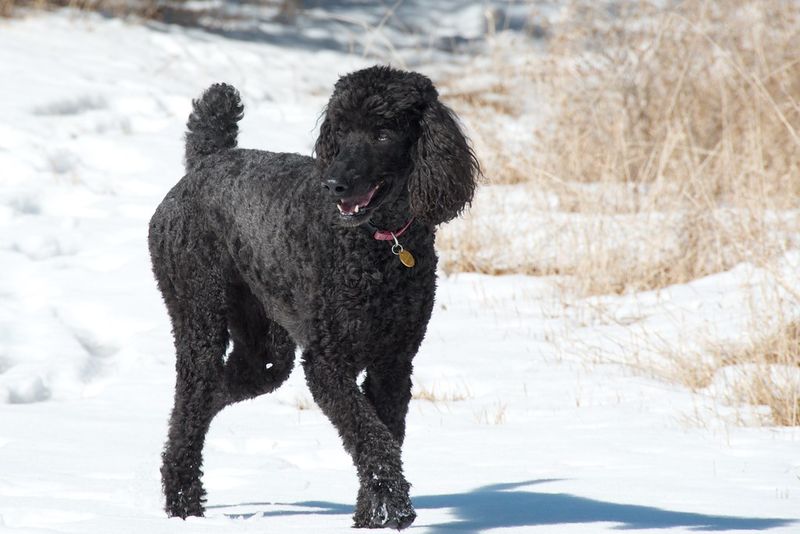
Standard Poodles thrive when directions are brief, confident, and singular. Repeat cues and they may start negotiating.
A steady voice, tidy mechanics, and timely rewards keep their brilliance channeled into reliable action.
Teach positions cleanly, then link them in flowing chains so one cue triggers crisp movement. One ask, one response, then pay, builds trust without clutter.
Add grooming table practice and neutral public outings to ensure listening holds under novel pressure. Avoid excess chatter, delayed rewards, or inconsistent criteria, because Poodles are analytical and will experiment if your plan drifts, while a single confident instruction, paired with polished hand signals, produces elegant, accurate performances in lobbies, hotels, show rings, neighborhood sidewalks, and friends’ homes during rainy days and parties.