When the wind sharpens and the first frost hits the ground, some dogs seem to wake up with a new kind of joy. If you love crisp mornings, quiet snowfalls, and steaming breath in the air, these cold-ready companions might be your perfect match.
From fluffy mountain guardians to tireless sled pullers, each breed brings something special to winter life. Let’s find the pup that will make you actually root for colder forecasts.
Siberian Husky
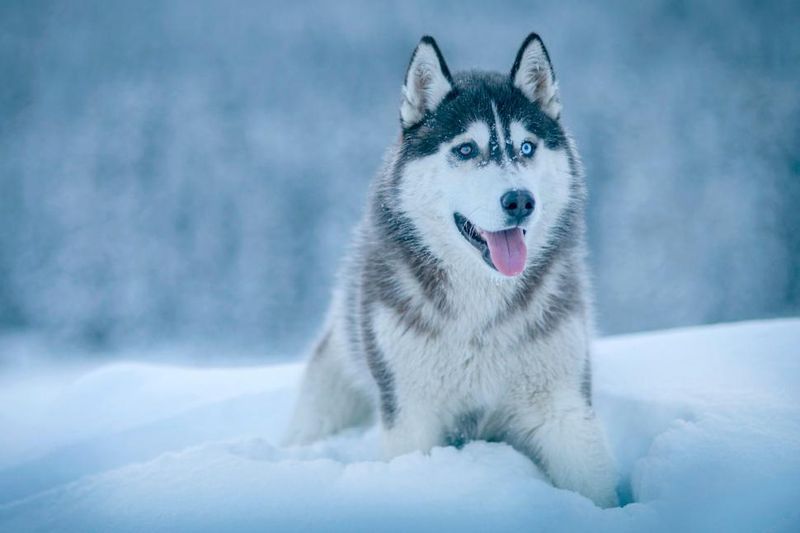
With a plush double coat and endless stamina, the Siberian Husky lives for crisp air and snowy trails. You will notice their eyes light up when the wind bites and the ground crunches.
Bred to pull sleds across vast tundra, they thrive on purposeful exercise and chilly adventures.
Keep runs moderate, give mental puzzles, and watch that energy turn into happy focus. In freezing weather, paw balm and reflective gear help, while their coat manages insulation naturally.
If you love winter hiking or skijoring, this is the teammate that keeps pace, grinning through flurries. Just remember consistent training, because prey drive and curiosity can pull them off course.
Rotate routes, reward recalls, and keep water available even in snow conditions.
Alaskan Malamute
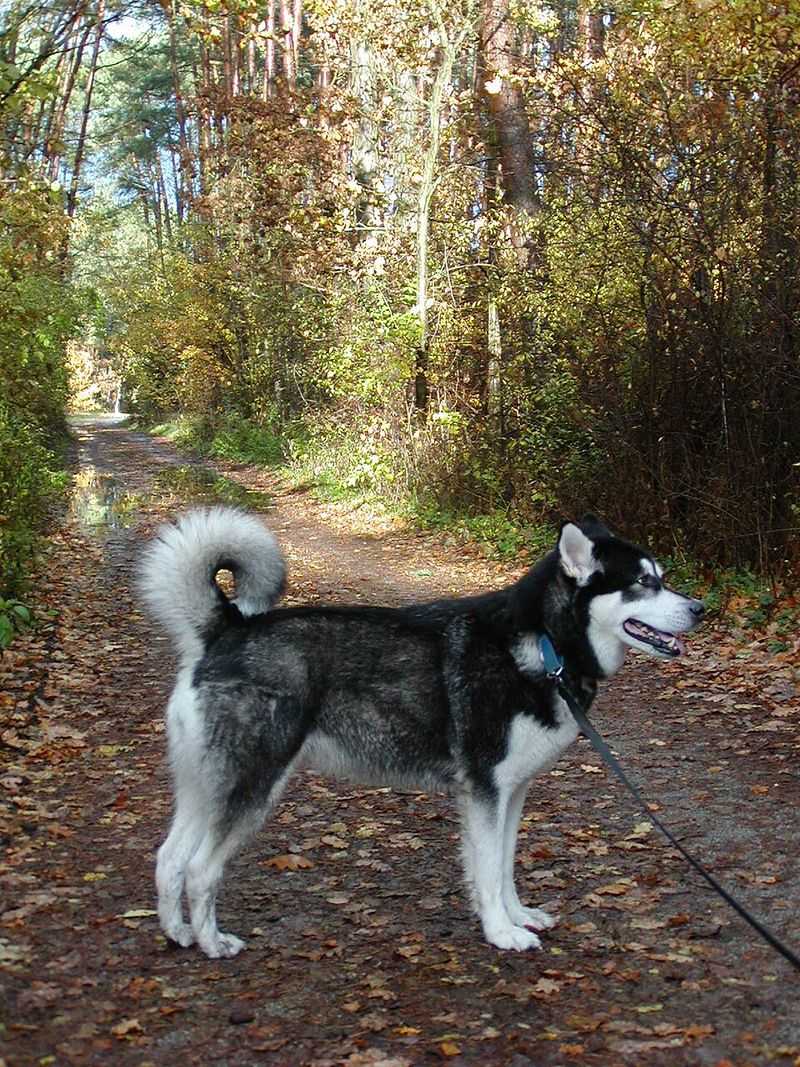
The Alaskan Malamute is a powerhouse bred to haul heavy sleds, not sprint like a racer. In frigid weather, that strength turns into steady, smiling determination.
You will feel their confidence when the temperature drops and the trail stretches quiet beneath wide paws.
Give them jobs: backpacking in winter, pulling a kicksled, or helping break trail on snowshoes. They crave connection and boundaries, so practice polite leash manners and strong recalls.
Their thick coat sheds seasonally, and regular brushing keeps things comfortable. Provide traction on ice, use paw balm, and monitor caloric needs during big outings.
With patience and purpose, your Malamute becomes the ultimate cold season companion, leaning into wind and wonder beside you.
Samoyed
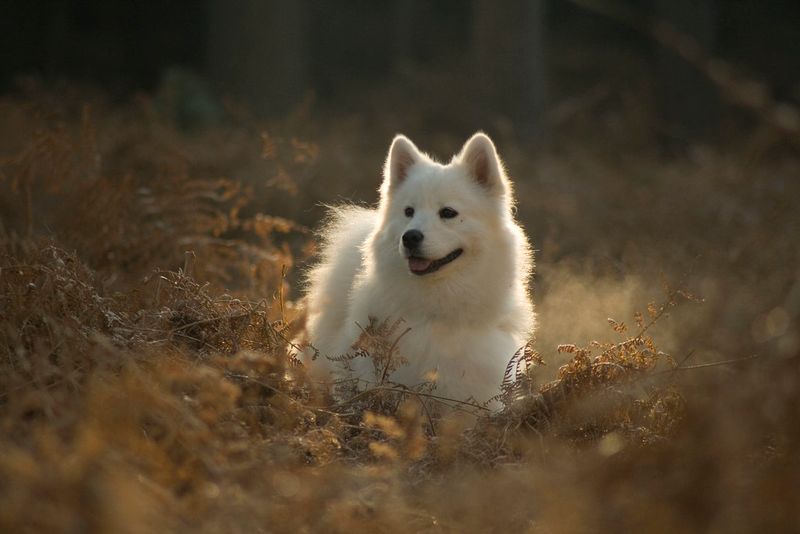
The Samoyed’s famous smile was made for frosty mornings and sparkling afternoons. Originally herders and sled helpers, they excel when the air is dry, cold, and bright.
You will appreciate their cheerful spirit as they bound through drifts, brushing you with a cloudlike coat.
Daily brushing during shedding seasons keeps that coat breathable and clean. Gentle structure helps too: brisk walks, rally obedience, or light pulling channels playful energy.
They adore people, so plan winter socials at dog-friendly trails. Protect from ice balls forming between toes, and rinse salt after city strolls.
Positive training curbs vocal habits, turning songs into cues. When snow flies, a Samoyed brings radiance to the gray, reminding you that winter can feel downright magical.
Bernese Mountain Dog
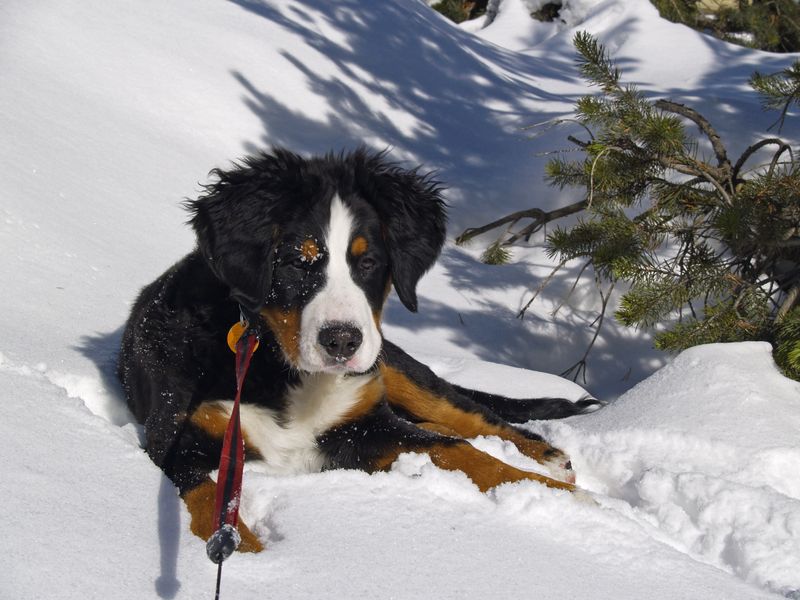
Bernese Mountain Dogs were made for chilly hillsides and slow treks through powder. Their thick tri-color coat and gentle temperament make winter hikes feel easygoing and warm.
You will notice their mellow stride and steady confidence when temperatures dip.
They enjoy purposeful tasks, like carrying a balanced pack on safe, groomed paths. Keep distances reasonable to protect joints, and use non-slip booties if ice forms.
Regular brushing reduces mats that trap moisture. They love family time, so expand your winter routine with training games by the fire.
Watch weight during slower months, and schedule vet checks to support hips and elbows. With thoughtful pacing and kind structure, a Berner turns cold weekends into cozy, scenic memories.
Newfoundland
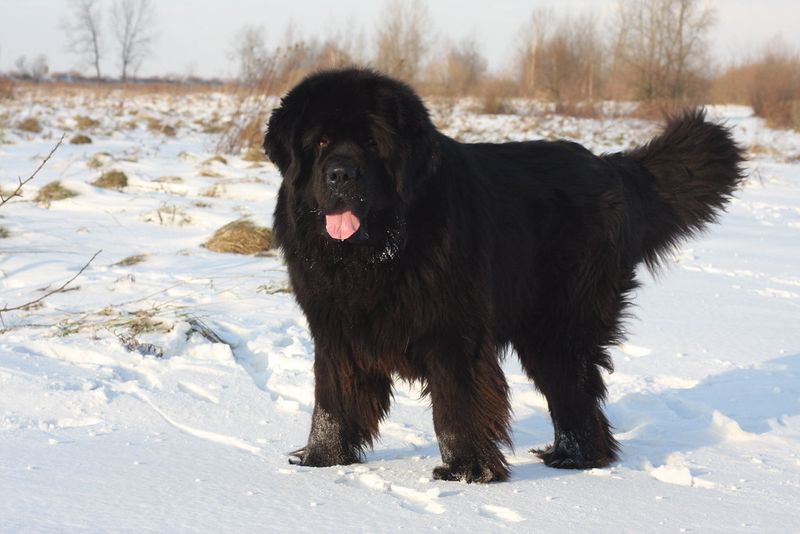
Newfoundlands are gentle lifeguards with a deep love for cold water and crisp air. Their dense, water resistant coat and powerful build make winter rambles feel effortless.
You will feel safe beside them, as they watch quietly and move confidently over snow.
Keep activities steady: snowy hikes, cart pulling on safe paths, and structured obedience. Monitor heat indoors, since they prefer cool rooms and shaded nooks.
Regular grooming reduces mats after wet outings, and towel drying helps skin health. Booties protect from ice melt chemicals, and a good rinse keeps paws happy.
They bond deeply, so bring them along for winter errands and relaxed adventures. With patience and affection, a Newfie turns cold days into tranquil, heartwarming journeys.
Saint Bernard
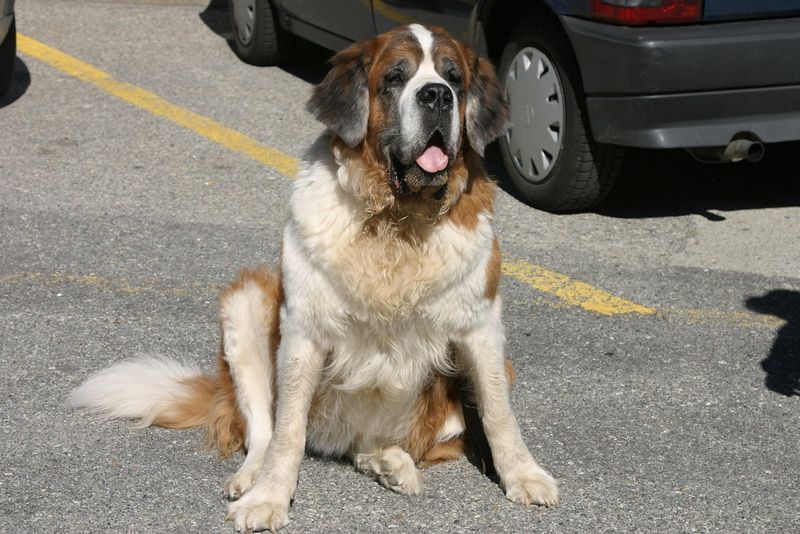
Saint Bernards carry a legacy of alpine rescue and calm courage in blizzards. Their colossal frames and thick coats suit long, slow routes through drifts.
You will appreciate their watchful eyes and steady presence when storms roll in and trails turn silent.
They do best with measured exercise to protect joints, plus mental games that spark focus. Keep nails short for traction and wipe drool to avoid icy buildup.
Brushing reduces mats around neck ruffs where snow clings. Teach polite greetings, since their enthusiasm can topple friends wearing puffy coats.
Use non-slip rugs at home to help massive paws. With kindness, structure, and winter ready gear, your Saint becomes the reassuring partner every frosty neighborhood admires.
Great Pyrenees
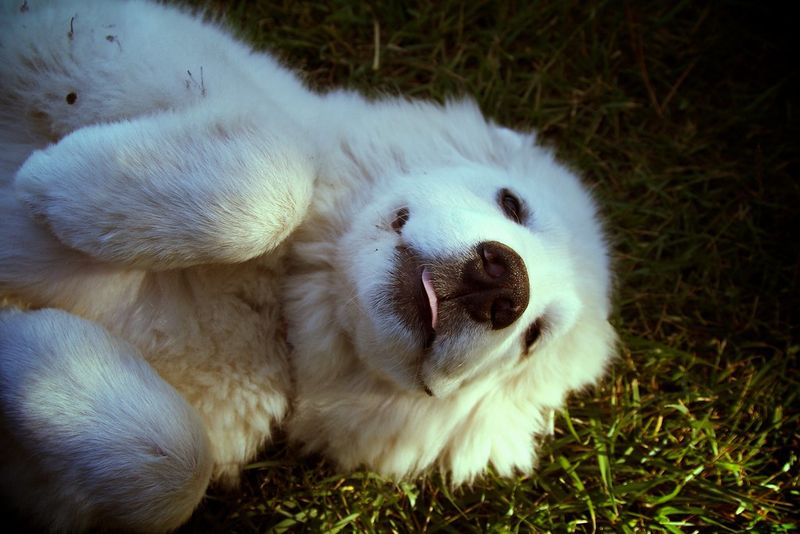
The Great Pyrenees is a serene guardian bred for high, frigid pastures. Snow quiets the world, and they settle into watchful calm, observing everything with soft confidence.
You will see dignified patience as they patrol the yard or rest on a snowy rise.
They value independence, so keep training consistent and low pressure. Fenced areas are key, since roaming instincts can kick in when scents travel far on cold air.
Regular brushing removes undercoat tufts that trap moisture. Night walks with reflective gear suit their pale silhouette.
Provide sturdy chews and scent games to balance guarding instincts. With routine and trust, your Pyr becomes a moonlit sentinel, happiest when winter hushes the landscape and you share quiet steps together.
Akita
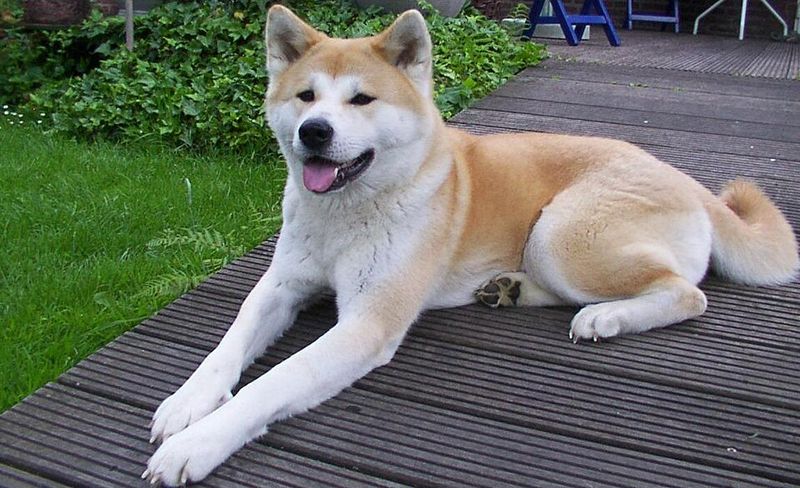
The Akita brings quiet strength and a weatherproof coat that relishes icy mornings. Originally from northern Japan, they handle snow with composed grace.
You will notice a proud stance, keen eyes, and a preference for cool spaces over overheated rooms.
They need respectful training and clear boundaries, especially around other dogs. Short, purposeful sessions keep their minds engaged and bodies satisfied.
Brushing maintains the coat’s loft so air can insulate. Use boots on salted sidewalks and teach reliable leash manners for slick routes.
They bond deeply with family, so fold them into winter routines, from peaceful walks to mindful play. When temperatures fall, an Akita’s calm presence turns frost into focus, and you into a confident partner.
Norwegian Elkhound
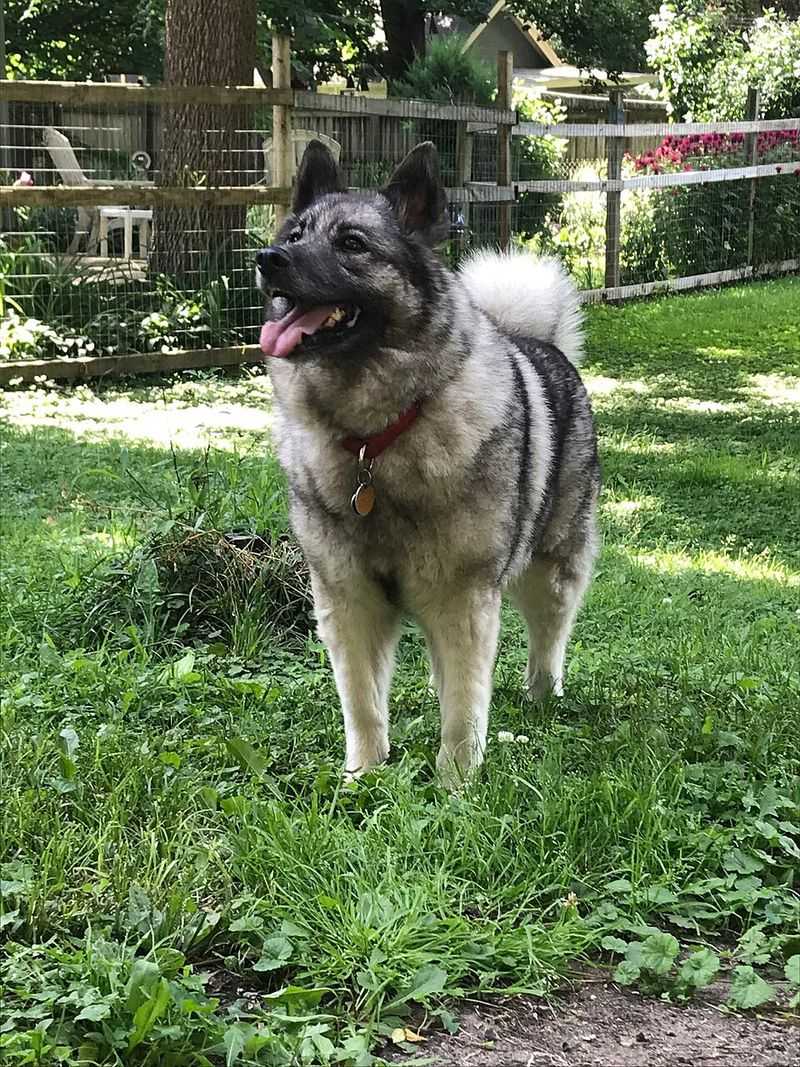
Norwegian Elkhounds were bred to track in rugged, icy terrain, and it shows in their springy step. That weather resistant coat and bold spirit light up when the air turns sharp.
You will feel their eagerness to move, explore, and solve scents across winter paths.
They thrive on varied tasks: scent games, brisk hikes, and even canicross on snowy flats. Keep cues consistent, because independence can surface on exciting trails.
Regular brushing keeps shed manageable and the coat insulating. Provide booties for long ice stretches, and rewards for calm reactivity.
Rotate routes to challenge their mind. When snow flies, your Elkhound becomes a reliable adventurer, pushing confidently into the wind and inviting you to follow, step for step.
Keeshond
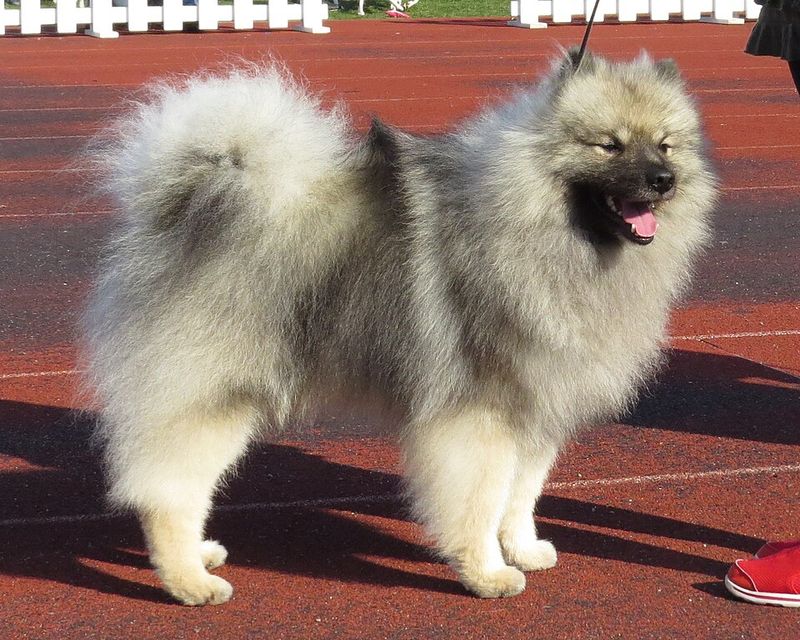
The Keeshond’s plush coat and cheerful demeanor make chilly days feel lively and bright. Historically a barge companion, this breed loves togetherness and brisk, social walks.
You will get quick smiles, fluffy cuddles, and a tail that flags happily through flurries.
They excel with positive training, trick practice, and fun rally sessions. Keep brushing frequent to prevent mats behind ears and ruff areas where snow sticks.
Provide paw care on salted streets, and layer reflective gear for dusk strolls. They adore routine, so plan regular winter meetups with friendly dogs.
Mental puzzles indoors keep cabin fever at bay. With a Keeshond by your side, gray skies soften, laughter rises, and every frosty outing feels welcoming.
Chow Chow
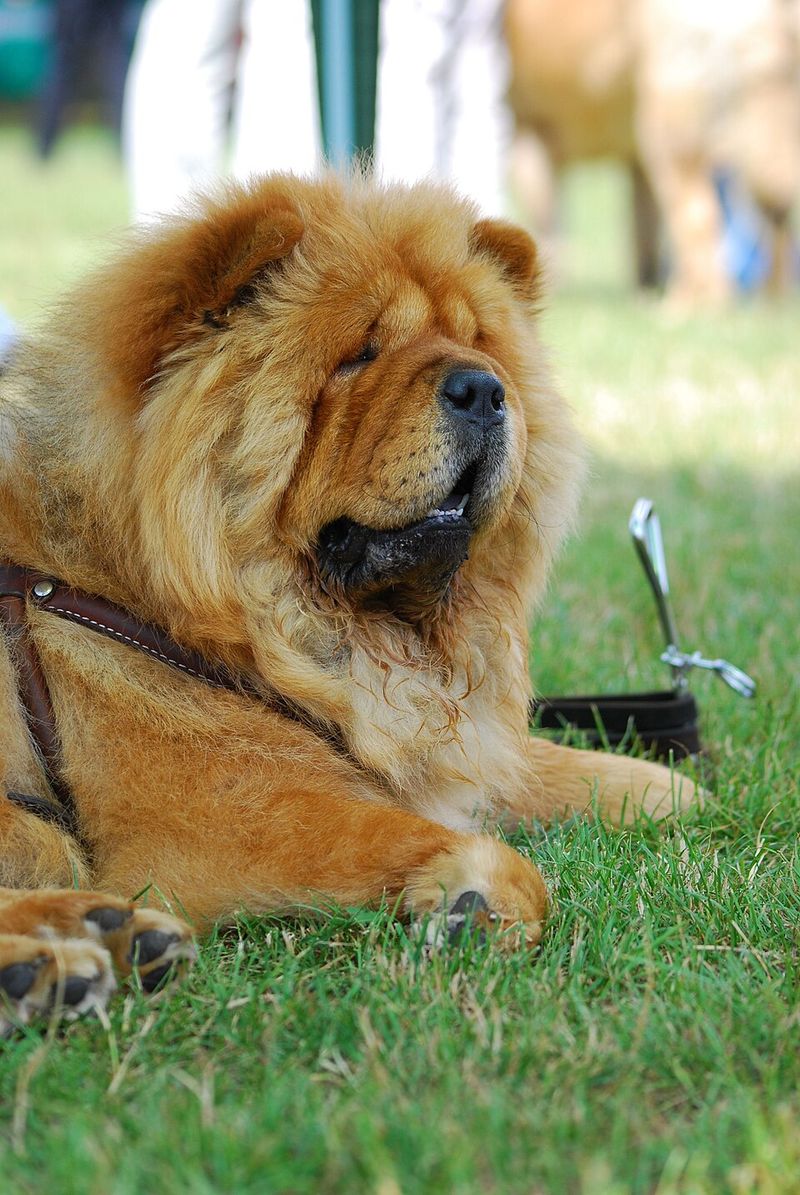
Chow Chows carry a dignified air and a dense coat that favors cool climates. In winter, they move with composed assurance and enjoy quiet, measured walks.
You will notice their lion-like mane catching snowflakes as they survey the scene.
Early socialization and calm training help balance independence. Keep exercise steady, not excessive, to protect joints and maintain focus.
Daily grooming opens the coat, preventing moisture from hiding near skin. Watch for ice between toes and rinse salt after urban routes.
They like predictable routines with restful spaces away from heaters. When temperatures drop, a Chow’s poise shines, turning crisp afternoons into artful moments and your neighborhood into a tranquil gallery of pawprints.
Tibetan Mastiff
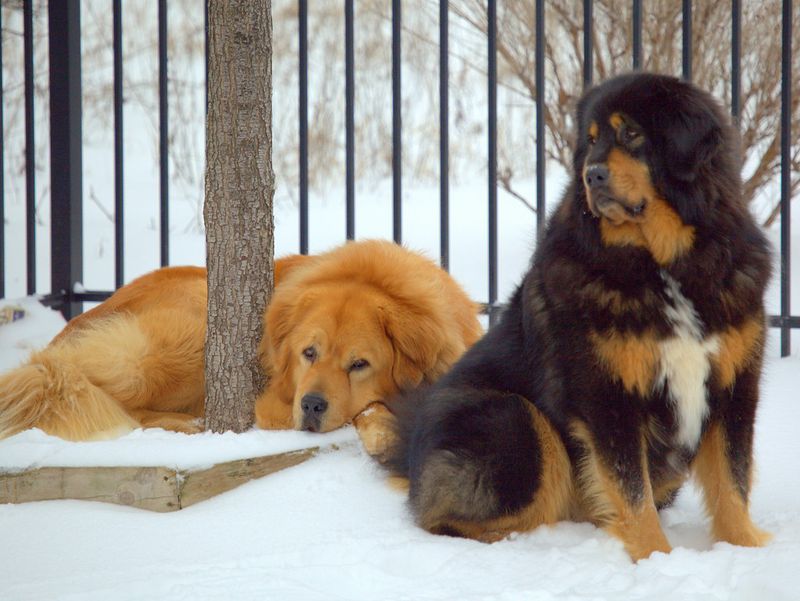
Built for harsh plateaus, the Tibetan Mastiff takes cold in stride, preferring brisk air to cozy radiators. Their thick mane and watchful nature pair beautifully with starry winter nights.
You will feel protected walking beside this quiet guardian as snow dusts the path.
They need firm, fair boundaries and careful socialization with guests. Short, confident training sessions prevent stubborn habits.
Brush their dense coat regularly to release undercoat and keep skin comfortable. Provide secure fencing, since independence can inspire nighttime patrols.
Use reflective tags and lights when evenings arrive early. With respect and routine, your Tibetan Mastiff becomes a statuesque companion who transforms icy silence into calm assurance and steady company.
Finnish Lapphund
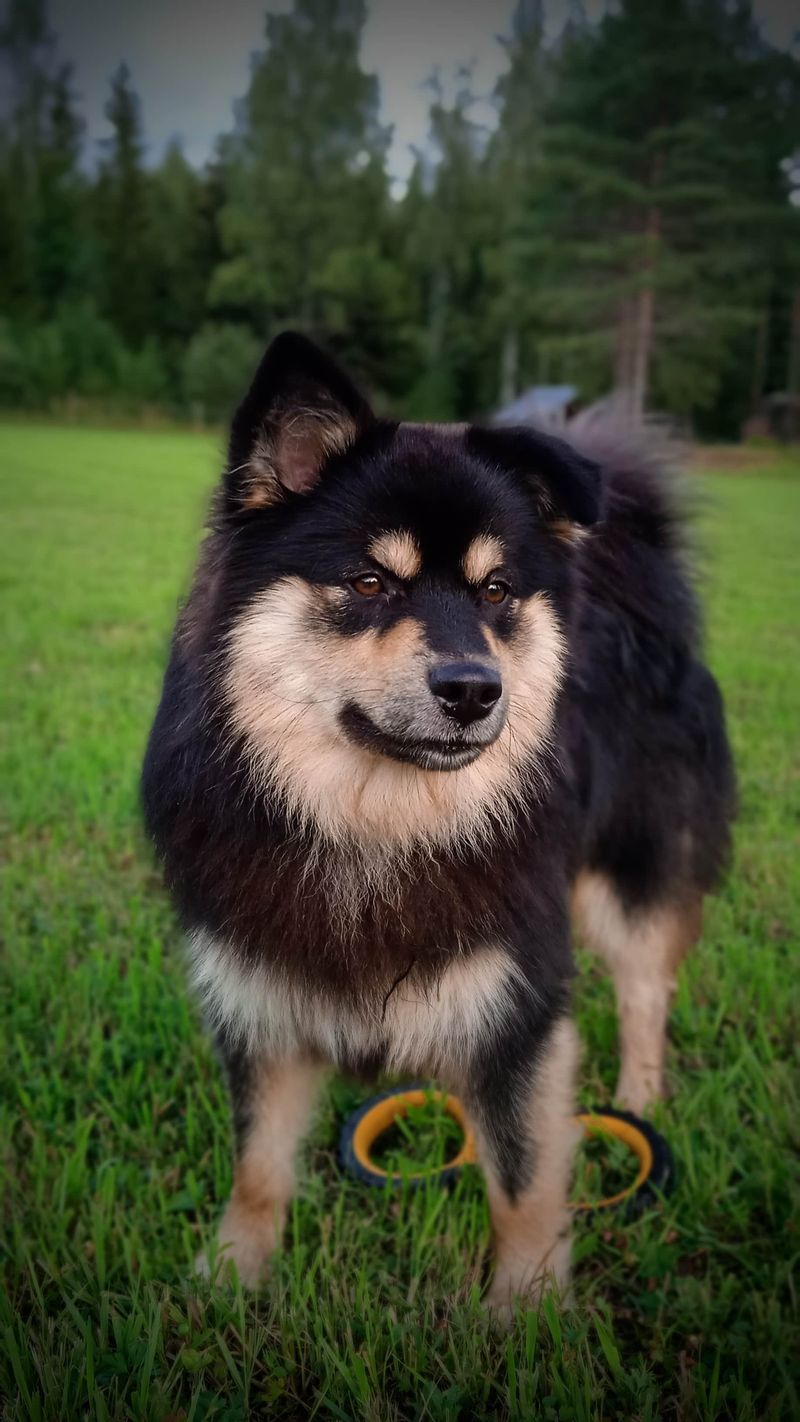
Finnish Lapphunds were developed to work among reindeer in freezing conditions, which explains their cheerful winter stamina. That fluffy coat and expressive face make every snowy outing feel friendly.
You will appreciate their biddable nature and eagerness to learn even when winds whistle.
They shine with positive training, agility on snow safe equipment, and scent games. Brush frequently to manage undercoat and watch for snowballs clinging to feathering.
Booties help on ice, while reflective harnesses keep them visible in early twilight. They love teamwork, so invite them into family adventures and cozy recovery time afterward.
With structure and play, your Lapphund turns cold afternoons into joyful, tail-wagging memories.
Leonberger
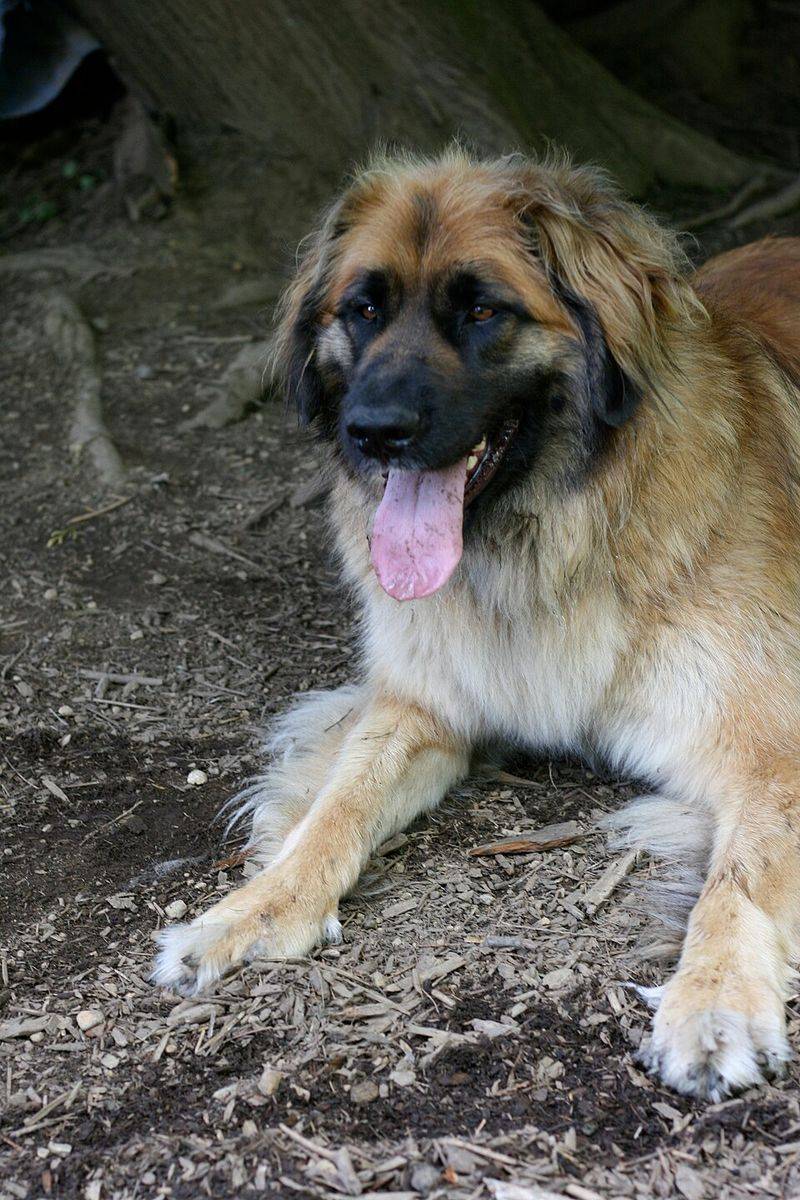
Leonbergers bring gentle strength and a weather ready coat that welcomes frosty air. Their size impresses, but their temperament stays soft, especially on quiet winter walks.
You will feel calm confidence beside them as snow hushes the world.
They need joint conscious exercise: steady hikes, swimming when safe, and careful conditioning. Brush regularly, especially around the mane where snow mats form.
Keep nails short for traction and provide non-slip surfaces at home. Positive training and polite greetings matter, given their scale.
Hydration still counts in cold weather, so pack water on longer outings. With thoughtful care and friendly structure, your Leo becomes the warm heart of winter, padding gently through white landscapes like a guardian of peace.