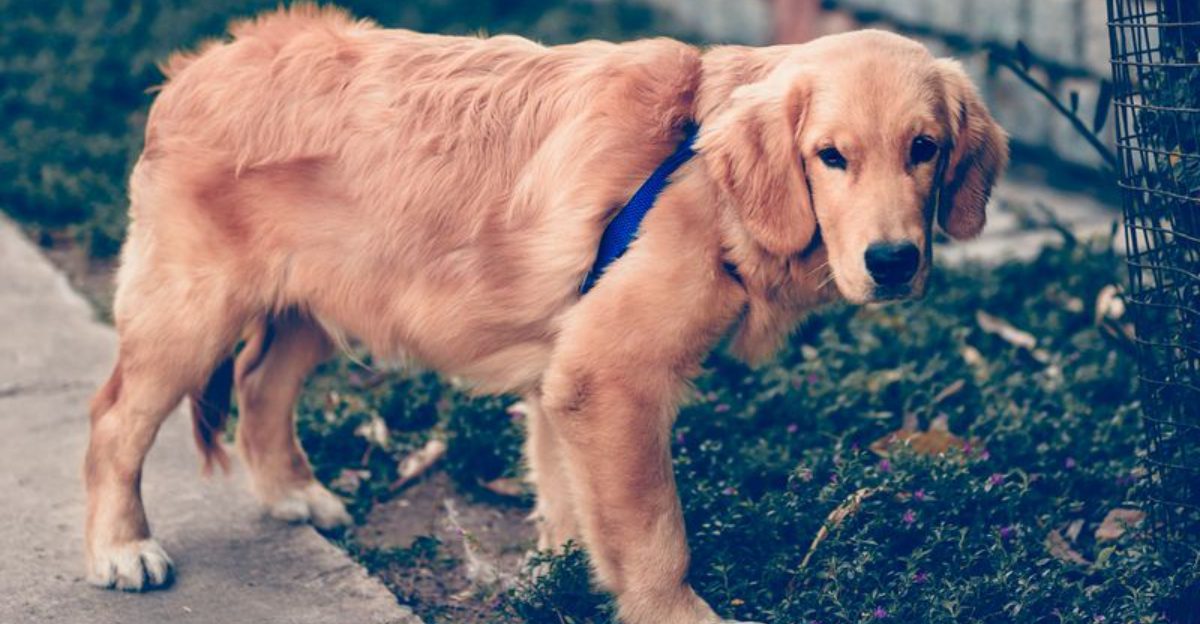
Some dogs love with such open hearts that even a short goodbye can feel like a heartbreak. If you have ever returned home to a whirlwind of joy and a shadow that follows you room to room, you know the feeling.
These breeds crave connection, thrive on companionship, and can struggle when left solo. Let’s explore the sweet souls who love hard and need your presence just a little more.
Vizsla
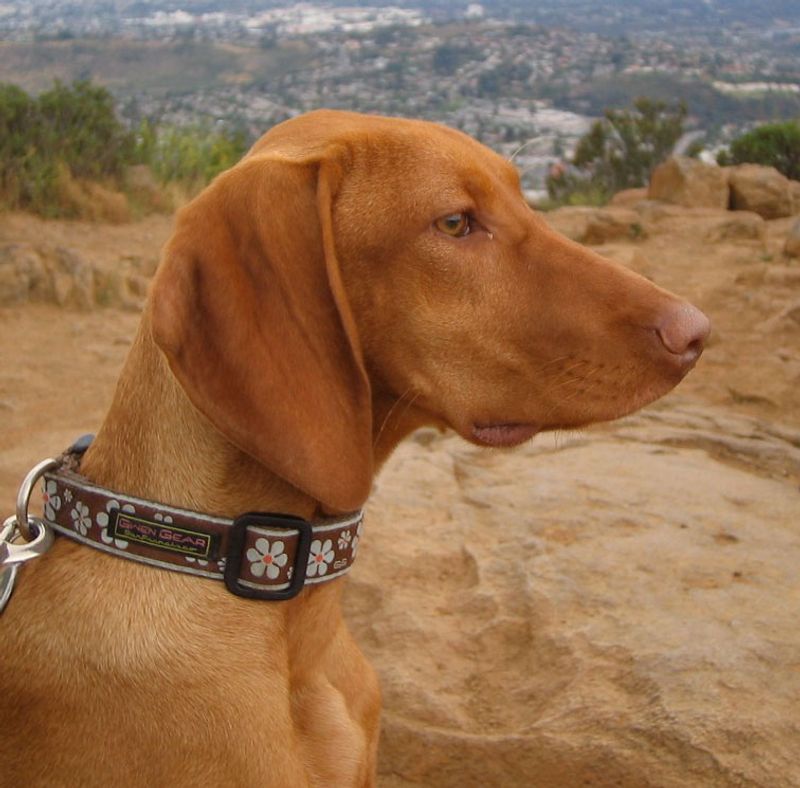
Often called the Velcro dog, the Vizsla bonds quickly and intensely. This breed mirrors your routine, curling close on the sofa and padding behind you down the hall.
Sensitive and eager to please, a Vizsla thrives when work, play, and rest are shared.
When solitude hits, restlessness can surface as pacing, whining, or nibbling at blankets. Daily exercise, puzzle feeders, and short training bursts help channel energy and soothe worry.
Build confidence with gradual alone-time practice, rewarding calm exits and quiet moments.
Cavalier King Charles Spaniel

The Cavalier wants nothing more than to be your gentle shadow. Those melting eyes are not just for show, because this breed reads your emotions and settles wherever you do.
Short walks, snuggles, and soft grooming sessions strengthen the bond beautifully.
Time alone can feel heavy for such a tender companion. To help, introduce relaxing background music, scent-rich plush toys, and calm departure routines.
Keep greetings low-key so reentries do not spike anxiety. Consistency, kindness, and enrichment make all the difference, letting your Cavalier rest easy until you return.
Havanese
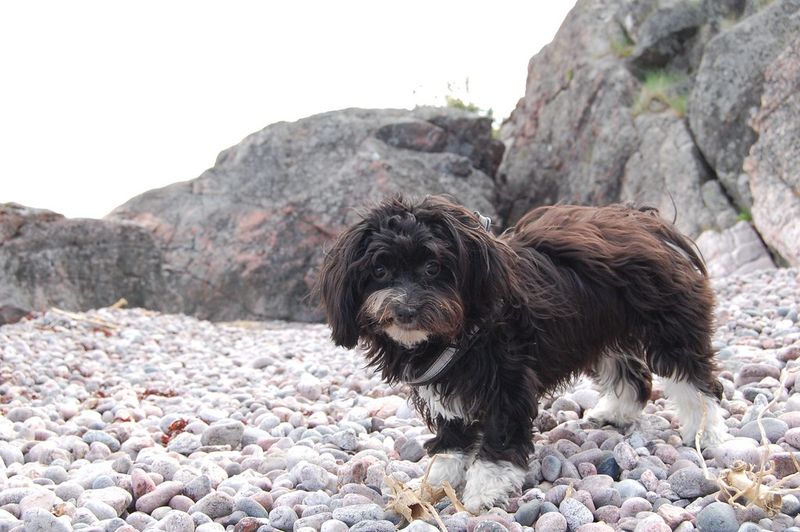
Small in size yet huge in heart, the Havanese thrives on affectionate routines. This playful partner learns your schedule quickly and expects to be involved in everything.
Trick training and short games help channel that bright spark while you bond.
When left alone, some Havanese may vocalize or pace. Teach independent play by pairing safe chew toys with a comfy, scent-marked bed.
Practice brief, predictable departures and reward calm behavior. Regular grooming and gentle touch add soothing structure, building confidence so your Havanese can relax between cuddles.
Labrador Retriever
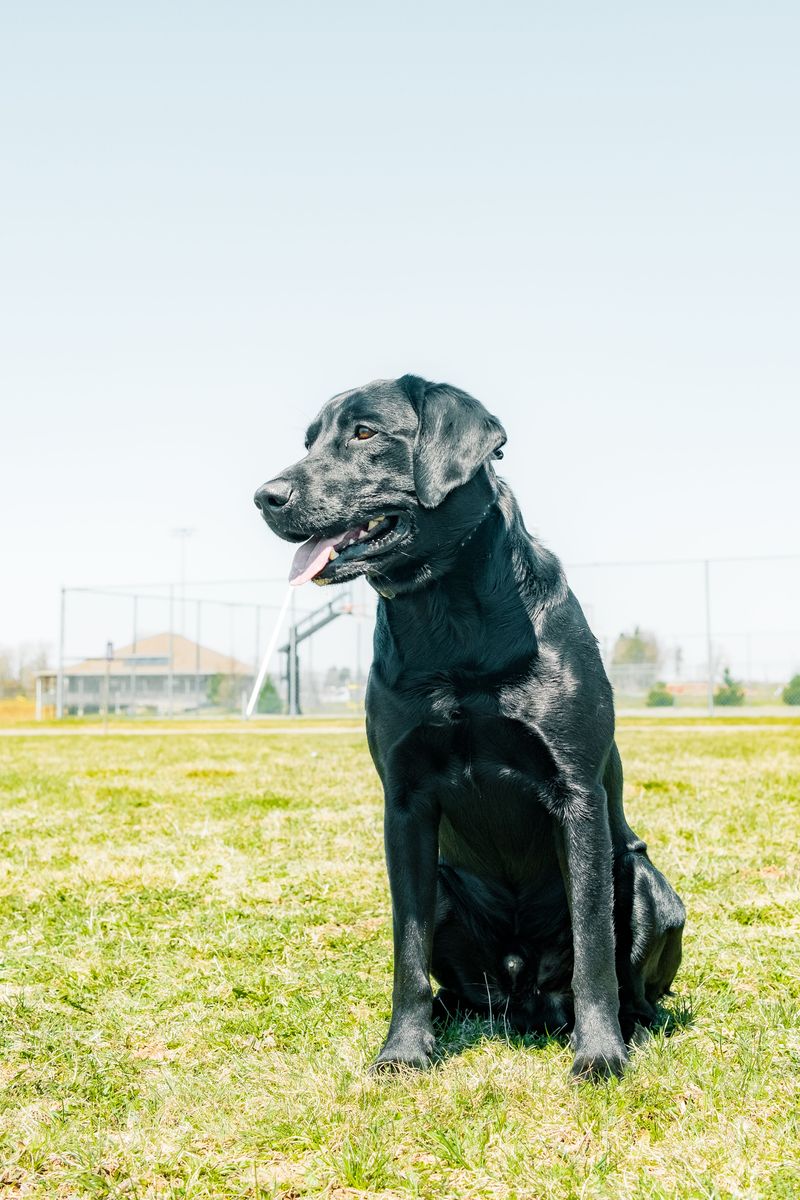
Labradors adore people and pour love into every wag. Their social nature was built for teamwork, which makes alone hours feel unfamiliar.
A Lab lives happiest with structure, exercise, and frequent check-ins that say you see them.
Without outlets, boredom can spark barking or creative chewing. Daily fetch, scent games, and rotating chew options keep minds busy and bodies satisfied.
Combine crate training with calm exits, and use food puzzles to turn waiting into work. Your steady routine helps your Lab understand that solitude is temporary and love always returns.
Golden Retriever
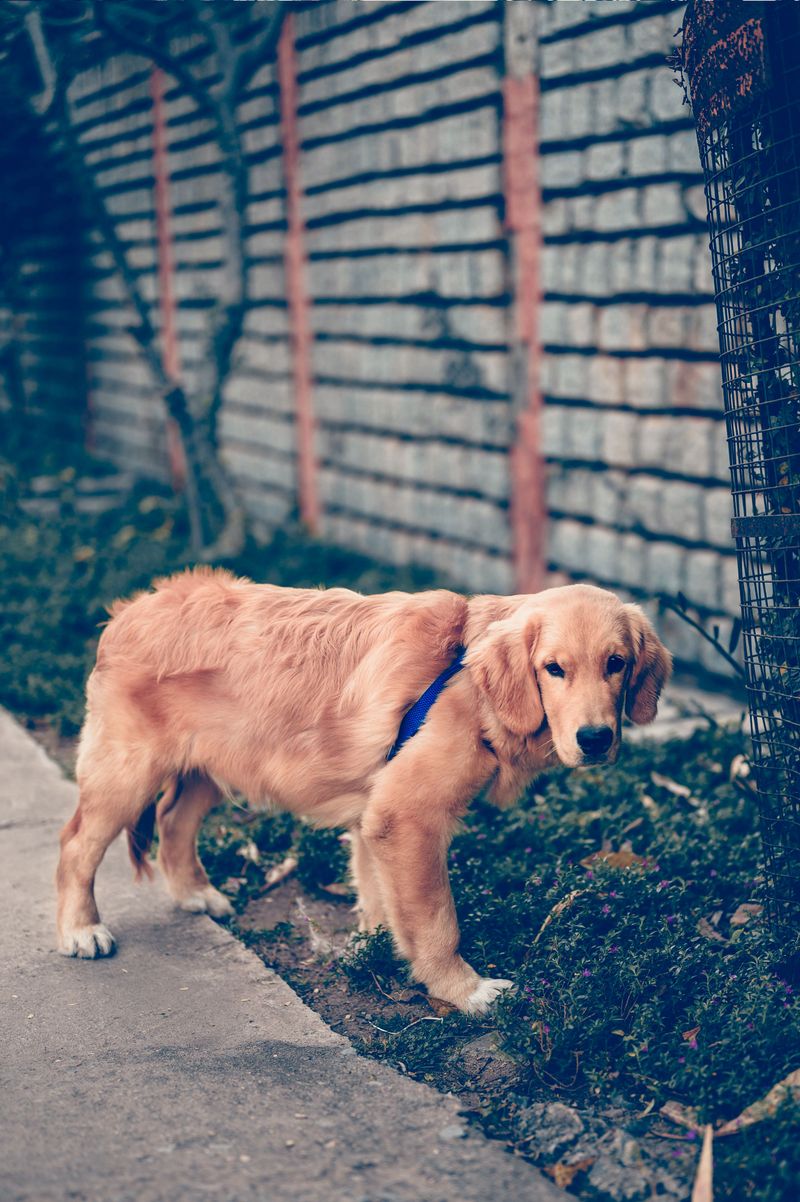
Goldens love with open hearts and effortless optimism. They are tuned to your presence, ready for adventure or a quiet nap at your feet.
That deep devotion sometimes creates worry when you step out, especially for young or sensitive dogs.
Make partings easier with confidence-building routines. Teach a settle cue, offer long-lasting chews, and keep departures low drama.
Daily mental work, like scent trails or shaping games, balances their sunny energy. A predictable rhythm, clear boundaries, and generous praise reassure your Golden that home is safe, and you always come back.
Italian Greyhound
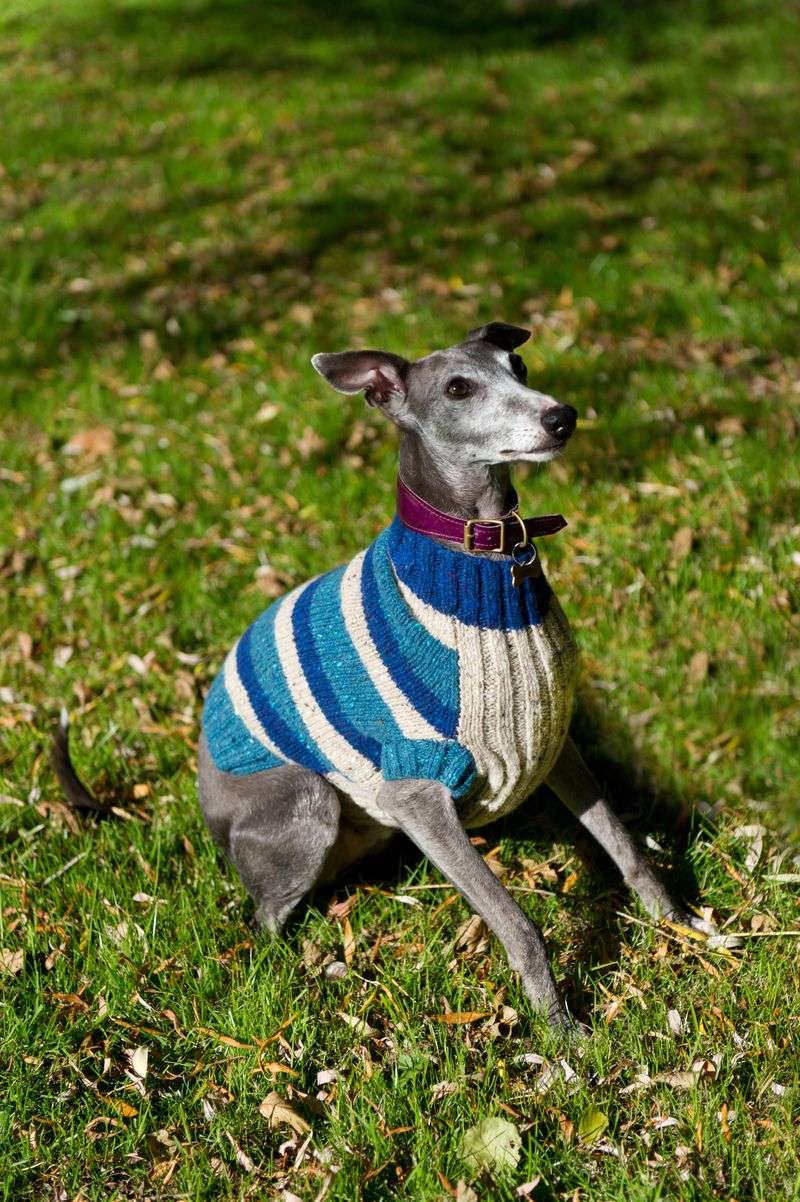
Delicate and affectionate, the Italian Greyhound is a sensitive little shadow. They flourish with warmth, routine, and gentle handling, often tucking into blankets beside you.
Their nimble grace hides a tender heart that longs for steady reassurance.
Alone-time can feel chilly to this comfort-seeking companion. Provide soft layers, a safe perch by a sunlit window, and quiet background sounds.
Use short, predictable absences to build resilience, rewarding relaxed body language. Warmth, patience, and positive reinforcement help your Iggy feel secure until footsteps return.
Maltese
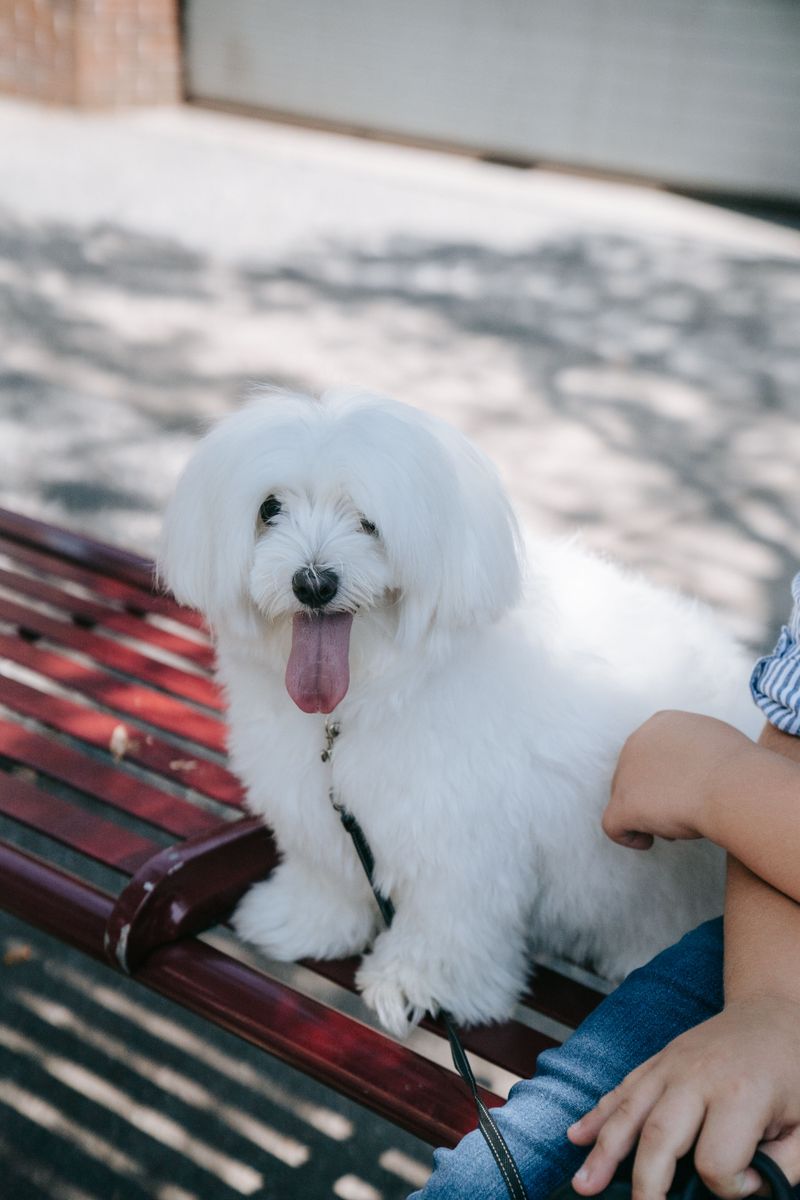
The Maltese lives for companionship and soft routines. These little charmers respond to calm voices and consistent cues, happily following you from room to room.
Short training sessions paired with cuddles make learning feel safe and fun.
Solitude can be tough without preparation. Start with tiny departures and reward quiet moments.
Offer snuffle mats, gentle chews, and a snug, familiar bed. Keep the atmosphere predictable by using a simple leaving script, then return before worry rises.
With patience and practice, your Maltese learns that alone-time is simply a pause between hugs.
Doberman Pinscher
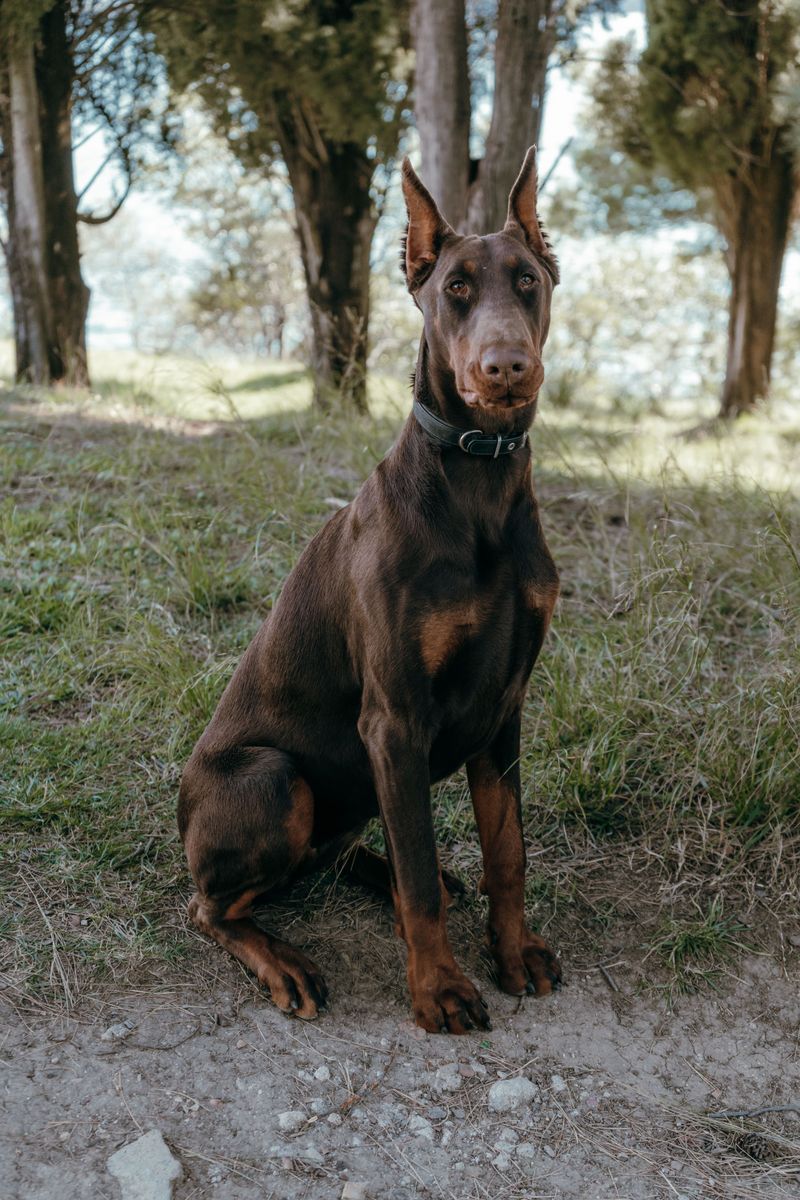
Dobermans are loyal guardians who form focused, enduring bonds. They thrive when given purpose, structure, and daily brain work.
Without you nearby, that intense connection can tip into fretfulness, especially for young, energetic dogs.
Build autonomy through place training, boundary games, and thoughtful enrichment. Rotate durable chews and scent-based challenges to occupy their working mind.
Keep departures neutral and predictable, and reinforce quiet, settled behavior on return. With clarity and consistency, your Doberman learns that independence is part of the job, and your partnership remains unshakable.
Cocker Spaniel
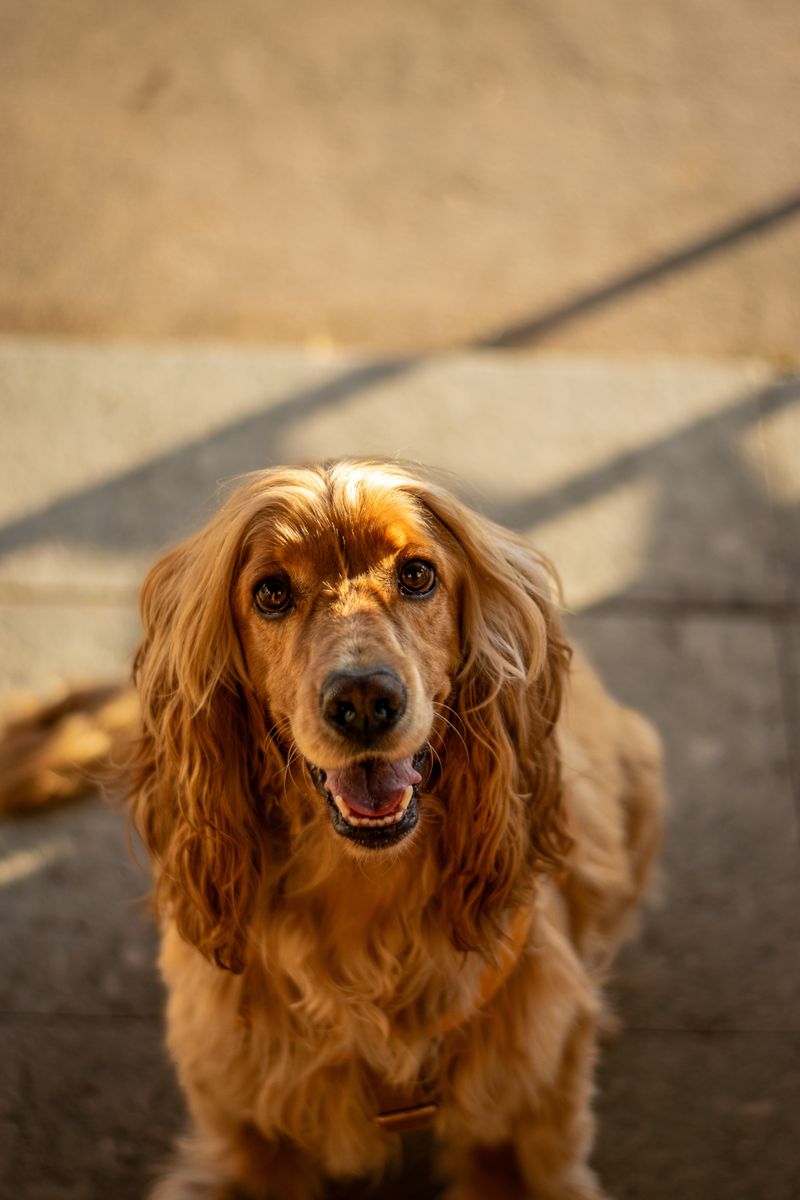
Cockers wear their hearts on their sleeves, trailing you with hopeful eyes. Originally bred to work alongside people, they crave inclusion and reassurance.
Gentle grooming, soft praise, and nose-work games satisfy their affectionate, sensitive spirit.
Solo hours can stir worry if routines are unclear. Create a cozy spot that smells like you, pair it with calming music, and practice easy, short exits.
Use food puzzles to turn waiting into a rewarding task. Consistent training, patience, and affection help your Cocker relax, knowing companionship is never far away.
Toy Poodle
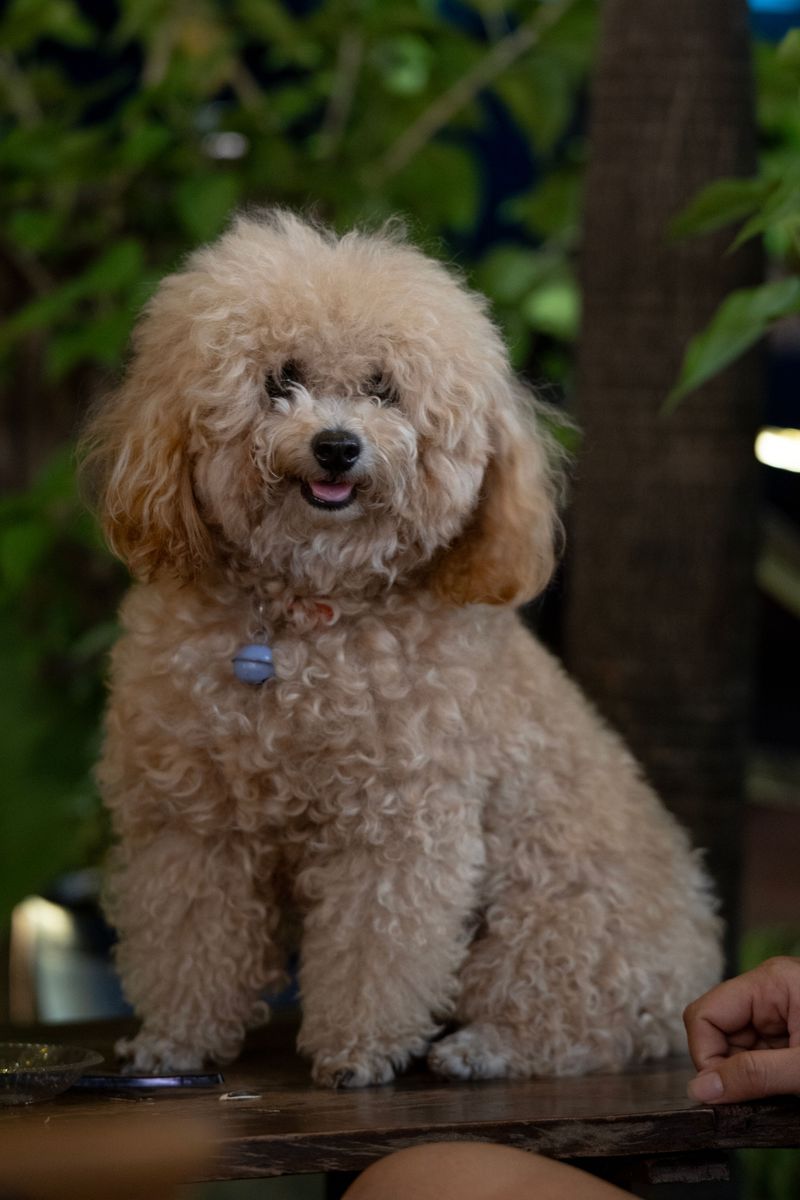
Toy Poodles are brilliant, observant, and deeply people focused. Their quick minds adore puzzles and training games, and their hearts crave closeness.
Without engagement, worry can bubble up as pacing or vocalizing.
Feed that clever curiosity with clicker sessions, trick chains, and hide-and-seek with treats. Provide a consistent rest zone, then rehearse tiny departures that end on success.
Keep greetings calm, reward quiet, and rotate enrichment to prevent predictability. When their brain has a job and their routine is steady, your Toy Poodle can nap peacefully until you walk back in.
German Shepherd
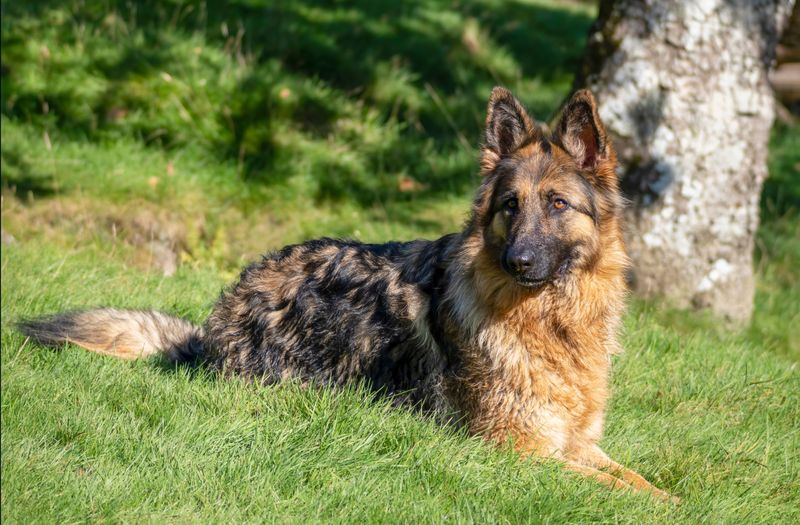
German Shepherds bond with intensity and purpose. Their protective instincts keep them tuned to your movements, so quiet houses can feel uneasy.
A clear job description, daily training, and structured exercise keep that big heart balanced.
Independence grows with place training, long settle durations, and thoughtful enrichment. Introduce steady, short departures and mark calm behavior with praise.
Add scent games, tracking lines, or obedience drills to focus their mind. With consistency and trust, your Shepherd learns that temporary solitude is safe, and your return is a sure promise.