
Strong opinions about certain dog breeds can spread faster than solid facts. But when you dig into the numbers, it becomes clear that context, management, and misidentification often skew the story.
You deserve a fair, practical look at what drives behavior and how to set any dog up for success. Let’s unpack the nuance and put data in the driver’s seat.
American Pit Bull Terrier

Pit Bulls carry a heavy reputation, yet context and training matter more than headlines. Breed labels often blur mixes, so data can exaggerate risk where identification is shaky.
When you look at controlled studies, bite severity links closer to owner behavior, socialization, and management.
These dogs are athletic, people focused, and game for training that channels energy into structure. If you commit to early social skills, secure containment, and clear rules, you reduce preventable problems.
Adopt with eyes open, pick ethical sources, and use modern rewards so your Pit Bull becomes a safe, confident companion.
Check local laws, insurance terms, and housing policies before committing. Transparency protects you and the dog, and it keeps communities fair and safer for all.
Rottweiler

Rottweilers are powerful guardians, which means management matters as much as temperament. Incident reports often ignore training history, confinement practices, and unsupervised access to triggers.
When adjusted for population, some risks shift, showing how environment and owner choices heavily influence outcomes.
You get a devoted, steady worker when you provide structure, outlet, and clarity. Early neutrality training, polite leash skills, and calm exposures to strangers pay off for life.
Reinforce the behaviors you want, practice consent handling, and keep invitations tight so your Rottie learns to relax under pressure.
Screen breeders for stable nerves and health testing. Invest in insurance and safe fencing, schedule refreshers with a qualified trainer, and you will stack the odds in your favor.
German Shepherd
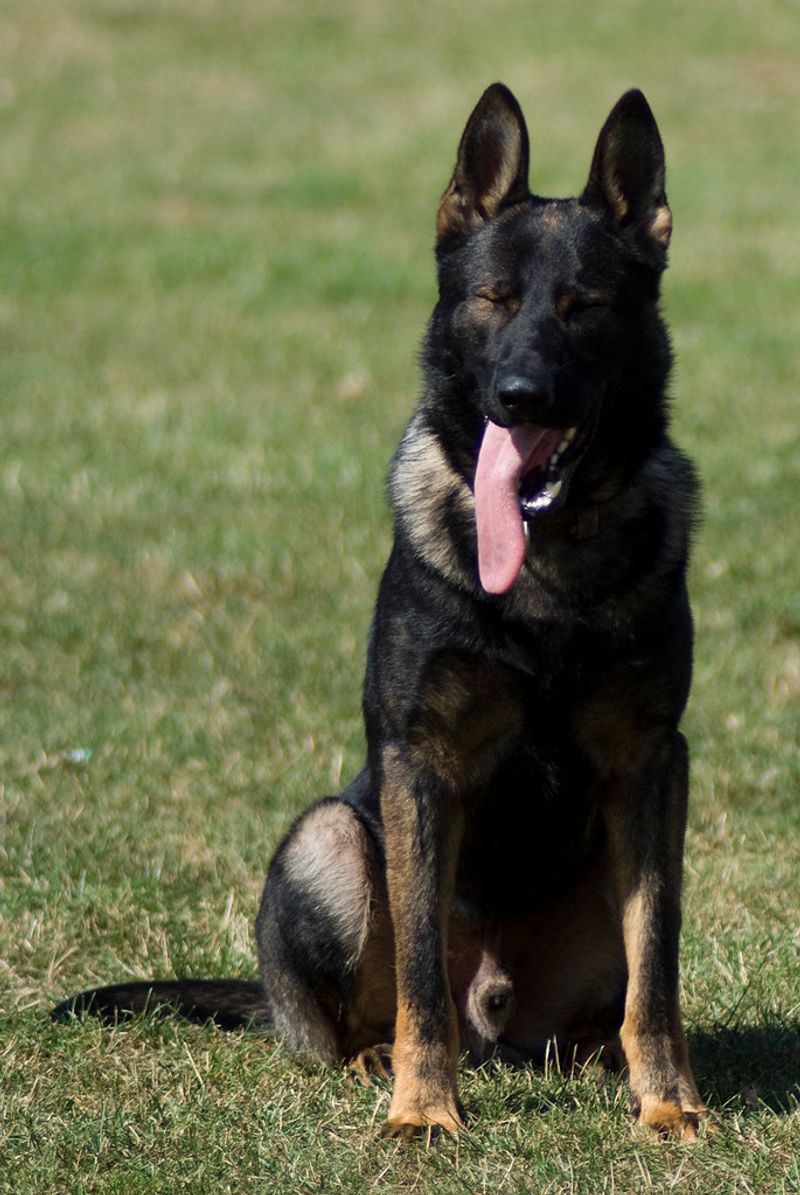
German Shepherds show high trainability, yet fear-based reactivity can appear without careful social foundation. Bite data can overrepresent the breed where they are common working and family dogs.
Parsing incidents by training, sourcing, and duties offers better insight than raw totals alone.
Focus on confident neutrality around people, dogs, noises, and surfaces. Teach impulse control with games, build resilience with gradual exposures, and fulfill their need to use nose and brain.
Clear objectives, calm handling, and daily enrichment turn drive into cooperation rather than tension.
Ask about hip, elbow, and temperament testing when selecting a breeder. If adopting, request behavior notes, commit to structured decompression, and partner with a trainer who balances motivation with well-timed management.
Cane Corso
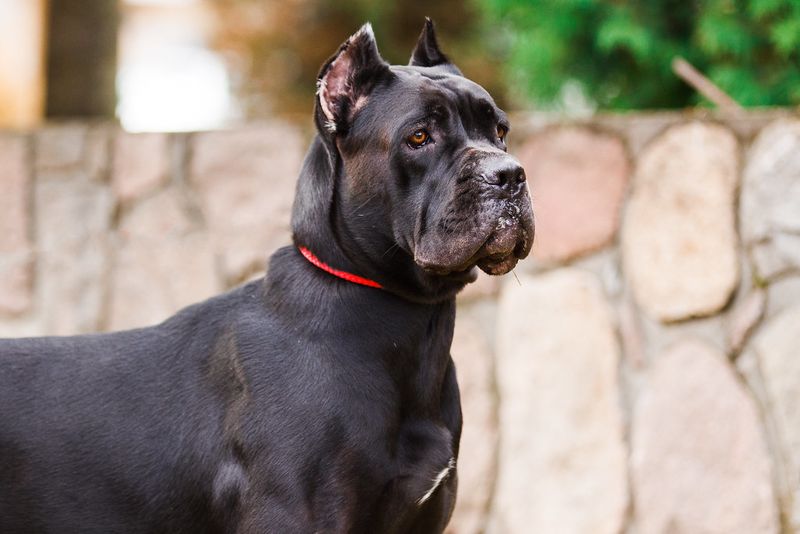
Cane Corsos are large guardians bred for discernment, which can be misread as blanket aggression. Statistics rarely separate poorly socialized dogs from stable, trained adults living with boundaries.
When you control for handling, exposure history, and breeder selection, risk pictures look very different.
Plan for proactive training, not reactive fixes. Practice place work, muzzle conditioning, and visitor protocols while the dog is young and impressionable.
Give jobs like scent games and structured walks, keeping arousal low so choices stay thoughtful rather than impulsive.
Research legal requirements and insurance early. Choose mentorship through reputable clubs, verify health and temperament testing, and create a management plan that includes gates, secure fencing, and predictable routines for daily life.
Doberman Pinscher
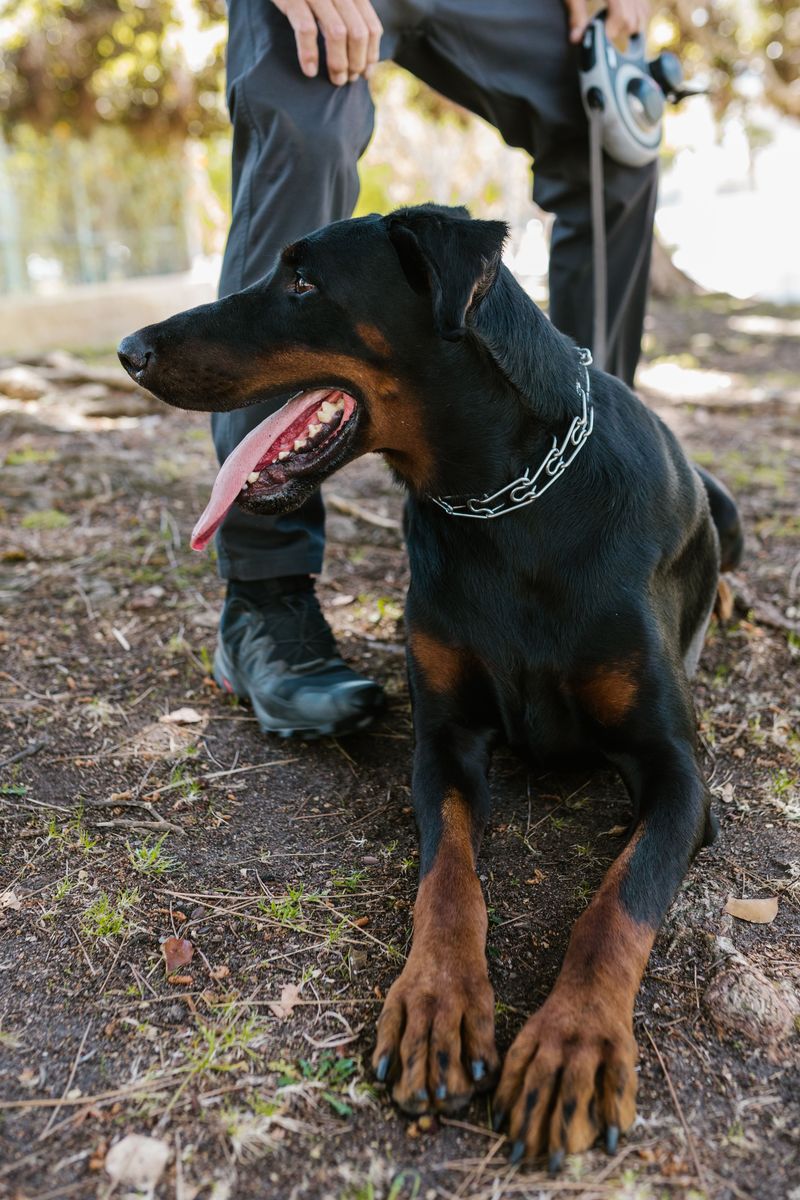
Dobermans often headline debates because vigilance can look intense without a training outlet. Breed risk is complicated by regional popularity and the tasks these dogs perform.
Data that accounts for supervision, confinement, and early social history tells a more grounded story.
Teach your Doberman to default to calm behaviors under novelty. Reinforce check-ins, neutral greetings, and quiet settling on a mat.
Mental work like tracking, obedience games, and trick training helps turn sharp attention into useful focus rather than anxious scanning.
Verify cardiac testing and stable temperaments from ethical sources. Keep routines consistent, use rewards generously, and include off-switch training so your Doberman can relax confidently at home and in public.
Belgian Malinois
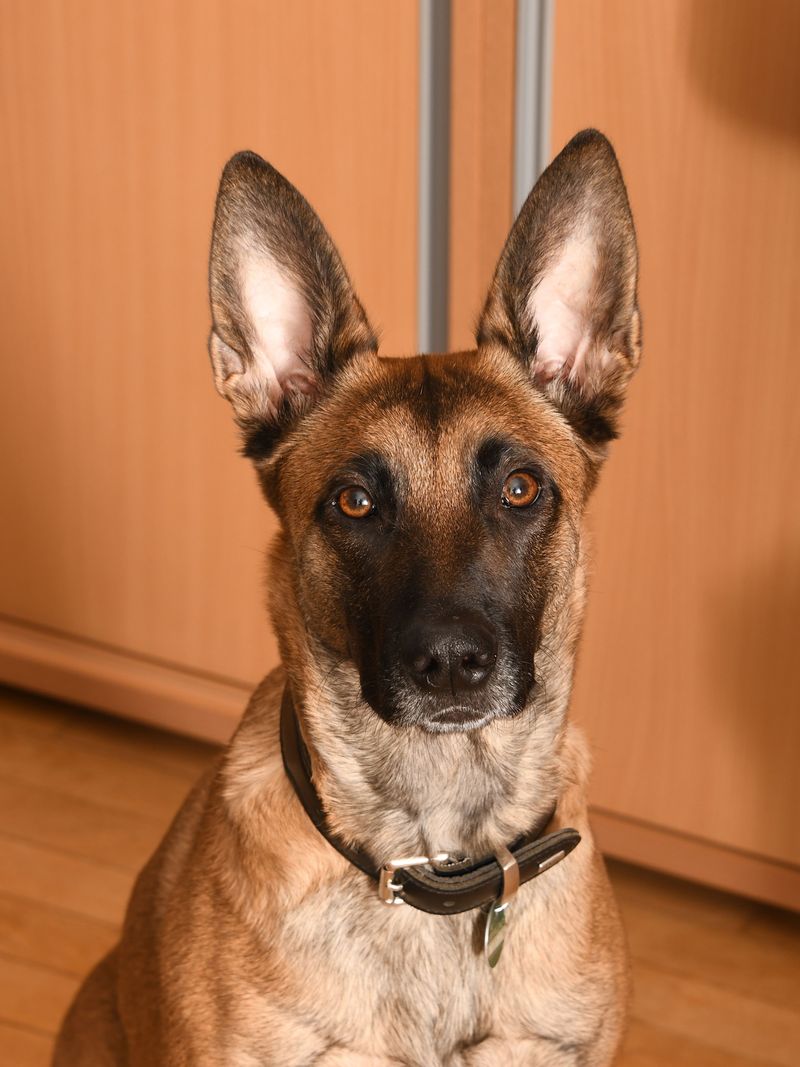
Belgian Malinois excel at work but can overwhelm casual households. Incident numbers may conflate under-stimulated pets with carefully handled sport or duty dogs.
Population-adjusted views plus context about enrichment, training, and secure containment reveal the real variables behind many stories.
Plan daily brain work, not just fast fetch. Use scent puzzles, obedience games, and structured tug with clear rules.
Reward calm recovery between reps so arousal cycles down, because rest is a skill that protects judgment and safety for everyone.
Source from programs that prioritize nerves, stability, and off-switches. If you are new, partner with experienced trainers, control rehearsals of chaotic behavior, and design your space so success is easy and risky choices are hard.
Akita
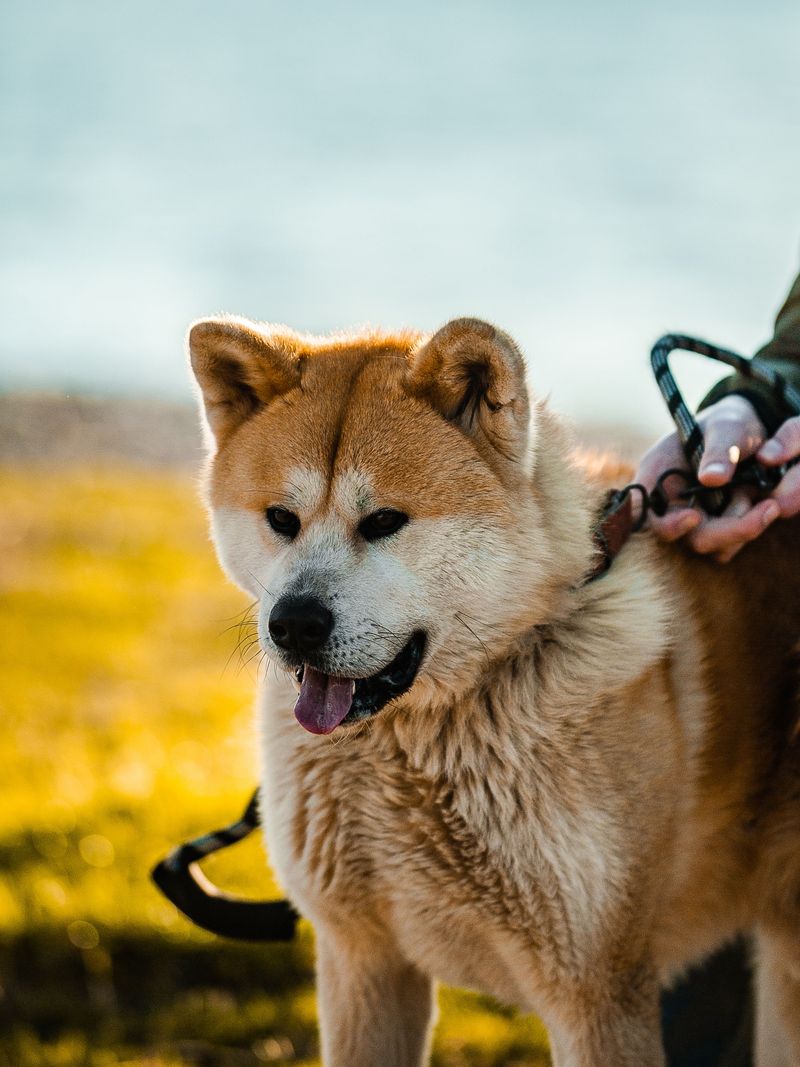
Akitas are independent, sometimes intolerant of rude interactions, which skews perceptions. Reports often miss precursors like stiffening, resource guarding context, or forced greetings.
When incidents are coded with body language and trigger history, patterns point to preventable friction, not mysterious volatility.
Respect space and teach calm coexistence instead of insisting on busy social lives. Practice consent-based handling, reliable recalls, and peaceful parallel walks.
Use rewards for neutrality near dogs and strangers, and manage resources thoughtfully to avoid avoidable flashpoints in tight homes.
Choose breeders who value stable temperaments and transparent health results. If adopting, plan slow introductions, clear routines, and predictable choices that let your Akita feel safe while learning flexible, polite behaviors with you.
Chow Chow
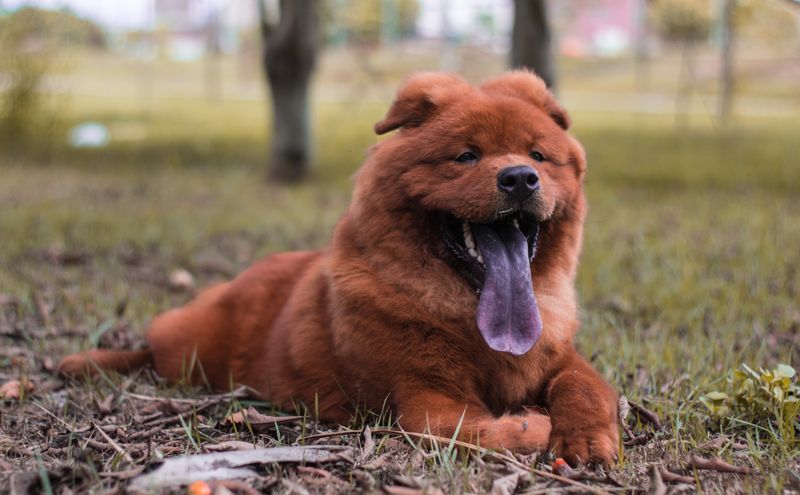
Chow Chows can be reserved and body sensitive, which can read as grumpy if boundaries are ignored. Bite summaries often omit forced petting, grooming discomfort, or cornering in small spaces.
Data that includes context and early handling quality reframes many supposed temperament myths.
Teach cooperative care early using gradual exposure and rich reinforcement. Practice muzzle training, brushing acceptance, and calm positioning so routine care feels safe.
Reward polite stillness and choice-based participation, because confidence in handling prevents the panicked reactions people mislabel as stubbornness.
Vet your breeder or rescue for honest behavior notes. Set clear household rules, protect rest time, and coach visitors so your Chow can observe, decompress, and approach when comfortable.
Siberian Husky
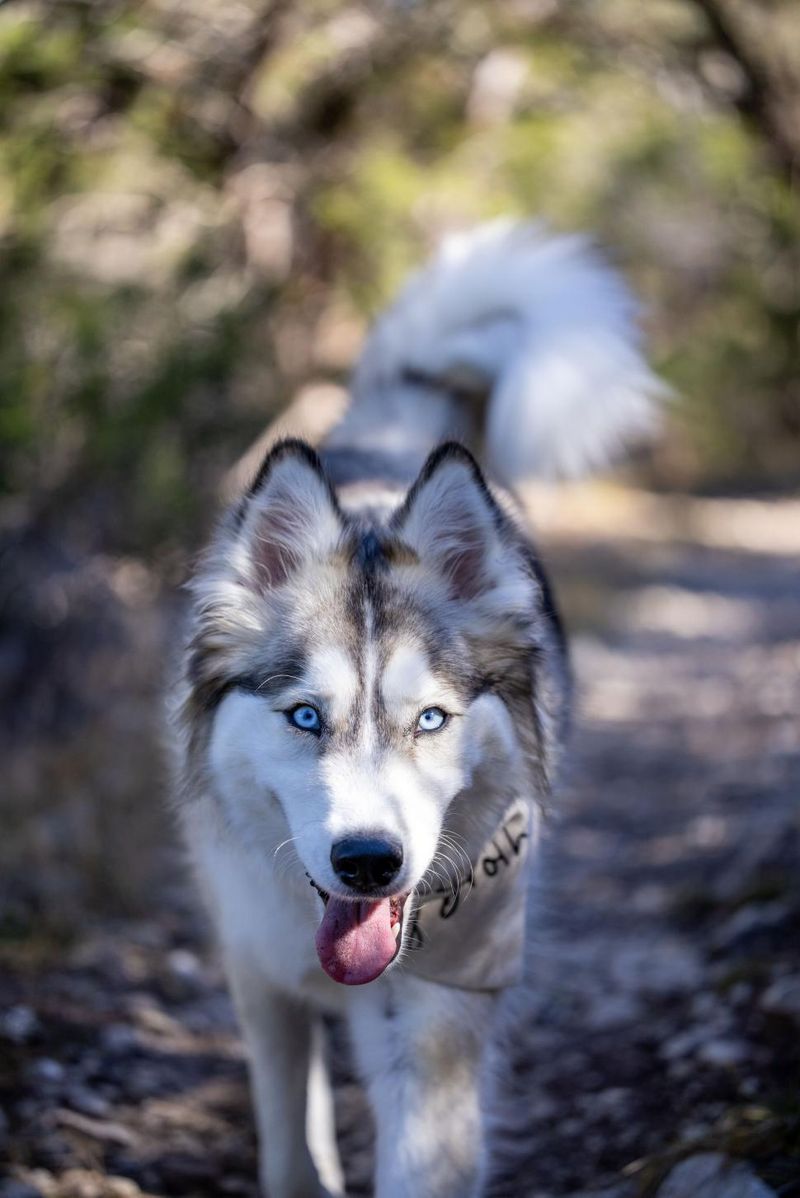
Huskies rack up escape stories more than aggression headlines, which still impacts community perception. Data that lumps property damage with bites can inflate risk images unfairly.
Adjusting for roaming tendencies, containment quality, and activity level changes what the numbers actually mean.
Channel endurance into safe outlets. Use long-line hikes, canicross, or bikejor practice with proper gear, and reinforce recalls under distraction carefully.
Mental enrichment like scent games and puzzle feeders reduces frustration that can push door darting and boundary testing.
Double secure fences and leashes. Teach calm settling after exercise, rotate boredom busters, and maintain ID microchips so adventures do not turn into emergencies for you or your neighbors.
Dogo Argentino
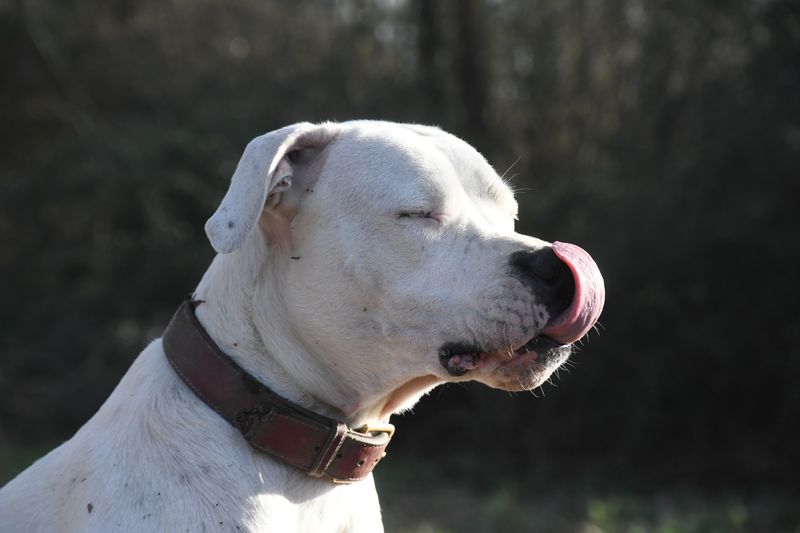
Dogo Argentinos are athletic hunters whose drive can be misread without context. Incident reports rarely detail prey triggers, unsupervised outdoor time, or missing recall training.
When adjusted for management quality and workload, risk patterns look less like mystery and more like predictable variables.
Prioritize impulse control and reliable obedience around motion. Use long lines, proof recalls, and build rock-solid leave-its under real distractions.
Satisfy the body and brain with tracking, nosework, and structured tug while teaching a practiced off switch at home.
Confirm stable temperaments, hearing checks, and ethical breeding. Plan secure fencing, thoughtful introductions, and calm household rules so your Dogo channels intensity into partnership rather than risky improvisation.
American Bully
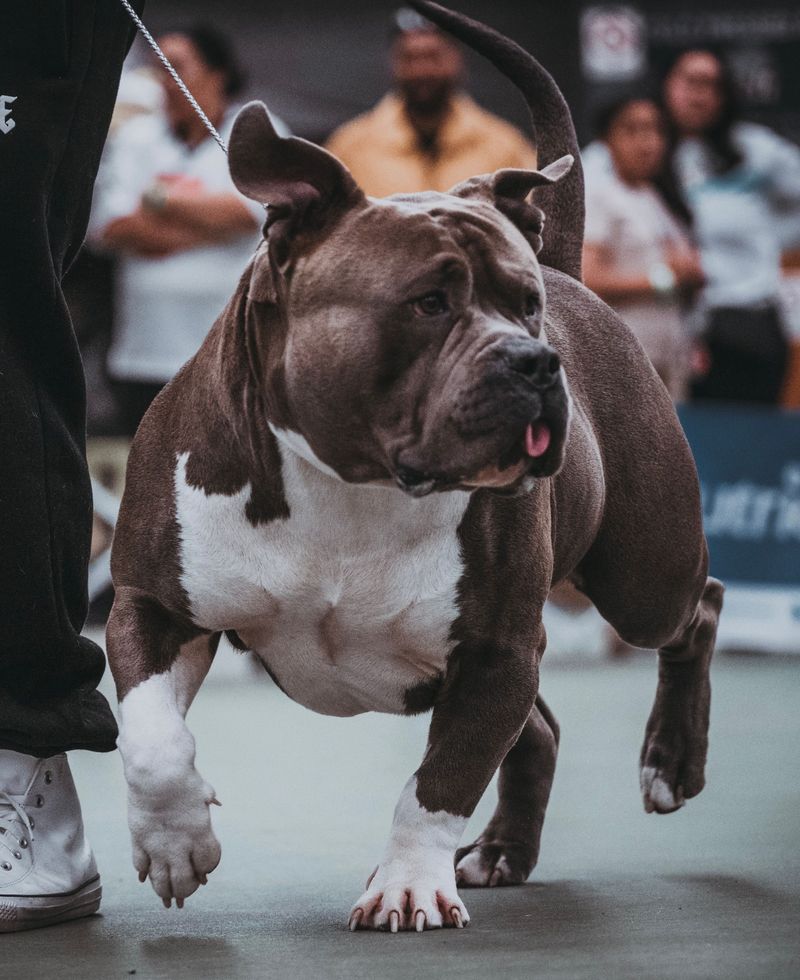
American Bullies vary widely by type, which makes broad claims unreliable. Studies often mix them with Pit-type categories, blurring data and inflating assumptions.
Responsible sources breed for stable, people-friendly temperaments, while poor selection and management create the outliers that skew public debate.
Focus on manners, not just muscle. Teach loose leash walking, greeting routines, and calm settling around visitors.
Reward impulse control and cooperative handling so big feelings do not topple boundaries, and keep enrichment steady to prevent boredom from becoming pushy behavior.
Verify health testing and temperament goals with your breeder or rescue. Keep routines predictable, supervise kid interactions, and lean on rewards-based coaching so your Bully thrives as a confident, polite neighbor.
Staffordshire Bull Terrier
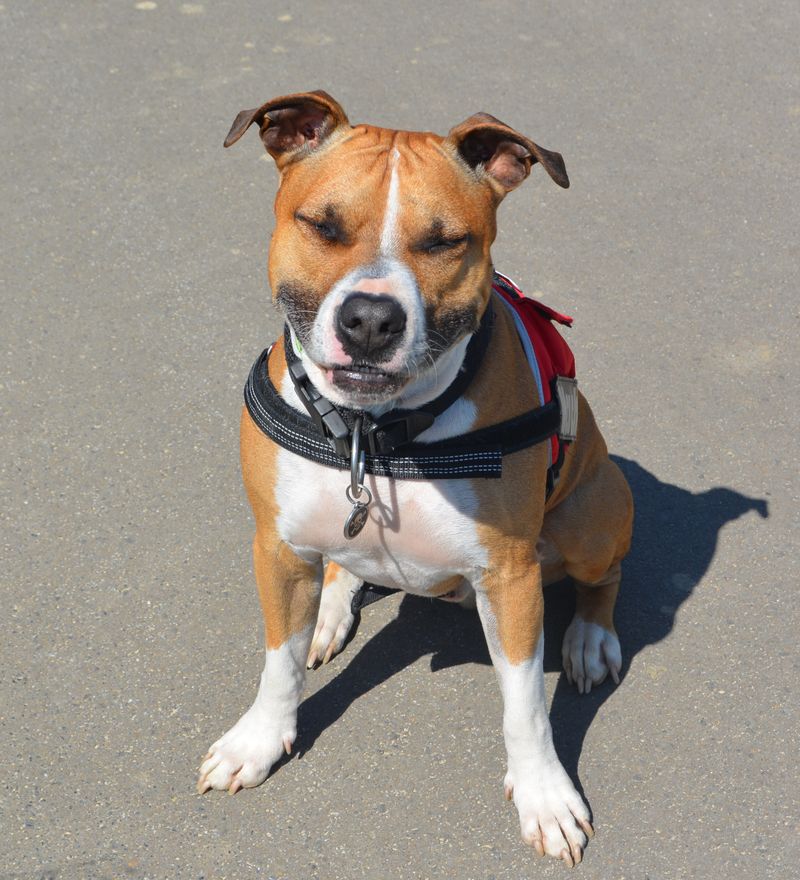
Staffordshire Bull Terriers are affectionate and energetic, yet lumped into Pit-type statistics that blur nuance. Population-heavy regions and mislabeling can distort risk pictures.
Looking at structured studies and shelter records with accurate IDs shows management and social history drive most outcomes.
Teach arousal control before excitement runs hot. Short training bursts, tug with rules, and calm crating prevent over-the-top greetings.
Reinforce stillness for petting and polite leash walking so your Staffy learns to think first and muscle second.
Choose health-tested, temperament-sound lines or transparent rescues. Plan decompression after adoption, supervise kid play carefully, and give daily outlets that leave your dog satisfied, responsive, and proud to be your sturdy shadow.
Presa Canario
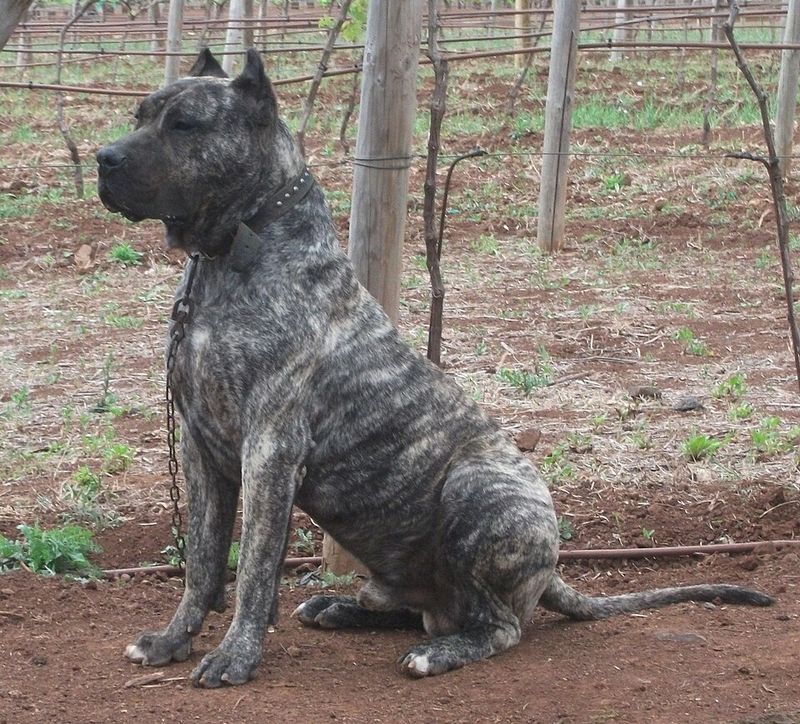
Presa Canarios are imposing guardians, so management and selection are non negotiable. Reports often skip details about prior warnings, fence failures, or resource conflicts.
When data controls for supervision and breeder priorities, patterns highlight human factors far more than breed destiny.
Invest early in neutrality and clear boundaries. Train solid recalls, doorway control, and relaxed stationing during guest visits.
Reward thoughtful choices, practice muzzle conditioning, and keep arousal low with structured exercise that promotes clarity over chaos.
Work with breeders and trainers who value stable nerves and transparent proof. Build layered safety with gates, leashes, and routines, and you will keep your Presa predictable, cooperative, and respected in your community.