
Ever met a dog that acts like a total zen master on walks, then quietly claims the couch the second you get home. You are not imagining it.
Some breeds keep their cool in public yet become surprisingly possessive in private spaces, and a few others have habits you would never expect. Let us explore what is really going on and how you can guide it gracefully.
Labrador Retriever
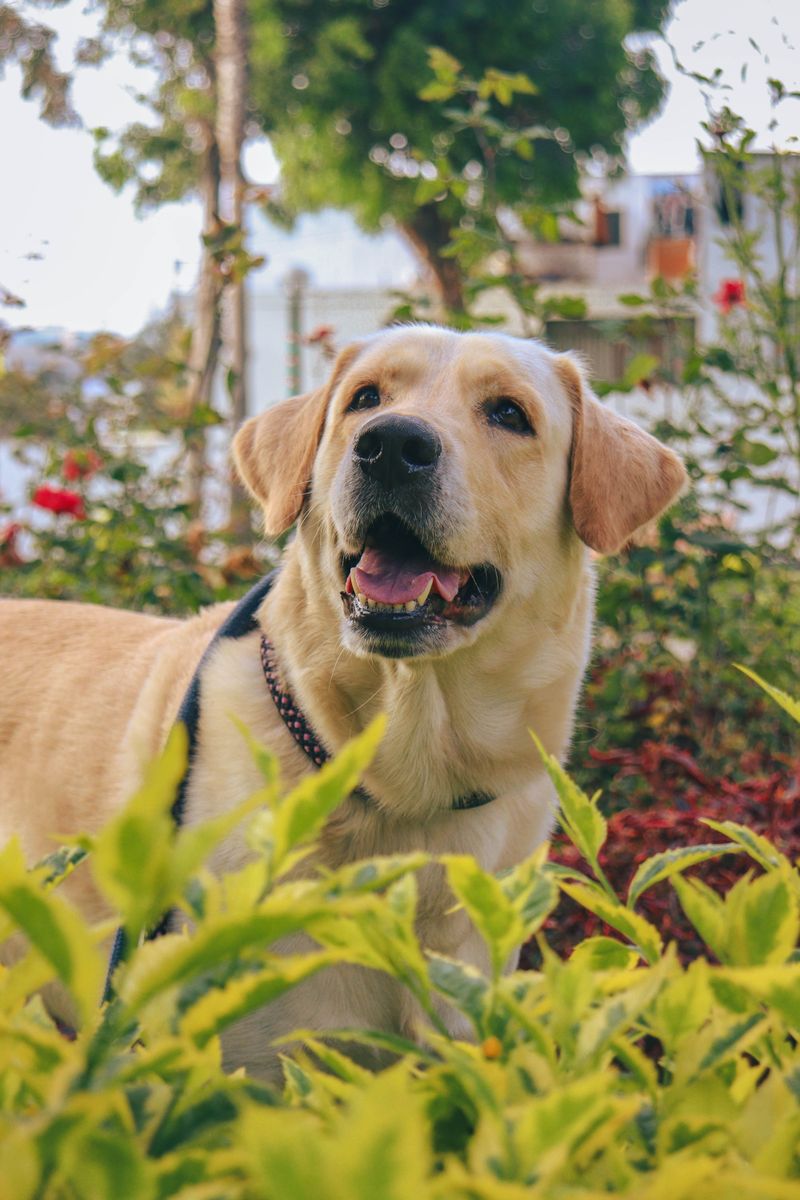
Out in the world, the Labrador looks like the definition of steady. Friendly with strangers, patient with kids, and relaxed on busy sidewalks, this breed reads the room and rarely overreacts.
At home, though, that same calm can turn into quiet resource guarding if routines slip. A favorite bed, toy, or sunny window can become a claimed zone.
Set clear boundaries kindly, and you will see the softness return. Teach drop it and place so the dog learns that giving up space brings better rewards.
Invite friends over for brief sessions to practice manners around prized items. You are not scolding, you are coaching.
Consistency keeps the Labrador balanced, affectionate, and wonderfully easy to live with.
Golden Retriever
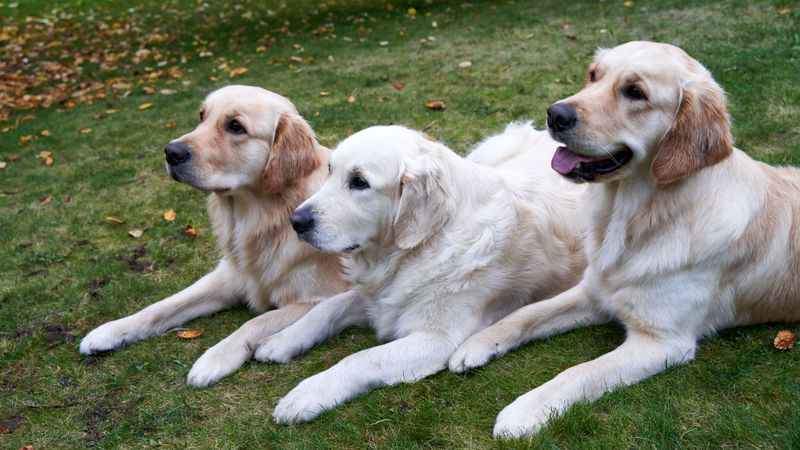
In public, the Golden is the smiling diplomat of dogs. Tail loose, eyes soft, and body language relaxed, this breed breezes through parks and patios without a fuss.
Back home, that sunny temperament can harden around treasured people or objects. A lap, a favorite chew, or your spot on the couch may suddenly matter more than manners.
Preempt it with place training and calm hand targets, then reward sharing. Rotate chews and beds so nothing becomes sacred.
Ask family to greet the dog only when all four paws are on the floor. If jealousy flares, redirect to a task, not a scold.
With steady structure, the Golden remembers its easygoing roots and relaxes again nicely.
Greyhound
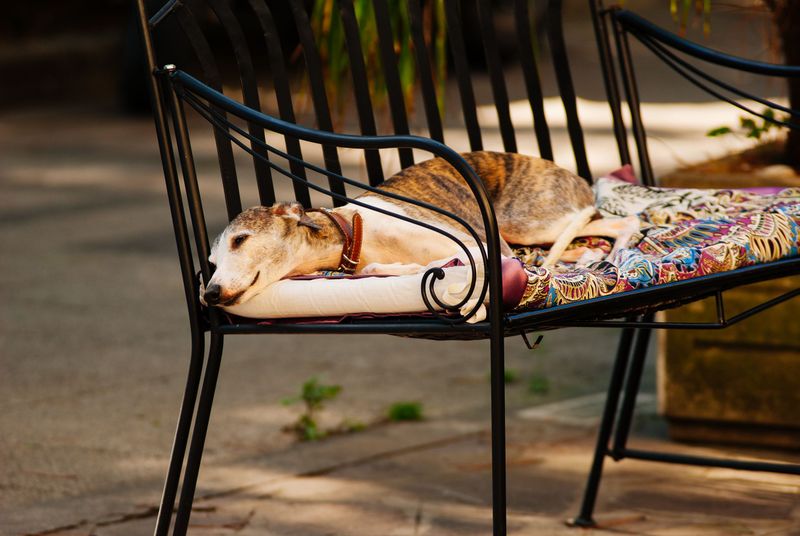
In crowds, the Greyhound glides like a polite shadow. Unflappable, quiet, and surprisingly gentle with attention, this sprinter saves energy for later.
At home, that serenity can become possessive of soft spaces and chosen humans. Many Greyhounds discover a couch and treat it like a throne, giving side eye when someone scoots too close or grabs the blanket.
Solve it with clear off cues and plentiful comfy alternatives. Lure from the couch, reward on a designated bed, then release back sometimes so the rule feels fair.
Invite visitors to toss treats to build sharing vibes. You can also add gentle muzzled meetups to practice impulse control.
Consistency turns that royal attitude into relaxed, gracious house manners.
Cavalier King Charles Spaniel
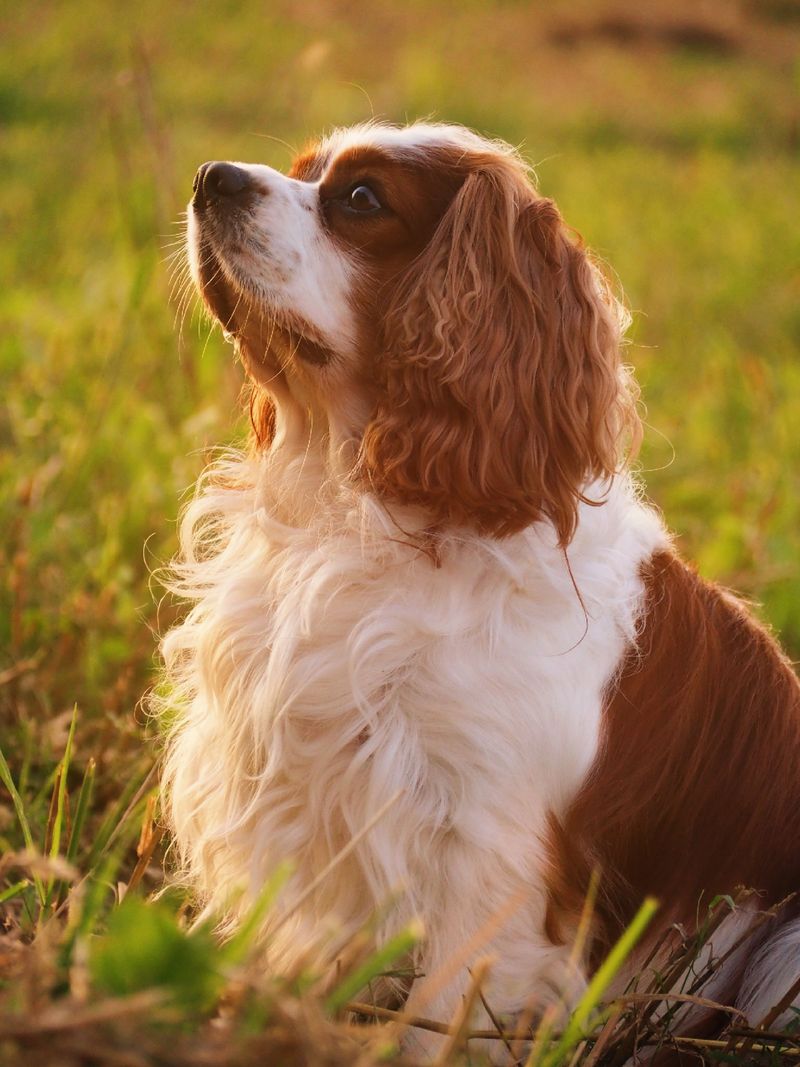
Out and about, Cavaliers float through social moments with feathered ease. They greet kindly, linger politely, and keep tempers cool even in noisy spaces.
Back home, deep attachment can bubble into possessiveness of laps and favorite people. You might notice subtle blocking of other pets or a tiny grumble when someone reaches for the warm pillow the Cavalier claimed.
Teach a go say hi cue so the dog shares affection freely. Sprinkle small treats whenever another pet approaches your chair, creating a happy association.
Practice gentle hand targeting to move your pup without conflict. I like to keep a soft mat nearby and pay generously for settling there.
Soon the Cavalier learns that sharing you leads to more love.
Shih Tzu
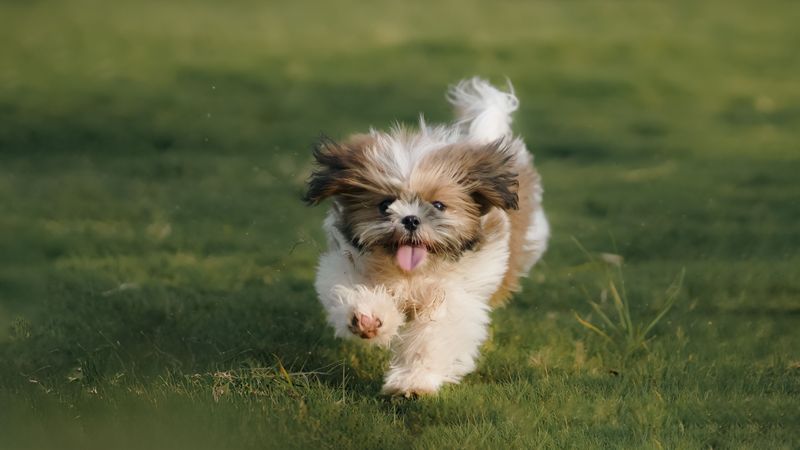
In public, the Shih Tzu often behaves like a tiny diplomat. Calm, composed, and curiously observing, they flow through stores and sidewalks without drama.
At home, however, cherished pillows, grooming time, and special people can trigger sticky possessive moments. A side hop, a still stare, or a quiet grumble may appear when someone approaches something the dog considers important.
Guard against it with predictable routines and trade games. Offer a treat for a brush touch, then gradually lengthen sessions while rewarding calm.
Teach leave it and place so your pup earns great things by cooperating. Invite friends to practice swapping toys for snacks.
With patience, the Shih Tzu keeps that charming public poise and carries it confidently into the living room.
Great Dane
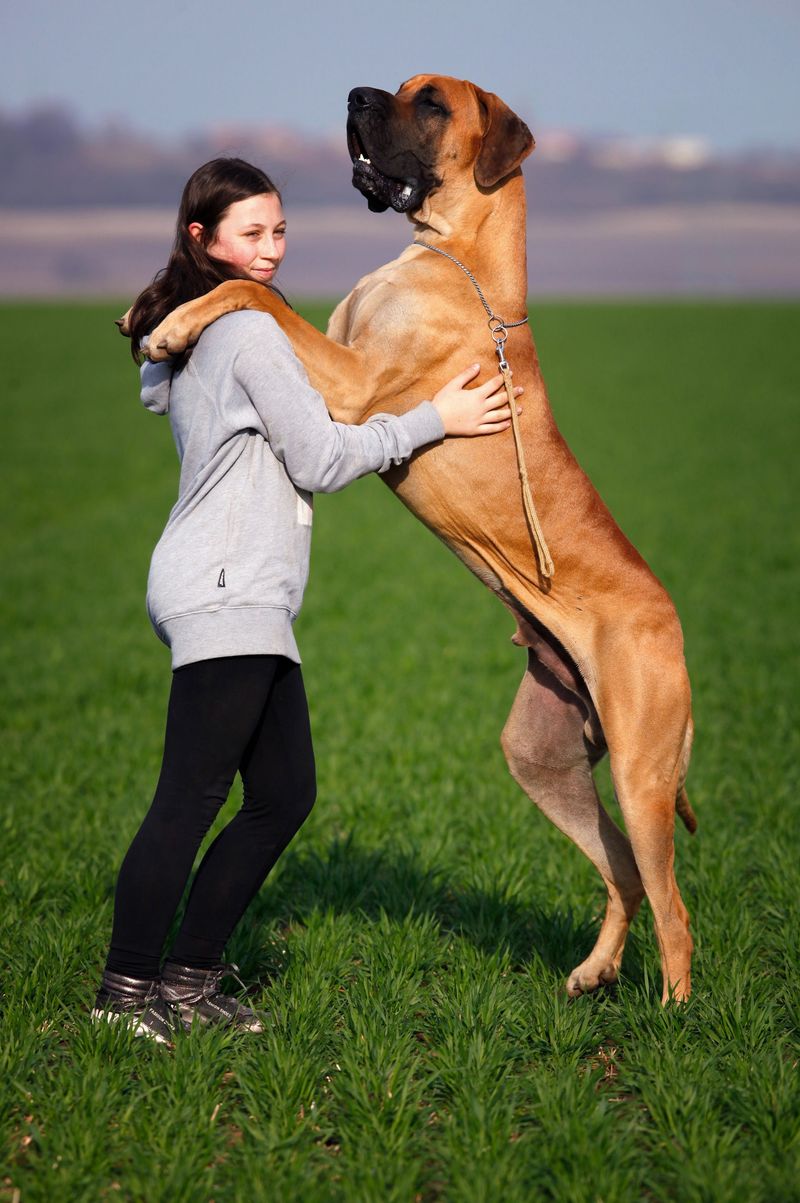
In public, the Great Dane is a gentle billboard for calm. Strangers stare, and the dog simply breathes, tall and polite.
At home, that composed exterior can mask a possessive streak around beds, doorways, and especially favorite humans. Sometimes the dog parks its big body as a blockade, claiming space with quiet confidence that can crowd guests or housemates.
Teach move through cues and reinforce stepping aside. Pay generously for yielding at doors and hallways, then cue a mat to anchor relaxation.
Visitors can toss treats behind the Dane to create easy flow. You want a habit, not a battle.
With repetition, the giant learns that sharing space gets paid, and the household breathes easier together.
Basset Hound

Bassets stroll through public scenes like unbothered philosophers. The long ears sway, the nose works, and the temperament stays wonderfully even.
At home, that tranquility can turn protective around food bowls, sleeping nooks, and well sniffed toys. Bassets are subtle, but the message is clear when they freeze, hunker near a prize, or angle their body to block approach.
Pre-feed training walks, scatter feed, and teach a cheerful trade. Hand deliver meals sometimes to build trust around resources.
Add find it games so value appears all over the house, not just in guarded spots. If concern shows, redirect with a nose target.
With patient patterns, the Basset keeps that public cool while sharing the comforts of home.
Bernese Mountain Dog
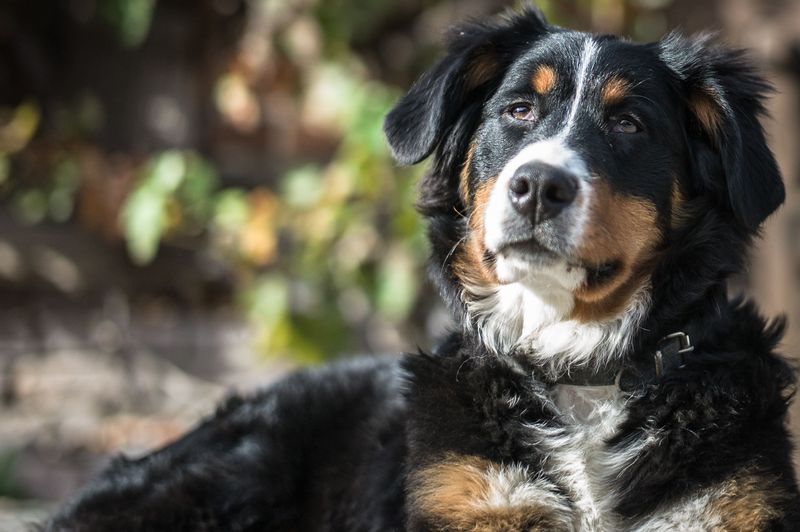
In public, the Bernese is a chilled, smiling presence. Big body, softer heart, and plenty of patience knit together into a crowd friendly package.
At home, though, loyalty can narrow into possessive guarding of people and prime resting spots. You might see a careful lean or quiet hover when another pet approaches the person or pillow the Bernese treasures.
Balance it with structured greetings and valuable chews delivered away from laps. Mark and reward when your dog chooses to share space or disengage.
Invite helpers to approach, pause, and toss a treat behind the dog, building a pattern of yielding. You get calm, confident decisions.
Soon the Bernese relaxes again, remembering that generosity brings affection and access to everything.
Newfoundland
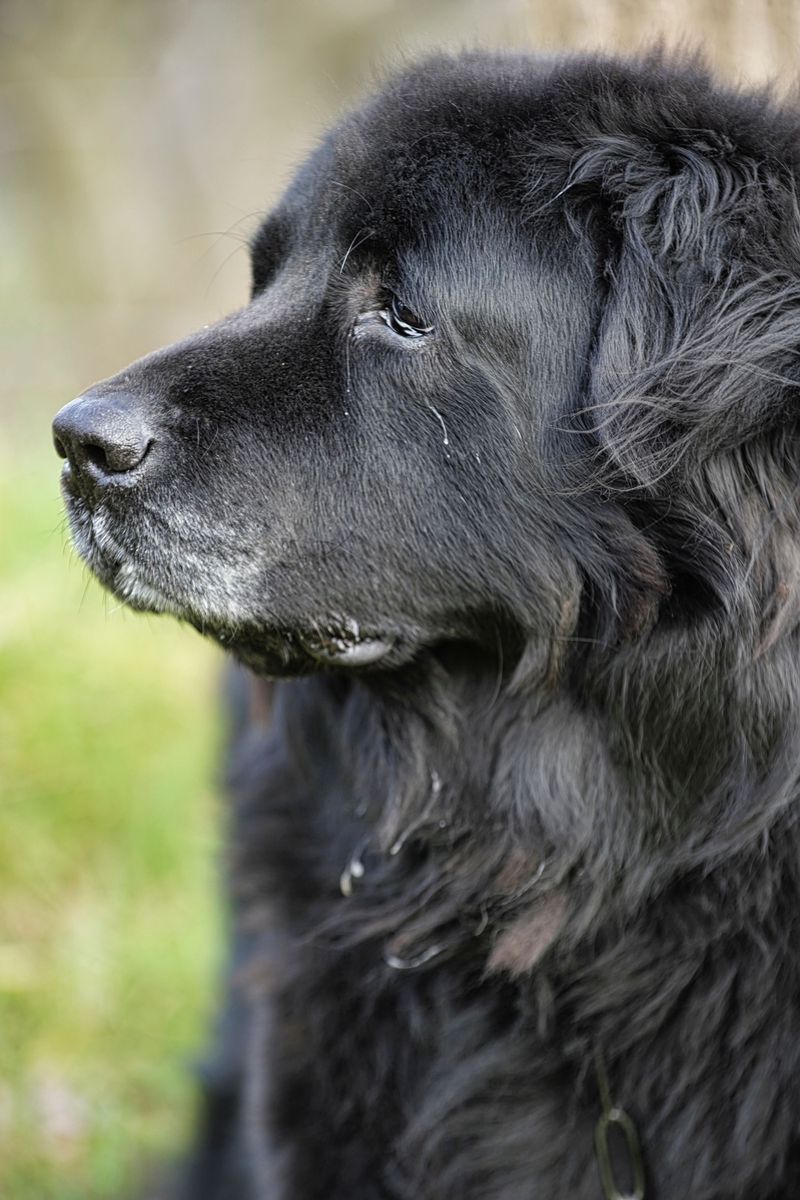
The Newfoundland circulates in public like a floating hug. Steady eyes, measured steps, and a sweet demeanor calm onlookers instantly.
At home, that gentle soul can still stake claims to cool floors, water bowls, and close proximity to loved ones. Sometimes the dog plants a paw near your feet or leans heavily, subtly telling others this space is ours.
Prevent friction by teaching settle on a mat and rewarding visitors for tossing snacks past the dog. Provide several water stations to reduce defensiveness.
Cue gentle turn so this giant practices yielding. You can also use short, happy training bursts before guests arrive.
With thoughtful management, the Newfoundland shares resources gracefully and keeps that famously calm vibe intact.
Whippet
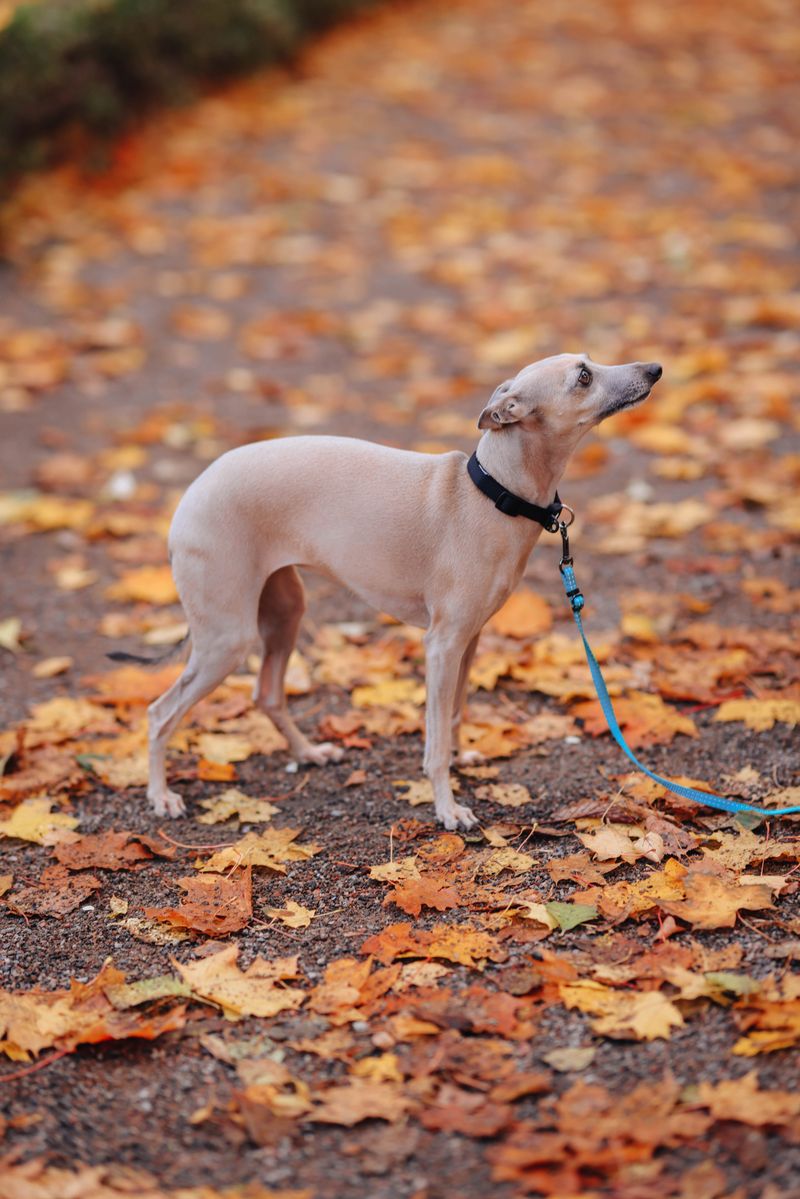
Public outings with a Whippet feel smooth and elegant. Light on the leash, tuned to you, and seldom noisy, they flow around distractions.
Back home, a Whippet may get particular about blankets, sunbeams, and prime cuddle positions. The look says it all when another pet tries to slide in, and you see a freeze or little chin hover near treasures.
Make sharing easy with warm beds in multiple spots and a predictable routine. Reinforce off with treats on a designated mat.
Ask visitors to reward relaxed body language before approaching closely. You can also practice trading toy for toy to normalize exchange.
With gentle structure, the Whippet keeps the public grace while learning that home comforts are plentiful.
Standard Poodle
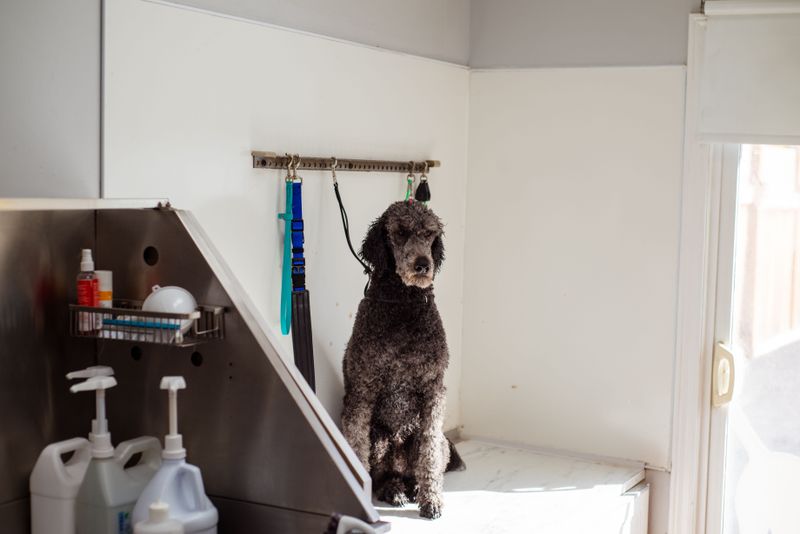
In public, the Standard Poodle reads environments like a seasoned pro. Alert yet composed, this thinker glides through cafes and crowds with smooth confidence.
At home, brains plus attachment can produce quiet possessiveness around puzzles, grooming tools, and people. You may spot strategic positioning or a watchful stillness when someone approaches what the Poodle has decided to manage.
Channel it into work by teaching chin rest, drop, and station. Pay for calm while you brush or clip, and practice cooperative care with clear releases.
Rotate toys so novelty spreads. When guests arrive, give the Poodle a job, like carrying a soft toy to a mat.
Purpose soothes pride, and sharing becomes just another trained behavior.
English Bulldog
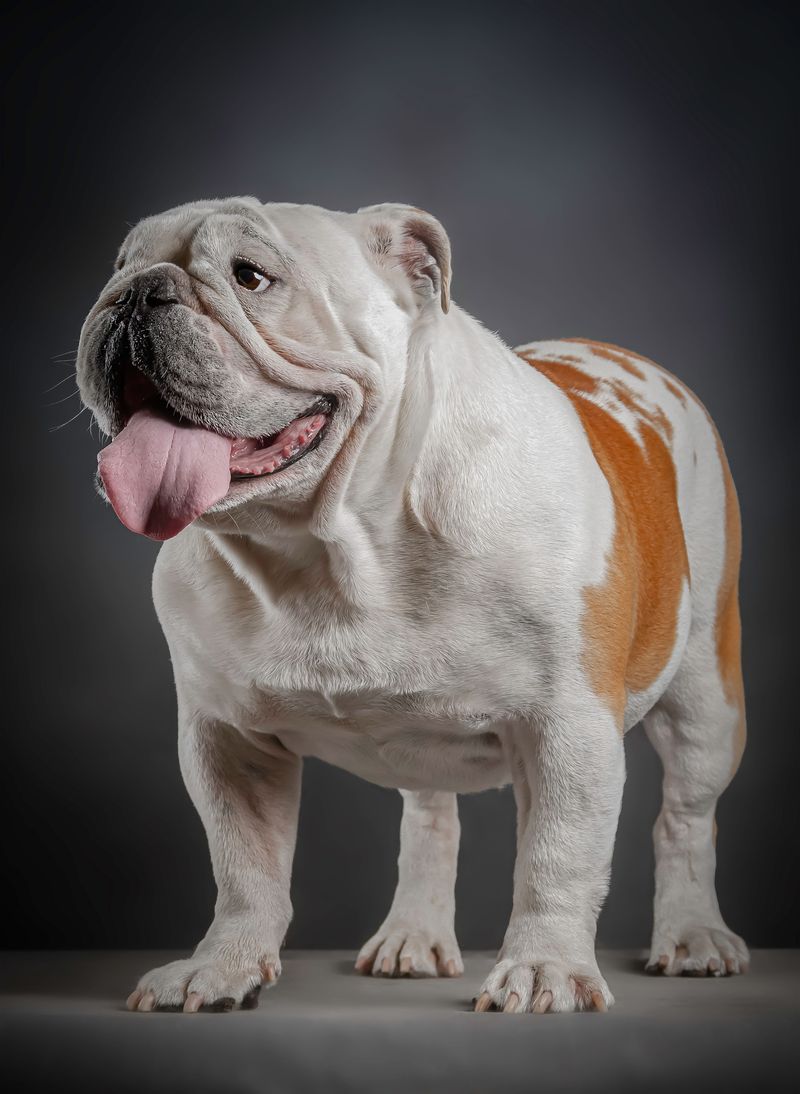
Bulldogs in public are slow, sturdy diplomats. They wobble through commotion with a calm face and a surprisingly patient attitude.
At home, that composure can tilt toward possessiveness of chew items, food, and preferred nap zones. You may see a still, square stance or hear a brief rumble when someone tests a boundary the Bulldog quietly set earlier.
Work with trades, slow feeders, and place training near action. Reward every relaxed glance when people pass by food or toys.
Keep sessions short and upbeat so breathing stays easy and learning sticks. You can set up controlled passes with friends to rehearse.
Over time, the Bulldog links sharing with comfort, and the home stays friendly and calm.
Saint Bernard
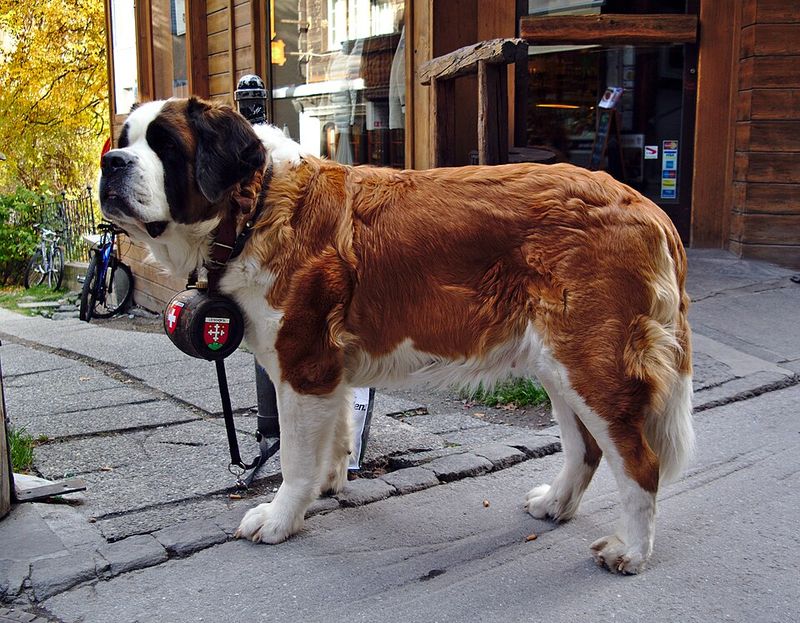
Saint Bernards handle public bustle with monk like patience. They stand broad and mellow, greeting admirers with slow blinks.
At home, their love of people can narrow into guarding of doorways, couches, and favorite humans. Sometimes you will notice a gentle block or heavy lean that keeps others back, almost like a velvet rope placed across the room.
Teach easy backup and reward sidestepping from thresholds. Cue a mat during arrivals, and pay for staying while guests pass comfortably.
Scatter small treats to guide traffic away from prized zones. You are shaping flow, not picking fights.
With steady practice, the Saint Bernard shares space generously, and the home regains that peaceful, welcoming feeling everyone adores.
Havanese
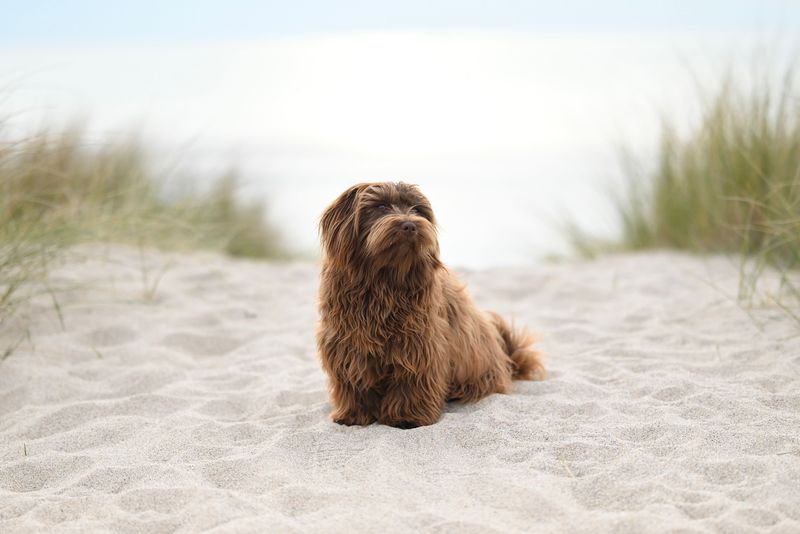
Havanese navigate public scenes like friendly confetti. They sparkle, settle, and gather fans without getting rattled.
At home, though, that charm can stick to particular cushions and beloved humans. A delicate shoulder lean, quick step between you and a guest, or protective hover near toys can appear, signaling that the Havanese would rather keep certain comforts all to themselves.
Make sharing a game with find it, trade, and settle. Place high value chews on a designated mat, not your lap.
Invite friends to reward calm approaches, then step away to reinforce disengagement. You will see the possessiveness soften into preferences.
Soon the Havanese keeps the sparkle while learning that the best rewards come from generosity.
Australian Cattle Dog
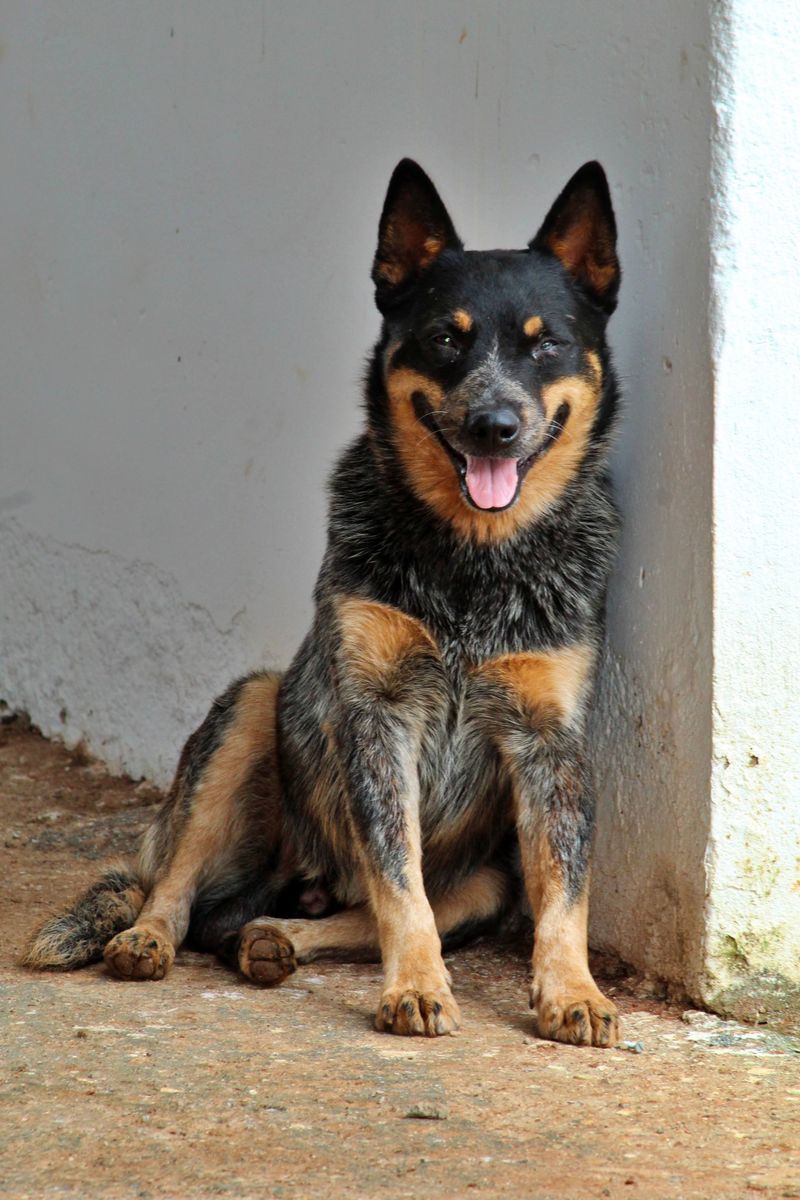
You expect nonstop motion, yet the Australian Cattle Dog can be startlingly still inside. After heavy brain work, this athlete powers down fast, parking neatly in corners and watching like security staff.
The unexpected twist is a tidy streak and item control. Some collect toys into piles, escort family between rooms, or nudge shoes into pairs as if managing inventory.
Lean in by teaching cleanup games and structured help cues. Mark and reward when your dog gathers objects to a basket.
Then channel that intensity into scent puzzles or trick training outside. You will get a relaxed roommate indoors and a powerhouse on cues outdoors.
Balance makes the breed shine, surprising visitors who expected chaos but found precision.
Basenji
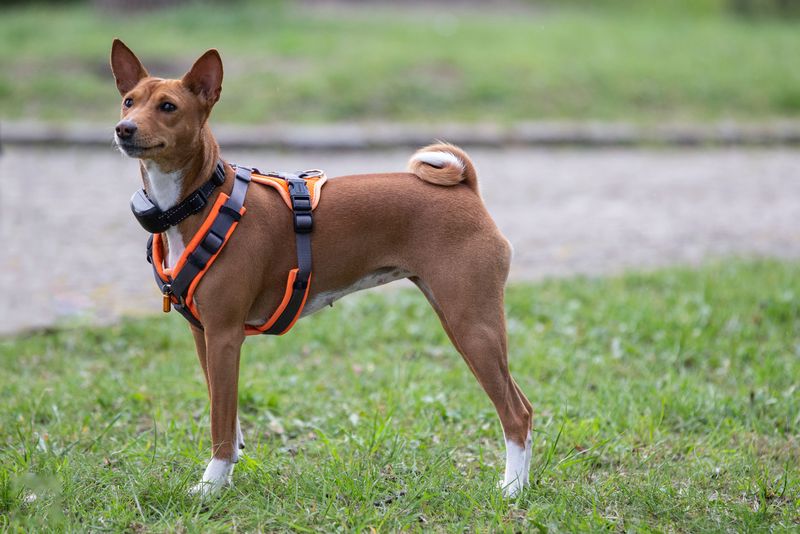
The Basenji carries an unexpected quiet, not because it is silent, but because it does not bark. Instead, this elegant dog yodels, chirps, and hums like a tiny vocalist.
Another surprise is the catlike grooming ritual. Many Basenjis meticulously clean paws and legs after walks, then perch on backrests to survey rooms, giving your home a curious studio vibe.
Channel the voice with cue words for speak and quiet, then pay generously for both. Offer lick mats and chew options to satisfy oral needs.
Keep warm perches near windows so surveying becomes a rewarded routine. You will laugh at the musical commentary and appreciate the tidiness.
The Basenji feels understood, and harmony replaces frustration in daily life.
Shiba Inu
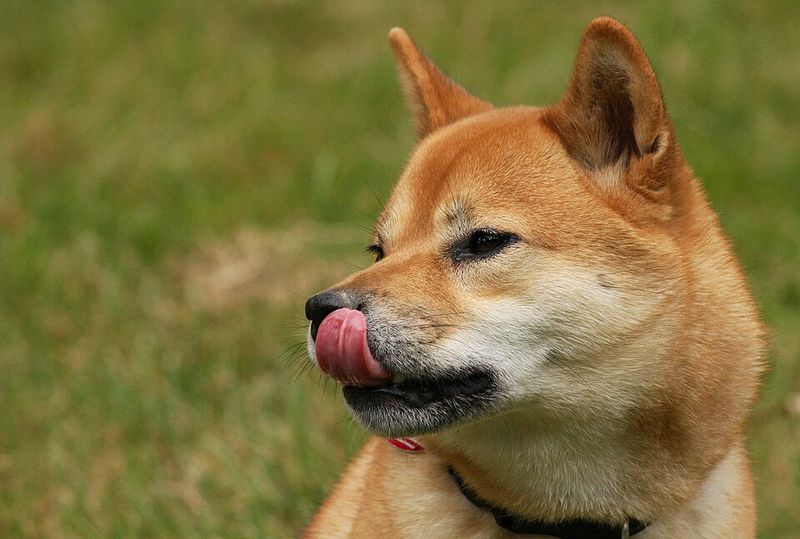
Shiba Inu charm comes with a surprising formality. Many keep personal space like dignified roommates, greeting when ready and drifting away to decompress.
The curveball is the dramatic voice. When restrained unexpectedly or bathed without a plan, a Shiba may release a theatrical scream that sounds wild, then resume poise minutes later, as if nothing unusual just happened.
Set routines for grooming and teach cooperative care step by step. Reward harnessing and paw handling long before outings.
Provide quiet dens so the dog chooses closeness rather than being chased for it. You earn trust through predictability.
Soon the Shiba participates proudly, and the household enjoys both the independence and the moments of bright, voluntary affection.
Siberian Husky
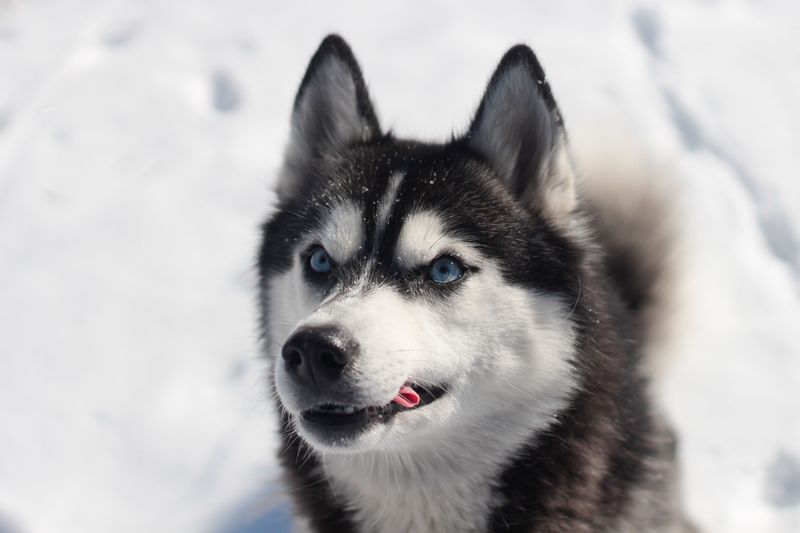
Huskies surprise newcomers by being chatty and expressive rather than barky. They woo woo, sing along with sirens, and monologue at feeding time.
Another twist is the energy contrast. After a strong run or pull, many Huskies turn into delightful couch ornaments, stretching long and sighing theatrically, convincing you they are part snow cloud while the house settles around them.
Give a job before rest, like canicross, carting, or backpack hikes. Then cue relax on a mat and reinforce the downshift.
Offer puzzle feeders so the voice turns into problem solving. You will hear opinions, but also see cooperation grow.
With needs met, the Husky becomes a charming roommate, equal parts comedian, athlete, and professional napper.
Beagle
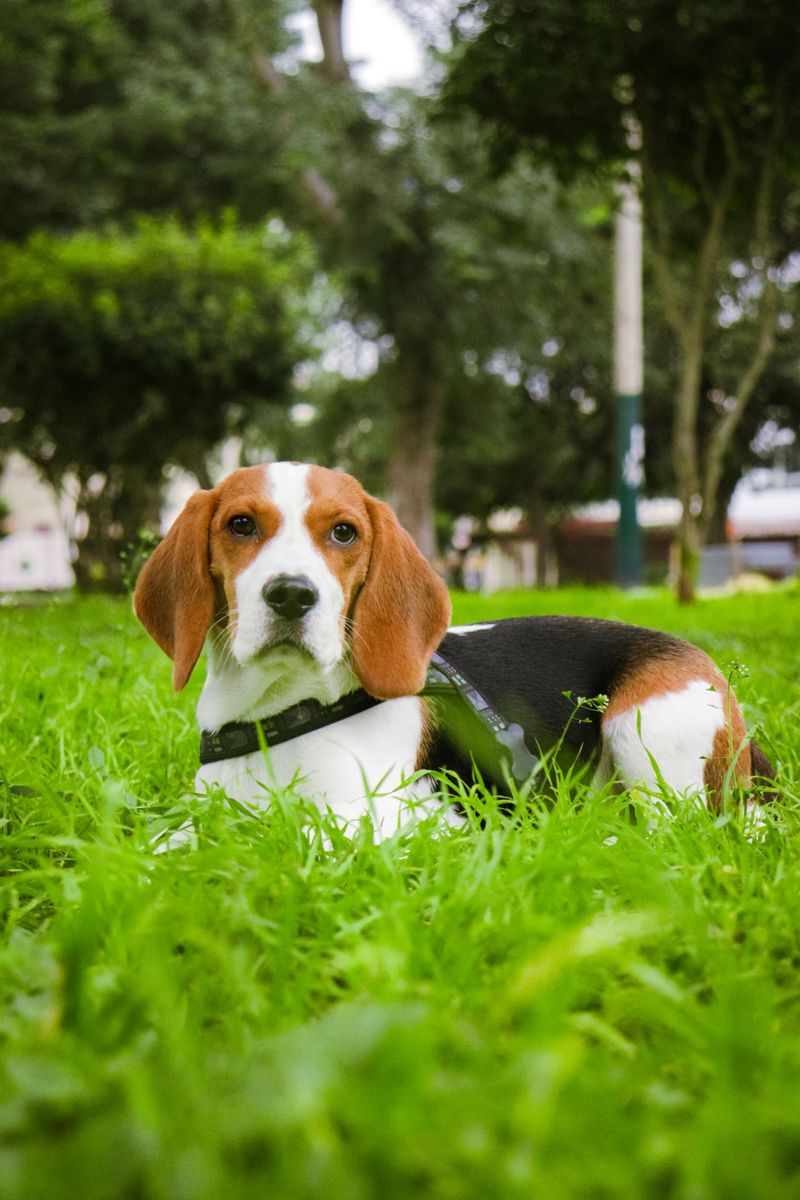
Beagles carry music in their chests. The bay rolls out on a scent line like a parade announcement, cheerful and persistent.
At home, an unexpected habit shows up at bedtime. Many Beagles nose under blankets, curl against legs, and vanish like cozy submarines, preferring the warm, muffled cocoon while the rest of the world hums quietly beyond the sheets.
Give permission with a blanket cue and a comfy crate option. Reinforce check ins during sniffy walks so the nose has polite boundaries.
Offer chew breaks after tracking games to wind down smoothly. You get joyful music outside and hush indoors.
The Beagle thrives when scent, comfort, and clear signals line up into a friendly everyday rhythm.