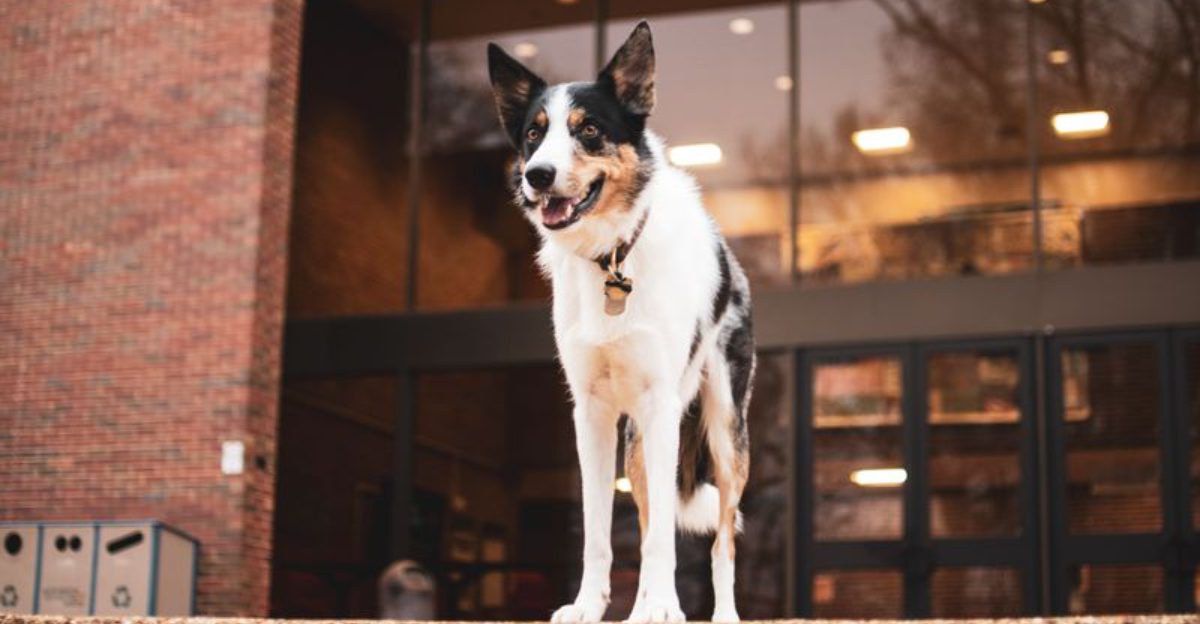
Some dogs do not just love you. They orbit you, shadowing every step like tiny four legged moons.
These are the pups that thrive on closeness and feel your absence in a big way. If you have ever returned to dramatic sighs or happy zoomies, you will recognize these breeds right away.
Labrador Retriever
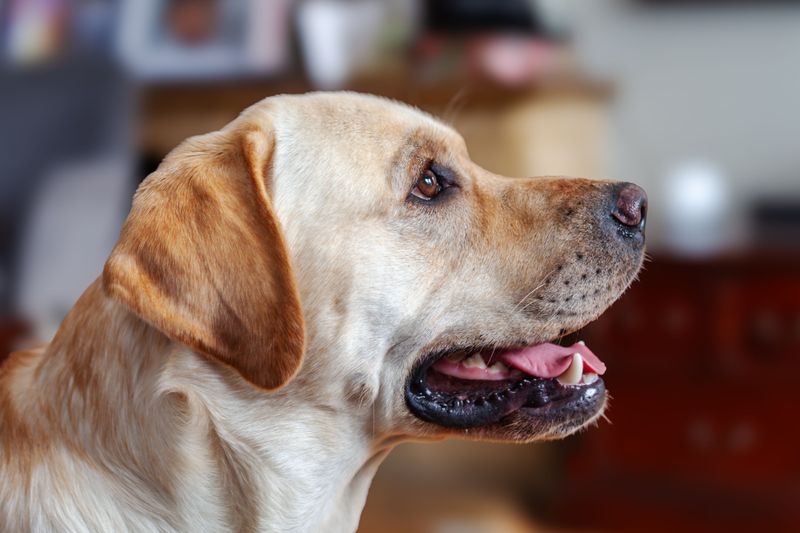
Labradors love being part of every plan, from coffee runs to couch naps. You will notice that gaze following you from room to room, making even laundry feel like an adventure together.
Leave too long, and that enthusiasm can flip into pacing, whining, or restless chewing.
These dogs shine with structure, daily exercise, and jobs that engage their clever noses. Food puzzles, hide and seek, and reliable crate comfort create a cozy safety net.
When you return, greet the wiggly welcome calmly, then dive into a short training refresher to reset focus.
Golden Retriever
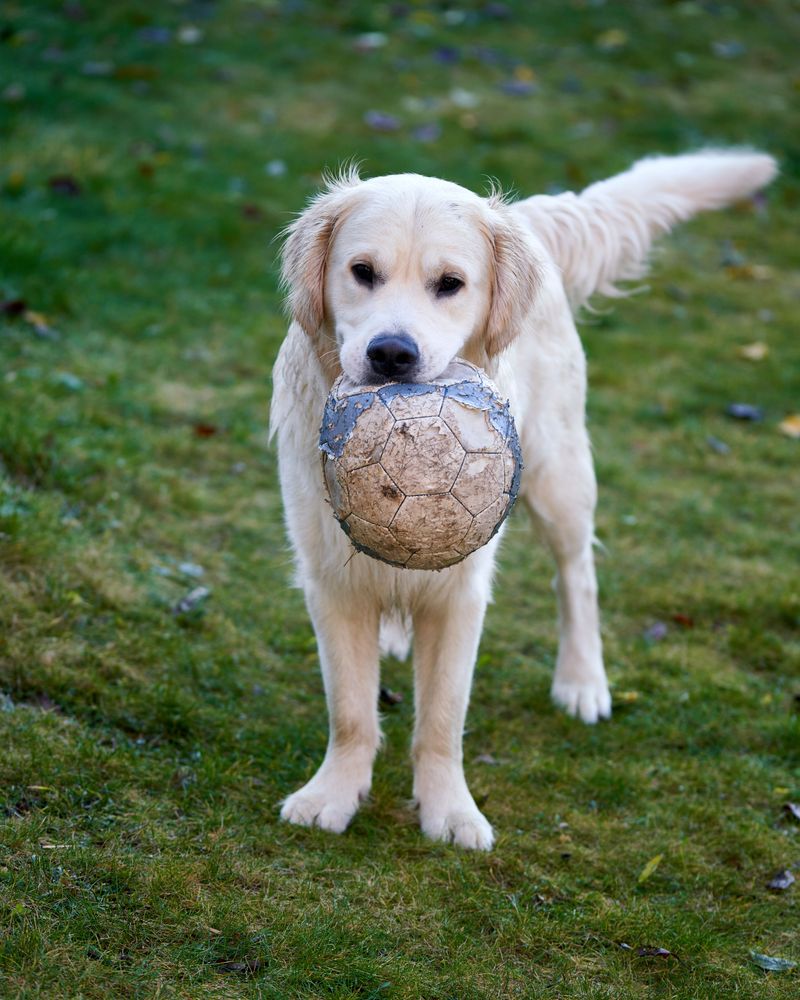
Goldens collect feelings like they collect tennis balls. That soft head tilt says it all when you grab keys and shoes.
They crave connection and purpose, so long absences can produce vocal protests, carpet pacing, or door watching that feels endless for everyone.
Channel that heart into routine. Morning retrieves, place training, and a sniffy walk help fill their emotional cup.
Offer a food stuffed toy before leaving, and rotate textures to keep novelty high. When you get back, practice a quick obedience game so excitement becomes thoughtful engagement rather than jumping chaos.
German Shepherd
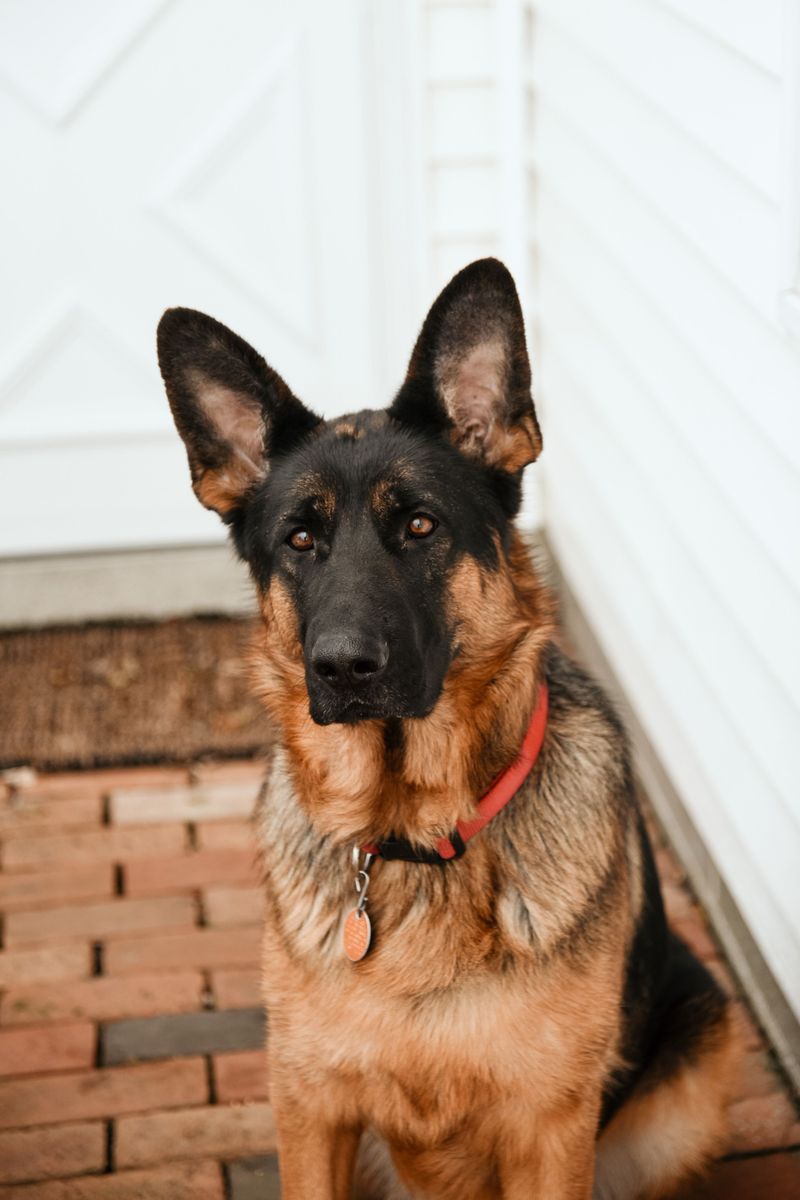
German Shepherds lock onto their person with laser focus. That loyalty is incredible, but it can morph into stress when your job pulls you away.
You might see guarding behaviors, door hovering, or protest barks if routine slides or mental work is lacking.
Give their brain a mission. Scent games, obedience drills, and structured tug sessions turn alone time into predictable downtime.
A durable chew, a settled place mat, and blackout curtains can lower triggers. Return home with a calm check in, then offer a training rep to flip vigilance into partnership again.
Border Collie
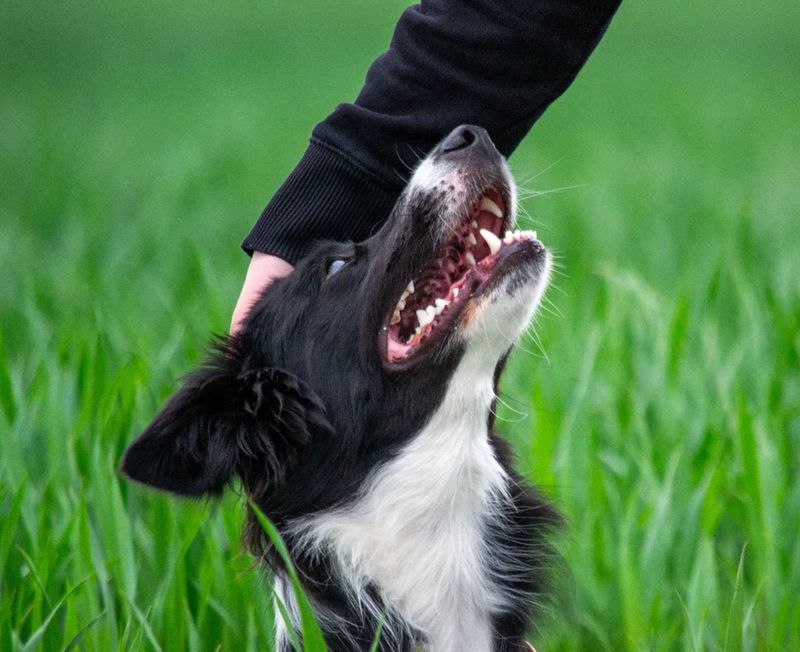
Border Collies track your movements like a living radar. When you vanish, their working brain hunts for a job that is not there.
That can look like frantic pacing, window watching, or trying to herd shadows across the hallway.
Structure is everything. Pre leave trick sequences, scent scatters, and a flirt pole session drain mental and physical energy.
Teach a settle cue and reward calm on a mat, then make exits boring and predictable. Rotate puzzle feeders and reinforce independence with short, successful alone trials that gently stretch confidence.
Australian Shepherd
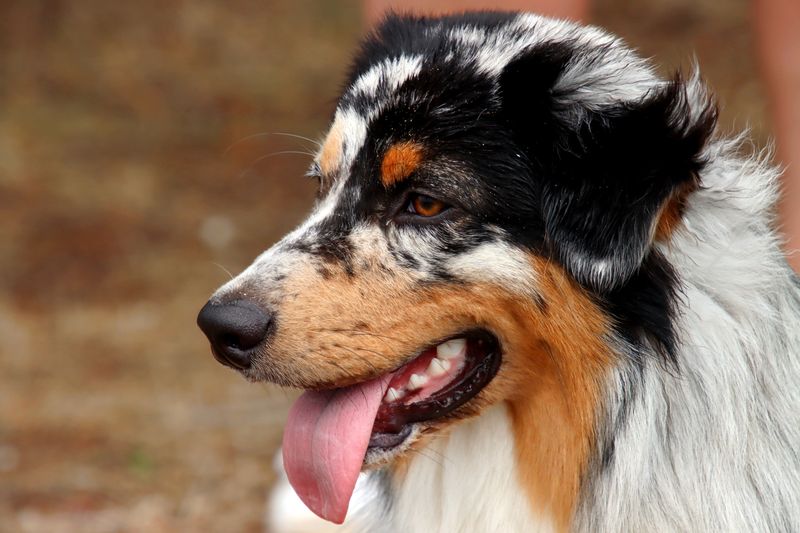
Australian Shepherds are glue dogs with opinions. They were bred to supervise, so your absence can feel like a derailed shift.
Expect chatter, door monitoring, and creative redecorating if mental outlets dry up.
Meet that intensity with thoughtful jobs. A brisk sniff walk, shaping games, and a quick disc session reset their brain.
Leave behind stuffed Kongs in the freezer rotation and a white noise machine to soften neighborhood triggers. When you return, keep greetings low key, then cue a favorite trick so excitement funnels into teamwork.
Vizsla
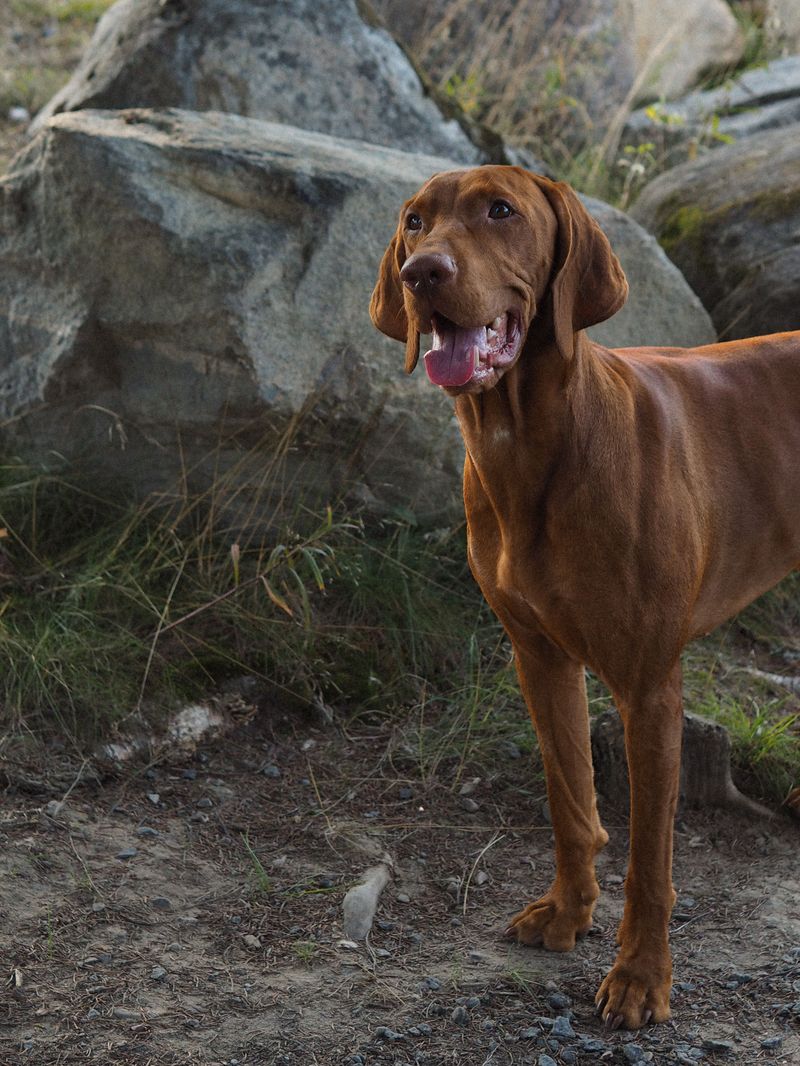
Vizslas are famously nicknamed Velcro dogs for good reason. They want skin to skin contact and will curl into your lap like a warm cinnamon roll.
Time alone can spark whining, door scratching, or athletic countersurfing if energy goes unmanaged.
Plan balance. A fast jog, nosework hides, and place training nurture independence while honoring their need to connect.
Offer chew rotations and quietly exit after a calm settle. On return, greet softly, then ask for a brief heel or down stay to remind that togetherness includes structure and confidence.
Weimaraner
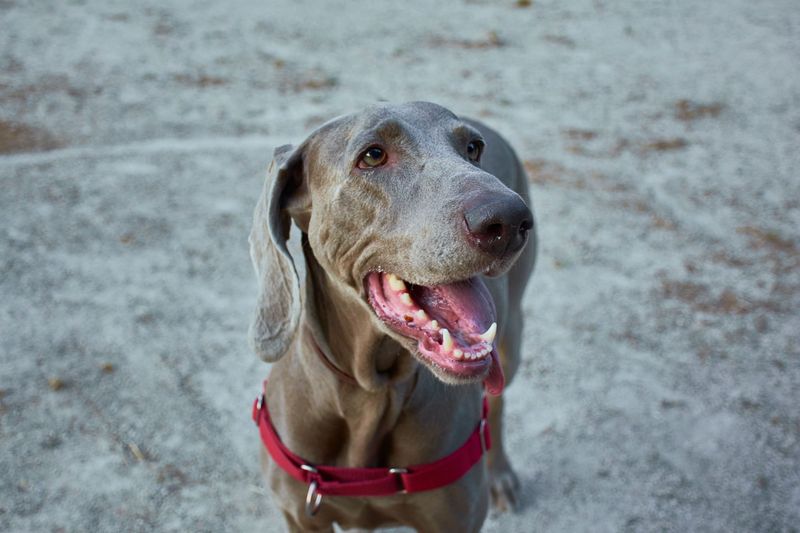
Weimaraners feel everything loudly. Without you, that elegant statue can melt into dramatic vocals and door pacing.
Their athletic body and bright mind need a plan or the couch becomes a climbable mountain of temptation.
Build a predictable routine that feeds their drive. Sprints, recall games, and scatter feeding help them exhale.
Teach a duration place, reward long exhales, and practice short exits that succeed. Leave a frozen lick mat to lower arousal and create quiet focus.
Return with a calm check in, then transition into structured play to celebrate together.
Italian Greyhound
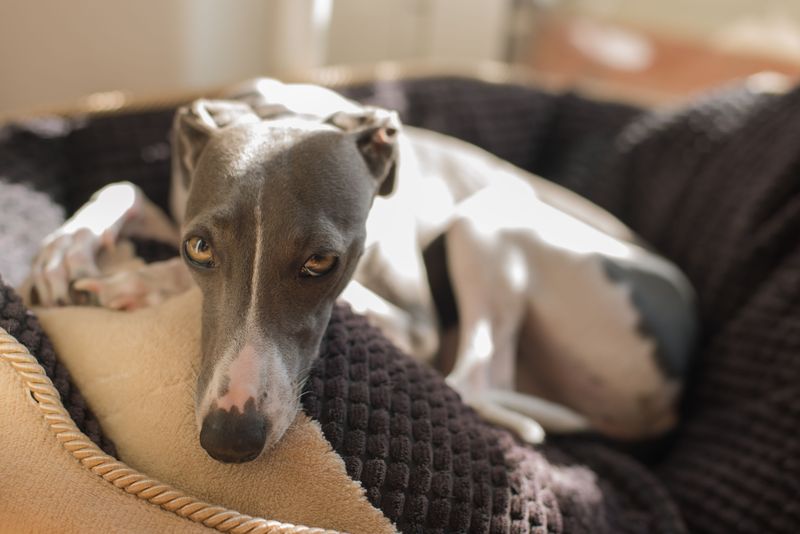
Italian Greyhounds bond delicately yet fiercely. They shiver at drafts and at your absence, sometimes vocalizing or pacing tiny steps across cushions.
Their porcelain grace hides a sensitive heart that loves warmth, routine, and predictable comebacks.
Keep departures quiet and comforting. A heated bed, snug sweater, and treat scatter make solitude softer.
Practice micro absences while you brew coffee, rewarding calm. Use light background noise to mask hallway sounds.
When you return, lower your voice, offer a gentle chin scratch, then cue a simple trick to rebuild poise.
Cavalier King Charles Spaniel
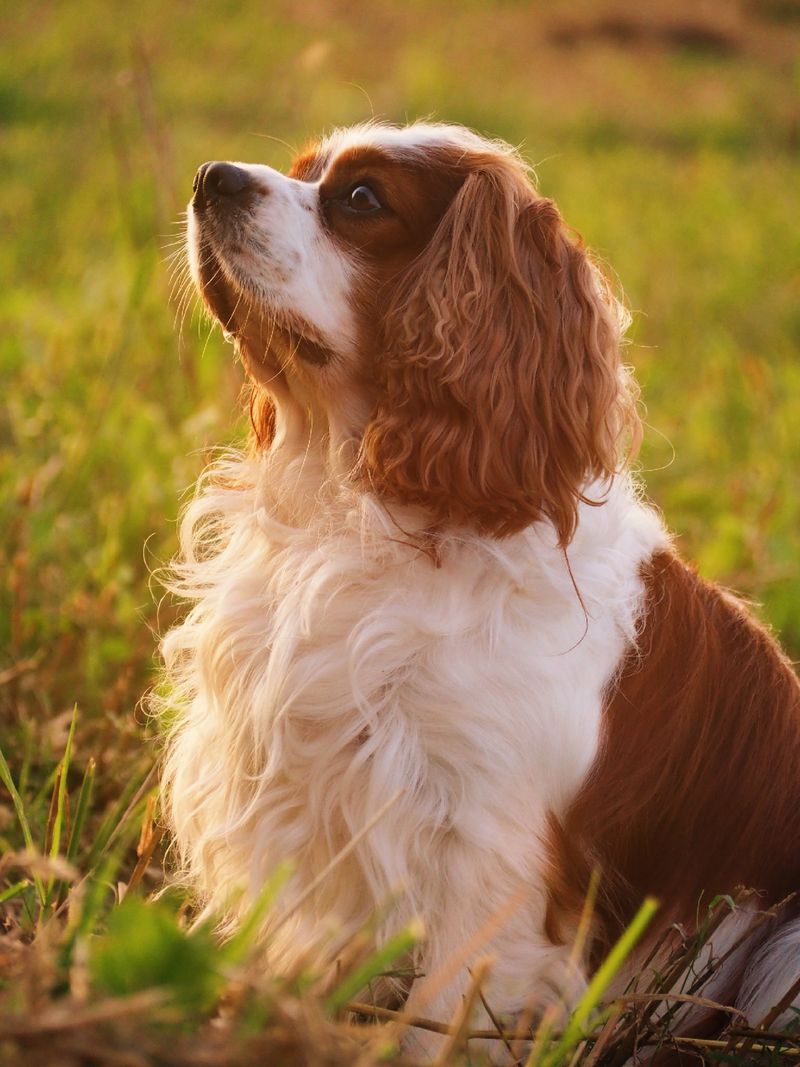
Cavaliers are heart on sleeves companions. They are happiest pressed against you, soaking up whispers and weekend movies.
When left, they may whine softly, scratch doors, or patrol windows hoping you reappear like magic.
Consistency helps. Offer puzzle feeders, gentle scent games, and a snuggly den that smells like you.
Keep exits boring and predictable, then reward quiet behavior on your return. Short training games, like touches and sits, channel affection into cooperation.
With calm practice, this sensitive sweetheart learns alone time is safe, temporary, and followed by cuddles.
French Bulldog
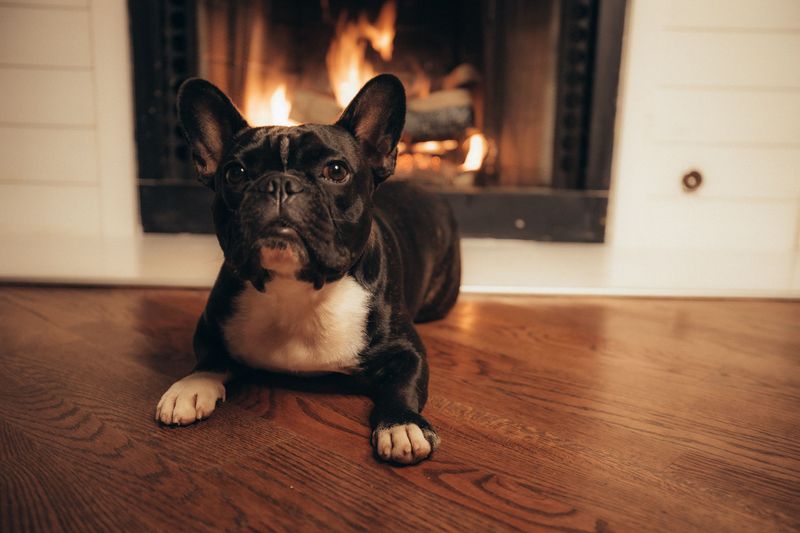
Frenchies act tough and melt fast. They adore company, interpret silence as boredom, and may serenade the hallway with snores and grumbles when you leave.
Without outlets, they sometimes nibble shoes or redecorate paper goods.
Pre leave routines are golden. A sniffy street stroll, simple trick practice, and a chilled chew help them settle.
Keep the space cool, add white noise, and rotate safe chews to prevent mischief. Greet calmly when you return, then guide a short obedience set so joy becomes focus rather than bulldozer energy.
Pug
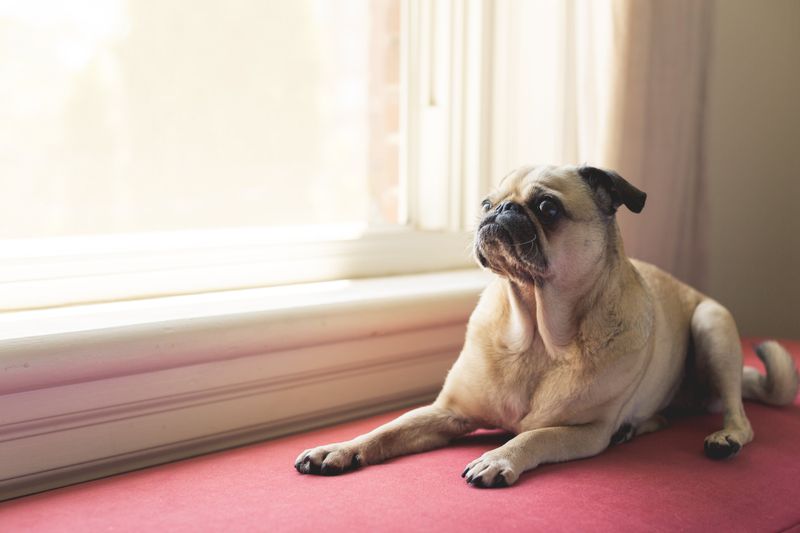
Pugs are comedians with clingy hearts. They read your moods, mirror your sighs, and may protest with soulful groans when you exit.
Long stretches alone can lead to dramatic door waiting, snack raids, or rumpled throw blankets.
Set them up to win. Feed a portion from puzzle toys, schedule a short walk, and practice calm crate time with sprinkled rewards.
Keep greetings cool, then invite a quick training game so celebration stays tidy. With predictability and gentle structure, your round faced shadow learns that solitude is brief and bedtime cuddles always return.
Dachshund
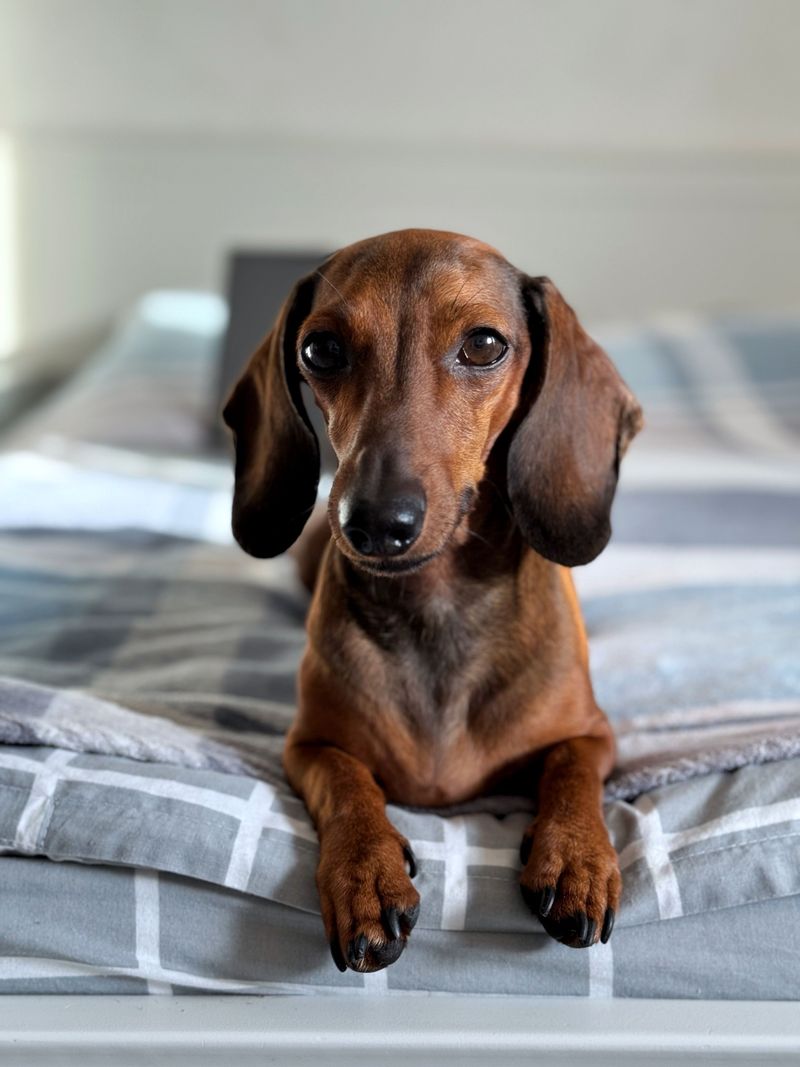
Dachshunds are tiny detectives who prefer the case solved with you present. When alone, their busy noses may redirect into barking at hallway whiffs or digging into cushions like backyard missions.
Separation frustration can show up as stubborn protests.
Give that nose honest work. Scatter feed, hide treats along baseboards, and end with a calm settle cue.
Short crate sessions with a chew teach soothing rhythms. When you return, keep it low key, then practice a minute of focused heeling to convert excitement into teamwork.
Shetland Sheepdog
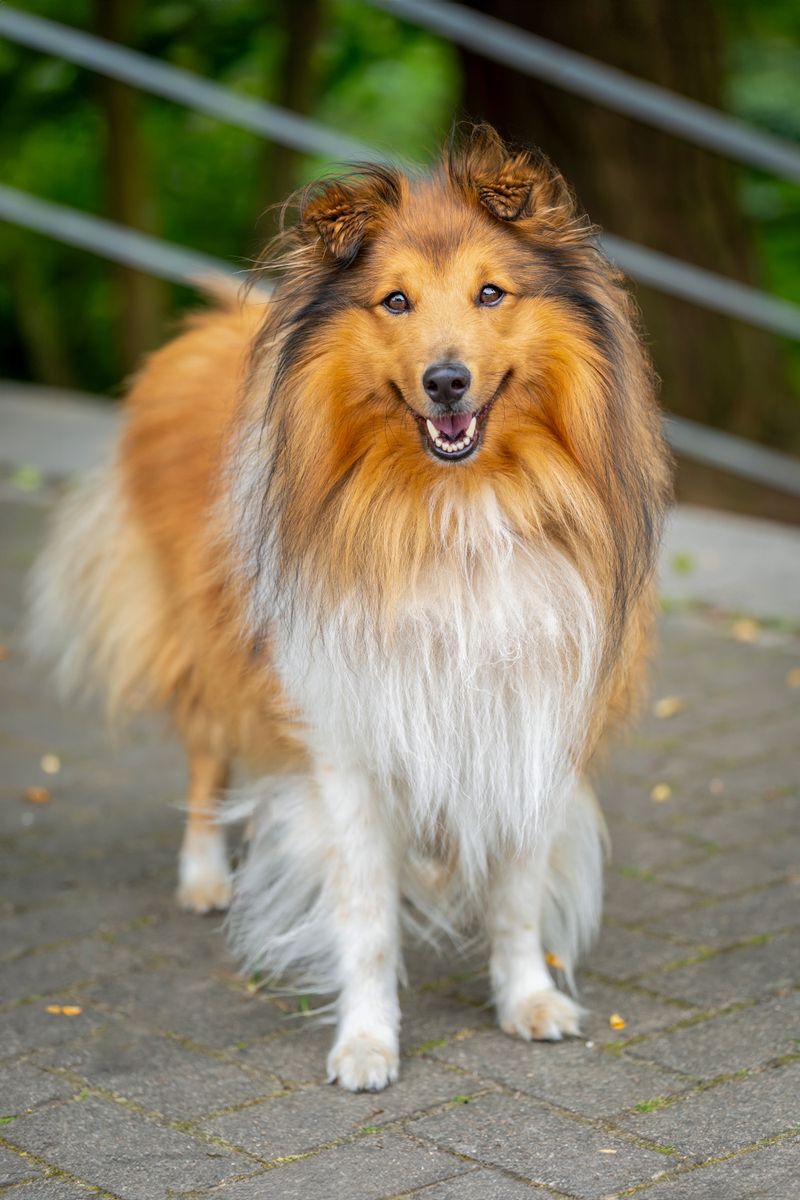
Shelties are sensitive observers who clock every routine shift. Your absence can flip their alert switch, inviting window barking and hallway prancing.
They blossom with gentle coaching that rewards calm instead of constant surveillance.
Make solo time predictable. Pre leave sniff walks, mat training, and soft music help lower arousal.
Introduce covered sightlines if windows trigger reactivity. Return quietly, then cue a few tricks to celebrate brain first, volume second.
Over time, that keen mind learns rest can be a valued job too.
Cocker Spaniel
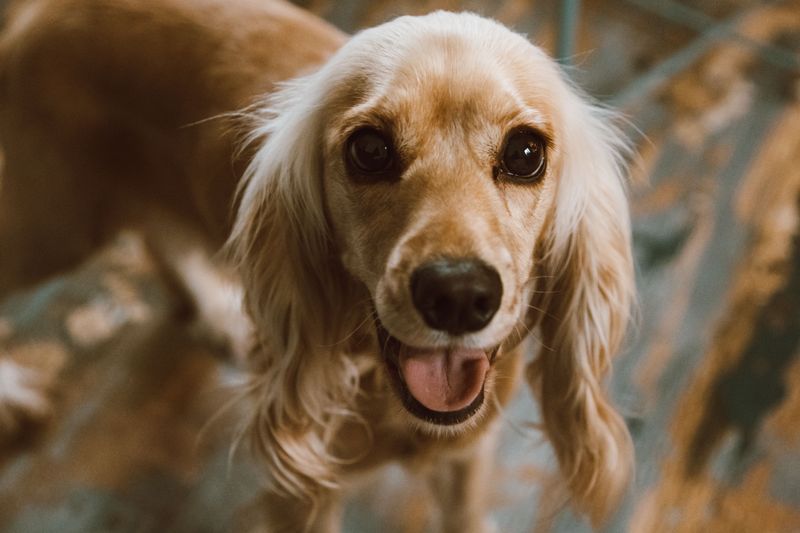
Cockers adore closeness and take departures personally. That soulful stare might follow you to the door, then turn into pacing or gentle howls.
They are happiest with purpose, predictable rituals, and a comfy place that smells like home.
Try a pre leave routine with a sniffy stroll, a few retrieves, and a stuffed Kong. Practice short, easy absences and reward calm on your return.
Add white noise to dull hallway triggers. When you walk in, keep voices soft, then transition into a simple training set to guide excitement into connection.
Bichon Frise
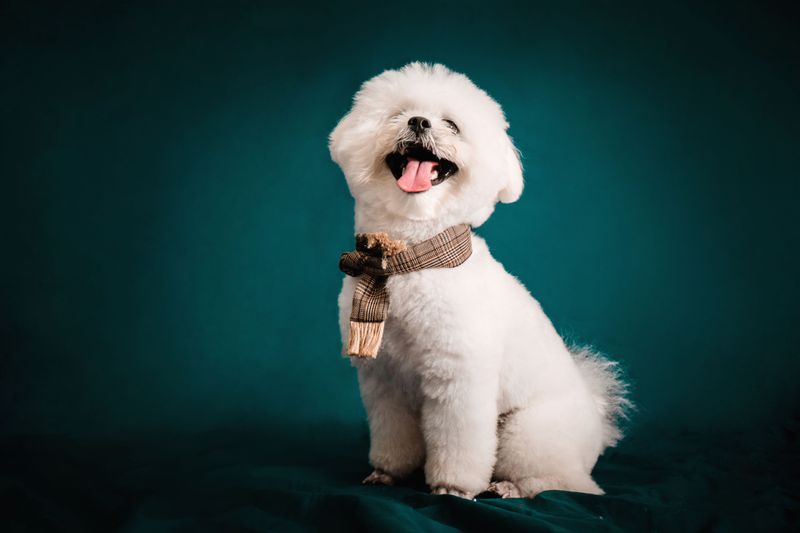
Bichons thrive on company and sparkle most when you are close. Alone, that social energy can tumble into barking, pacing, or anxious scratching at attention zones like the door.
Their cheerful spirit needs thoughtful outlets and clear, kind structure.
Build confidence with tiny wins. Practice brief departures during easy moments, reward quiet, and use puzzle feeders to occupy brains.
A predictable nap space and soft music help. When you return, keep greetings measured, then cue a trick to celebrate calmly.
Over time, separation becomes just another part of a safe, happy routine.
Toy Poodle
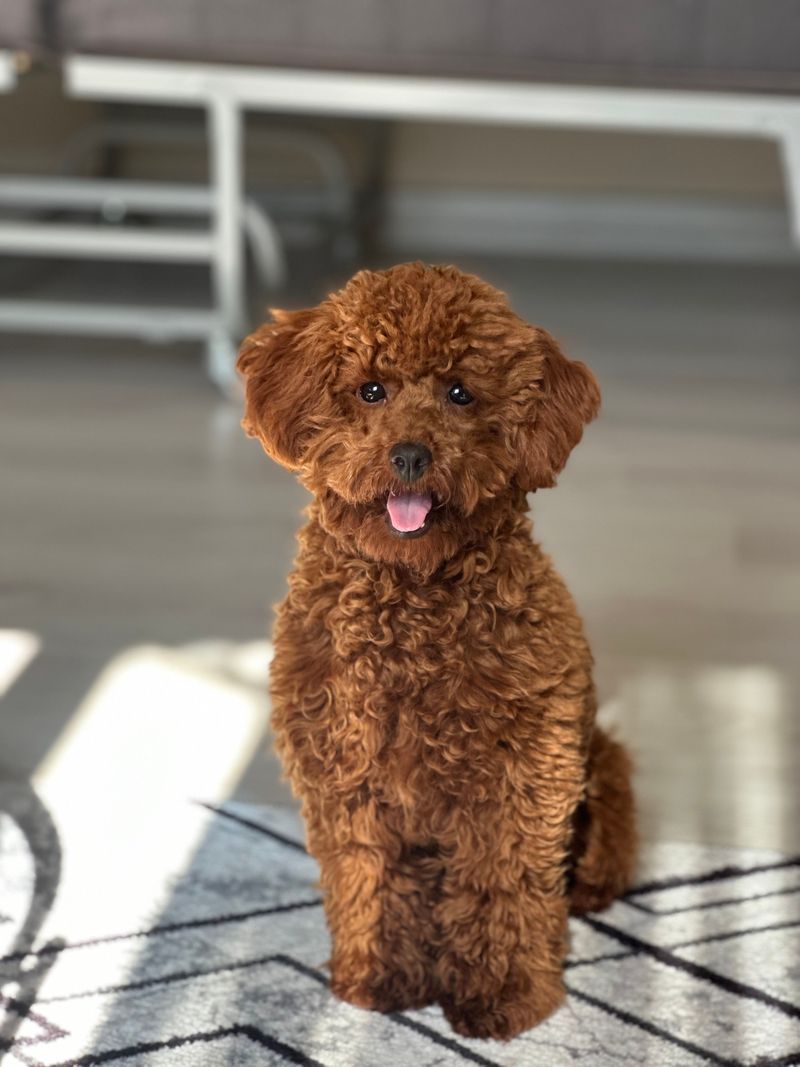
Toy Poodles are brilliant and tuned into your rhythm. Without you, their busy brain may script whining, door focus, or creative redecorating of tissues.
They crave puzzles, patterns, and gentle boundaries that turn waiting into a skill.
Plan layers. A sniffy walk, two minutes of trick training, and a frozen chew set the stage.
Rotate puzzle difficulty and reinforce calm on a mat. Keep arrivals understated, then pivot into a short shaping game so excitement becomes thinking.
With consistency, alone time starts feeling purposeful rather than empty.
Chihuahua
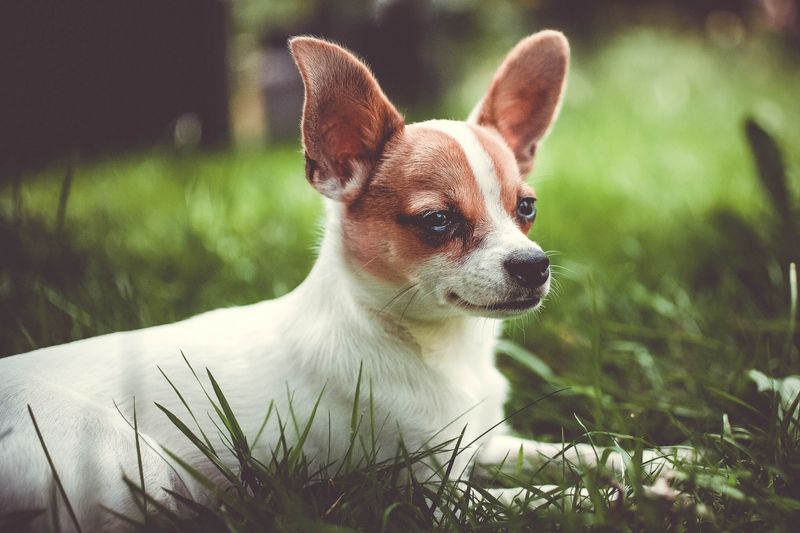
Chihuahuas pack big devotion into tiny frames. They often tailor their day to your footsteps, so quiet rooms can feel unsettling.
That may show as vocal protests, shaking, or guarding favorite spots until you return.
Confidence grows through predictability. Pre leave sniff games, cozy dens, and gentle independence exercises teach them how to relax.
Give a chew that lasts and add soft background noise. Come back calmly, offer a quick cue sequence, and reward steady breaths.
Over time, your pocket shadow learns solitude is safe and temporary.
Beagle
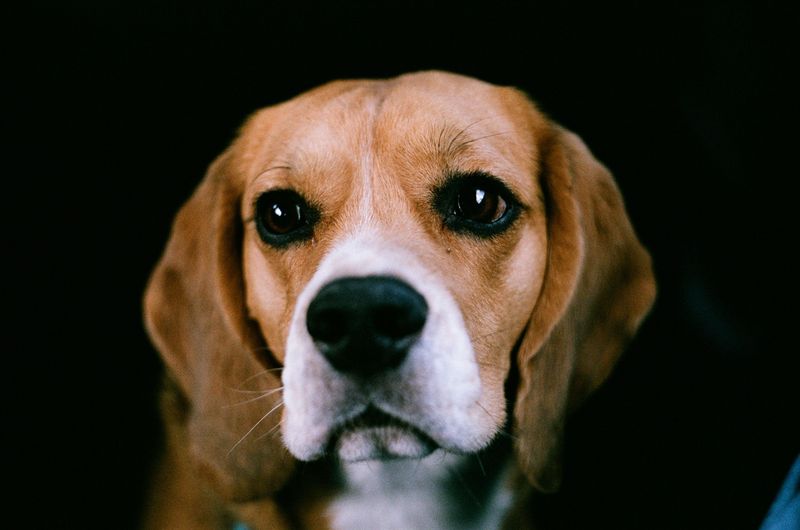
Beagles are nose first extroverts who prefer group adventures. Left alone, they may sing the soundtrack of their feelings and patrol windows for scent news you are missing.
Boredom can turn into scavenger quests across countertops and trash cans.
Meet the nose where it lives. Scatter feed, hide treats in snuffle mats, and schedule sniffy walks.
Crate train kindly to create a den that predicts safety. When you return, keep it chill, then cue a short search game so reunion equals nose work, not chaos.
Consistency keeps their music softer.
Siberian Husky
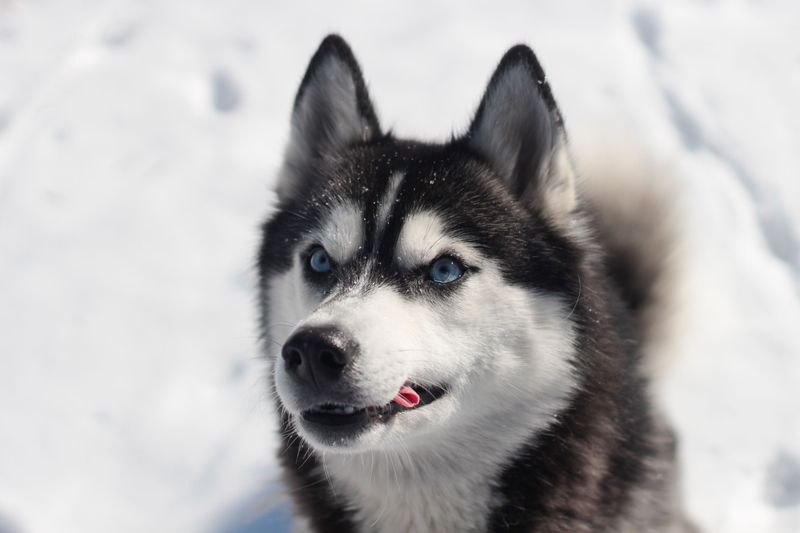
Huskies feel confinement strongly and voice opinions clearly. When you leave, boredom can bloom into chorus level howls or DIY remodeling.
Their athletic drive needs daily outlets or that energy searches for its own projects.
Front load exercise and brain work. Jogging, flirt pole, and scent puzzles help them settle.
Teach a relaxed place cue and reward long, steady exhales. Use white noise to mask triggers and provide durable chews.
Arrive home calmly, then offer a brief training set or tug session so reunion energy lands productively.