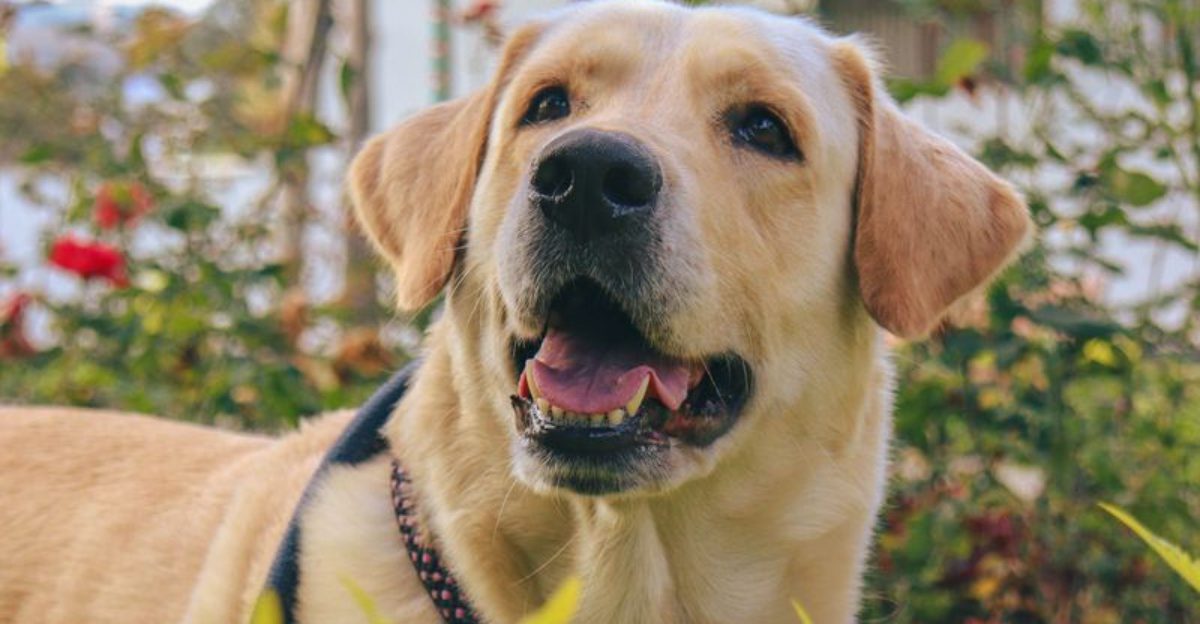
Some dogs look like plug-and-play pets, but the truth can hit hard once the cute phase fades. Energy, smarts, and stubborn streaks quickly turn into chewed shoes, nonstop barking, and epic escape attempts.
If you want easy, this list might change your plans. If you want rewarding, it will show you exactly what it takes to thrive together.
Labrador Retriever
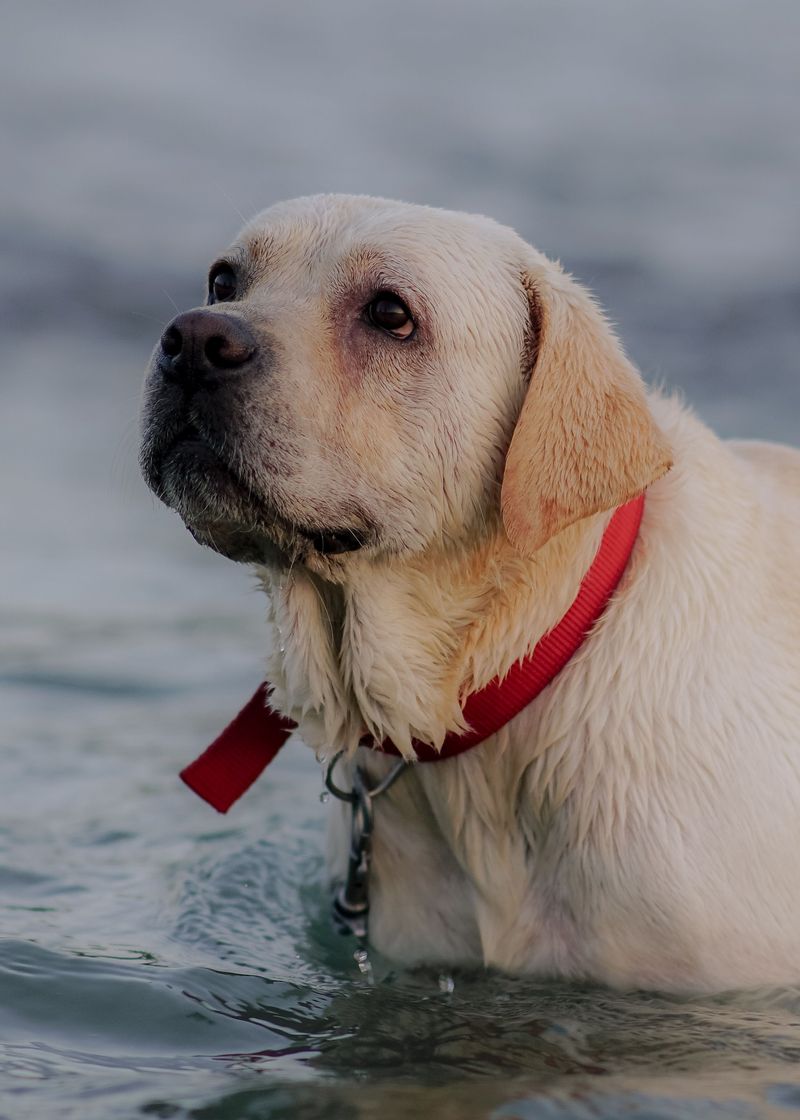
Labradors look like turnkey family dogs, but their puppyhood can steamroll your schedule. They chew relentlessly, shed year round, and greet everyone like a flying tackle.
Without daily vigorous exercise and structured training, that sunny enthusiasm morphs into counter surfing, door dashing, and hole digging. Adolescence hits hard, amplifying impulses and testing boundaries.
Their water obsession also means muddy floors, swampy smells, and surprise pond dives.
Give them jobs that tire body and brain. Think long fetch sessions, scent games, and impulse control drills before visitors arrive.
Crate training protects your furniture while teaching calm. Teach settle on a mat, and reinforce it every day.
If you want easy, choose differently. If you want rewarding, prepare for consistency, patience, and loads of movement.
Golden Retriever
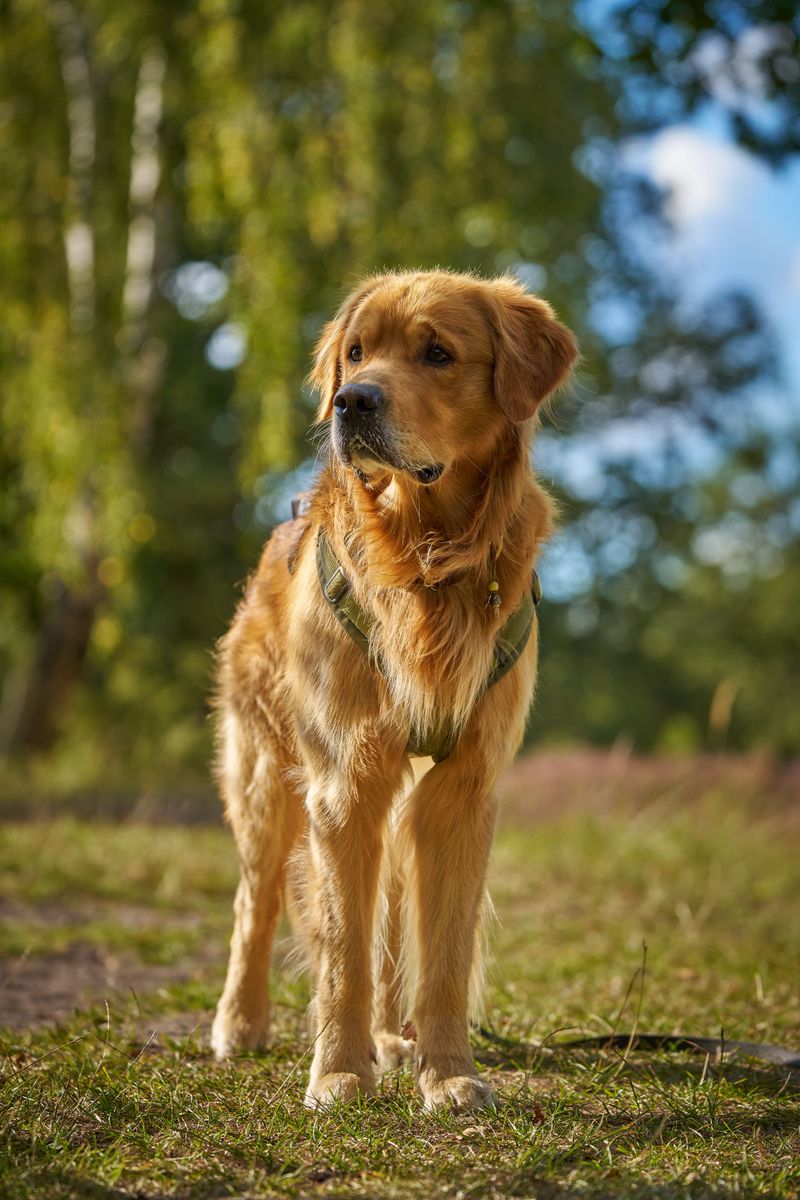
Goldens look mellow on calendars, yet their reality is busy, mouthy, and incredibly social. They crave human contact, which can become velcro behavior, whining, and door crowding.
Their glorious coat blows twice a year and drifts into every corner, including your coffee. Without consistent boundaries, that soft mouth will steal socks, remotes, and kids’ toys.
Many develop separation distress when routines change suddenly.
Daily aerobic exercise plus retrieval games help channel their neediness into productive work. Train default sit for greetings, and practice calm holds with a toy.
Brush weekly, de-shed seasonally, and invest in a good vacuum. Build independence through place training and quiet chewing projects.
They are wonderful, but they are not low maintenance. Decide with eyes wide open.
Beagle
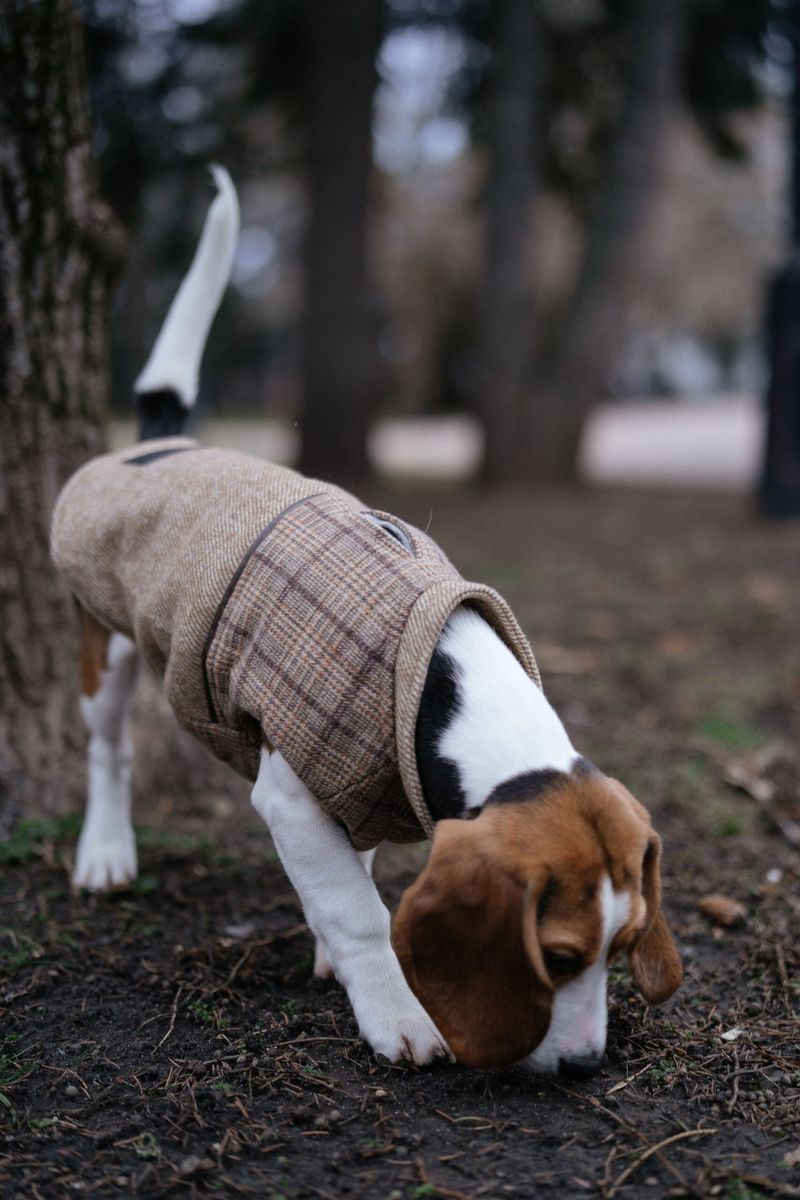
Beagles look cheerful and compact, like easygoing neighborhood companions. Their nose, however, is a superpower that overrides recall and manners.
Once a scent hits, your voice becomes background noise and your fence becomes a puzzle. They bay when excited or lonely, which neighbors rarely love.
Food focus helps training, but also fuels counter raids and garbage exploration.
Plan secure fencing, long line walks, and daily sniffari sessions to meet instinctive needs. Use scent games and nosework to turn obsession into enrichment.
Teach rock solid wait at doors and build recall with gradual distractions. Feed measured meals, lock trash, and use puzzle feeders to slow enthusiasm.
A bored Beagle becomes a beagle-shaped siren. Keep their brain busy and your doors latched.
French Bulldog
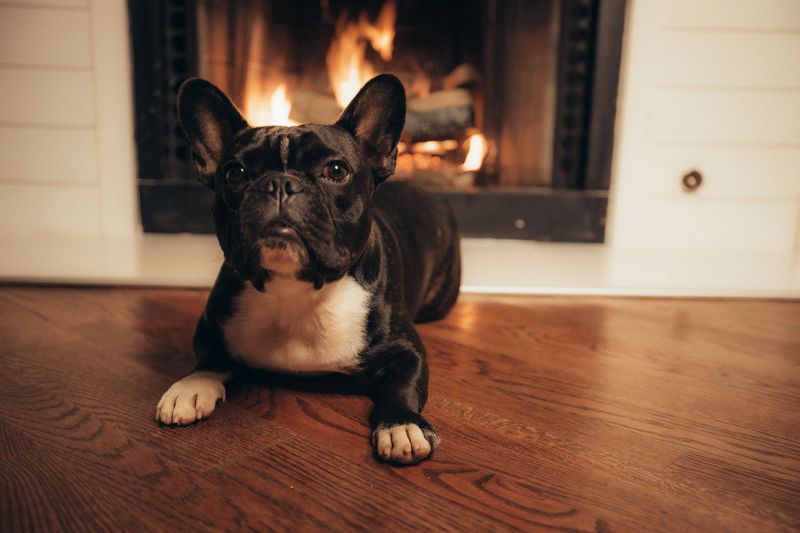
Frenchies look like couch-ready comedians, but they bring medical management and stubborn streaks. Their flat faces make heat dangerous and exercise complicated.
Snoring is cute until it is nightly, loud, and paired with gas. Skin folds demand cleaning, ears need checking, and allergies often flare.
Their charm can mask pushy behavior, resource guarding, and selective listening.
Short, smart training sessions beat long workouts. Teach calm greetings, structured leash manners, and easy drop-it trades.
Keep them cool, avoid overexertion, and schedule regular skin care. Enrichment should be low impact but mentally rich, like sniff mats and shaping games.
Advocate at the vet and budget for potential issues. If you want laid back, remember that maintenance lives behind those adorable bat ears.
Pug
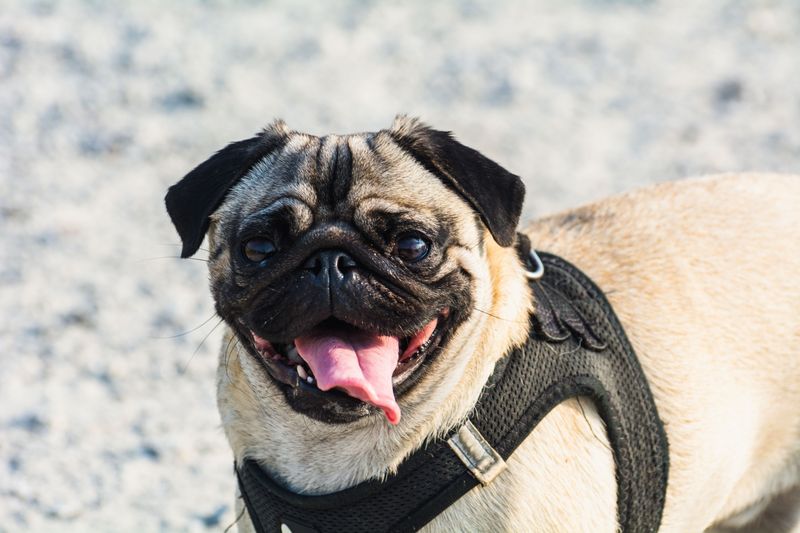
Pugs are small clowns, which tempts people to expect carefree living. Instead, you manage shedding, heat sensitivity, eye risks, and impressive stubbornness.
They adore food and will hustle guests for snacks, amplifying weight gain. Their snorts and snores come with airway concerns that limit intense play.
Left bored, they practice attention-seeking antics, from pawing to mischievous counter stares.
Use positive training and tight routines to create predictability. Practice impulse control before meals and teach a strong leave-it.
Keep exercise gentle and frequent, then cool them quickly afterward. Daily face fold care and eye checks are nonnegotiable.
Manage calories with puzzle feeders and veggies. You will laugh constantly, but that laughter must be paired with structure, grooming, and vigilant health awareness.
Cocker Spaniel
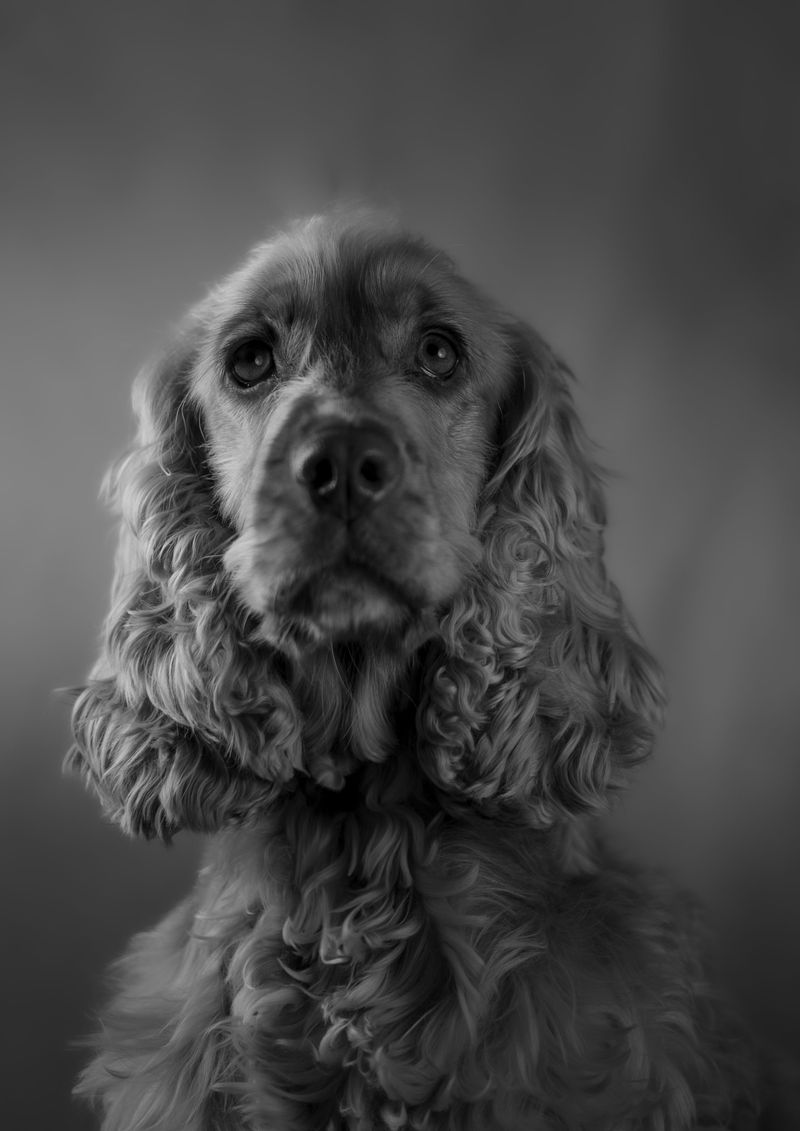
Cockers look gentle and sweet, but the grooming and feelings are real. Their feathering collects burrs, mud, and mats unless brushed obsessively.
Ear infections lurk, and some individuals guard resources or dislike sudden handling. High sensitivity means harsh corrections backfire fast.
Without steady outlets, they bark, pace, and invent solo projects like excavating planters.
Commit to regular brushing, professional grooming, and ear care. Train soft, clear, and kind, focusing on confidence building and predictable routines.
Channel instincts with retrieves, spaniel pattern games, and nosework. Teach cooperative care for nails, ears, and brushing to reduce drama.
Socialize thoughtfully, pairing new experiences with treats. A cocker can glow in the right home, but it is never a wash-and-go companion.
Border Collie
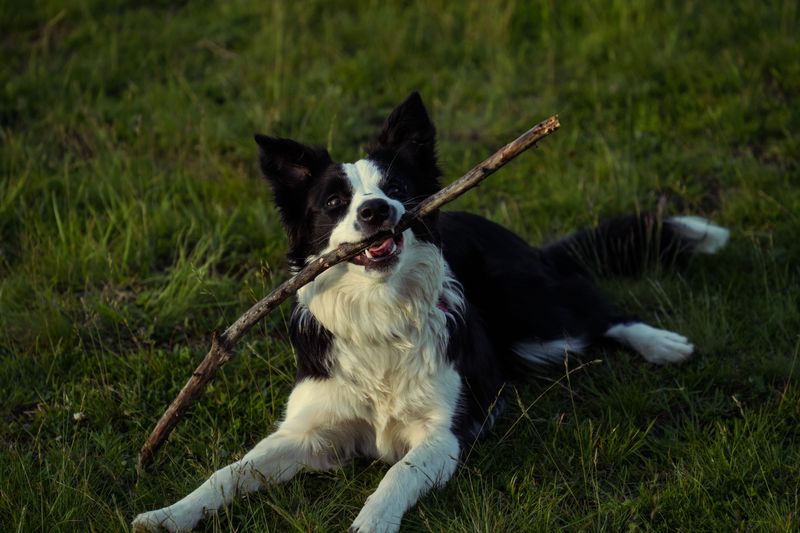
Border Collies look like smart angels, yet genius cuts both ways. They catalog patterns, anticipate routines, and outthink tired humans.
Without serious work, they herd kids, chase cars, and rehearse neurotic habits. That famous stare drills holes through your to-do list, demanding jobs now.
Energy is nuclear, focus is laser, and boredom becomes destruction.
Plan sports or structured jobs, not just walks. Daily training should include impulse control, off switches, and variable reinforcement.
Rotate enrichment to prevent pattern fixation. Teach calm stationing, boundary games, and reliable recall around motion.
Give them purpose or they will invent one with precision. For the right person it is glorious, but for casual owners it becomes a restless genius on four legs.
Australian Shepherd
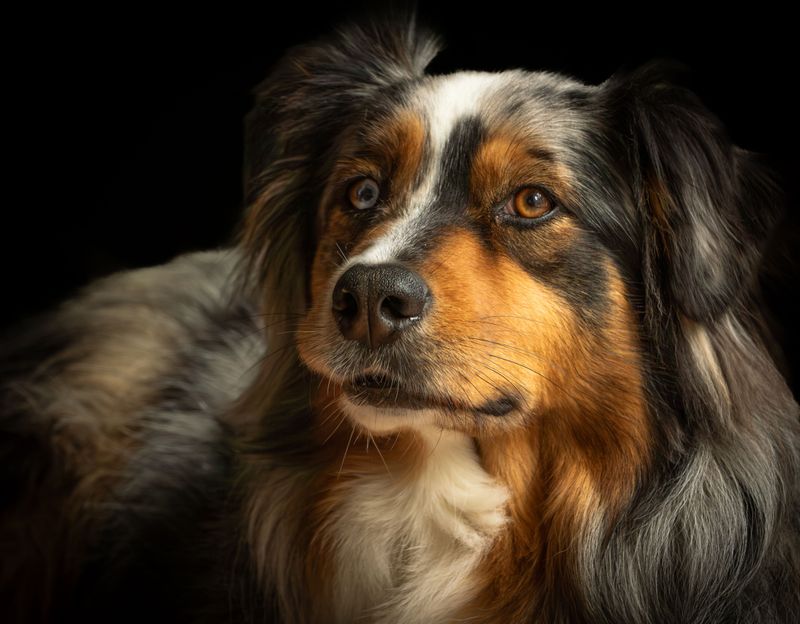
Aussies dazzle with merle coats and goofy smiles, then proceed to manage your household. They shadow you, patrol windows, and vocalize at suspicious leaves.
Herding instincts push them to nip heels during chaos and guard thresholds. Teen phases add pushiness and testing.
Without structured outlets, they reorganize your day with constant movement and commentary.
Build routines around jobs: agility, rally, or farm-like tasks at home. Train impulse control and polite greetings, plus a reliable off switch on a mat.
Give them brain work like shaping, scent puzzles, and directional games. Manage window access to reduce reactivity.
Socialize steadily with thoughtful downtime afterward. They are incredible partners when employed, but they will not be content as decorative fluff.
Dalmatian
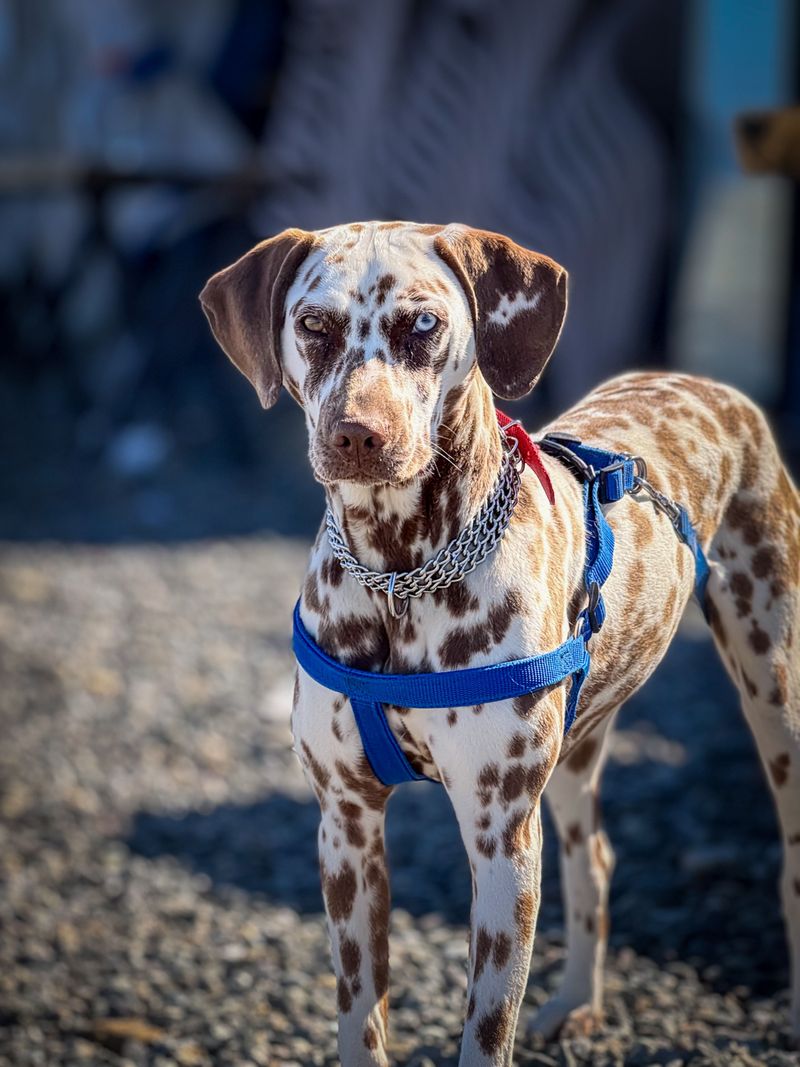
Dalmatians look sleek and simple, but their tank is bottomless and their coat sheds dots forever. Bred to run with horses, they crave mileage and purpose.
Without both, they bounce off furniture and invent high-speed chaos. Some carry sensitivity or guarding tendencies, which surprise unprepared families.
Diet matters too, since purine issues can complicate life.
Plan distance exercise, structured play, and consistent rules. Teach calm stations and polite door routines to prevent bowling guests.
Provide puzzle feeders, nosework, and trick training to burn mental fuel. Brush with a rubber curry and embrace lint rollers as decor.
Work with a vet on nutrition that suits them. If you love elegant athletes, commit to management and motion every single day.
Siberian Husky
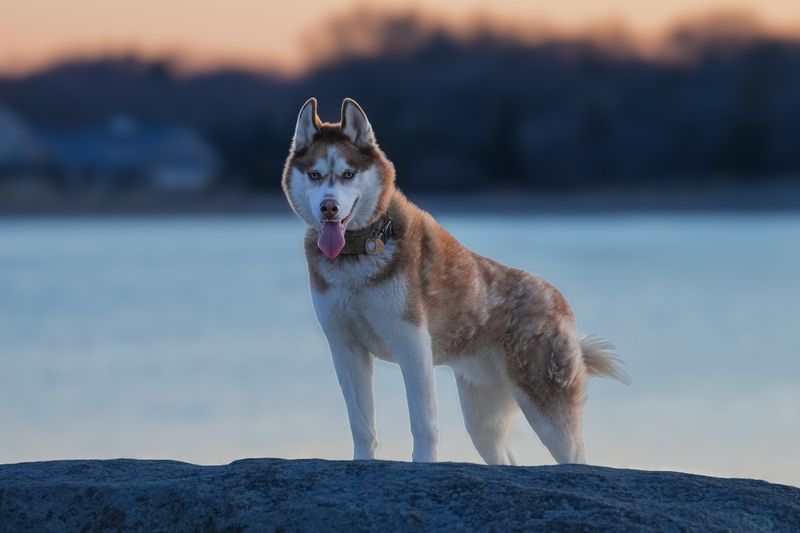
Huskies look friendly and photogenic, but they are escape artists with relentless go. Many vault fences, chew through drywall, and sing the song of their people.
Prey drive runs hot, which endangers cats and wildlife. Heat is hard, boredom is harder, and quiet neighborhoods are rare.
Grooming explodes during coat blow, filling bags with fluff.
Containment is a project: tall fences, dig guards, and double gates. Exercise should be purposeful like canicross or long structured runs in safe weather.
Teach rock solid recall management with lines and controlled setups. Rotate enrichment daily and practice calm crate time.
Prepare for vocalization and hair everywhere. If you crave easy, pass.
If you crave adventure, commit to logistics and miles.
Jack Russell Terrier
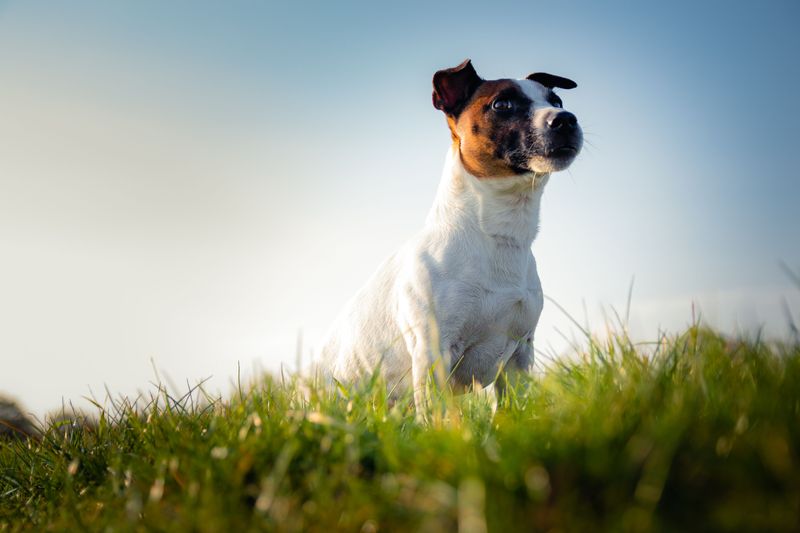
Jack Russells package intensity into a small, spring-loaded body. They dig, climb, and dismantle boredom with surgical focus.
Prey drive makes off leash risky, and barking flags every leaf. Left underworked, they redecorate with holes and shredded toys.
Their smarts find loopholes in training unless you are consistent.
Schedule short, high-octane outlets like flirt pole, scent games, and trick bursts. Teach solid impulse control, leash skills, and a station behavior for cooling off.
Enrich with dig pits, food puzzles, and supervised varmint simulations. Socialize carefully to avoid snark with pushy dogs.
Manage expectations and celebrate tenacity. When guided, they are hilarious athletes.
When ignored, they become a caffeinated project that never clocks out.
Shiba Inu
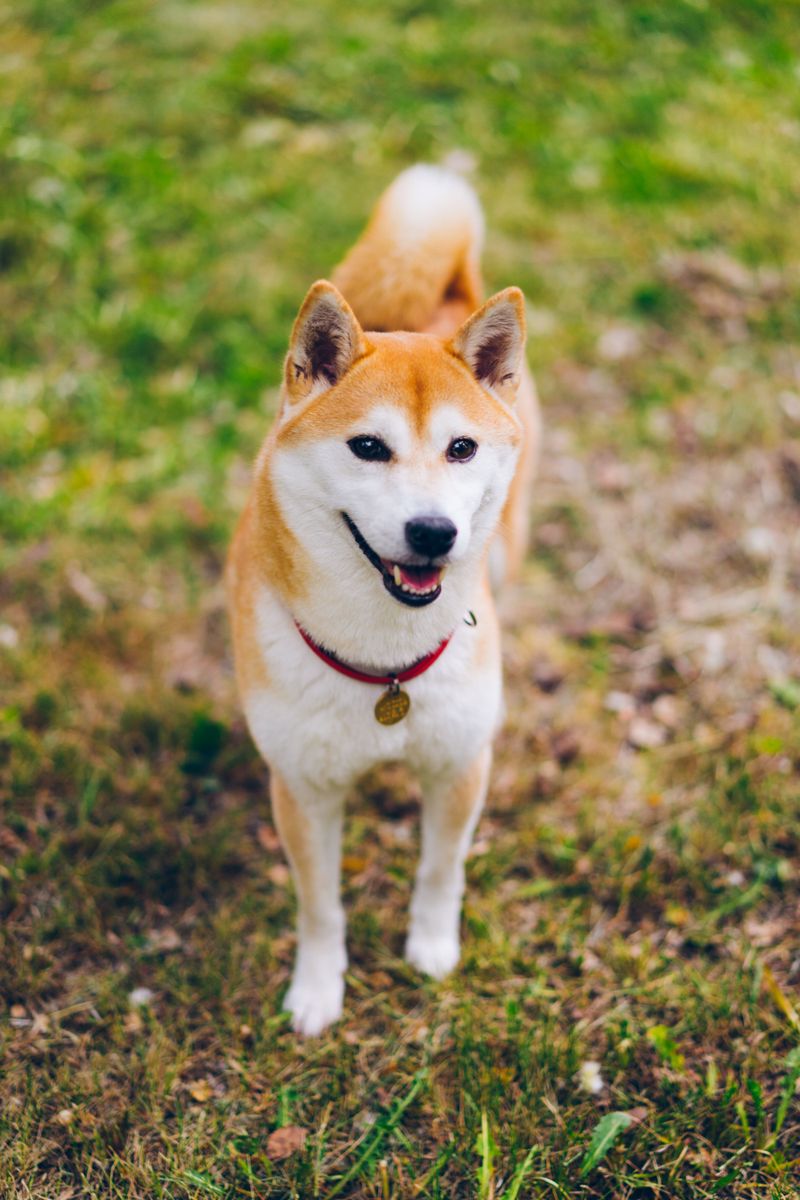
Shibas look tidy and catlike, which reads as low effort. In truth, they are independent, suspicious of nonsense, and selectively affectionate.
Many dislike rough handling and surprise restraints. Off leash is a gamble, and the scream is legendary when protesting.
Grooming is minimal until coat blow, then your home grows tumbleweeds.
Train with respect, food, and clarity, not pressure. Teach consent cues for handling and practice cooperative care early.
Build recall through games in safe, enclosed spaces, but manage expectations. Provide structured walks, scent work, and quiet enrichment over chaotic dog parks.
Socialize with neutrality rather than forced friendliness. With boundaries and choice, the relationship blossoms.
Without them, you get a beautiful roommate who ignores curfews.
Belgian Malinois
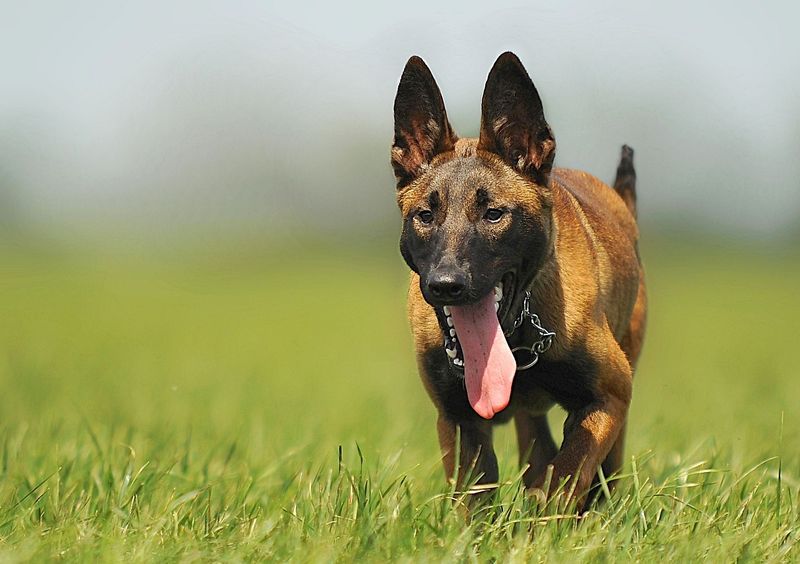
Malinois look like slimmer German Shepherds, but their drive is volcanic. They need purpose, structure, and skilled handling every single day.
Left underworked, they channel intensity into nipping, spinning, and security patrols. Many develop environmental sensitivity that requires thoughtful exposure.
Apartments plus boredom equal disaster redecorating.
Plan real jobs: bite sports, detection, tracking, or demanding obedience. Train with precise timing, clear markers, and calm handling.
Teach off switches and boundary games to prevent frantic rehearsals. Rotate bite work with decompression walks and quiet chewing to balance arousal.
Crate training and place work are essential management tools. This breed can be breathtaking in capable hands, but it mercilessly magnifies inconsistent leadership.
Cane Corso
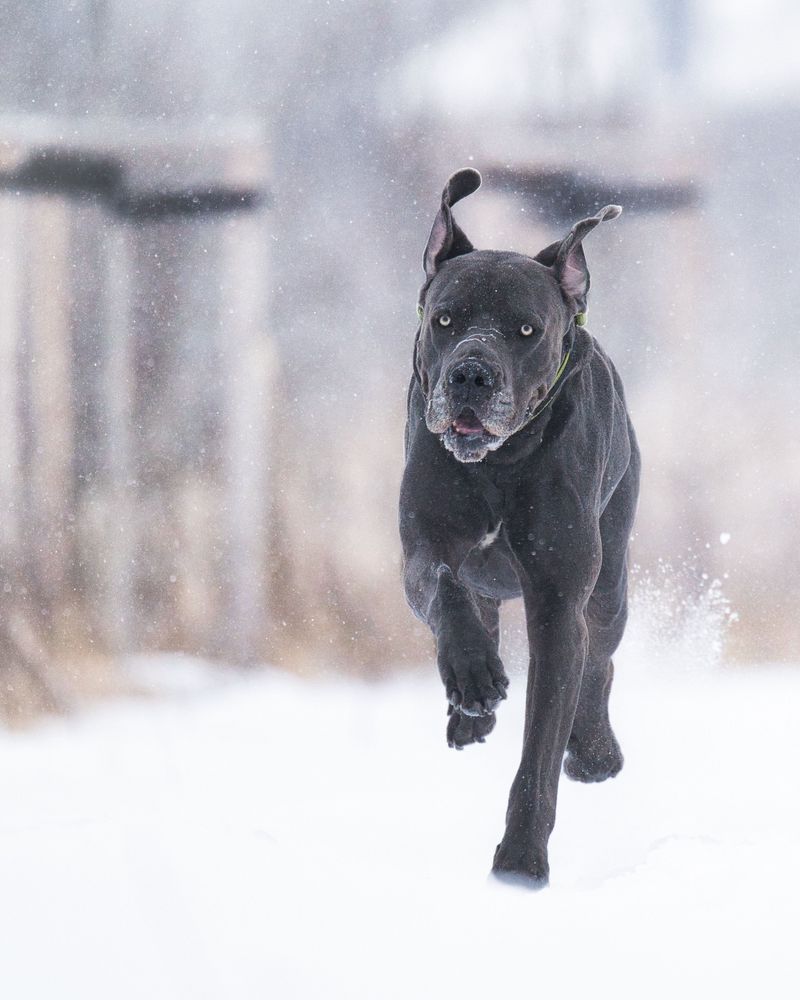
Cane Corsos look stoic and steady, yet they are large guardian dogs with opinions. Adolescence brings size, push, and boundary testing.
Poor socialization creates liability levels of reactivity. Protective instincts require thoughtful management around visitors and deliveries.
Combined with drool and strength, mistakes carry consequences.
Invest in vetted breeders or rescues that prioritize stable temperaments. Start early with obedience, neutrality around strangers, and calm crate time.
Teach impulse control at doors and reinforce reliable recalls. Provide daily mental work and structured exercise that preserves joints.
Set house rules that never wobble, because clarity equals safety. With commitment, they are devoted companions.
Without it, you are steering a freight train with frayed brakes.
Akita
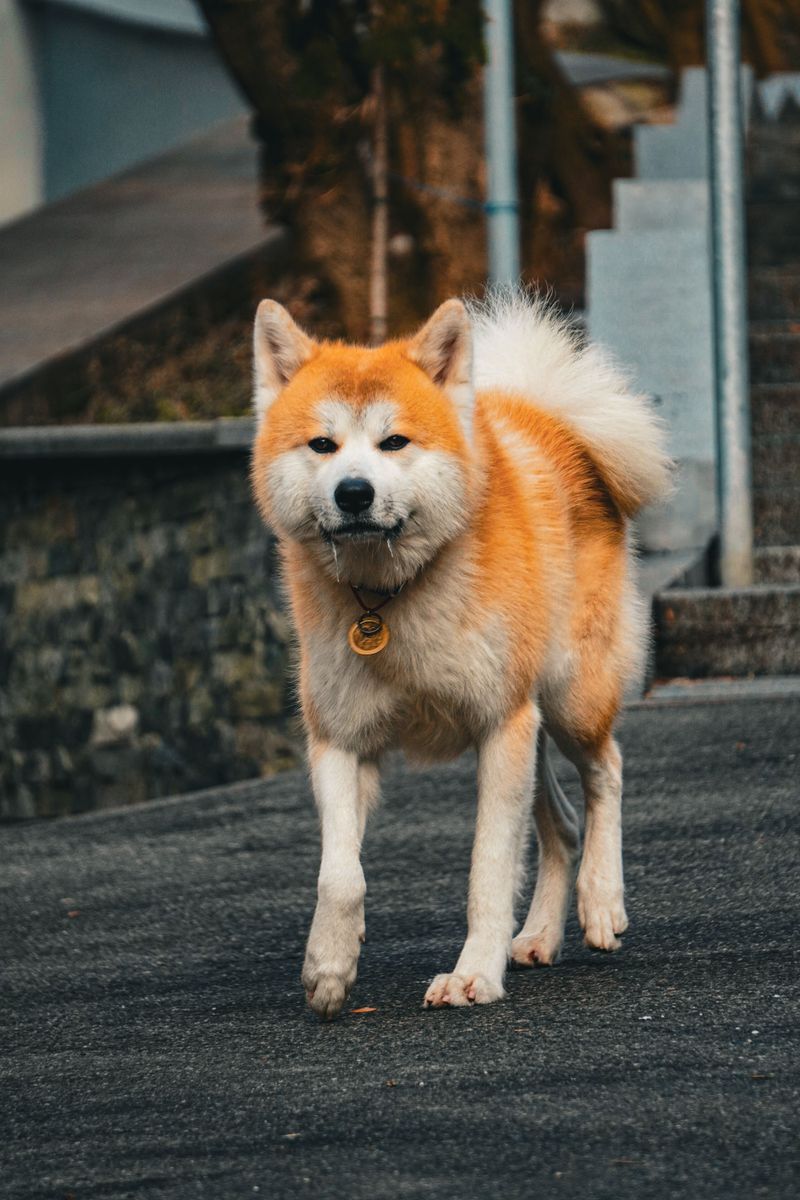
Akitas look regal and quiet, but independence and strength define them. Dog selectivity is common, and same-sex friction can be serious.
Their guarding instincts show up subtly, then firmly, around resources and space. Grooming intensifies during seasonal coat blow, blanketing everything.
They do not repeat exercises for fun, so training must feel worthwhile.
Prioritize neutrality over forced friendliness, and manage dog introductions carefully. Teach rock solid obedience with high-value rewards and short sessions.
Practice cooperative care and respectful handling to avoid conflict. Provide controlled exercise, enriching scent work, and decompression walks.
Respect their boundaries while maintaining yours. In experienced hands they are noble and loyal.
In casual homes they become aloof powerhouses steering their own agenda.
Tibetan Mastiff
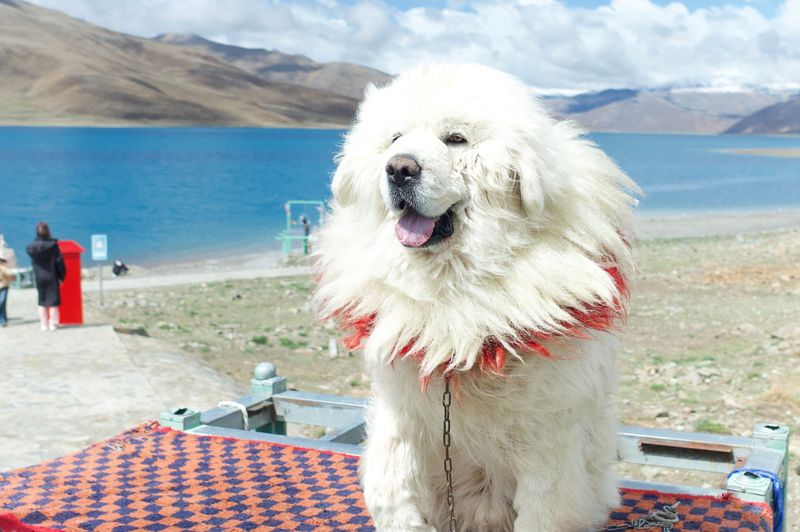
Tibetan Mastiffs look like mythical guardians and behave like them too. Nighttime vigilance triggers booming alerts and perimeter pacing.
Strangers are evaluated, not welcomed, and fences must be formidable. Seasonal coats mat without diligent grooming.
Training is a negotiation, never a quick drill, and motivation must be meaningful.
Secure your property, then secure it again. Socialize thoughtfully to build discernment without dulling instinct.
Teach rock solid recalls and stationing for visitor management. Groom weekly and double down during sheds to avoid felted disasters.
Provide calm exercise and mental work that respects heat and joints. This breed shines with land, routine, and confident leadership.
It can overwhelm anyone hoping for a snuggly yard ornament.
Chow Chow
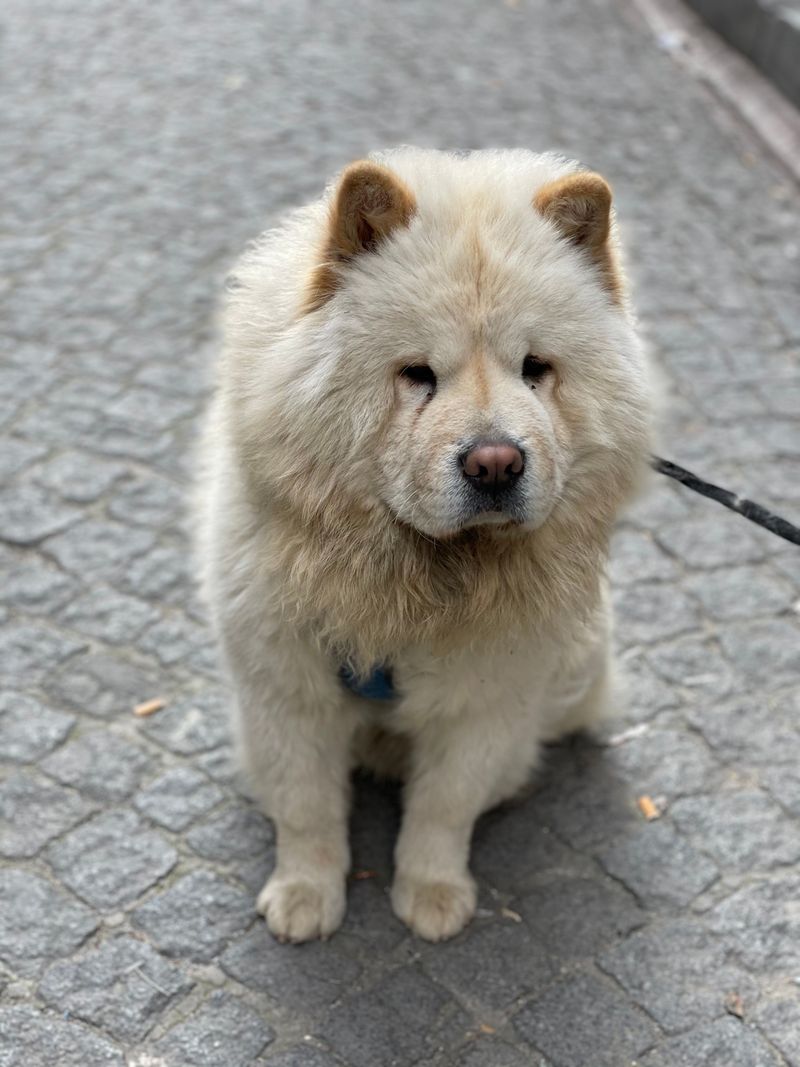
Chows look like plush toys, but they are dignified, reserved, and particular about touch. Many dislike intrusive handling, especially from strangers.
Coats demand thorough, line-brushing sessions to prevent hidden mats. Their independence reads as stubbornness during training.
Combine that with heat sensitivity and you have a high-maintenance roommate.
Train respectfully with food and clarity, building trust through cooperative care. Introduce grooming tools early and reward small wins.
Socialize with neutrality, not forced petting, and manage busy environments with space. Keep exercise moderate and focused on quality rather than distance.
Clear household rules prevent pushiness. In tuned-in homes they are calm and regal.
In casual, hands-on families they quickly sour and withdraw.
Alaskan Malamute
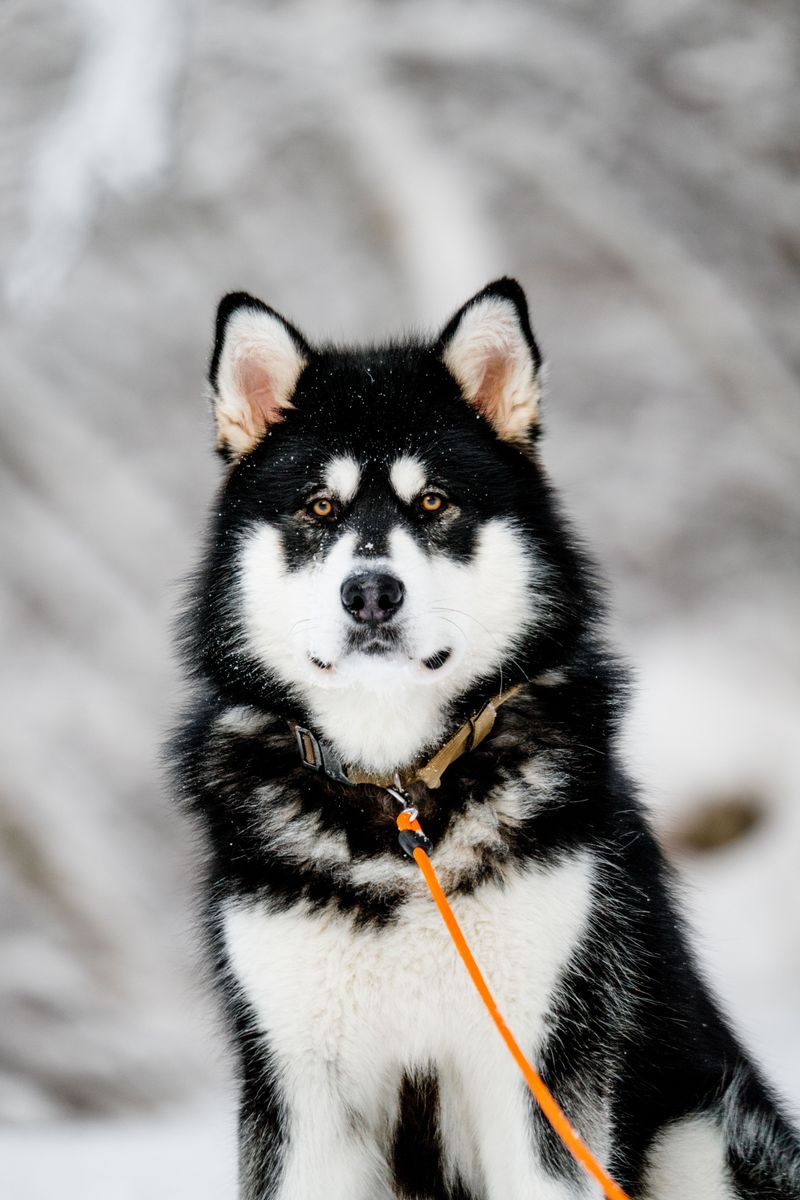
Malamutes look like cushy Huskies, yet they are heavier, stronger, and equally independent. Pulling is baked in, and small animals often read as prey.
They vocalize, dig cooling craters, and redecorate fences. Heat is rough, and coat blow is legendary.
Without real outlets, they become freight engines tied to your patience.
Give them jobs like skijoring, weight pulls, or loaded hikes in safe temperatures. Build impulse control and polite leash skills with patience and consistency.
Create dig zones, rotate enrichment, and practice calm crating. Double-gate yards and secure trash like it contains diamonds.
Groom deeply during sheds to prevent matting. In prepared homes they are magnificent workers.
In unprepared ones, they are beautiful chaos with unstoppable momentum.