
Some dogs look easy on paper, then proceed to flip your routine like a chew toy. Real owners say these breeds challenge even committed families with energy, intensity, and surprising needs.
If you have ever wondered why your “perfect” pup feels like a full time project, you are not alone. Here are the breeds that often prove tougher than the books suggest, plus a few that quietly catch families off guard.
Siberian Husky
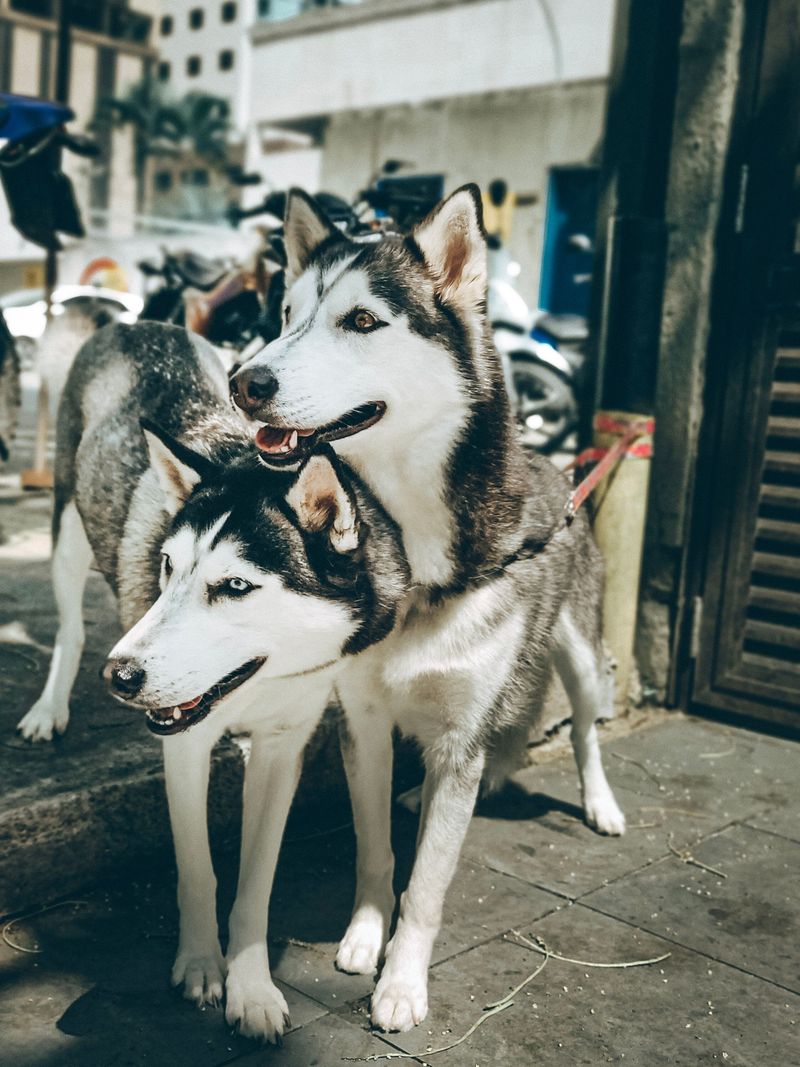
Huskies look like storybook wolves, but living with one is a marathon. You get stamina, volume, and a personal escape artist in a fur coat.
If you skip daily running and brain games, they sing the song of their people and redesign drywall. Apartment life rarely works unless you commit to structured outlets every single day.
Training is possible, yet consistency must be rock solid to stick. You will manage prey drive, dramatic howls, and sudden yard excavations.
Expect fur tumbleweeds, seasonal shedding blasts, and a budget for quality chew toys. If that sounds exciting, a Husky will reward you with humor, endurance, and unforgettable trail miles.
Belgian Malinois
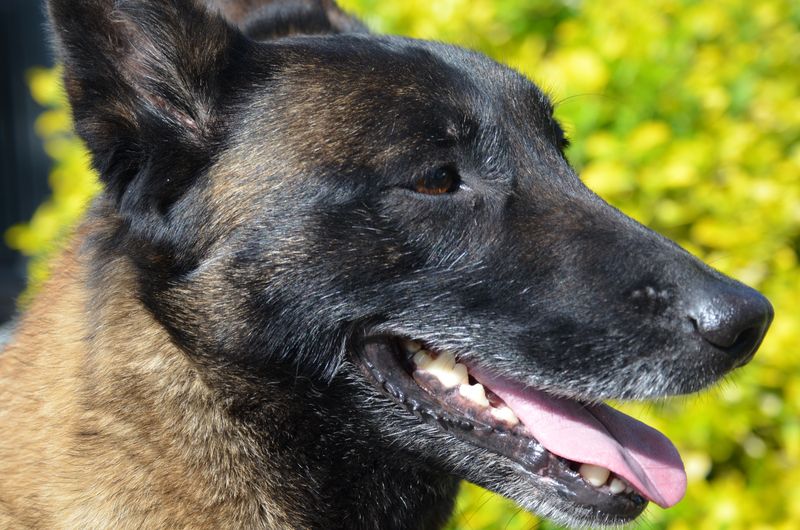
The Malinois is brilliance on rocket fuel. Books praise work ethic, but living with that intensity requires a structured lifestyle every single day.
Without serious jobs, this dog invents missions that include counter surfing, wall bouncing, and door launching. You need mental drills, bite safe outlets, and tight management like crate rotations.
Training is not optional, it is oxygen. You will practice obedience under distraction, impulse control, and calm on cue.
Skipping two days can unravel progress because the brain simply outpaces boredom. If you want a companion athlete who thrives on purpose, the Malinois can be breathtaking, but casual homes usually struggle hard.
Border Collie
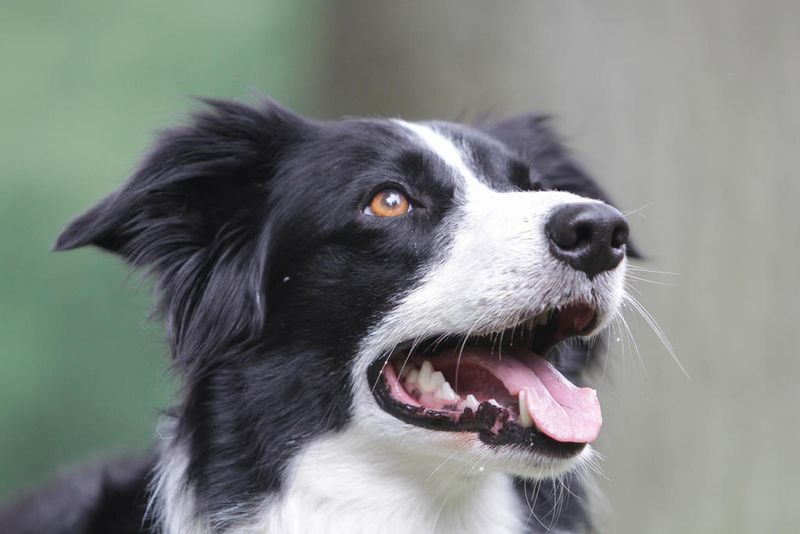
Border Collies read the room faster than you find your keys. That intelligence sounds dreamy until the dog begins herding kids, chasing wheels, and redecorating with anxiety if understimulated.
You cannot outwalk a bored Collie, you must outthink one. Plan puzzle work, shaping games, precision obedience, and controlled herding style outlets.
They are sensitive, responsive, and sometimes noise reactive without careful socialization. You will coach off switches, mat settles, and thoughtful decompression time.
Yard zoomies are not enough for that electric brain. When you meet their mental needs, the dog becomes a partner who anticipates you like a seasoned teammate.
Australian Cattle Dog
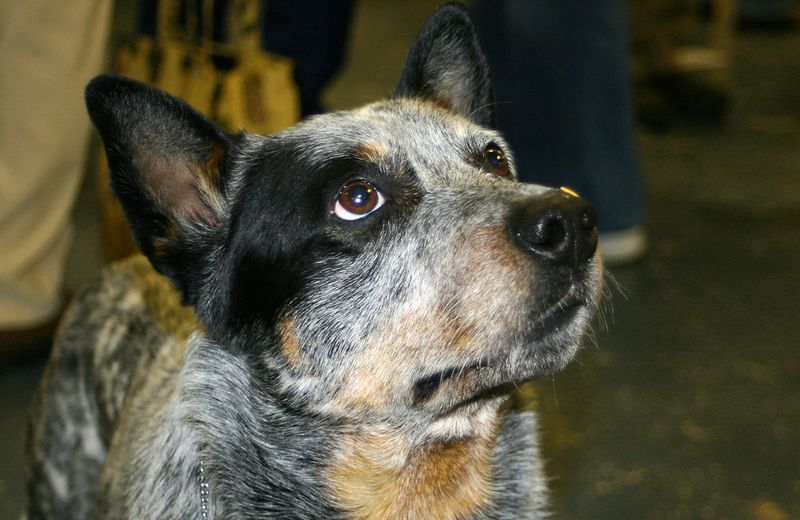
This breed was engineered to move cattle through pressure, so pushing you is easy. Expect heel nips, strategic testing, and endless energy that laughs at lazy afternoons.
Without real work, they invent projects like supervising neighbors or policing the living room. Strong enrichment, tug rules, and directional games keep that drive productive.
Training must be clear, fair, and physically engaging. You will teach impulse control, bite inhibition, and neutral responses to fast movement.
Skaters and running children can trigger the herder unless you plan ahead. If you love a gritty, loyal teammate with grit to spare, the Cattle Dog can be magic in the right hands.
German Shepherd
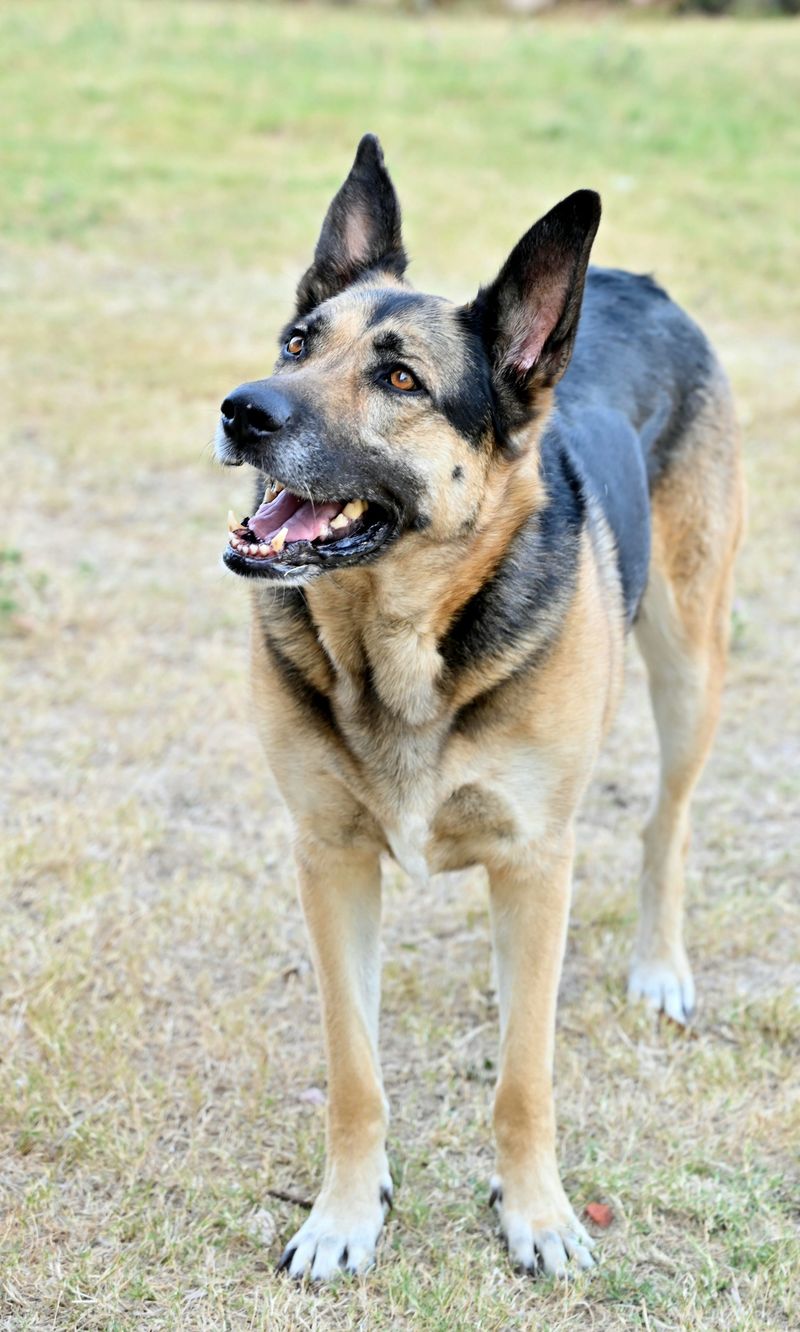
German Shepherds are brilliant, loyal, and surprisingly sensitive to handling. When needs are missed, you may see reactivity, guarding, and stressy pacing instead of nobility.
Daily training, decompression walks, and thoughtful socialization are musts, not extras. Genetics vary widely, so choosing reputable breeders or rescues with transparency really matters.
Expect shedding, potential orthopedic concerns, and a mind that constantly evaluates threats. You will practice neutrality in public, handler focus, and structured play like flirt pole and tug.
Corrections without clarity can backfire with conflict. With patient guidance and consistent boundaries, a Shepherd becomes a steady partner who reads your world and stands tall beside you.
Akita
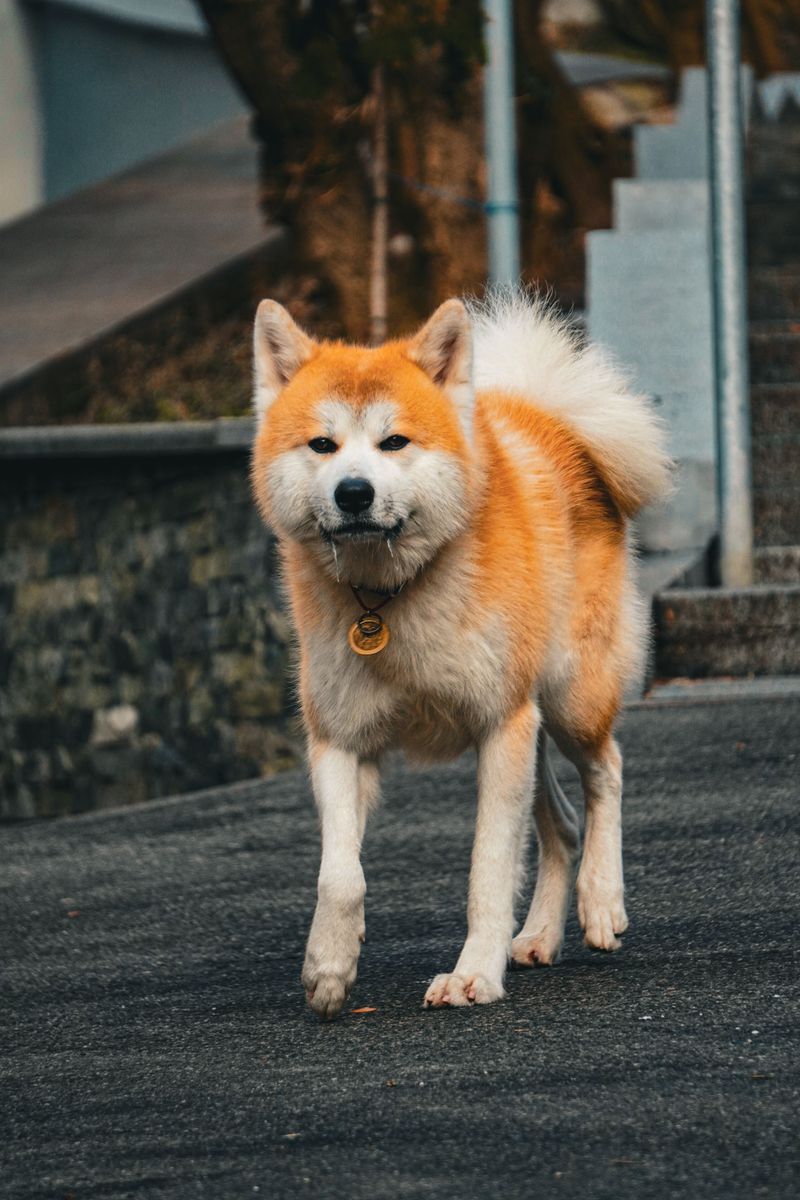
Akitas radiate calm strength, which can fool first timers. Independence runs deep, and same sex aggression is common without careful management.
Many do not enjoy dog parks or random greetings, so you set boundaries everywhere. Training is about respect, patience, and routines, not flashy repetition or constant praise.
Grooming is heavy, shedding arrives in blizzards, and heat tolerance is low. You will prioritize early socialization, collar conditioning, muzzle games, and rock solid recall gates.
Off leash freedom is rarely realistic for safety. Treated like a dignified companion with clear rules, an Akita offers quiet loyalty and a protective presence that feels like granite.
Shiba Inu
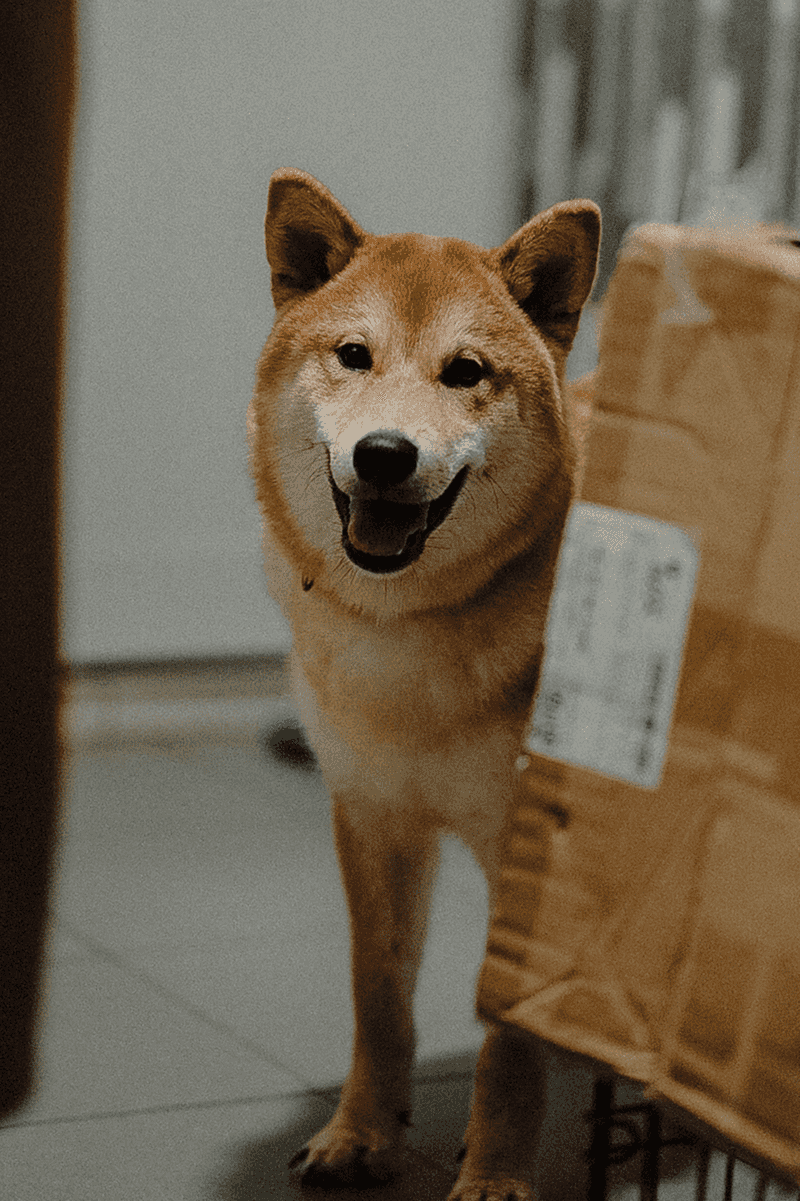
Shibas are adorable fox lookalikes with startup CEO opinions. Many dislike handling, shrug at treats, and negotiate every request.
If doors are not latched, they sprint, smile, and crowdsource capture from neighbors. The famous scream is real when they disagree with nail trims and vet moments.
Training leans on games, smart reinforcement, and consent based handling drills. You will condition harnesses, build reliable recalls with long lines, and respect their personal space.
Dog park social butterflies they are not. With humor, management, and structured exploration, a Shiba becomes an entertaining roommate who keeps you humble and your treat pouch stocked.
Jack Russell Terrier
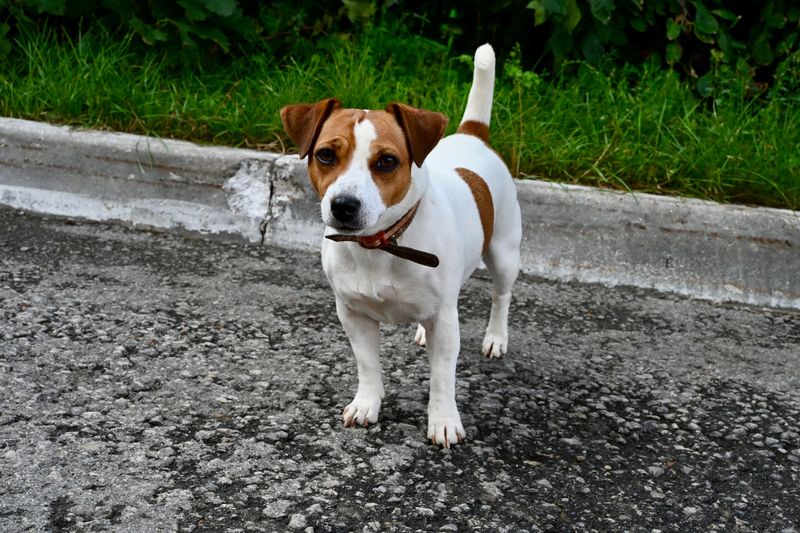
This tiny athlete is caffeine in dog form. Bred for vermin, they tunnel, leap, and outthink locks to chase anything that rustles.
Without outlets like scent games and fast fetch, they redecorate with holes and shredded socks. Apartment walls and quiet neighbors may not appreciate the soundtrack.
Training must channel intensity, not squash it. You will teach settle on mat, impulse control around movement, and smart recall with long lines.
Consider terrier sports, dig boxes, and flirt pole sessions to tire body and brain. Given a job and firm structure, a Jack Russell is hilarious, loving, and impressively capable for an engaged owner.
Weimaraner
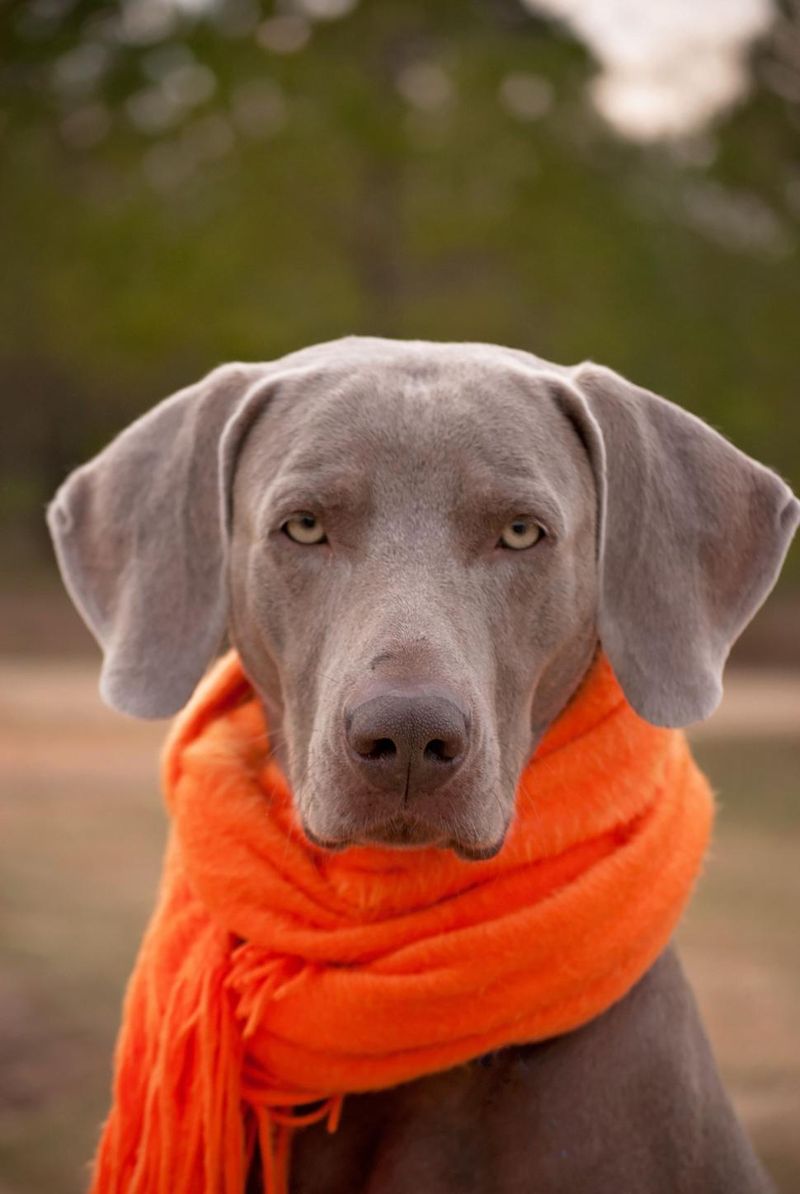
Weims bond hard and hate boredom. Left alone, they serenade the block, redecorate pillows, and practice parkour from couch to counter.
Their athleticism needs long runs, field games, and advanced obedience to keep brains and bodies satisfied. Sensitive natures benefit from calm handlers who reward generously.
Expect separation anxiety tendencies without careful conditioning. You will build independence slowly, crate train kindly, and design a schedule that prioritizes movement.
Novices can feel overwhelmed by the combination of clinginess and speed. With patience and adventure, a Weimaraner becomes a velcro teammate who shines on trails and thrives beside your stride.
Vizsla
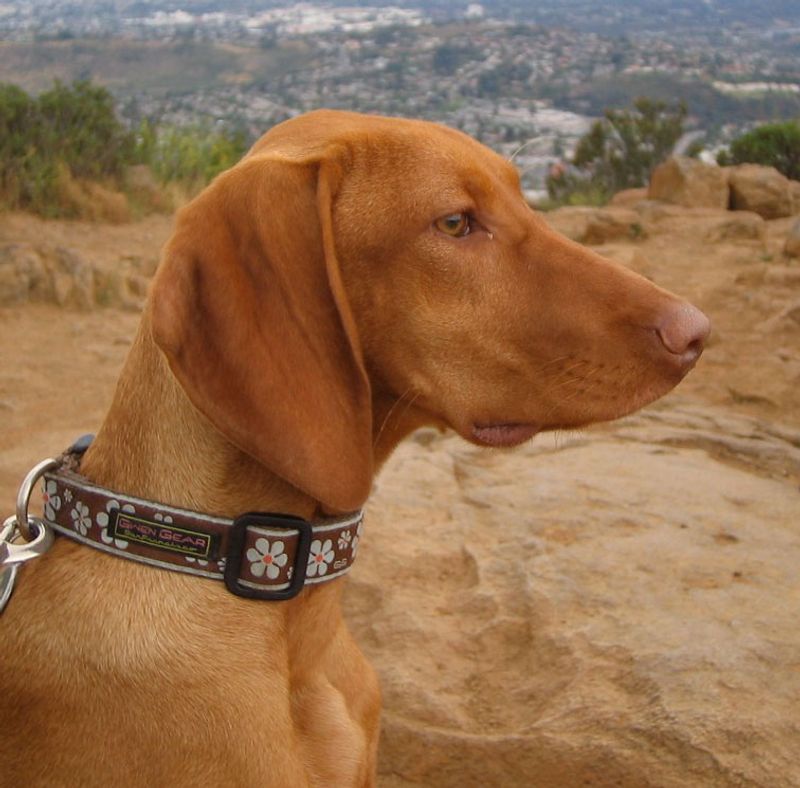
Vizslas are affectionate shadows with a sports car engine. If you expect a couch accessory, you will be surprised by hours of zooming.
They crave close contact, off switch coaching, and real cardio like canicross or field work. Boredom creates creative home projects you did not request.
They respond beautifully to positive methods and routine. You will practice calm snuggle time after workouts, boundary games, and polite greetings to curb exuberance.
Many struggle with alone time unless you train it intentionally. Meet those emotional and athletic needs, and a Vizsla becomes a loving, tender athlete who sleeps draped across your feet.
Dalmatian
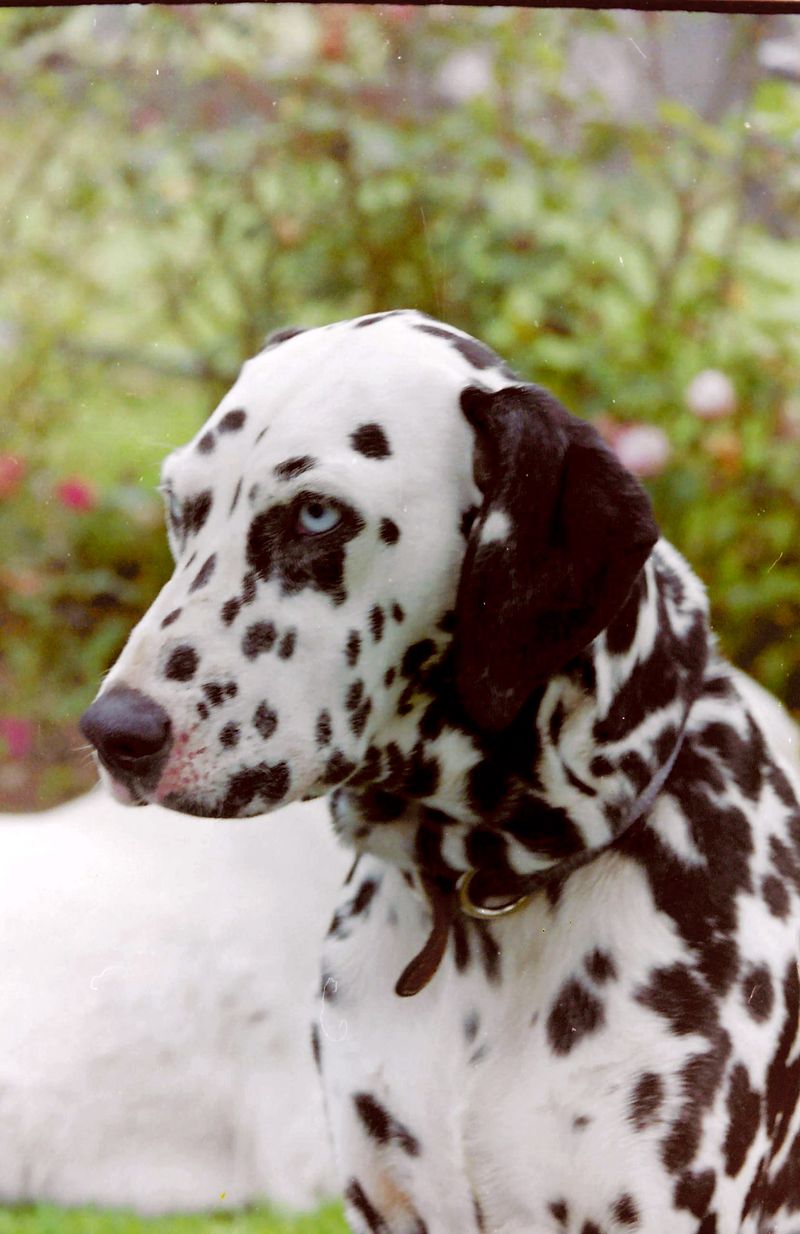
Dalmatians look glamorous, but management can be a full project. Energy is high, sociability varies, and uric acid stone risk demands diet care.
Without focused training, they can bulldoze greetings and rehearse reactivity. Structured exercise, scent work, and trick training keep that spotted brain content.
Grooming is simple, yet the shedding is relentless confetti. You will plan vet partnerships for screening, practice loose leash skills, and prioritize neutrality in busy places.
Sound sensitivity can appear without early exposure. With thoughtful routines and health awareness, a Dalmatian becomes a joyful, comedic partner who turns every walk into a parade.
Cane Corso
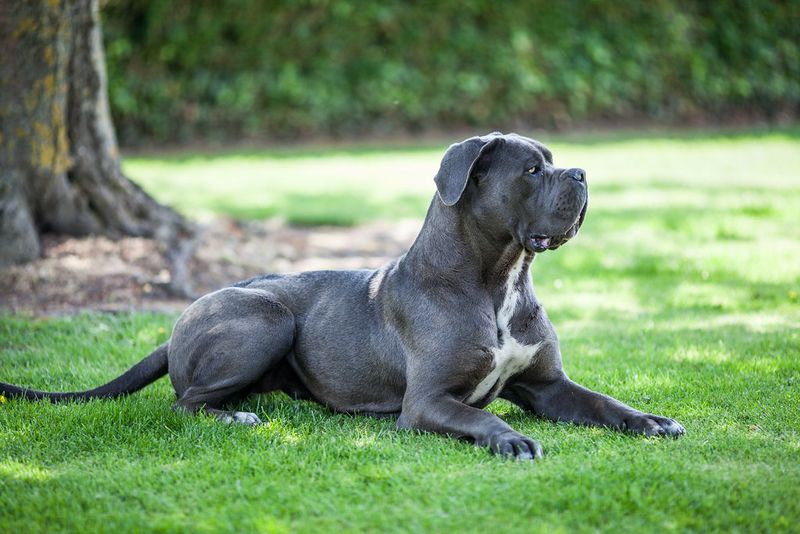
The Corso is a guardian first, pet second. Size and presence amplify mistakes, so leadership must be calm, consistent, and fair.
Early socialization, neutrality around strangers, and handler focus are daily habits. Rough handling breeds conflict, while clarity builds trust in this thoughtful powerhouse.
Expect drool, strength that moves furniture, and a protective nature that needs rules. You will train muzzle skills, cooperative care, and bulletproof recalls behind gates and doors.
Dog parks are usually a hard pass. In the right home with structure and respect, a Corso offers steady devotion and confident companionship that feels like living security.
Great Pyrenees
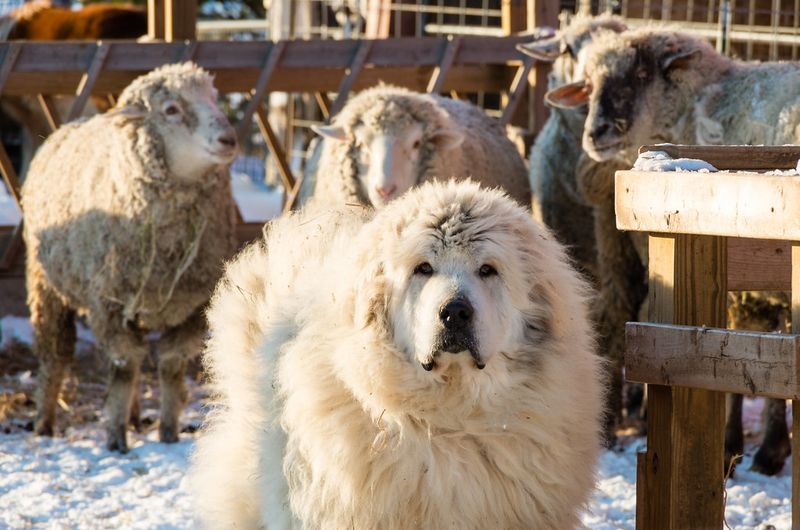
The Pyrenees was bred to guard, not fetch. They make decisions independently on night shift while you sleep.
In suburbia, that duty becomes barking at breezes and calling meetings about passing clouds. Fences must be tall, and expectations must honor their calm, steady nature.
Training focuses on reliable routines, polite boundaries, and low drama leadership. You will manage barking with enrichment, white noise, and scheduled patrol time.
They often dislike heat and prefer dignified strolls over sprints. If you value serenity, patience, and a devoted sentinel, the Pyr offers gentle loyalty with a side of stubborn wisdom.
Beagle
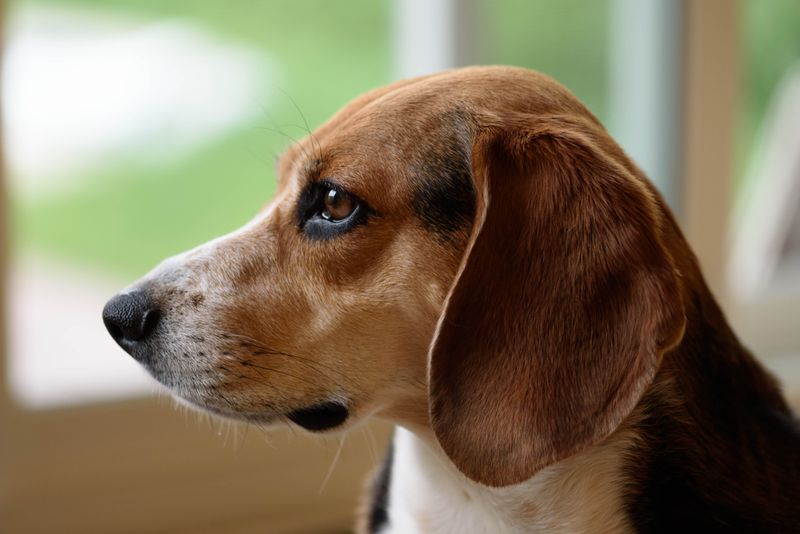
Beagles follow noses like GPS with no pause button. Once a scent locks in, recalls evaporate unless you train for it.
Apartments may hear melodic baying when boredom hits. Scent games, long line adventures, and calm crate time keep their mission focused.
They are merry, loving, and frequently stubborn about food hunting. You will practice impulse control around counters, polite leash walking, and reliable settle cues.
Dog parks can be chaos if arousal spikes. With patience and nose worthy outlets, a Beagle becomes a cheerful companion who turns every walk into a delightful investigation.
Cocker Spaniel
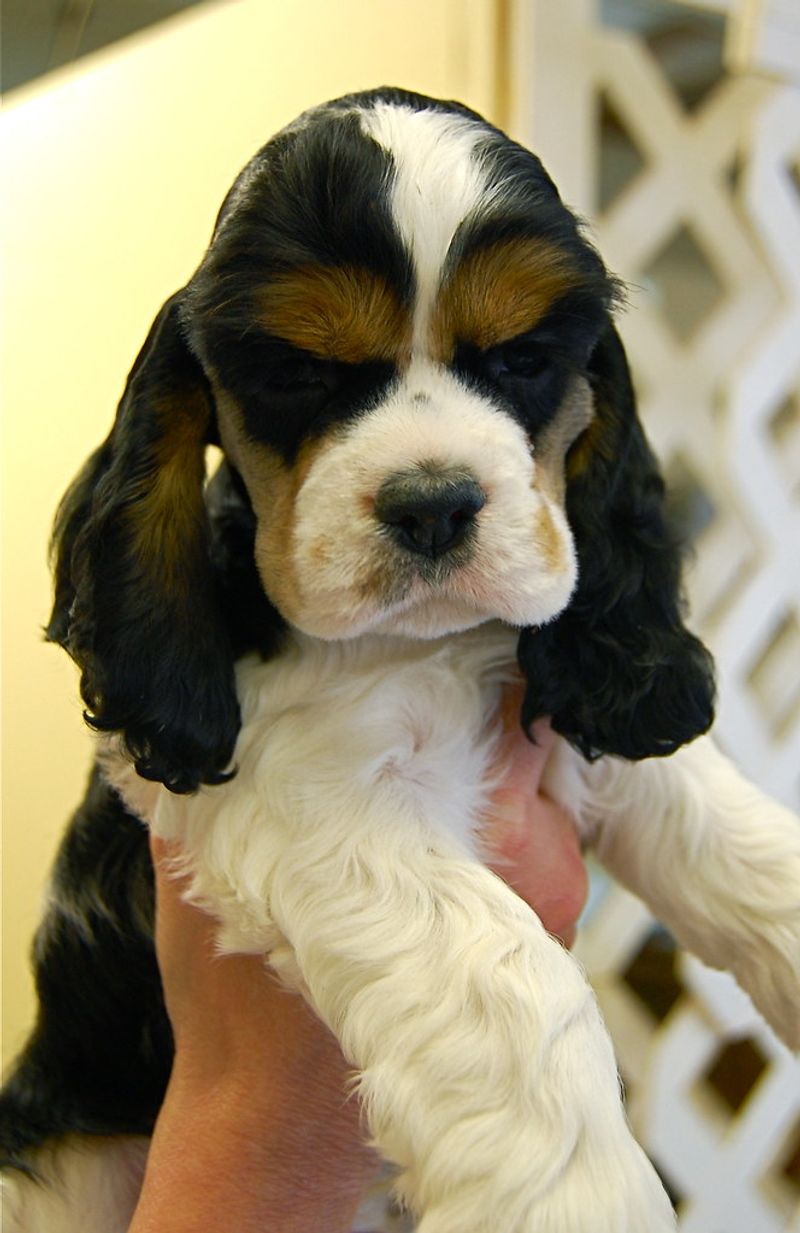
Cockers are sweet, sporting, and surprisingly high maintenance. Coat care is real, and matting appears fast without brushing and trims.
Some lines carry resource guarding or sensitivity that needs thoughtful handling. Exercise and sniffing jobs keep emotions balanced and furniture intact.
Training should be upbeat, precise, and consistent. You will teach cooperative grooming, muzzle conditioning, and structured fetch to prevent obsession.
Ear care and skin monitoring save vet bills and headaches. Given fair boundaries and daily enrichment, a Cocker delivers affectionate charm, happy wiggles, and a strong desire to work closely with your family.
Alaskan Malamute
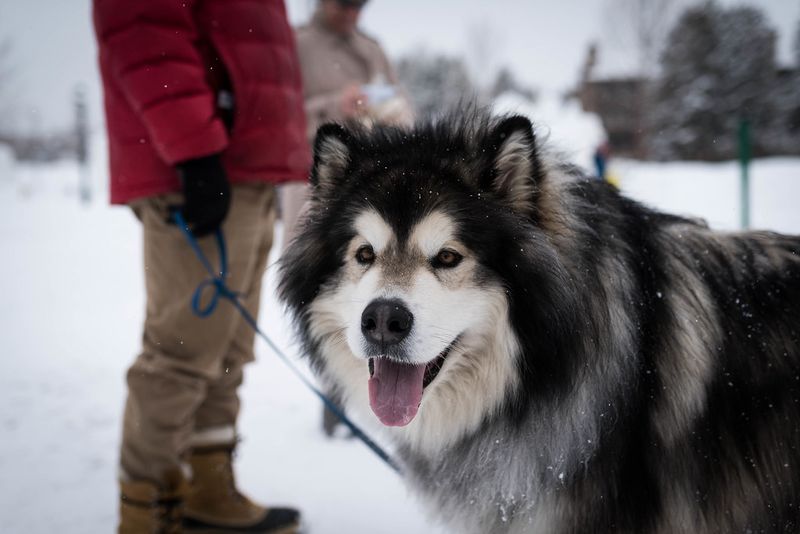
Malamutes are freight engines with opinions. Strength plus independence can overwhelm casual homes quickly.
They dig, sing, and test fences like engineers. If you do not plan heavy exercise and management, they will happily plan chaos for you.
Training focuses on teamwork, not micromanagement. You will use secure yards, structured weight pulls or canicross, and calm handling to guide decisions.
Small pet safety can be an issue due to prey drive. With respect, routine, and mountain sized outlets, a Malamute rewards you with heart, humor, and snow day magic.
Australian Shepherd
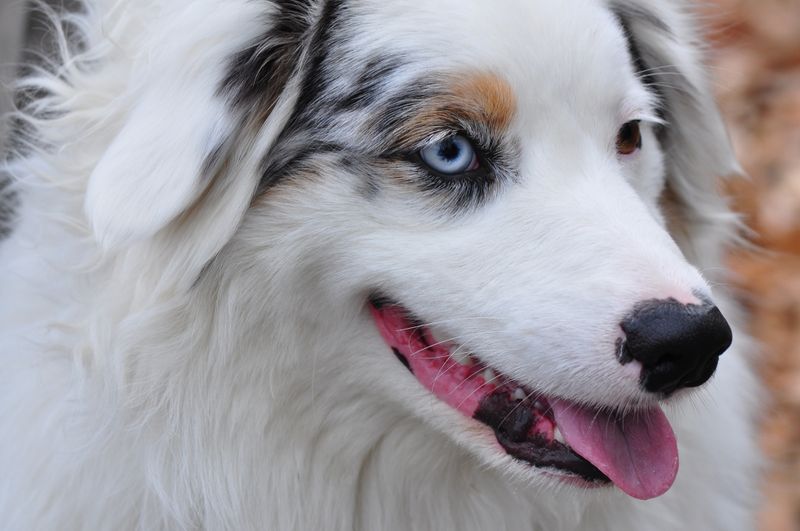
Aussies are workaholics wearing glitter. Intelligence and motion sensitivity can morph into herding kids and guarding couches.
Without a plan, they invent security jobs and complaint barking. Agility, trick training, and calm stationing help direct that sparkle into skills.
They crave closeness and thrive on clear expectations. You will socialize broadly, practice neutrality around strangers, and teach off switches after workouts.
Grooming is steady, and shedding is impressive. Treat the Aussie like a teammate, not a decoration, and you will discover a witty, athletic companion who adores doing everything with you.
Doberman Pinscher
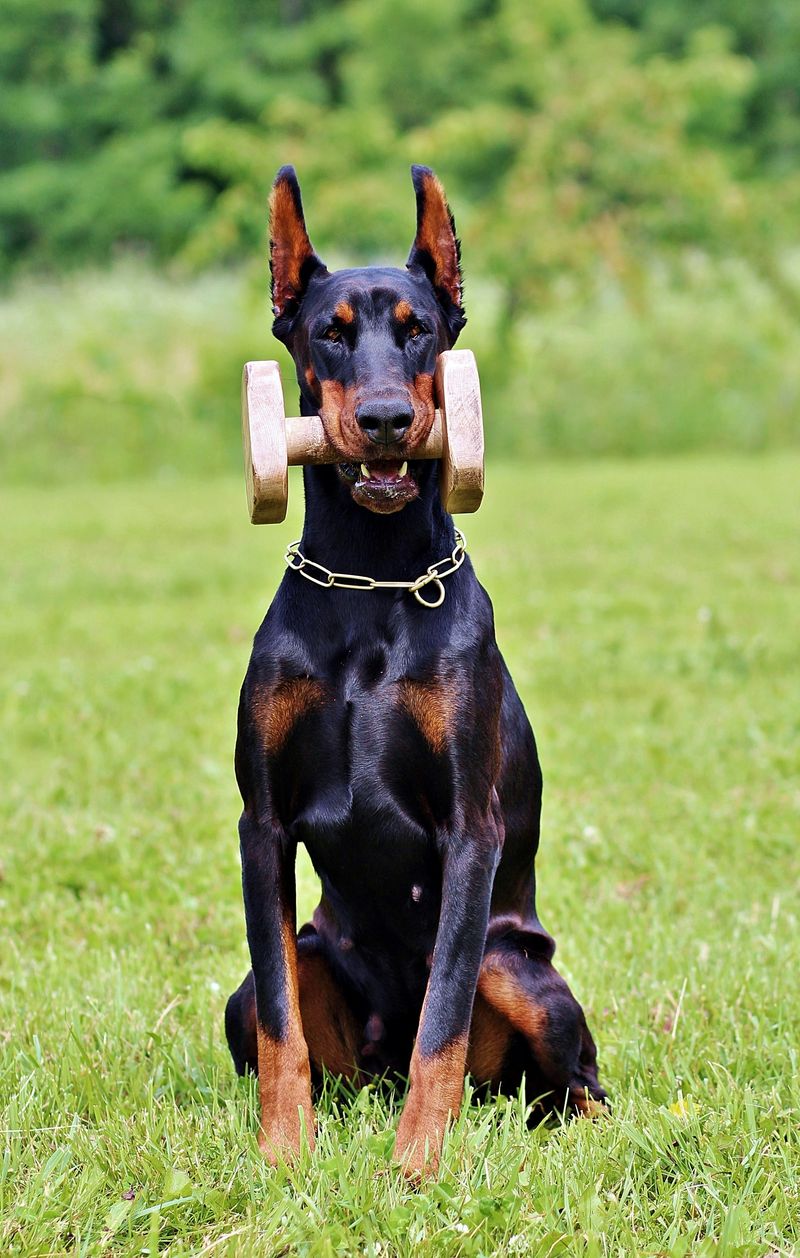
Dobermans are sensitive guardians who read emotions like a novel. Harsh handling backfires, while clarity and kindness unlock brilliance.
Without structure, they may develop reactivity, separation struggles, or pushy guarding. Daily training, decompression walks, and predictable routines keep that sharp mind settled.
Health and skin sensitivities can add management needs. You will practice neutrality, cooperative care, and confident leash skills in busy places.
They bond intensely and crave proximity. Given thoughtful leadership, a Doberman becomes an elegant, devoted partner who would rather be at your side than anywhere else.
Rhodesian Ridgeback
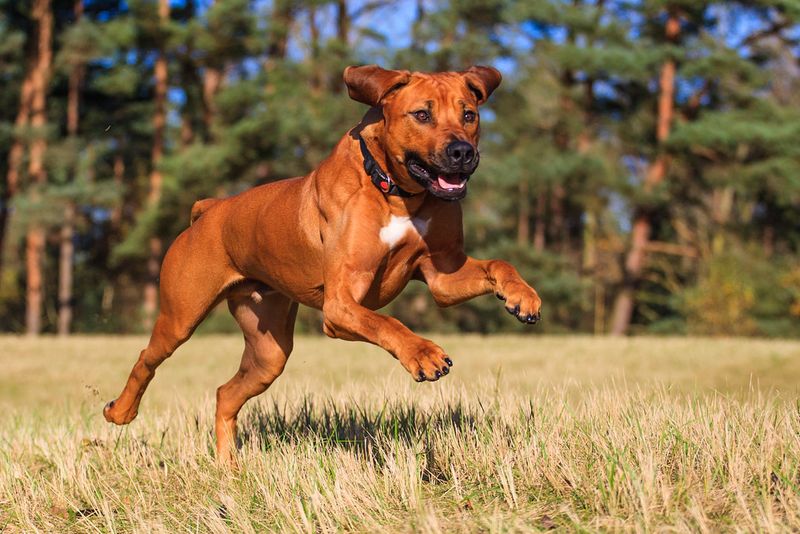
Ridgebacks are athletic, independent, and surprisingly chill indoors when properly exercised. Off leash reliability is tough thanks to chase instincts.
Without outlets, they may bowl over guests and redecorate the yard. Sprint sports, structured hiking, and place training shape manners without dulling spirit.
They need fair boundaries and early exposure to the world. You will condition recalls with long lines, proof calm greetings, and respect their thoughtful nature.
Heat management matters, and soft bedding saves joints. With consistent guidance, a Ridgeback offers dignified companionship and weekend warrior excellence that keeps your calendar adventurous.
Golden Retriever
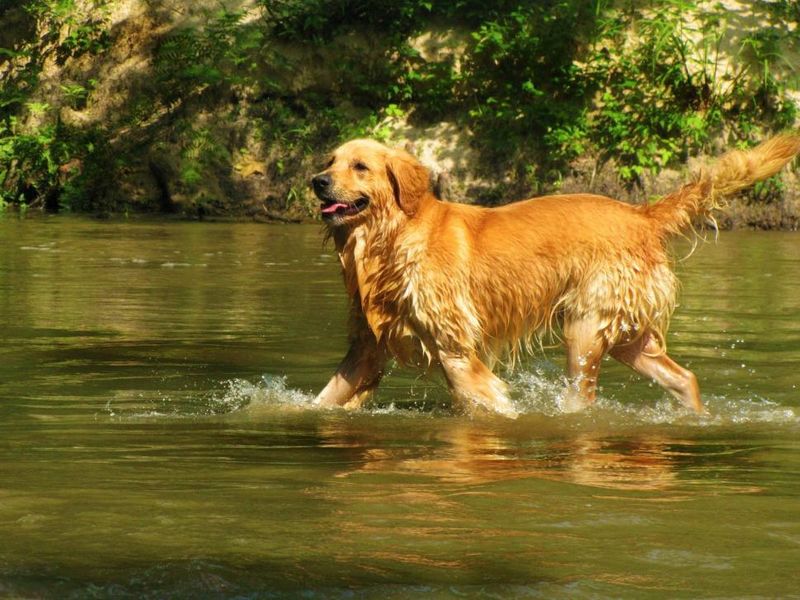
Goldens seem easy, but many families are surprised by mouthy adolescence, nonstop greetings, and big feelings. These social butterflies need training to channel exuberance and prevent jumping habits.
Understimulated Goldens steal socks for sport and chew through boredom fast. Daily training, fetch rules, and chill protocols build manners.
Health issues require thoughtful breeders and vet care. You will teach impulse control, calm leashing, and polite settle after excitement.
Coat care and ear hygiene are regular chores. With purpose and patience, a Golden becomes sunshine in fur, but getting there takes more structure than the commercials suggest.
French Bulldog
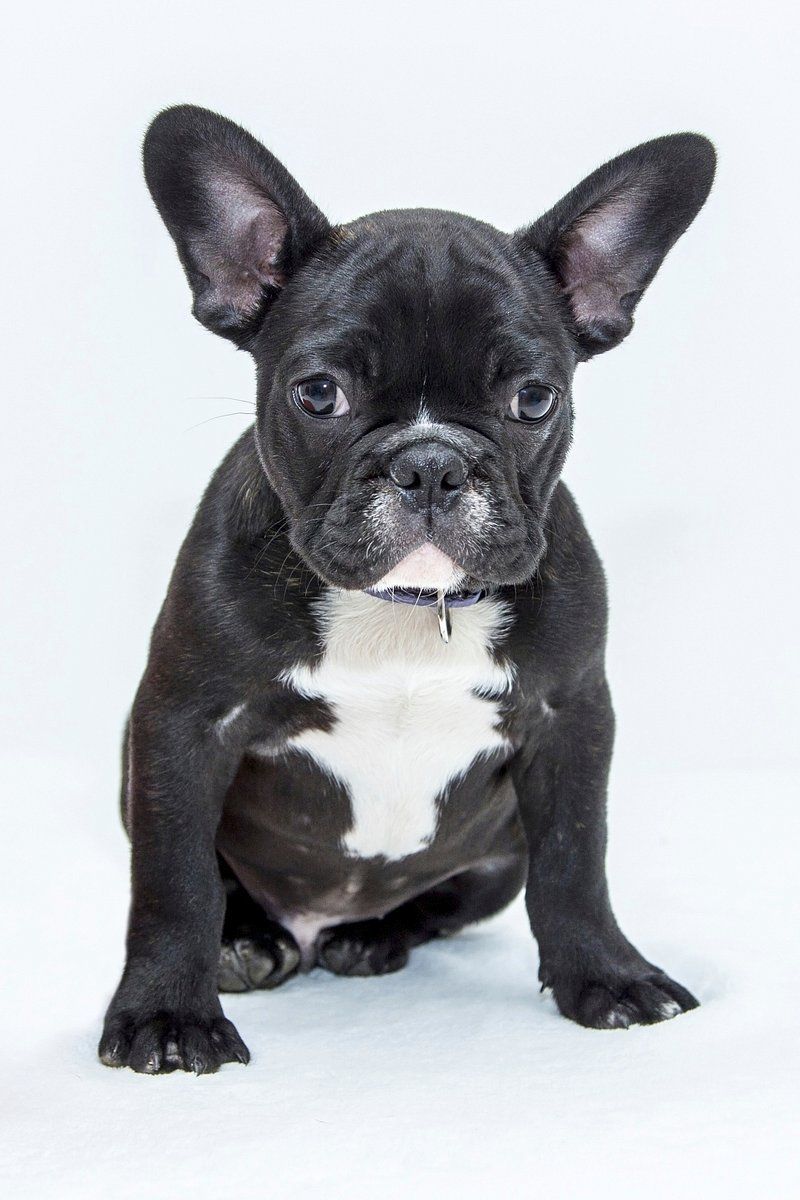
Families expect a chill clown, then meet stubborn opinions and surprise vet bills. Frenchies can be sweet, yet training sometimes feels like negotiations.
Heat sensitivity limits outdoor fun, and breathing troubles need management. Enrichment must be thoughtful, not just fetch and walks.
House training may take patience, and skin allergies require diligent care. You will use short training bursts, snuffle mats, and cooperative grooming to keep things positive.
Jumping and attention barking can creep in without boundaries. With realistic expectations and proactive health care, a Frenchie delivers cuddly humor that fits apartment life, but still demands consistent guidance.
Cavalier King Charles Spaniel
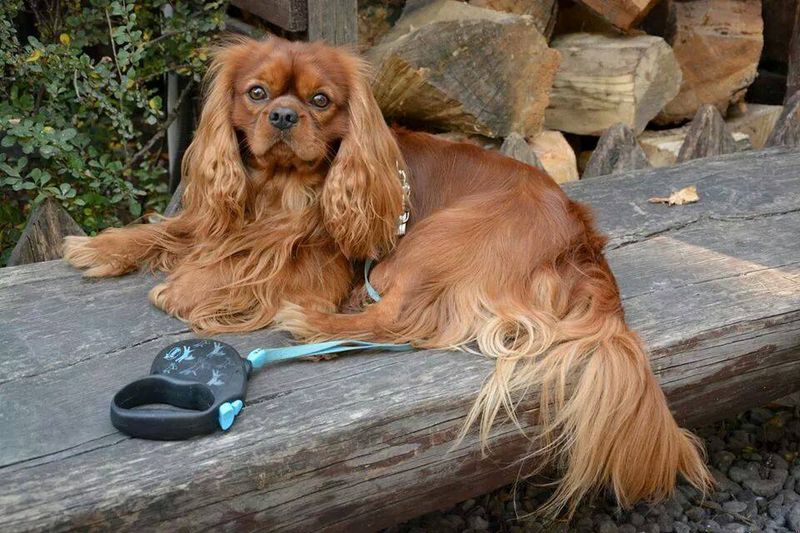
Cavaliers look effortless, yet they can struggle with separation, weight, and heart health. Many want constant contact and wilt when left alone without training.
Grooming and ear care are steady tasks, not occasional chores. Gentle methods work best because they are soft, sensitive souls.
You will condition alone time slowly, build confidence through games, and keep exercise consistent to protect joints. Vet partnerships for heart screening matter greatly.
Treat stealing and selective hearing appear if structure slips. Given loving routines and mindful health care, a Cavalier brings quiet joy and a lap full of warmth that brightens slow mornings.
Labrador Retriever
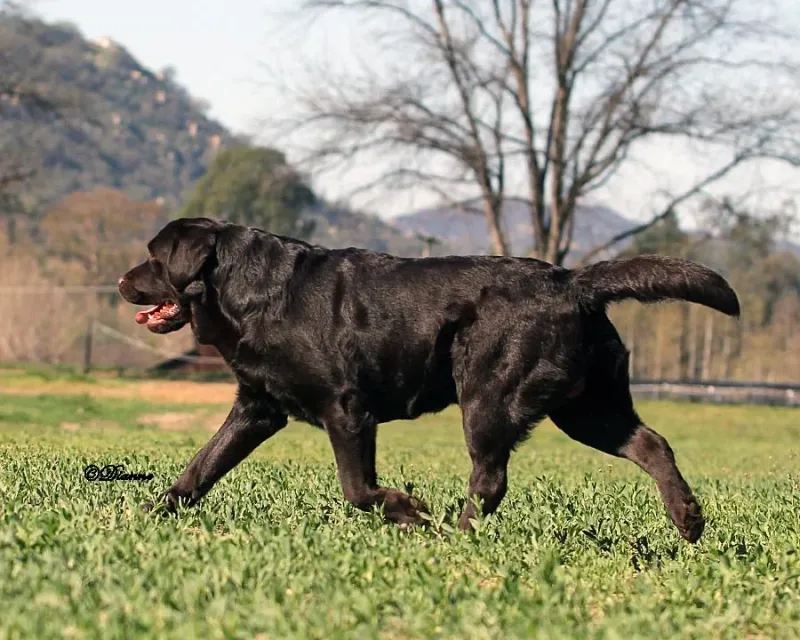
Labs often arrive as exuberant teenagers in giant sneakers. Families expect chill, then meet power chewing, counter surfing, and relentless fetch demands.
Without structure, they become self employed comedians with a pantry key. Exercise plus impulse training transforms chaos into grinning cooperation.
They love food, which helps and hurts. You will manage calories, teach leave it, and reward calm like a sport.
Adolescence can feel long unless you plan enrichment and clear rules. When you commit to training and outlets, a Lab becomes the friendly do anything partner everyone imagines, just with better manners.