
Cute face, wagging tail, instant yes… right? Many popular family dogs come wrapped in charm but also carry surprises that upend routines, couches, and quiet evenings.
Before you bring home a dream pup, it helps to know the quirks that turn easy into exhausting. Here are the breeds people romanticize, plus four that demand even more grit and structure.
Labrador Retriever

Everyone praises Labs as foolproof family dogs, and the affection is real. You get a shadowy companion who adores kids, fetch, and food.
But that appetite is intense, and boredom plus counter surfing can wreck your kitchen. Shedding is a year round blizzard.
Energy levels are higher than many expect, especially through the first three years.
Training is necessary, not optional, because an adolescent Lab can pull you like a sled. Plan for daily aerobic exercise, puzzle feeders, and firm real boundaries around food.
Ear infections from swimming can sneak up if you slack on care. If you want a chill couch potato now, this is not it.
Choose a Lab when you crave enthusiasm and time to channel it.
Golden Retriever
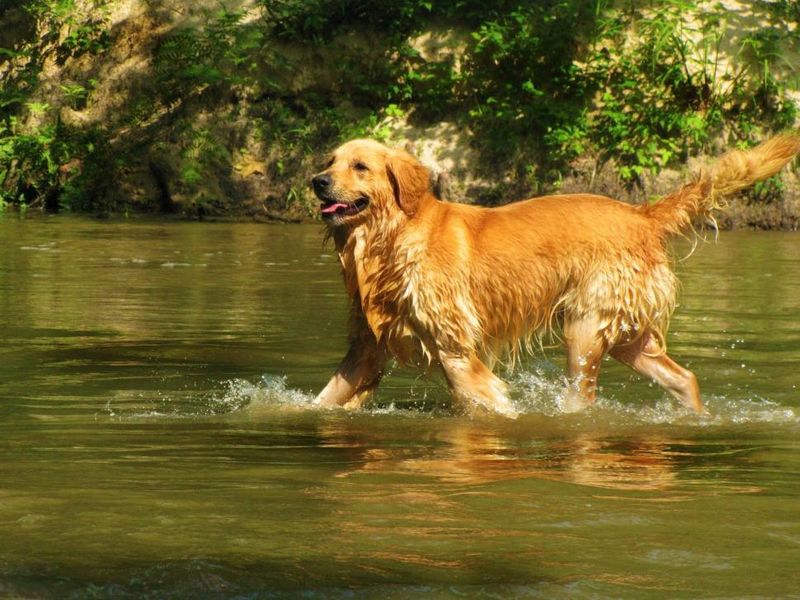
Goldens look like living sunshine, and their sweetness sells the dream. Underneath the grin, you get nonstop social needs, oceanic shedding, and a mouth that loves carrying everything.
Without structure, the friendliness turns into jumping, mouthing, and door dashing. That flowing coat mats fast if you skip brushing or swims.
Expect substantial grooming and vacuum sessions several times a week. They thrive on meaningful training, not just cuddles, and they can develop anxiety if left alone too long.
Orthopedic issues and allergies are common, so budgeting for vet care matters. If you provide daily exercise, brain games, and calm leadership, you will love the results.
If you crave a low maintenance buddy, rethink the timeline.
Beagle

Beagles are merry, musical, and adorable. Then the nose takes over, and suddenly recall evaporates the moment a scent trail appears.
Barking and howling can surprise neighbors, especially in apartments. Food motivation helps training, but it also fuels counter raiding and trash diving without management.
Daily sniffaris on a long line are your best friend. Secure fencing is crucial because many Beagles will follow smells beyond reason.
Expect steady shedding despite the short coat and invest in puzzle feeders to keep that brain employed. Bored Beagles invent hobbies like wallpaper removal.
With patient, scent-based enrichment and consistent boundaries, you will adore the charm. Skip this breed if you want off leash reliability or silence.
Bulldog (English)
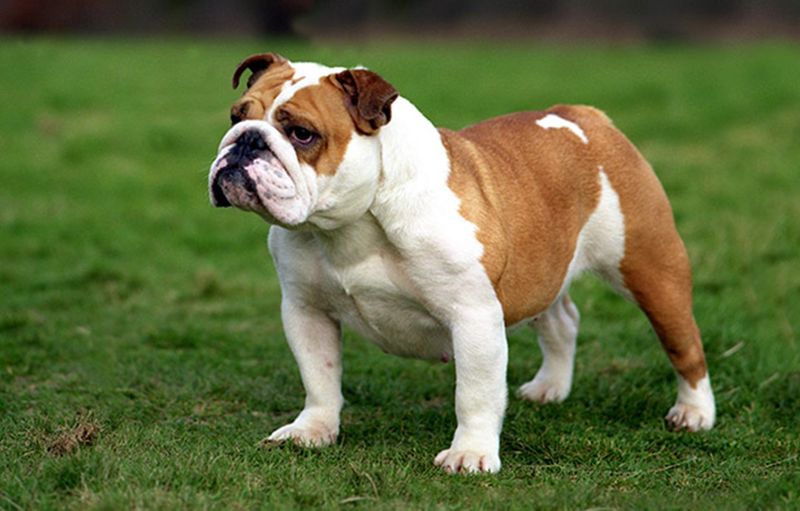
Bulldogs have irresistible squish and couch potato vibes. Hidden within that charisma are heavy vet bills, breathing limitations, and heat sensitivity that restricts activity.
Short walks become events with cooling plans, shaded routes, and careful pacing. Skin fold care is mandatory, not optional, to prevent infections and discomfort.
Snoring, drool, and gas become part of your home soundtrack. Stairs can be tough on joints, and anesthesia risks complicate even routine procedures.
Training is still important because stubbornness shows up early. If you picture long hikes, choose another breed.
If you can offer diligent health monitoring, climate control, gentle exercise, and financial cushion for care, a Bulldog’s goofy affection can fit beautifully into your life.
Pug
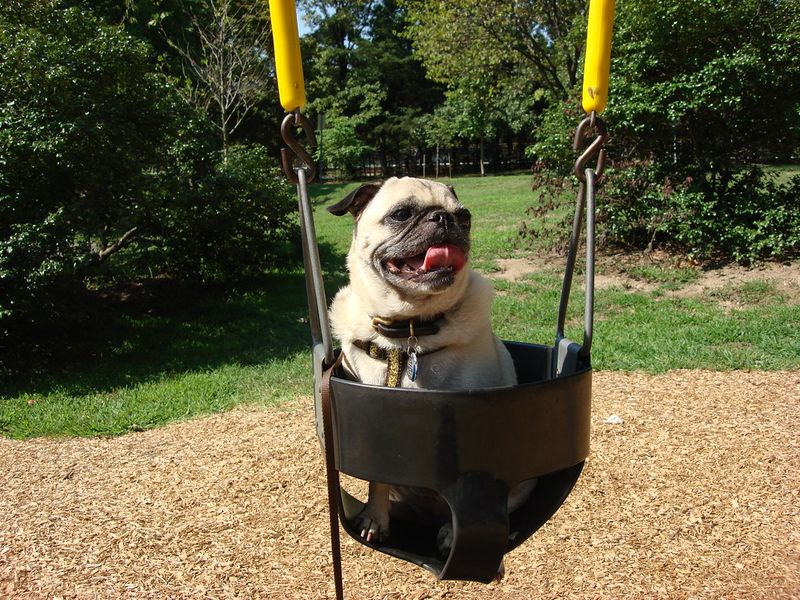
Pugs are comedians with big hearts and bigger eyes. Many people see an easy apartment companion, but respiratory limits, eye injuries, and heat sensitivity demand vigilance.
They shed surprisingly heavily, and weight gain happens fast without careful feeding. Snorts are charming until they signal real breathing strain during play or walks.
Short, fun training sessions help manage stubborn streaks and keep their minds happy. Expect daily face fold cleaning and regular vet checks for eyes and airways.
Air conditioning is a year round necessity in warm climates. They love people and struggle when left alone for long stretches.
If your lifestyle includes mindful climate control, measured exercise, and close health monitoring, a Pug can be a delightful sidekick.
Cavalier King Charles Spaniel

Cavaliers melt hearts with softness and soulful eyes. They seem effortless, yet grooming, separation sensitivity, and serious heart disease risks raise the stakes.
Many crave constant company and can become distressed when routines shift. That luxurious coat tangles quickly, especially behind ears and legs, if brushing lapses.
Gentle training works best, along with enrichment that does not overload joints. Pet insurance is genuinely wise here because mitral valve disease is common.
Moderate walks, puzzle games, and calm households help them thrive. Apartments can work if you are home often and committed to grooming.
If you want hands off independence, keep looking. If you promise daily care and closeness, a Cavalier will return devotion in spades.
German Shepherd
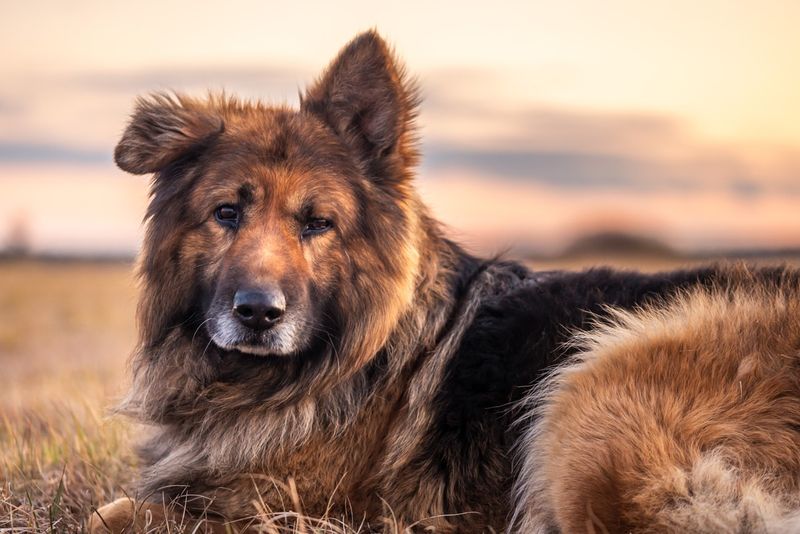
German Shepherds look heroic and loyal, which attracts families fast. But without structure, their intensity becomes reactivity, herding kids, and protective behaviors you are not ready to manage.
They need consistent training, clear jobs, and careful socialization through adolescence. Hip and elbow issues plus skin allergies make proactive healthcare essential.
Daily exercise must include mental challenges like tracking, obedience, or scent work. A bored Shepherd may chew walls or patrol windows all day.
They bond deeply and can develop separation issues if isolated. If your household delivers leadership, boundaries, and outlets, you will get a stellar partner.
If you prefer casual training and occasional walks, this breed will overwhelm your schedule and patience.
Border Collie
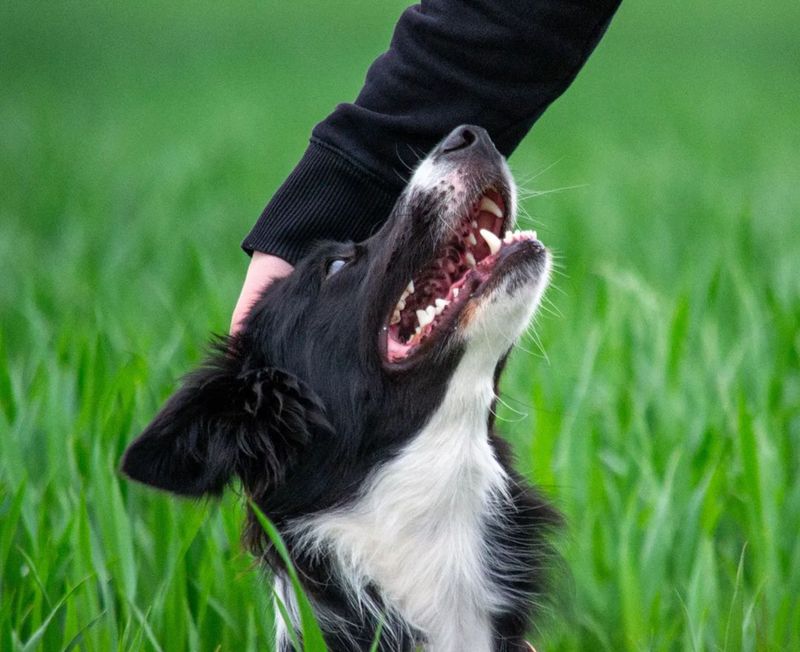
Border Collies are geniuses wrapped in fur. Families fall for the bright eyes and frisbee stunts but underestimate the daily workload.
Without serious mental and physical outlets, they will herd kids, chase cars, and redecorate drywall out of frustration. Constant motion is their default, not a weekend activity.
Plan advanced training, sport classes, and structured rest to prevent burnout for everyone. Eye stalking and sensitivity to movement require thoughtful management around children and small pets.
They thrive with jobs, from agility to scent work, and struggle in sedentary homes. A fenced yard helps, but quality engagement matters more.
Choose this breed if goals include training projects and consistency. Otherwise, admire from afar and spare your sanity.
Australian Shepherd
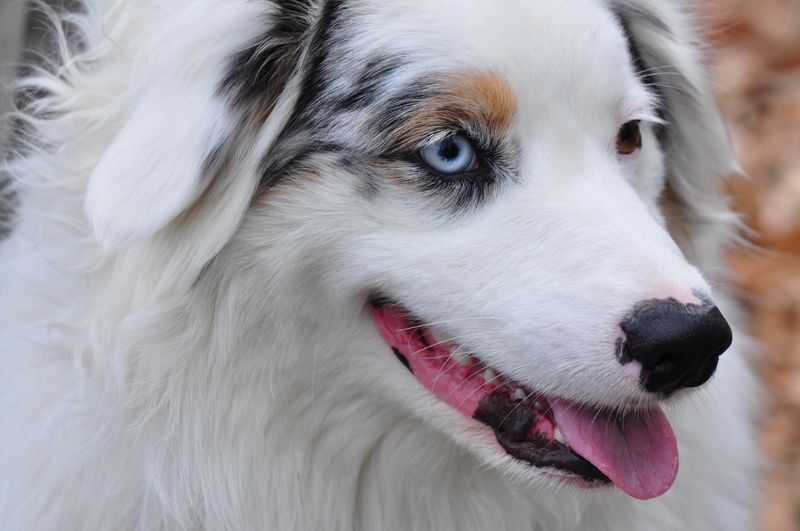
Aussies are photogenic dynamos, affectionate and clever. They also collect jobs the way you collect errands, and idle time becomes mischief.
Without boundaries, they will herd children, nip heels, and alert bark at every passerby. That fluffy coat blows seasonally and tracks mud indoors with gusto.
They excel when you provide training sports, long hikes, and daily brain work. Socialization is crucial to avoid wariness or over guarding.
Apartments can work with heavy commitment, but suburban life with engagement is kinder. If you want a part time hobby dog, this is not it.
Choose an Aussie when you crave teamwork, routines, and a calendar that includes dog activities most days.
Doodle Mixes (Goldendoodle, Labradoodle)
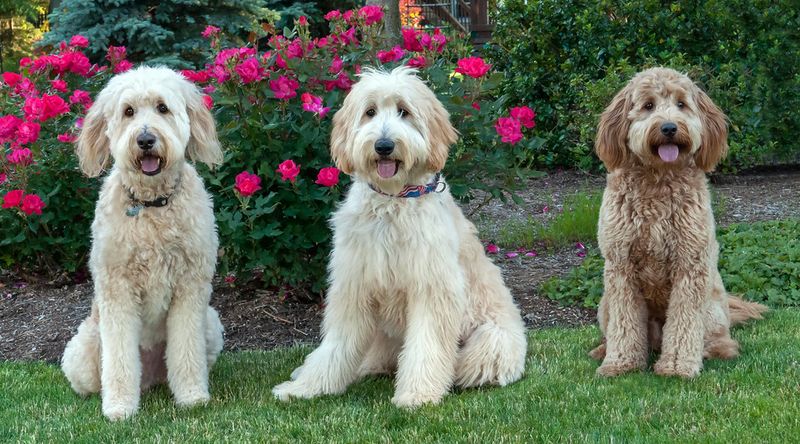
Doodles promise low shedding charm, and sometimes deliver it. What many miss is coat maintenance that rivals show dogs, with matting under collars, armpits, and ears without routine brushing.
Grooming appointments every six to eight weeks add real costs. Energy varies wildly by lineage, so a calm teddy bear can also be a rocket.
Training still matters because friendliness can come with jumping and door bolting. Allergies are not guaranteed to be easier, and some coats still shed.
Plan for daily exercise, enrichment, and reliable recalls. If you love brushing calendars and budget space for grooming, you will enjoy the ride.
If you expected low maintenance perfection, reset expectations before bringing a doodle home.
Cocker Spaniel
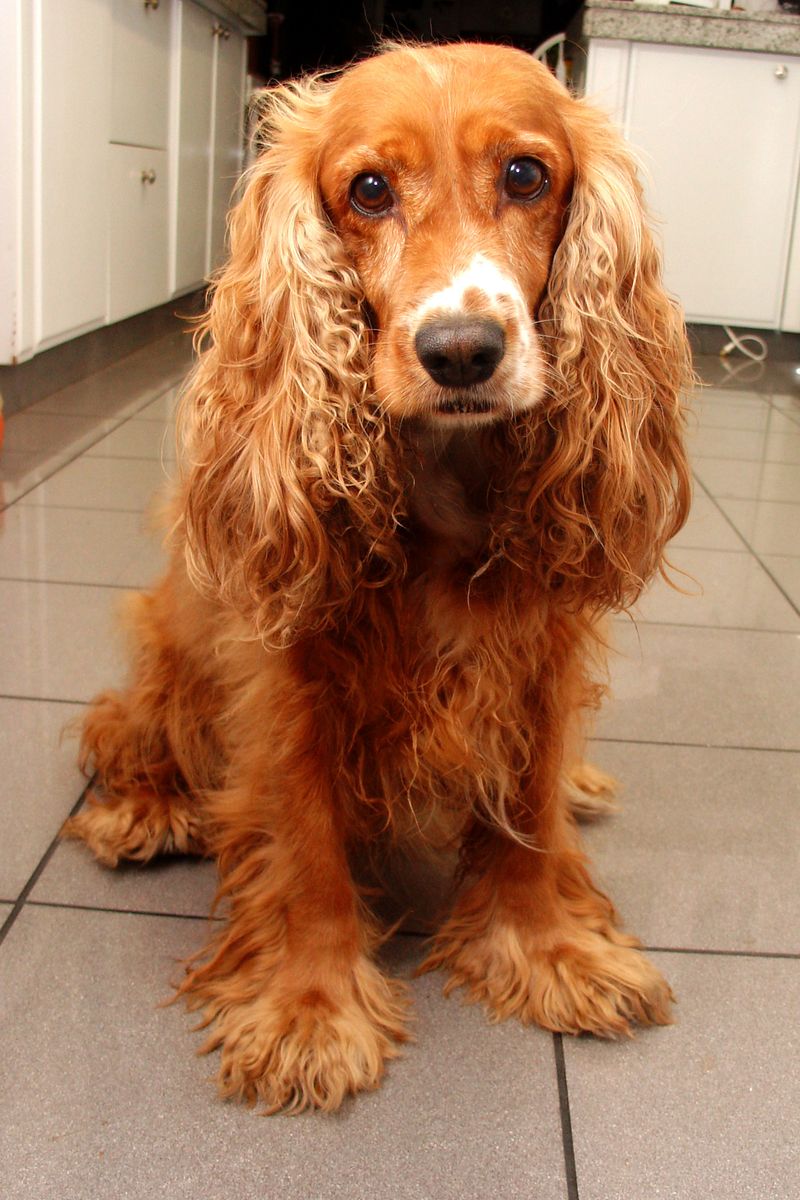
Cockers look like storybook companions and can be snuggly sweet. Hidden costs include regular grooming, ear care, and potential resource guarding without early training.
Their silky coats mat quickly and trap debris from yard adventures. Without structure, some become barky or anxious, especially in chaotic homes.
Daily walks, nose games, and cooperative care practice keep them balanced. Gentle, consistent training works best because harsh handling backfires.
Watch for ear infections and eye issues, budgeting for routine vet checks. With kid respectful boundaries and predictable routines, they settle beautifully.
If you want a wash and wear dog who rolls with anything, consider another breed. This one rewards mindful attention with cheerful companionship.
Jack Russell Terrier

Jack Russells are small rockets with big brains. People picture an easy lapdog and get a parkour athlete with opinions.
Without structured play and training, they dig, bark, and dismantle toys in minutes. Prey drive means small pets and off leash freedom are complicated projects, not assumptions.
Plan flirt pole sessions, scent games, and trick training to tire the mind as much as the body. Secure fencing is non negotiable.
They thrive with confident, upbeat handlers who redirect rather than battle. Apartments can work if you schedule real exercise and enrichment daily.
If you dislike noise, chaos, and puzzle solving, pick another breed. If you love spark and sport, prepare to laugh and sweat.
Siberian Husky
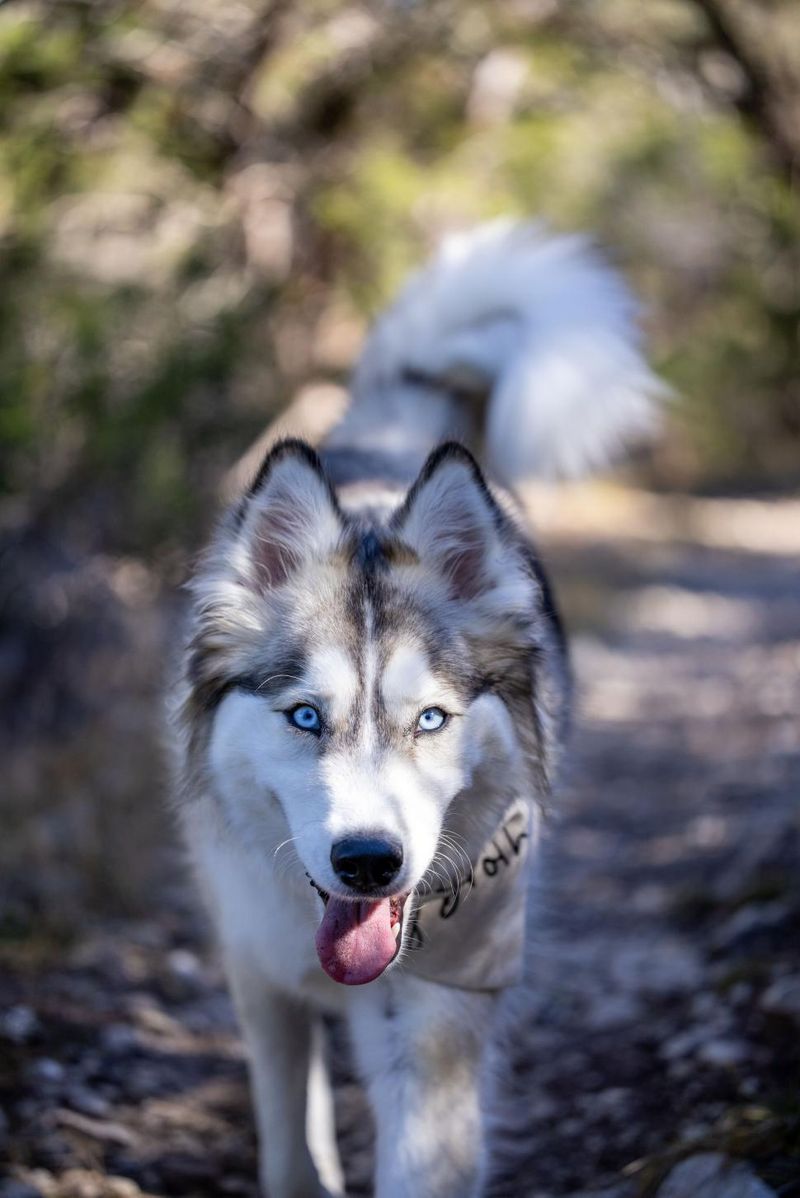
Huskies are living art with movie star charm. Then the escape artistry begins, and fences become suggestions.
They are bred to run, not recall, and many will sing the song of their people at inconvenient hours. Coat blow is legendary, filling vacuums and lint rollers beyond belief.
Cold weather suits them better than summer heat, demanding careful management. Strong leashes, secure yards, and high aerobic outlets are essential.
Cats and small critters may trigger chase, so introductions require caution. If you love distance running or skijoring, perfect match.
If you want relaxed strolls and open window naps, prepare for conflict. Commitment turns dramatic beauty into a wonderful teammate.
Boxer

Boxers are clowns with springs for legs. Their exuberance delights kids but can bowl toddlers and knock drinks off tables.
Slobber strings happen, and the zoomies are real. Heat sensitivity limits summer exercise, and some individuals are prone to cancers or heart issues, requiring vigilant vet care.
Reliable training smooths impulsive greetings and channels energy into games. Mental exercise matters as much as sprints, so add scent work and obedience.
Expect snoring and couch cuddles after the chaos. If you want chill from day one, look elsewhere.
If you can meet high play needs and practice consistent boundaries, a Boxer rewards you with loyalty, laughter, and endless goofy charm.
Dalmatian
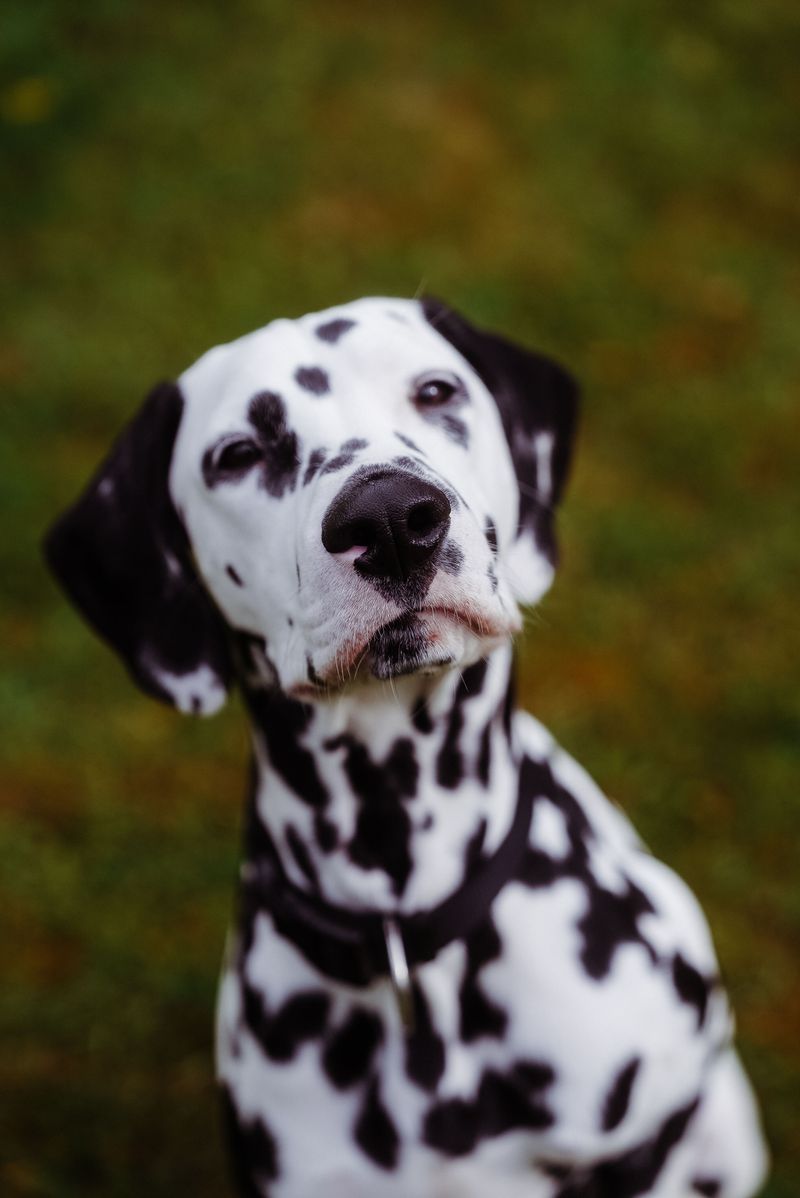
Dalmatians look glamorous and kid friendly in movies. Reality includes high stamina, potential reactivity without socialization, and uric acid stone risks requiring dietary care.
Their brains buzz, and boredom invites destructive hobbies. Shedding is constant, with short hairs that embed in fabrics like glitter.
They need daily distance exercise and thoughtful training to stay balanced. Early exposure to people, dogs, and environments helps prevent edgy behavior.
Discuss diet with your vet to protect urinary health. Apartments are possible only with a strong running or cycling habit and enrichment.
If you want a fashion piece, skip it. If you want a training partner who thrives on structure, a Dalmatian can shine.
Shih Tzu
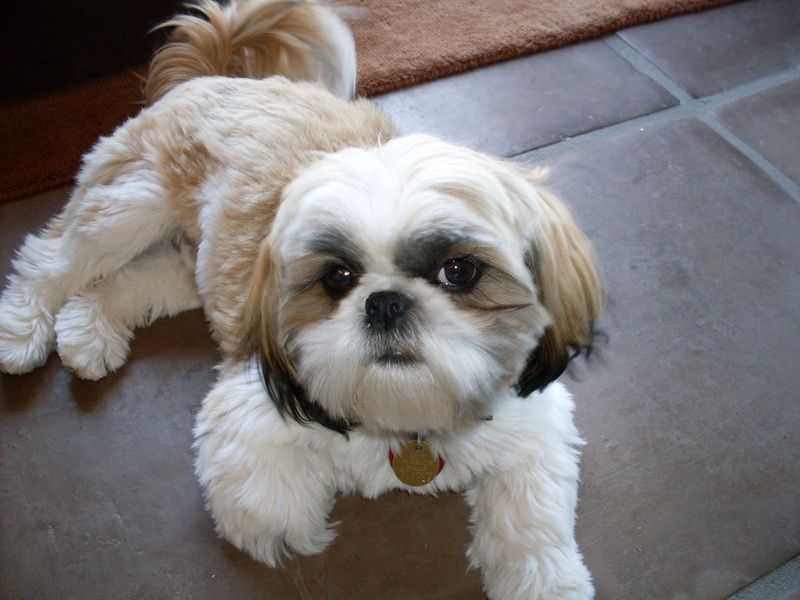
Shih Tzus appear effortless because they are small and sweet. The coat tells another story, demanding daily brushing or regular short clips to prevent mats.
House training can take longer than expected, and stubborn streaks surprise first timers. They prefer company and may protest if alone too long.
Walks are modest, but enrichment still matters. Face cleaning, eye care, and scheduled grooming keep them comfortable.
They are friendly, but rough play from kids should be managed carefully. If you want low grooming, this is not the match unless you commit to a practical trim schedule.
With gentle training, patience, and routine, a Shih Tzu becomes a joyful roommate.
Basset Hound
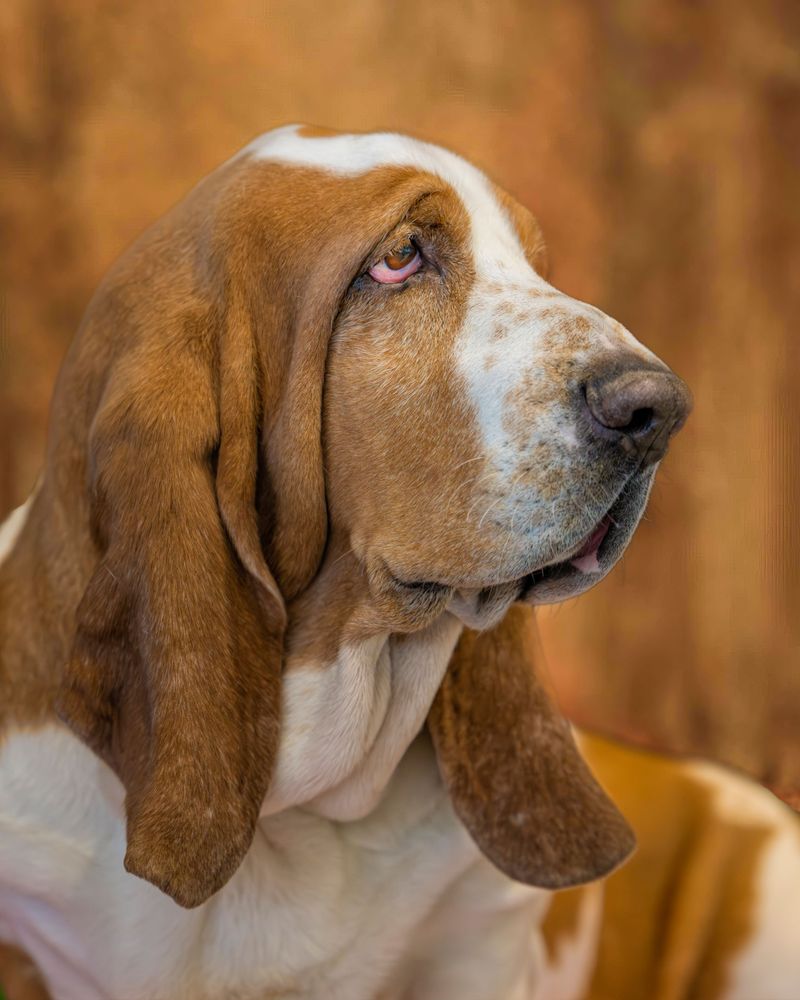
Bassets look mellow and easy, which is half true. The nose rules, pulling focus to every scent and slowing walks to a crawl.
Stairs are tricky for long backs, and ear care is nonstop. Drool plus water equals floor art.
They love people but can be stubborn when motivation is low.
Gentle, food reinforced training helps, as does managing weight to protect joints. Secure fencing prevents follow that smell adventures.
Expect moderate shedding and regular grooming around ears and paws. If you want a jogging partner, pass.
If you enjoy leisurely strolls, cozy naps, and humor about drool, a Basset can be a delightful companion with the right expectations.
Great Pyrenees
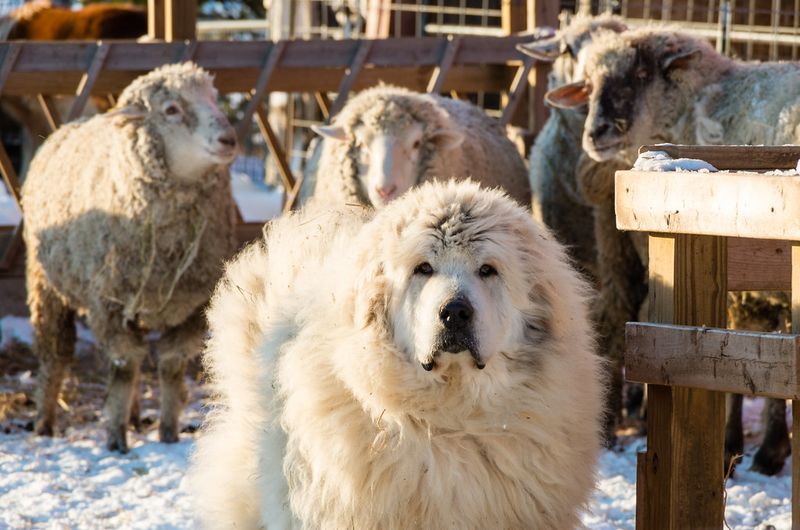
Pyrs look like giant teddy bears, so families imagine cuddles. You will get cuddles, plus independent livestock guardian instincts that include nighttime barking and perimeter patrols.
Heat management and heavy shedding are constant. They are kind but not push button obedient, preferring thoughtful negotiation.
Secure fencing and patient training are essential. Apartments struggle with the volume of fur and voice.
Daily walks are fine, but mental work around calm boundaries and impulse control matters more. If you want an off leash shadow, different breed.
If you respect their watchful nature, provide space, grooming, and structure, a Pyr becomes a serene protector who naps through chaos but notices everything important.
Belgian Malinois (even tougher)

Malinois are tactical athletes, not casual pets. Their intensity dazzles in videos and overwhelms most homes.
Without expert structure, they channel drive into nipping, spinning, and shredding furniture. They need real jobs daily, not weekend fetch.
Crate training, impulse drills, and advanced obedience are baseline requirements, not extras.
Expect sensitivity to motion, strangers, and environmental changes. Miss a day, and you may pay with reactivity or destruction.
First time owners rarely find this fun. If you live for training blocks, protection sports, and meticulous routines, you will thrive together.
Otherwise, choose an easier working breed or admire the Malinois from a distance. This is a full lifestyle, not a hobby.
Cane Corso (even tougher)

Corso charm hides guardian seriousness and significant power. Socialization and neutrality training cannot wait, or fear and over guarding may develop.
Adolescence brings size and confidence that will test boundaries. They are affectionate with family yet discerning with strangers, requiring leadership and clarity every day.
Insurance, housing rules, and public perception matter with this breed. Professional guidance is wise, along with consistent routines, impulse control, and muzzle conditioning.
They need exercise and mental work, but calm stability counts more than endless fetch. If you prefer flexible rules or soft follow through, this will go poorly.
With experience and structure, a Corso is a steady, loyal presence you must continually steward.
Chow Chow (even tougher)
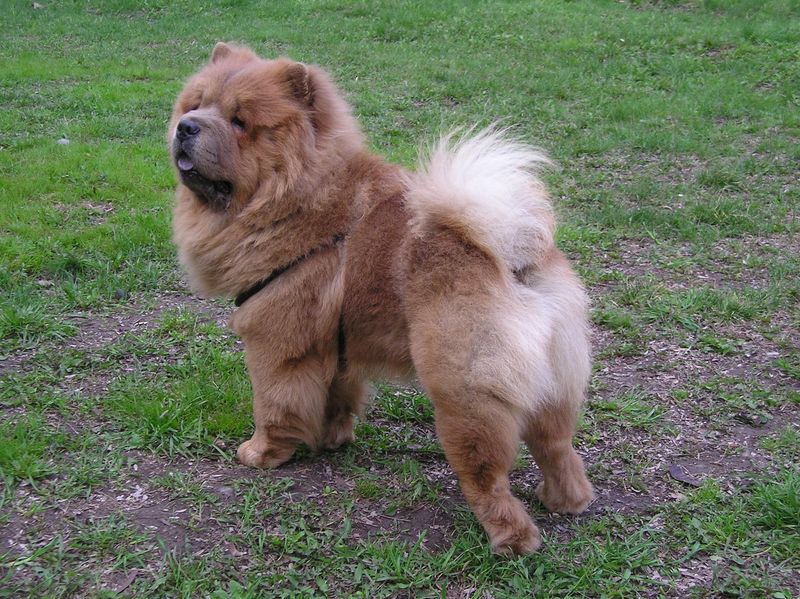
Chows are dignified and often aloof, which some interpret as low effort. In truth, they require early, careful socialization to prevent suspicion and handling intolerance.
Grooming a dense double coat is serious work, especially during seasonal sheds. Their independence can challenge training if you rely on repetition without motivation.
Cooperative care and body handling practice should start young. They are not typically cuddly with strangers, and pushy greetings can spark conflict.
Apartments are possible with steady routines and grooming commitment, but heat management is important. If you want an eager to please buddy, think again.
If you appreciate boundaries, calm leadership, and methodical training, a Chow can be a composed, loyal housemate.
Presa Canario (even tougher)
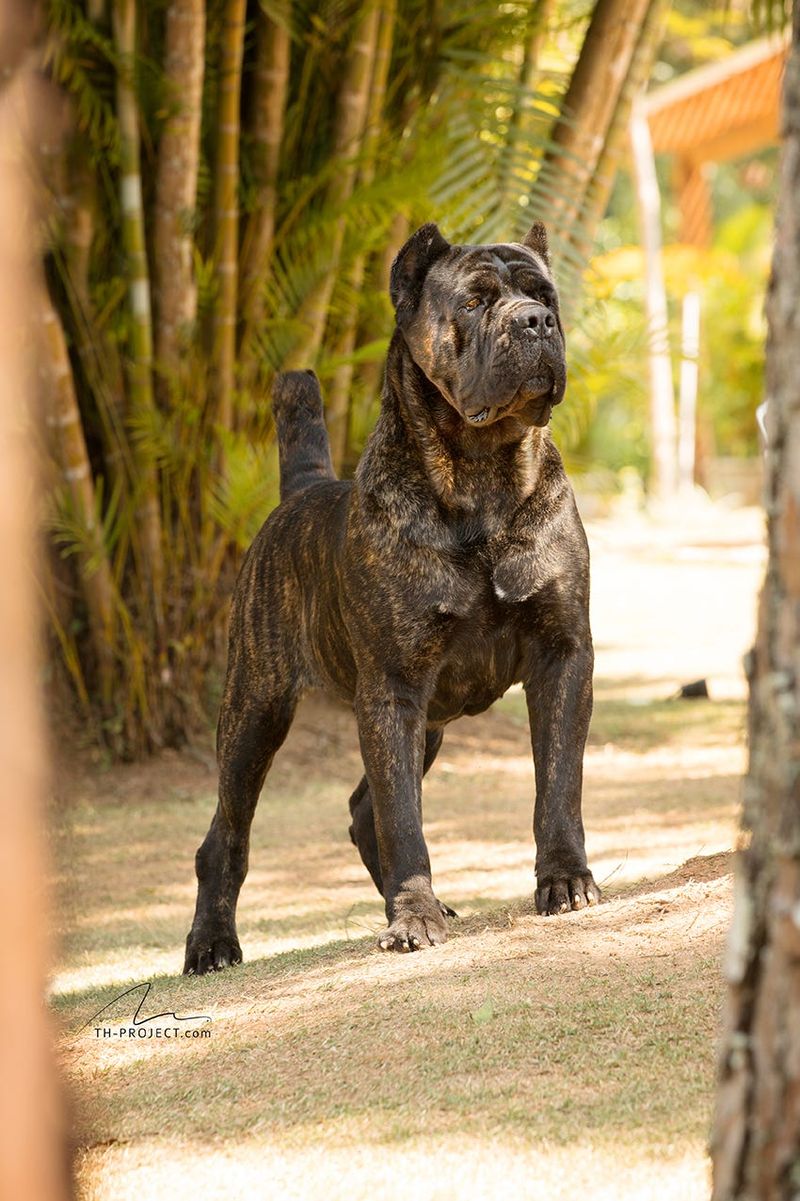
Presas are formidable guardians with deep voices and deeper instincts. They need experienced handlers who prioritize neutrality over bravado.
Early socialization, impulse control, and rock solid management are mandatory. Adolescence is a big, pushy phase that requires unwavering consistency.
Liability, insurance, and breed restrictions can impact everyday life.
Exercise is important, but over arousal is not the goal. Balanced training with clear reinforcement and calm structure helps them succeed.
Public outings should be planned with equipment and exits in mind. If your home lacks time for daily training and management, do not choose this breed.
In the right hands, a Presa is a stable, devoted protector who still demands lifelong stewardship.