Jaw strength can define a dog’s confidence, control, and ability to protect without chaos. If you have ever wondered which breeds truly stand out, you are in the right place.
I will walk you through powerhouse dogs whose bites are legendary, and how to channel that might responsibly. By the end, you will know what makes these jaws impressive and how to live with them safely.
Kangal
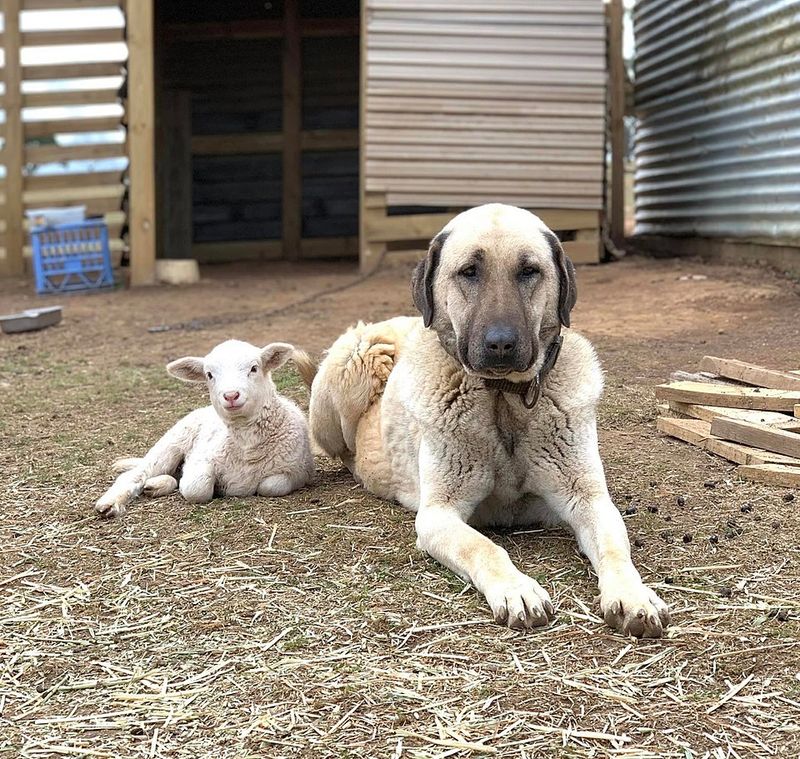
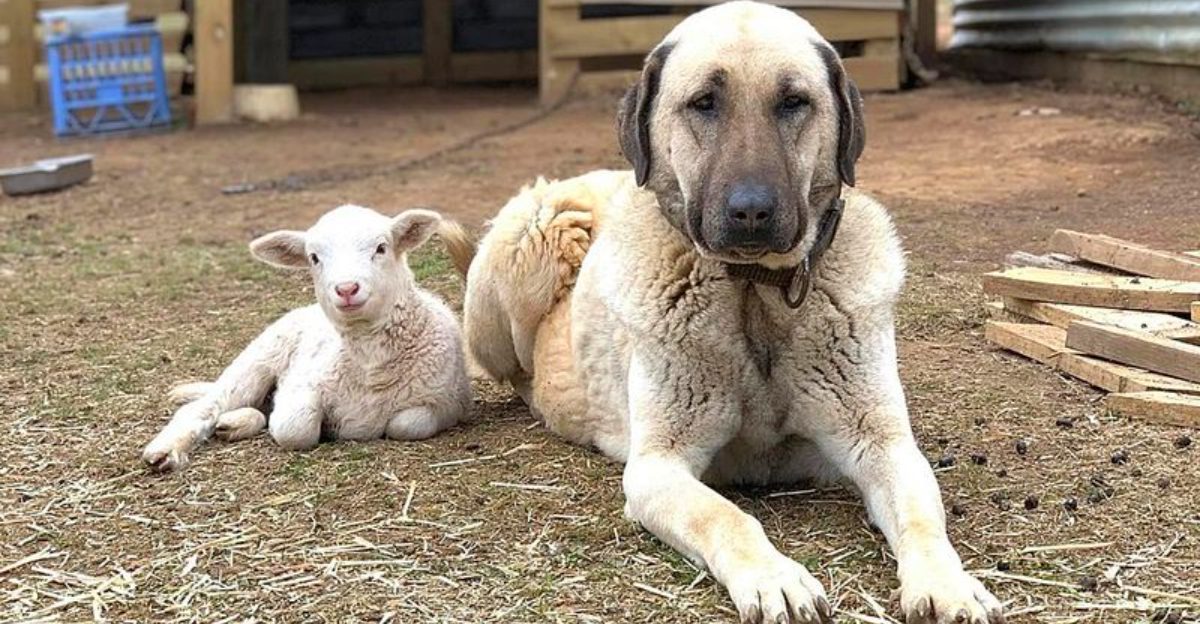
The Kangal is famed for an immense bite force and calm control when guarding flocks. You notice their oversized head, deep muzzle, and confident stare that says business without bluster.
Despite that power, good Kangals read situations and reserve force for real threats.
With steady training and space, you channel that jaw into gripping toys instead of fences or furniture. Socialization helps them distinguish strangers from friends, which lowers the chance of unnecessary clamp downs.
If you want seriousness, livestock instincts, and measured might, the Kangal delivers protection you can trust.
Still, supervision matters with small pets and visiting kids. Give a sturdy chew routine and clear boundaries, and you harness formidable leverage safely.
Respect the breed, and the Kangal respects you.
Cane Corso
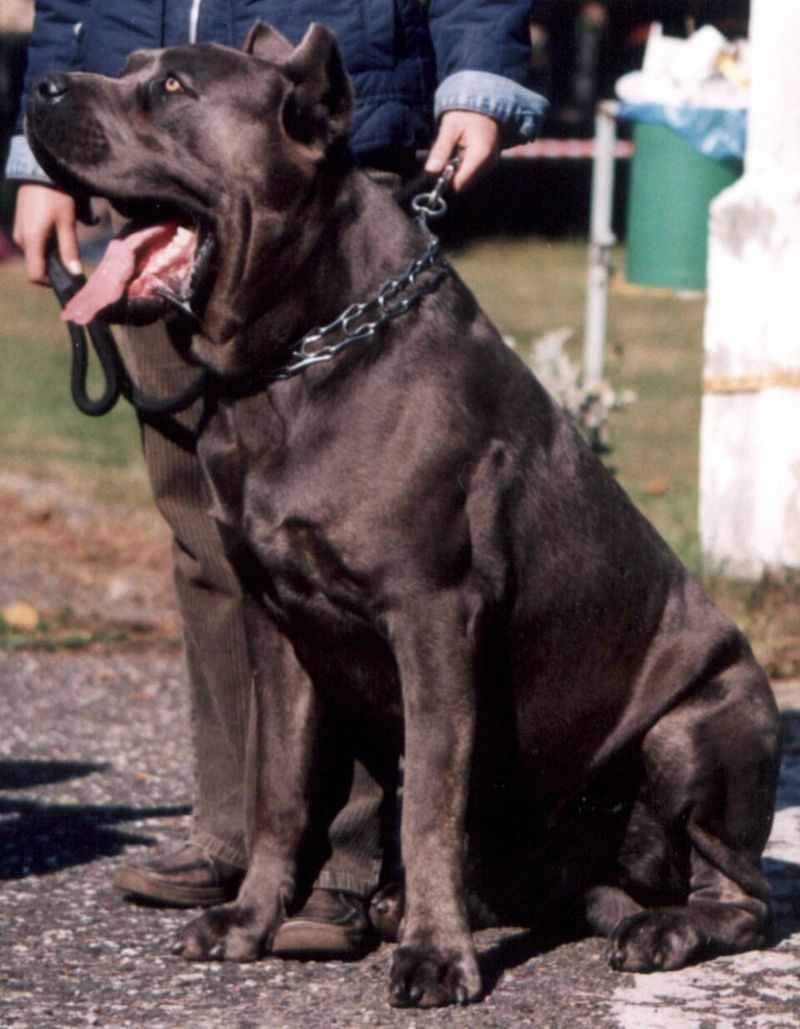
The Cane Corso pairs muscular jaws with a thinking mind, giving you power that listens. Broad skull, strong zygomatic arches, and a square muzzle create impressive clamping leverage.
When trained with structure, that mouth becomes a tool for control rather than chaos.
You will appreciate their natural suspicion of intruders, yet steady affection for family. Bite inhibition drills, tug with release cues, and place training teach impulse control.
Socialize early so curiosity edges out reactivity in busy neighborhoods.
Because this breed matures slowly, you keep boundaries consistent through adolescence. Provide heavy duty chew toys, balanced exercise, and clear leadership to prevent frustration biting.
Treated with fairness and purpose, a Cane Corso becomes composed, loyal, and reliably strong.
Rottweiler
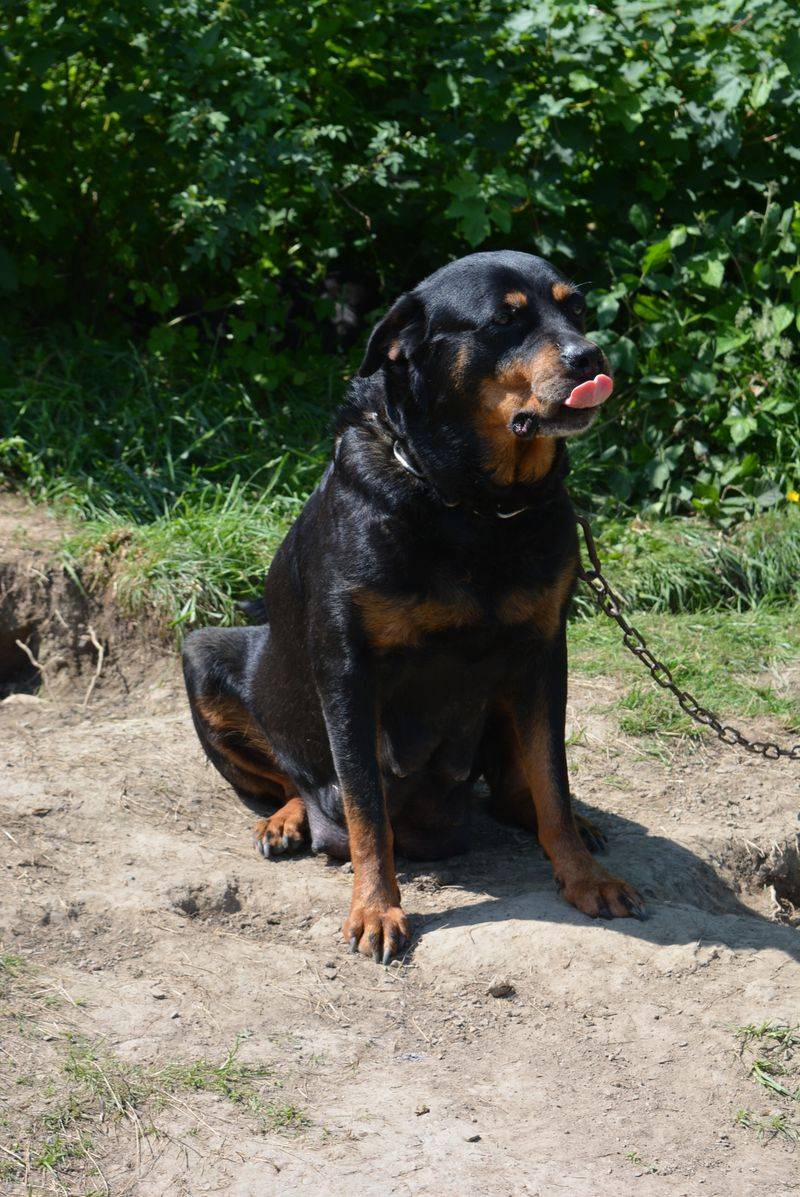
Rottweilers bring thick jaws, full dentition, and serious neck strength to every task. You see the heritage of droving cattle in the way they push, hold, and commit.
That determination makes their bite impressive, but smart handling makes it appropriate.
Teach early out cues, controlled tug, and calm greetings so arousal does not spill over. A structured heel and solid recall help redirect intensity into teamwork.
Regular chewing outlets protect furniture and satisfy that deep need to work jaws.
With family, a well bred Rottie is affectionate, very watchful, and surprisingly gentle. With strangers, clear direction from you keeps encounters predictable and safe.
Give purpose, and those powerful jaws express calm confidence rather than conflict.
Boerboel
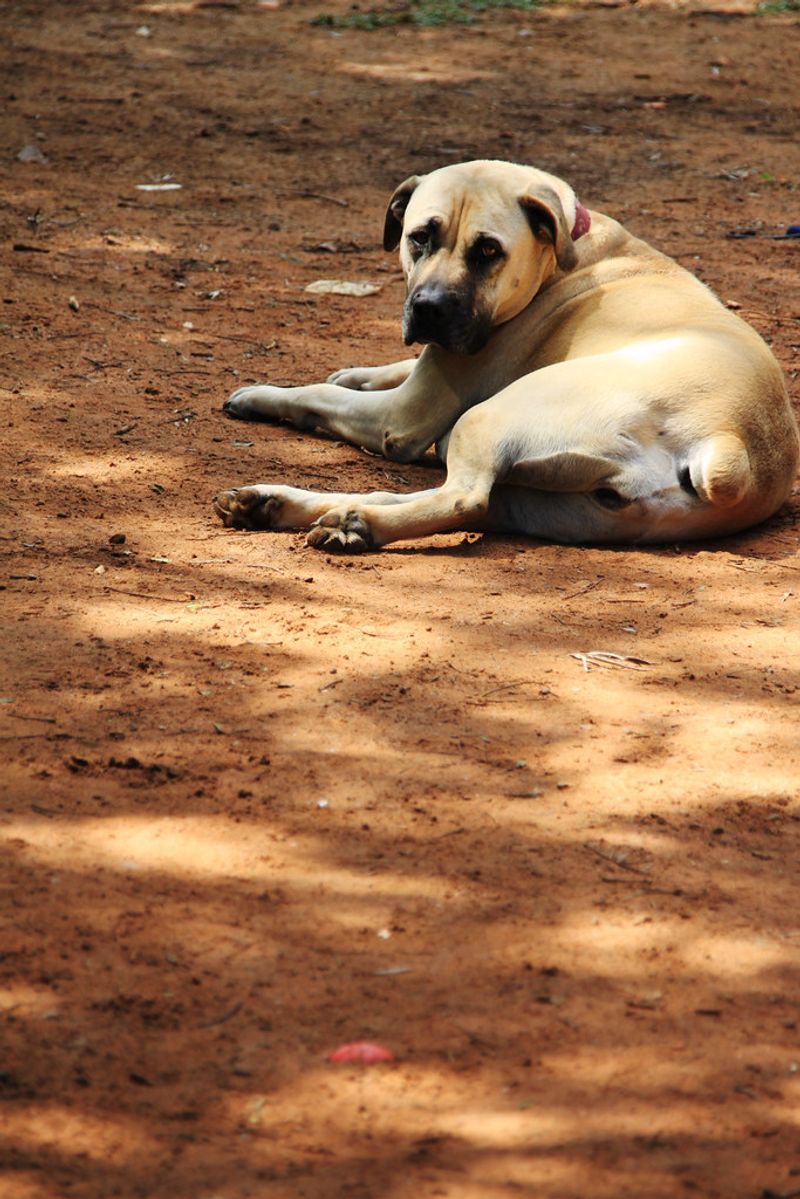
The Boerboel is a South African powerhouse with a jaw built for grip and hold. You feel the steadiness in their stance, thick skull, and broad muzzle.
That physicality, paired with territorial instincts, demands mindful guidance from day one.
Early exposure to people, dogs, and novel places prevents rigid defensiveness later. Teach pattern games, impulse control with food bowls, and drop it on every toy.
A tired Boerboel with chews and structure is far less likely to practice stubborn biting.
Around family, they are devoted shadows that lean and watch. Around strangers, you set the script, keep greetings brief, and move on confidently.
When boundaries are fair, this breed channels jaw strength into calm assurance and reliable protection.
American Bulldog
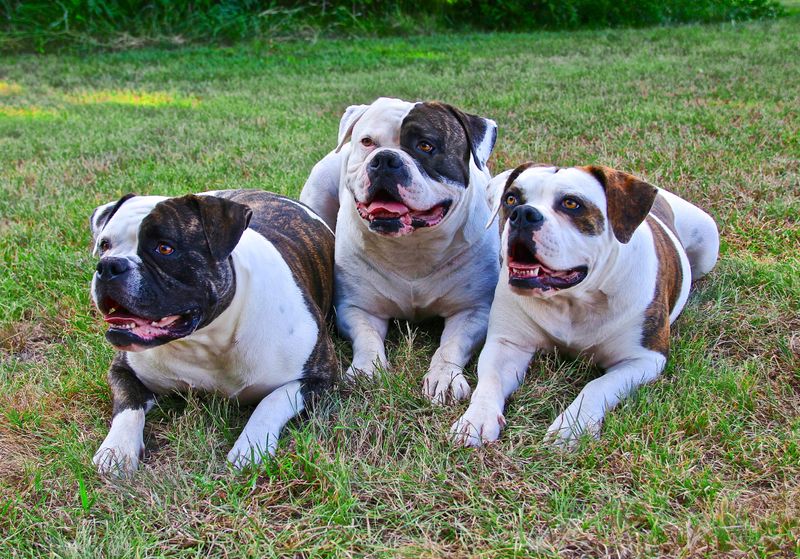
American Bulldogs combine athletic frames with blocky heads and enduring grips. You will notice a natural love for tug, fetch, and carrying anything they can clamp.
That persistence, if unguided, can turn into nuisance grabbing or rough play.
Redirect with structured tug rules, release on cue, and plenty of chew rotations. Teach settle on a mat so energy has an off switch indoors.
Socialize steadily with calm dogs to reduce pushy body language and mouthy escalation.
With family, they are very goofy workers who shine when given jobs. With strangers, your calm leadership and clear boundaries keep greetings short and sweet.
When exercised and trained, that big jaw becomes a confident tool, not a problem.
Dogo Argentino
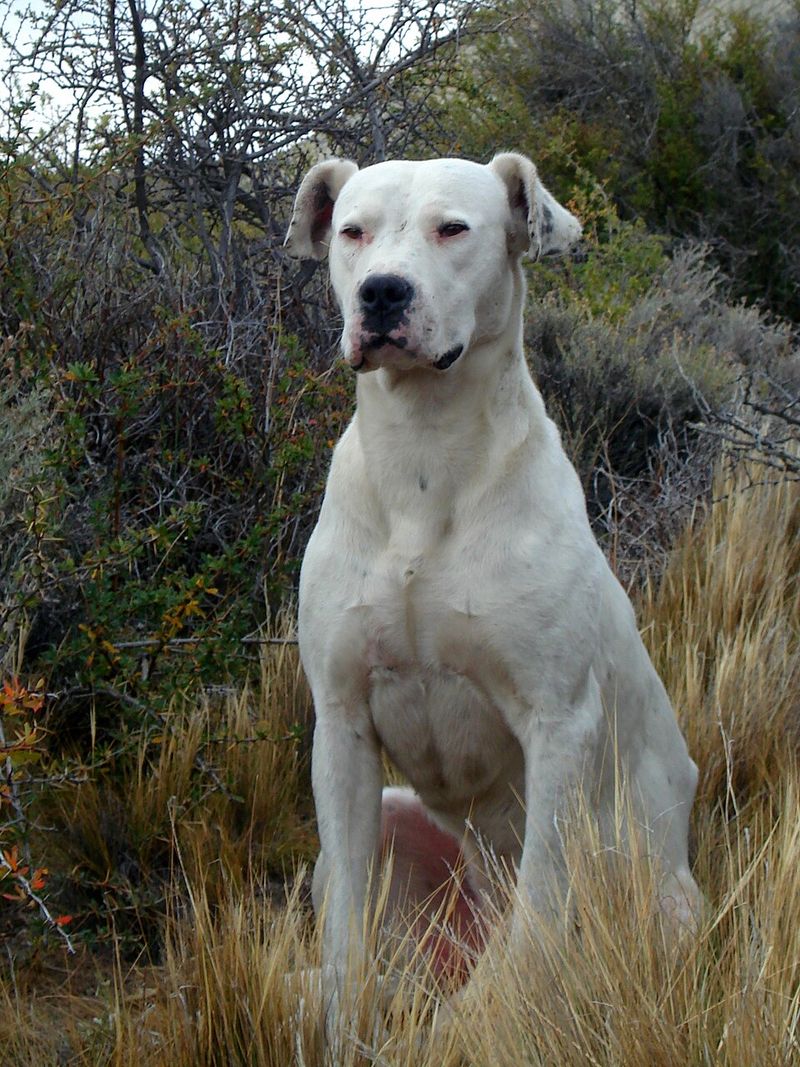
The Dogo Argentino brings athletic drive and a serious, purpose built bite, calm yet courageous. You can sense the hunting background in their focus, stamina, and forward push.
That intensity needs structure so the jaw works on toys, not shirts or leashes.
Daily cardio with scent games, bite inhibition, and release cues will channel power. Early neutrality training around dogs prevents over arousal during greetings.
Crate time, enrichment, and heavy chews keep the mouth busy when you are not.
With family, a Dogo is affectionate and tuned to your mood. With strangers, clear expectations and polite space create safe interactions.
Work that brain and body, and those jaws express balanced confidence instead of restless energy.
Presa Canario
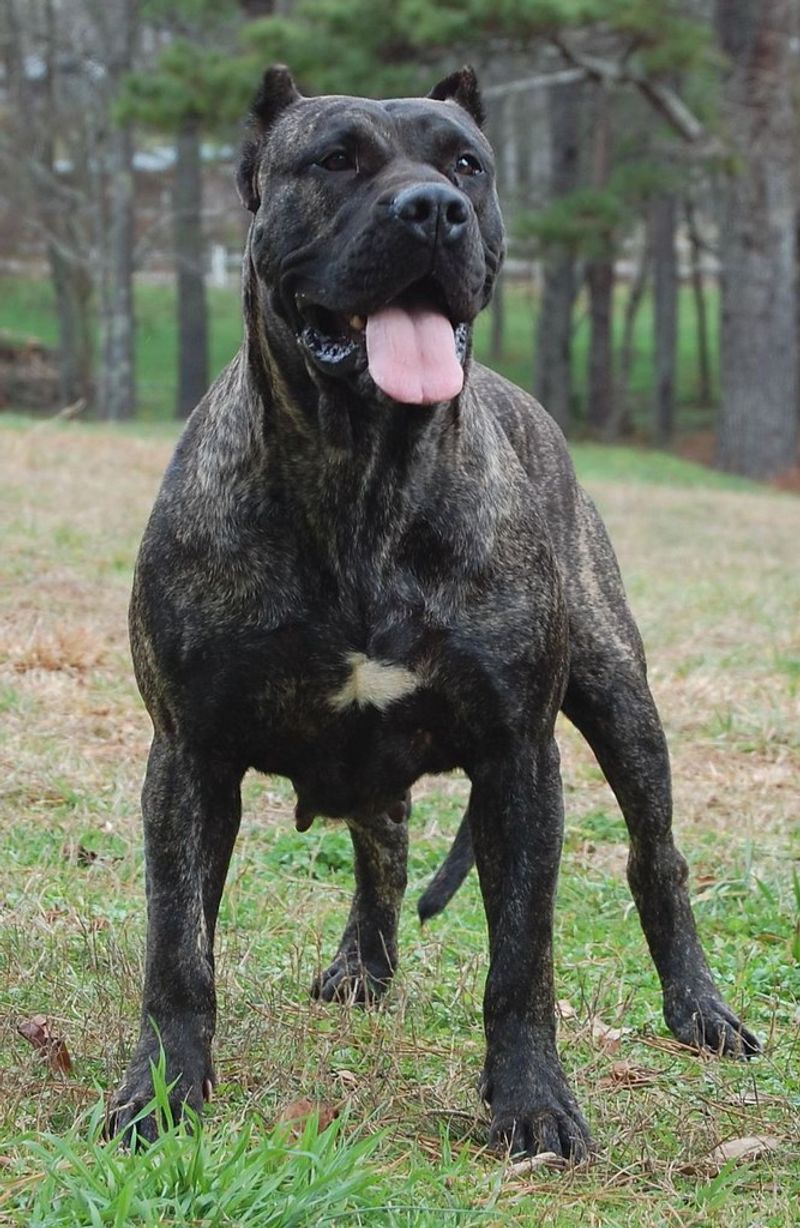
The Presa Canario is imposing, with a broad skull, deep muzzle, and weight to back a firm clamp. You instantly feel presence when this dog enters a room.
That presence needs purpose so jaw strength shows up as stability, not friction.
Train thoughtful leash skills, teach out on cue, and reward calm observation of strangers. Socialize early to reduce suspicion while keeping that natural discernment sharp.
Rotate heavy chews and puzzle feeders to keep the mouth busy without destroying belongings.
With family, the Presa can be steady, affectionate, and quietly watchful. With visitors, you manage space, keep movement orderly, and maintain short sessions.
When leadership is fair and consistent, that massive jaw becomes a symbol of calm authority.
Akita
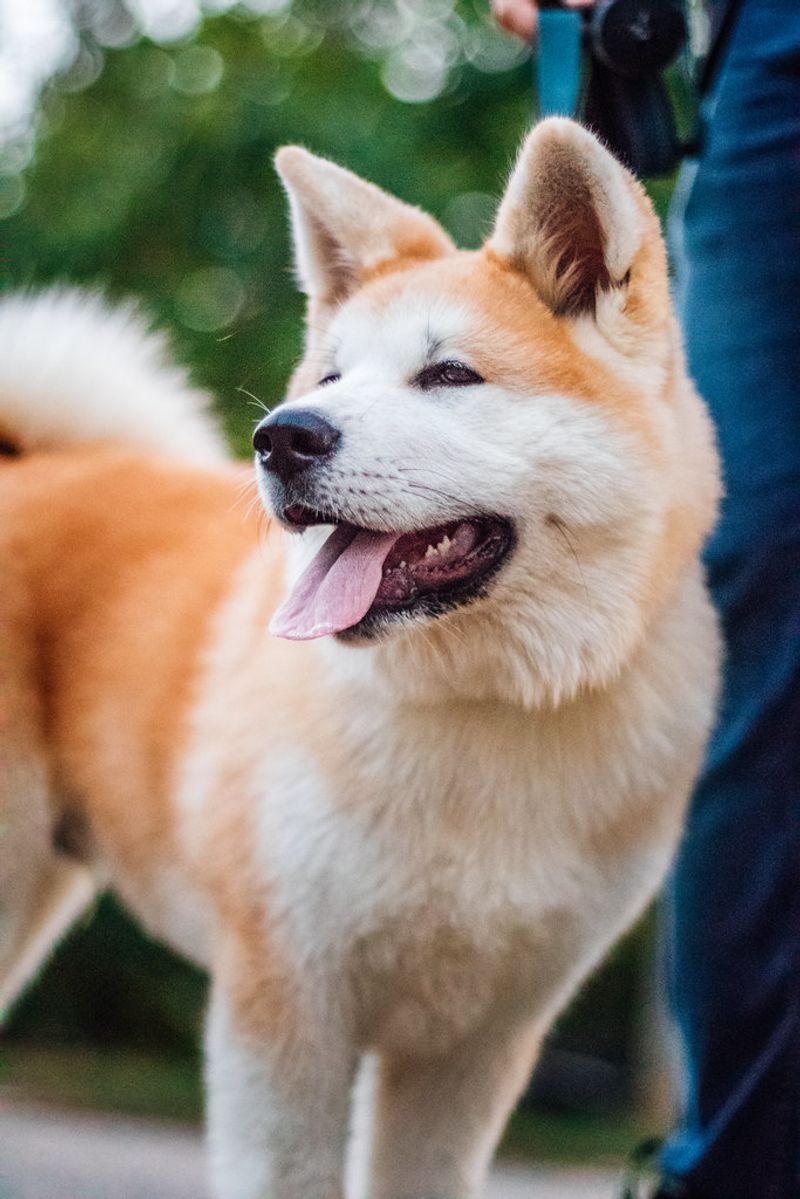
Akitas blend dignified independence with a surprisingly forceful bite when pressed. You notice a bear like head, tight lips, and confident posture that discourages nonsense.
Because of aloof tendencies, early social practice is your best friend from day one.
Teach very gentle mouthing, reliable out, and a calm default sit for greetings consistently. Reinforce neutrality around other dogs to reduce conflict potential.
Give sturdy chews and brain games so the mouth stays busy in positive ways.
With family, Akitas are loyal, tidy, and protective without being noisy. With strangers, they prefer space, so you control distance and keep interactions brief.
When respected and trained fairly, that strong jaw supports a cool head and steadfast heart.
German Shepherd
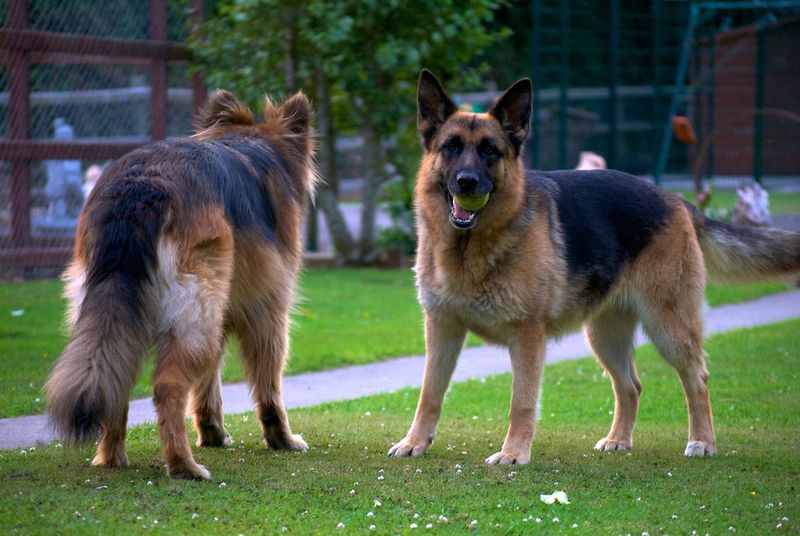
German Shepherds pair a scissor bite with agile, purposeful movement and strong nerves. You see working heritage in how they grip, hold, and redirect pressure under guidance.
Without structure, that mouth can chase motion and practice bad habits outdoors and indoors.
Build a calm out, heel near busy distractions, and targeted tug to teach accuracy. Marker training helps you communicate precisely when a release is expected.
Provide chews and daily decompression walks so the jaw and brain both relax.
With family, well bred Shepherds are devoted workers who adore clear jobs. With strangers, your direction creates predictable boundaries and safe space.
Aim training at useful tasks, and those jaws deliver confident help, not impulsive grabbing.
Doberman Pinscher
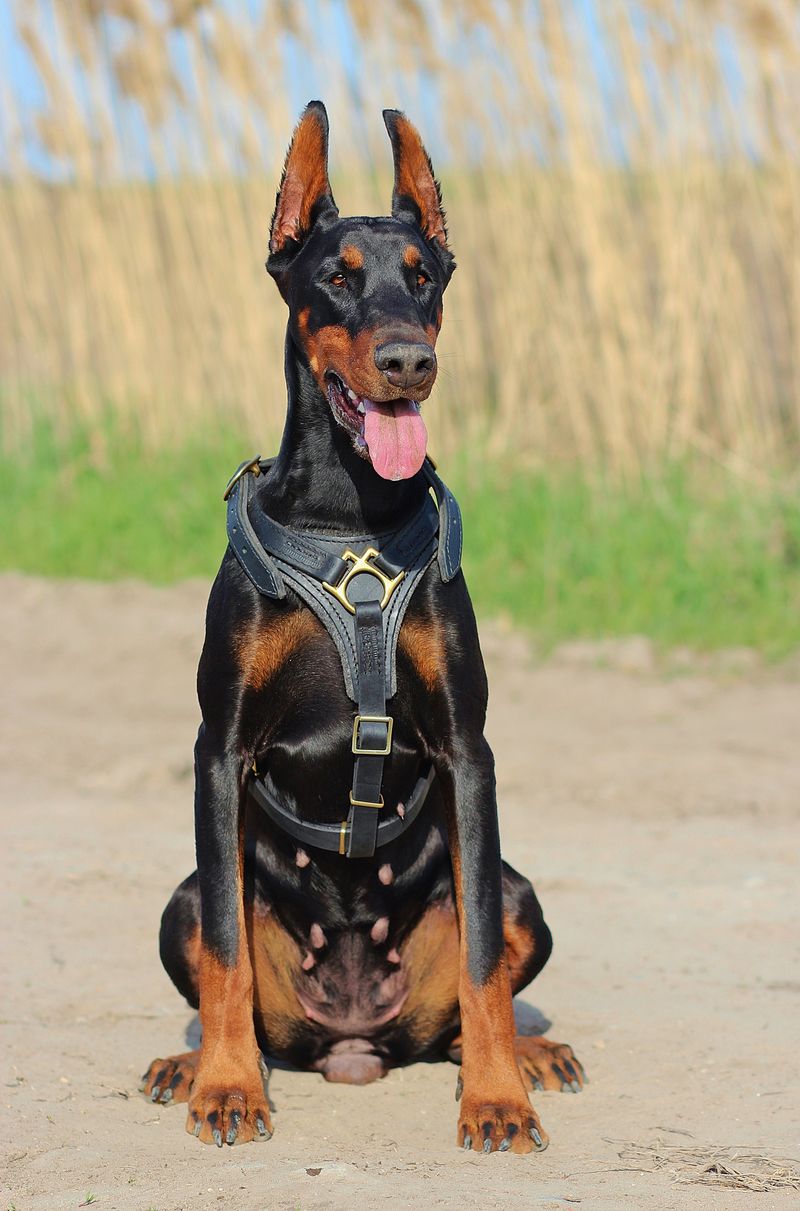
Dobermans balance speed, precision, and a decisive bite when correctly trained. You sense alertness in their eyes and a lean skull that still packs leverage everywhere.
Without confident handling, arousal can spike and the mouth follows suit.
Teach clean outs, calm holds, and an automatic sit before greeting anyone. Practice neutrality around joggers, bikes, and doorways to limit chasing and nipping during sudden approaches.
Give structured tug, scent games, and heavy chews to satisfy that focused jaw.
With family, Dobermans are loyal Velcro companions who love purposeful work deeply. With strangers, your rules shape polite, direct encounters that end on time.
Channel energy wisely, and those jaws demonstrate clarity, not conflict or confusion day to day.
Bullmastiff
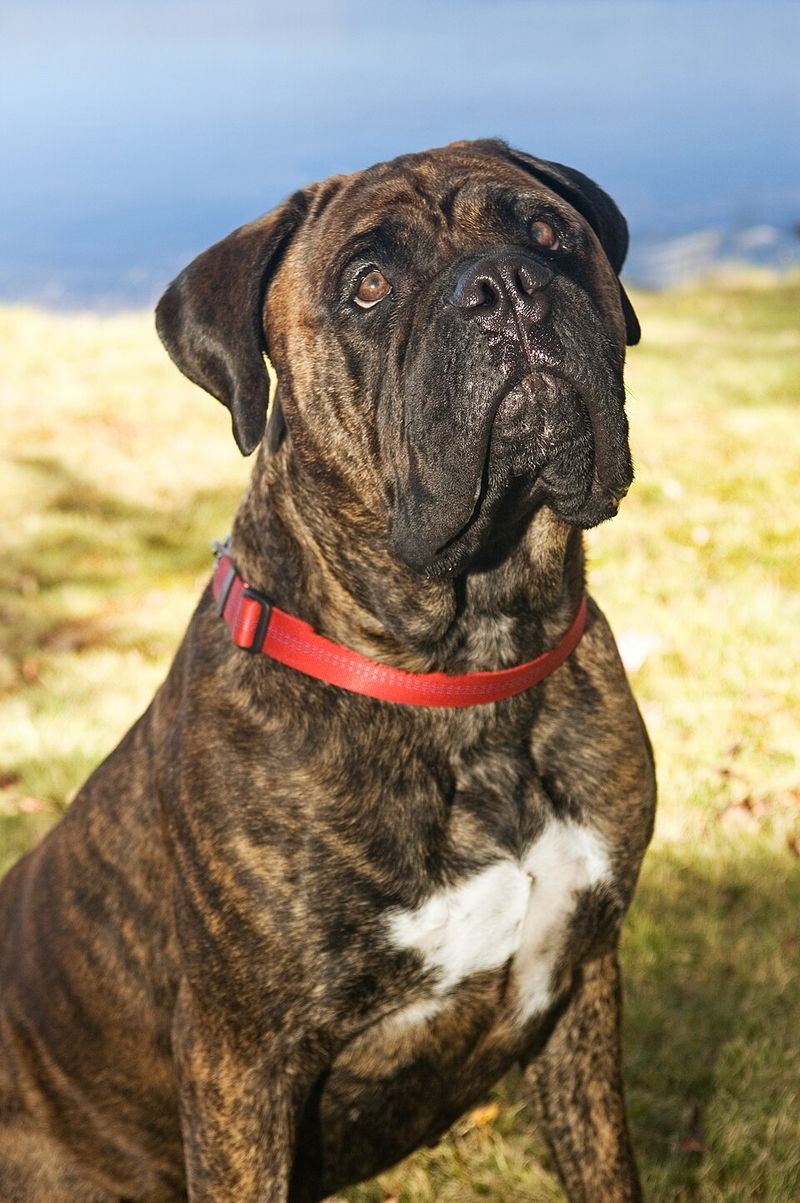
Bullmastiffs are built to body block and hold, with a heavy skull and powerful jaw. You can feel very calm confidence when they plant feet and watch a scene quietly.
That same hardware needs training so impulse turns into patience, not clamping.
Teach soft mouth, release on cue, and polite food handling to prevent guarding. Keep social sessions short, move smoothly, and praise steady breaths around visitors.
Rotate durable chews and slow sniff walks to satisfy the mouth and mind.
With family, Bullmastiffs are gentle giants that shadow your routine. With strangers, you set limits, prevent crowding, and give space for calm choices.
Guided well, that strong jaw represents steady courage, not pushiness or risk.