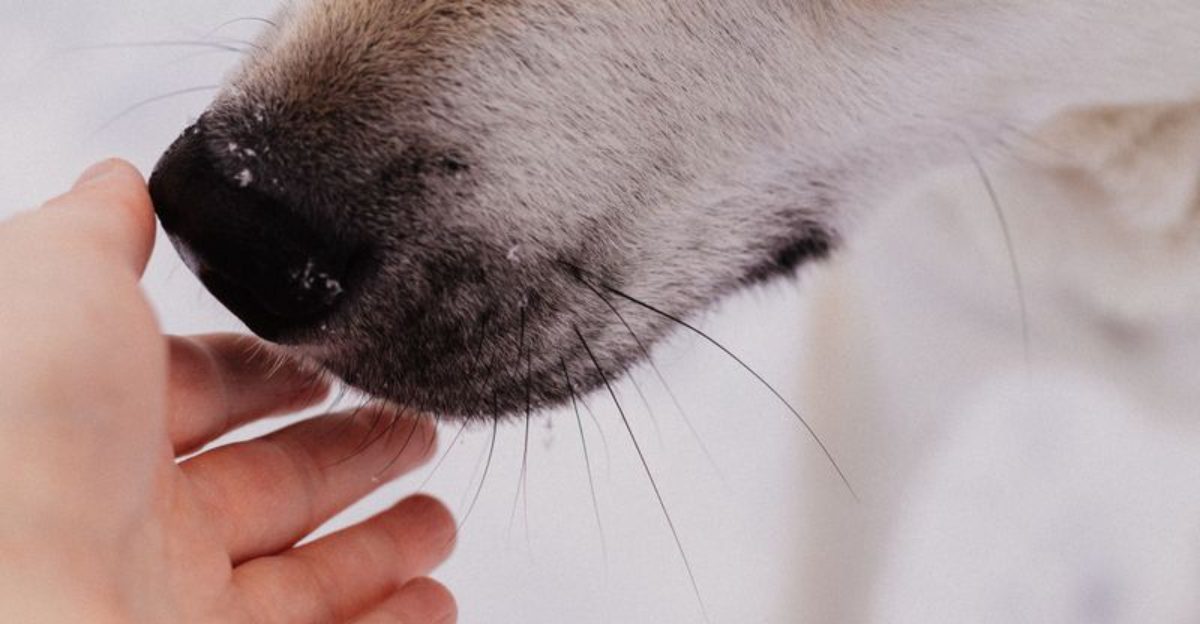
A dog’s nose is a living laboratory, constantly analyzing the world you barely notice. Tiny molecules riding on a breeze can tell them a full story about health, emotion, and danger.
Once you learn what dogs can truly detect, everyday moments start to feel a little magical. Get ready to see that sniff in a whole new light.
Human stress hormones

When you are stressed, your body releases cortisol and adrenaline that subtly change your scent. Dogs read that shift like a headline, often noticing before you do.
Heart rate, sweat chemistry, and breath all combine into a clear signal.
Handlers train dogs to associate those hormones with a cue, so they can alert calmly. That nudge on your leg or gentle stare is not random, it is real biofeedback.
With practice, you can breathe, reset your body, and let the moment pass.
Stress-sensing dogs help in workplaces, classrooms, and therapy settings. They can prompt breaks, guide grounding exercises, and prevent spirals into panic.
That early warning builds confidence, improves communication, and protects well-being every day.
Low blood sugar changes
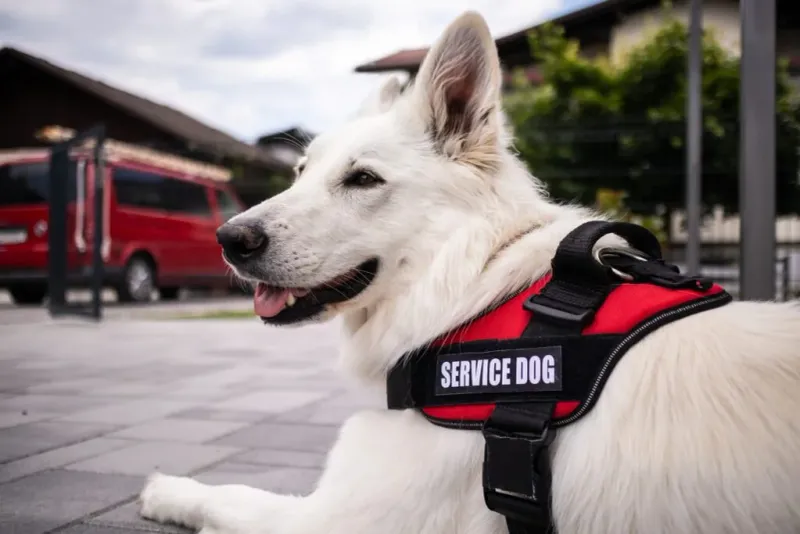
When blood sugar drops, your breath and sweat shift, releasing ketone-like and fruity compounds. Dogs pick up those molecules quickly, often before dizziness or confusion sets in.
That sensitivity can be lifesaving during sleep or busy days.
With consistent training, dogs learn to alert with a paw touch, nose bump, or a specific fetch behavior. You get a timely cue to check levels, sip juice, or follow your plan.
Their reliability grows with reinforcement, routine, and clear responses from you.
Beyond night alerts, these dogs help reduce anxiety around unpredictable lows. They add confidence during workouts, travel, and meetings.
Early detection means fewer crashes, safer corrections, and steadier energy for daily life.
Certain cancers
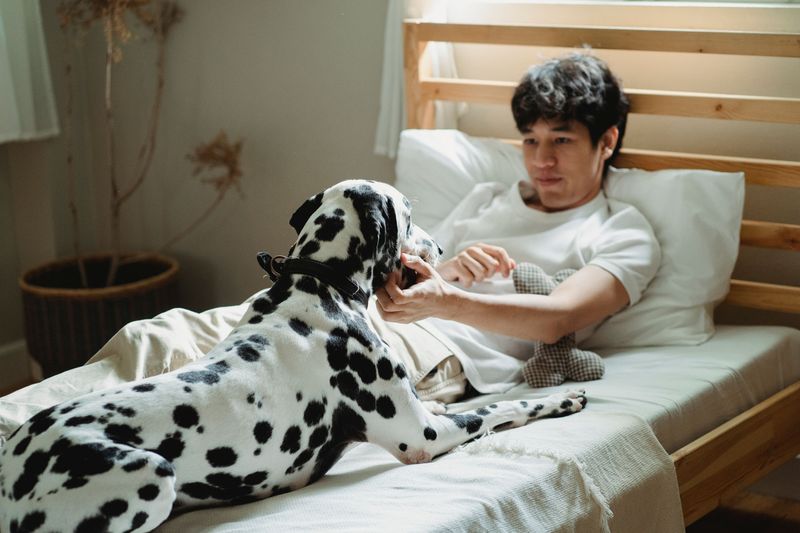
Some cancers release volatile organic compounds that seep through breath, urine, or sweat. Trained dogs can flag those signatures with remarkable accuracy in controlled tests.
The nose maps patterns our machines sometimes miss or misread.
While not a replacement for screening, canine detection can guide research and triage. You might see studies using breath bags, gauze pads, or sealed vials.
Consistent training, blinded trials, and double checks keep results meaningful and honest.
Most of all, dogs show which chemical pathways deserve attention. Their alerts help refine sensors and algorithms inspired by nature.
One day, that science could move into clinics, catching risk earlier, reducing invasive procedures, and saving lives.
Seizure-related body chemistry
Before some seizures, the body can release subtle odors through sweat and breath. Dogs seem to notice these pre-ictal shifts, sometimes minutes in advance.
That window allows you to sit, call for help, or move to safety.
Alert behaviors might include pacing, pawing, or a focused stare at your face. Trainers shape those responses into clear, reliable cues you can trust.
Documenting alerts and outcomes helps tailor routines that reduce risk and uncertainty.
Even without perfect prediction, support during and after matters greatly. Dogs bring medications, press alarms, and provide calming pressure.
Their presence shortens chaos, improves recovery, and returns a sense of control when life feels unpredictable.
Pregnancy-related changes
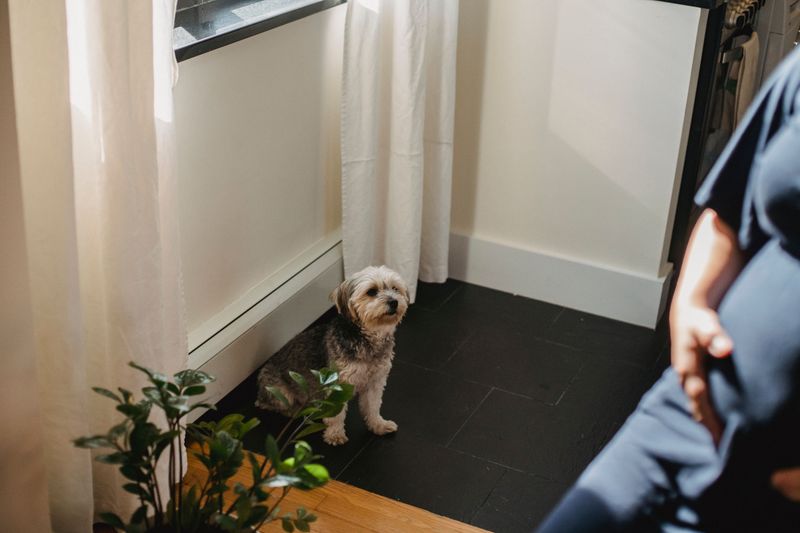
Pregnancy shifts hormones, body temperature, and skin chemistry, quietly changing scent. Many dogs become more attentive, following you, leaning in, or guarding gently.
They read those molecular updates long before nursery paint dries.
While not a diagnostic tool, their curiosity is genuine and often sweet. You might notice extra sniffing around clothes, pillows, or the belly area.
Offer structure and calm praise so new routines feel safe for everyone.
As your timeline advances, keep boundaries, exercise, and mental games steady. Dogs thrive when expectations stay clear despite big household changes.
Their early awareness can ease transitions, helping you pace energy, plan support, and prepare for baby with confidence.
Fear-related scent changes
Fear tweaks sweat composition and breath patterns, producing sharp, metallic, or sour notes. Dogs meet that signal with data, not judgment, noticing shifts you try to hide.
Their reactions can mirror you or provide grounding calm.
Good training channels a dog’s awareness into steady, supportive choices. Teach focus games, place commands, and slow breathing beside you.
Over time, the nose becomes an anchor that steadies jitters, not a siren that escalates them.
Expectations matter when crowds, travel, or big talks raise tension. Practice desensitization, then reward calm check-ins and soft eye contact.
That partnership turns fear-scent moments into predictable drills, shrinking anxiety while building everyday courage.
Explosives
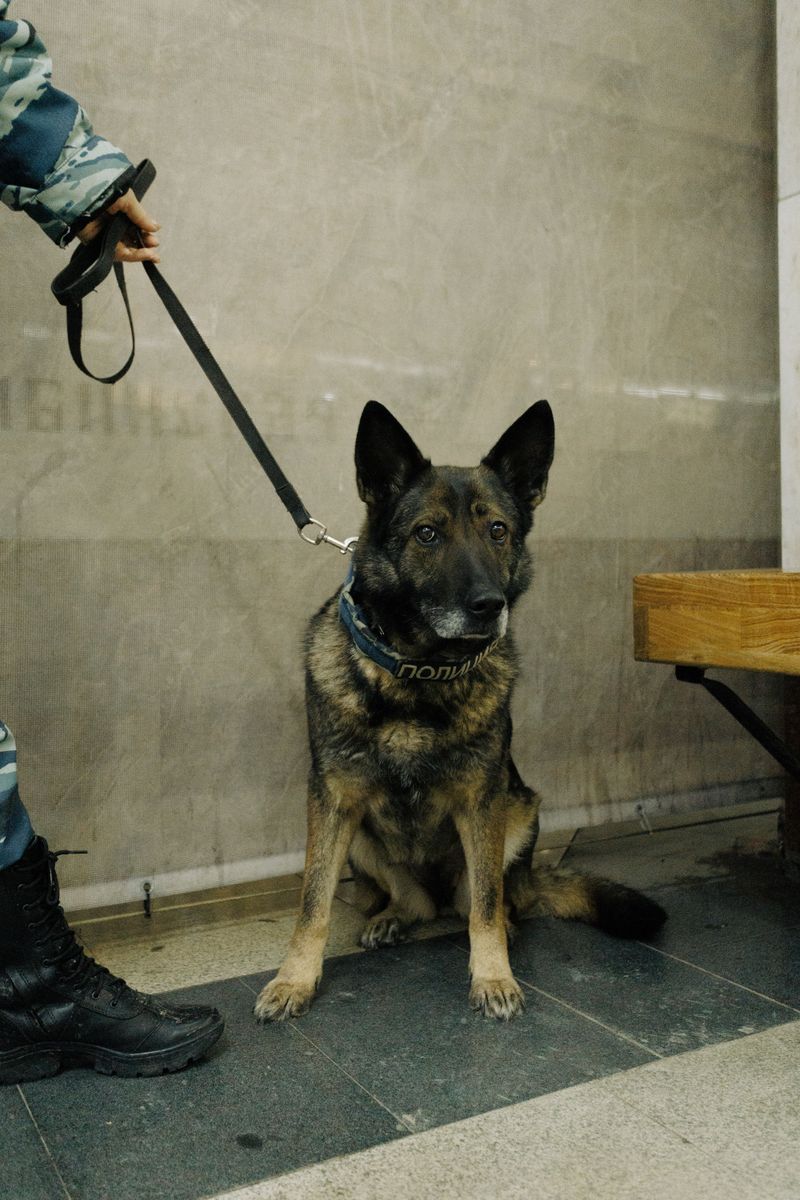
Explosives emit trace vapors from compounds like TNT, RDX, and PETN. Dogs trained on these odor profiles sweep crowds, vehicles, and luggage efficiently.
Their accuracy depends on methodical patterns and clear communication with handlers.
Training mixes real materials, pseudo-scents, and blank controls to prevent guessing. You will see systematic searches, directional cues, and calm, passive alerts.
Recordkeeping, certifications, and surprise tests keep teams precise and accountable.
In complex spaces with airflow and distractions, the nose still excels. Dogs navigate vents, heat, and noise, isolating faint signals quickly.
That skill protects events, transit hubs, and public buildings, adding a flexible, mobile layer of security.
Narcotics
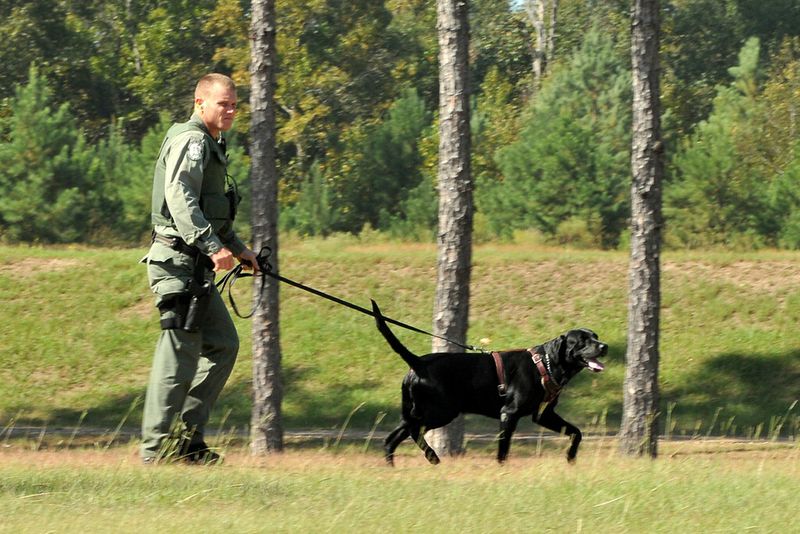
Narcotics release persistent odors that cling to fabrics, plastics, and cash. Dogs trained on specific targets learn to ignore everyday smells and alert cleanly.
Passive sits or focused stares reduce contamination and confusion.
Modern programs emphasize lawful deployments and careful documentation. You will see controlled lineups, consent procedures, and body-camera reviews.
Reward systems and varied environments sharpen reliability across cars, mail, and buildings.
Because traces linger, residual scent can confuse untrained teams. Experienced handlers read context, airflow, and time since contact.
Together they separate history from presence, supporting safer communities while protecting everyone’s rights and expectations.
Wildlife trails
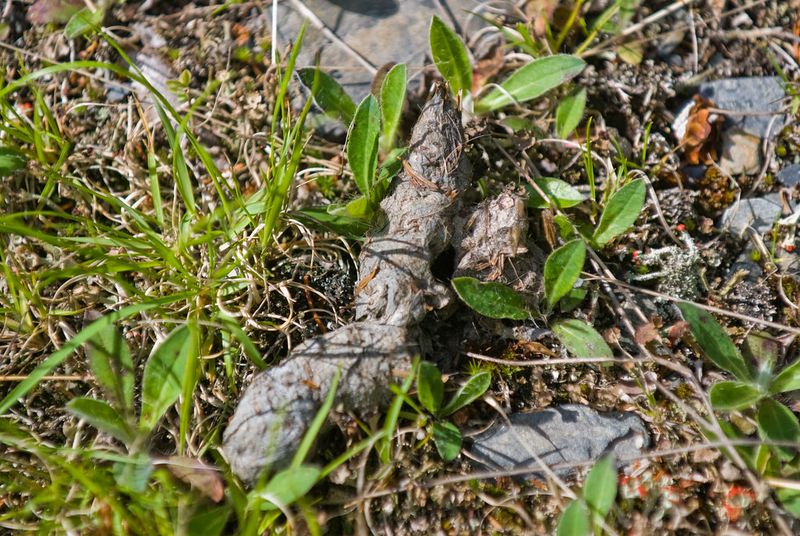
Wildlife leaves scent highways through scat, shed hair, tracks, and rubs. Dogs map those molecules over hills, creeks, and shifting winds.
That talent turns tangled habitats into legible pages for science and restoration.
Teams survey endangered species, invasive plants, and even poacher routes. You might watch a dog freeze, sniff high, then thread a new line.
Consistent rewards for tiny finds build stamina over long, difficult days.
Data from these searches guides corridors, nesting protections, and policy. Dogs cut survey time, reduce guesswork, and boost detection in low-visibility terrain.
Their work helps wildlife managers act sooner, spend smarter, and protect fragile ecosystems with precision.
Missing-person scent trails
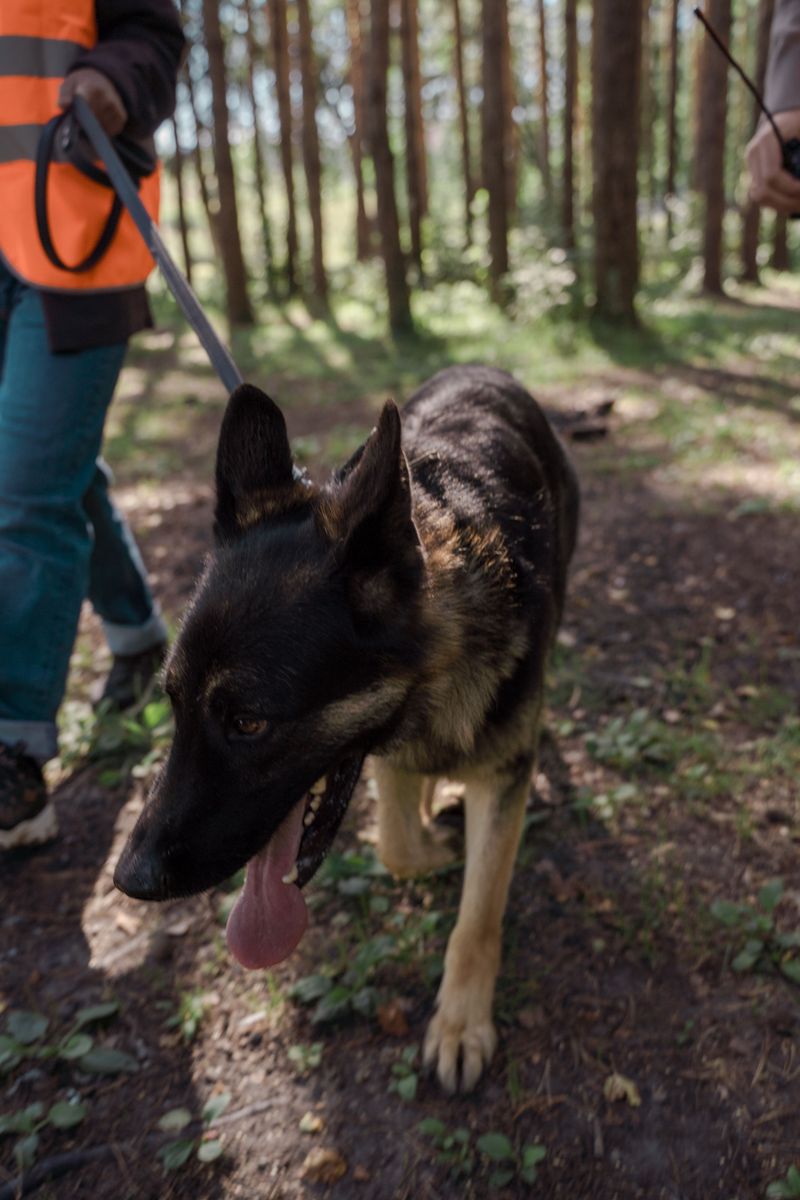
Human scent drifts as tiny skin rafts and breath molecules that settle on surfaces. Search dogs weave those clues into a moving path across time and weather.
They balance ground scent with airborne plumes to stay on target.
Handlers start with a scent article sealed in a bag to avoid contamination. You will see line handling, map reading, and quiet encouragement at forks.
Clear alerts help teams call in resources, mark clues, and protect scenes.
Every minute counts when cold, terrain, or injury threaten survival. Dogs cover distance quickly, even in darkness or rain.
Their noses reconnect families, bring closure, and turn desperate uncertainty into coordinated, hopeful action.
Water contamination odors

Certain pollutants release volatile markers that ride air above water surfaces. Dogs can scan shorelines or boats, pinpointing hotspots for lab confirmation.
That speed helps teams target sampling instead of guessing across vast areas.
Training includes safe boat manners, sample jars, and blind hides to avoid bias. You might spot quick shoreline sweeps followed by slow, nose-down passes.
Consistent reinforcement keeps motivation high during long, simple-looking patrols.
The result is faster triage when spills, algae blooms, or sewage leaks emerge. Dogs steer cleanup crews to the right coves and inlets.
Communities save time, reduce costs, and protect drinking water before small problems explode.
Mold growth
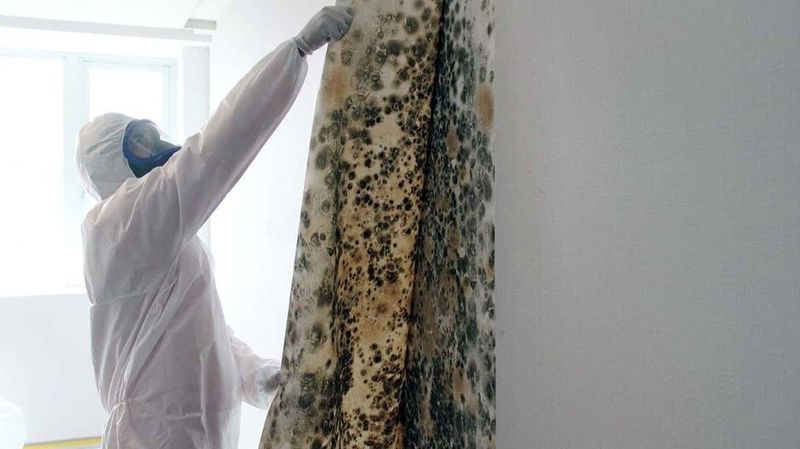
Mold releases musty, earthy compounds that slip through drywall seams and vents. Dogs can indicate growth hidden behind paint, flooring, or insulation.
Their precision limits tear-outs, focusing repairs where moisture truly feeds colonies.
Certified teams pair alerts with moisture readings and visual clues. You might see careful room grids, HVAC checks, and sealed scent jars.
Detailed reports give contractors clear targets and homeowners a plan that makes sense.
After remediation, dogs verify that problem areas no longer produce signals. That follow-up prevents recurring headaches, odors, and health complaints.
Your house feels fresher, repairs stay smaller, and you dodge endless cycles of guesswork.
Bed bugs

Bed bugs hide in cracks, seams, and outlets, leaving faint, sweet-stale odors. Dogs locate active infestations faster than visual checks alone.
Their noses save time, reduce costs, and limit unnecessary pesticide use.
Teams work methodically, pausing at furniture joints and headboards. You will notice precise alerts followed by confirmatory visual inspections.
Regular sweeps catch early introductions from luggage or neighboring units before they spread.
When combined with heat or targeted treatments, detection improves success dramatically. Follow-up searches confirm elimination and protect reputation for hotels, shelters, and homes.
Peace of mind returns quickly when the nose says the room is finally clear.
Individual human scent signatures
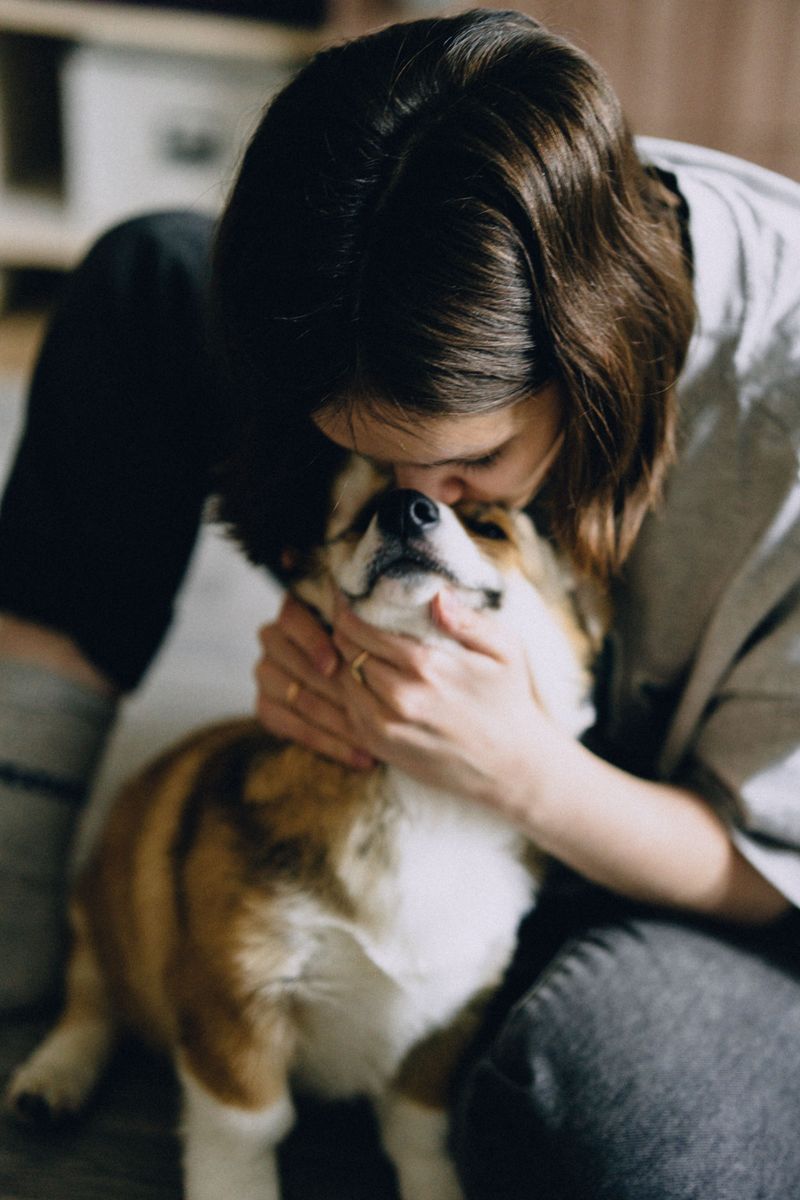
Every person carries a unique chemical bouquet shaped by genetics, diet, and microbes. Dogs memorize that profile easily, even when perfumes or soaps try to mask it.
The signature persists on phones, keys, and door handles you touch.
Tracking that uniqueness powers everything from search work to fun nose games. You can teach a dog to choose your scent from a small lineup.
Rewarding accurate choices sharpens focus and builds confidence for both of you.
That skill also deepens the bond you feel every day. Your dog learns your story in molecules, step by step.
Together you turn ordinary walks into rich conversations carried on the wind.