
Dogs are masters at hiding discomfort, so the smallest change in behavior can be a big clue. When something feels off, you are often the first to spot it.
Paying attention early could spare your dog pain and prevent costly emergencies. Here are the warning signs you should never ignore.
Sudden loss of appetite
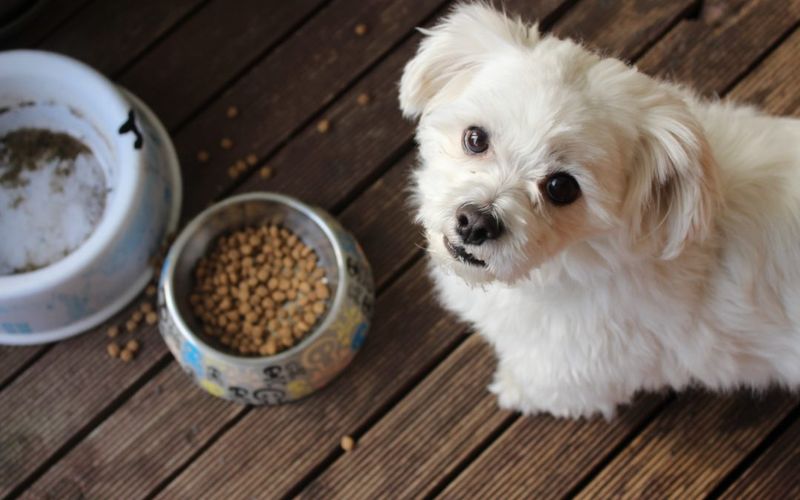
Skipping meals is not just picky behavior. When a dog suddenly turns away from food, it can signal pain, nausea, dental trouble, or stress.
You might also notice slower chewing, drooling, or walking away after a few bites.
Track how much your dog actually eats and drinks for two days. Check gums, lift the lip to spot broken teeth, and feel the belly gently for tension.
If appetite does not return within 24 to 48 hours, or your dog seems weak, call your veterinarian soon.
Puppies and seniors are at higher risk of dehydration. Offer small, tempting meals like warmed wet food or low sodium broth to encourage interest.
Do not force feed, and avoid new treats that might upset the stomach.
Excessive panting without exercise

Panting is normal after play, but heavy, fast breathing at rest is a warning. It can point to pain, fever, heart or lung disease, anxiety, or heat stress even indoors.
You might see wide eyes, restlessness, or a tongue that looks pale or blue.
Move your dog to a cool, quiet spot and offer water. Feel the gums for tackiness and count breaths per minute while resting.
Over 30 breaths per minute at rest, especially with effort or noise, deserves a prompt veterinary check.
Do not delay if panting escalates, your dog collapses, or you suspect heatstroke. Avoid muzzles that block cooling, and skip car rides until breathing normalizes.
Note triggers like loud sounds, new visitors, or medications to help your vet decide next steps.
Limping or stiffness
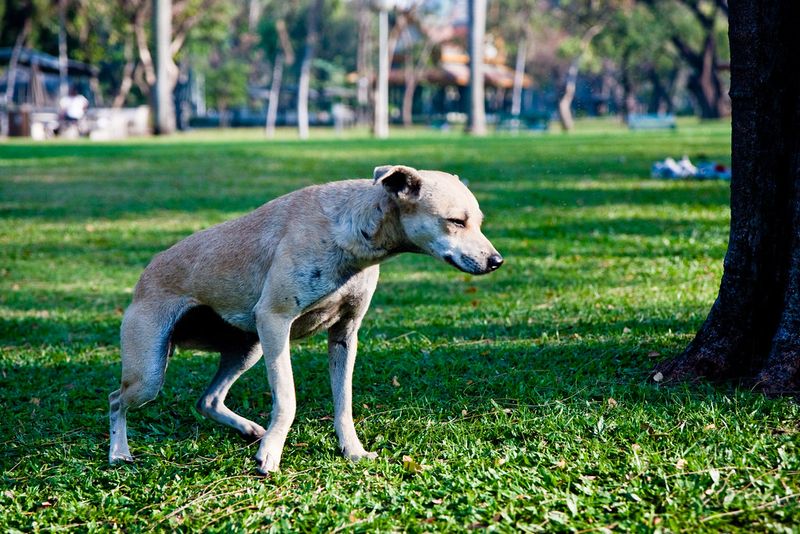
A sudden limp or a stiff, careful gait is your dog’s way of saying something hurts. Injuries, arthritis, torn nails, or tick borne disease can be to blame.
You might see hopping, bunny hopping, or trouble with stairs and jumping.
Limit activity and keep your dog on leash to prevent worsening. Check paws for cuts, foxtails, heat, or cracked pads, and feel each joint gently for swelling.
If pain persists beyond a day, or your dog refuses to bear weight, schedule a vet visit.
Avoid human pain meds unless your vet approves, since some are toxic to dogs. Provide traction with rugs, supportive bed, and a ramp for cars or sofas.
Note when the limp started, what makes it worse, and recent jumps or slips.
Unusual aggression
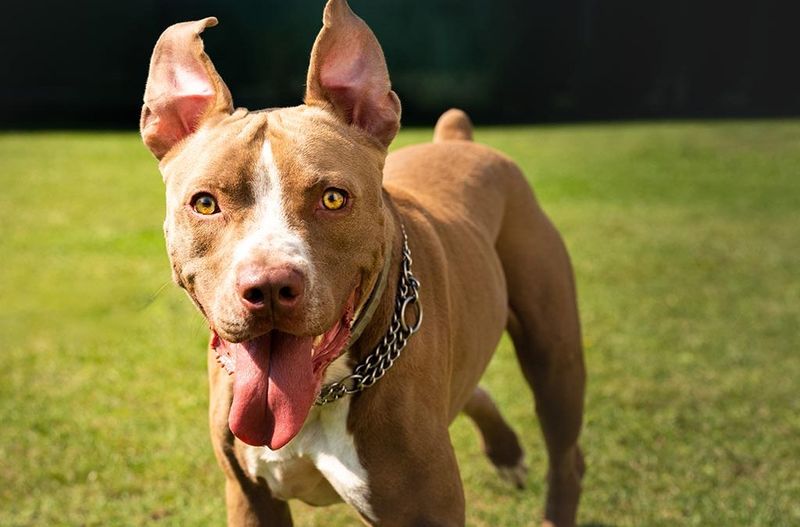
A sweet dog that snaps, growls, or guards suddenly is waving a red flag. Pain, fear, cognitive decline, poor vision, or thyroid disease can change behavior overnight.
You might notice lip licking, stiff posture, or freezing right before the lunge.
Start by creating space and safety for everyone. Avoid punishment that can escalate fear and mask warning signals.
Instead, track triggers, use baby gates or leashes, and ask your vet to rule out pain or illness before you call a qualified behavior professional.
In the moment, toss treats away from you to redirect, and guide to a quiet room. Keep interactions short and predictable while you rebuild trust.
Document small wins and setbacks so your team can adjust the plan with clear, compassionate steps.
Hiding more than usual
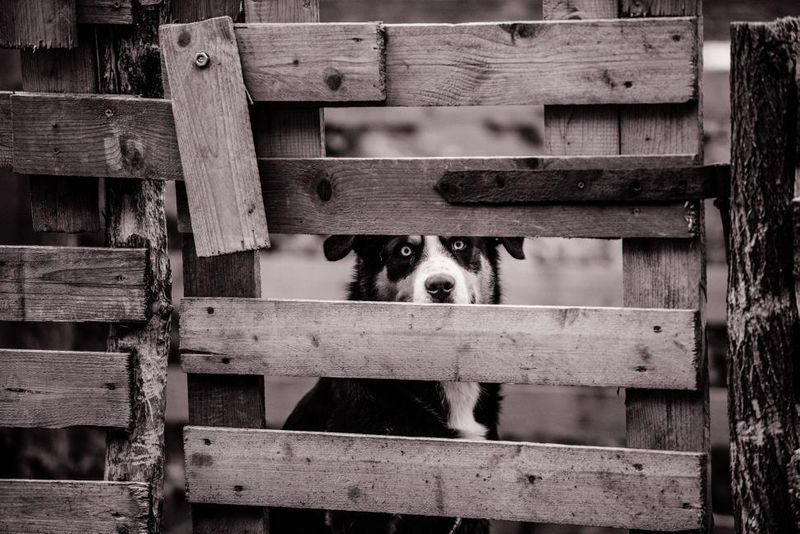
When a dog seeks closets, under beds, or corners, they are telling you life feels unsafe. Pain, noise sensitivity, illness, or household changes may be pushing them to withdraw.
You could see pinned ears, tucked tail, trembling, or avoiding eye contact.
First, rule out medical issues and pain, especially if the change is sudden. Provide safe retreats with comfy beds, water, and chews, then let your dog choose to approach.
Pair scary sounds with treats at a distance where your dog can still relax.
Ask visitors to ignore your dog until curiosity returns. Keep routines steady, use enrichment like sniffy walks, and reward brave moments generously.
If hiding grows worse or lasts more than a week, your veterinarian can screen for pain, anxiety, or endocrine problems.
Excessive licking of one spot
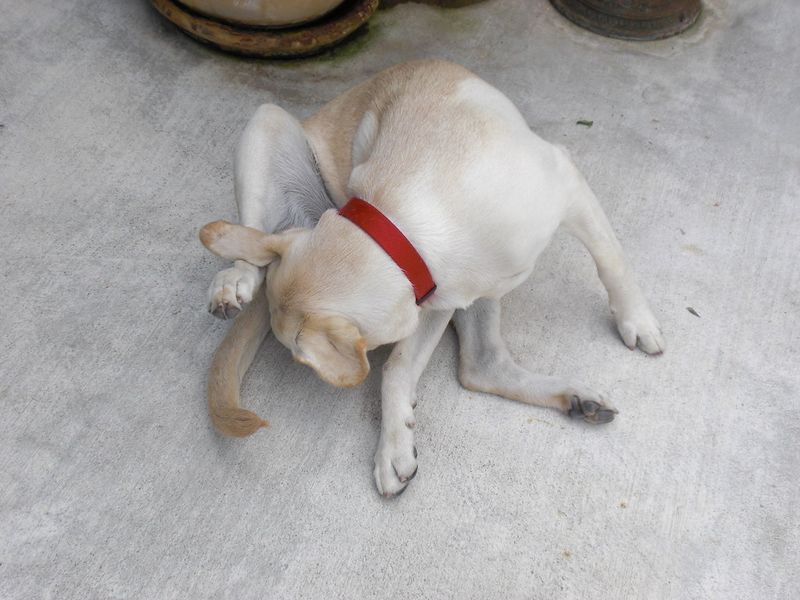
When a dog fixates on one paw, flank, or joint, that persistent licking matters. It can signal allergies, parasites, pain, hot spots, or even boredom and anxiety.
Over time the area can redden, swell, lose hair, and invite infection that hurts even more.
Rinse gently with cool water and pat dry, then use a cone or collar to prevent damage. Check for thorns, cracked nails, cysts, or insect bites.
If licking continues beyond a day, ask your vet about pain relief, skin scraping, and food changes.
Offer puzzle feeders, sniffy walks, and brief training games to occupy the mind. Keep the area clean and dry, and avoid antiseptics that sting.
Track flare ups with photos so patterns emerge and your clinician can tailor treatment.
Difficulty getting up

Struggling to rise from resting, slipping on floors, or slow first steps are classic red flags. Joint pain, muscle loss, arthritis, and neurological issues can all contribute.
You might notice back legs splay out, a sway through the hips, or hesitation before standing.
Place rugs on slick paths, elevate food bowls, and use a harness with rear handle. Keep nails trimmed for traction and manage weight.
If rising remains difficult or your dog cries when lifted, schedule a veterinary exam and consider X rays or bloodwork.
Short, frequent walks and pain relief can restore confidence. Add platforms for step ups, gentle stretches approved by your vet, and warm beds to soothe stiff joints.
Track mobility scores daily so your plan shows progress and setbacks clearly.
Changes in sleep habits
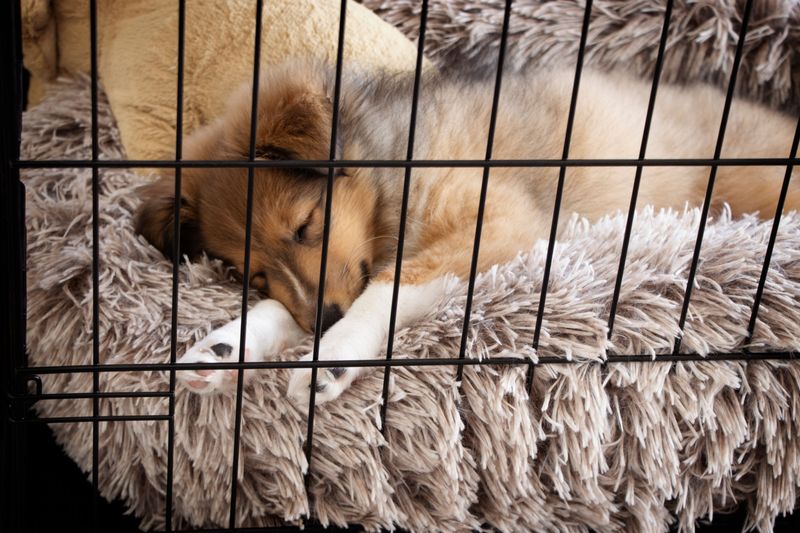
Sleeping much more or much less can signal real trouble. Restless nights, pacing, or waking to pant may reflect pain, anxiety, urinary issues, or cognitive decline.
Napping far from family or sleeping deeply through alarms might also mean your dog is exhausted.
Track sleep blocks and night awakenings for three days. Offer last potty breaks, midnight water, and a quiet, dark room.
If confusion, pacing, or nighttime accidents continue, ask your vet about pain control, bloodwork, and supplements that support brain health and calmer sleep.
Keep evenings peaceful with play and sniff walks, then stick to the same bedtime. Provide supportive bedding, a crate if your dog prefers, and noise to mask sounds.
Avoid caffeine for humans and skip big meals right before lights out.
Whining or yelping unexpectedly

Sudden vocalizing often means your dog is hurting or scared. Sharp yelps when jumping off furniture, being picked up, or turning the neck hint at pain.
Constant whining at rest can also reflect anxiety, cognitive changes, or rising blood pressure.
Check for injuries, warm the room, and limit movement while you assess. Note what position sets it off, whether touch helps, and recent falls.
If cries persist or your dog seems disoriented, seek urgent veterinary care to rule out spinal or abdominal crises.
Record a video so your vet can hear the sound and see body language. Avoid scolding, since punishment can add fear and confusion.
Offer calm touch if welcomed, use a crate or pen for rest, and keep lighting gentle to reduce startle responses.
Loss of interest in favorite activities

When fetch, walks, or greeting the door used to spark joy, but now get a shrug, listen closely. Pain, depression, arthritis, low thyroid, or brewing illness can drain motivation.
You might see slower movement, less tail wagging, and fewer invitations to play.
Start with a veterinary workup to check pain, blood values, and mobility. Lower the bar by choosing shorter walks, easier games, and sniffing routes.
If energy returns with rest and pain relief, celebrate gradually, and keep sessions short so success stays easy.
Rotate toys, invite social time, and sprinkle in new smells to rekindle curiosity. Protect sleep, feed a diet, and avoid pressure when your dog says no. Track improvements each week so you and your vet can course correct with confidence.