
If your coffee table already has tooth marks, you are not alone. Some beloved breeds come wired with big jaws, boundless energy, and a serious need to gnaw.
Learn which dogs are most likely to sample your sofa and how to channel that chew power into safer habits. Read on before your next throw pillow becomes confetti.
Labrador Retriever

Labs are famous for friendly grins and athletic hearts, but their mouths are busy from morning to night. Bred to carry game, they love retrieving and testing textures, which can make table legs very tempting.
Give them tough rubber toys, frozen Kongs, and steady fetch sessions to keep jaws satisfied.
You will also want daily exercise that truly tires them out. Structured training with leave it and drop it cues prevents furniture raids.
Rotate toys often so novelty competes with chair rungs and shoes. Crate rest after play can lower arousal.
If boredom sparks mischief, puzzle feeders and scent games offer a healthier outlet.
Golden Retriever
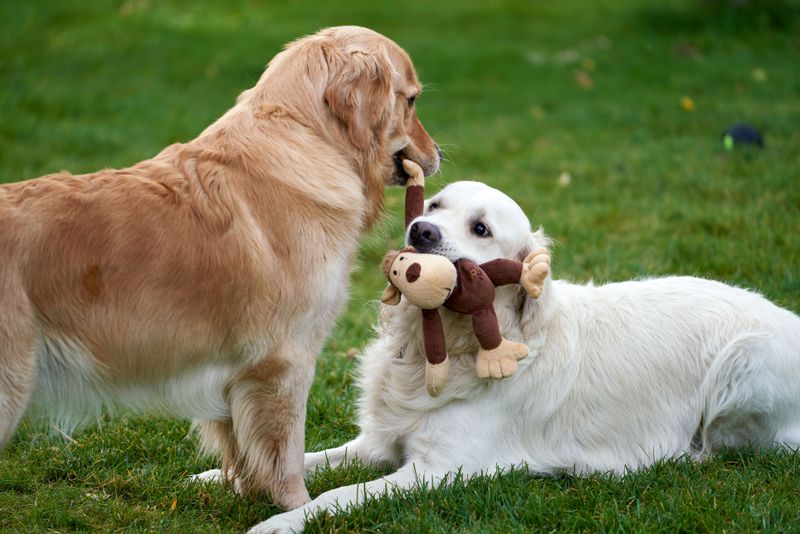
Goldens are soft-mouthed retrievers with big hearts and bigger curiosity. That gentle mouth still loves to hold, tote, and sample, especially during teething and adolescence.
If you skip enrichment, they may pick trim, cushions, or slippers. Offer variety: ropes, rubber bones, and plush toys with reinforced seams.
Daily aerobic exercise plus mental work is essential. Practice trade games so giving up a prized chew feels rewarding.
Teach settle on a mat to reduce restless roaming. Keep a chew station stocked in every room you relax in.
When guests arrive, redirect excited nibblers to a squeaky toy. Consistency, patience, and rotation keep your furniture off the menu.
Beagle
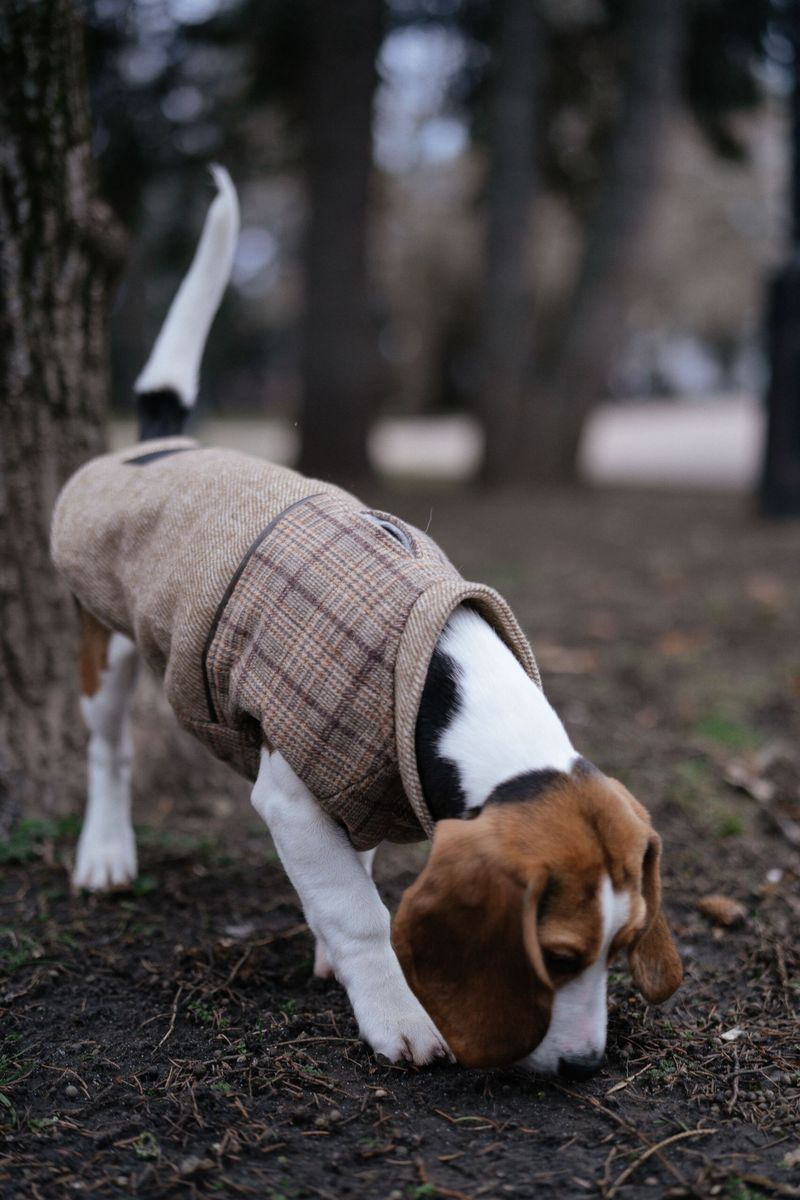
Beagles explore the world nose first, and their mouths follow. Scent hounds get fixated once they track a smell to your couch cushion or gym bag.
Prevent opportunity by managing access and providing long lasting chews like nylon bones or safe digestible options approved by your vet.
Daily sniff walks and hide and seek treat trails are magic for Beagles. You can redirect chewing with scatter feeding and snuffle mats that reward nose work.
Short training bursts build impulse control around tempting items. Use baby gates and tidy habits to limit snagging contraband.
When that musical bay starts, swap in a high value chew and praise generously.
Boxer
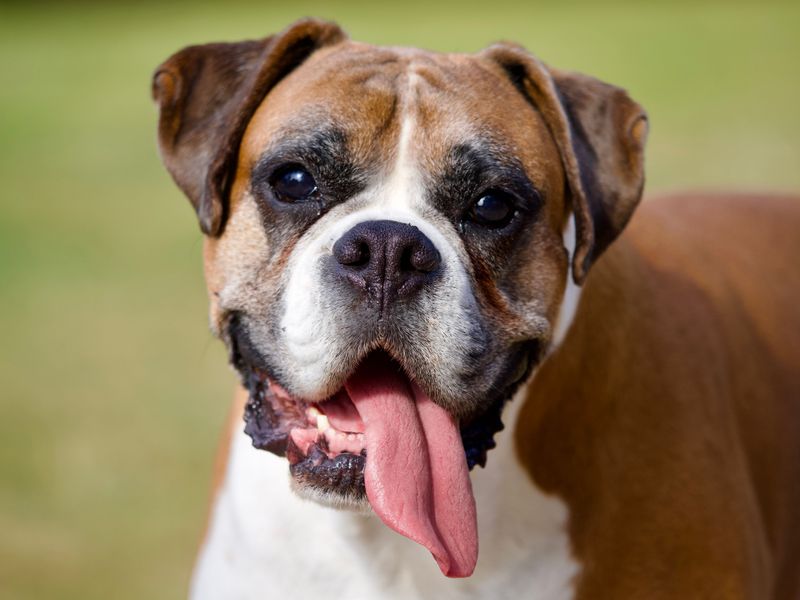
Boxers pack clownish charm and spring-loaded energy, which often channels straight to their jaws. Without structured outlets, they may audition your ottoman as a chew tester.
Durable rubber rings, tug ropes, and supervised flirt pole play help meet that need while saving upholstery.
Regular cardio and brain work are non negotiable for this athlete. Teach leave it early and make swaps fun, not punitive.
A settle routine after exercise reduces mouthy zoomies. Crate training provides a safe rest zone when you cannot supervise.
Rotate textures to keep interest away from wooden edges. With consistency, you can protect furniture while keeping a happy, wiggly Boxer fulfilled.
Pit Bull Terrier
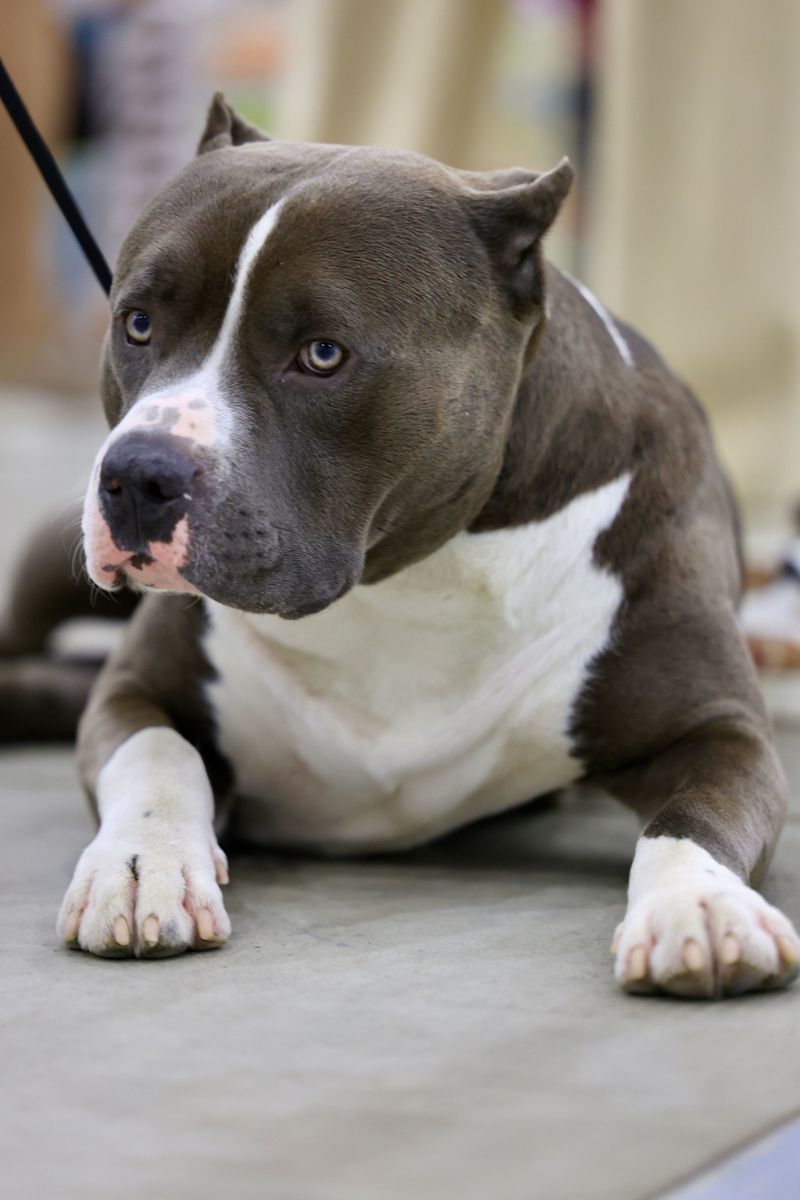
Blocky-headed power chewers need gear that matches their jaw strength. Many Pit Bull Terriers adore chewing to decompress, so flimsy toys invite disaster for furniture.
Choose ultra durable rubber, reinforced tug toys, and supervised marrow bones approved by your vet to redirect force safely.
Daily workouts matter: flirt pole sprints, tug with rules, and obedience intervals burn energy. Teach out and trade to keep chewing cooperative, not possessive.
Provide a chew station with rotation to maintain novelty. If stress triggers shredding, use enrichment like frozen Kongs for calming.
Management tools like crates and tethers protect your home while training good habits. With thoughtful outlets, your sofa survives and your dog thrives.
German Shepherd
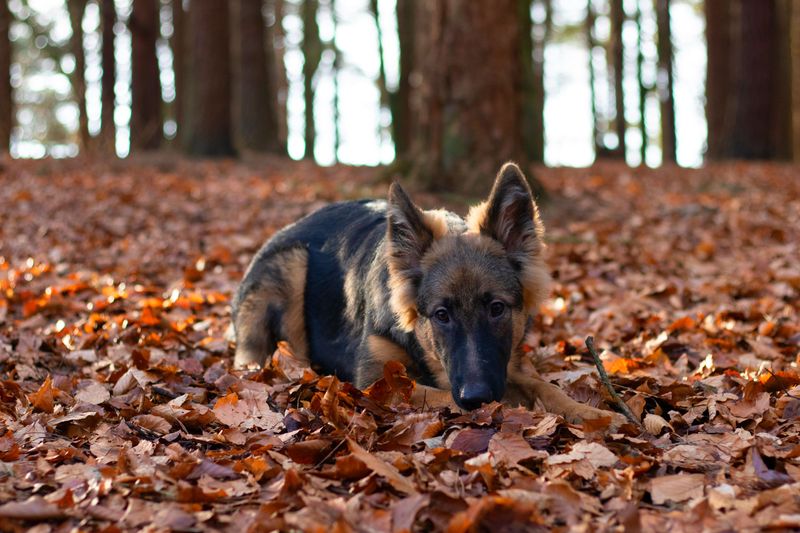
German Shepherds are brilliant, driven workers who get mouthy when under-stimulated. Chewing can signal boredom or anxiety, especially in young adults.
Provide jobs: obedience, tracking, and structured tug with clear rules. Tough toys, puzzle feeders, and long line fetch keep brains and jaws engaged.
Teach impulse control with leave it and place training. You will want predictable routines, because random downtime encourages DIY projects on chair legs.
Rotate chews and add scent games to satisfy their investigative side. Crate rest after training helps them decompress.
Protect valuables with management while rewarding good choices. When needs are met, they park those impressive teeth where they belong.
Siberian Husky
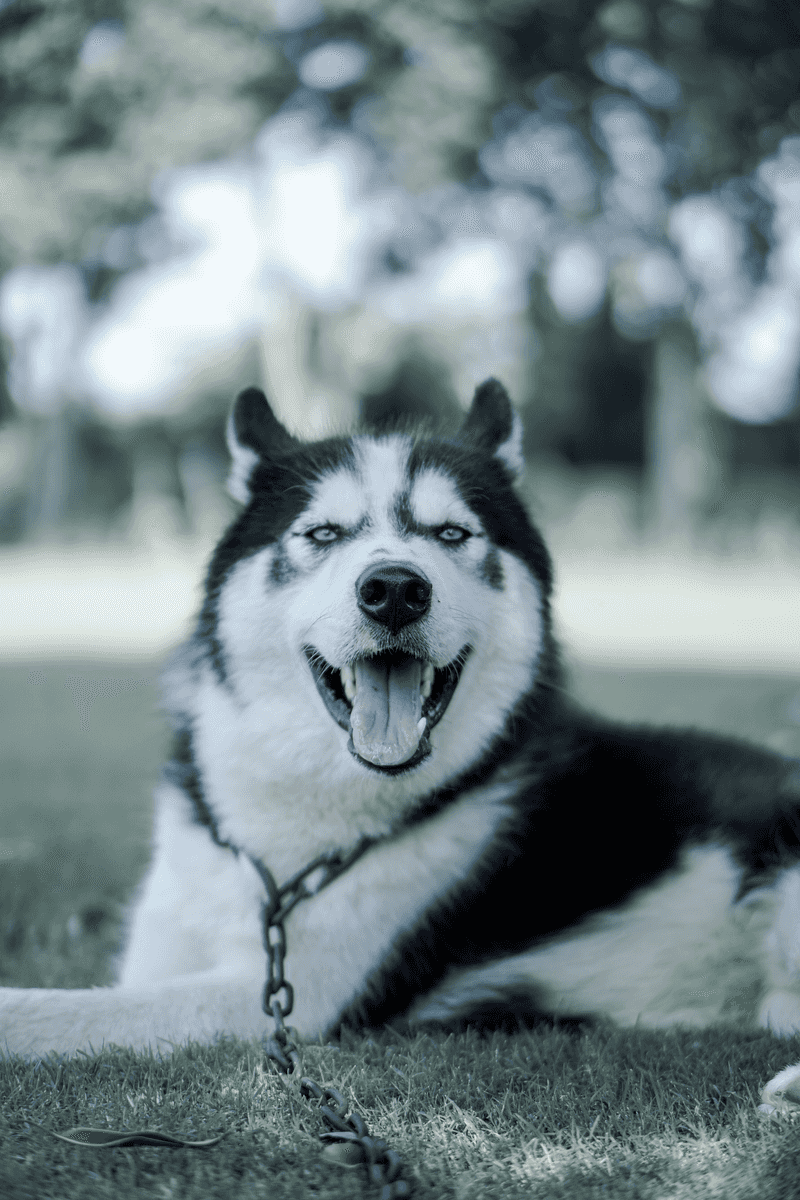
Huskies are escape artists with opinions and energy to spare. Boredom plus teething equals creative carpentry on your baseboards.
Channel that drive with daily runs, flirt pole sprints, and brain games. Choose rugged chew toys that survive persistent gnawing, and freeze them to extend sessions.
Practice trade games so giving up a chew feels like winning. Provide crate time after workouts to prevent chaos.
Rotate textures and add icy treats to suit their Arctic heritage. Management is key: secure trash, stash shoes, and gate off tempting rooms.
With structure and novelty, your Husky can chew constructively instead of redecorating your home.
Alaskan Malamute

Malamutes bring big strength and a working dog mindset that craves serious outlets. Left idle, they may sample beams, benches, or anything textured.
Offer industrial-grade rubber toys, braided ropes, and supervised raw bones cleared by your vet. Rotate items to fight novelty seeking and reinforce calm chewing on a designated mat.
Daily endurance exercise is essential for this northern breed. Sled pulls, backpack hikes, or canicross drain energy and reduce destructive impulses.
Teach settle and place cues to curb roaming. Management tools like tethers during family time keep mouths busy where you want them.
With planning and patience, that mountain of fluff becomes a considerate housemate.
Jack Russell Terrier
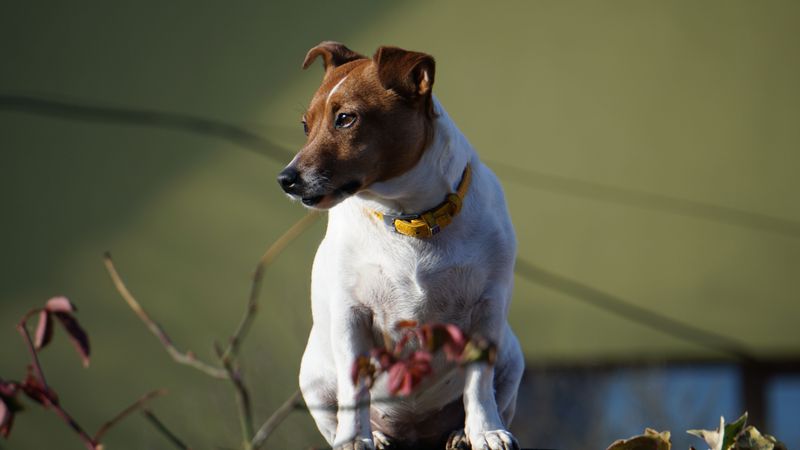
Jack Russells are pocket rockets that convert excess energy into mischief, including gnawing. Their hunting heritage makes them persistent problem solvers.
Give them real jobs: tug sessions with rules, fetch with impulse control, and nosework games. Sturdy ropes, rubber balls, and treat-dispensing toys keep mouths busy and brains satisfied.
Short, frequent training breaks up the day and prevents boredom. You can preempt couch corner attacks by rotating chews and using management like pens.
Teach trade and leave it early to build cooperation. Snuffle mats and puzzle boxes scratch that hunt itch indoors.
When you outsmart a Jack Russell, your furniture breathes easier.
Doberman Pinscher
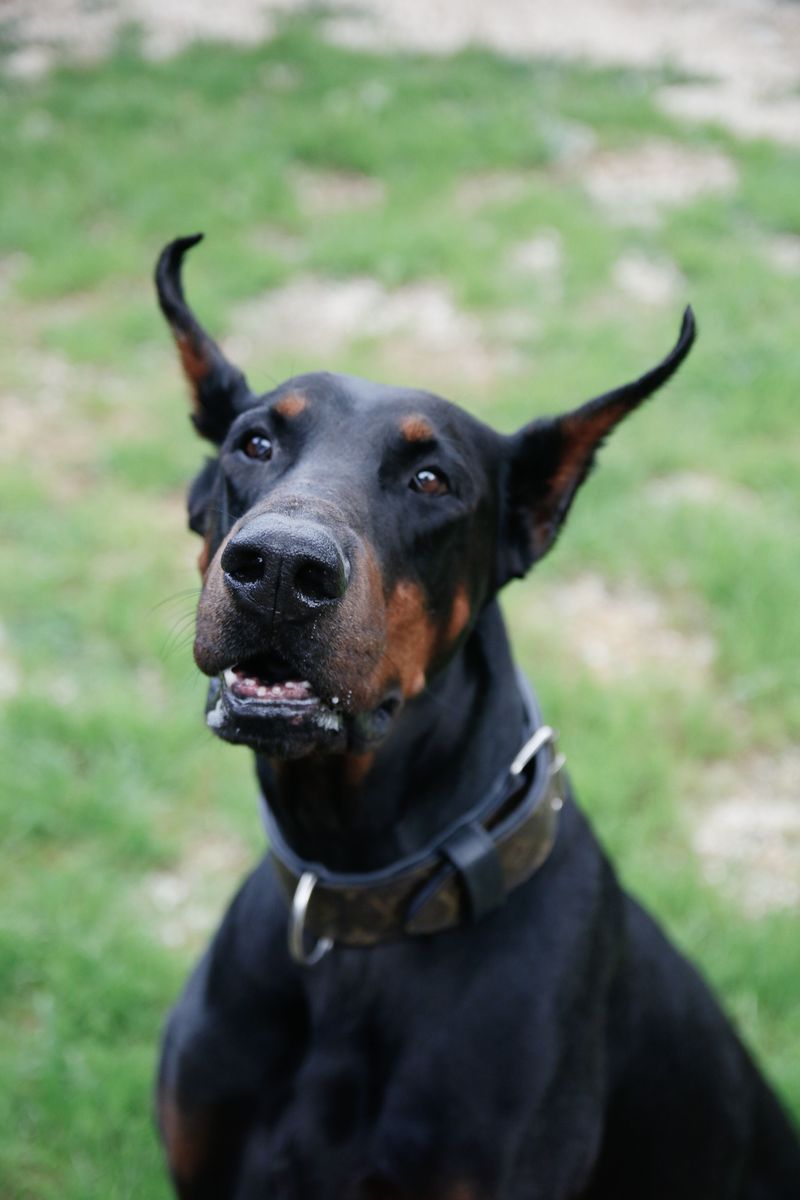
Dobermans are sensitive athletes who need structure and meaningful work. Chewing often spikes when routines slip or energy piles up.
Provide durable rubber chews, flirt pole drills, and obedience reps that reward impulse control. A place command anchors them during family downtime, reducing roam-and-chew behavior.
Trade and out cues should feel like games, not contests. Rotate textures and introduce food-stuffed toys to extend sessions.
If anxiety nudges them toward furniture, add enrichment before departures and practice calm returns. Crate or bed time after exercise helps them reset.
With consistent boundaries and enrichment, your Doberman chooses toys over trim.
Rottweiler

Rottweilers are mighty chewers with patient persistence. Without direction, they may methodically test furniture seams and wood edges.
Meet that need with professional-grade rubber toys, braided firehose tugs, and supervised chew sessions. Structured obedience and controlled tug build manners while feeding their working instincts.
Daily exercise prevents slow-burn boredom from turning destructive. Teach out and leave it with generous rewards.
Offer a chew station where good choices always pay. If stress or guarding appears, work with a trainer to keep trades cheerful and safe.
With smart management and heavy-duty gear, your Rottie can spare your sofa while staying deeply satisfied.
Belgian Malinois

Malinois are turbocharged working dogs whose mouths are part of the toolkit. Idle time invites them to invent sports with your chair legs.
They need structured jobs: obedience, bite-sport style tug with rules, scent work, and problem-solving games. Use pro-grade rubber chews and food-stuffed toys to occupy downtime safely.
Impulse control is trained, not assumed. Practice out and place under real distractions.
Rotate high-value chews and mix textures to maintain novelty. Crate decompression after training helps them throttle down.
Management like tethers during TV time keeps decisions easy. With daily purpose and smart outlets, your furniture survives a Malinois childhood.
Australian Shepherd
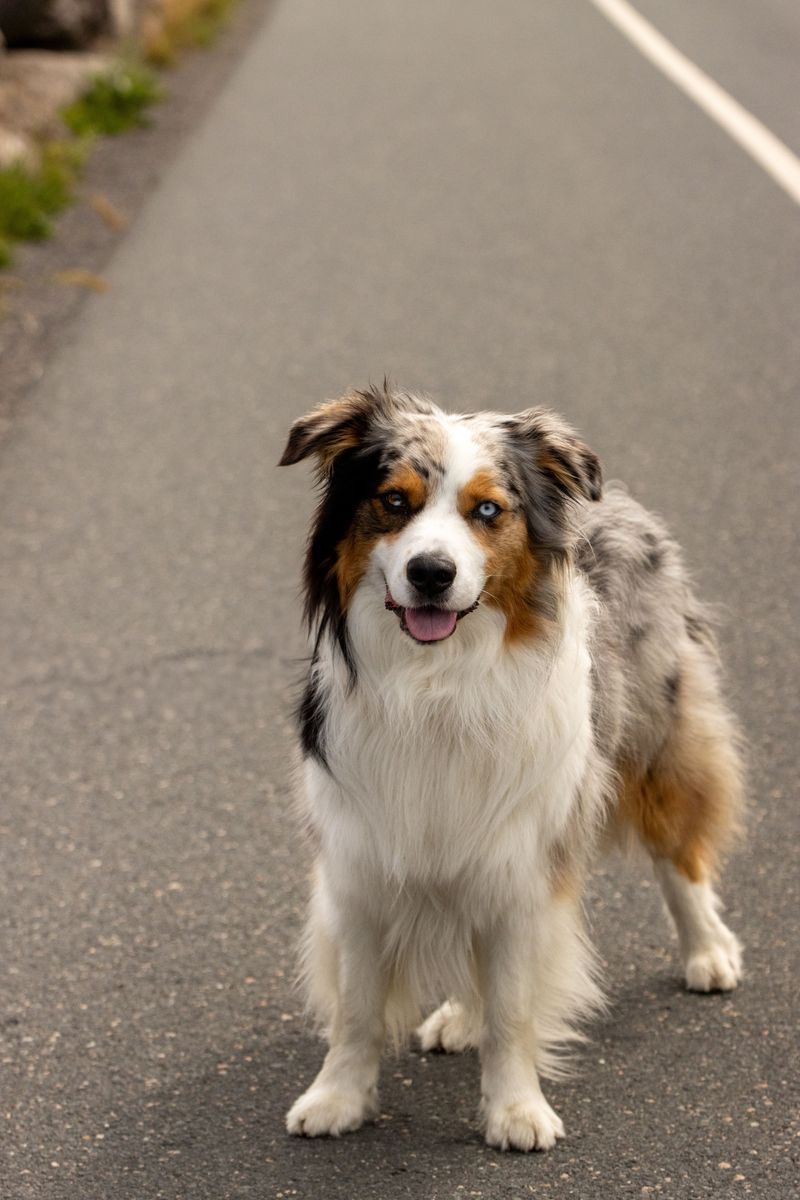
Australian Shepherds are brainy herders who chew when under-challenged. They thrive on tasks, patterns, and clear expectations.
Give them puzzle feeders, trick training, and fetch with impulse control. Durable rubber sticks, braided ropes, and frozen Kongs satisfy that urge to gnaw without sacrificing cushions.
Daily movement and mental work beat boredom. Teach a go to mat cue so they can relax during family time.
Rotate toys and stash chews in multiple rooms to redirect fast. If nipping or shredding appears, increase enrichment and reduce free roaming.
You will protect furniture while letting this clever partner shine at home.