
You love sharing snacks with your dog, but some everyday foods can cause big trouble fast. A few bites might seem harmless, yet hidden toxins can lead to stomach upsets, heart issues, or even emergencies.
The good news is you can protect your pup with simple swaps and clear rules. Let’s break down the foods to avoid and the ones that are safer than many think, so you can treat confidently.
Chocolate
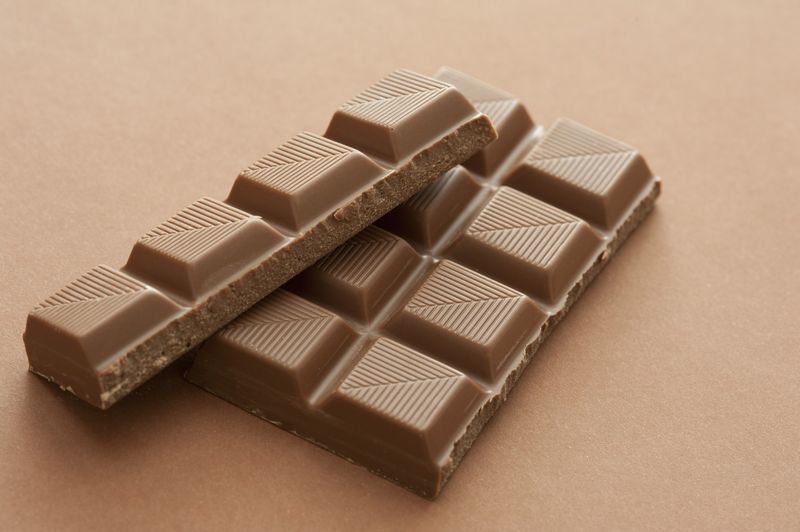
Chocolate feels like a tiny treat, but for dogs it can be a serious hazard. The culprits are theobromine and caffeine, which dogs process far more slowly.
Dark and baking chocolates pack the highest risk, while milk chocolate is still dangerous in larger amounts.
Watch for restlessness, vomiting, diarrhea, rapid breathing, and a racing heart. If a dog sneaks chocolate, call your vet or a poison hotline quickly and share the type and estimated amount.
Keep candy bowls high, teach a solid leave-it cue, and offer safe alternatives like dog biscuits or frozen banana slices.
Grapes
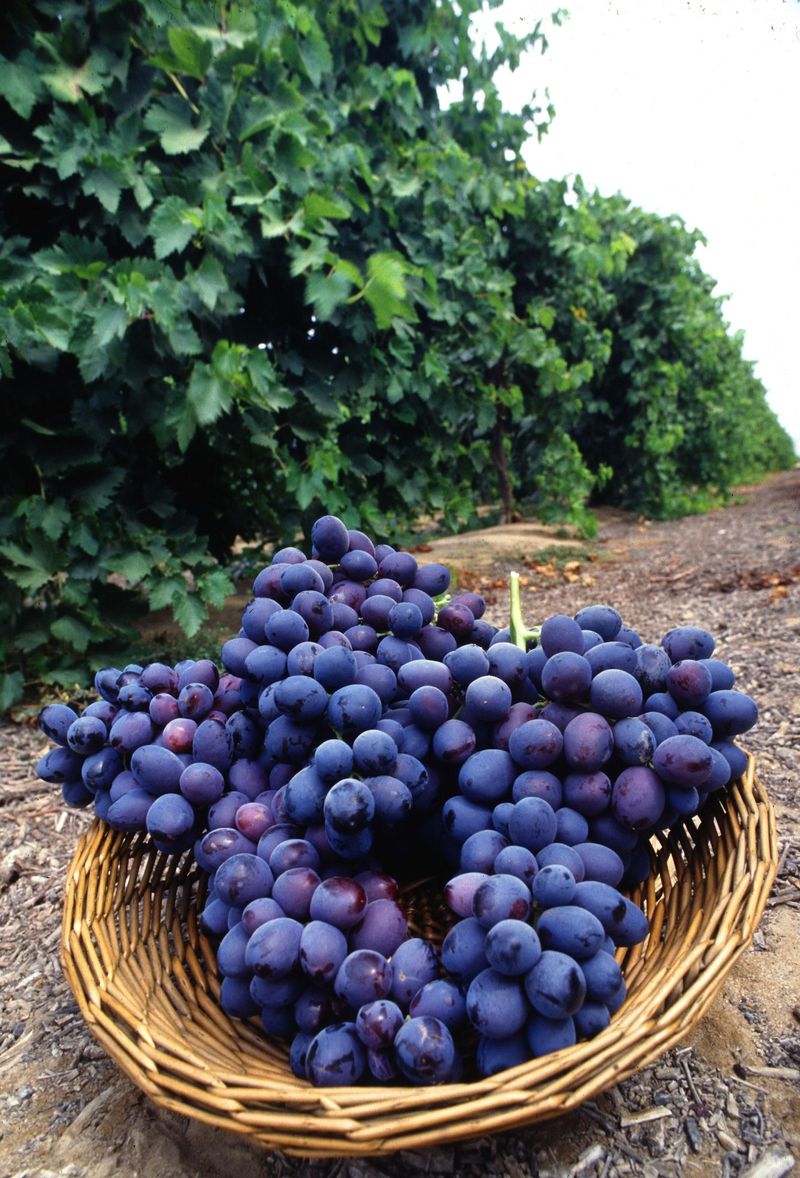
Grapes look innocent, but for dogs they can trigger sudden kidney failure. The exact toxin remains unclear, which makes them unpredictable.
Some dogs react to even a small amount, while others seem fine until they are not.
Symptoms often include vomiting, lethargy, and reduced appetite within hours. You should contact your vet immediately if any amount was eaten, even one grape.
Keep grapes and fruit salads off coffee tables and picnic blankets, and remind guests not to share. Choose safe training treats instead, like crunchy dog kibble or small pieces of carrot.
Quick action matters here, and prevention is your strongest tool.
Raisins
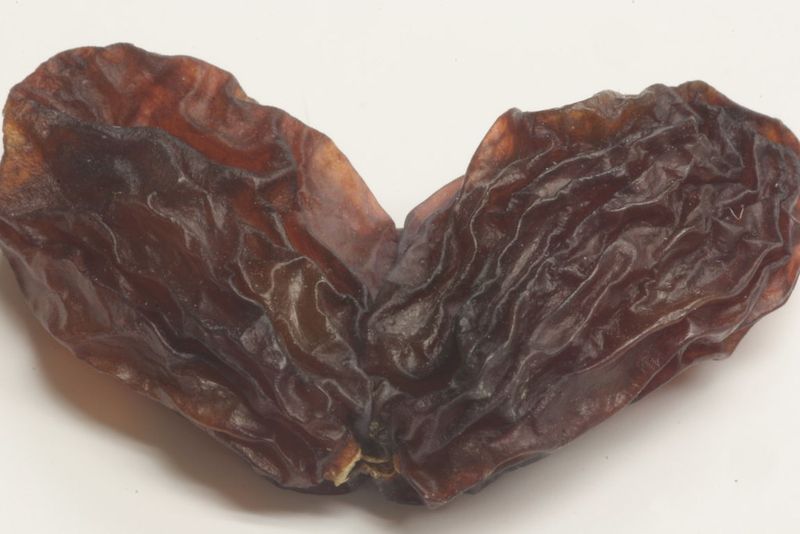
Raisins are simply dried grapes, so the same kidney risk applies, often at even lower amounts. Trail mix, granola bars, and baked goods hide them in plain sight.
Because sensitivity varies wildly, there is no safe serving size.
If your dog eats raisins, call your vet right away, even if your dog seems normal. Early decontamination can make a big difference.
Store snack boxes in closed cabinets and label kid lunch bins clearly. Offer dog-safe chews or bits of apple without seeds when you want to share.
You are not being strict by saying no to raisins, you are being protective.
Onions
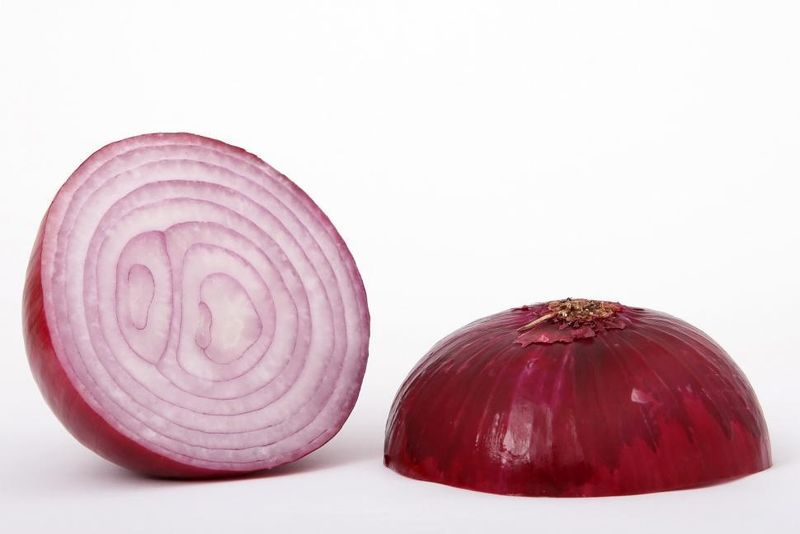
Onions, along with leeks and chives, can damage red blood cells in dogs. The result is hemolytic anemia, which reduces oxygen delivery and can become life threatening.
Raw, cooked, powdered, and dehydrated forms all count, including onion powder in soups and sauces.
Signs may include weakness, pale gums, rapid breathing, vomiting, or collapse. If exposure happens, gather ingredient labels and call your vet.
Keep savory leftovers out of reach and skip sharing onion-heavy dishes like stir-fry or fajitas. Choose dog treats with simple ingredients instead.
A little prevention here protects energy, playtime, and those long walks you both love.
Garlic
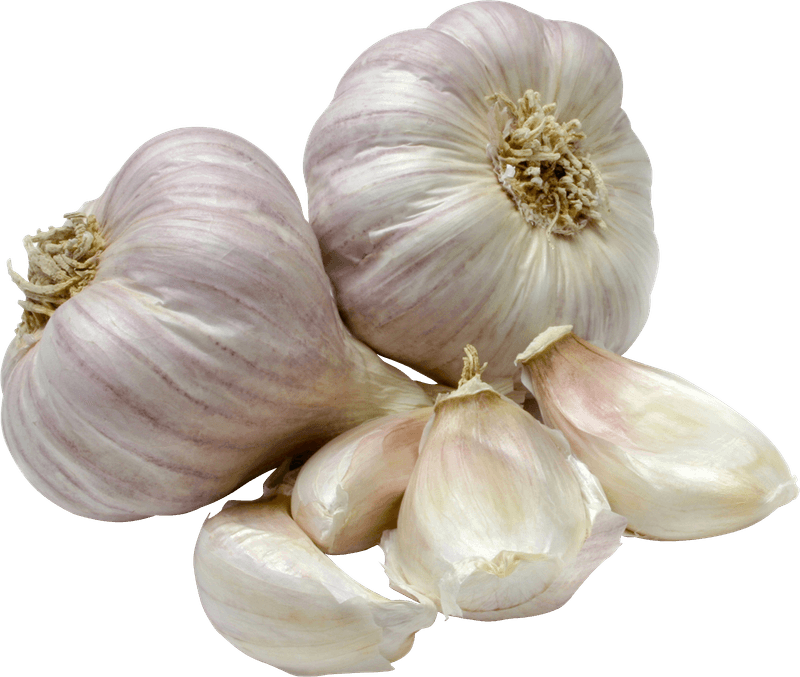
Garlic sits in the same allium family as onions and can also trigger oxidative damage to red blood cells. Some claim tiny amounts are beneficial, but the safety margin is narrow and individual sensitivity varies.
Garlic powder in marinades and seasonings makes accidental exposure easy.
Watch for lethargy, pale gums, digestive upset, and weakness over several days, not just immediately. Bring packaging if your dog ate seasoned meats or sauces.
Safer flavors for pups include parsley flakes and a spoon of plain pumpkin mixed with kibble. When in doubt, skip garlic entirely and keep taste for your plate, not your dog’s bowl.
Xylitol
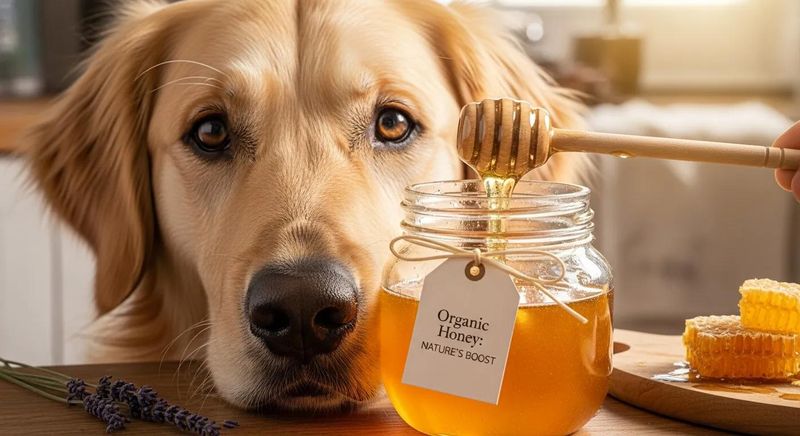
Xylitol is a sugar substitute found in gum, candies, mints, some peanut butters, and dental products. In dogs it can cause a rapid insulin release that crashes blood sugar, sometimes followed by liver injury.
Symptoms can start within minutes to hours.
Look for vomiting, staggering, weakness, tremors, or seizures. If ingestion is possible, go to the vet immediately and bring the product label.
Store handbags, gym bags, and nightstand items out of reach. Choose peanut butter brands that clearly state no xylitol on the label.
A quick label check before sharing can save you a scary emergency and protect your dog’s happy routine.
Alcohol
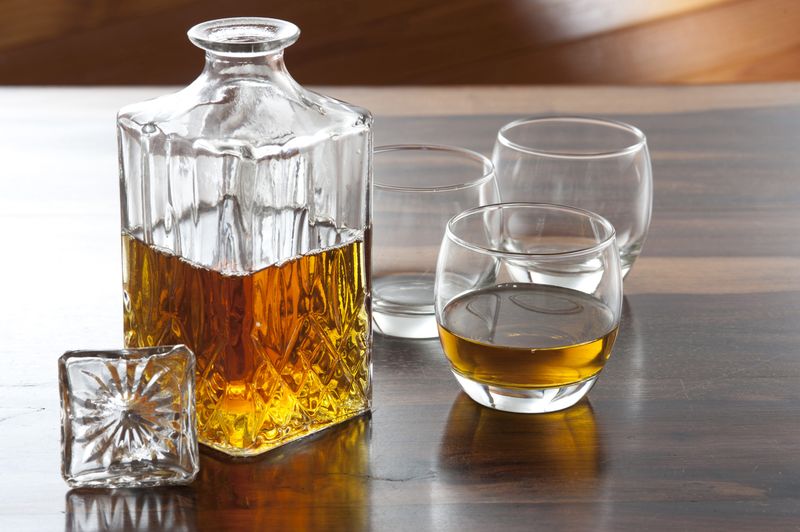
Alcohol affects dogs far more intensely than humans. Even small sips of beer, wine, or cocktails can depress the central nervous system, drop blood sugar, and irritate the stomach.
Unbaked fermenting dough also produces alcohol inside the stomach, multiplying risks.
Watch for drooling, vomiting, disorientation, wobbling, or slowed breathing. Keep drinks on high surfaces at gatherings and remind friends not to offer tastes.
If your dog gets into alcohol, call your vet and monitor closely. Provide fresh water and a quiet space while you arrange care.
There are plenty of safe celebration treats for dogs, so let the party stay on your plate, not in their bowl.
Caffeine
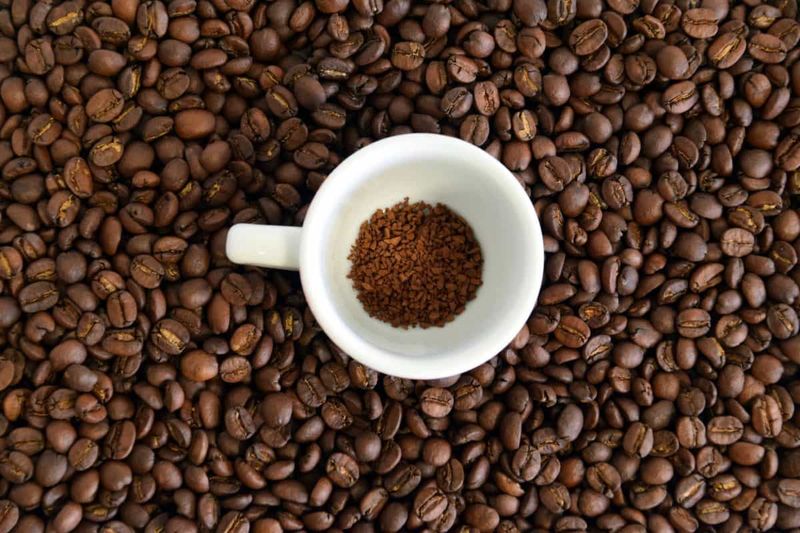
Caffeine stimulates the heart and nervous system, which can push dogs into trouble quickly. Coffee grounds, brewed coffee, tea, energy drinks, and some pills all count.
Even used grounds tossed in the trash can be a hazard if your dog raids the bin.
Signs include agitation, pacing, panting, vomiting, tremors, and a rapid heartbeat. If exposure occurs, call your vet and avoid giving additional stimulants.
Keep mugs up high, secure the trash, and try decoy chews to redirect curiosity. Save your caffeine boost for you, and give your dog a calm walk or puzzle feeder for enrichment instead.
Macadamia nuts
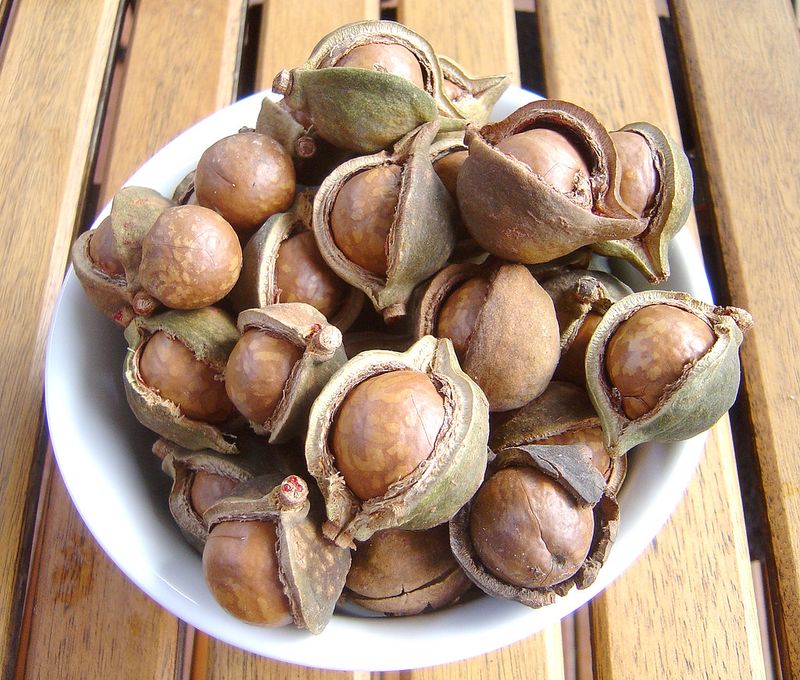
Macadamia nuts can make dogs sick even in small amounts. The exact mechanism is unknown, but signs often include weakness, hind limb tremors, vomiting, and depression.
Chocolate-covered macadamias create a double risk that needs urgent attention.
Most dogs recover with supportive care, but you should still call your vet for guidance. Store nut mixes in airtight containers, not open snack bowls.
Offer safe crunch instead with dog biscuits or carrot sticks. If your dog steals a few nuts, note the amount, check for chocolate or salt, and seek advice quickly.
Prevention keeps snack time simple and stress free for everyone.
Cooked bones
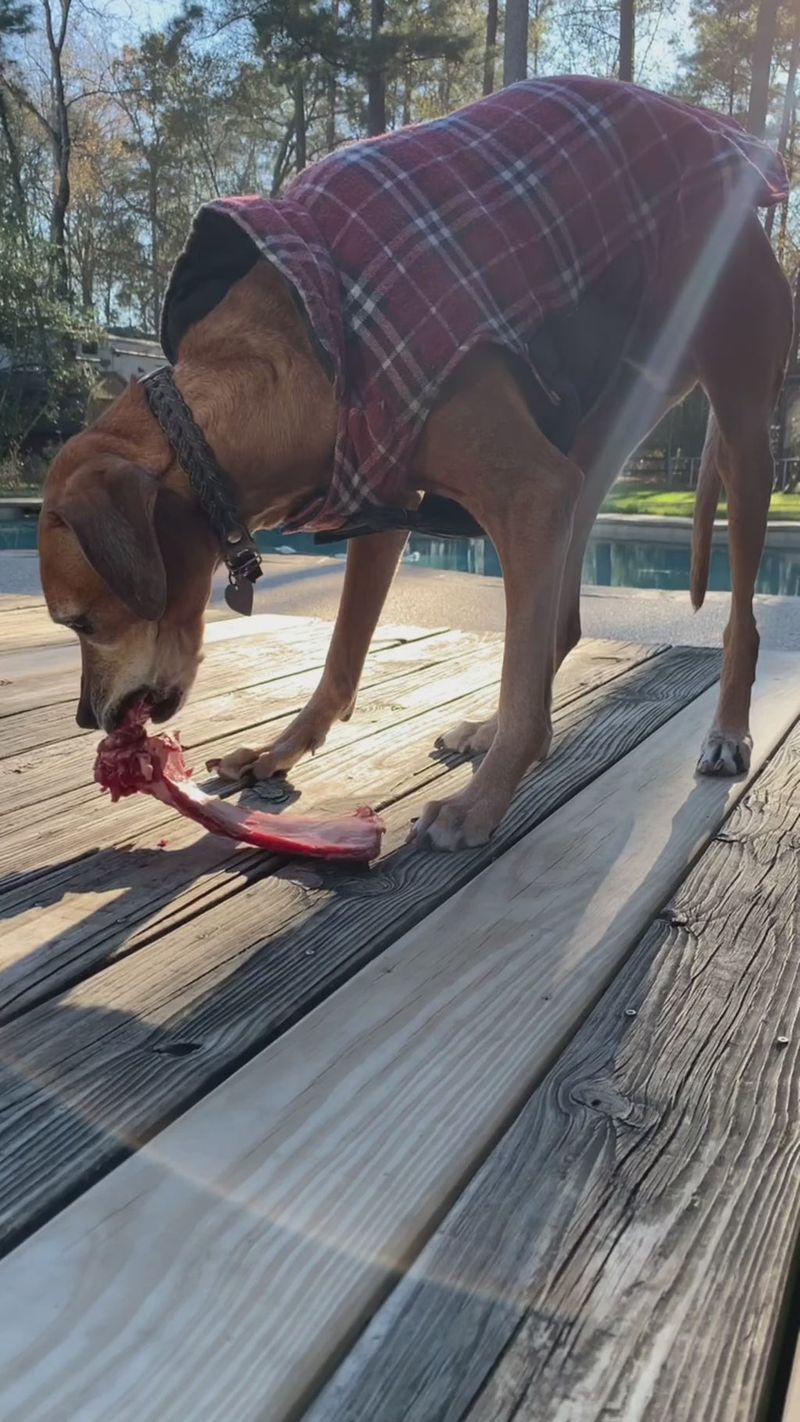
Cooked bones splinter easily, turning into sharp fragments that can puncture or block the digestive tract. Chicken, turkey, pork, and rib bones are common culprits after dinner.
Greasy leftovers also encourage gulping, which increases the risk.
Choose large, durable rubber chews or vet-approved dental treats instead. If your dog grabs a bone, avoid tugging to prevent panic swallowing.
Watch for gagging, drooling, abdominal pain, vomiting, or black stools, and contact your vet if concerned. Dispose of bones in sealed trash bins behind closed doors.
Keeping bones off the menu protects your dog’s mouth, throat, and gut, and it saves you a late-night emergency visit.
Raw yeast dough
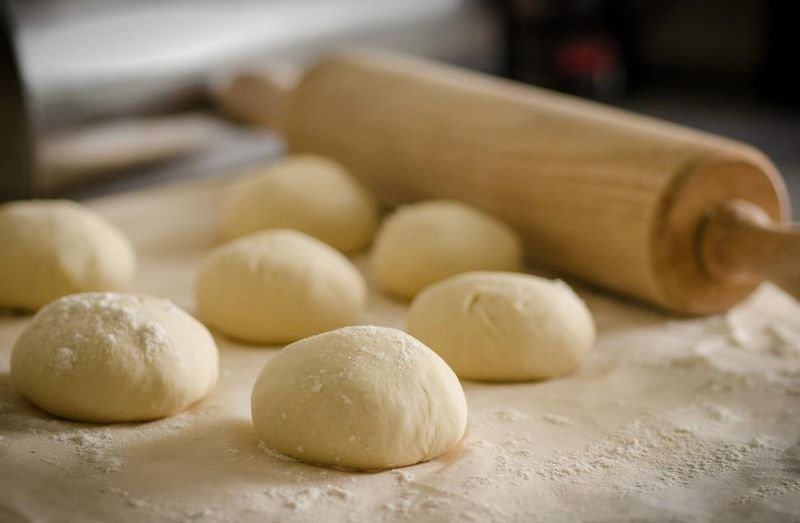
Raw yeast dough can expand inside a dog’s warm stomach, stretching tissues and causing painful bloating. As yeast ferments, it also produces alcohol that gets absorbed into the bloodstream.
This combination creates a dangerous one-two punch.
Keep dough bowls out of reach during proofing and clean spills right away. If ingestion happens, expect distention, drooling, disorientation, or retching, and call your vet immediately.
Consider baby gates during baking days and offer a stuffed toy to keep your dog busy elsewhere. A little planning lets you bake in peace while your dog stays safe and comfortable.
Excess salt
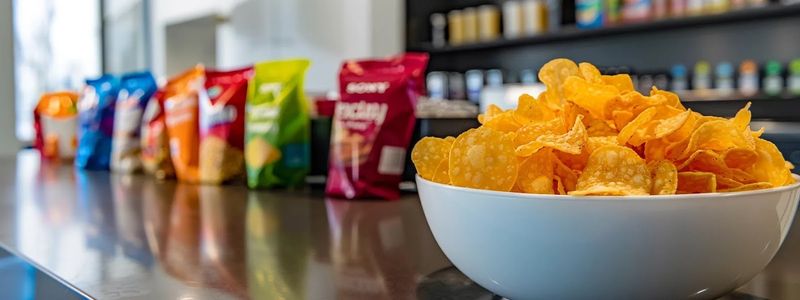
Too much salt can lead to dehydration, vomiting, diarrhea, and in severe cases sodium ion poisoning. Problem foods include chips, cured meats, jerky, and salty broths.
Dogs may also drink excessively and urinate more after salty snacks.
Offer fresh water and avoid sharing heavily seasoned foods. If your dog eats a lot of salty items, call your vet and monitor for tremors or confusion.
Choose low-sodium broths for homemade treats and rinse canned foods before serving when appropriate. Training with plain kibble or unsalted peanut butter works great and keeps sodium balanced.
Your dog does not need the extra salt to feel spoiled.
Fat trimmings
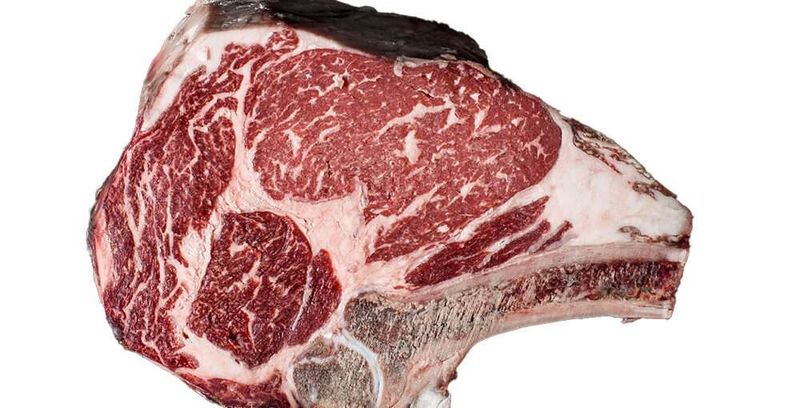
Feeding fat trimmings can trigger stomach upset and may contribute to pancreatitis, a painful inflammation of the pancreas. High-fat scraps also teach begging and can add sneaky calories.
Frying grease and bacon drippings are especially risky.
Signs include vomiting, belly pain, hunched posture, and loss of appetite. Call your vet if symptoms appear after a greasy meal.
Stick to your dog’s regular diet and use lean, vet-approved treats for training. If you cook often, keep a covered scrap container and take it straight outside.
Consistency protects digestion and helps your dog maintain a healthy weight without missing out on rewards.
Moldy foods
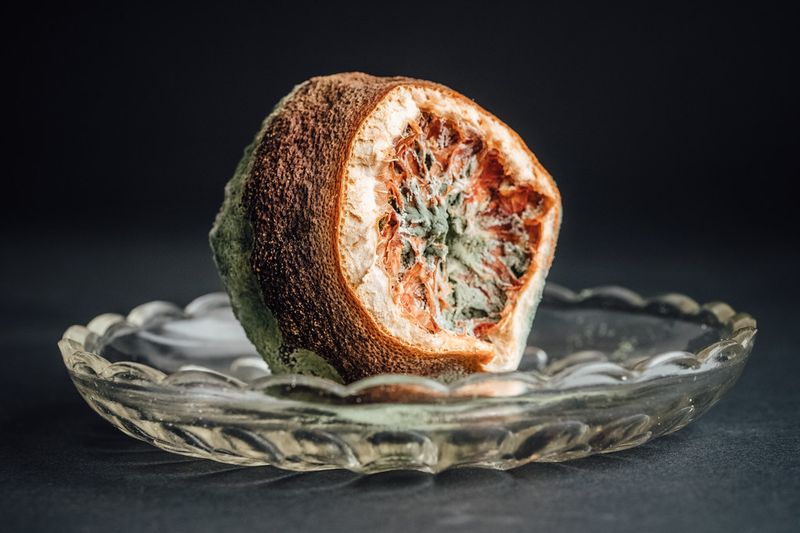
Moldy foods can contain mycotoxins that spark tremors, seizures, vomiting, and severe illness in dogs. Old bread, nuts, and compost piles are common sources.
Even small amounts can be dangerous depending on the mold type.
Keep garbage sealed and compost bins secured or elevated. If your dog raids the trash, contact your vet and describe what was eaten.
Bring samples or photos if safe to do so. Prevent scavenging with lidded cans, closed doors, and a strong leave-it cue.
Regularly clear yard fruit fall and clean spilled grains in garages. Staying ahead of mold keeps curious noses from serious trouble.
Plain peanut butter (without xylitol)
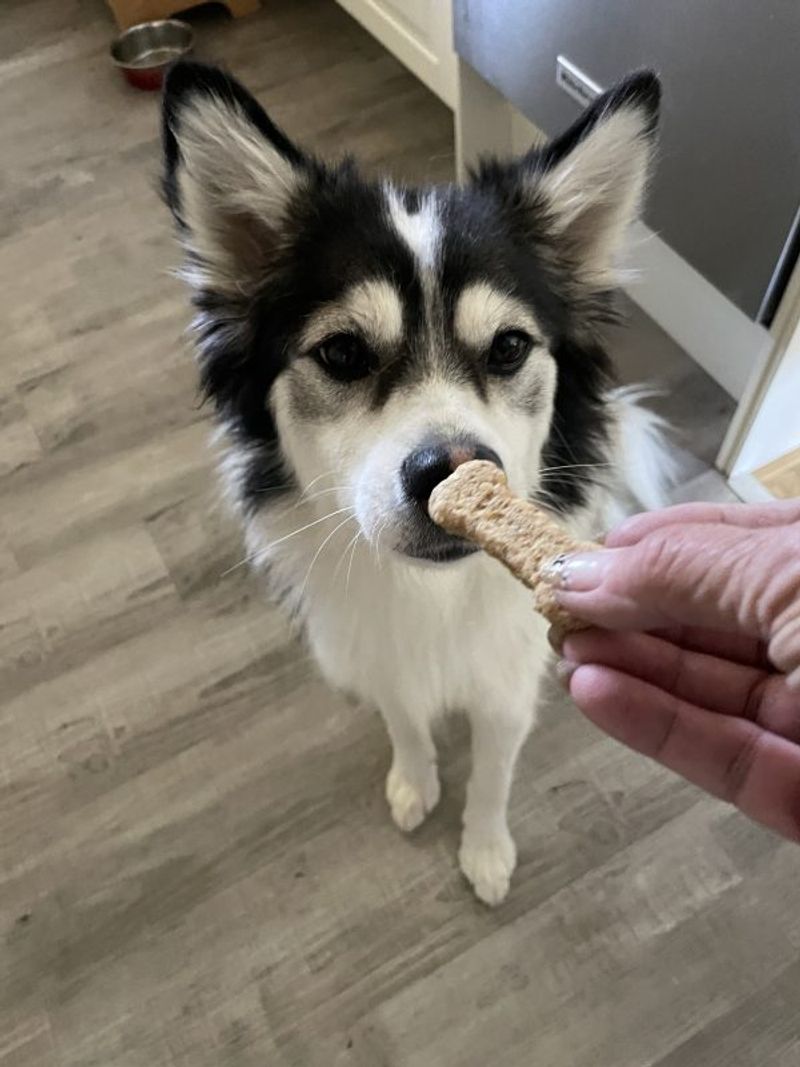
Plain peanut butter without xylitol can be a safe, high-value treat when used thoughtfully. It is calorie dense, so small amounts go a long way.
A pea-sized smear in a puzzle toy can turn crate time into a calm, rewarding break.
Check labels carefully because some specialty brands add xylitol, which is dangerous. Choose unsalted or low-salt varieties and account for extra calories in the daily diet.
If your dog has pancreatitis history or sensitivities, talk to your vet first. Used wisely, peanut butter can help with pill pockets, training, and enrichment without causing trouble.
Cooked eggs
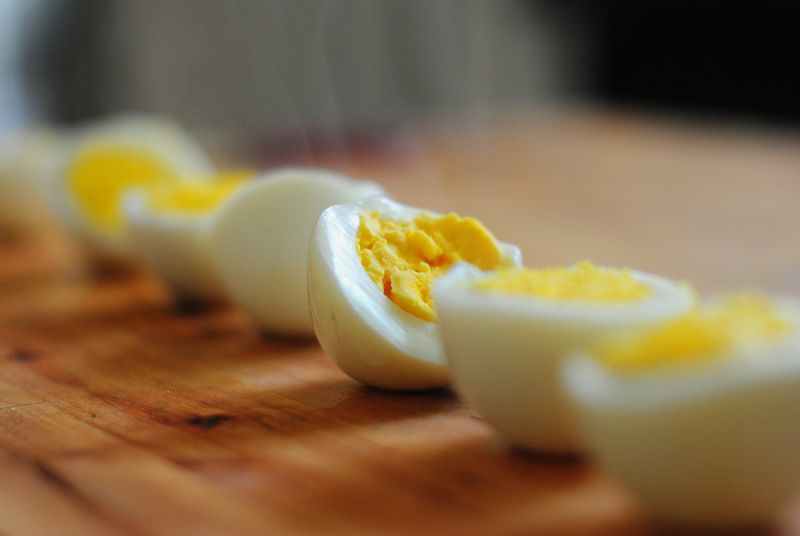
Cooked eggs are generally safe and nutritious for many dogs, offering high-quality protein and essential amino acids. Serving them plain without butter, oil, or seasonings keeps things gentle on the stomach.
Start with small portions to ensure they sit well.
Skip raw eggs due to salmonella risk and possible biotin interference from raw whites. A bite of scrambled or a chopped hard-boiled egg can be a great topper for picky eaters.
If your dog has allergies or pancreatitis, check with your vet. Balanced within regular meals, eggs can add variety and shine to a healthy routine.
Plain popcorn
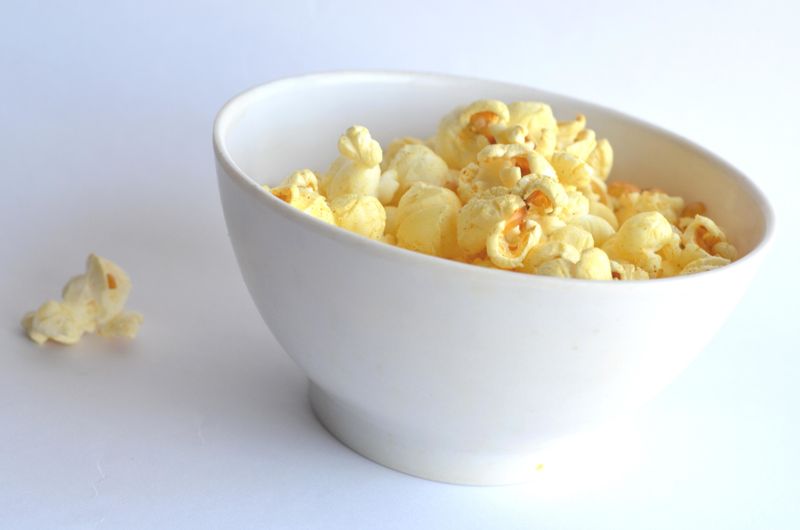
Plain, air-popped popcorn without butter, oil, or salt can be a light, crunchy treat in small amounts. Avoid unpopped kernels, which can crack teeth or pose a choking risk.
Share a few fluffy pieces and keep the bowl out of reach between bites.
Skip flavored coatings like caramel, cheese powders, and heavy seasonings. If your dog tends to gulp snacks, hand pieces one by one for safety.
Popcorn should not replace meals, but it can make training or movie night more fun. Keep it simple, keep it plain, and your dog can enjoy the crunch without the complications.