
Some dogs greet you like a lifelong friend, while others size you up from a polite distance. If you have ever wondered why one pup clings to your side and another plays it cool, you are in the right place.
Here is a friendly guide to breeds that take time to trust, plus a few that pledge devotion almost immediately. Learn what to do so each personality feels safe, understood, and happily bonded to you.
Chow Chow
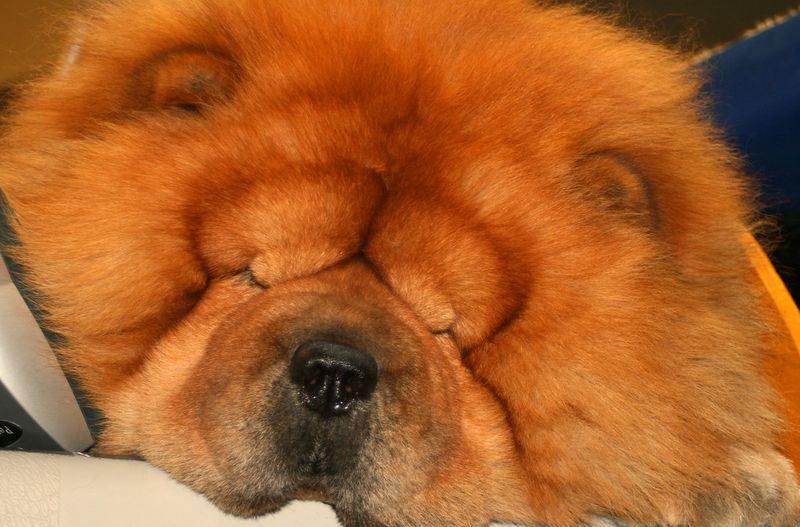
You might admire that lion-like mane, but a Chow Chow usually keeps emotions tucked away at first. Bred for guarding, they watch quietly, measuring your consistency more than your charm.
Rushing greetings rarely works. Slow routines, predictable boundaries, and calm eye contact earn respect.
Treats help, yet patience matters more. Expect a dignified roommate before you get a cuddle partner.
To help them open up, keep walks structured and avoid crowded dog parks early on. Give them choices, like approaching you for petting instead of being cornered.
Grooming sessions double as bonding time when you move slowly and praise often. Over weeks, the aloof exterior softens.
Then you will glimpse quiet loyalty, protective vigilance, and surprising sweetness reserved just for you.
Akita
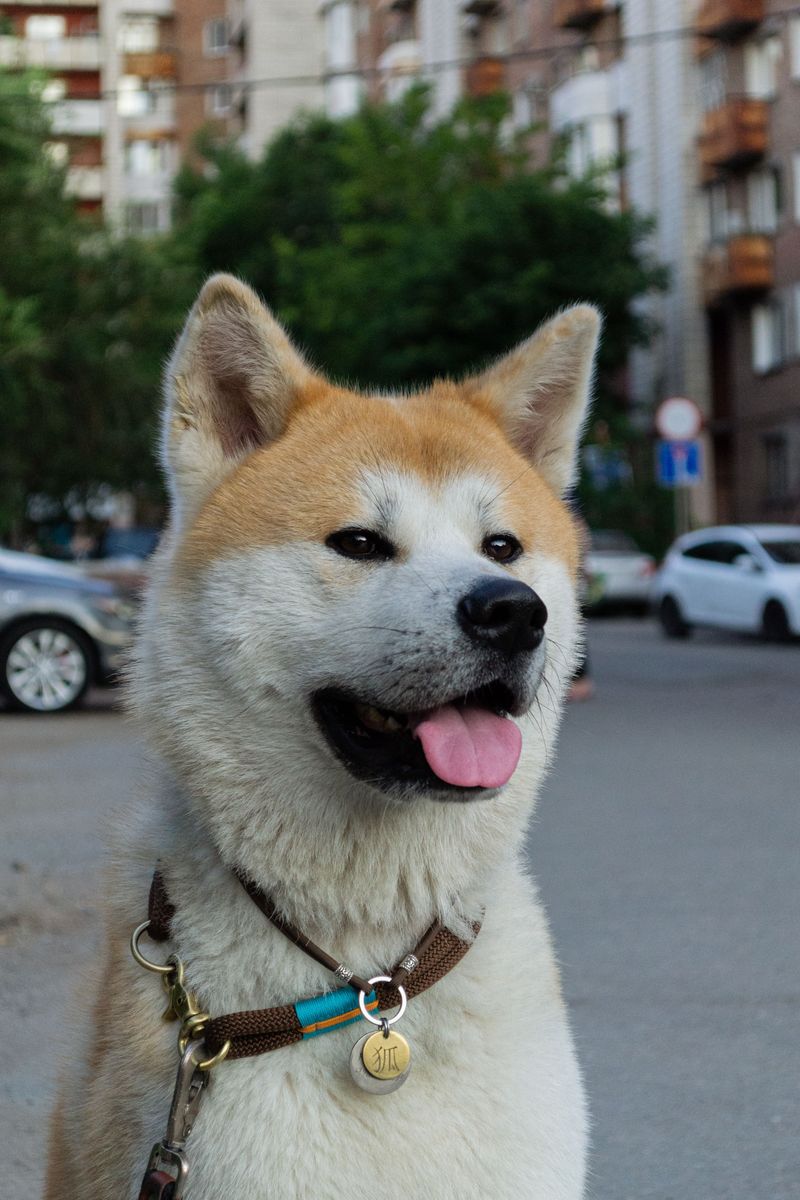
Akitas are noble guardians who prefer observing you from a thoughtful distance. They notice routine, tone, and follow-through, checking if you mean what you say.
Affection arrives after trust, not before. Keep rules steady and praise honest effort.
Roughhousing or pushy introductions backfire. If you earn their respect, they start shadowing you quietly, always positioned between you and anything suspicious.
Socialize methodically with calm dogs and patient people. Short training bursts build confidence while protecting dignity.
Food rewards work, but fair leadership lands deeper. Watch body language for the slightest ear flick or weight shift, then release pressure.
Over time, that composed exterior melts into steadfast loyalty. You will feel it when they rest near your feet, finally relaxed.
Shiba Inu
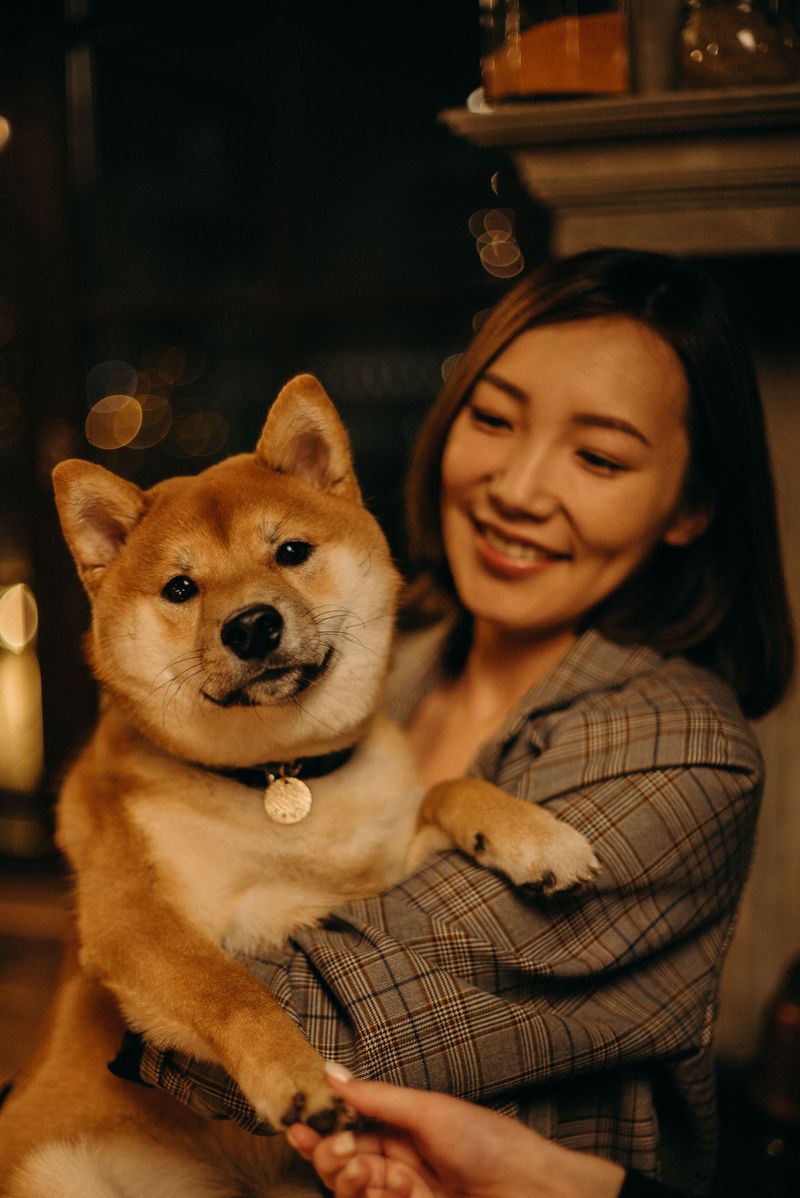
Shibas are independent thinkers wrapped in a foxlike package. You cannot rush their friendship, but you can earn it.
Start with predictable routines, gentle handling, and games that let them choose engagement. They appreciate space more than smothering.
Keep greetings low key and let curiosity pull them closer. When they volunteer contact, reward lightly and end sessions on a win.
Target training and nose work spark focus without flooding their senses. Rotate toys to keep novelty fresh while preserving calm.
Avoid chaotic dog parks early because one bad encounter can stall trust. Instead, arrange quiet walks with a steady buddy.
Over weeks, you will notice soft eyes, relaxed tails, and side leans against your leg. That is Shiba affection.
Basenji
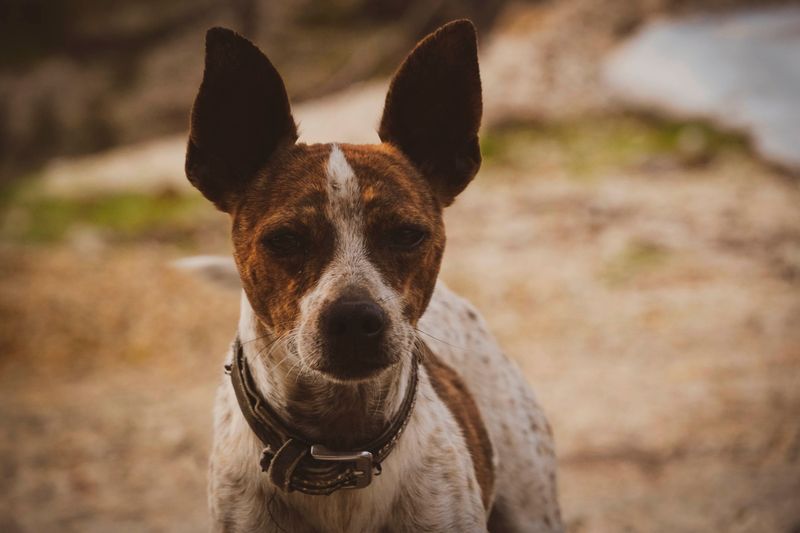
Basenjis are catlike navigators who dislike being rushed or micromanaged. They think first, then decide if you are worth following.
Quiet confidence beats cheerleader energy every time. Keep training crisp, playful, and short, using movement games and scent puzzles.
Respect their cleanliness and independence. When you match their tempo, they start checking in more, offering those quick, meaningful glances.
Early social walks, not crowded parties, help them open gently. Give chew options, climbing spots, and puzzle feeders to satisfy busy minds.
Use a light touch with grooming, pairing each stroke with calm words. If startled, give space and let curiosity do the repair.
Over time, the cool facade cracks. You will feel quiet devotion curled beside you.
Afghan Hound
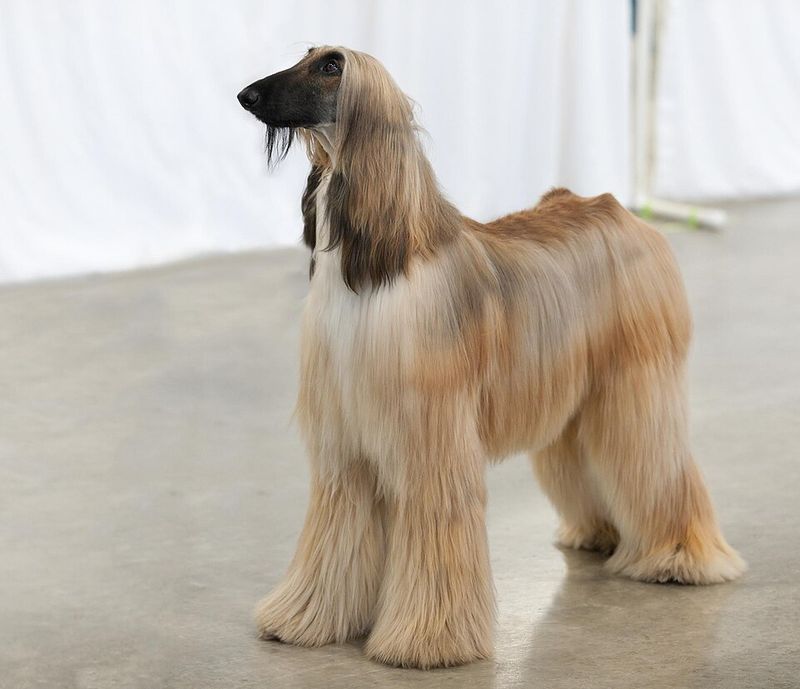
Afghan Hounds float through rooms like silk, taking their time to decide if you deserve attention. They value elegance, predictability, and fair handling.
Loud approaches or clingy hugs push them away. Instead, let them approach, praise softly, and admire from a respectful distance.
Training should be breezy and upbeat, never repetitive. When trust forms, they reveal goofy humor beneath that glamour.
Grooming can become connection when you slow down and sync your breathing. Use high-value treats and graceful hand targets to shape movement.
Invite play in wide spaces, then end before boredom arrives. Avoid chaotic meetups early in the relationship.
Over months, the aloof mask slips. You will witness tender loyalty that follows you room to room, silently adoring.
Saluki
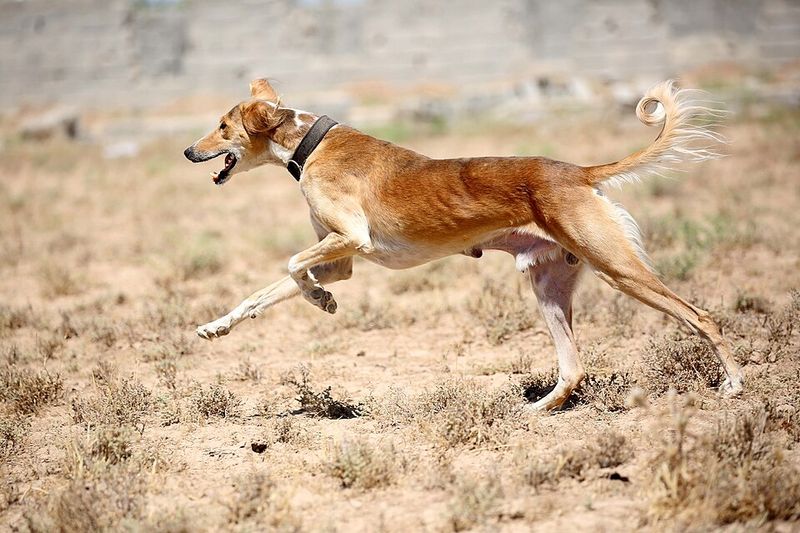
Salukis are sensitive athletes with desert-born independence. They read your mood quickly and retreat if energy feels chaotic.
Keep interactions smooth, warm, and lightly structured. Short, scenic walks and sprint opportunities satisfy their heritage.
Training works best with soft cues and generous reinforcement. When they realize you respect their grace, they begin drifting closer, choosing calm contact over distance.
Introduce novel places slowly, letting them scan and settle before asking for work. Use hand targets, food scatters, and gentle massage to build optimism.
Avoid heavy pressure or crowded chaos early on. Offer a cozy vantage point at home so they can watch without worry.
Over time, the shy veil thins. You will notice fleeting nudges that become devoted lean-ins.
Borzoi
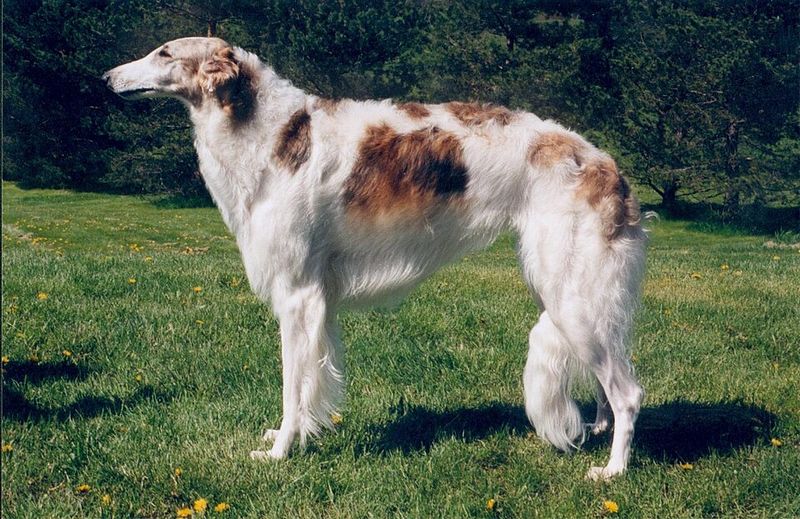
Borzois maintain aristocratic distance until you prove predictable and kind. They dislike frantic environments and clingy hands.
Offer choice, space, and gentle invitations. Use flowing leash work, graceful turns, and soft praise to earn attention.
Keep sessions short and scenic. Over days, you will catch them lounging nearer, giving that side-eye check-in that says you are worth trusting.
Socialization should be elegant and slow, like gallery walks not festivals. Encourage sniffing, scanning, and quiet pauses to decompress.
Reward eye contact, then release them to observe again. Groom with patience, brushing in long strokes while breathing evenly.
Over weeks, aloofness eases. You might find a sensitive shadow trailing room to room, devoted but never demanding attention.
Shar Pei
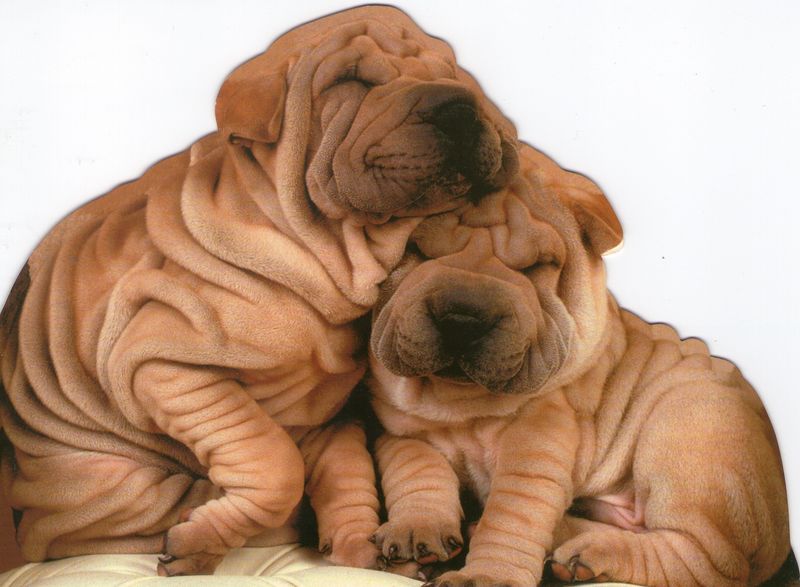
Shar Peis are thoughtful guardians who test whether you are calm, consistent, and fair. Pushy strangers or chaotic play make them withdraw.
Establish routines, reward polite behavior, and avoid overwhelming hugs. Use structured walks, clear rules, and patient introductions to visitors.
They respect leaders who communicate quietly. Earn that, and you will see careful loyalty bloom behind those worried wrinkles.
Introduce new dogs and people slowly with parallel walking. Offer choice rather than forcing interaction.
Pair grooming and veterinary handling with tasty licks and calm words. If tension spikes, step back, breathe, and reset the scene.
Over time, uncertainty softens into watchful devotion. You will feel safer because they quietly position themselves between you and commotion.
Scottish Terrier
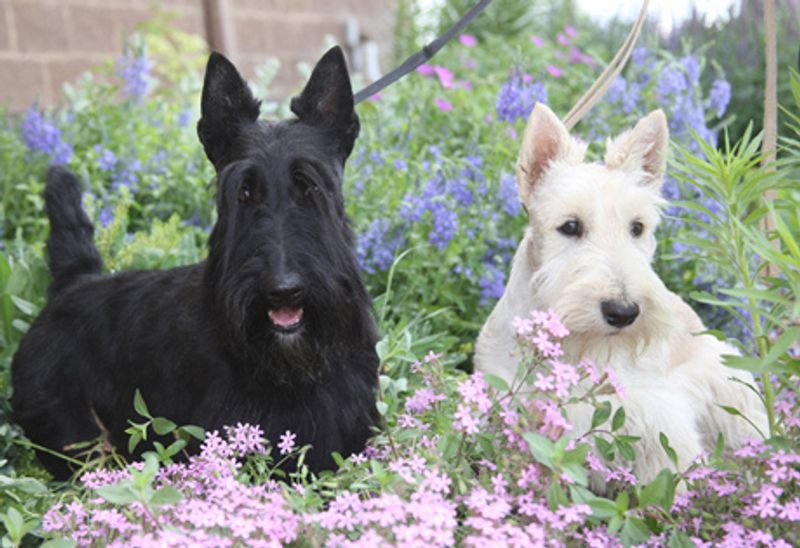
Scottish Terriers are loyal yet reserved, preferring to vet new friendships slowly. They value independence and consistent rules.
Loud fussing turns them off. Instead, offer clear guidance, brisk walks, and purposeful play like tug with clean start and stop cues.
Reward initiative and quick sits. Over time, they reveal comedic bravado balanced with surprisingly tender moments at home.
Keep training tidy and upbeat, mixing scent games with manners. Avoid forcing greetings from strangers.
Teach a place cue so they can observe peacefully during visits. Regular grooming becomes bonding when paired with steady hands.
Give them meaningful work, and watch confidence bloom. One day you will notice that determined little silhouette always choosing a spot near your chair.
Tibetan Mastiff
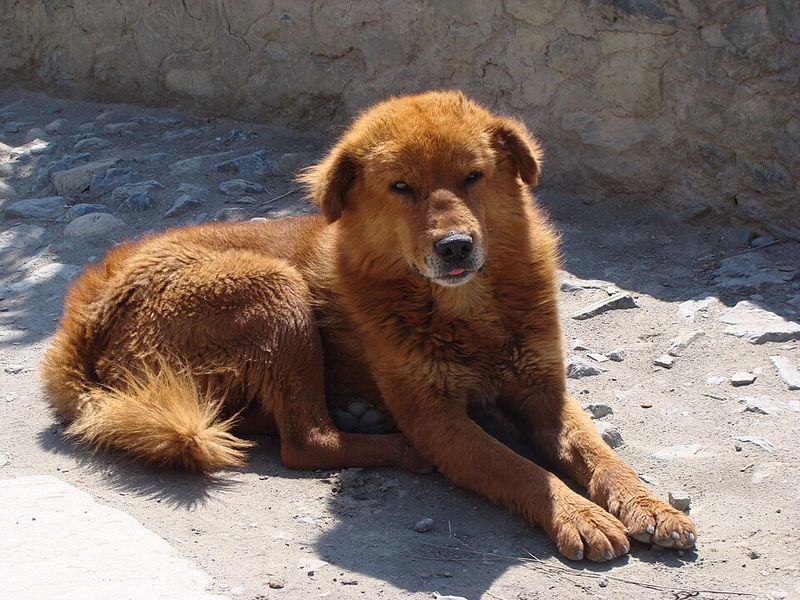
Tibetan Mastiffs are ancient guardians who measure character before affection. They prize calm leadership and predictable structure.
Introductions should be quiet, controlled, and brief. Reward neutral choices heavily, like glancing at a stranger then looking back to you.
Avoid dog-park chaos. When routines prove reliable, they station themselves near you at night, listening to every creak without fanfare.
Training must protect dignity while building impulse control. Practice boundary games, recall to food scatter, and calm tether exercises.
Teach visitors to ignore at first so curiosity wins. Offer sturdy chews and quiet jobs that let them supervise.
Over months, suspicion shifts to earned trust. You will feel it when they sigh, relax, and guard your sleep anyway.
Komondor
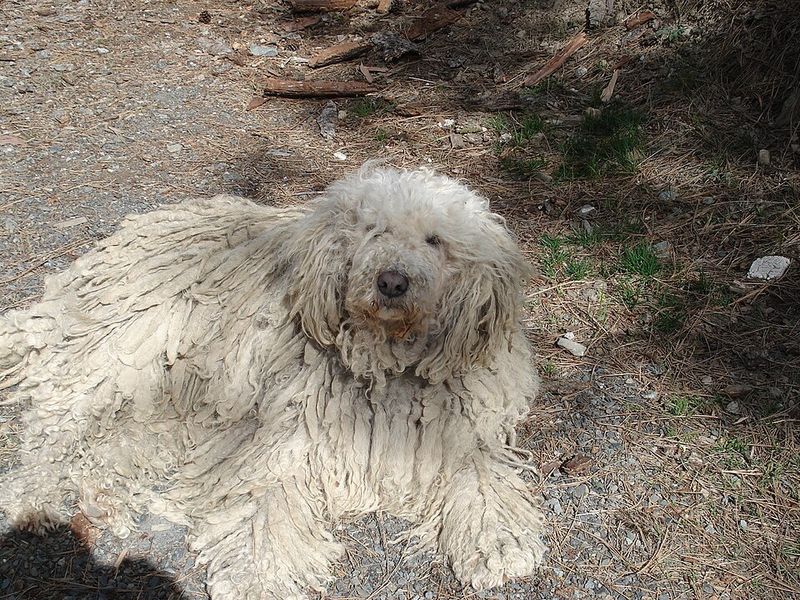
Komondorok look like mops but think like seasoned night watch. They assess intent, not volume.
If you are calm, fair, and consistent, they warm gradually. Pushy handling turns trust brittle.
Use structured walks, place training, and purposeful chores like door routines. Reward neutrality toward strangers.
Slowly, you will notice that corded shadow settling nearby, confident you have things handled.
Guarding breeds need thoughtful social exposure, not crowds. Pair new sights with food scatters and easy tasks.
Practice quiet leashes, loose thresholds, and calm release cues. Keep sessions short to protect optimism.
Over time, independence balances with partnership. You will get a farm foreman in dog form, loyal to the bone and careful about who earns access.
Great Pyrenees
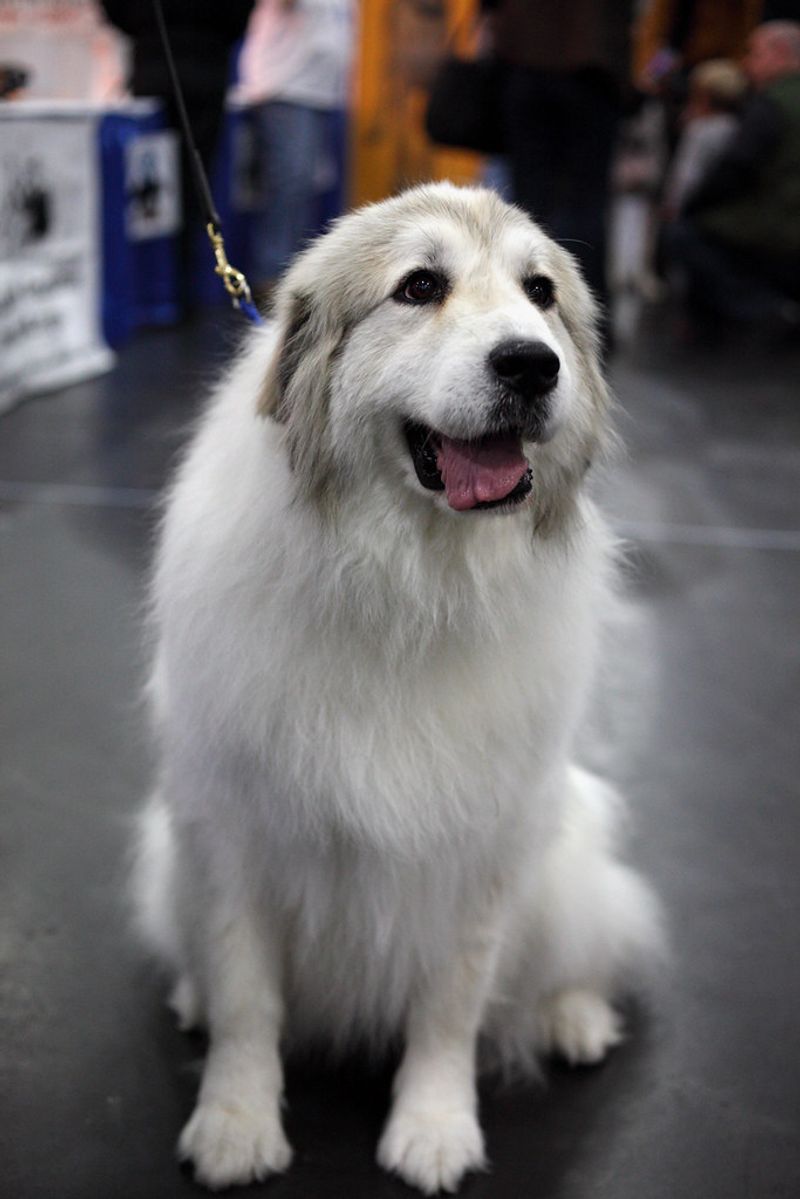
Great Pyrenees are serene protectors that think for themselves. They prefer evaluating situations before responding to cues.
To earn trust, communicate softly and keep rules steady. Reward calm choices and patient waiting.
Skip chaotic meetups and stick with quiet, scenic patrols that suit their heritage. Soon they position themselves strategically in doorways, guarding the household with quiet confidence.
Teach a settle on mat, boundary games, and polite leash skills that respect their pace. Use long lines on hikes to preserve freedom with safety.
Visitors should ignore at first, letting curiosity break the ice. Pair grooming with soothing talk and steady hands.
Over months, stoicism becomes devotion. You will notice gentle nudges at dusk, inviting you to rest.
Norwegian Elkhound
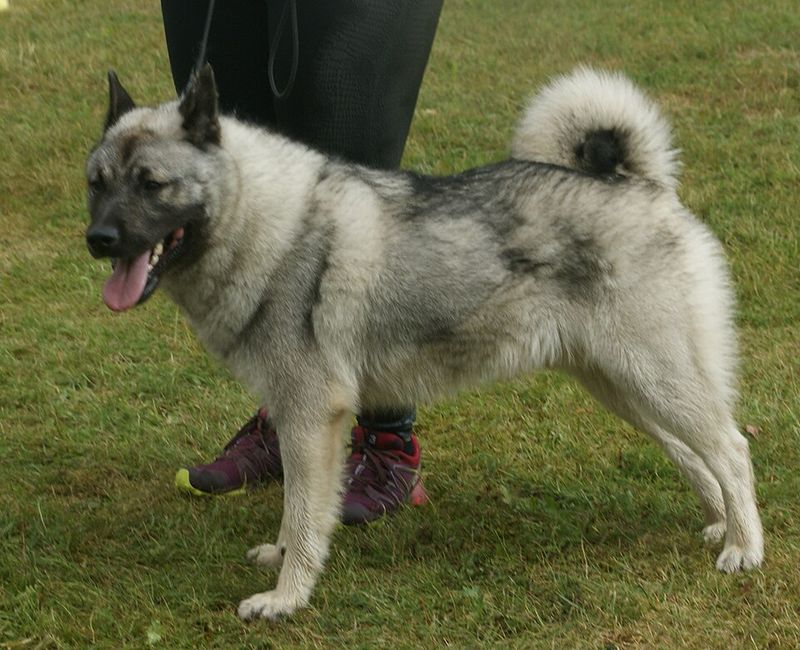
Norwegian Elkhounds are bold hunters yet reserved with new people. Expect a thoughtful dog that watches before committing.
Keep training upbeat, fast paced, and fair. Use games that channel chase into recalls and flirt pole redirects.
Avoid repetitive drills that sap confidence. Over time, they share grins, happy grumbles, and a habit of parking themselves within sight of you.
Introduce novel terrain gradually, letting them smell stories in the wind. Reward check-ins, then release to explore again.
Practice calm greetings with friends who respect space. Groom regularly and keep nails short for athletic comfort.
When trust deepens, independence softens into partnership. You will feel it on hikes where they loop back to you without being asked.
Canaan Dog
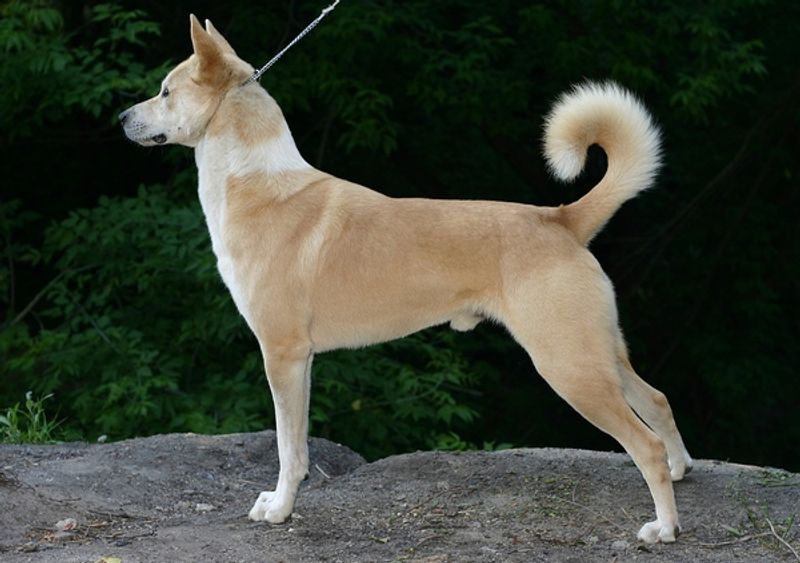
Canaan Dogs are desert survivors that rely on self-preservation instincts. They warm slowly, scanning environments for safety cues.
Respect that vigilance by giving predictable routines and clear exits. Use marker training, touch targets, and quiet games to build optimism.
Avoid overwhelming parties early. Gradually, you will see softer eyes, lighter steps, and a comfortable choice to rest near you.
Socialize with careful pairings and parallel movement. Reward any curiosity with food scatters and calm praise.
Teach a rock-solid recall using long lines and easy wins. Provide a cozy perch at home where they can watch the world.
Over months, skepticism turns to loyalty. You will notice a silent guardian who checks doors, then returns to relax beside you.
Golden Retriever
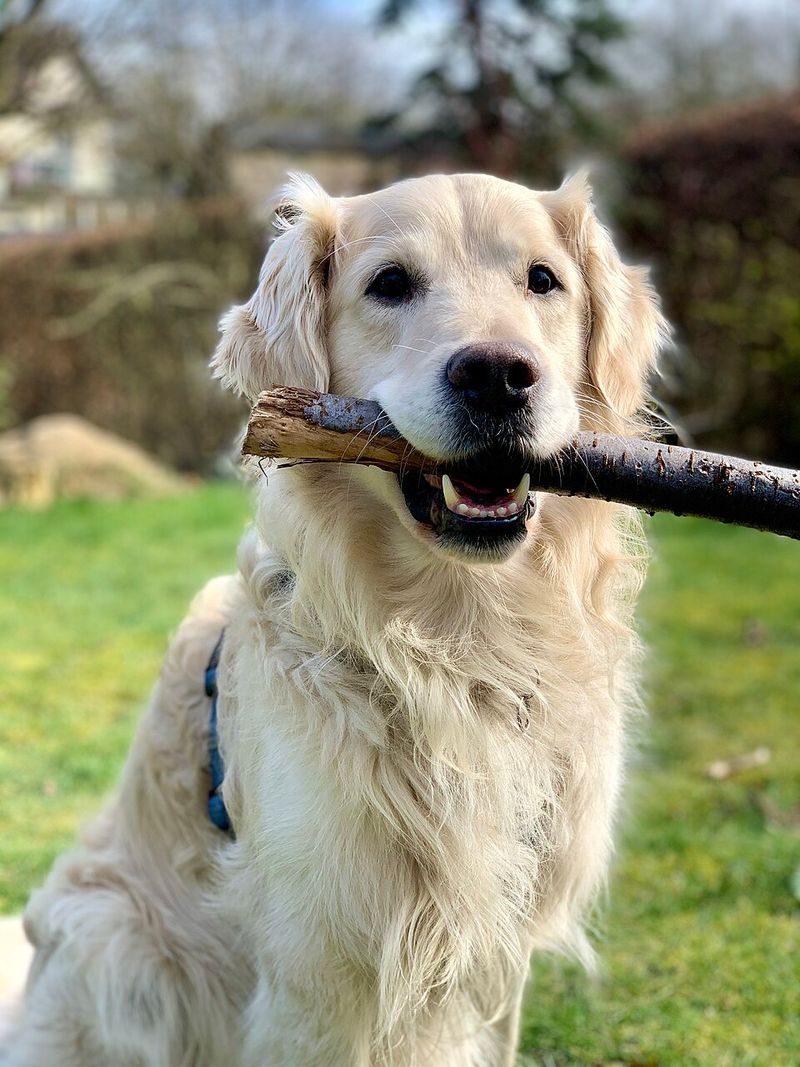
Golden Retrievers often act like instant best friends, greeting you with open hearts and nonstop tail swishes. That easy warmth feels like day-one loyalty.
Still, thoughtful guidance keeps the sparkle from turning into chaos. Teach polite hellos, default sits, and drop-it games to protect manners.
Reward calm cuddles as much as excited wiggles. Your golden will glow under gentle structure.
Channel enthusiasm into retrieve work, scent games, and friendly field trips. Socialize widely, focusing on calm greetings and relaxed departures.
Brush often and check ears to keep that coat comfortable. Balance affection with simple jobs so confidence grows steady, not clingy.
With this approach, loyalty deepens beautifully. You will have a devoted companion who learns your routines almost immediately.
Labrador Retriever
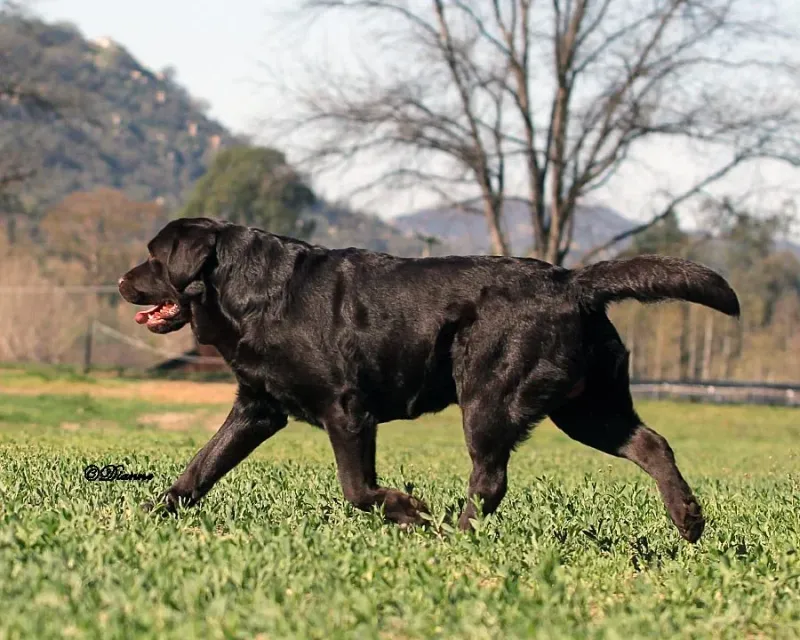
Labrador Retrievers tend to bond at rocket speed, offering affection and eager cooperation from day one. That generosity needs shaping.
Teach impulse control with sit to say please, wait at doors, and gentle leash starts. Reward retrieves and voluntary check-ins.
Keep training playful, frequent, and short. When you invest early, their natural loyalty aligns with terrific manners and stability.
Expose them to varied surfaces, noises, and people while protecting optimism. Use chew management and food puzzles to prevent destructive boredom.
Practice calm greetings so enthusiasm does not topple guests. Regular swims and fetch sessions build joy and reliability.
With consistent habits, trust becomes second nature. You will feel it when they settle at your feet without being asked.
Vizsla
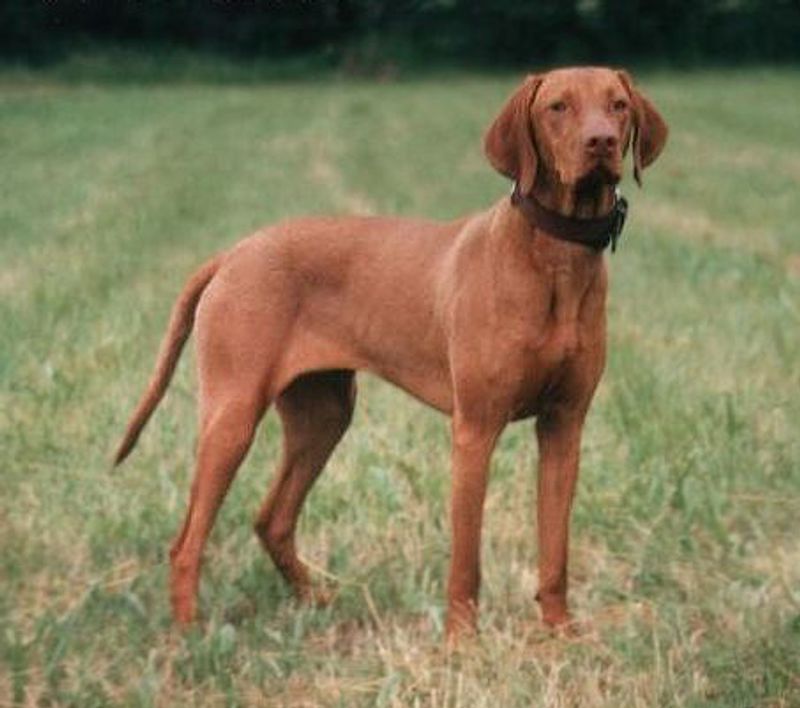
Vizslas are famously clingy companions who velcro themselves to your side almost immediately. That day-one devotion is delightful, but it needs guidance to stay healthy.
Teach off switch cues, settle on mat, and crate as cozy bedroom. Reward quiet following as much as athletic bursts.
Keep sessions zippy and affectionate. With balanced structure, their tenderness becomes steady, not frantic.
Socialize broadly with calm exposures that build confidence rather than arousal. Use sniff walks, fetch relays, and recall games to channel energy.
Incorporate touch into training so handling feels safe. Offer gentle massages after workouts to deepen trust.
With routine and kindness, love only grows brighter. You will have a sunbeam of a dog choosing your lap whenever possible.