
Some dogs just get you. A tilt of the head, a soft glance, and suddenly your message lands without a word.
If you crave training that feels like a shared language, these breeds make learning smoother, faster, and more fun. Let’s find the partner who listens with their whole heart and body.
Border Collie
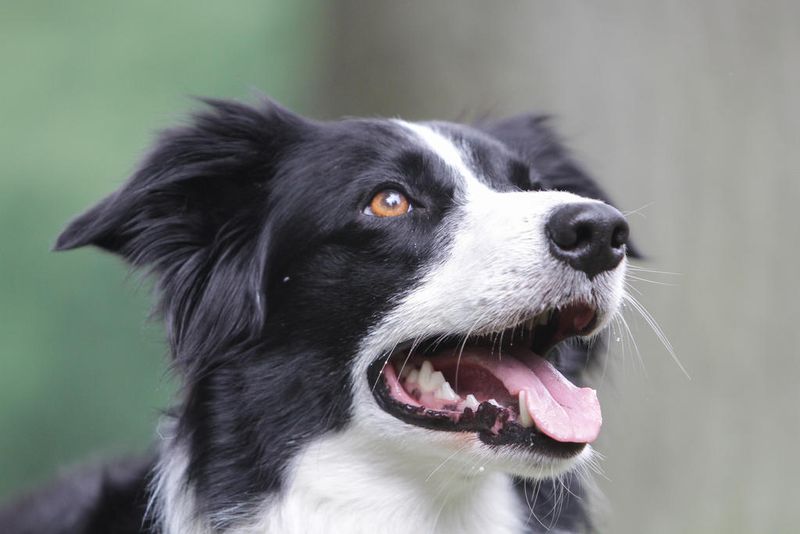
Border Collies seem to read your mind during training. They scan your face, follow subtle gestures, and anticipate the next cue.
Give clear boundaries and they thrive on meaningful jobs.
Short, upbeat sessions, eye contact, and consistent marker words help you click fast. Because they notice everything, boredom or mixed signals can create pushy behavior.
Channel that focus into herding games, trick chains, or scent puzzles, and communication feels almost effortless.
Use a release word so they understand when work stops and play begins. Vary reinforcement with toys, food, and quick chases to keep decisions sharp.
If you are new to the breed, partner with a herding instructor to learn crisp timing. Then their brilliant eyes seem to speak back.
Golden Retriever
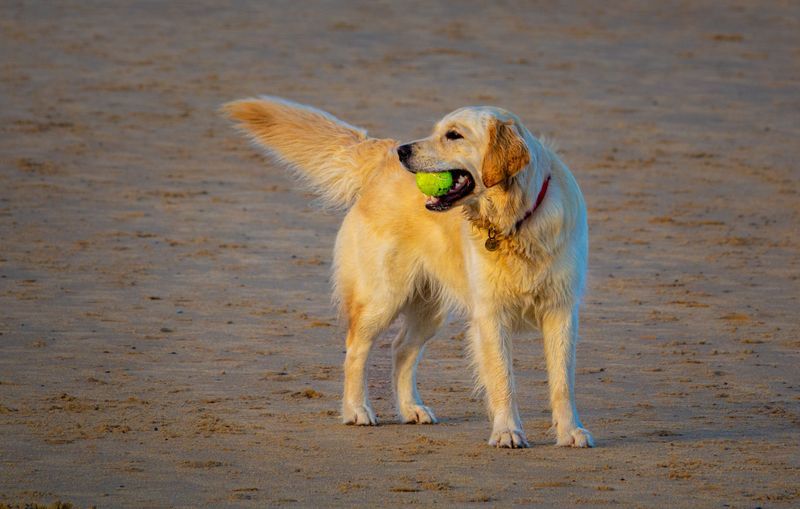
Golden Retrievers make communication feel sunny and easy. They love praise, gentle guidance, and routines that let them succeed repeatedly.
Use a happy tone and they respond with full-body enthusiasm.
Mark desired behaviors the moment they happen, then reward with affection or treats. Because they want to please, they learn household manners and therapy tasks quickly.
Keep sessions short, playful, and predictable so you do not dilute clarity.
Goldens can be sensitive, so avoid harsh corrections and focus on setting them up to win. Hand signals pair beautifully with simple voice cues.
Rotate fetching, recall games, and impulse-control drills to keep their focus. Soon, you will feel like you are having a warm, ongoing conversation every day.
Labrador Retriever
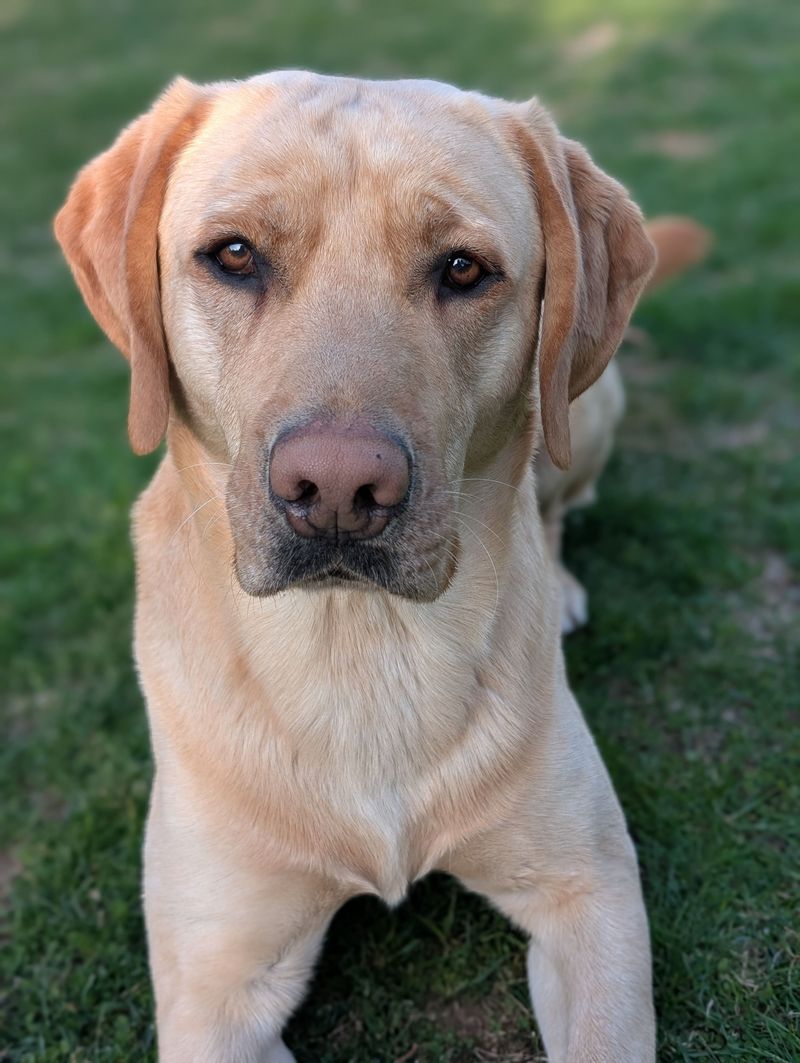
Labradors are straightforward communicators who appreciate clear goals and frequent feedback. They thrive when you channel their food drive into structured rewards.
Sit, stay, and heel become easy conversations when your timing is consistent.
Labs read body language quickly, so stand tall, move deliberately, and use clean hand signals. Balance excitement with calm breaks to prevent over-arousal.
Retrieve games double as training, translating words into confident action.
Because they are social, Labs benefit from everyday check-ins and recall rehearsals in new places. Pair a cheerful marker word with small, frequent wins.
Mix scent work, swimming, and polite greetings to keep them thinking. Soon, you will feel understood by a friend who is always ready to listen and learn.
Poodle
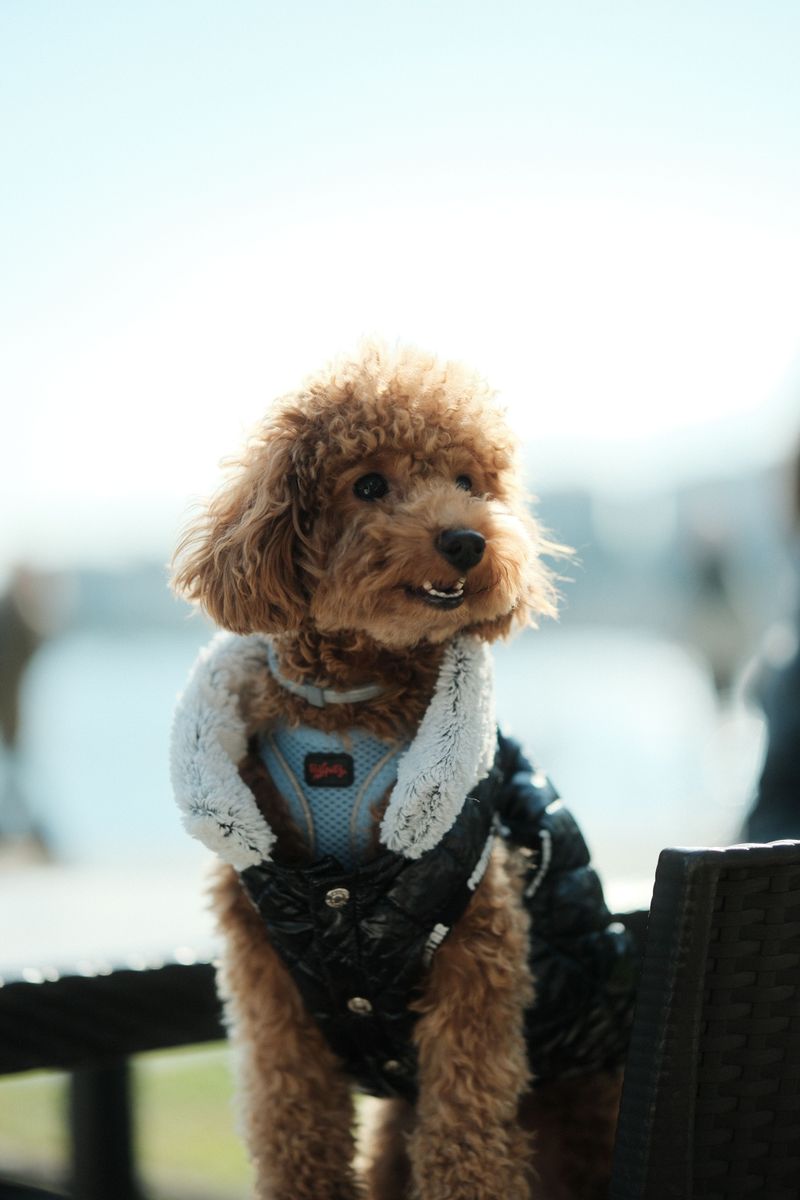
Poodles combine sharp observation with playful curiosity, making training feel like dialogue. They connect patterns fast and love mental puzzles.
Use crisp cues, light luring, and immediate markers to keep communication sparkling.
Because they are sensitive, keep your tone upbeat and your expectations fair. Rotate tasks so routines never feel stale.
Grooming time doubles as a chance to teach patience, stillness, and trust.
Hand signals layer beautifully over short phrases, creating a bilingual system your Poodle will adore. Use trick chains and targeting to channel precision.
Small wins stacked daily build a rhythm that feels intuitive. With steady practice, your Poodle starts anticipating needs politely, almost like finishing your sentences with a wag.
German Shepherd
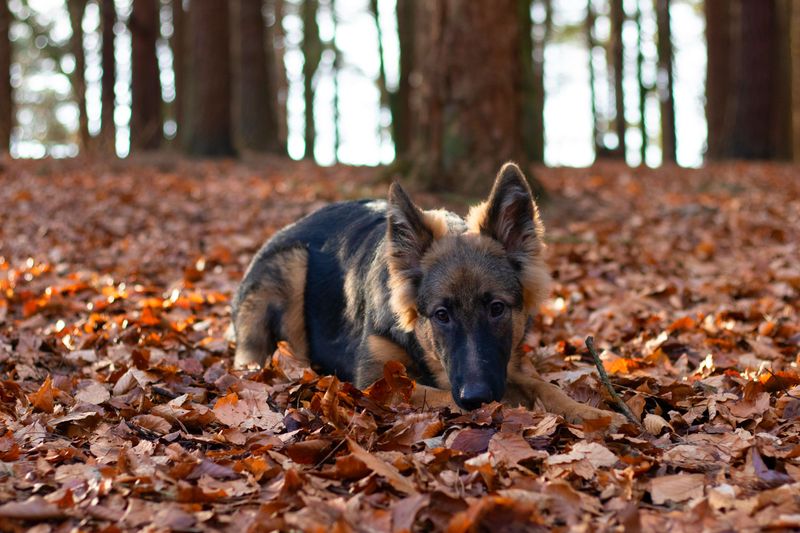
German Shepherds communicate best when given purposeful work and crystal-clear structure. They track your movement, tone, and breathing, syncing with your intent.
Use precise cues, firm boundaries, and rewarding engagement to build trust.
Markers, release words, and position changes help them decode your expectations quickly. Break complex behaviors into clean steps, then rehearse under distraction.
Calm leadership, not force, keeps communication steady and respectful.
Incorporate obedience with practical tasks like carrying, searching, and boundary games. Teach neutrality around stimuli so choices stay thoughtful.
Shepherds flourish when you speak consistently with body and voice. Invest in daily practice, and you will feel a steady, reliable partner interpreting even the quiet parts of your message.
Australian Shepherd
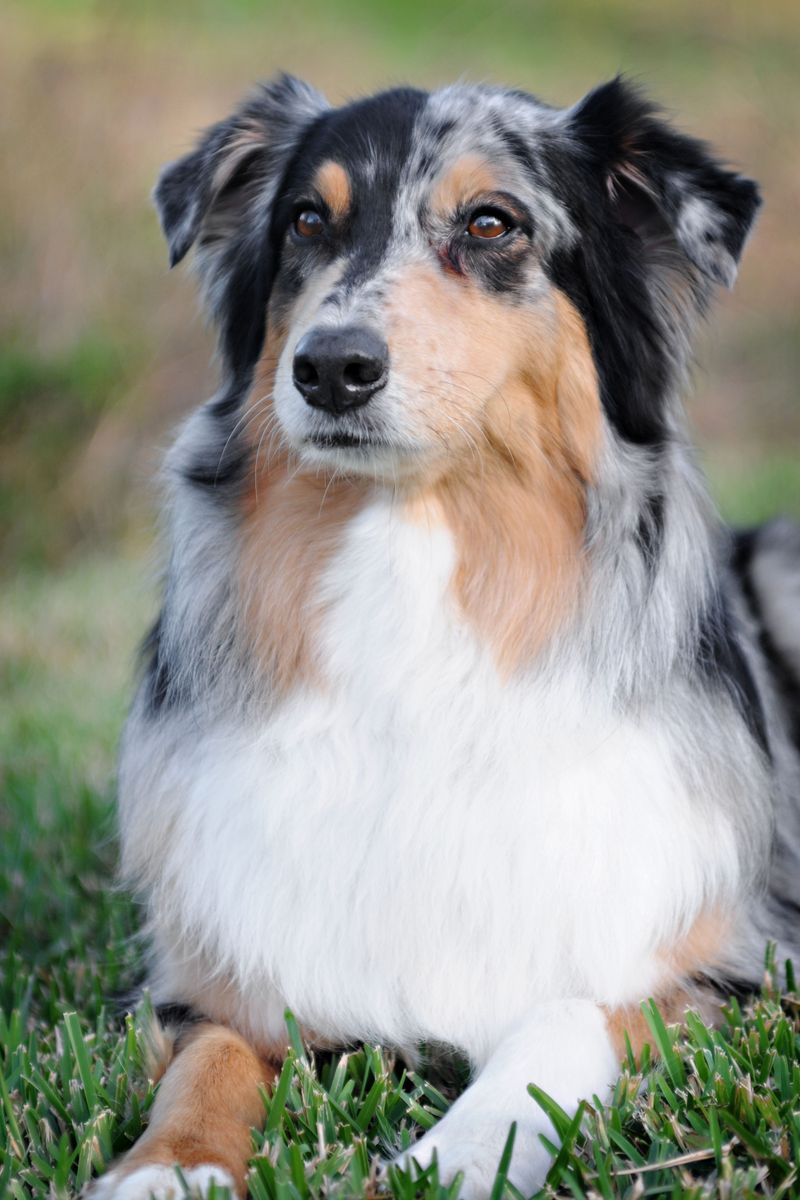
Australian Shepherds are chatty with their eyes and feet, always asking what is next. They crave jobs and clarity, turning movement into meaning.
Keep your cues short, your energy focused, and your rewards dynamic.
Eye contact games, directional sends, and platform work help them parse your intent. Vary environments to prevent patterning from replacing communication.
Use brief breaks to reset and avoid busy-brain mistakes.
Because they anticipate, build impulse control alongside speed. Pair luring with shaping so they learn to offer thoughtful choices.
Rotate herding-style games, disc, and scent tasks to keep their minds balanced. With consistent timing, you will feel like you are steering a smart conversation in motion.
Shetland Sheepdog
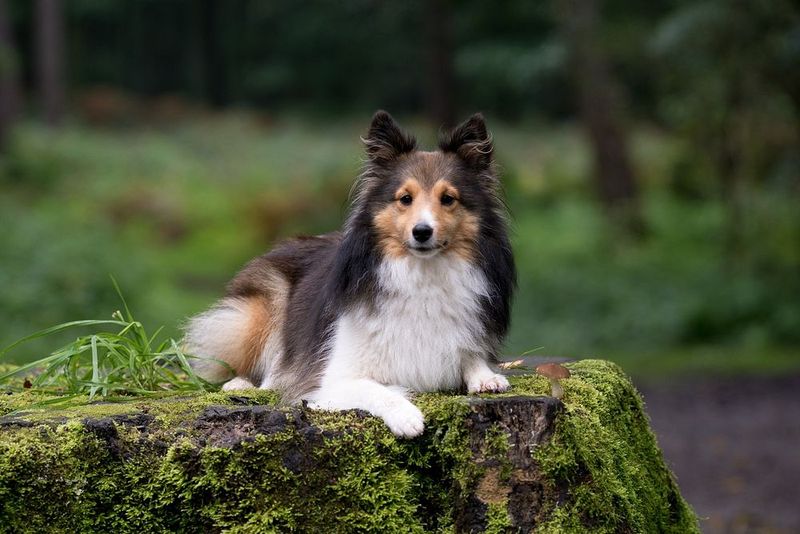
Shetland Sheepdogs are attentive note-takers who love clear routines and gentle feedback. They study your posture and quickly link patterns to rewards.
Keep communication soft, precise, and encouraging.
Marker words paired with tiny steps create fast wins and confidence. Because Shelties can be sound-sensitive, train in calm spaces first.
Gradually add distractions so they learn to choose you over noise.
Use platforms, perch work, and hand targets to define positions. Add playful spins or weaves to warm up focus.
Short, frequent sessions prevent overwhelm and keep enthusiasm high. Soon you will feel like you are speaking a shared language of finesse, where a whisper of movement gets an eager, beautiful answer.
Papillon
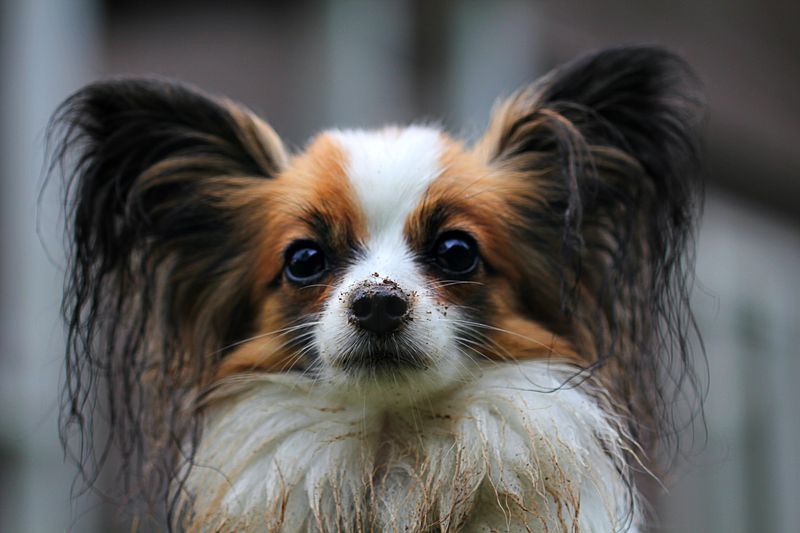
Papillons are tiny professors, analyzing micro-cues and serving quick answers. They excel with shaping games that reward curiosity and precision.
Keep treats small and sessions brisk to match their spark.
Because they read faces so well, smile, relax shoulders, and breathe between reps. Hand targets, spins, and perch work build confidence without pressure.
Avoid nagging cues and let silence invite smart offerings.
Layer verbal cues after the behavior is fluent, then fade lures cleanly. Use place mats for calm settle practice in busy spaces.
Tricking, rally moves, and tiny agility create joyful conversation. With kind timing and playful structure, your Papillon will answer before you finish asking, ears dancing like punctuation.
Doberman Pinscher
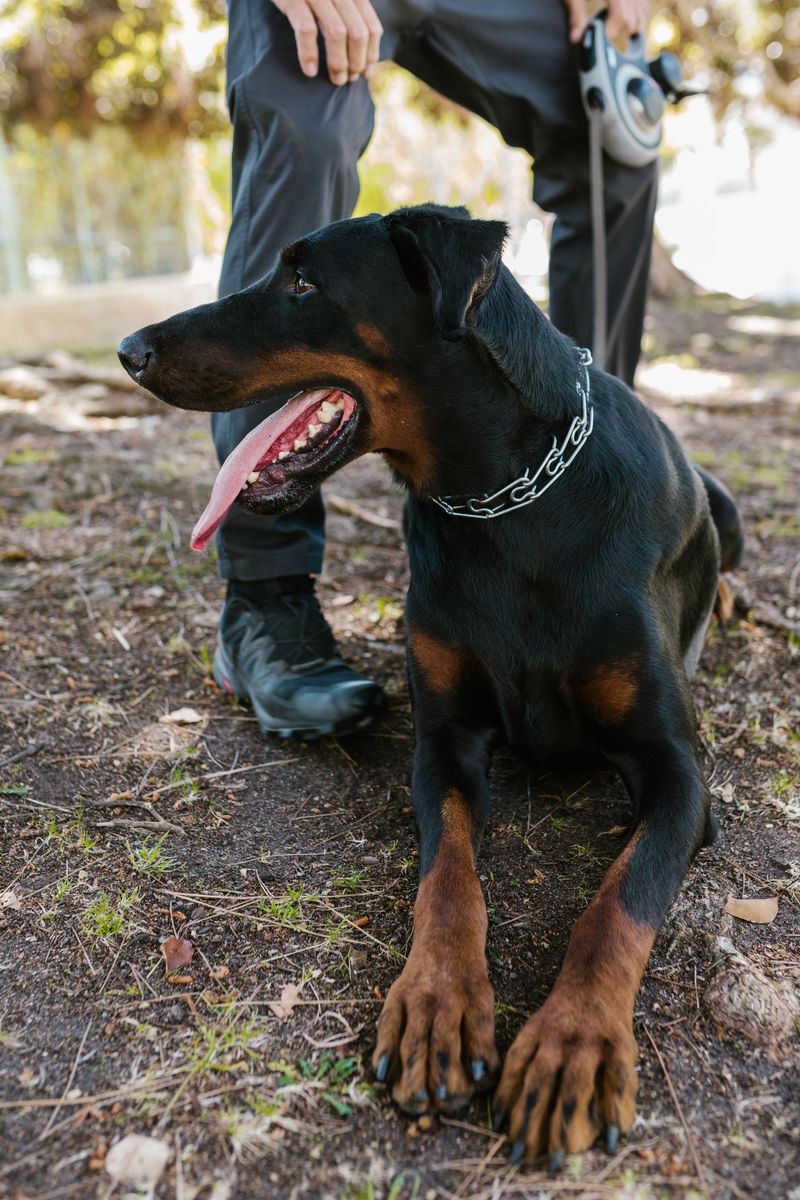
Dobermans communicate through presence and precision, thriving on purposeful structure. They lock onto your eyes and body line, reading confidence instantly.
Use consistent positions, clean markers, and thoughtful challenges to build reliability.
Break exercises into clear pieces so success feels inevitable. Balance drive with place commands and calm handling.
Fair, predictable rules strengthen trust and reduce second-guessing.
Incorporate obedience into daily routines like doors, car entries, and walks. Add scent games and retrieves to satisfy working instincts.
Keep sessions focused and end on a win. Over time, you will feel a fluent partnership where a glance, a step, or a quiet word draws a polished, enthusiastic response.
Belgian Malinois
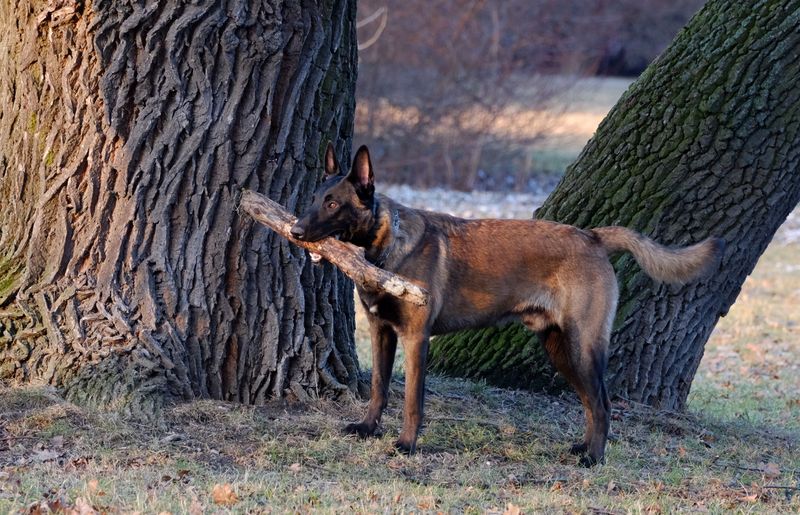
Belgian Malinois are lightning translators of motion and intent. They thrive when communication is crisp, layered, and fast.
Use neutral handling between reps to keep arousal in the working zone.
Markers, release cues, and position changes make your message unmistakable. Shape behaviors in tiny slices, then test under increasing pressure.
Reward with tug, food, and permission to move, cycling to match their drive.
Because they anticipate, train patience alongside power. Teach off-switch skills like mat work and decompression walks.
With balanced structure, your Malinois will answer like a tuned instrument. Soon you will feel that thrilling click where tiny cues unlock big, beautiful precision without friction.
Collie
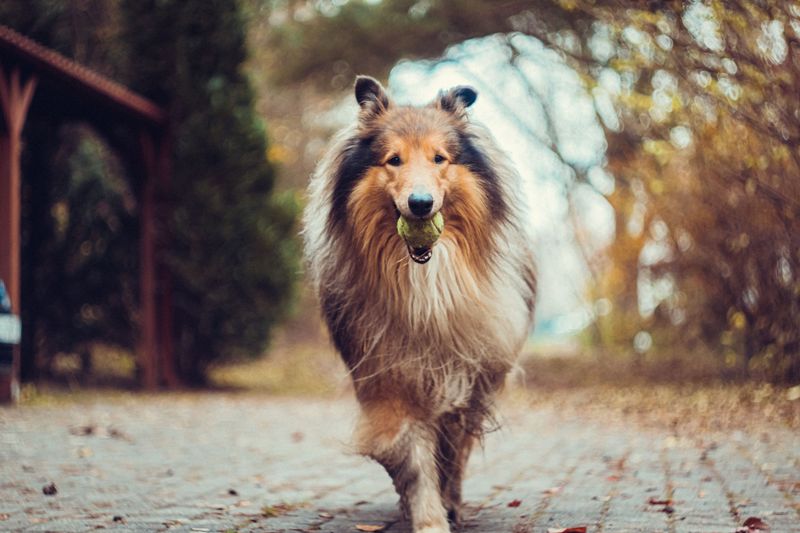
Collies are thoughtful communicators who value gentle clarity and predictable routines. They learn patterns quickly and appreciate calm, steady voices.
Use simple signals and rewarding pauses to let messages land.
Because they are sensitive, keep corrections minimal and guide choices instead. Reinforce check-ins, loose leash, and polite greetings often.
Add novelty slowly so curiosity outpaces worry.
Tricks, nosework, and boundary games keep their brains bright. Pair a soft verbal cue with a clear hand gesture, then gradually fade extras.
With consistent kindness, your Collie will listen like an old friend. Soon you will share quiet conversations where a nod, a smile, or a step is all it takes.
Vizsla
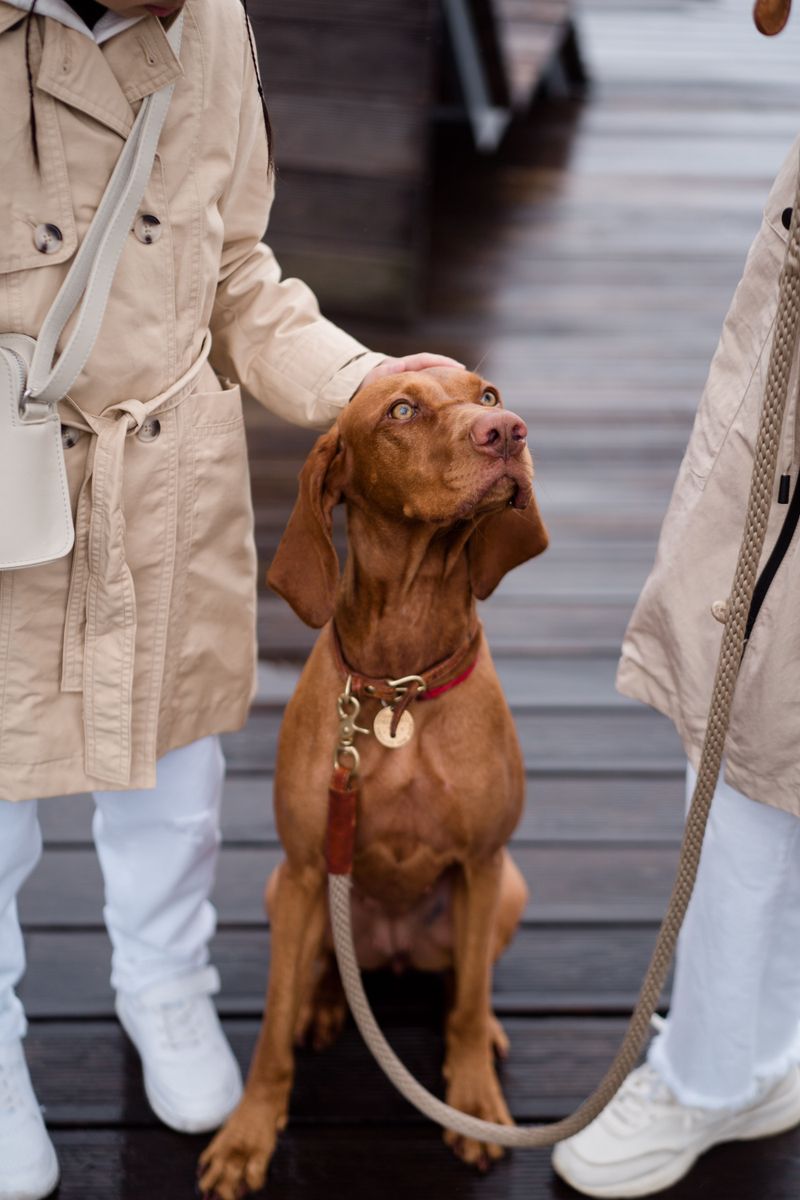
Vizslas are affectionate athletes who connect through touch, tone, and movement. They flourish when you combine active work with calm cuddles.
Keep instructions upbeat and channel energy into purposeful tasks.
Use recall games, hand targets, and directional sends to translate cues into motion. Because they feel your mood, breathing and posture matter.
Build duration slowly so enthusiasm does not outrun understanding.
Scent games, retrieves, and off-leash check-ins craft a fluent dialogue. Mark success quickly, then let them celebrate with a short sprint or tug.
Teach settle on a mat to balance go with whoa. Before long, you will speak Vizsla simply by moving well and praising warmly.
English Springer Spaniel
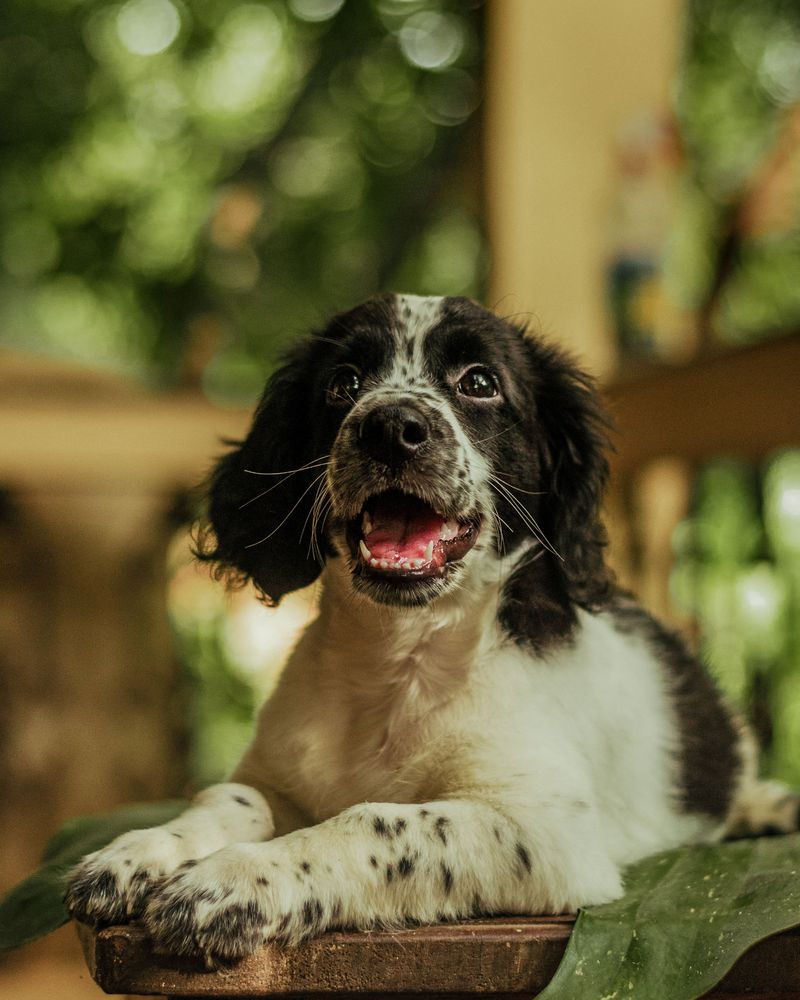
English Springer Spaniels are eager listeners who love clear jobs. They connect best when hunting instincts are channeled into structured games.
Keep cues crisp and celebrate quick compliance with joyful praise.
Practice steadiness, recalls, and directional work in short, lively sets. Because they are sensitive, fairness and timing matter more than volume.
Rotate retrieves, scent searches, and heel bursts to keep the conversation fresh.
Use a reliable release word and consistent hand signals. Build focus with place training between energetic reps.
With balanced excitement and structure, your Springer will answer like a teammate. Soon, your walks and field sessions will feel like an enthusiastic back-and-forth that needs almost no words.