
Some dogs bloom when your energy is steady, your voice is soft, and your plan is clear. Others seem born ready to meet you halfway, happily following your lead without fuss.
Knowing which breeds respond best to calm leadership can turn daily life into a smooth, trusting partnership. Let’s explore the ones that thrive with steady guidance, plus a few naturally cooperative stars you will love.
German Shepherd
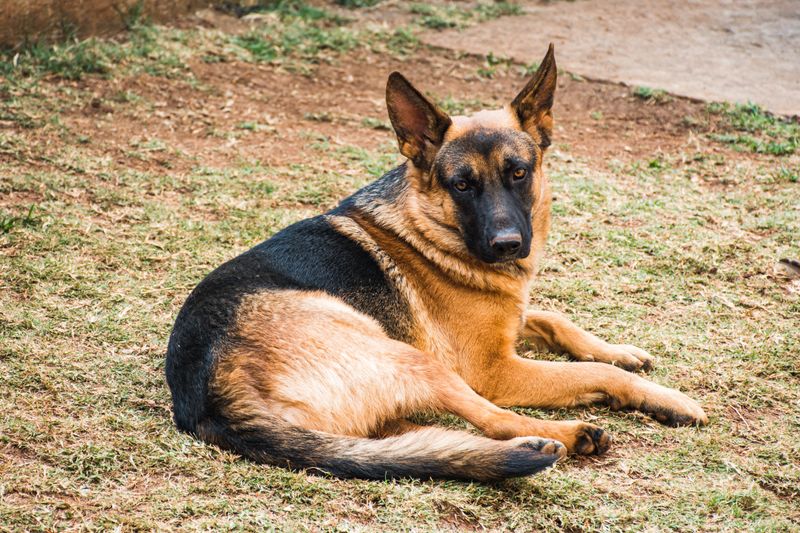
German Shepherds thrive when you provide steady, confident guidance. They read your body language quickly, so clear routines and calm corrections help them relax.
Without structure, their sharp brains invent jobs that look like mischief. With it, they become focused partners who love learning.
You will notice softer eyes, quieter pacing, and quicker settle cues once consistent expectations click.
Channel energy through purposeful work. Short obedience drills, scent games, and boundary training satisfy their drive without chaos.
Keep sessions upbeat, then finish with decompression walks. You set the tone, and they mirror it.
Reward thoughtful choices, prevent rehearsed lunges, and guard against overarousal. A steady leader transforms intensity into loyalty, athletic grace, and everyday reliability.
Rottweiler
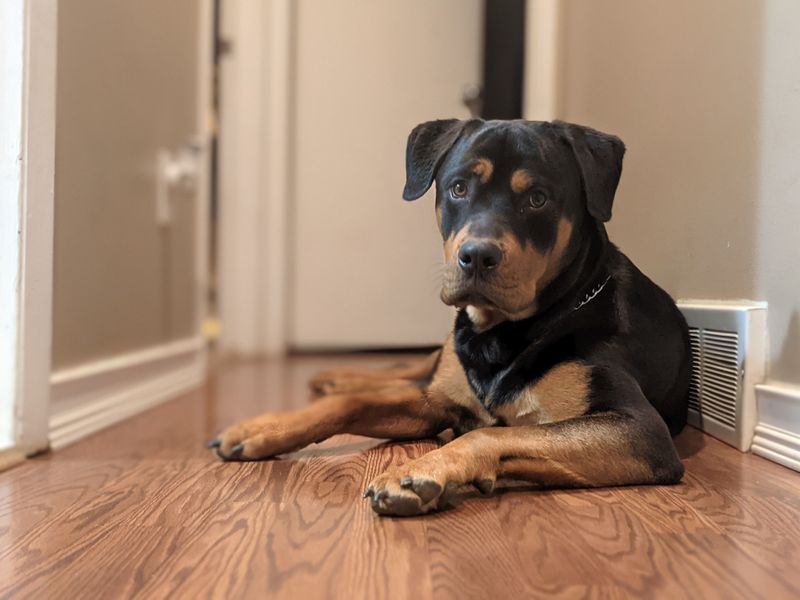
Rottweilers are powerful thinkers who blossom when you are calm, consistent, and fair. They watch everything, so reliable boundaries make decisions simple.
If your energy spikes, theirs may follow, but steady direction keeps them thoughtful. House rules, clear thresholds, and patient guidance create a secure framework.
When they feel safe under your leadership, their famously affectionate side appears fast.
Engage their minds with slow, deliberate drills and controlled play. Teach impulse control at doors, in cars, and around food.
Reward stillness as much as action. Keep greetings low key to prevent pushy habits.
With measured guidance, you nurture a dog who is gentle with family, neutral in public, and confidently protective only when truly needed.
Doberman Pinscher
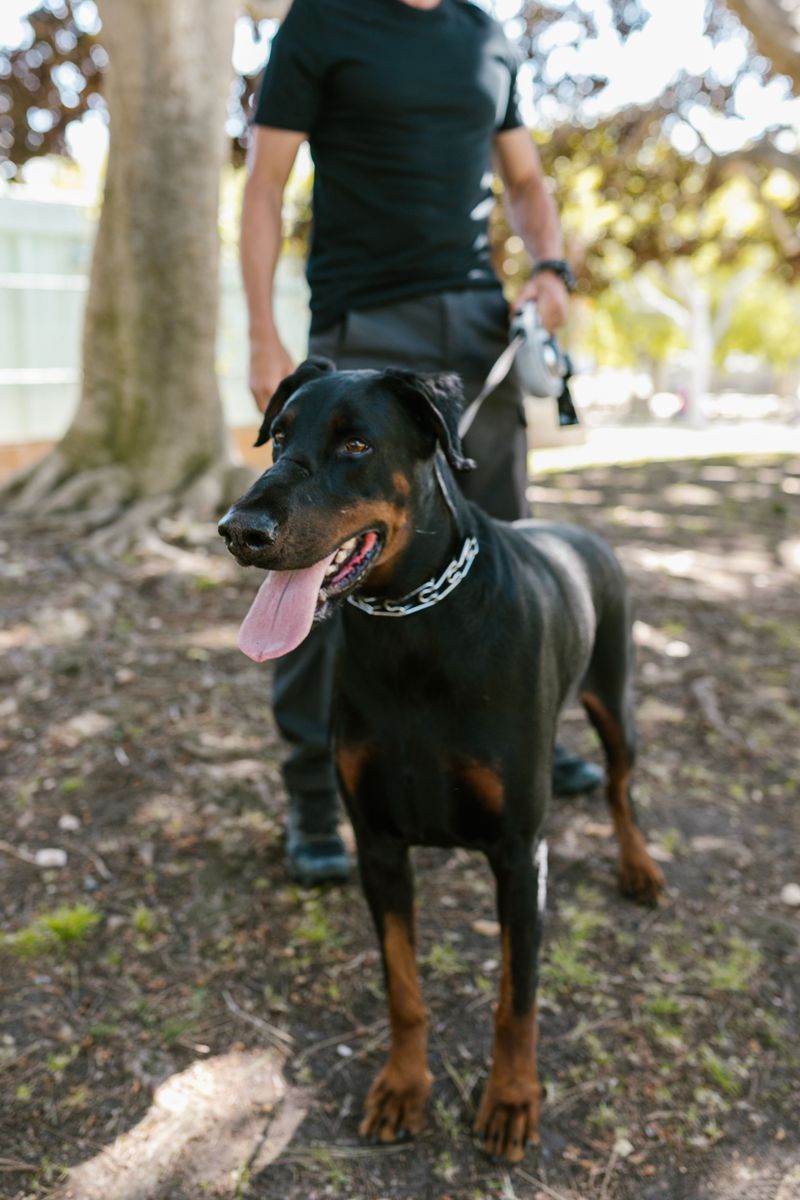
Dobermans are sensitive athletes who tune into your mood instantly. Calm leadership gives them a stable channel for their intensity.
Offer structure, not pressure, and they will relax into the work. Maintain short, precise sessions with generous breaks.
You will see cleaner responses and fewer frantic spins when your cues are soft and predictable.
Focus on neutrality training around distractions. Reward eye contact, slow breathing, and loose leashes.
Use place training to teach off-switch skills. Keep play purposeful, then debrief with quiet sniff walks.
Correct sparingly and clearly, avoiding emotional spikes. With that steady style, a Doberman becomes elegant, trustworthy, and deeply bonded, handling busy spaces with poise and greeting daily life with confident patience.
Cane Corso
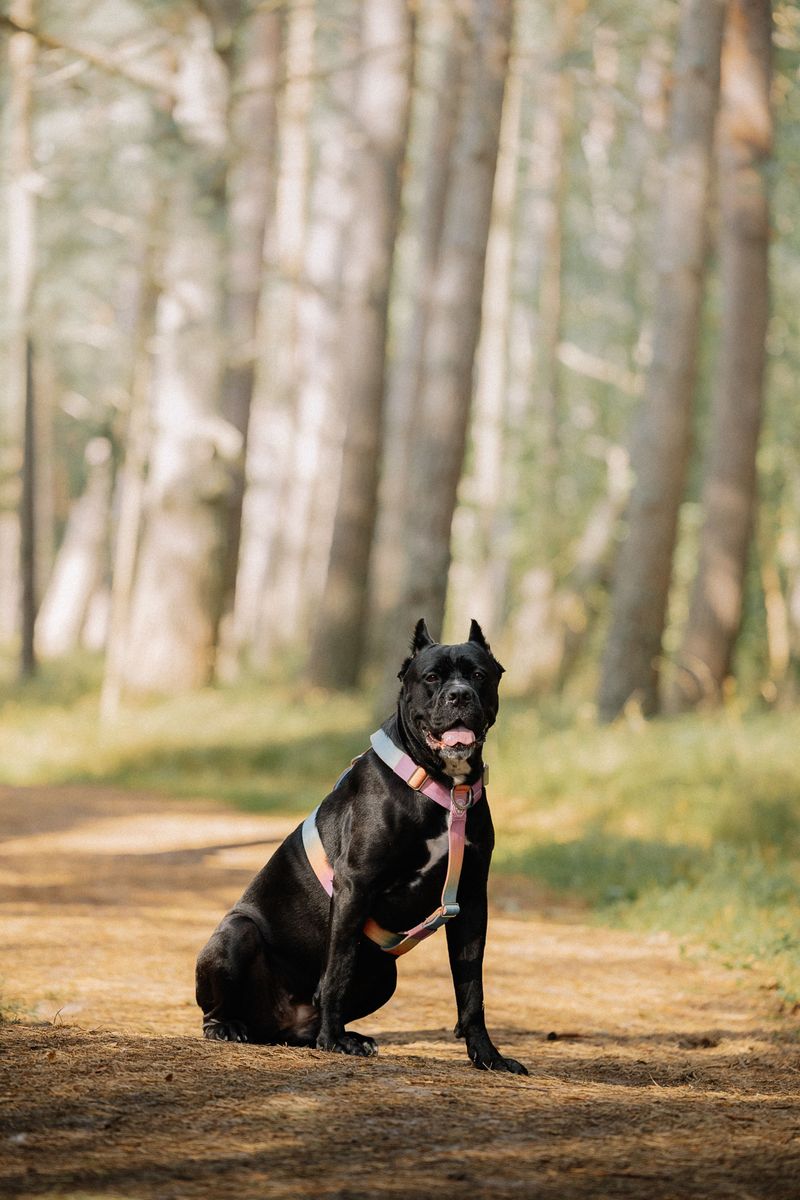
Cane Corsos respond beautifully to serene authority and clear household structure. Their guardian instincts are powerful, so your predictability keeps choices simple.
Rituals around doors, guests, and feeding help them feel grounded. Avoid chaotic play that spikes arousal.
Instead, lean into slow drills and confident, quiet handling that says you have everything covered.
Teach impulse control early with boundary games and thoughtful exposure. Reward neutrality near strangers and dogs, not bravado.
Keep training purposeful and brief, followed by decompression on calm walks. You set the emotional baseline, and they settle to match it.
With steadiness, a Corso becomes stately, affectionate, and reliable, offering calm presence at home and measured confidence in public settings.
Akita
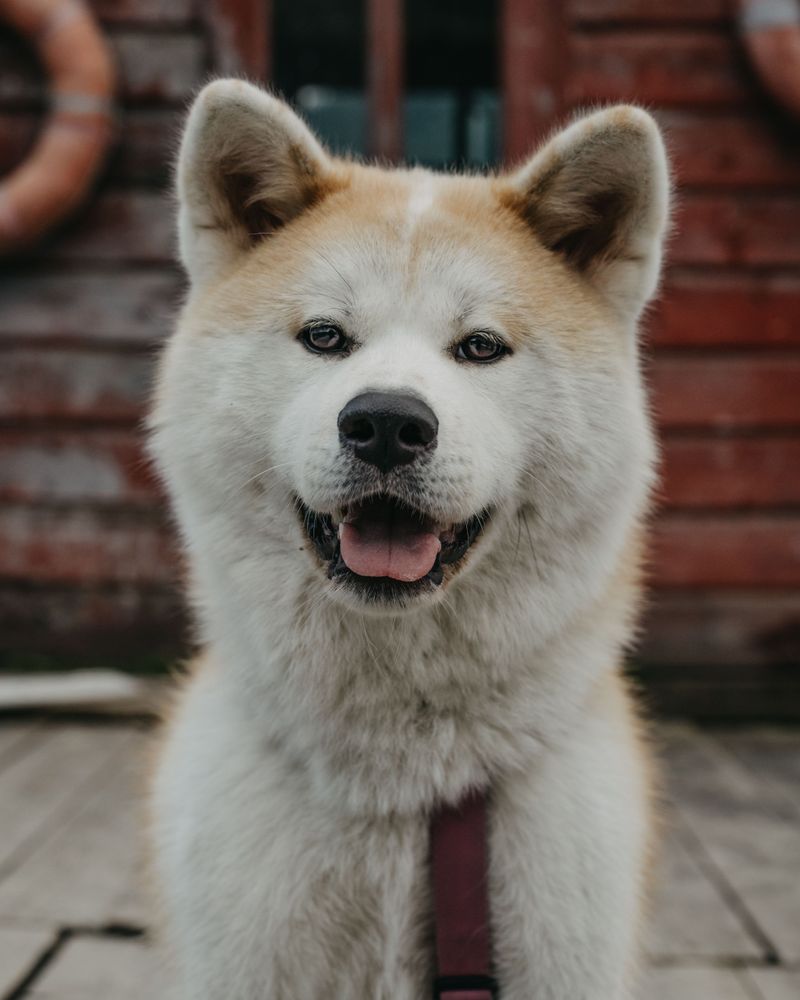
Akitas value dignity and quiet clarity from you. They do not love chaos or nagging, so steady leadership earns trust.
Use simple rules, consistent timing, and neutral body language. When choices are clear, they comply without drama.
You will see measured responses, softer eyes, and fewer standoffs as routines settle in.
Training should feel like respectful dialogue. Keep sessions short, rewards meaningful, and corrections minimal but decisive.
Practice calm greetings, threshold manners, and reliable recalls. Provide controlled freedom after cooperation.
Avoid overrehearsing dog park chaos. With a grounded approach, an Akita becomes a serene housemate who takes cues gracefully, offering loyal companionship wrapped in quiet confidence and beautifully restrained protectiveness.
Belgian Malinois
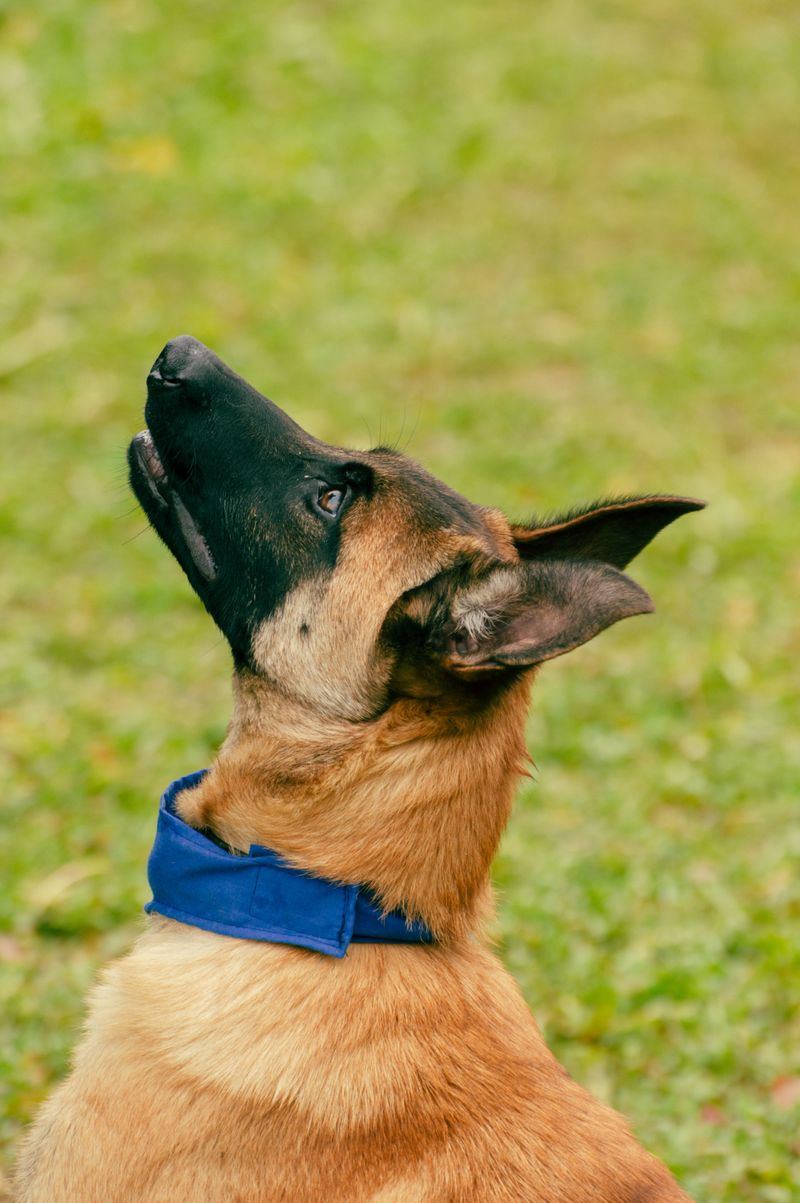
Belgian Malinois are brilliant sprinters of thought and motion. Calm leadership is the anchor that turns intensity into precision.
Provide tight frameworks for arousal, with clear start and stop cues. When you stay even and predictable, they offer incredible self control.
You will see cleaner grips on toys, smoother heels, and faster downs under pressure.
Use short skill blocks, frequent breaks, and structured decompression. Reinforce neutrality around motion triggers like bikes and running kids.
Reward breath control, not just speed. Rotate jobs between obedience, scent, and tethered calm to balance their drive.
Avoid endless fetch loops. Under a steady hand, the Malinois becomes a laser focused partner who can switch off when asked and perform when needed.
Giant Schnauzer
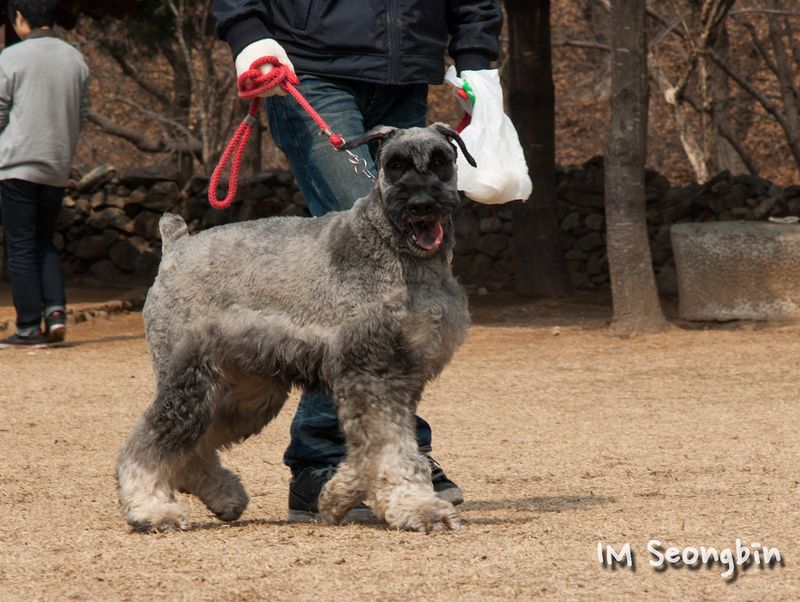
Giant Schnauzers are sharp problem solvers who respect calm, consistent direction. They test gaps in rules, so your clarity matters.
When routines are predictable, you get cooperation instead of clever workarounds. Keep communication low key and specific.
You will notice less vocalizing and pacing once boundaries feel reliable.
Blend mental work with controlled movement. Teach place, loose leash, and quiet gate manners before adding excitement.
Reward patience at thresholds and in the car. Use purposeful games like hide and seek for toys or scent items.
End sessions with easy wins and a relaxed walk. Under steady leadership, the Giant Schnauzer channels intensity into thoughtful work, becoming a steadfast, trainable companion at home and in public.
Boxer
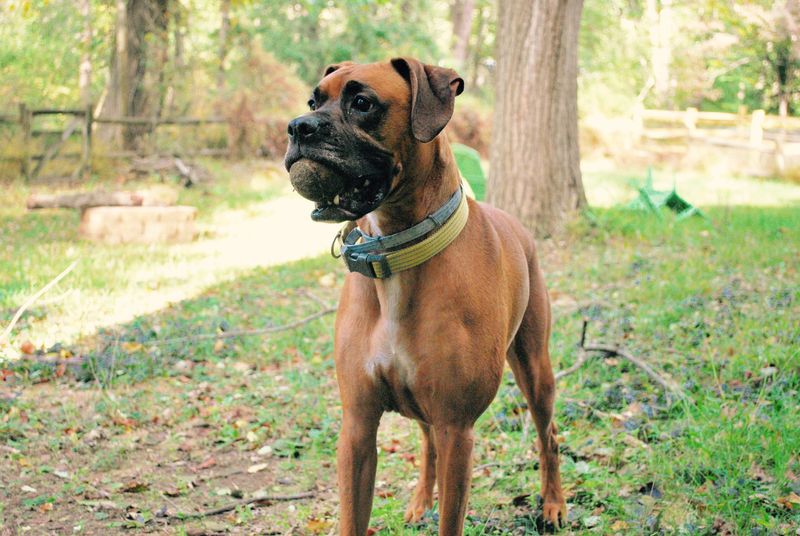
Boxers are joyful clowns with real athletic power. Calm leadership turns bounce into balance.
Keep instructions clear, reward pauses, and help them downshift after play. When your voice stays even, they listen faster.
You will see fewer body slams and more thoughtful sits as structure becomes a game they understand.
Use short training bursts between play segments. Teach settle on a mat, polite greetings, and gentle toy rules.
Reinforce nose targeting and slow turns to reduce zoomy chaos. Offer decompression walks with sniffing to reset arousal.
Prevent rehearsal of jumping by rewarding four on the floor. With steady guidance, a Boxer becomes sweet, biddable, and hilariously charming without the frenzy that can overwhelm visitors and kids.
Australian Shepherd
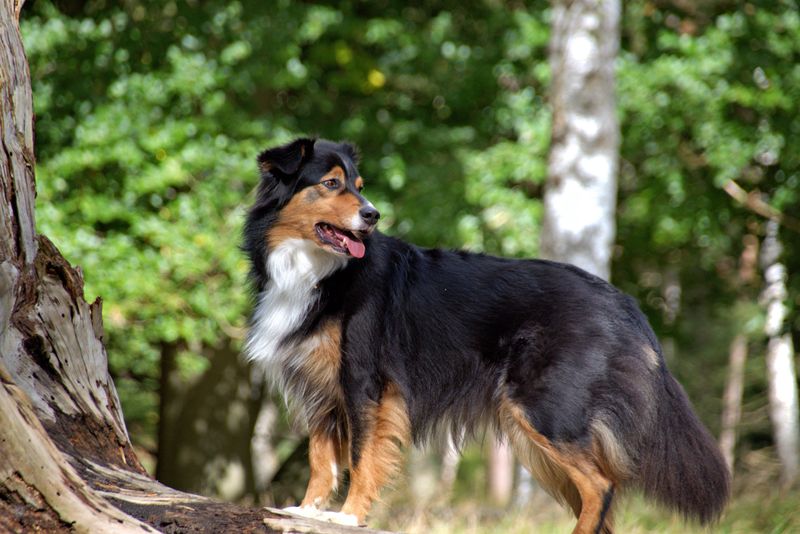
Australian Shepherds crave jobs, yet they thrive when your leadership is calm and consistent. Clear routines stop micromanaging and reduce frantic circling.
Teach start and stop cues for work, play, and rest. When you stay steady, they return to neutral faster.
You will notice softer eyes and easier leash manners as structure pays off.
Mental tasks beat endless fetch. Use pattern games, shaping, and slow heeling to build focus.
Reinforce mat time and quiet crate relaxation. Introduce stock or sport skills with strong off switches.
Reward pauses, not just speed. With grounded guidance, an Aussie becomes a cheerful teammate who can switch from high precision to couch cuddles, making daily life smooth and deeply satisfying.
Border Collie
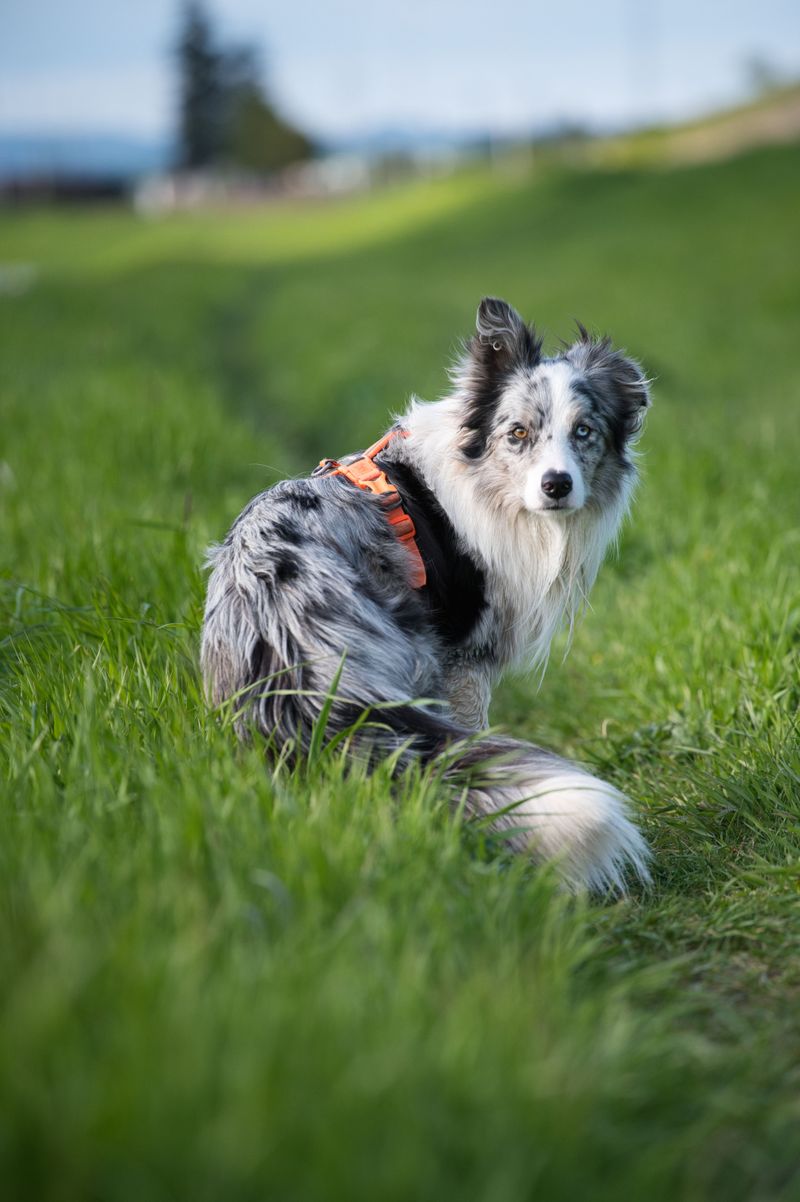
Border Collies notice everything, so your steadiness is their compass. Too much hype creates frantic patterns, while calm direction yields brilliance.
Build predictable routines and controlled outlets for eye and motion. Offer quiet praise and precise cues.
You will see smoother downs, cleaner flanks, and less obsessive scanning as your energy settles.
Teach thoughtful engagement instead of constant intensity. Use pattern games, slow heeling, and place training between exciting work.
Reward breath control and soft eyes. Keep fetch limited, then decompress with sniffy walks.
Shape cooperative choices around doors and livestock gates. With consistent leadership, a Border Collie becomes a thoughtful partner who solves problems without spiraling, delivering grace, accuracy, and an easy off switch at home.
Standard Poodle
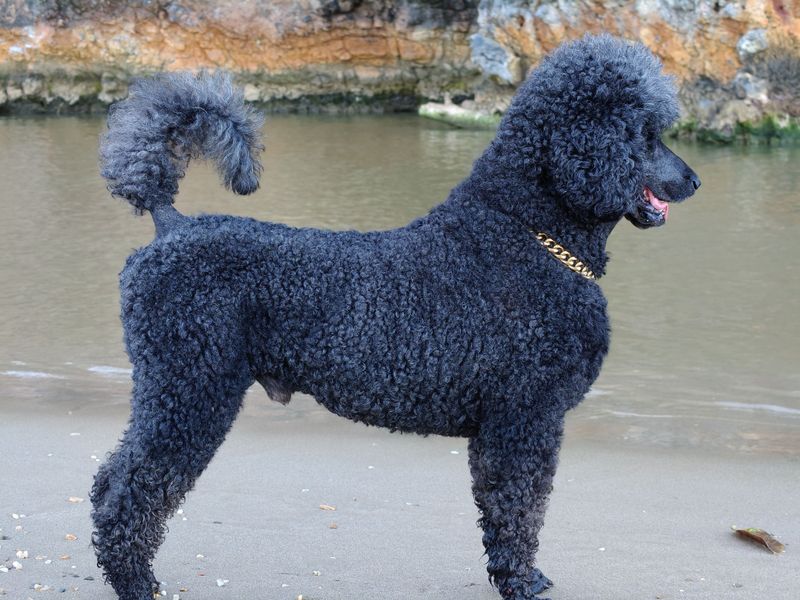
Standard Poodles are clever, sensitive, and socially tuned. Calm leadership gives them confidence without pressure.
Use light hands, clear routines, and playful precision. Overhandling can cause worry, but gentle structure invites crisp cooperation.
You will notice brighter engagement and quick problem solving when cues stay consistent and upbeat.
Train in short, fun blocks with brain games and balance work. Reinforce mat settles between skills.
Keep greetings polite and low key to avoid rude leaps. Use scent puzzles and slow heeling to round out their elegance.
Finish with relaxed walks or gentle retrieve. With steady guidance, a Poodle becomes a charming, adaptable partner who transitions from training ring to cafe patio with easy grace.
Golden Retriever
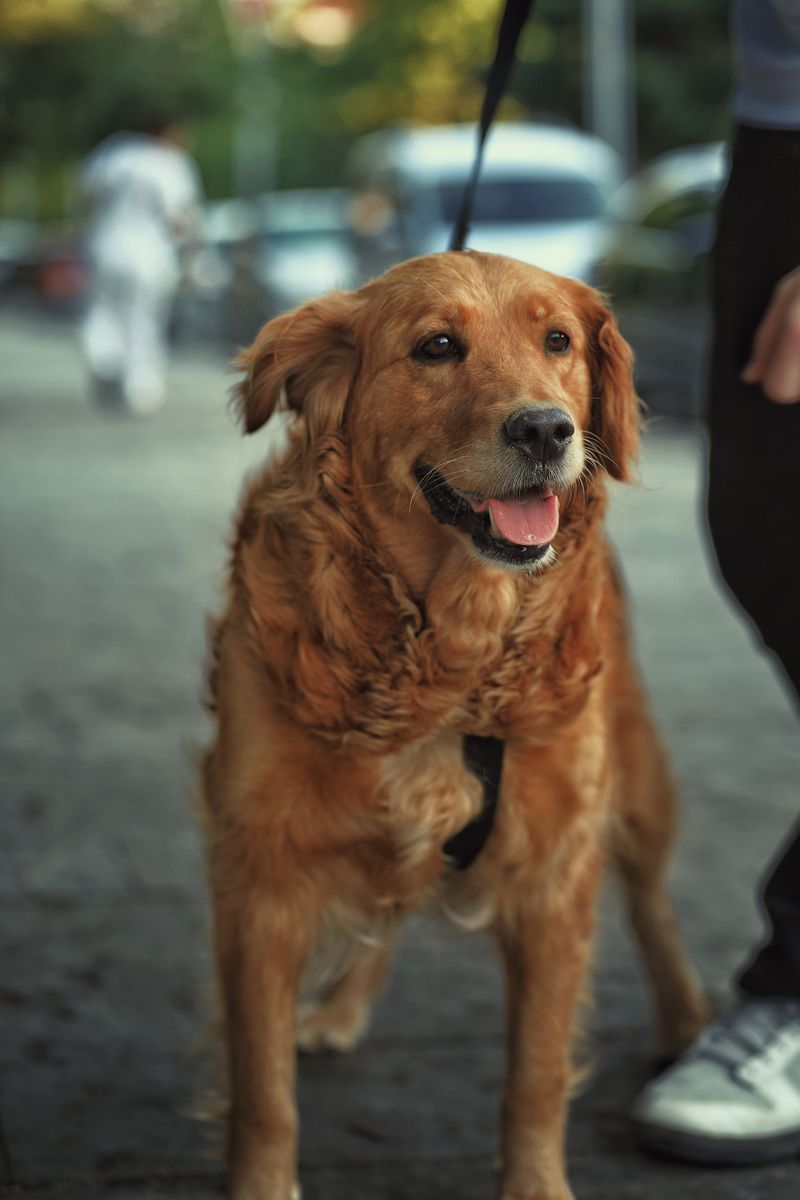
Golden Retrievers often meet you halfway, especially under calm, happy leadership. They adore clarity and kind structure, shining when expectations are simple.
Keep voice soft, cues consistent, and rewards generous. Overexcitement fades when routines feel safe.
You will see easier loose leash walks, patient sits, and relaxed greetings as cooperation becomes their favorite game.
Practice impulse control around doors, food, and visitors. Reward stillness and eye contact before releasing to fun.
Use retrieve games with tidy starts and stops. Add scent work for mental balance.
Keep sessions short, then unwind with a meandering walk. With steady guidance, a Golden becomes the friendly, trustworthy companion everyone expects, offering reliability, sweetness, and delightful eagerness without the wiggles.
Labrador Retriever
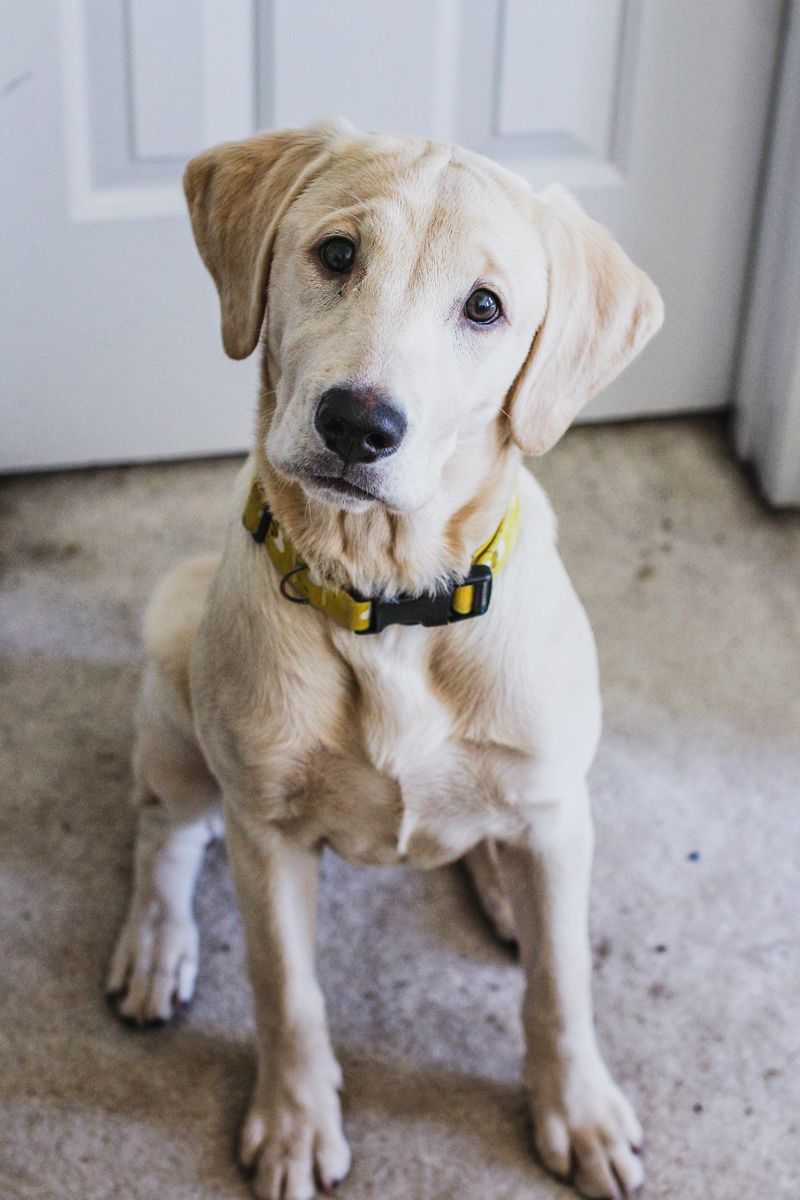
Labradors are people pleasers who flourish with steady, upbeat structure. Clear rules prevent jumpy enthusiasm from taking over.
Keep training practical and friendly, with calm releases to fun. When your energy is smooth, they offer focus and patience.
You will see cleaner recalls, quieter greetings, and easier impulse control around food and toys.
Use short drills mixed with sniff walks and simple retrieves. Reinforce sit to say please for life skills.
Reward pauses at thresholds, then release to play. Rotate scent games, heelwork, and place training to build an off switch.
Avoid amping them up unnecessarily. Under calm leadership, a Lab becomes a cheerful, reliable partner who fits beautifully into busy family routines.
Shetland Sheepdog
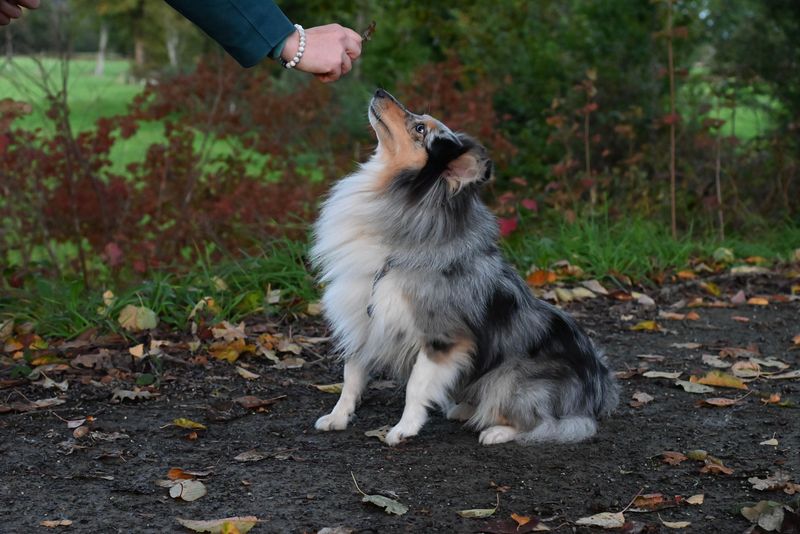
Shetland Sheepdogs are sensitive, quick learners who love gentle consistency. Loud corrections can shut them down, but calm guidance builds confidence.
Keep cues clear, rewards timely, and expectations steady. Predictable routines help them relax in noisy environments.
You will notice perkier engagement and fewer startle responses when leadership feels warm and reliable.
Train short and sweet with upbeat markers. Reward stillness, polite greetings, and loose leash focus.
Practice place training for an off switch between exciting tasks. Add trick training and light agility for joy without overwhelm.
Give decompression walks after stimulation. With steady leadership, a Sheltie becomes a sparkling partner, eager to cooperate, resilient in crowds, and beautifully responsive to your quiet, reassuring presence.