
Some dogs hear the click of a leash and see pure possibility. Others hear it and start planning an escape route with a grin.
If you have ever watched your pup shrink to a dot on the horizon, this list will feel very real. Let’s talk about the sprinters, the sniffers, and the steady souls who make off-leash dreams actually possible.
Siberian Husky
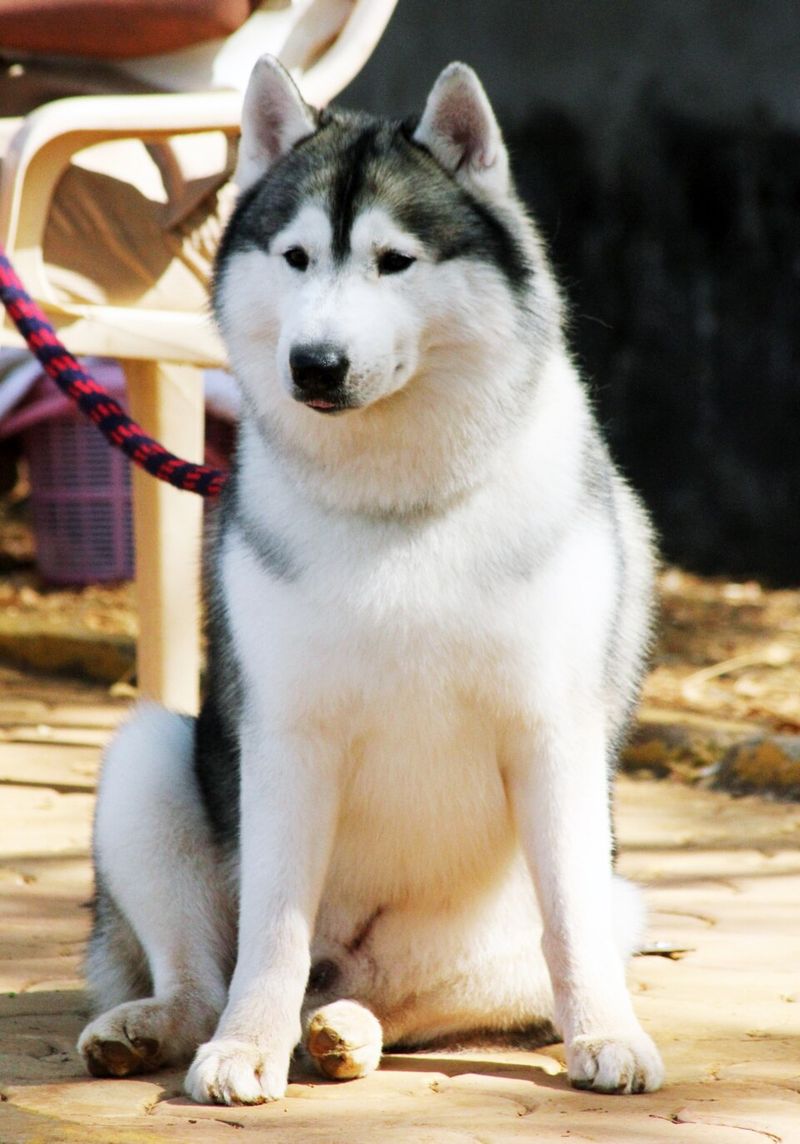
Snow dog looks meet free spirit. A Husky hears wind in the trees and thinks it is calling their name, not yours.
If you unclip the leash, that sledder brain often flips into go mode, chasing scents, birds, or simply the horizon.
Training helps, but independence runs deep, and recall can fade when excitement spikes. You need high exercise, secure fencing, long-line practice, and jackpot rewards to keep their focus.
If you crave off-leash ease, pick your spots carefully and expect that famous Husky smile from fifty yards away. Bring a squeaky, practice check-ins, and treat every return like a party, because with Huskies, motivation beats muscle every single time.
In winter, that engine runs hotter, so plan bigger adventures.
Beagle
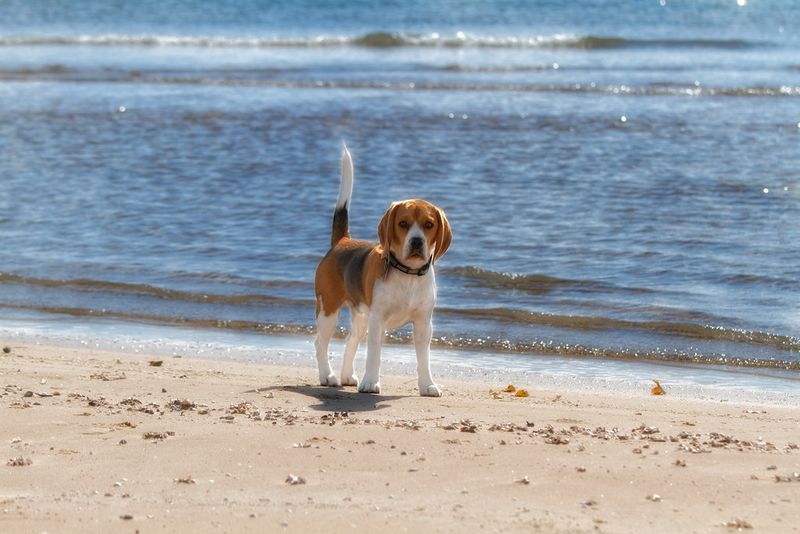
Beagles were built to follow a scent until the story ends. Once that nose catches a rabbit trail, your voice becomes background music.
Off leash, they zigzag with purpose, writing paragraphs in smell while you read only the title.
Channel that drive with nose work, long lines, and structured freedom. High value snacks and upbeat recall games can cut through the sniff spell, but timing matters.
Keep sessions short, practice before meals, and reward like a vending machine set to free. Use a trailing lead on hikes, let them investigate, then call once, move away, and celebrate the choice to follow.
A tired nose makes better decisions, so plan routes rich in sniffs. Morning dew carries bonus scent rewards everywhere.
Afghan Hound
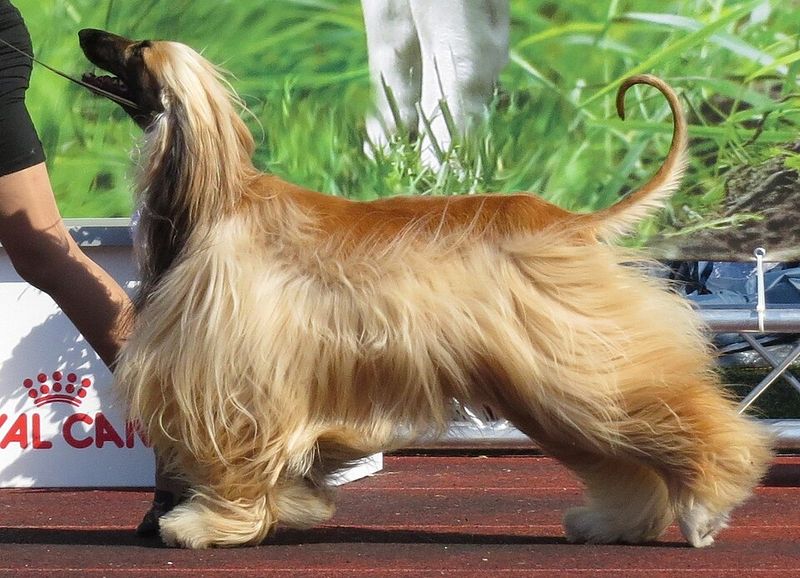
Afghan Hounds move like silk in the wind, and that elegance hides a wild heart. Sight hound instincts flip on fast, locking onto motion far away.
When you whisper come, they hear maybe later and keep floating toward the horizon.
Respect the heritage with safe spaces, fenced fields, and flirt pole workouts. Practice recalls against mild distractions, then slowly layer speed, distance, and novelty.
Pay with roasted chicken, sprint-and-treat games, and praise that sounds like applause, because Afghans appreciate drama. Keep sessions playful, end early on wins, and never punish a late return, or you will teach them to avoid you.
Warm breezes, open fields, and fluttering leaves are irresistible invitations, so they need management and patience from you daily.
Basenji
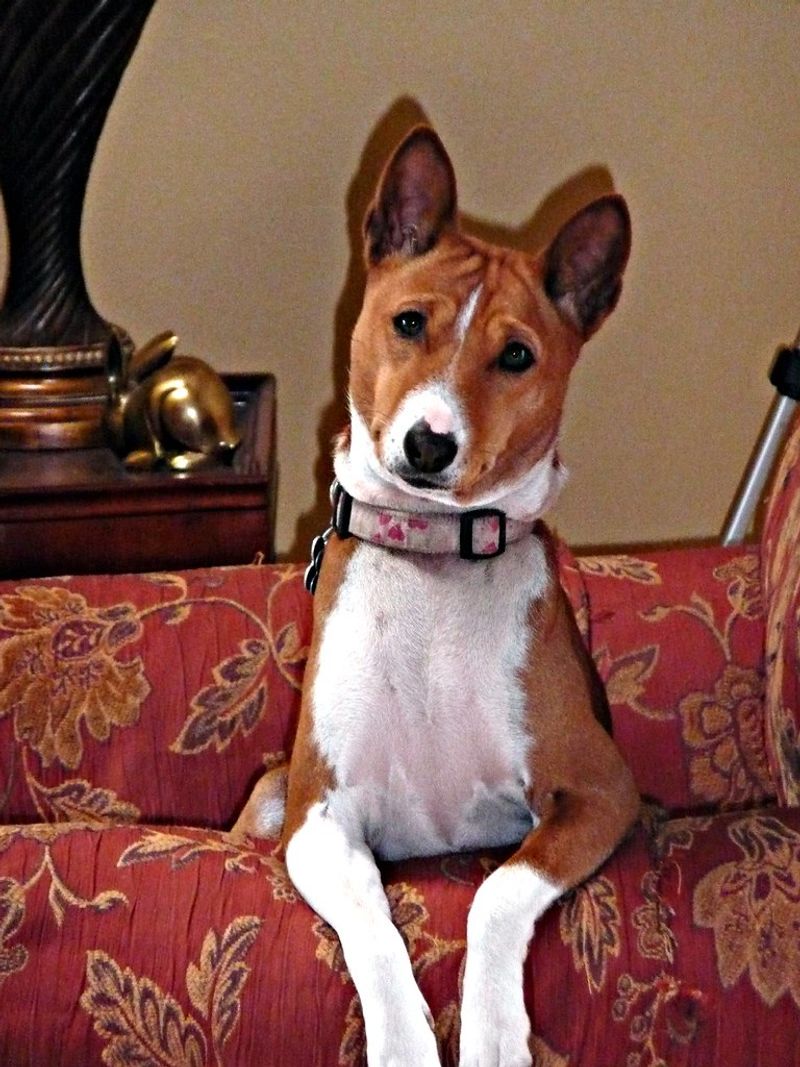
Basenjis are clever minimalists with turbocharged curiosity. Silence is their song, but their feet write essays across the neighborhood if given a chance.
Off leash, a squirrel or shifting shadow can flip the adventure switch instantly.
Lean into puzzles, sprint bursts, and scent games to satisfy the brain. Build a bulletproof recall indoors, then yard, then quiet trails, before testing tempting places.
Pay in variety, not just food, and keep sessions short, because boredom breeds rebellion with this catlike comedian. Rotate rewards, add chase-to-you games, and practice release cues so freedom feels earned and fun.
Use a long line near wildlife, face away while calling, then jog off, turning recall into an irresistible choice. Praise big, reset quickly, every time.
Shiba Inu
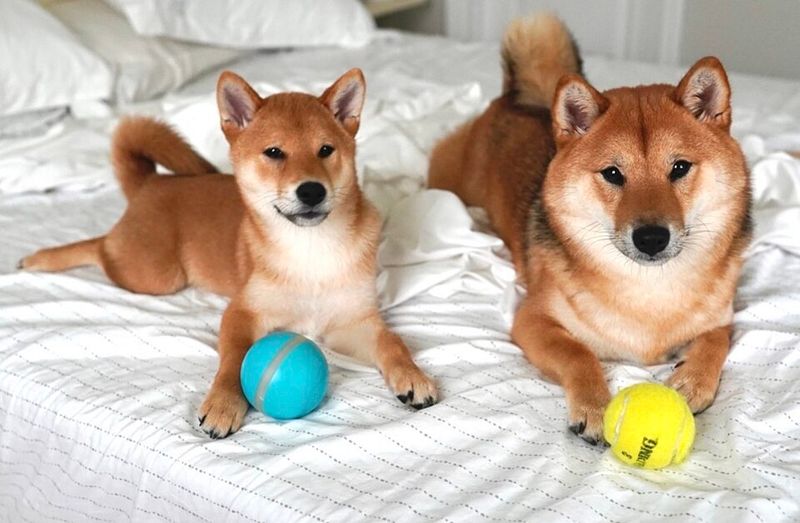
Shibas act like tiny foxes with opinions. Off leash, they weigh your offer against the wind, then vote with their feet.
A sudden zoom turns into a private adventure, and you become a distant narrator.
Make coming back ridiculously rewarding. Mix tossed treats, chase-back games, and surprise toy parties to beat the environment.
Practice consent cues, frequent check-ins, and name games indoors before you test any open space. Use a harness and long line as safety brakes while you teach impulse control with fast, fun drills.
Keep sessions breezy, end on wins, and never chase a fleeing Shiba, because that turns training into tag they will enjoy. Drop and scatter treats, run opposite, and let curiosity pull them back reliably.
Jack Russell Terrier
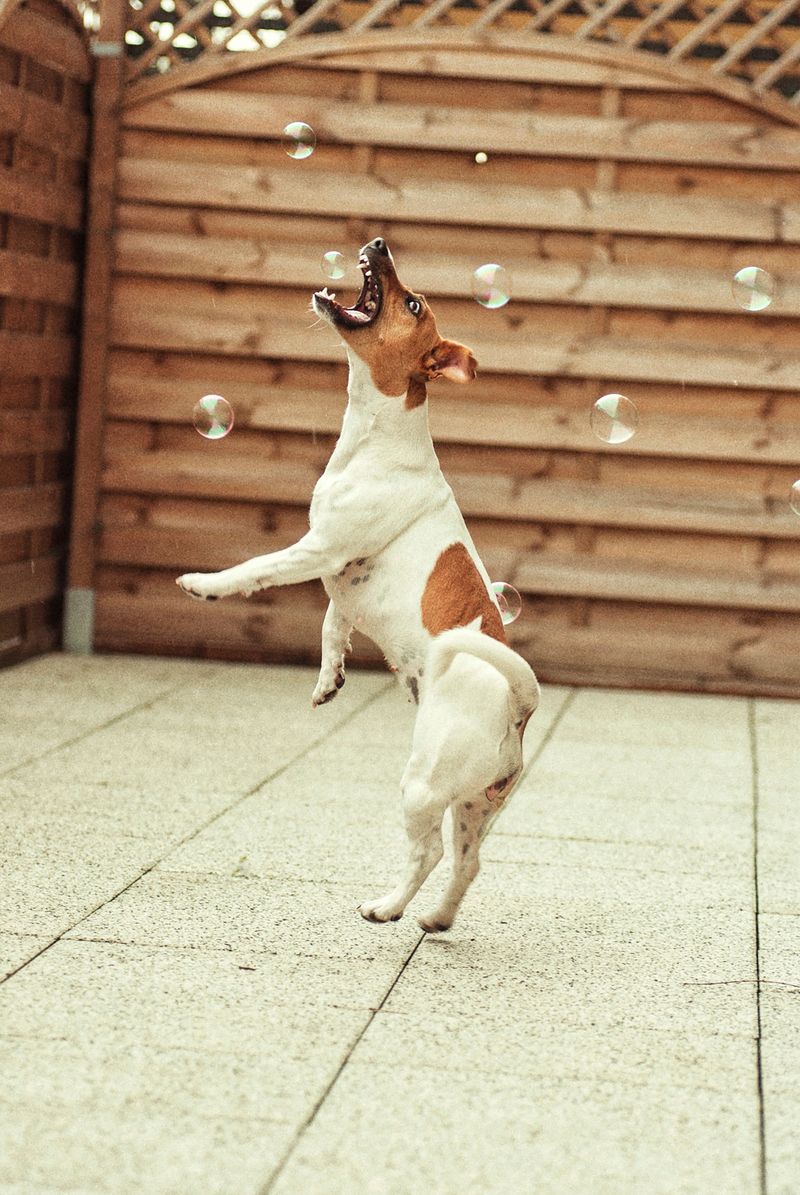
Jack Russells are pocket rockets with detective noses. Give them open space and they will storyboard a chase scene before you blink.
Off leash, their ears often tune to squeaks, not speech.
Outrun the chaos with structure, sprint games, and trick training that pays well. Reinforce calm sits before releasing to sniff, then call back and pay bigger.
Fetch to hand, tug-and-out, and chase-me recalls keep that busy brain pointed at you. Use a long line in fields, keep sessions short, and rotate rewards to outbid burrows and birds.
When in doubt, move your feet, change direction, and make following you the fastest path to fun. Tired terriers make wiser choices on trails after structured play, rest comes easier.
Dachshund
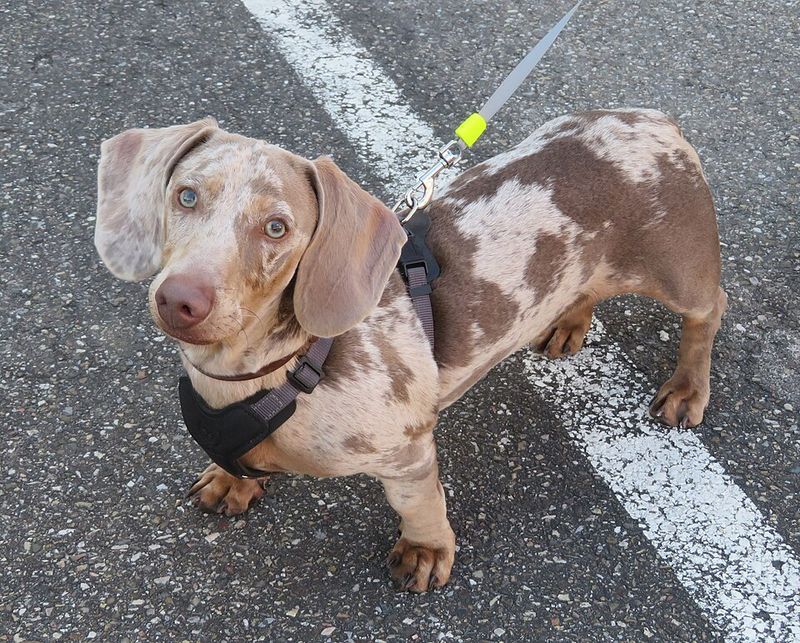
Dachshunds read the world through ground level headlines. A whiff of rabbit or mole turns curiosity into a mission.
Off leash, that tunneling spirit can carry them well past reasonable boundaries.
Train a rock solid stop and a cheerful come. Practice on long grass, then meadows, then light woods, always paying huge for success.
Mix sniff breaks with recall drills so returning unlocks more news. Use harnesses that protect backs, avoid steep jumps, and keep freedom measured while you build habits.
Scatter treats in leaves, then call, move away, and pay double when that nose detaches and the legs follow. Short legs, big heart, steady practice, and patience make reliable hikers on friendly trails with safe exits planned ahead.
Alaskan Malamute
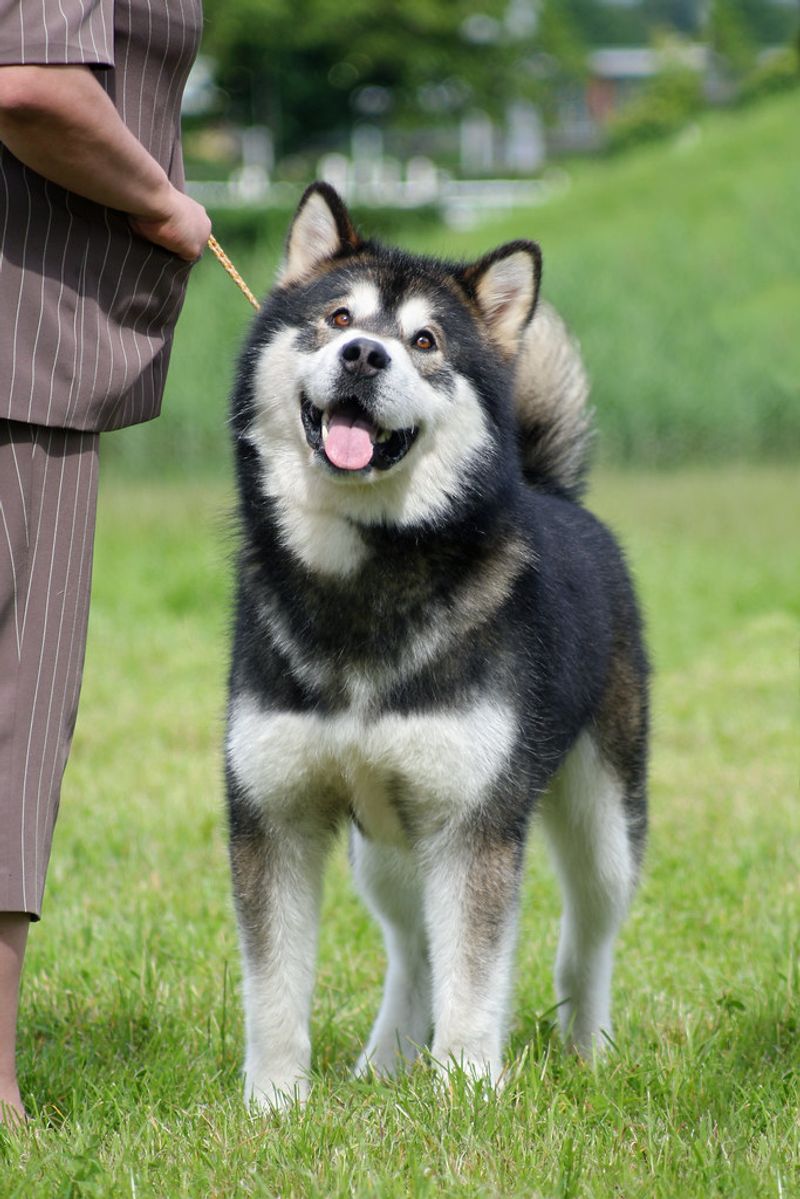
Malamutes are freight engines wrapped in fluff. Freedom flips their work switch, and suddenly the world becomes a sled route.
If you call softly, they might grin and power on.
Meet strength with strategy. Tire the body with weight pulls, backpack walks, and snowy fetch, then train recalls while calmly panting.
Pay giant with meat, toss a party each return, and keep sessions crisp. Use long lines on trails, pick enclosed fields for sprints, and never rehearse running away by calling repeatedly.
Instead, cue once, turn, jog opposite, and let curiosity hook that big motor back toward you. Cold mornings amplify energy, so schedule training then, and save freedom for structured games with clear starts and cheerful finishes every time.
Saluki
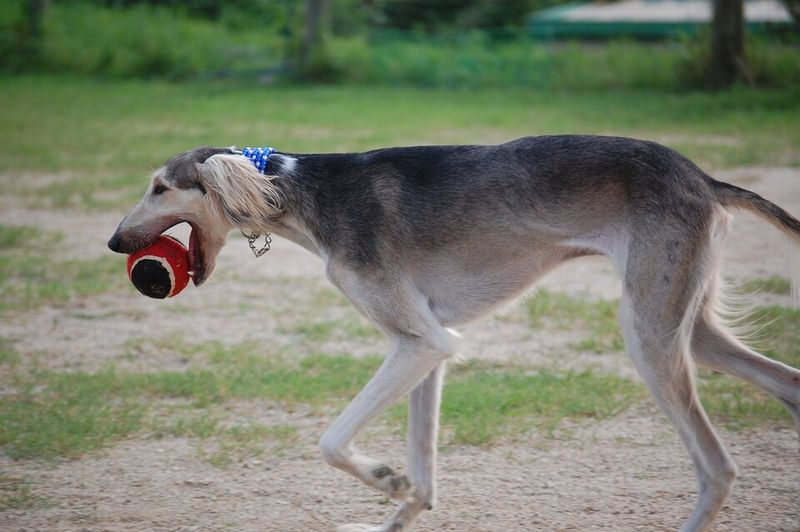
Salukis seem carved from wind and patience. Still one second, then lightning the next, they lock onto motion like a camera.
Your call must outrun instinct, which is rarely easy.
Set them up to win. Practice recalls behind low fences, then larger fields, then safe beaches with few birds.
Pay in movement, sprint with them, and scatter treats in grass to flip their focus downward. Introduce whistle cues for clarity, pair with roasted meat, and finish with calm leash time.
Windy days boost triggers, so choose quiet mornings, and keep sessions short with generous rest between sprints. Celebrate every check-in, because habit builds loyalty when instincts start whispering over many small wins in easy places first.
Then stretch carefully upward.
Borzoi
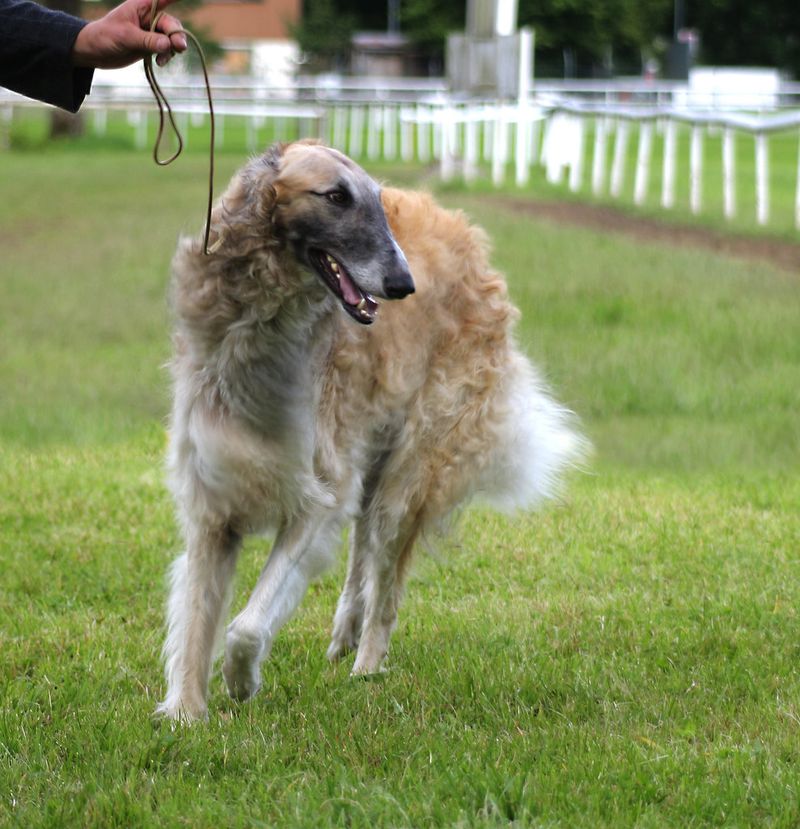
Borzoi carry grace and jet engines in the same frame. They notice a flutter at impossible distances, then drift that direction like a quiet comet.
Your recall competes with physics, not stubbornness.
Use distance wisely. Start with fenced meadows, use a long line, and rehearse sprint-then-return patterns.
Pay in meat, movement, and praise, and quit while attention is still sharp. Teach a whistle as a clear bell, pair it with jackpots, and never nag the cue.
Breeze and birds turn the dial up, so schedule training when fields are quiet and visibility favors you. If they rocket, move opposite, hide your feet, and turn rejoining into an easy, celebrated decision, every single practice in safe places only, please, for consistency.
Greyhound
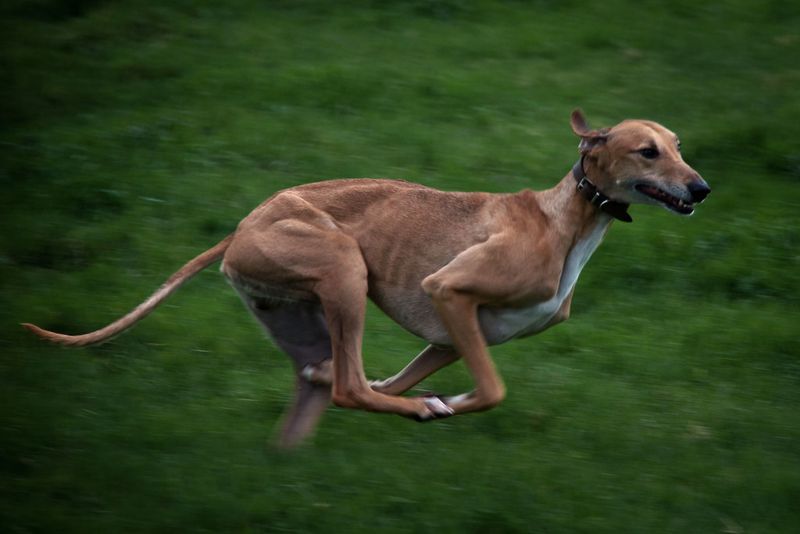
Greyhounds are professional sprinters with gentle souls. Still sofa statues at home, they can ignite outdoors at a leaf twitch.
Once sprinting, brakes arrive late.
Build recalls like a reflex. Practice short, frequent sessions, use a long line, and reward with tossed food and quick chase-to-you bursts.
Keep arousal low before freedom, and end early with wins. Teach a whistle, pair it with cooked meat, and celebrate every glance as a micro recall.
Quiet fields beat dog parks, and cooler hours keep excitement manageable for focused learning. If they light up, turn, jog away, and make yourself the fastest, safest path to fun, repeat sparingly and guard that cue like treasure, in every single session, you will.
Whippet
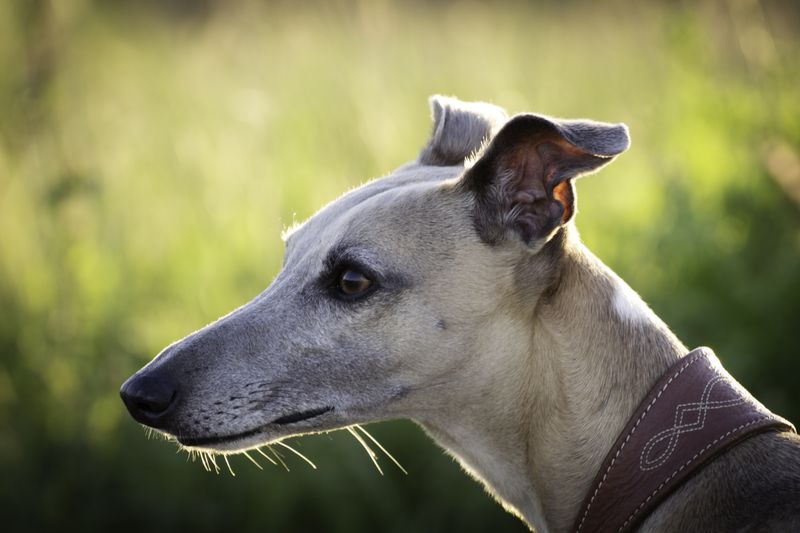
Whippets are sunlight on springs. They warm up quietly, then accelerate like poetry.
Off leash, they chase motion before thinking about maps.
Craft recalls that feel like tag. Use a long line, play chase-back games, and sprinkle food on grass to lower arousal.
Keep it breezy, quit while focused, and trade freedom for check-ins. Pair a whistle with roasty treats, sprint together for two seconds, then pay big at your knees.
Avoid open wildlife hours, pick calm fields, and build habits before temptation arrives with wind and feathers. A happy trot beside you today becomes tomorrow’s reliable sprint-and-return rhythm, practiced often in safe spaces you both trust completely first.
End strong, leash up, and cuddle on the walk back home.
Bloodhound
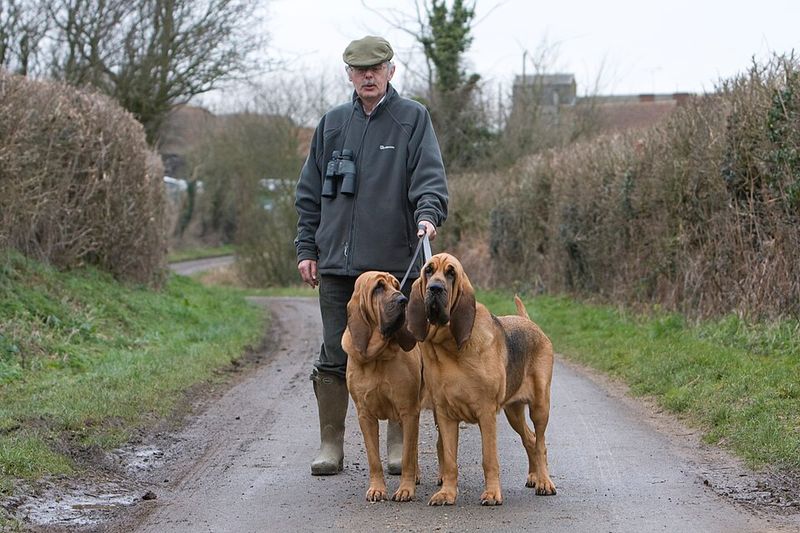
Bloodhounds treat smells like novels worth finishing. Once a trail lights up, they follow with holy focus, ears flapping like bookmarks.
Your call competes with destiny.
Leverage that nose. Play tracking games you control, then trade information for treats and praise.
Use long lines through woods, ask for brief check-ins, and reward with another sniff assignment. Sprinkle food along easy paths, then call once, step away, and pay huge when they disengage.
Scent-heavy mornings demand management, so pick low wind days and end before fatigue steals judgment. Confidence grows when you act like a guide, not a goalie, shaping choices without constant no, consistency builds returns that survive difficult plots outside, on real trails together often, patiently.
Treeing Walker Coonhound
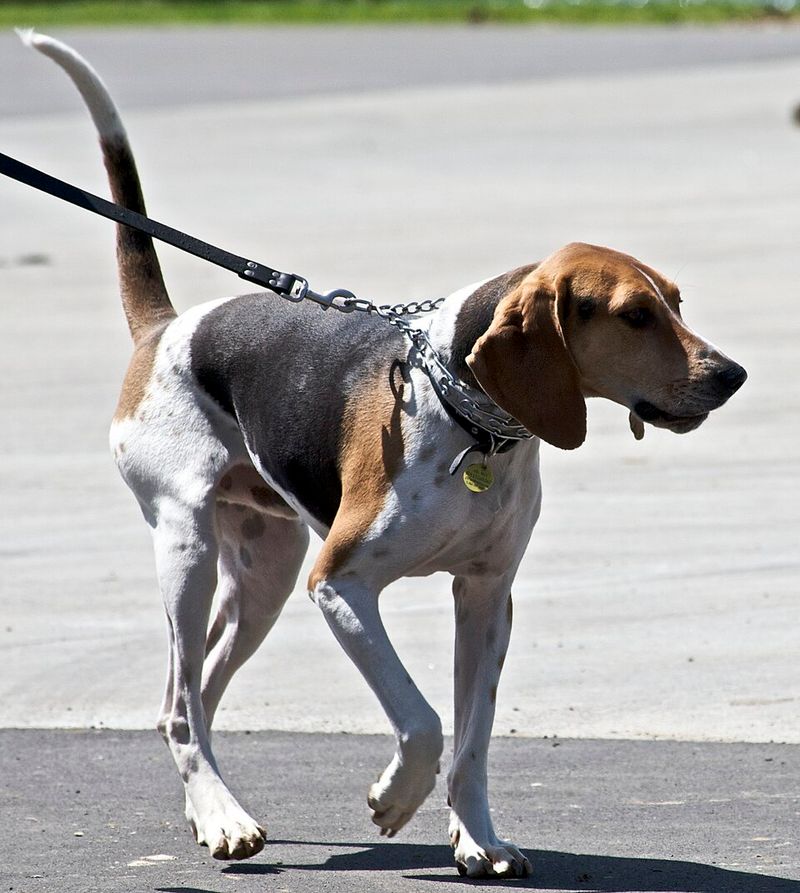
Treeing Walkers sing the forest into focus. Their mission is follow, find, and announce, and they love it.
Off leash, the horizon is simply step two of the plan.
Give purpose before freedom. Track on your terms, practice releases, then recall for jackpots and another search.
Use long lines, bright lights at dusk, and loud whistles for clarity. Reward information, not just obedience, so checking in unlocks more hunting time without chaos.
Teach an emergency down, practice behind fences, and expand to big fields only when habits stick. When the music starts, breathe, turn, and make returning to you the obvious encore, paid well in safe places again and again first, before wider woods tempt them away easily.