Some dogs seem to make a new best friend at every crosswalk, while others size you up before deciding if you have earned a spot in their circle. Knowing which is which can save you from unexpected tagalongs and help you train with confidence.
You will meet ten social butterflies that might happily follow a friendly stranger home, plus three dignified souls who give trust only after it is earned. Let’s help you read the wag before it wanders.
Labrador Retriever
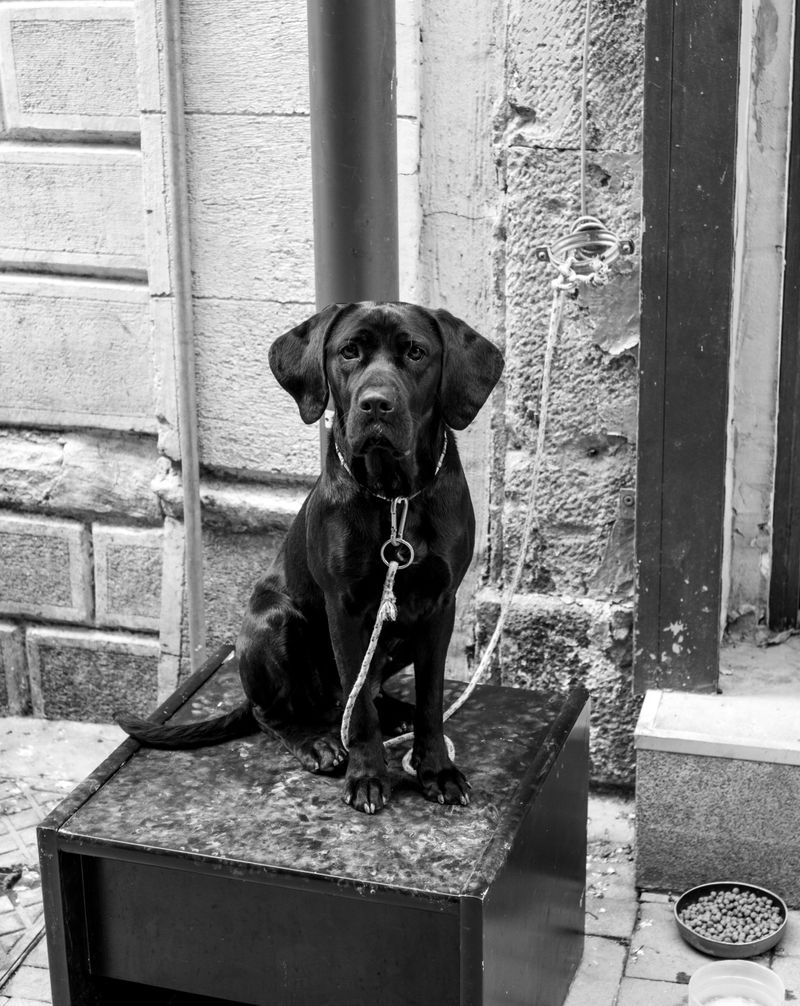
Labradors are the classic friendly neighbor, tail wagging before you even say hello. Bred to retrieve beside fishermen, they love people, motion, and purpose.
If you stop to tie a shoe, a Lab might plop down beside you as if you have been best friends for years.
They are eager to please, food motivated, and remarkably tolerant of new faces. That easy temperament means they will often follow whoever offers a kind word or a squeaky toy, so good training and gates matter.
Channel that trust with daily exercise, simple cues, and structured greetings, and you will keep their big heart safe while still letting it shine. It keeps wanderlust in check.
Your Lab will thank you.
Golden Retriever
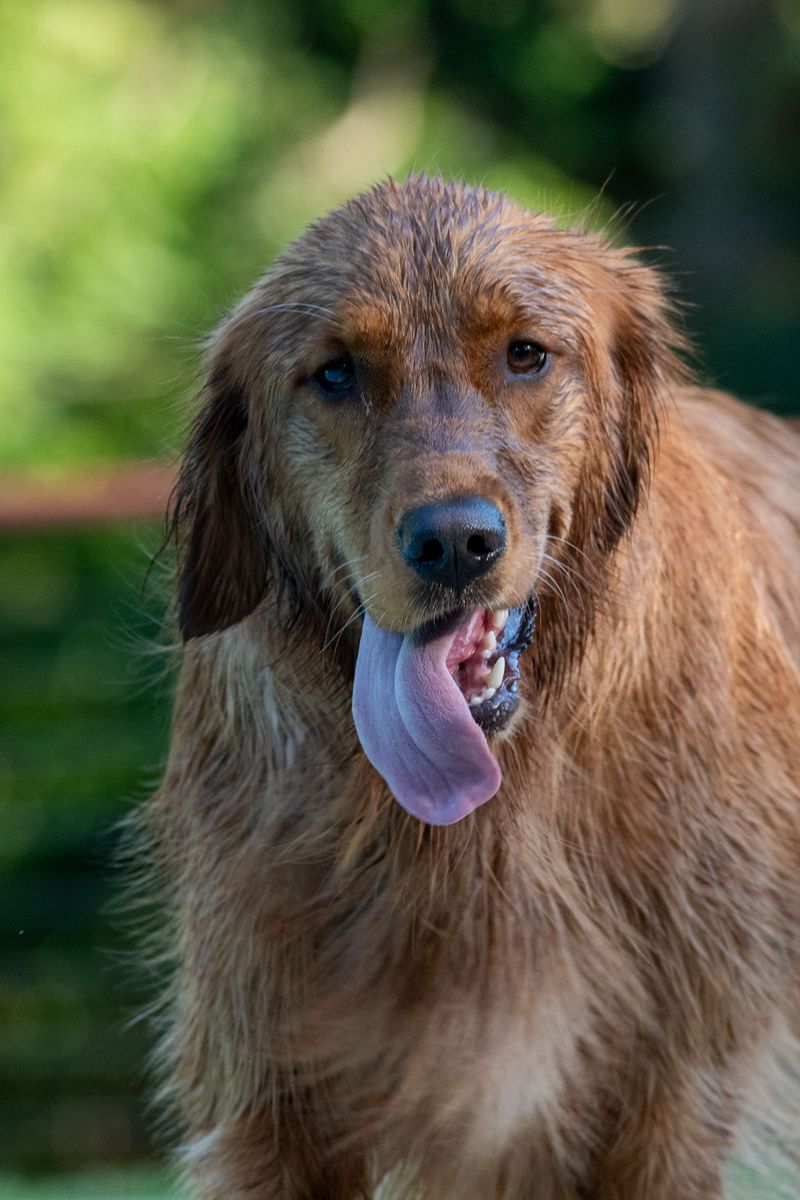
Goldens are social magnets, bright eyed and ready to lean their whole weight into your knees for a cuddle. Bred for soft mouths and cooperative work, they are tuned to people and thrive on praise.
Their patient, sunny outlook makes strangers feel like old friends within seconds.
That charm can translate into accidental hitchhiking if a gate is left open. Keep a steady routine of recall games, long walks, and polite greeting practice so your Golden learns that you are the most interesting person in any crowd.
Reward calm sits before petting, and redirect that eager approach into focus. With thoughtful structure, you will enjoy their sparkle without worrying they will follow the next friendly voice.
Beagle
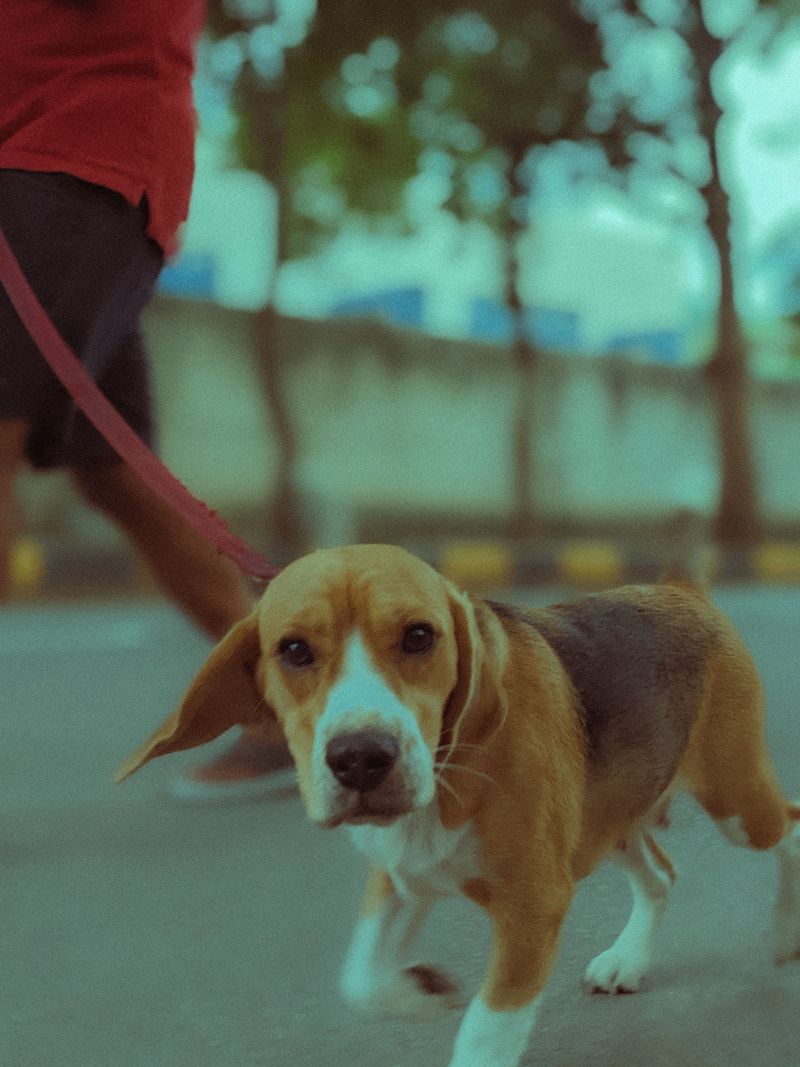
Beagles greet the world nose first, and the world usually smells like new friends and snacks. Their hunting heritage makes them curious, cheerful, and unbothered by crowds.
That merry confidence can carry them right into a neighbor’s yard or after anyone who rustles a treat bag.
They are famously food motivated, so training works best with tasty rewards and upbeat repetition. Secure fencing and a reliable harness are musts because scent can drown out your voice.
Practice recall with high value treats, short sessions, and plenty of praise. Give their nose a job through sniff walks and puzzle feeders, and you will keep them anchored to you.
A satisfied Beagle is far less likely to tail a stranger home.
Boxer
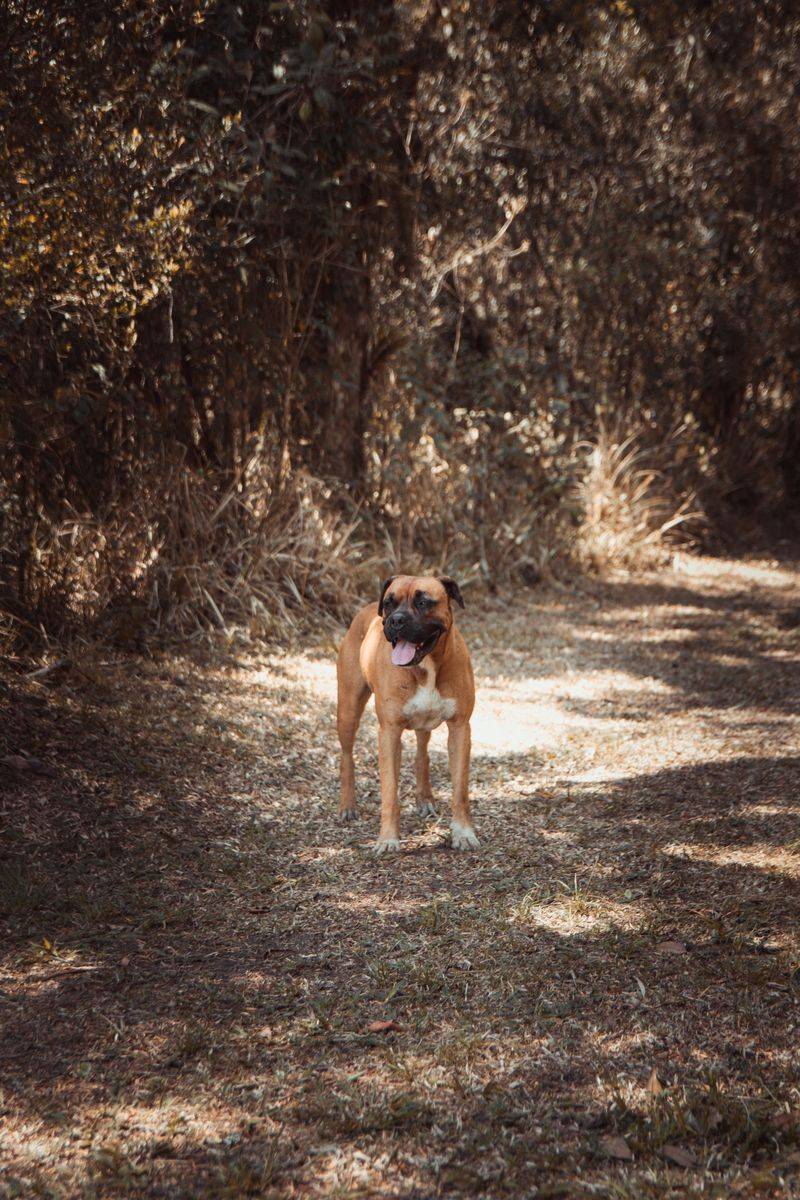
Boxers are bouncy comedians who think every game needs one more teammate. Originally bred as guardians and working dogs, they still wear a big heart on a big chest.
Many will trot right up to someone laughing or running, ready to join the fun without hesitation.
That exuberance needs direction. Short impulse control drills, like sit to say hello, teach manners without dulling their joy.
Keep social time structured and end on success, and you reduce the risk of them trailing after the next playful human. Daily exercise is non negotiable for Boxers, so mix cardio with brain games.
When you channel the wiggles, they bond fiercely to you and save their follow me attitude for family adventures.
Cavalier King Charles Spaniel
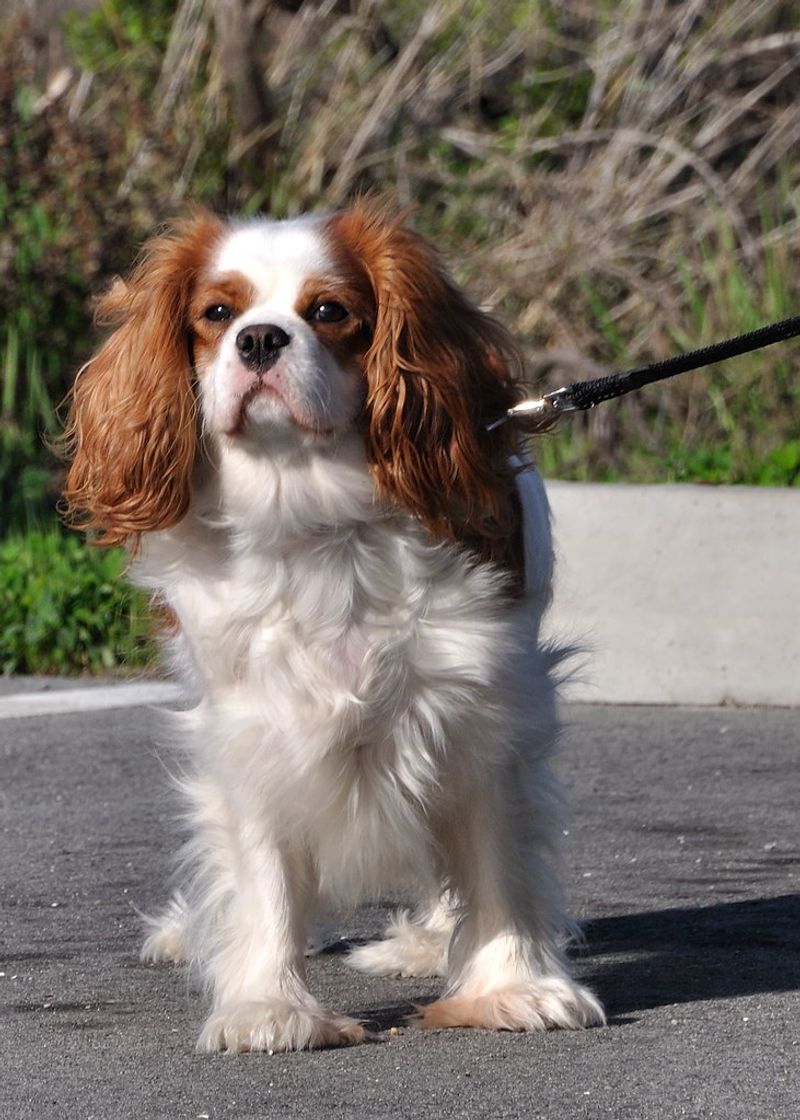
Cavaliers are living love notes with paws, bred to warm laps and hearts. Their gentle temperament and soft eyes pull smiles from strangers across the street.
Many will trot toward the first kind voice, climbing right into affection if you let them.
Because they crave closeness, they can seem velcro like, which sometimes extends to unfamiliar people. Build confidence with calm meet and greets, rewarding attention back to you.
Keep them on a lightweight lead during social outings, and practice brief stays by your side. Enrich their day with sniffy strolls and quiet cuddle breaks so their cup stays full.
When you set boundaries with kindness, a Cavalier learns to check with you before following anyone charming down the block.
Bichon Frise
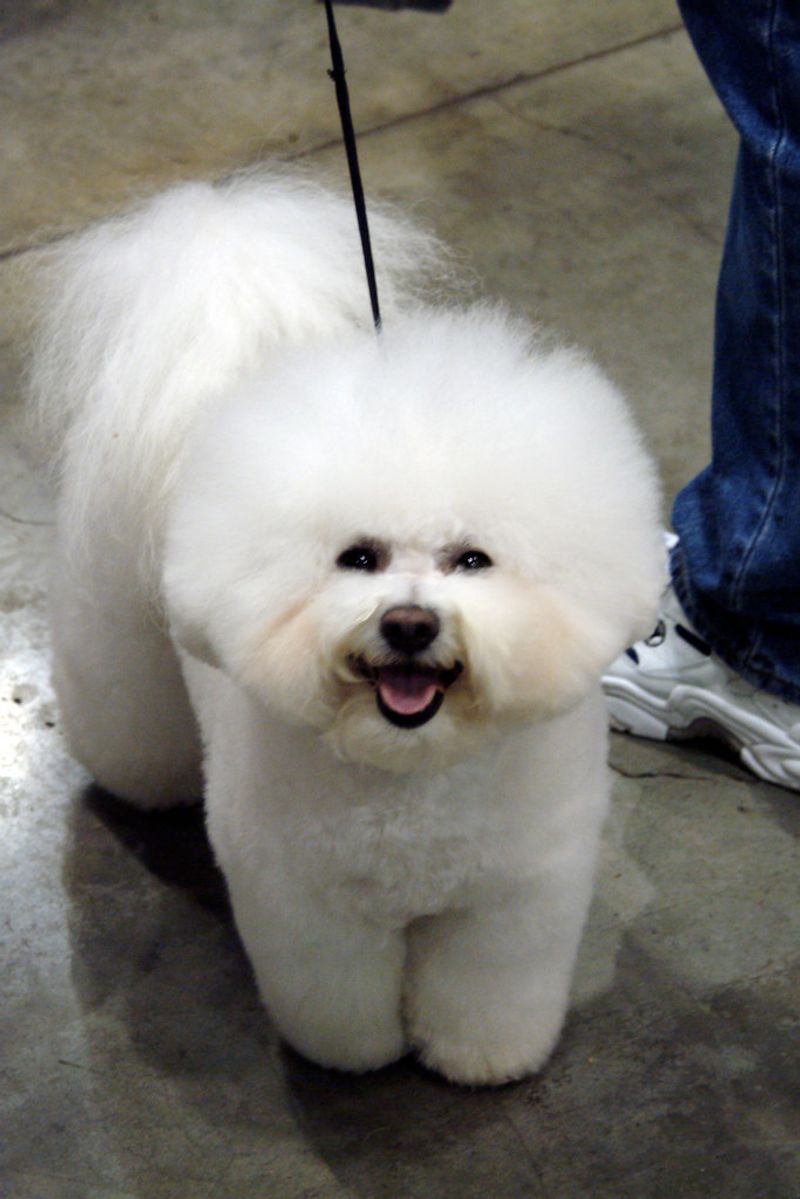
Bichons are tiny extroverts wrapped in clouds. Bred as cheerful companions and performers, they often treat the sidewalk like a stage and the audience like instant friends.
Their confident bounce and bright eyes can lure them toward anyone willing to coo and offer a pat.
To prevent unplanned encores, teach a solid check in cue and reward quick eye contact. Short, frequent training bursts keep them engaged without overwhelming sensitive spirits.
Regular grooming sessions double as handling practice, building trust and patience. Encourage polite greetings on cue, then release to sniff so they learn choices matter.
With mental games, gentle structure, and predictable routines, your Bichon will sparkle for the world yet still choose you when it is time to head home.
Havanese
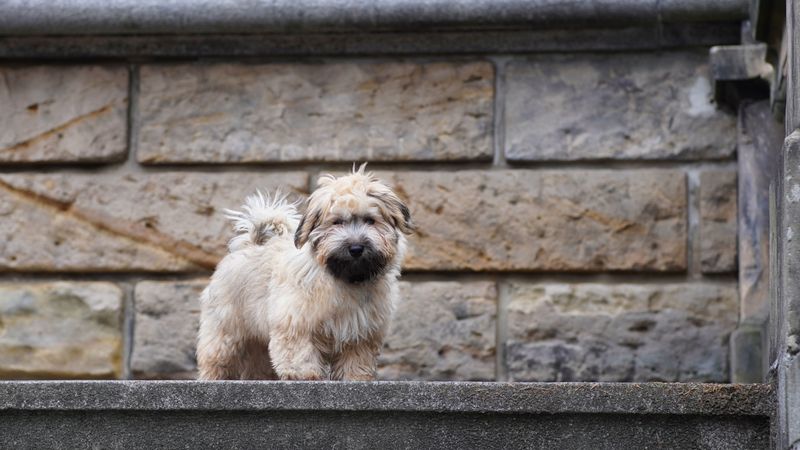
Havanese were bred as charming companions in bustling courtyards, so they read people like open books. They are light on their feet, expressive, and eager to mingle.
A friendly wave or crouch often brings them trotting over, ready to make a new buddy.
That social sparkle shines brightest with gentle guidance. Reward calm sits for attention, and use a lightweight long line to practice staying close.
Rotate toys and simple tricks to keep their clever minds satisfied, which reduces nibbling curiosity about strangers. Consistent routines make them feel secure, so they check in with you more often.
With patience and play, your Havanese will hop toward community but pivot back to your side when decisions really count.
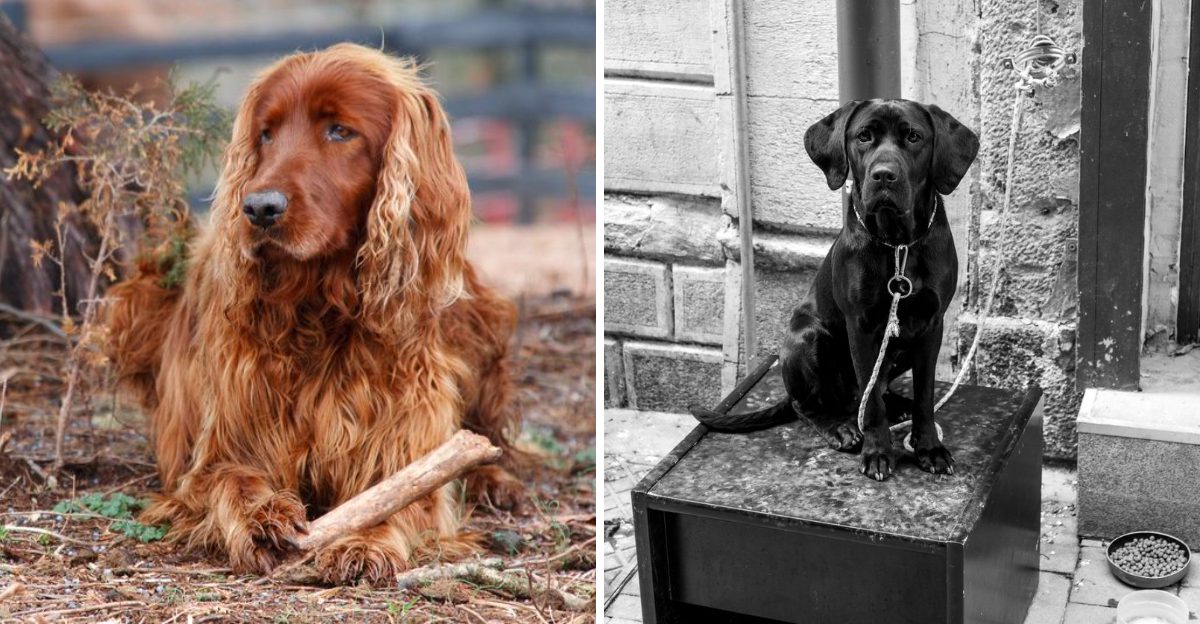
Irish Setter
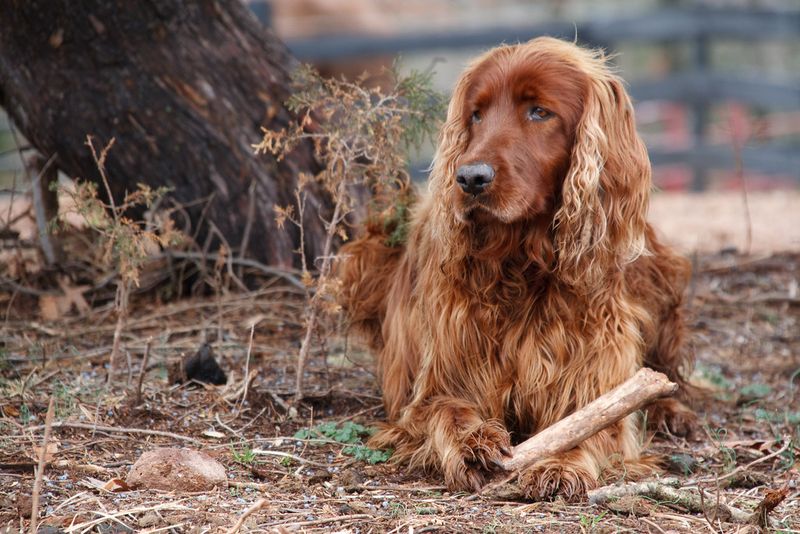
Irish Setters are gorgeous free spirits, bred to cover ground with grace and enthusiasm. Their curiosity and open nature can make every passerby seem like a potential adventure partner.
If someone whistles, many Setters happily arc their path to say hello.
That wander friendly streak needs steady recall practice and robust exercise. Long hikes, field games, and scent work satisfy their engine so they are less tempted to drift with strangers.
Use high value rewards and joyful tones, not drills that crush their spirit. Teach a rock solid wait at doors and gates.
When their body and brain are meaningfully engaged, an Irish Setter chooses your company and keeps that sweeping tail aimed confidently toward home.
English Setter
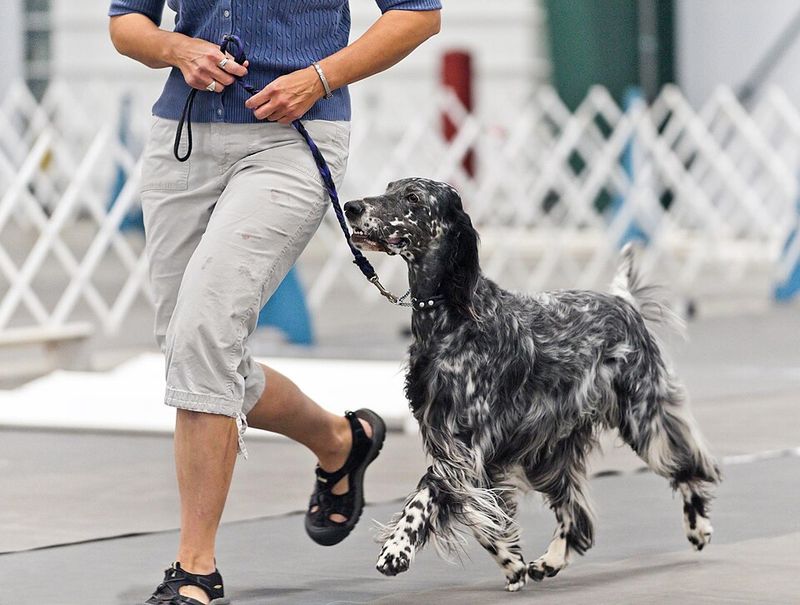
English Setters blend gracious manners with gentle curiosity. They are bird dogs bred for teamwork, which translates into social ease with people.
Many will float over to greet a calm stranger, feathered tail waving like a white flag of peace.
To keep that elegance grounded, build routines that reinforce checking back with you. Practice loose leash walking with frequent turn cues and reward attention often.
Give them tasks like hide and seek or simple retrieves so their brains stay occupied. A consistent outlet for athletic energy prevents aimless drifting toward new friends.
With empathy and structure, your English Setter will mingle politely but keep home base in sight, preferring your voice over the next beckoning hello.
Papillon
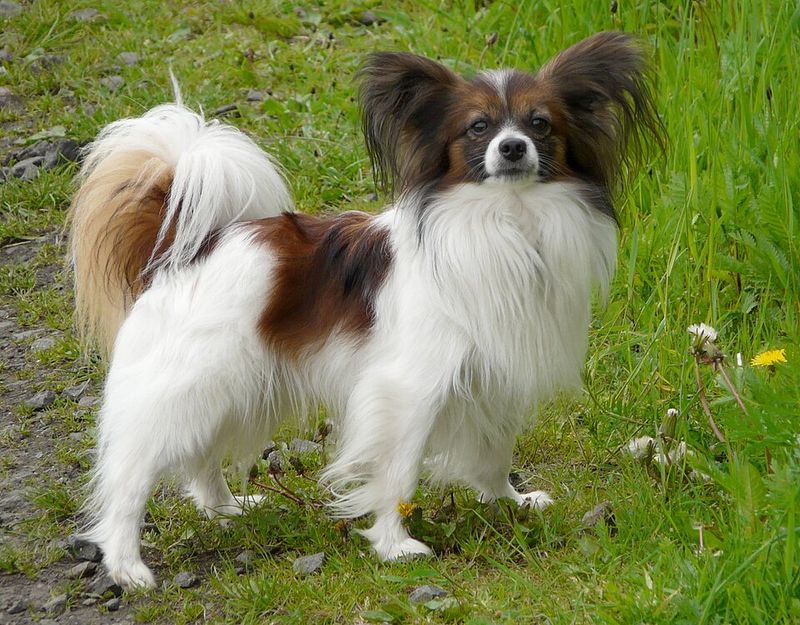
Papillons are tiny scholars with big social confidence. Their toy breed roots mix elegance with curiosity, and those butterfly ears catch every friendly greeting.
Many will prance over to investigate, thrilled to show off a trick for anyone who asks.
Manage that charm with solid attention cues and short trick sessions that end on success. Use small, tasty rewards and keep encounters upbeat but brief to avoid overwhelm.
Provide puzzle toys and target games to focus their quick minds. Teach a hop up cue onto your foot or bench for safe greetings in crowds.
With thoughtful guidance, your Papillon will shine for admirers yet keep their brightest focus on you.
Akita
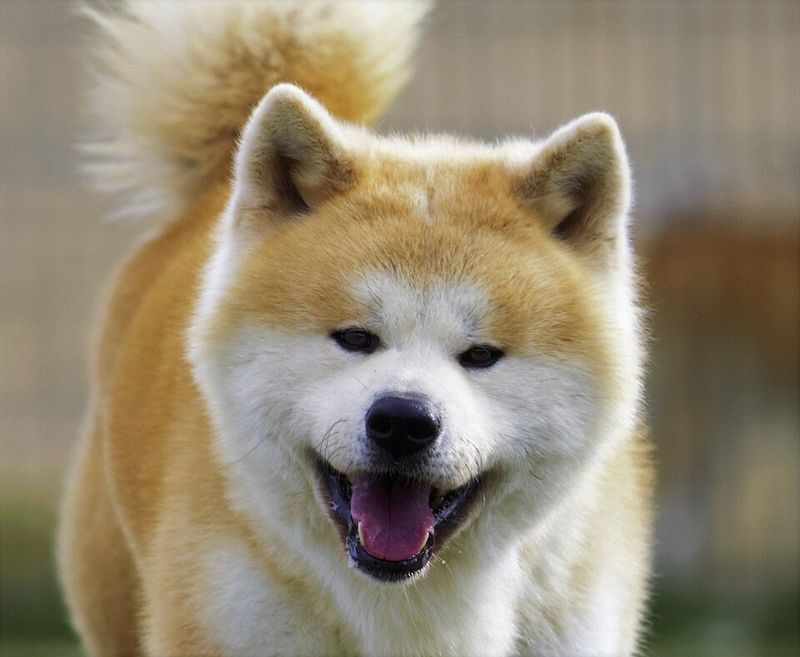
Akitas are discerning guardians, bred to be devoted to their people and thoughtful with outsiders. They are not unfriendly, just selective, reading body language carefully before engaging.
Many will ignore a stranger entirely, choosing to stand near you like a quiet sentinel.
Respect that reserve with slow introductions and clear boundaries. Focus on neutrality over forced affection, rewarding calm behavior and attentiveness to you.
Early socialization matters, but quality beats quantity. Teach rock solid obedience, and reinforce that you handle doorways and decisions.
With consistent leadership and fair expectations, an Akita’s trust deepens, and they offer loyalty that feels earned, not granted. They will not follow just anyone, and that is part of their strength.
Chow Chow
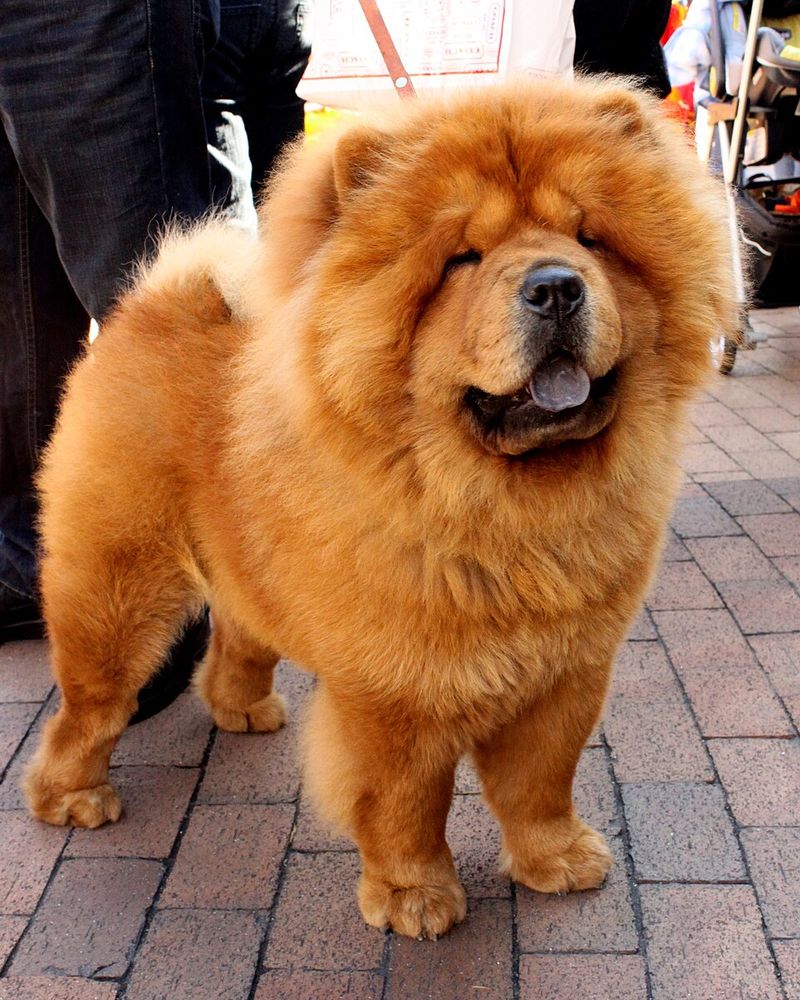
Chows carry a noble air, independent and thoughtful about who deserves their attention. Historically used as multipurpose working dogs, they value boundaries and calm consistency.
Many will observe a stranger without moving, preferring distance to casual engagement.
To earn a Chow’s trust, keep routines predictable and praise understated. Avoid crowding or fast introductions, and let them choose if and when to say hello.
Socialization should focus on exposure and neutrality, not forced petting. Reinforce cues with quiet rewards and end sessions while they are still confident.
Over time, you will see a dignified softness reserved for family. A Chow does not follow charm; they follow character, and yours should lead the way.
Basenji
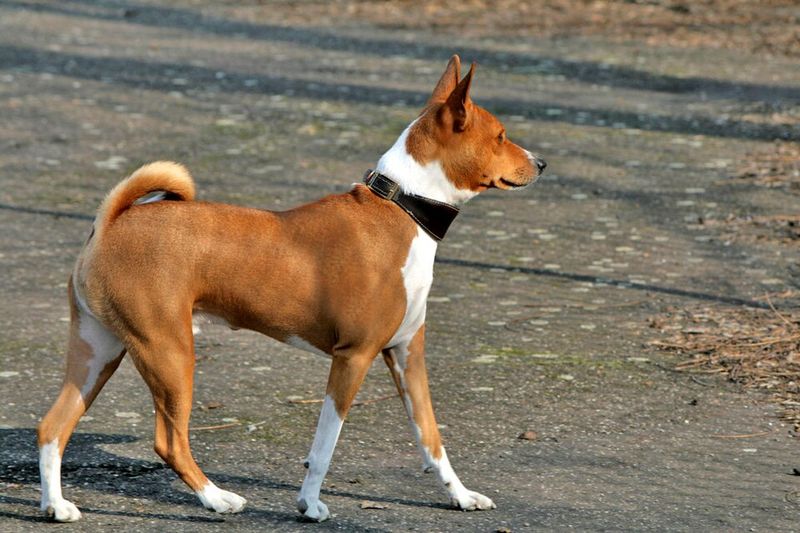
Basenjis are catlike canines, keen observers with a dry sense of humor. Ancient hunting roots make them independent thinkers who prefer choosing their companions.
Many will assess a stranger silently, then drift away rather than follow.
They thrive on respectful partnership, not micromanagement. Use games that reward problem solving and quiet focus, like scent puzzles and platform work.
Keep sessions brief and upbeat, and remember that novelty increases buy in. A reliable recall is possible, but it must be paid handsomely and practiced often.
With patience and consistency, a Basenji’s trust grows into a subtle, steadfast bond. They do not chase every friendly voice, and when they choose you, it feels genuinely earned.