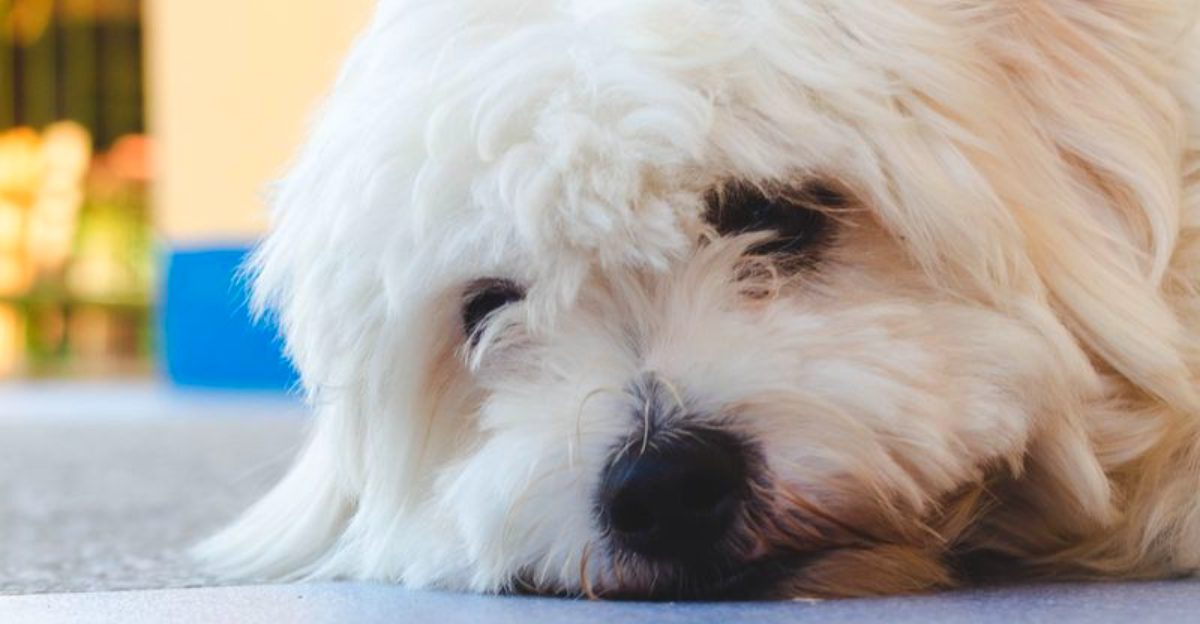
Thinking about bringing home a Maltese? Their charm is real, and that tiny bundle of fluff will have you smiling in seconds.
But loving this breed also means embracing a few daily realities that keep them happy and healthy. If you are ready for honesty with a side of encouragement, you are in the right place.
Daily coat care is essential

That silky Maltese coat looks magical, but it needs hands-on attention every single day. A quick brushing keeps tangles from forming and removes debris that can irritate sensitive skin.
If you slack for even a couple days, mats tighten fast and can make grooming uncomfortable.
Use a detangling spray, a pin brush, and a metal comb to reach the undercoat. Keep hair trimmed around paws and sanitary areas so messes stay manageable.
Make brushing a calm bonding ritual with treats, and you will prevent pain, save money, and keep that white fluff gleaming. Daily eye and muzzle wipe-downs also keep food, saliva, and dirt from creating stubborn knots.
Consistency matters, because small sessions beat exhausting weekend battles every time, friend.
Tear staining is common

Those soulful eyes often leave rusty streaks that worry new owners. Maltese are prone to tear staining because of shallow eye sockets, narrow tear ducts, or allergies.
The stains are usually cosmetic, but they signal moisture sitting on hair, which can invite irritation.
Keep the area dry with soft pads, and trim hairs that wick fluid. Ask your vet about safe wipes, eye lubricants, and diet changes that may reduce staining.
Filtered water, stainless bowls, and wiping after meals help too, and with patience you will see brighter, cleaner fur. Address underlying triggers like smoke, dust, pollen, or low-quality food.
If discharge seems colored, thick, or painful, schedule a checkup promptly to rule out infection and corneal or eyelid issues.
They crave constant companionship
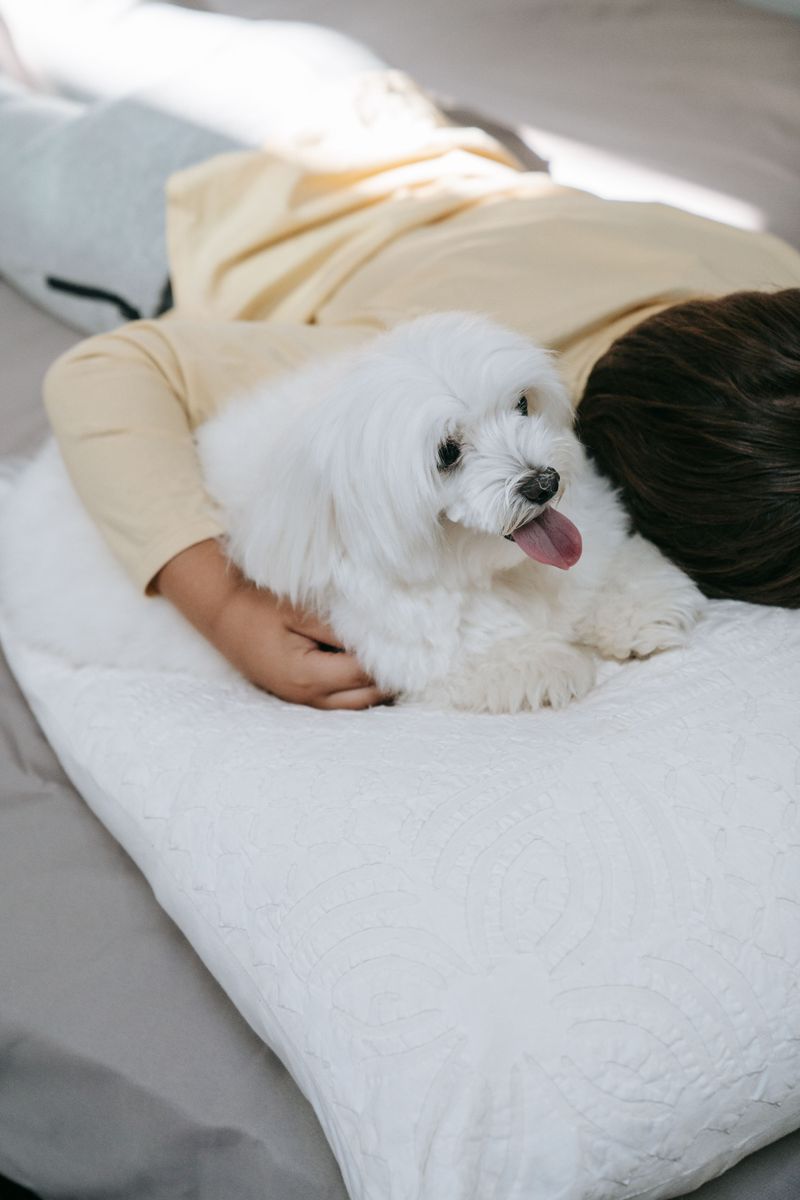
Maltese thrive when they are near you, not across the room. This breed bonds tightly and watches your every move, ready to curl up the moment you sit.
Long stretches without interaction can lead to stress, pacing, and attention seeking behaviors.
Build a routine that includes walks, training games, and gentle lap time. Rotate puzzle toys and safe chews so your dog can relax between your meetings.
If your schedule is demanding, consider a sitter, daycare, or trusted friend, because companionship is not optional for this affectionate shadow. Teach independent settling on a mat, rewarding calm, quiet moments within sight of you.
Gradual practice reduces clinginess and keeps both of you happier and less anxious during chores, calls, and errands.
Small size means greater injury risk
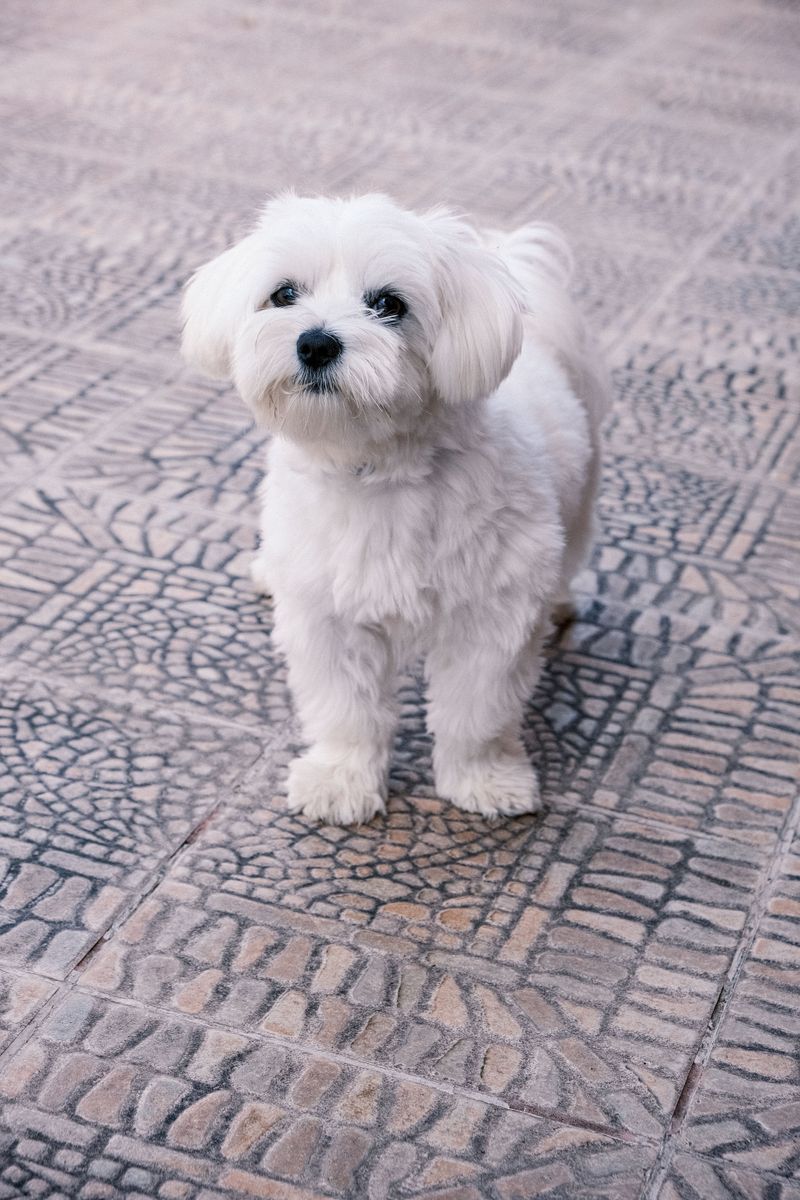
A Maltese is tiny, which makes everyday life more hazardous than you expect. A dropped phone, a heavy door, or a misstep can cause painful injuries.
Jumping off furniture stresses fragile joints and can lead to luxating patellas or back strains.
Use ramps or steps for couches and beds, and block risky gaps on stairs. Teach a wait cue before jumping down, and supervise excited greetings with children.
Choose harnesses instead of collars for walks to protect the trachea, and always pick safe play surfaces with good traction. Keep fragile bones safe by trimming nails, managing weight, and avoiding rough dog parks with larger players.
Teach kids to sit on the floor and let the dog approach calmly during hellos.
Barking can become a habit
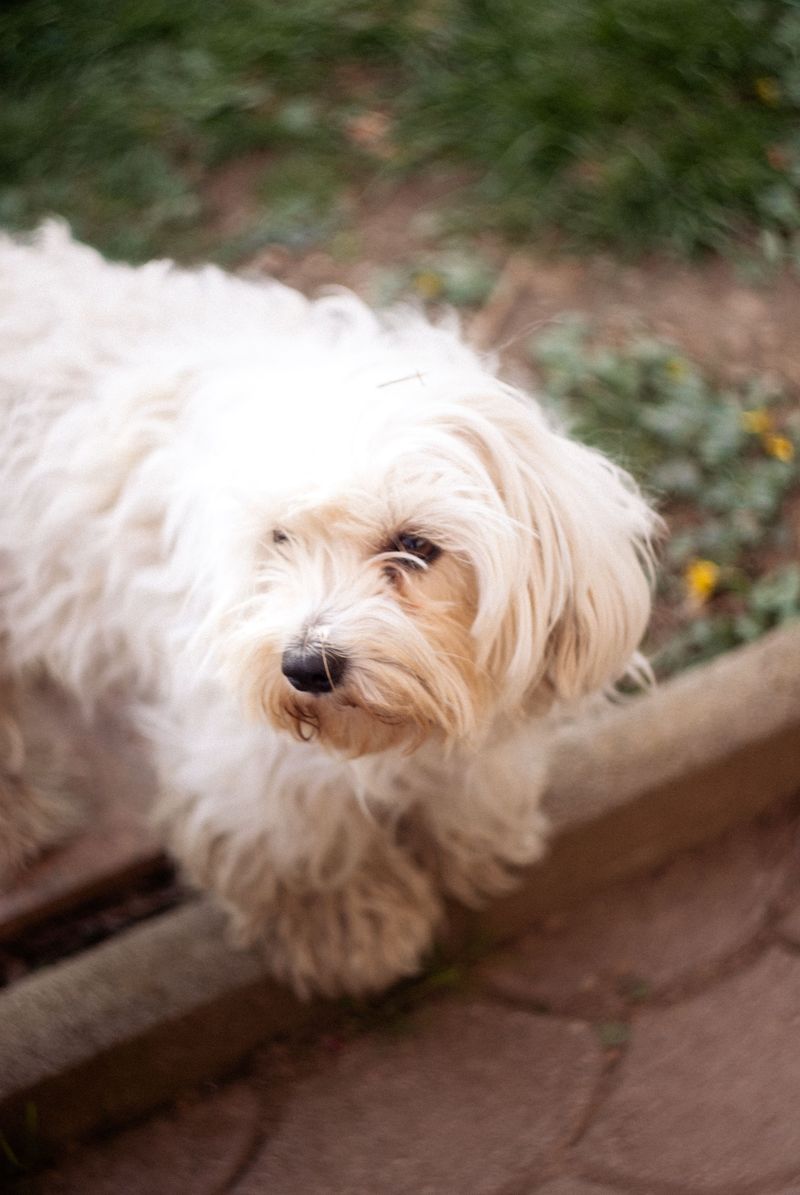
Maltese are alert, and their small bodies hold big opinions. Without guidance, that vigilance can morph into nuisance barking at footsteps, mail trucks, or neighbors.
Yelling rarely helps, because attention rewards the behavior even when it sounds annoyed.
Teach a quiet cue paired with treats after one or two barks, then redirect to a mat. Use white noise, window film, and predictable routines to lower triggers.
Meet daily needs for exercise and mental work, and you will see calmer responses that feel respectful, not suppressed. Praise what you want, and manage what you cannot yet train by closing blinds or moving rooms.
Consistency across family members prevents confusion and keeps your Maltese from rehearsing loud habits every single day, reliably.
Dental care is especially important
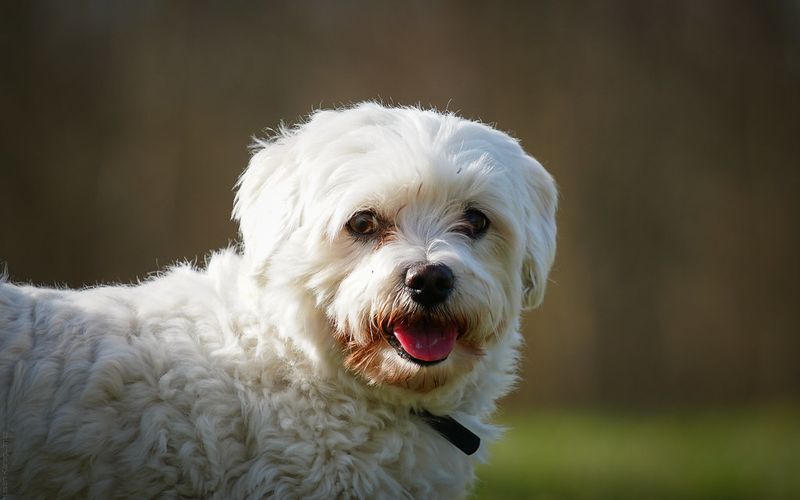
Small mouths pack teeth closely, which traps plaque and leads to gum disease fast. Many Maltese will need professional cleanings, sometimes even before age three.
Neglect can cause pain, tooth loss, and infections that affect the heart, kidneys, and overall health.
Make toothbrushing a nightly routine using dog-safe paste and a soft brush or finger brush. Add dental chews approved by your vet, and consider water additives or gels for extra help.
Schedule exams to catch issues early, because prevention costs less than extractions and keeps breath sweeter. If brushing feels tough, start with brief sniffs and rewards, building to seconds of gentle strokes.
Celebrate progress, track bleeding or redness, and ask for polishing tips after each cleaning from staff.
House-training may take patience

Toy bladders are small, and tiny bodies cannot hold it like larger breeds. Expect frequent trips outside, especially after waking, eating, playing, or drinking.
Accidents do not mean stubbornness, just a body that needs structure and clarity.
Choose a consistent potty spot, reward generously within seconds, and use an enzyme cleaner indoors. Crate training helps build scheduling skills and protects your carpet while habits form.
Track timing in a simple log, and you will spot patterns that guide intervals, water intake, and realistic expectations. If weather is brutal, set up a covered potty area or indoor grass pad temporarily.
Avoid punishing mistakes, since fear delays learning and can encourage secretive spots. Stay upbeat and consistent every single day with patience.
They dislike being left alone

Separation can feel overwhelming for such a people focused breed. Many Maltese protest with barking, whining, or pacing when the door closes.
Some may scratch, chew, or soil if departures feel long and unpredictable.
Practice short absences that start with seconds, pairing departures with stuffed chew toys and calming music. Keep comings and goings low key, and give exercise before leaving to ease energy.
If signs escalate, consult a trainer or vet to rule out anxiety disorders and design supportive plans. Consider dog sitters, friendly neighbors, or daycare to break up long workdays and provide company.
A camera lets you monitor progress reliably and adjust routines thoughtfully over time. Aim for calm departures that predict good things for your dog daily at home.
Cold weather can be challenging

That glamorous coat is single layered, not a thick insulating double coat. Maltese lose heat quickly, especially in wind or wet conditions.
Shivers, lifted paws, and reluctance to move are clear signs your dog needs help.
Bundle up with a fitted sweater or coat, plus booties for salted sidewalks and icy patches. Keep walks shorter, choose sunny routes, and dry thoroughly when you get inside.
Provide cozy beds away from drafts, and warm up with snuffle games or training to meet needs indoors. Remember tiny legs work harder in snow, so shovel paths and watch for ice balls.
If your Maltese refuses to walk, carry home quickly and try indoor play. Comfort always outranks mileage on brutal winter days outside.
Regular grooming is a lifelong commitment

Maltese grooming is not a phase. Whether you keep a show-length coat or a cute puppy cut, upkeep never stops.
Scheduling and budgeting are as important as brushes, because neglected coats become painful and time consuming to restore.
Decide on a plan that blends professional appointments with at-home maintenance you can keep. Nail trims, ear care, sanitary clips, and baths are routine, and blow drying prevents future tangles.
When you build habits around music, treats, and patience, grooming transforms from chore to connection and comfortable health. Track schedules in your calendar, and keep tools clean so sessions stay efficient.
Ask your groomer for demos, and film techniques to replay later at home. Small steps build lasting success for your Maltese.